
We were visiting my old friend and colleague, Kishen Chander Bansal (KC) and his family in Chandigarh.
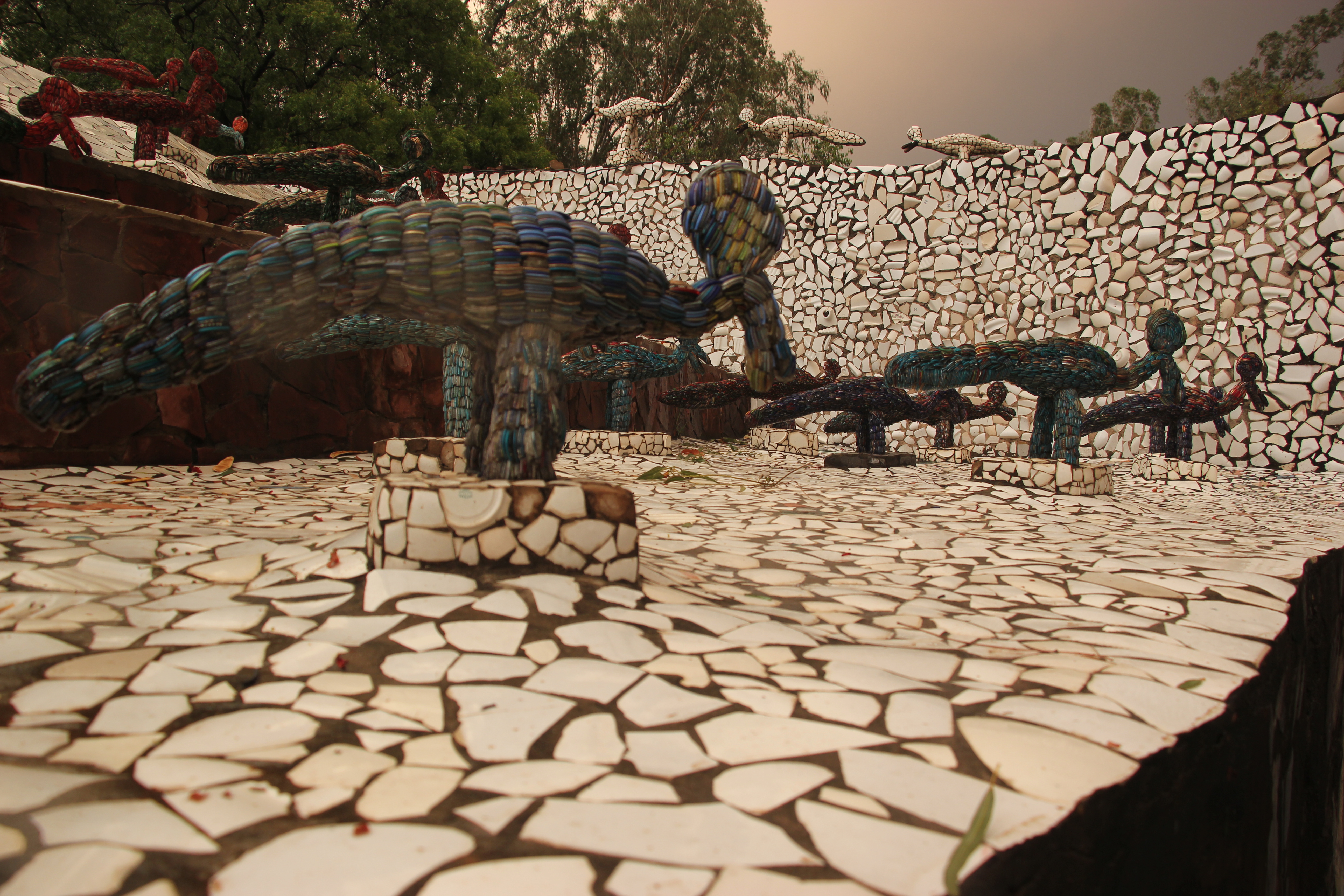
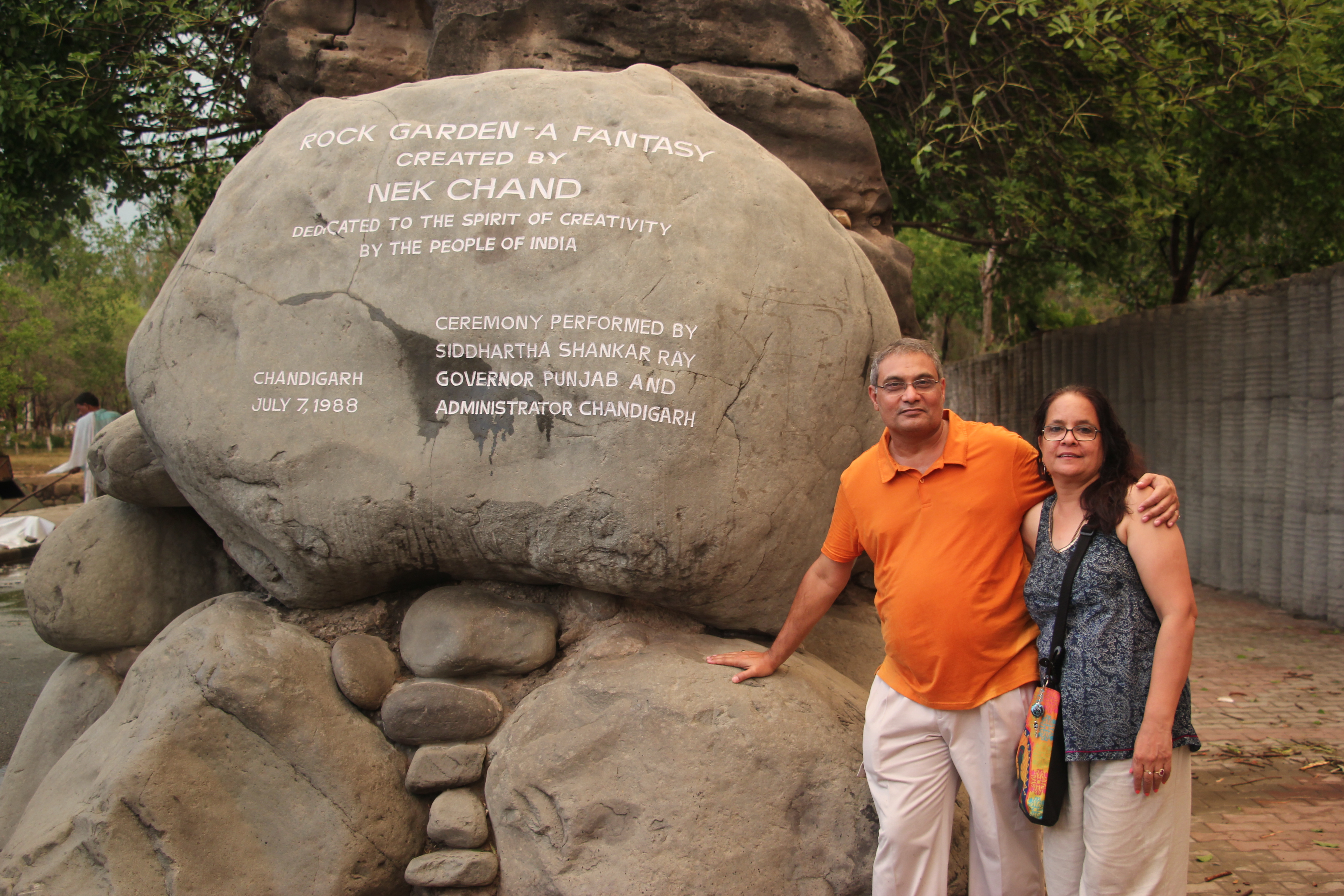

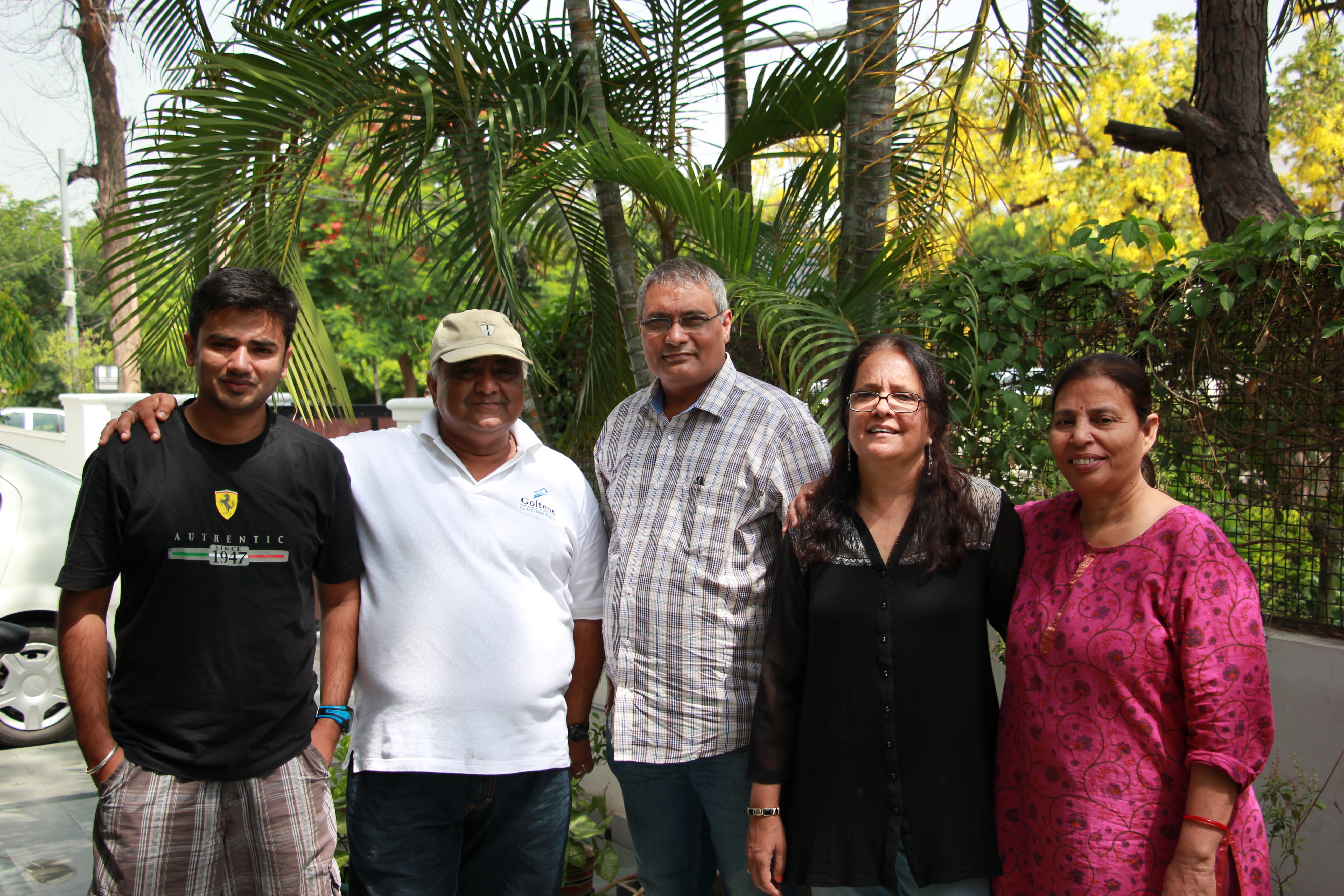
Chandigarh itself is a fascinating place, populated by robust, large hearted and hospitable people.
Chandigarh is a city and a union territory in India that serves as the capital of the two neighbouring states of Punjab and Haryana. The city is unique as it is not a part of either of the two states but is governed directly by the Union Government, which administers all such territories in the country.
Chandigarh is bordered by the state of Punjab to the north, the west and the south, and by the state of Haryana to the east. It is considered to be a part of the Chandigarh capital region or Greater Chandigarh, which includes Chandigarh, and the city of Panchkula (in Haryana – where my friend and his family live) and cities of Kharar, Kurali, Mohali, Zirakpur (in Punjab). It is located 260 km (162 miles) north of New Delhi, 229 km (143 miles) southeast of Amritsar.
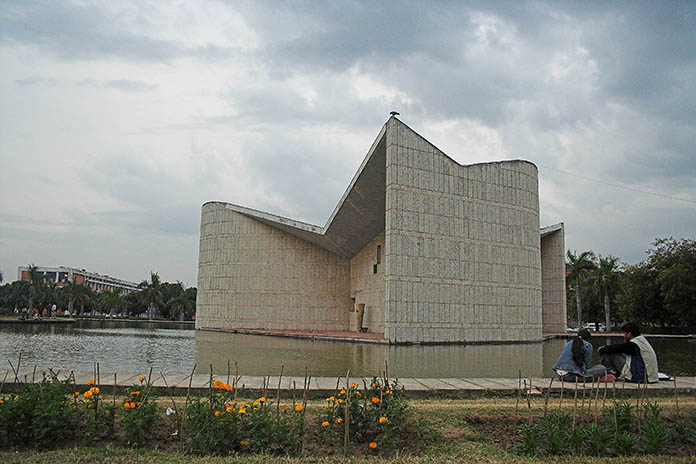
It was one of the early planned cities in post-independent India and is internationally known for its architecture and urban design. The master plan of the city was prepared by Swiss-French architect Le Corbusier, which transformed from earlier plans created by the Polish architect Maciej Nowicki and the American planner Albert Mayer. Most of the government buildings and housing in the city were designed by the Chandigarh Capital Project Team headed by Le Corbusier.

Chandigarh’s Capitol Complex was in July 2016 declared by UNESCO as World Heritage at the 40th session of World Heritage Conference held in Istanbul. The Capitol Complex buildings include the Punjab and Haryana High Court, Punjab and Haryana Secretariat and Punjab and Haryana Assembly along with monuments Open hand, Martyrs Memorial, Geometric Hill and Tower of Shadow and the Rock Garden
The city has one of the highest per capita incomes in the country. The city was reported to be one of the cleanest in India based on a national government study. The union territory also heads the list of Indian states and territories according to Human Development Index.
The metropolitan area of Chandigarh–Mohali–Panchkula collectively forms a Tri-city, with a combined population of over 1,611,770
We were planning on going to Manali but couldn’t get a booking at the Club Mahindra Resort.
KC then suggested Mashoo resorts at Bhuntar operated by his friend Capt Rakesh Bansal, another seafarer.
Until May 2016, I was unaware of a small town called Bhuntar, Himachal Pradesh.
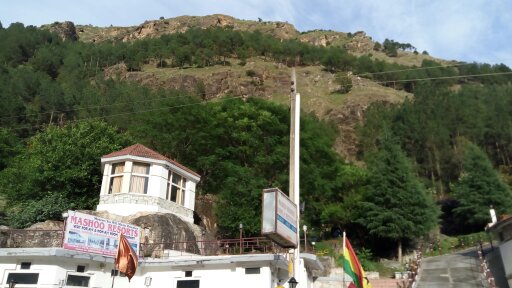
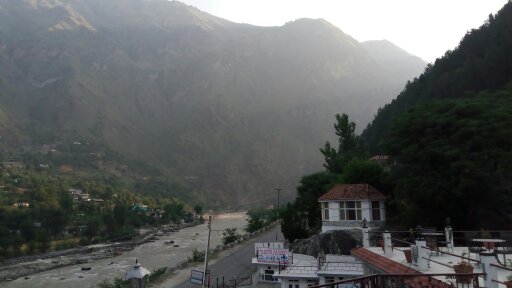
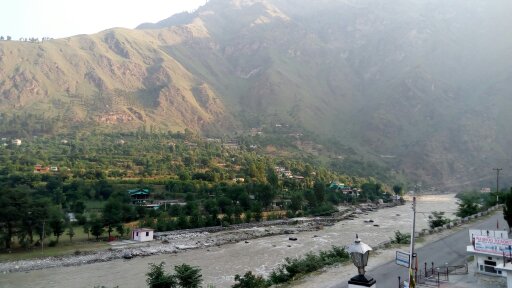
Despite KC’s description and glowing reports, we took an overnight bus from Chandigarh and alighted at Bhuntar with mixed feelings. All our misgivings disappeared when we saw the resort. The location was absolutely brilliant, away from the overcrowded bustling Manali, yet near enough to drive down, close to Kasol and Manikaran.
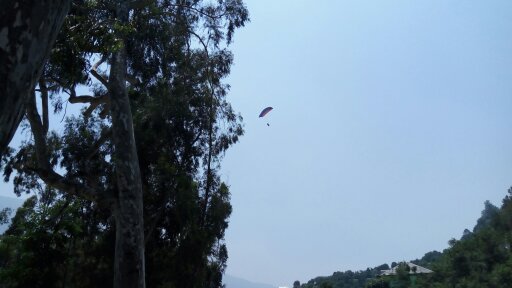
All the adventure spots are easily accessible – white water rafting, para-gliding, trekking routes.
Bhuntar is a town and a nagar panchayat in Kullu district in the state of Himachal Pradesh, India. Bhuntar Airport also known as Kullu airport, serves the town along with Kullu and Manali, is located here. At the confluence of the Parvati River with the River Beas, the Parvati Valley runs eastwards, through a steep-sided valley towards Kasol and Manikaran.
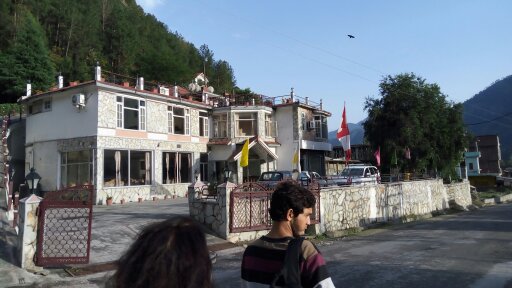
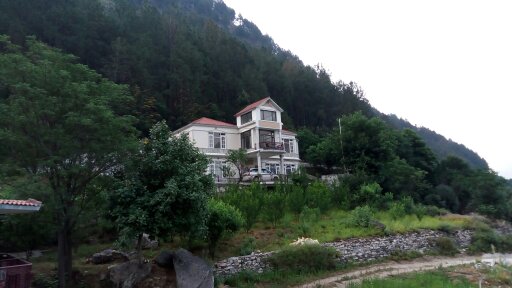
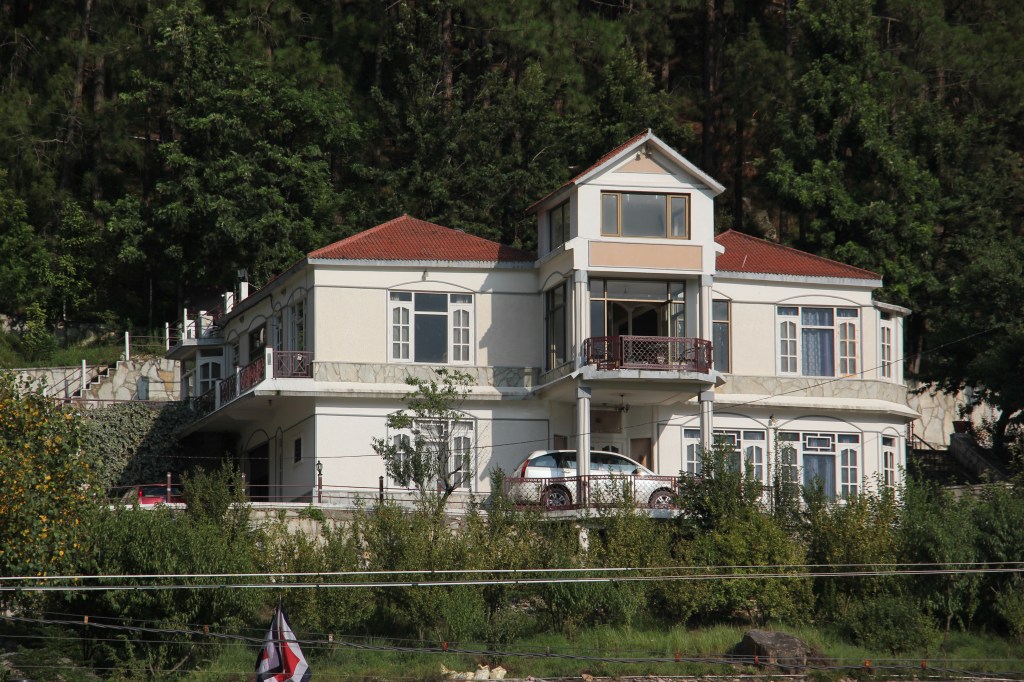
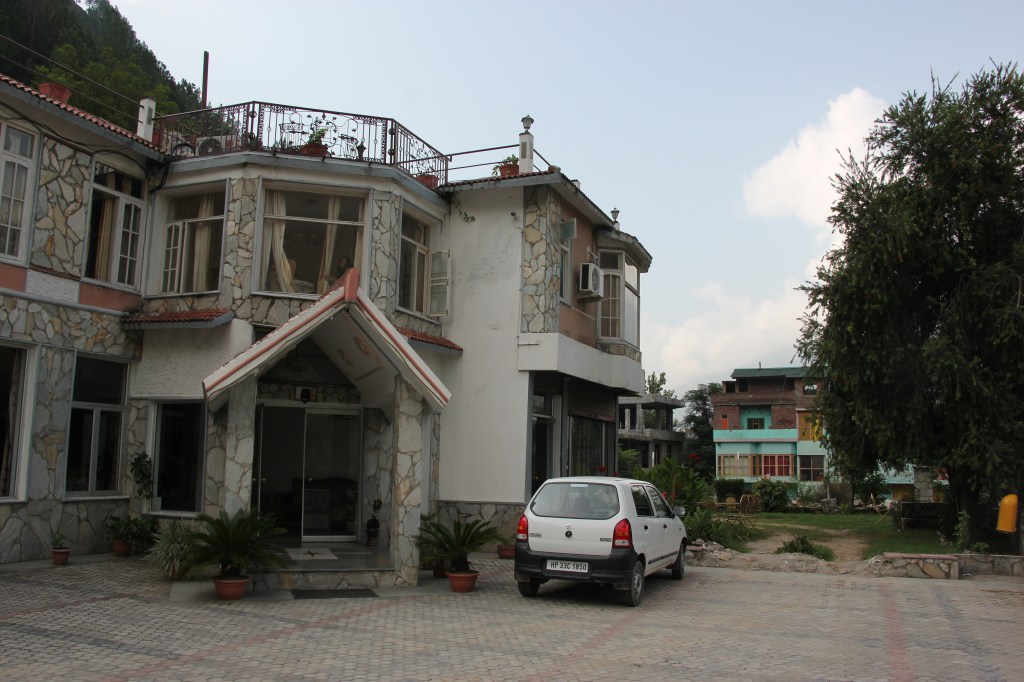
MASHOO RESORTS – I would recommend this place to anyone visiting this area, especially groups, school and college reunions and also destination wedding resort. this resort is owned, managed and operated by another seafarer Capt Rakesh Bansal.
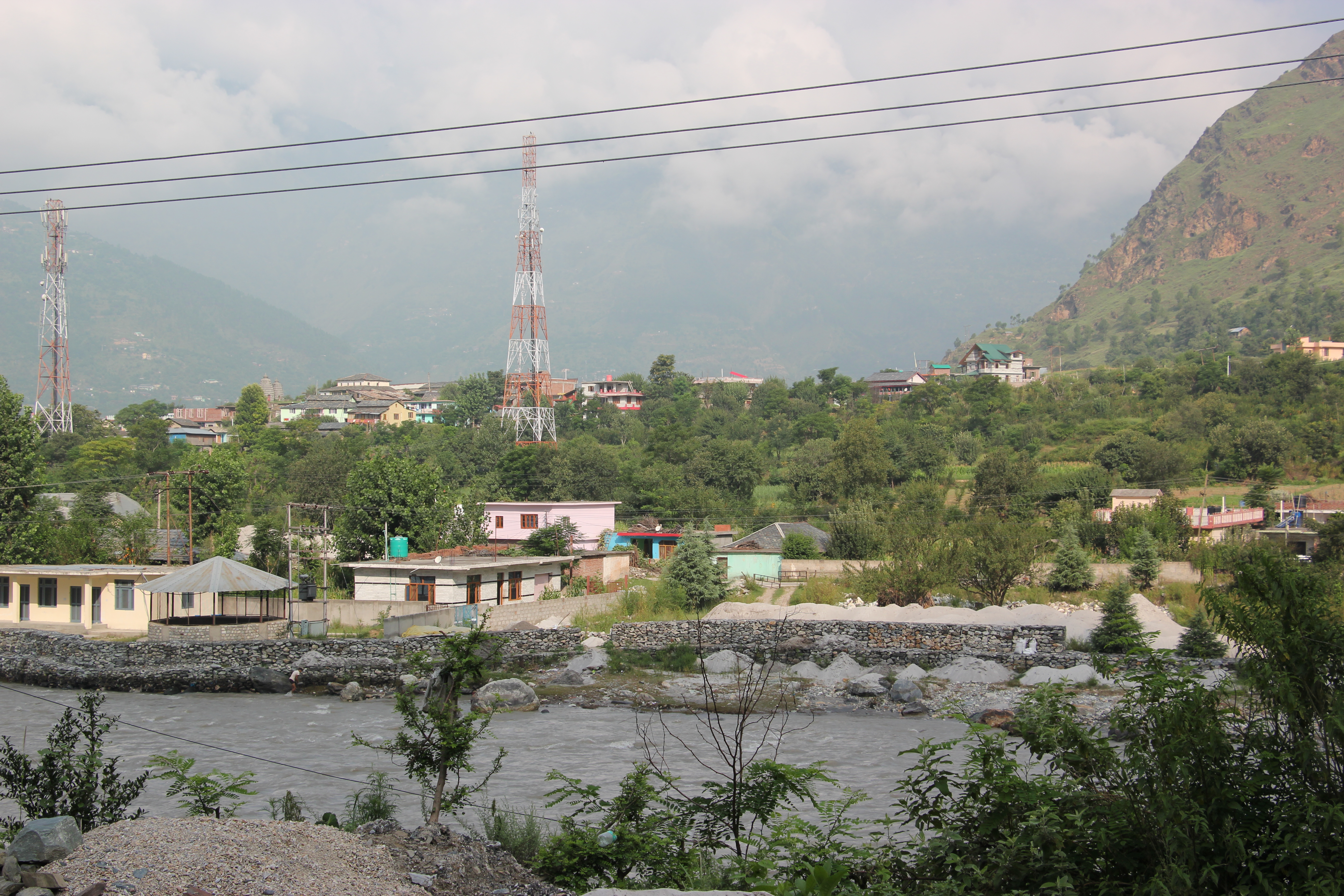
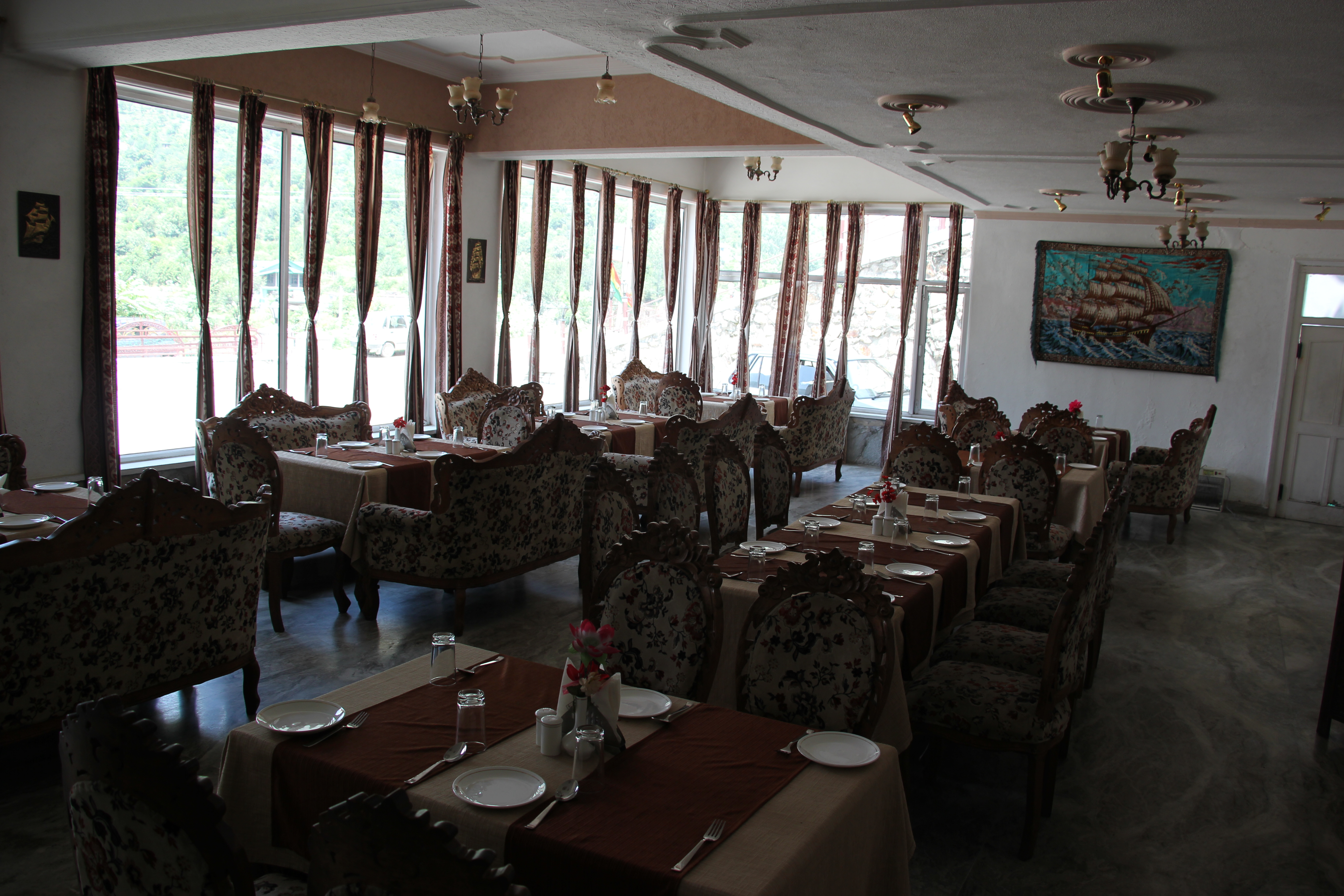
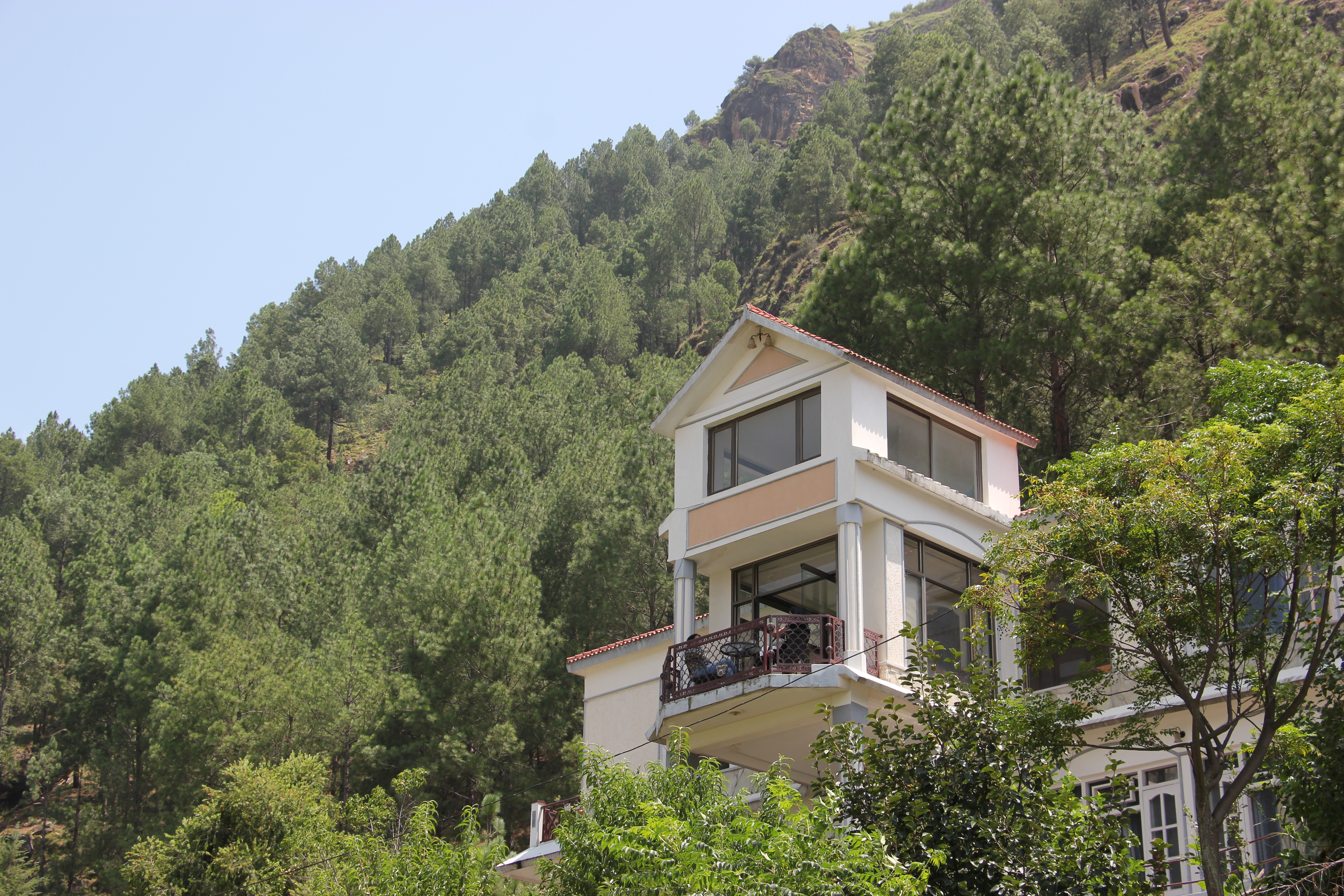
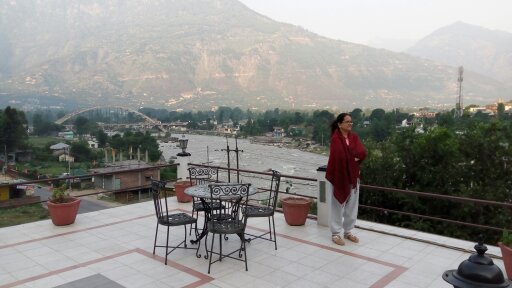
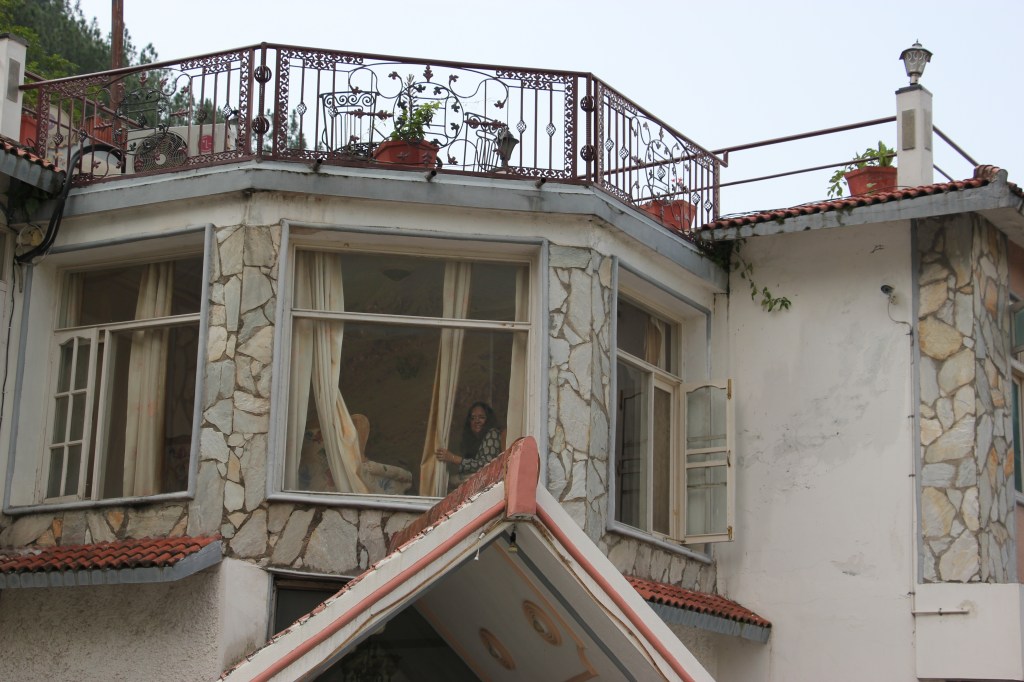
The gracious hosts – Capt Rakesh Bansal and his charming wife Anita Bansal.
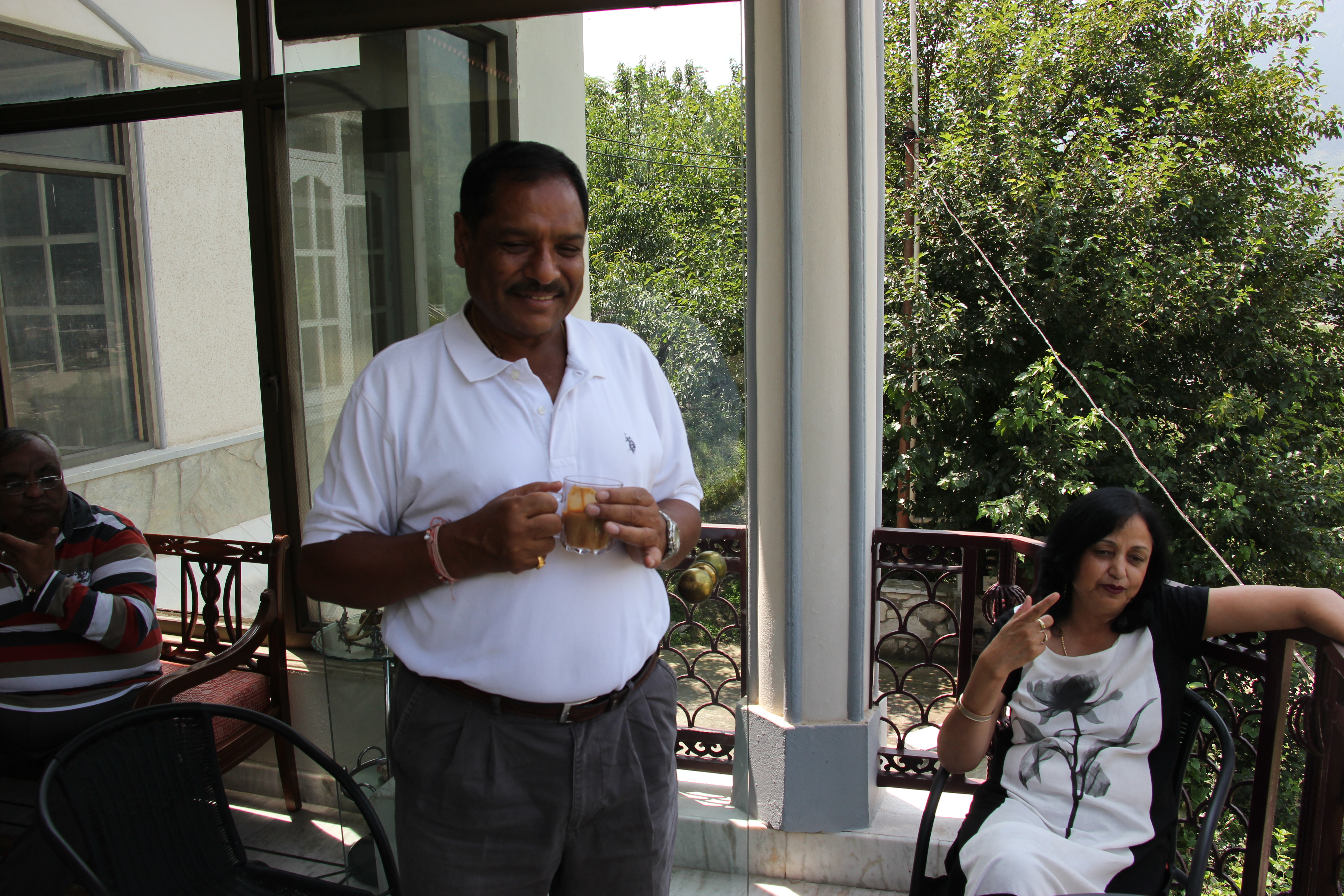
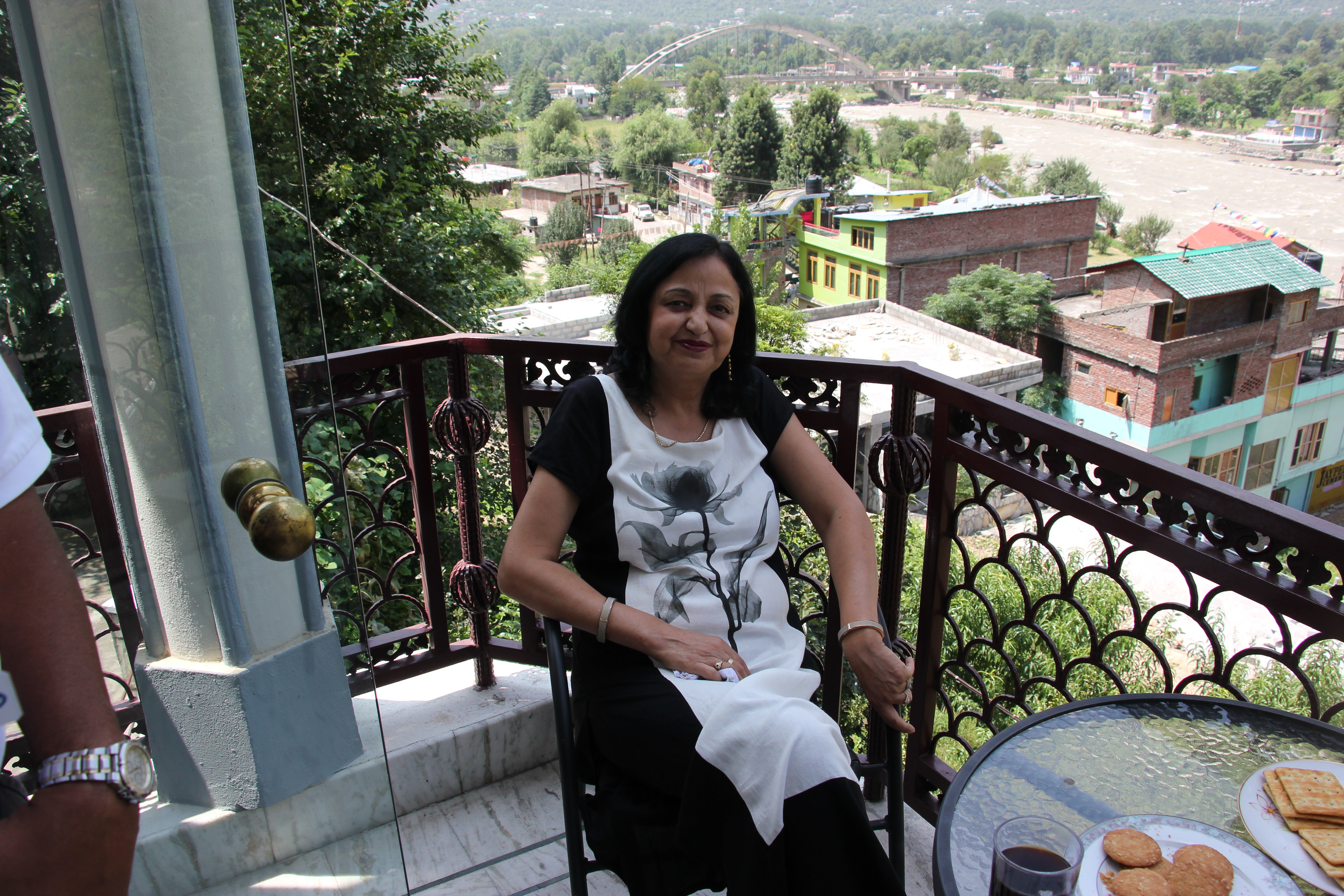
Anita however was not in Bhuntar during our first visit, the above photos are of a later visit that shall be chronicled later.
Rakesh was an absolutely fantastic host, and his verandah over looking the fast flowing river provided the perfect place for the evening whisky and soda. It was while sitting here that we planned the driving trip to Leh/Ladakh.
While at Bhuntar, we visited the hot springs at Manikaran, had langar (lunch) at the Gurudwara, the wholesomeness and tastyness of food at the religious sites never ceases to amaze me. Just like the Langars at Gurudwaras world wide the south indian Matts also have this mid day lunch for all who attend – and the food is always incredibly tasty.
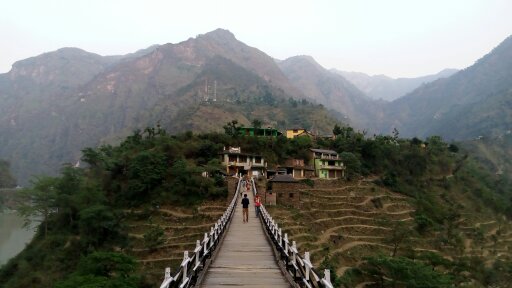
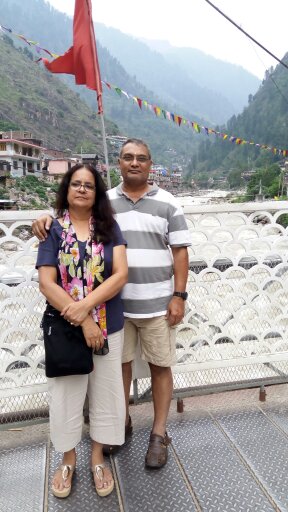
Manikaran is located in the Parvati Valley on river Parvati, northeast of Bhuntar in the Kullu District of Himachal Pradesh. It is at an altitude of 1760 m and is located 4 km ahead of Kasol and about 35 km from Kullu.
This small town attracts tourists visiting Manali and Kullu to its hot springs and pilgrim centres. An experimental geothermal energy plant has also been set up here.
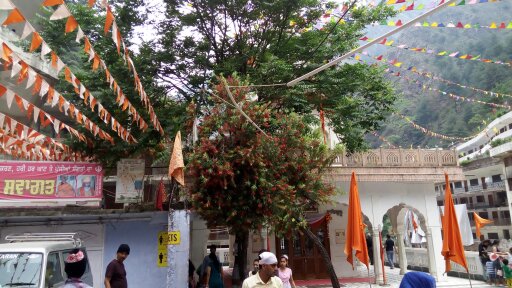
View of the Gurudwara and the Shiva-Parvati temple

Manikaran is a pilgrimage centre for Hindus and Sikhs. The Hindus believe that Manu recreated human life in Manikaran after the flood, making it a sacred area. It has many temples and a gurudwara. There are temples of the Hindu deities Rama, Krishna, and Vishnu. The area is well known for its hot springs and its beautiful landscape.
The legend of Manikaran states that while roaming around, Lord Shiva and Goddess Parvati, once chanced upon a place that was surrounded by mountains and was lush green. Enamoured by the beauty of the place, they decided to spend some time there. It is believed that they actually spent eleven hundred years here.
During their stay here, Goddess Parvati lost her mani (precious stones) in the waters of a stream. Upset over the loss, she asked Shiva to retrieve it. Lord Shiva commanded his attendant to find the mani for Parvati. However, when they failed, he was extremely angry. He opened his third eye, a tremendously inauspicious event which led to disturbances in the universe. An appeal was made before the serpent god, Sheshnag, to pacify Lord Shiva. Sheshnag hissed thereby giving rise to a flow of boiling water. The water spread over the entire area resulting in the emergence of precious stones of the type Goddess Parvati had lost. Lord Shiva and Goddess Parvati were happy at the outcome.
The name Manikaran is derived from this legend. The water is still hot and is considered extremely auspicious. A pilgrimage to this place is thought of as complete. It is also believed that there is no need to pay a visit to Kashi after visiting this place. The water of the spring is also supposed to have curative powers. The water is so hot that rice can be cooked in it.
Apparently, jewels continued to be thrown up in the waters at Manikaran until the 1905 Kangra earthquake.
According to the Sikhs, during third Udasi, the founder of Sikhism Guru Nanak came to this place in 15 Asu 1574 Bikrami with his disciple Bhai Mardana. Mardana felt hungry and they had no food. Guru Nanak sent Mardana to collect food for the langar (the Community Kitchen). Many people donated atta (flour) to make Roti(bread). The one problem was that there was no fire to cook the food. Guru Nanak asked Mardana to lift a stone and he complied and a hot spring appeared. As directed by Guru Nanak, Mardana put the rolled chapatis in the spring to his despair the chapatis sank. Guru Nanak then told him to pray to God saying that if his chapatis float back then he would donate one chapati in His name. When he prayed all the chapatis started floating duly baked. Guru Nanak said that anyone who donates in the name of God, his drowned items float back.

The Gurudwara and Langar

Shiva Parvati Temple @ Manikaran
I am always amazed at the easy co-existence between the indigenous philosophies of India – this is probably because they all relate to the land and its spirituality instead of a linear philosophy.
Kasol – we drove thru Kasol, it looked very attractive but did not stop. According to my son Akshay – Kasol was meant for younsters like him and not the 60+/- ‘ers no matter how young they feel. Kasol is a hamlet in the district Kullu of Himachal Pradesh. It is situated in Parvati Valley, on the banks of the Parvati River, on the way between Bhuntar and Manikaran. It is located 30 km from Bhuntar and 3.5 km from Manikaran. Kasol is the Himalayan hotspot for backpackers and acts as a base for nearby treks to Malana and Kheerganga. It is called Mini Israel of India due to a high percentage of Israeli tourists here.
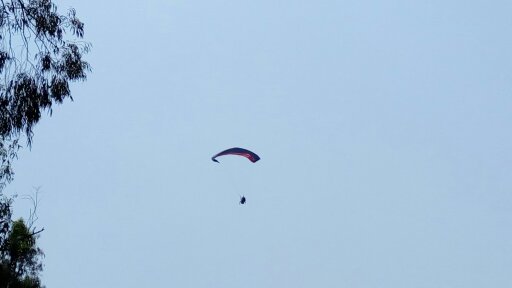
And of course – so close to Manali, we did visit Manali, indulged in white water rafting — brrrrr… the water was chilly, ice cold. Para-gliding – Akshay only, I am teriffied of getting my feet off the ground, water I don’t mind – but air I don’t trust like a true blue earth zodiac.
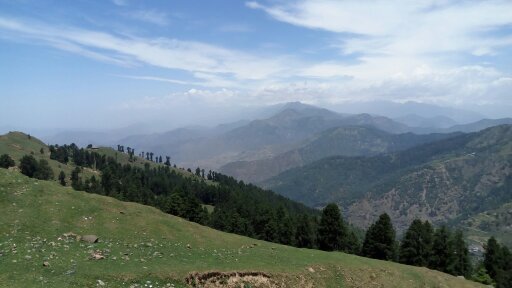
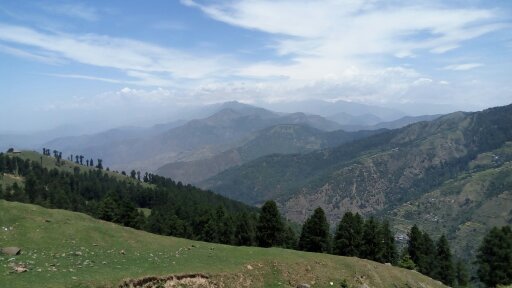
We also went on a half day trek to Solan valley, the few treks that I have not enjoyed, though the views were breath-taking, It was not very satisfying as the guide conned us into hiring heavy winter clothing – that was totally unwarranted and someone stole our selfie stick when we were taking a breather.
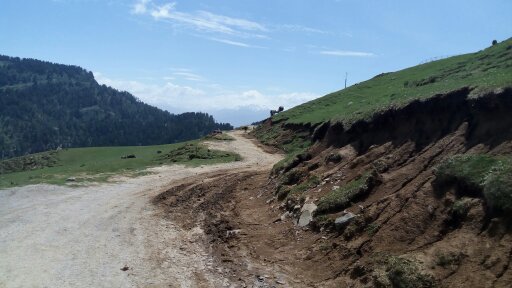
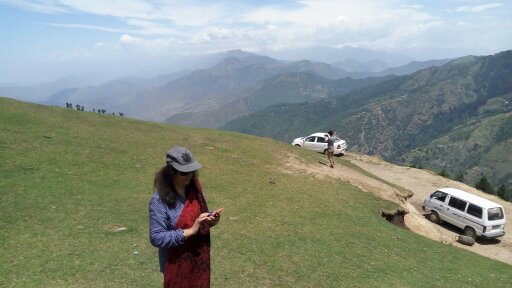
We took a cab on our way back and we took a detour through Lake Parashar, the road was under construction and we could feel it in every part of our body and we hoped that the trip would not have been in vain and it wasn’t.
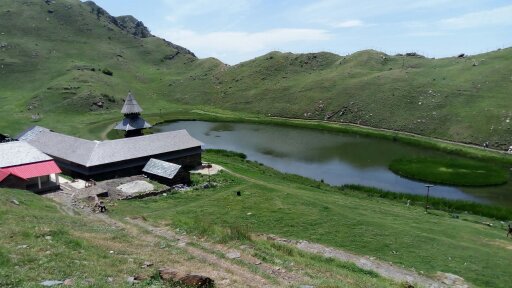
The lake is located at a height of 2730 m above sea level. With deep blue waters, the lake is held sacred to the sage Prashar and he is regarded to have meditated there. Surrounded by snow-capped peaks and looking down on the fast flowing river Beas, the lake can be approached via Drang. There is a round, floating island inside the lake, which is a common natural phenomenon found all around the world. It is composed of plant matter in various stages of decomposition, and is held aloft by the oxygen in its plants’ roots. The floating land moves in all directions in the lake. The floating land covers 7% of area of lake whereas water is with 93%.
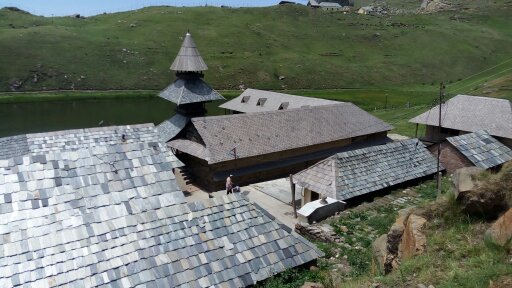
The temple was built in the thirteenth century and legend has it was built by a baby from a single tree. The lake has a floating island in it and it is said to be unclear how deep it is, with a diver not being able to determine its depth. Till now no one has been able to find out the depth of Prashar Lake.
It is believed that Sage Prashar meditated on the banks of this lake, hence it is named as Prashar Lake. Bhima, one of the Pandava brothers, had created the lake. The story says, after the Kurukshetra / Mahabharat war, Pandavas were returning with Lord Kamrunag. When they reached this place, Kamrunag loves the tranquil surroundings and decides to live here forever. So, Bheem (the strongest of the lot) rams his elbow on one of the mountains and creates a big dent in the land. This dent became Prashar Lake.
We returned to Chandigarh to yet another round of awesome hospitality (another 2 inches around the midriff) by KC and his family before we boarded a flight back to Mumbai
PHOTOS:
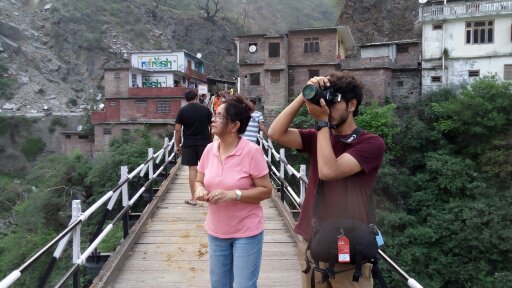

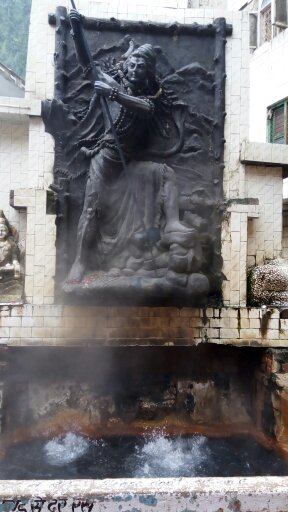
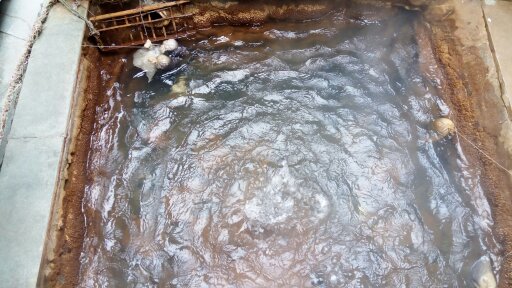

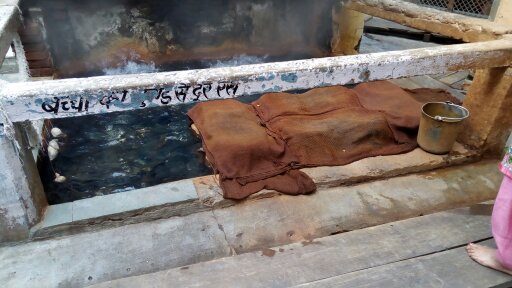
food being cooked in the boiling – hot springs water
 Walkabout with Anil
Excellent Anil!!!
LikeLiked by 1 person
Thanks Nisha
LikeLike
Dear Anil ji many thanks for sharing your wonderful journey to most inviting places. Curious to know what makes you to discover such exciting places. Your travelogue is mesmerizing. Please continue sharing such exciting trips regards to you both Indulkar
[cid:2c644314-0715-41cb-adcd-4cdfa2b9058a]
________________________________
LikeLike
Thanks for your kind appreciation. I have always loved traveling and am interested in Indian history. In my career I have travelled the world over but no nation has fascinated me like my own. I have never been satisfied with the sterile history taught to me in school. As Indians we suffer a lack of recorded history and this has permitted the linear ideologies and beliefs of the later conquerors to confuse and obscure our national and cultural identity. In a very small and minor way I am trying to understand our history by visiting our heritage sites and correlate same with my interpretation of our history.
LikeLike