
The best time to start completing the items on your bucket list is before you kick the bucket – hypothetical advise from “Sheldon Cooper” – of “Big Bang Theory”.
Ever since my first visit to Himachal during the month of May in the year 1981, I have been fascinated by this beautiful state. The trek across the Rohtang, upto Jispa, Darcha while based at Keelong was a life defining experience for me.
My next visit to Manali in 1999 was a bit of a let down, as the intervening period of 18 years had replaced the charming hamlet of Manali with a bustling tourist hotspot. The kids loved it, especially Aniruddh who could not get enough of para-gliding, while Akshay had a not so memorable memory of loosing his shoe while running through the snow at the base of the Rohtang and literally getting “cold feet”.
I ALMOST DID NOT WRITE THIS BLOG OR THE ONE PRECEDING THIS AS I HAD LOST THE PHOTOS DUE TO A COMPUTER CRASH, SOME PICTURES I COULD RECOVER FROM THE HARD DISC AND SOME FROM THE MOBILE – SO HERE IT COMES.

This is literally where it started – three months earlier a casual chat over an evening drink coalesced into a gentlemen’s agreement to drive to Leh/Ladakh and back.
Our original itinerary
| DATE | DAY | FROM/AT | TO | DISTANCE | TIME | NIGHT HALT AT |
| 14.08.2014 | 1 | MUMBAI | CHANDIGARH | NA | NA | NA |
| 15.08.2016 | 2 | CHANDIGARH | BHUNTAR | NA | NA | NA |
| 16.08.2016 | 3 | BHUNTAR | NA | NA | BHUNTAR | |
| 17.08.2016 | 4 | BHUNTAR | JISPA | 186 KMS | 6.5 – 7 HRS | JISPA |
| 18.08.2016 | 5 | JISPA | SARCHU | 98 KMS | 3 HRS | SARCHU |
| 19.08.2016 | 6 | SARCHU | LEH | 251 KMS | 6.5 HRS | LEH |
| 20.08.2016 | 7 | LEH | LEH | |||
| 21.08.2016 | 8 | LEH | TURTUK (NUBRA VALLEY)/ HINDAR | 127 KMS | 4 HRS | HUNDER |
| 22.08.2016 | 9 | HUNDER | HUNDER | |||
| 23.08.2016 | 10 | HUNDER | LEH | 92 KMS | 3 HRS | LEH |
| 24.08.2016 | 11 | LEH | PANGONG | PANGONG | ||
| 25.08.2016 | 12 | PANGONG | LEH | 150 KMS | 5 HRS | LEH |
| 26.08.2016 | 13 | LEH | LEH | |||
| 27.08.2016 | 14 | LEH | SARCHU | 251 KMS | 6.5 HRS | SARCHU |
| 28.08.2016 | 15 | SARCHU | JISPA | 98 KMS | 3 HRS | JISPA |
| 29.08.2016 | 16 | JISPA | BHUNTAR | 186 KMS | 7 HRS | BHUNTAR |
| 30.08.2016 | 17 | BHUNTAR | CHANDIGARH | NA | NA | NA |
| 31.08.2016 | 18 | CHANDIGARH | NA | NA | CHANDIGARH | |
| 01.09.2016 | 19 | CHANDIGARH | MUMBAI | NA | NA | NA |
This time we traveled from Mumbai to Chandigarh by train, stayed for the day at KC’s place, freshened up and enjoyed Mrs Nisha Bansal’s hospitality, KC was already in Bhuntar waiting for us. We took an overnight bus to Manali and alighted at Buntar.
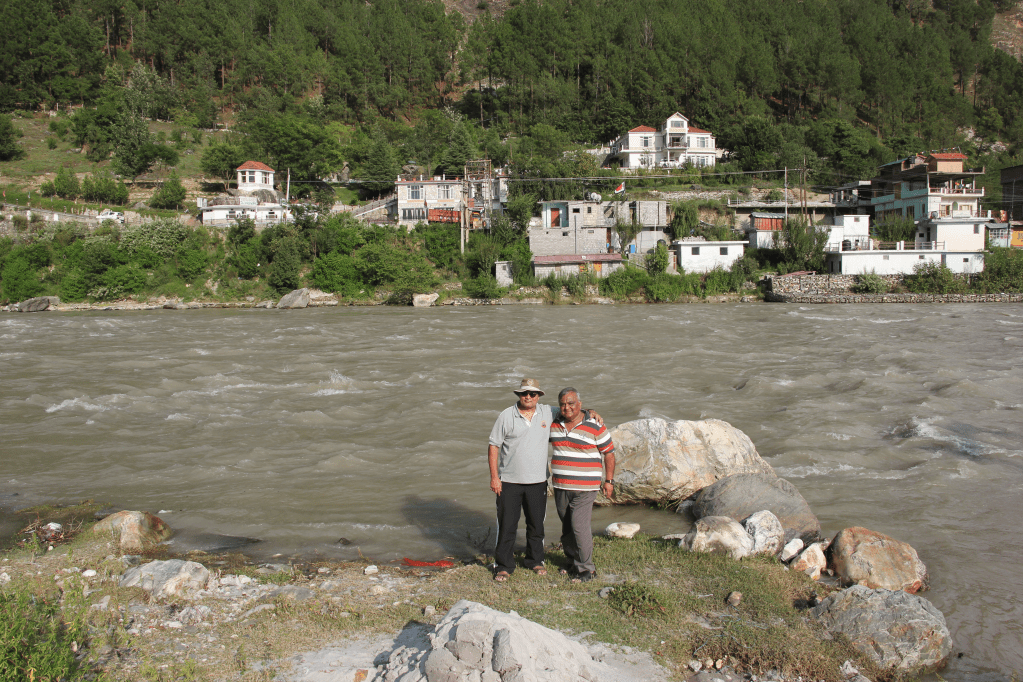
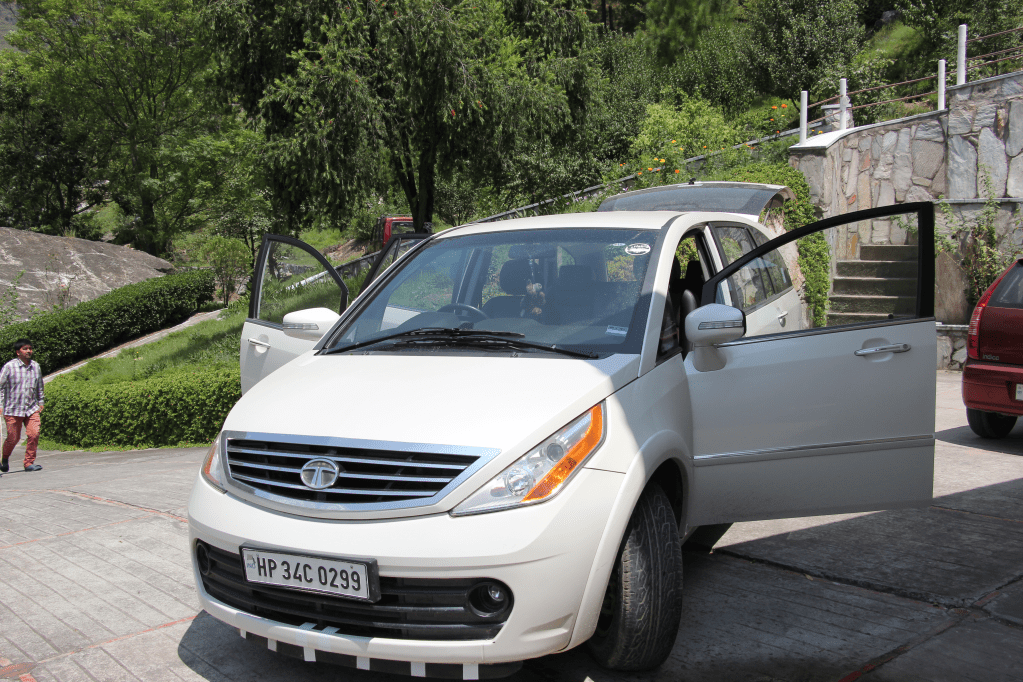
We left Buntar on the 16th August 2016, five of us Rakesh and Anita Bansal, KC, Revathi and I.
We carried medication for altitude sickness, picked up Oxygen canisters at Manali, apart from a “cuppa” coffee while waiting for our permits.
Before I start let me inform you that though it looks more daring and believe me it is – it is safer to bike to Leh from Manali than take a large SUV/MUV more suited for its “macho” look on mega-city roads. Our Tata Aria met all these requirements except for the weight but we were glad for this as it did give a more comfortable drive on the roads upto Sarchu. Beyond Sarchu – the roads were better than any I have seen in India.
For this grueling trip – You not only need a vehicle that is in top condition, but has the power to take the climb and rough roads but should also be light enough so it does not challenge the “suburban” engine – more rpm and less torque.
Please carry a medical – first aid kit with you, if nothing else for re-assurance and do not forget the pills for altitude sickness – consult your family doctor and get a health check before you embark on this “MUST DO” trip for the more adventurous.
Manali to Jispa
The roads at the Rohtang pass were terrible and both the vehicle and its occupants took a beating but the beauty of the surroundings more than made up for it and just took your breath away, it was also nostalgic for me as I was again crossing the Rohtang after 35 years, the only differences – the previous time I was on foot trekking, it was mid May and the Rohtang pass was snowed in.
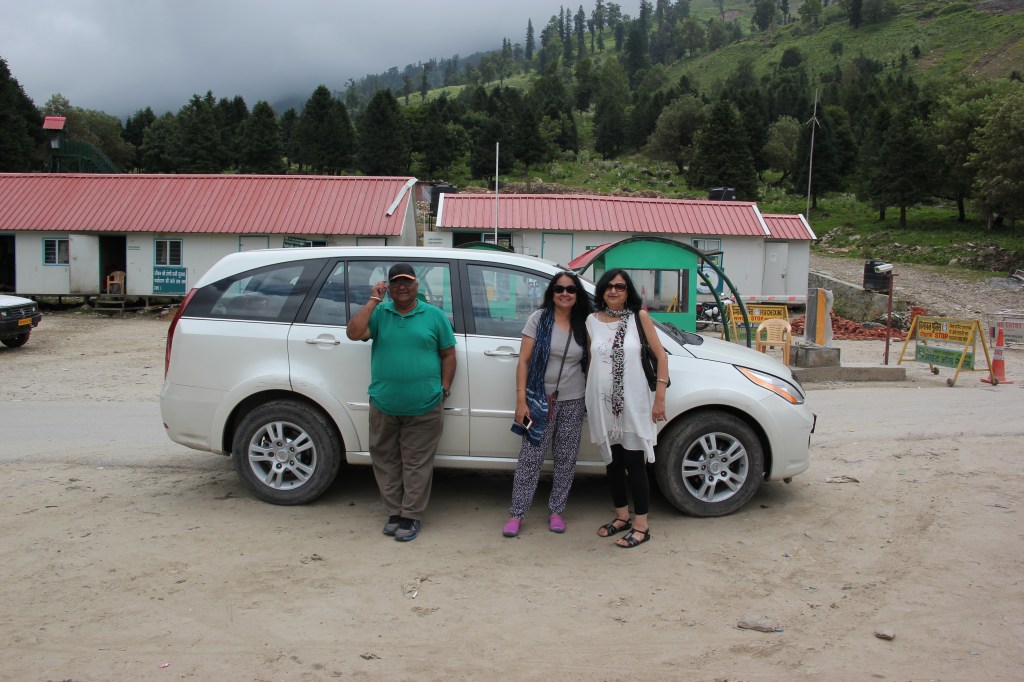
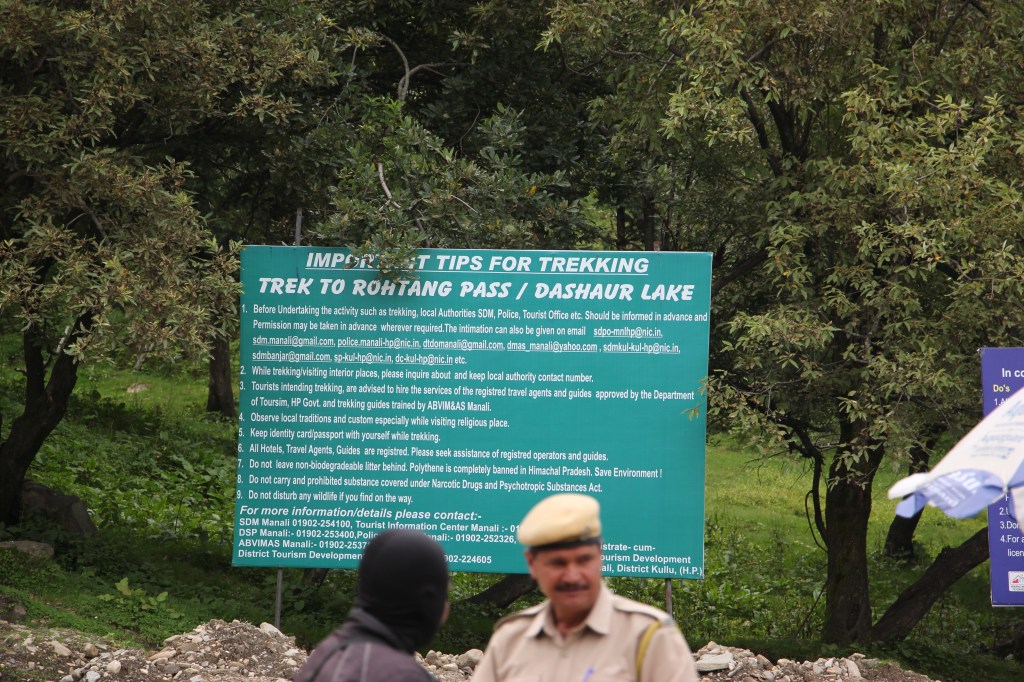
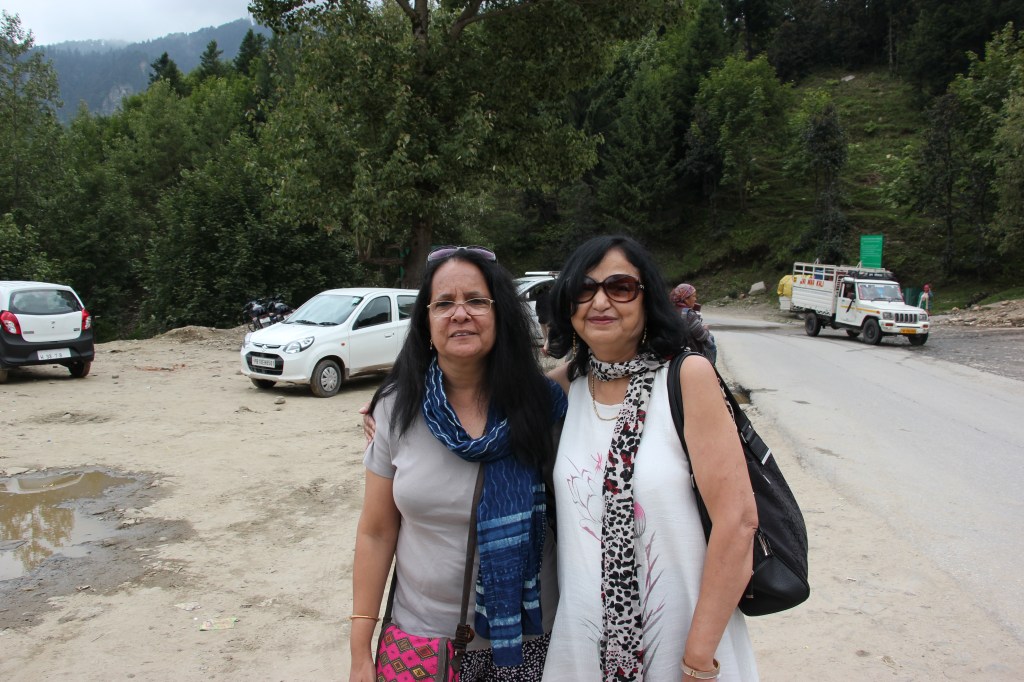
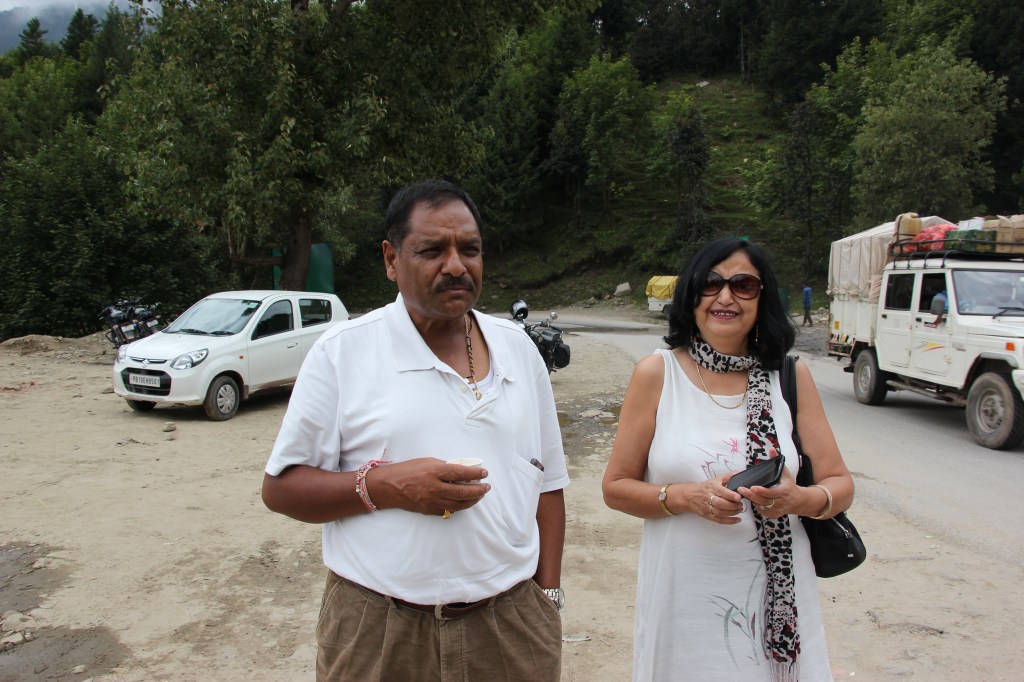
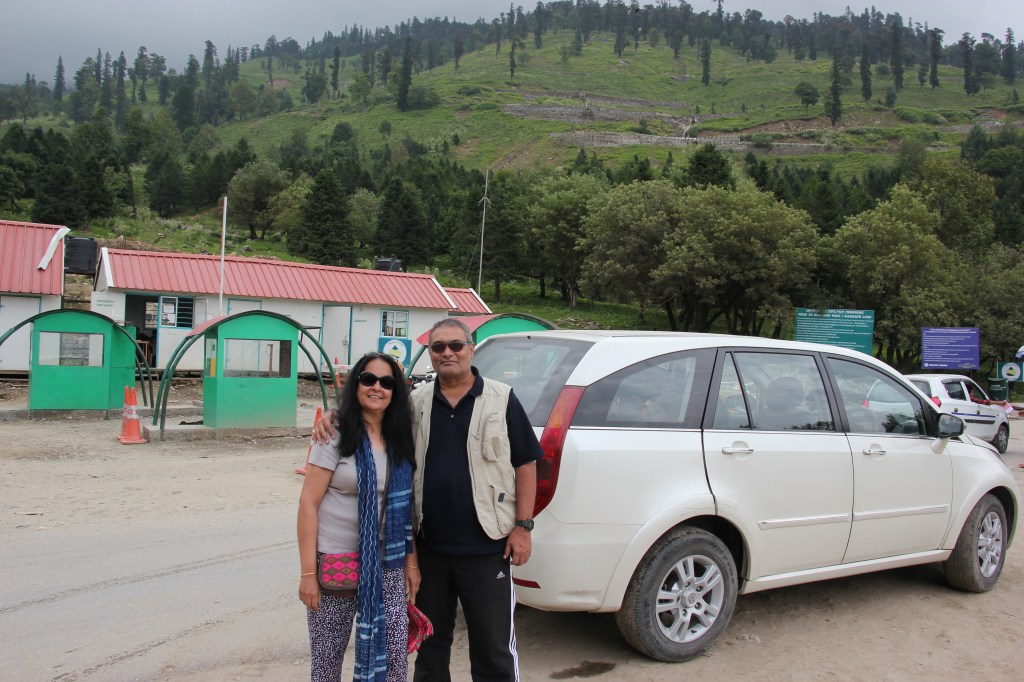
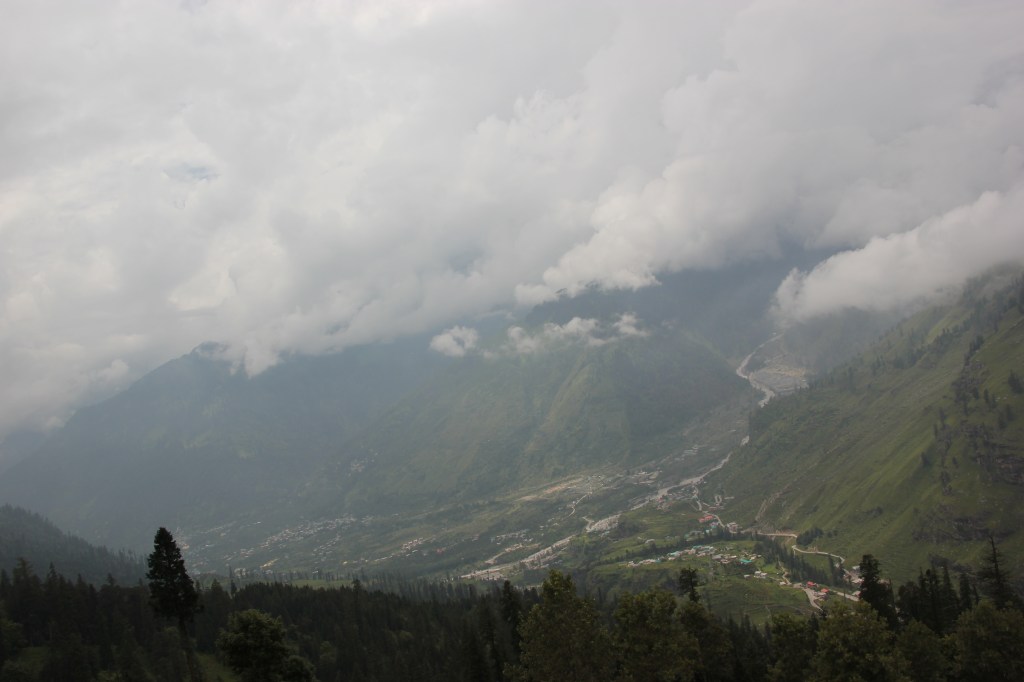

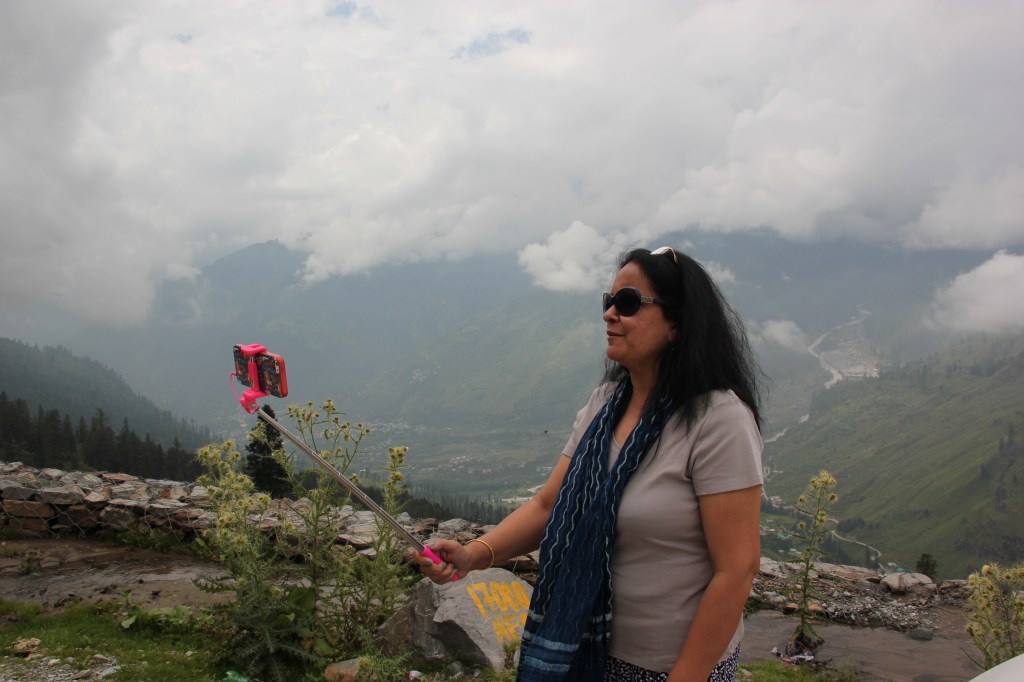
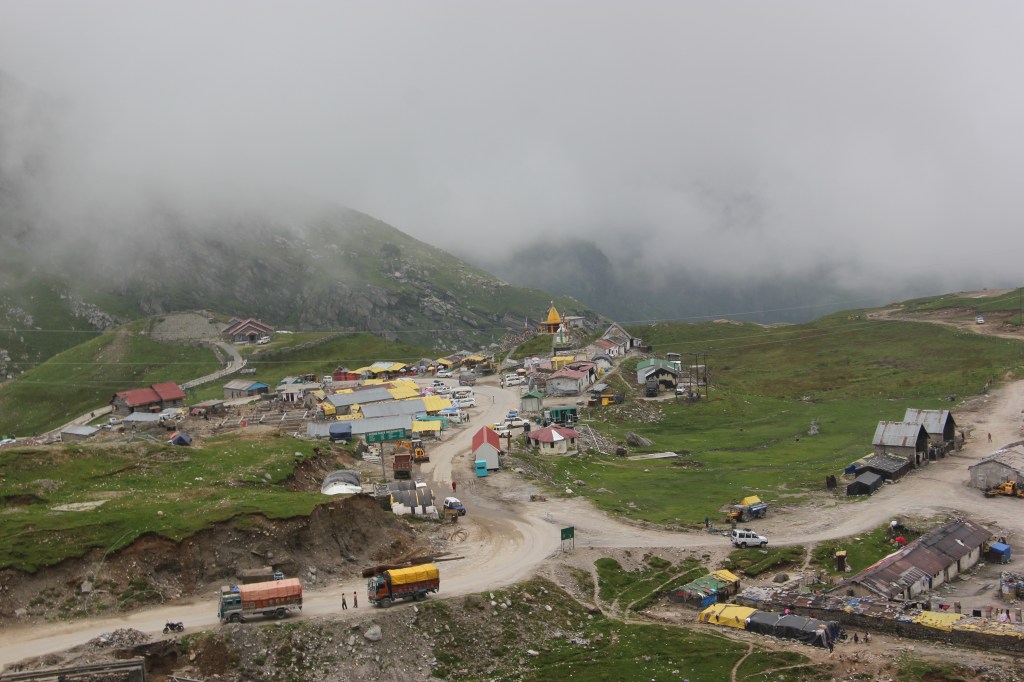
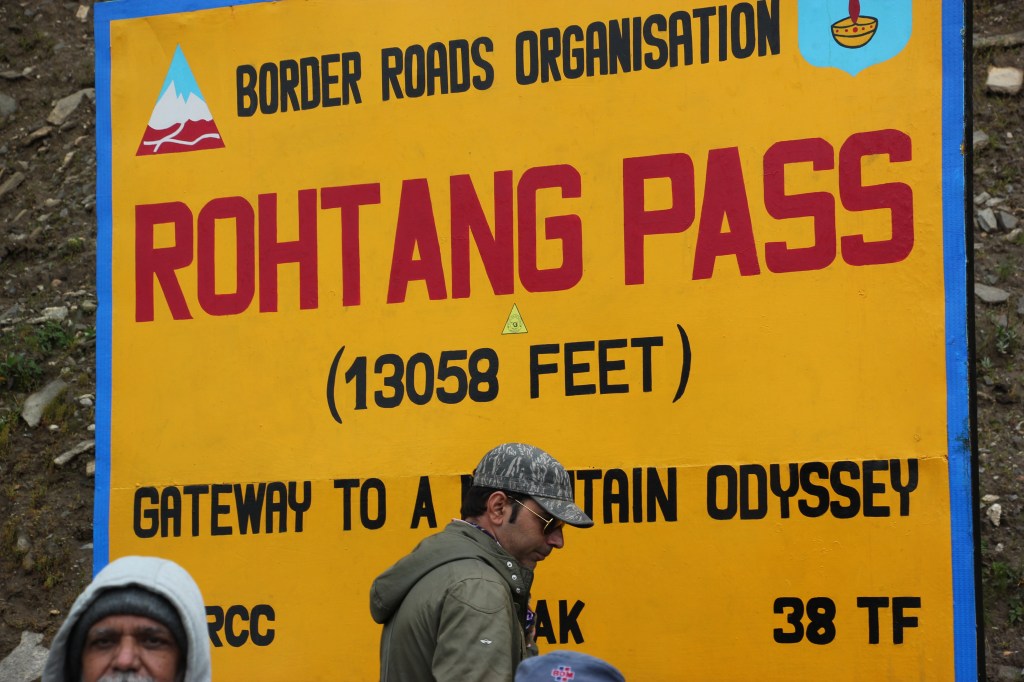
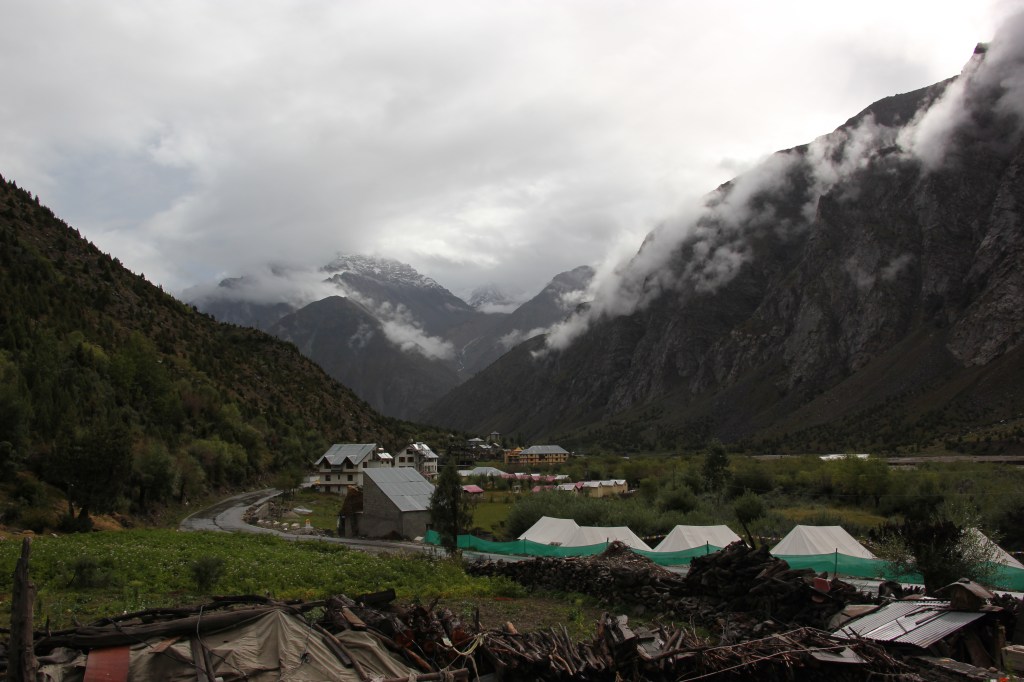
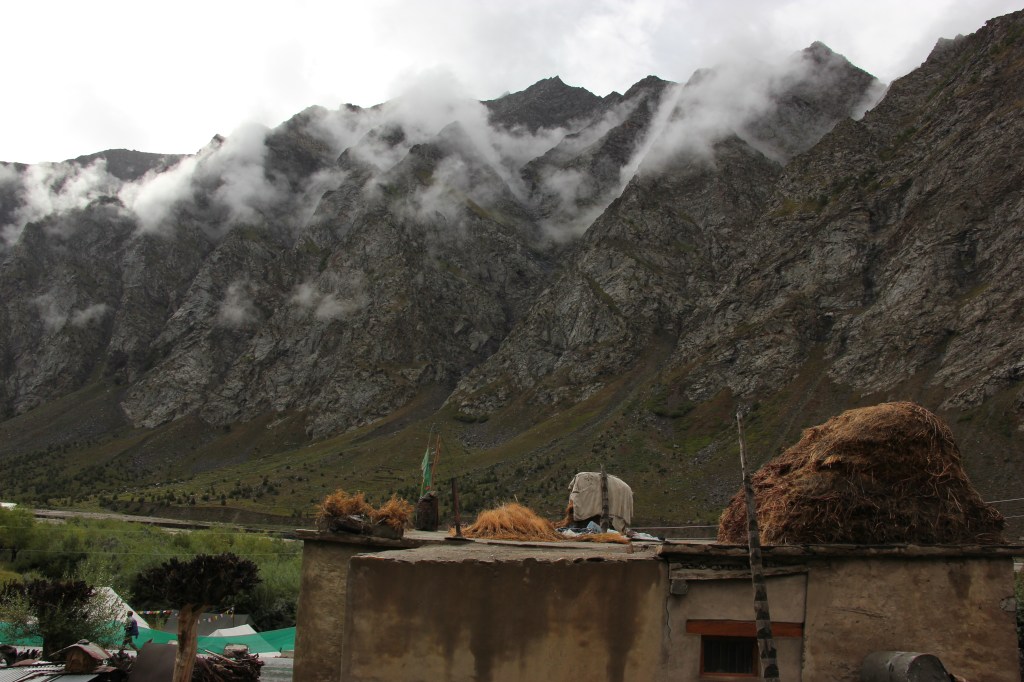
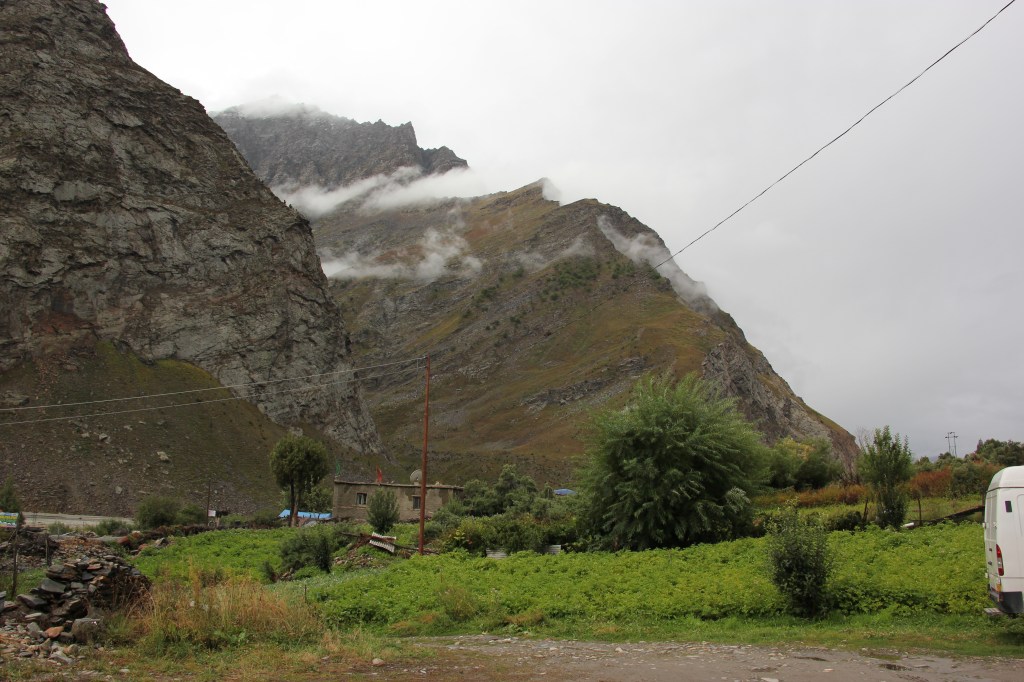
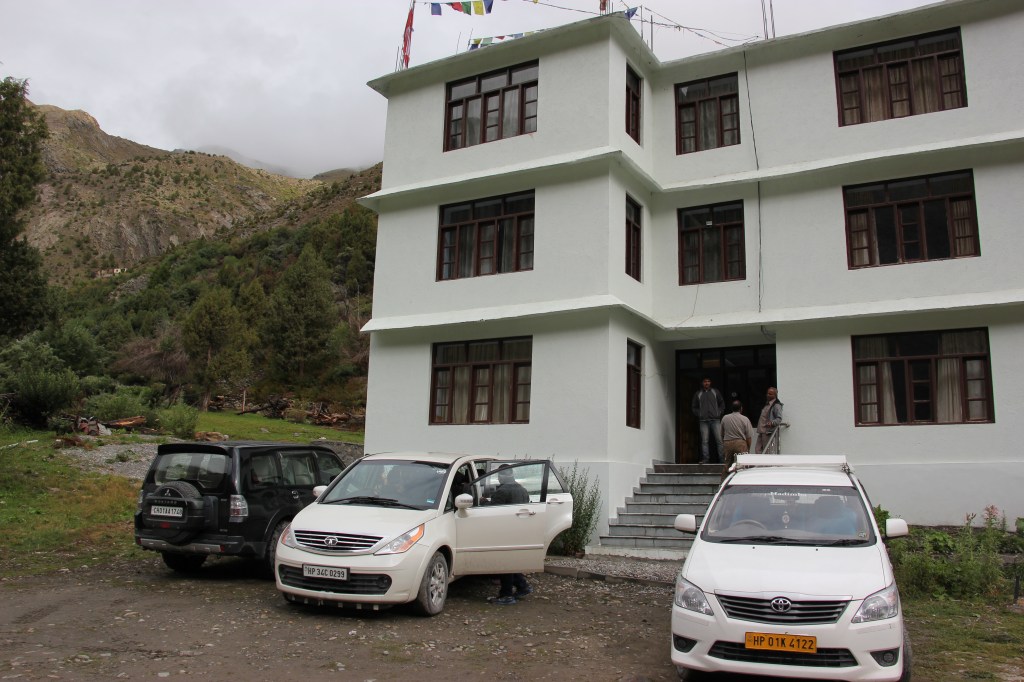

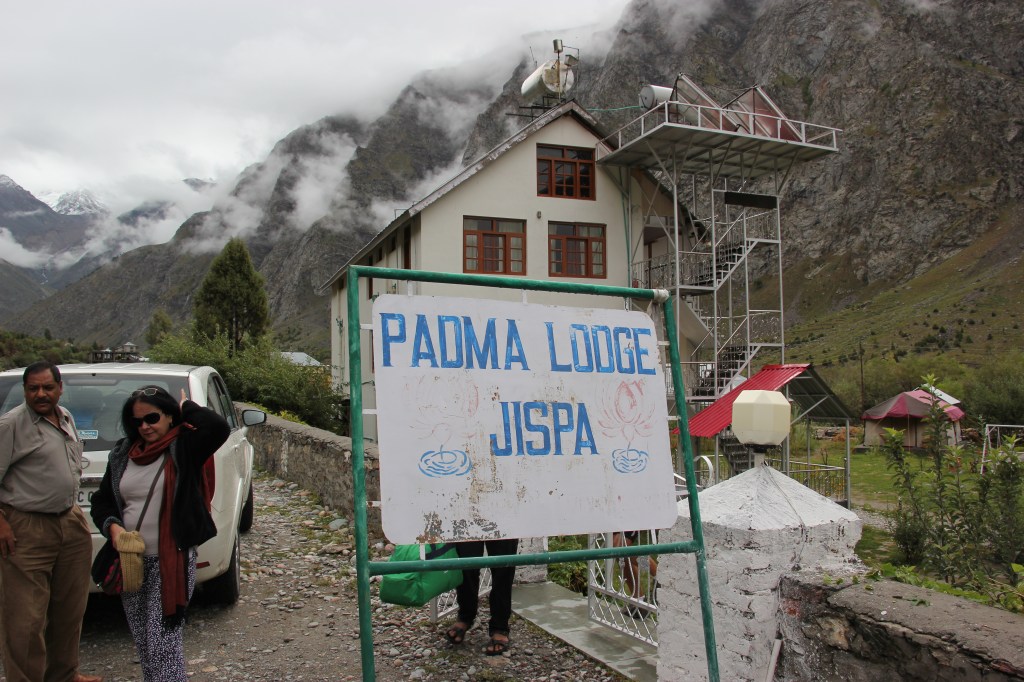
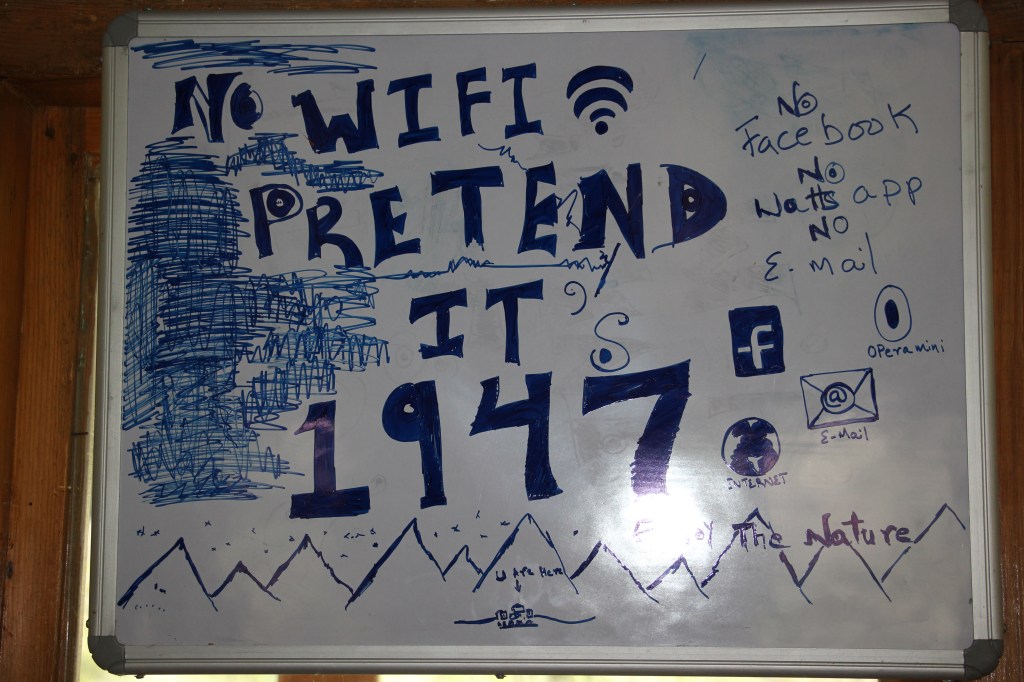
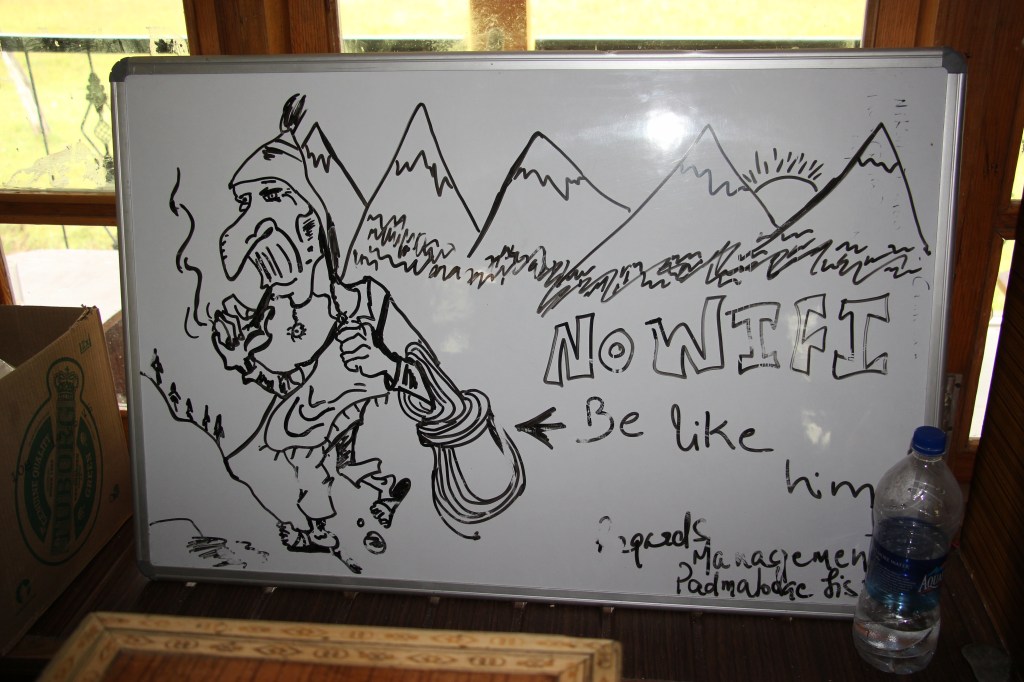
Padma Lodge, where stayed over during the night’s halt at Jispa is worth mentioning, a user friendly anti-tech (mobile network) place – definitely a place to stay over.
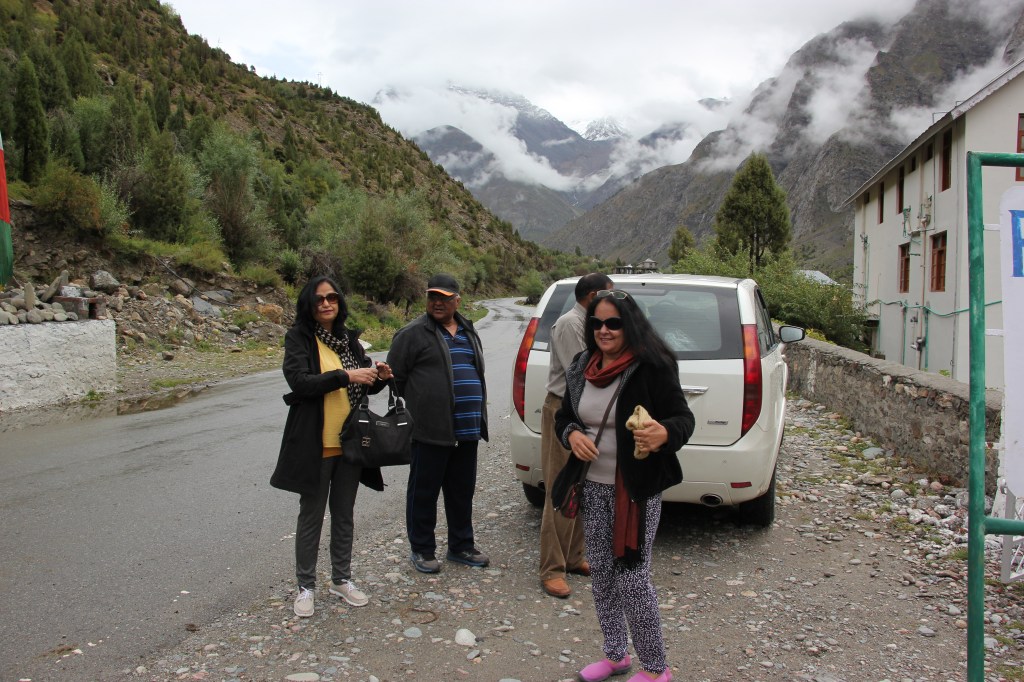
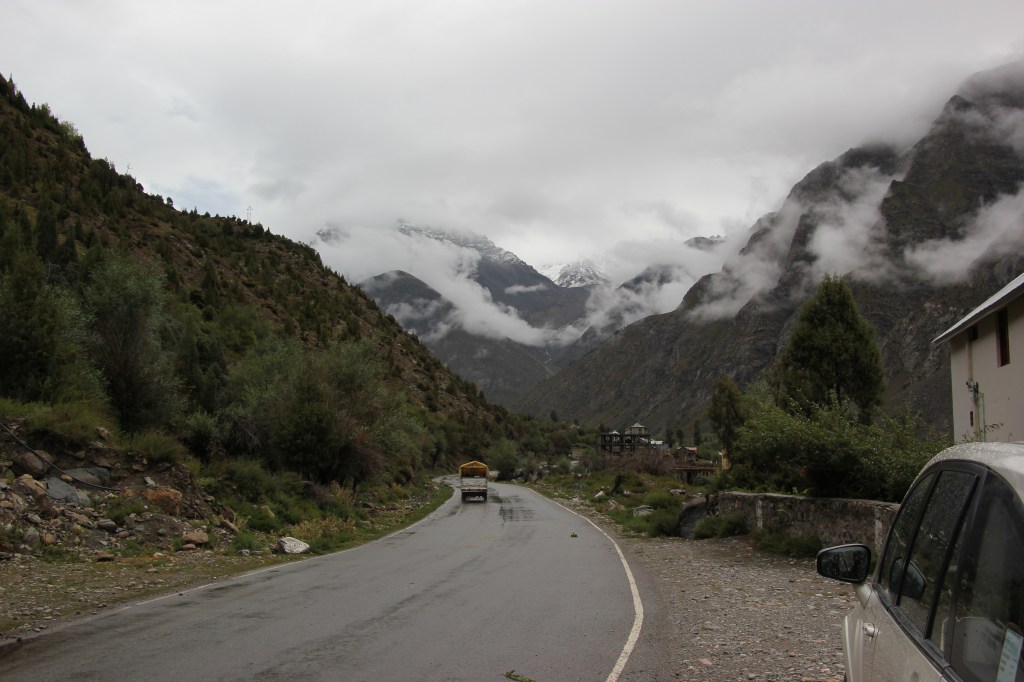
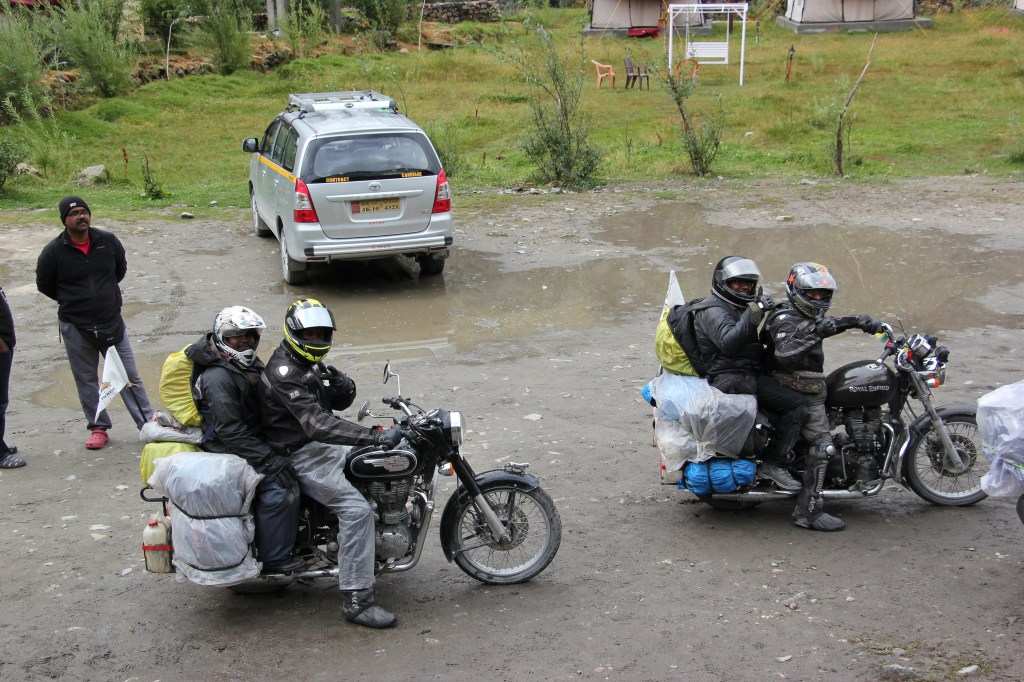
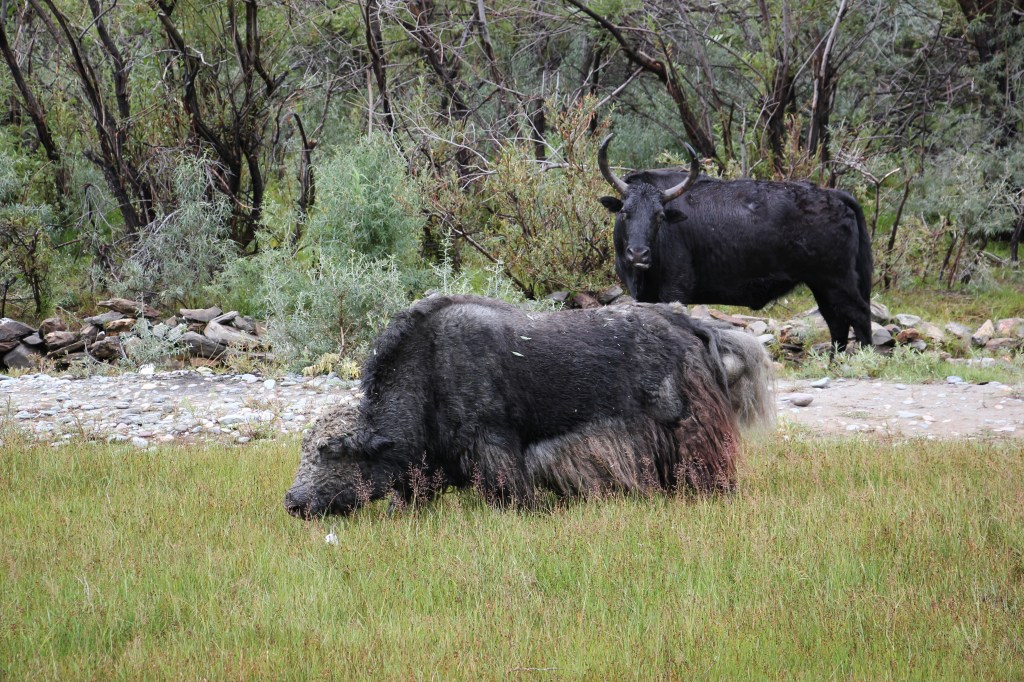
We started early the next day on our next leg from Jispa to Sarchu, this was a really scenic though grueling road but thankfully the road started getting better as we were nearing Sarchu. One major highlight of this leg, we passed through Darcha – Darcha was where 35 years ago,3 (idiots) DMET batchmates – Chris, Jay and I terminated our trek – original destination Barralecha – that was still closed and under clearing by BRO (Border Roads Organization)
Sarchu was an all important halt – to get us acclimatized to the thin air and oxygen deprivation.
We passed through Barralecha pass, our original target in 1981 that was under snow and not accessible.
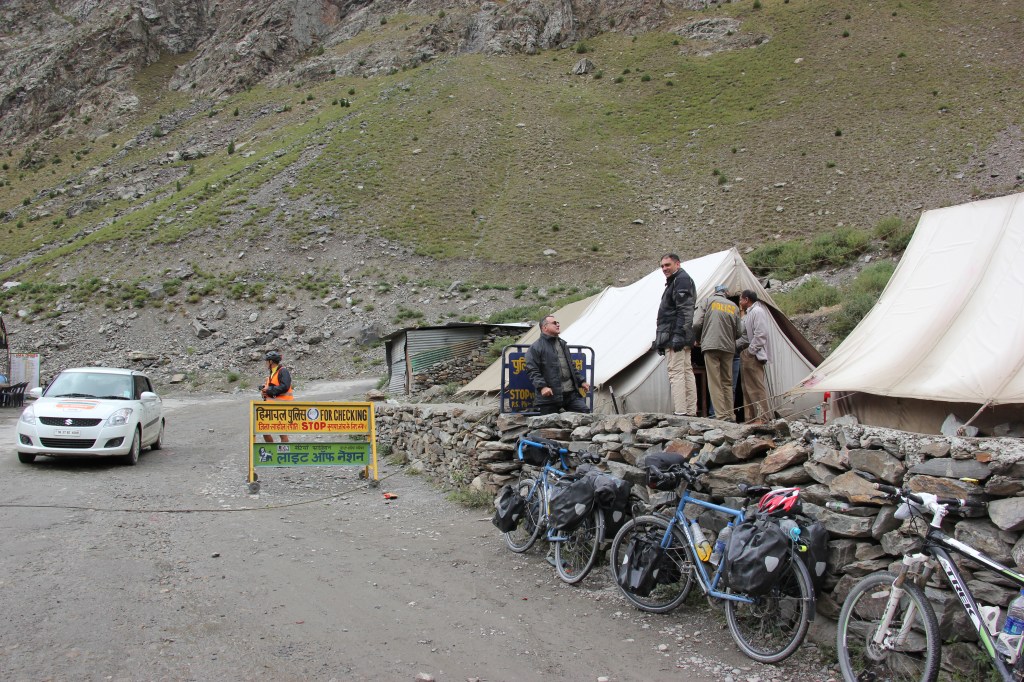
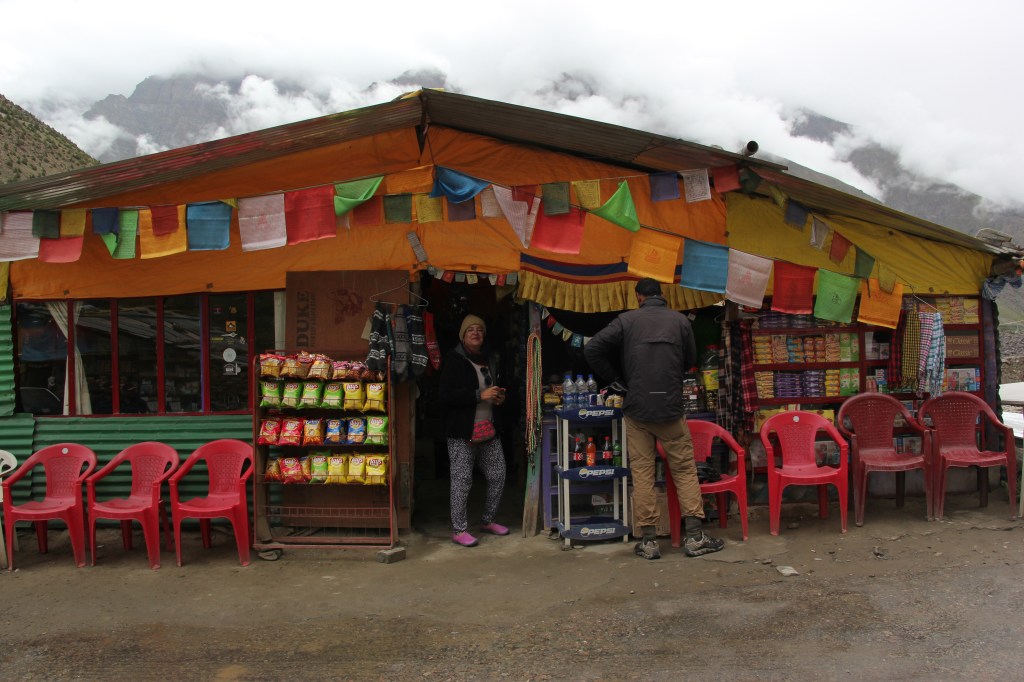
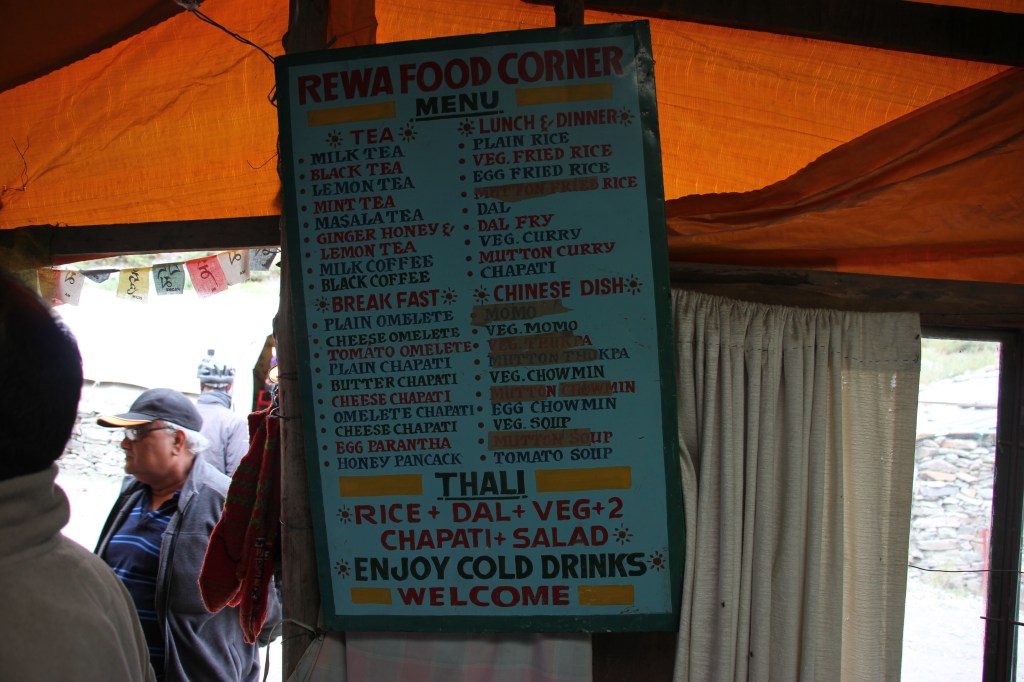
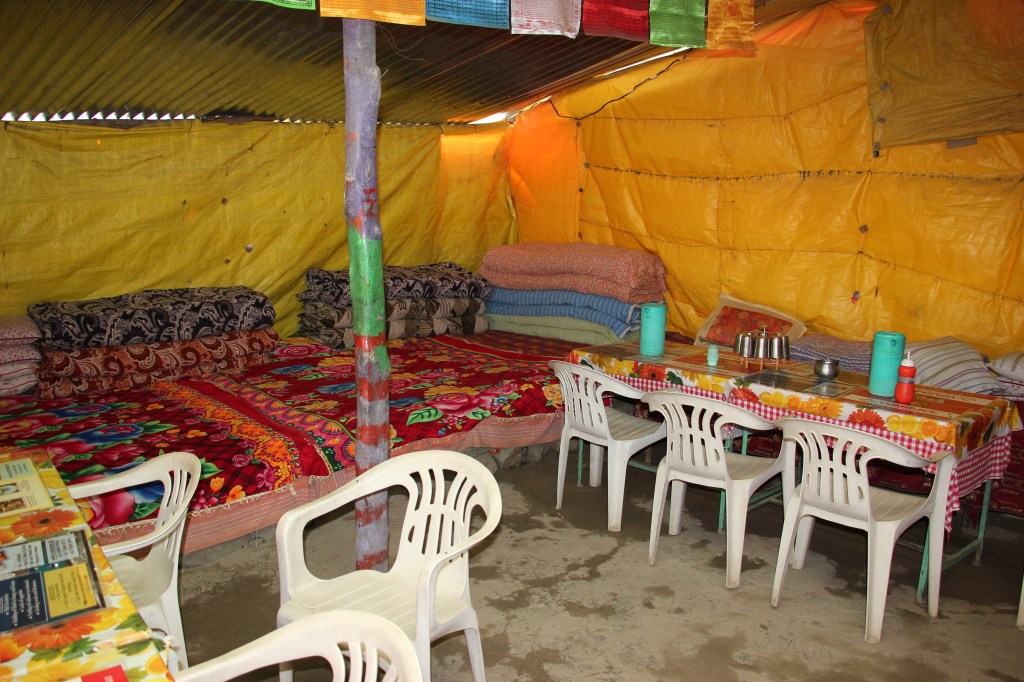
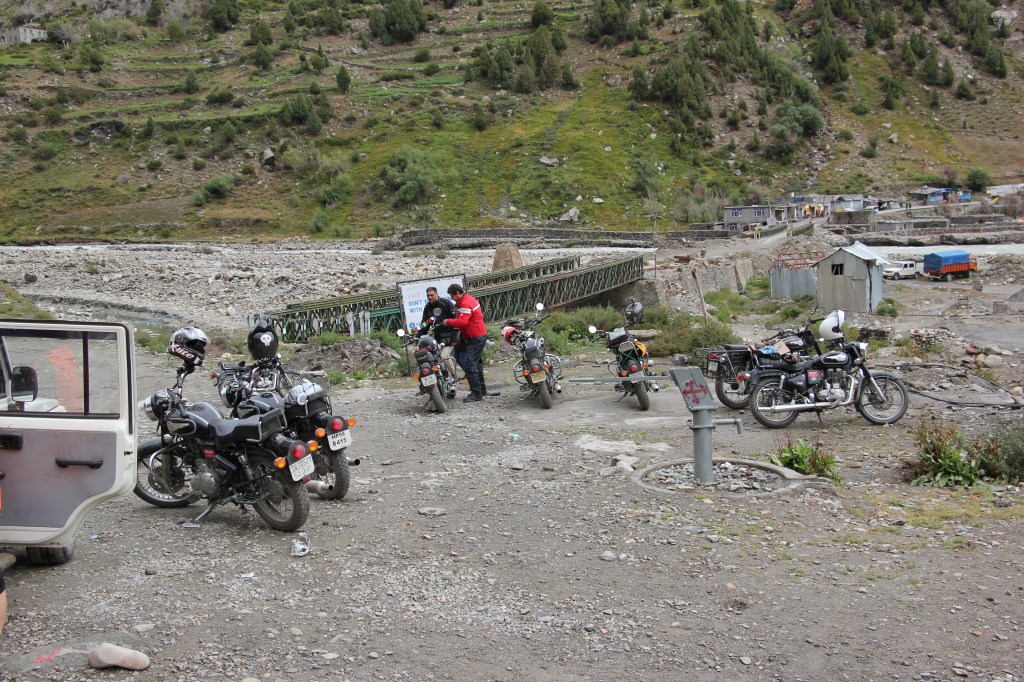
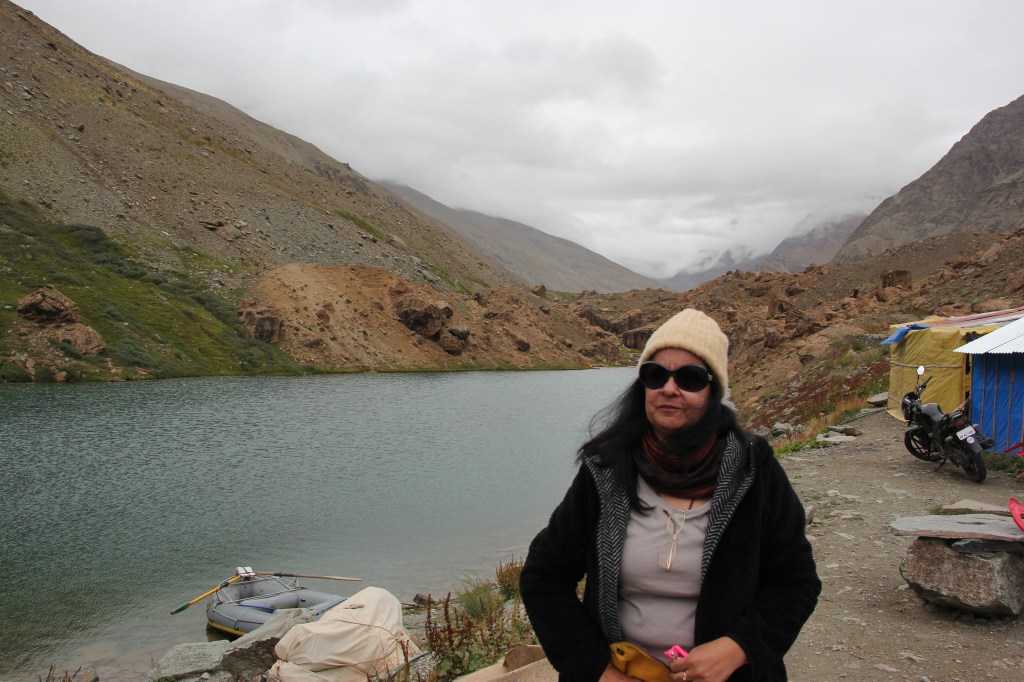
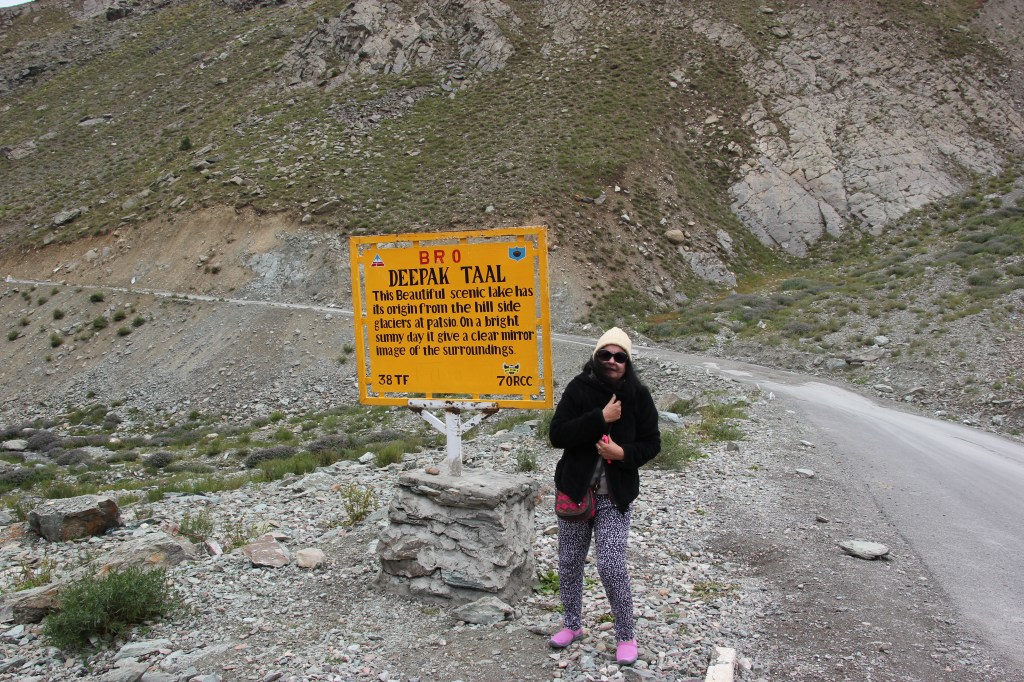
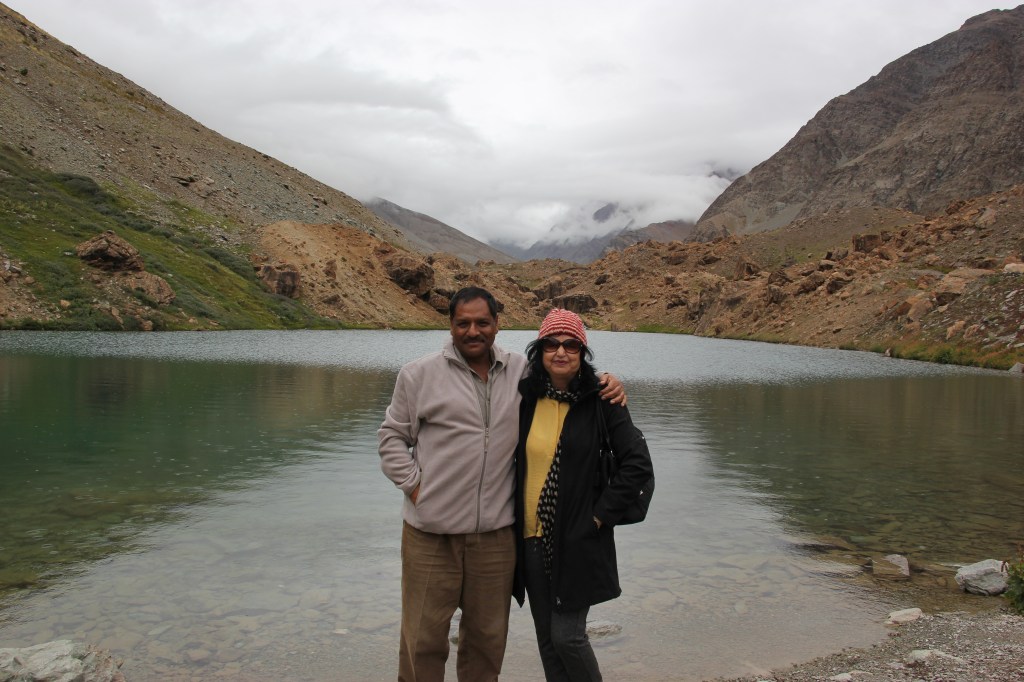
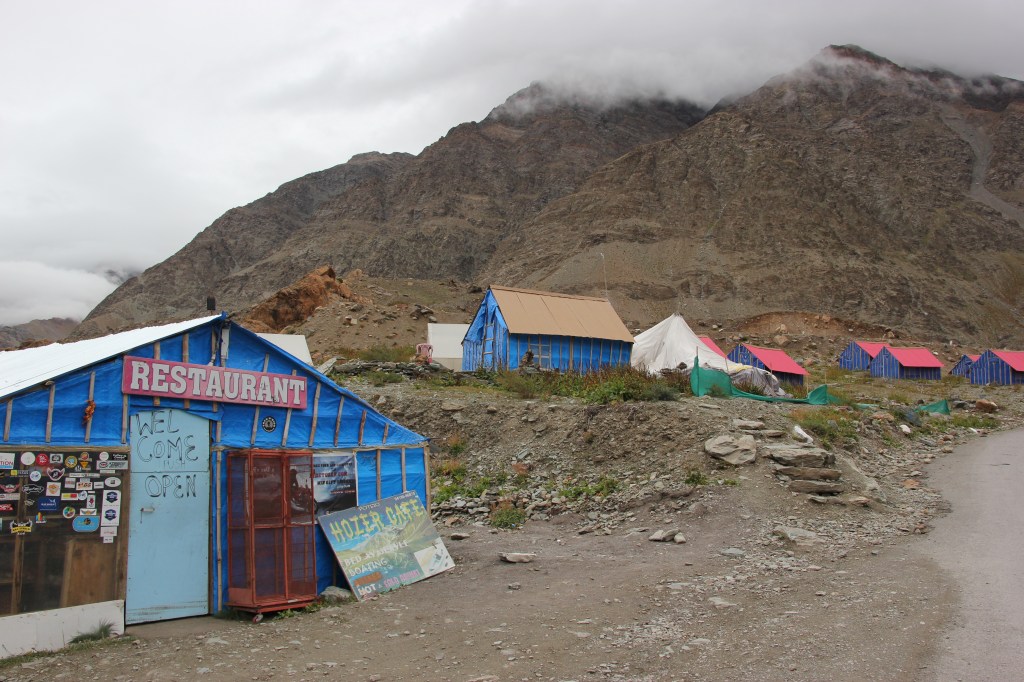
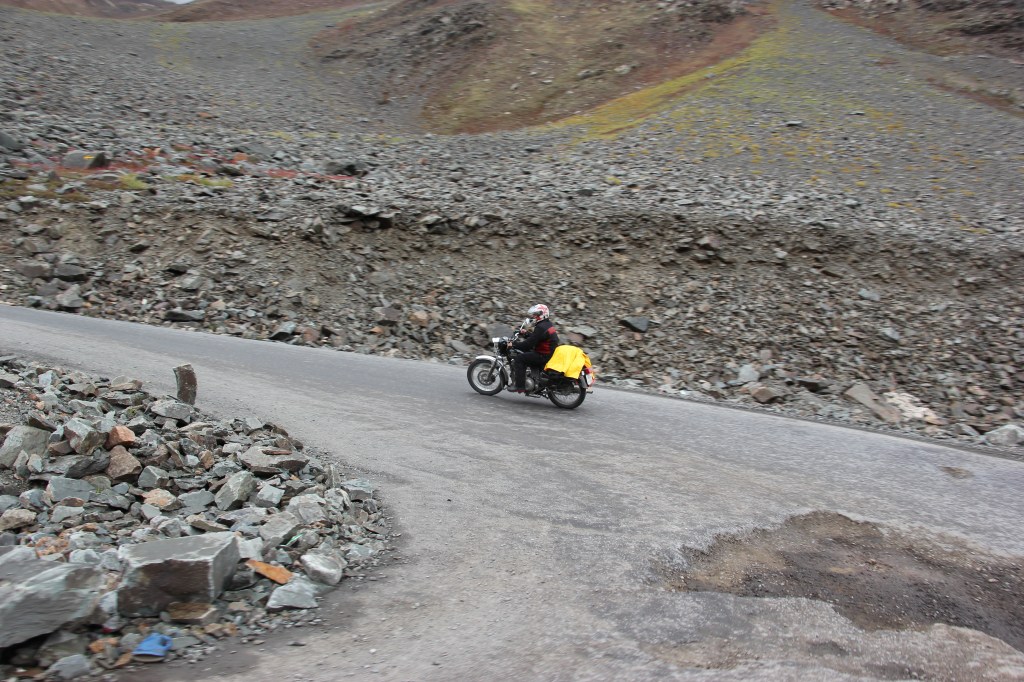
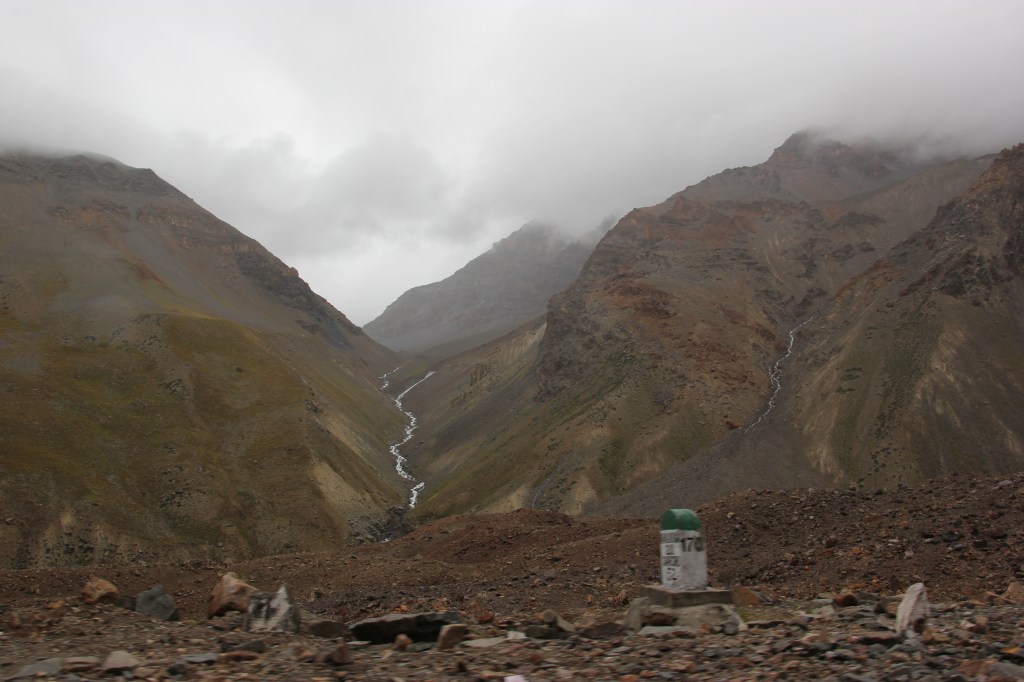
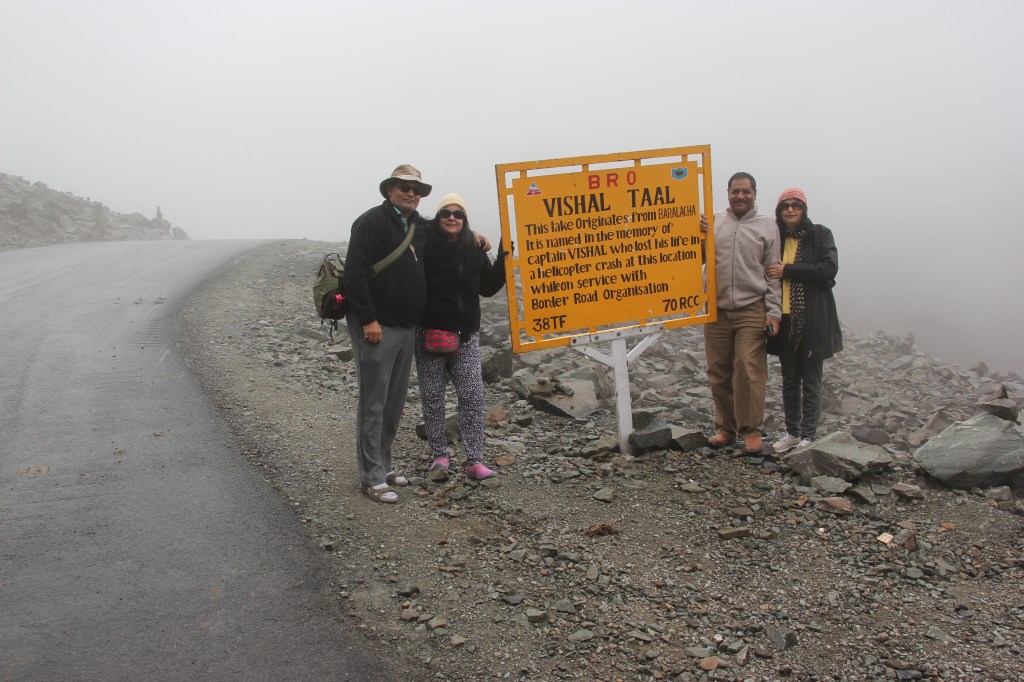
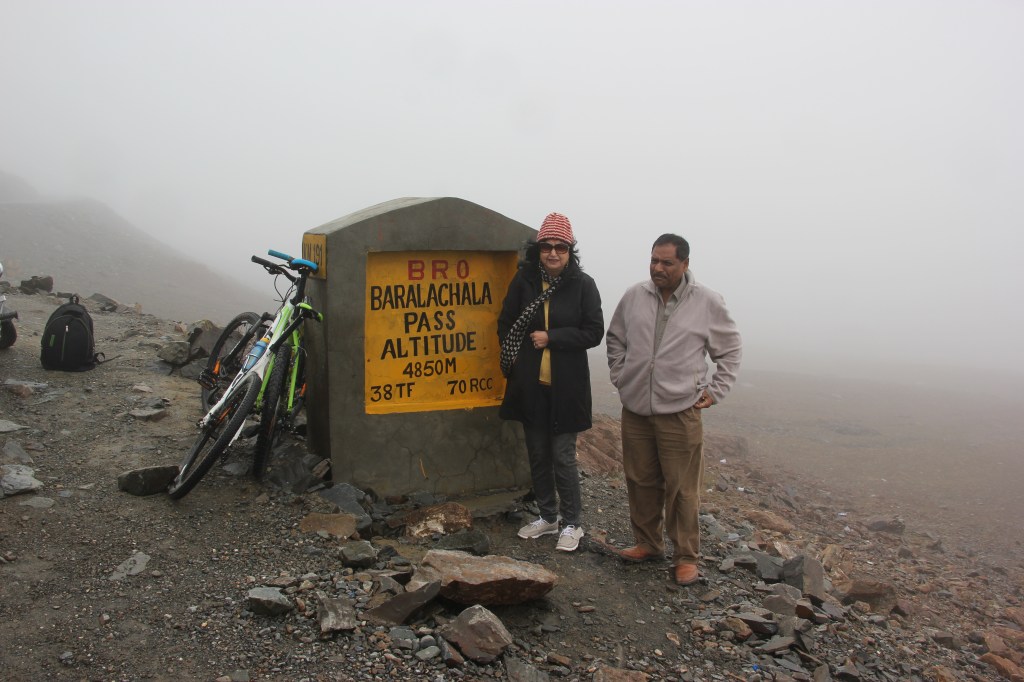
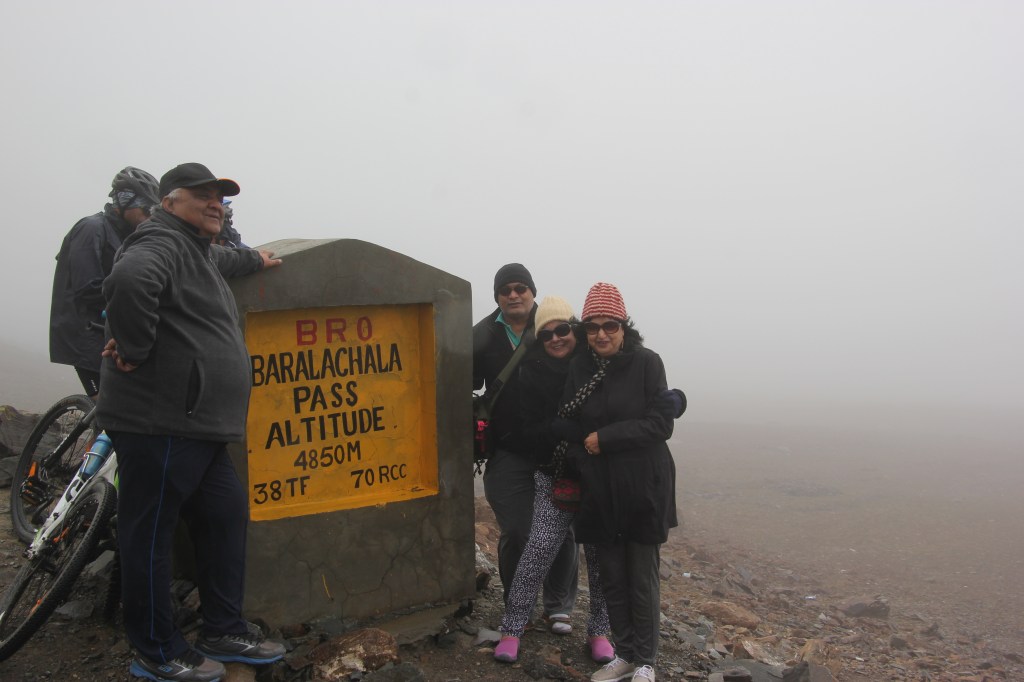
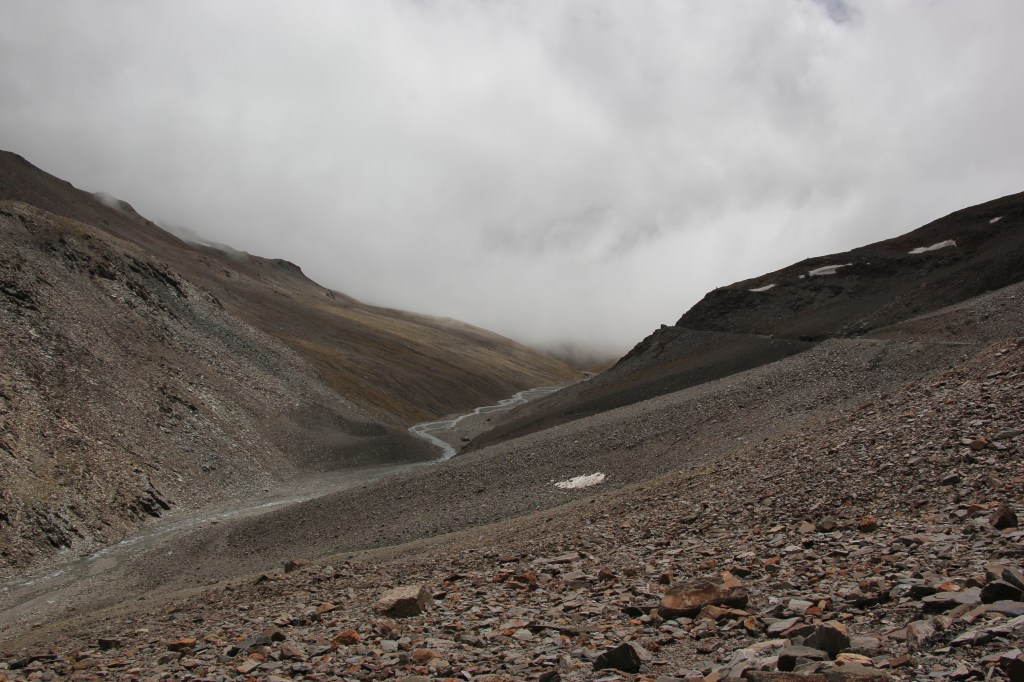
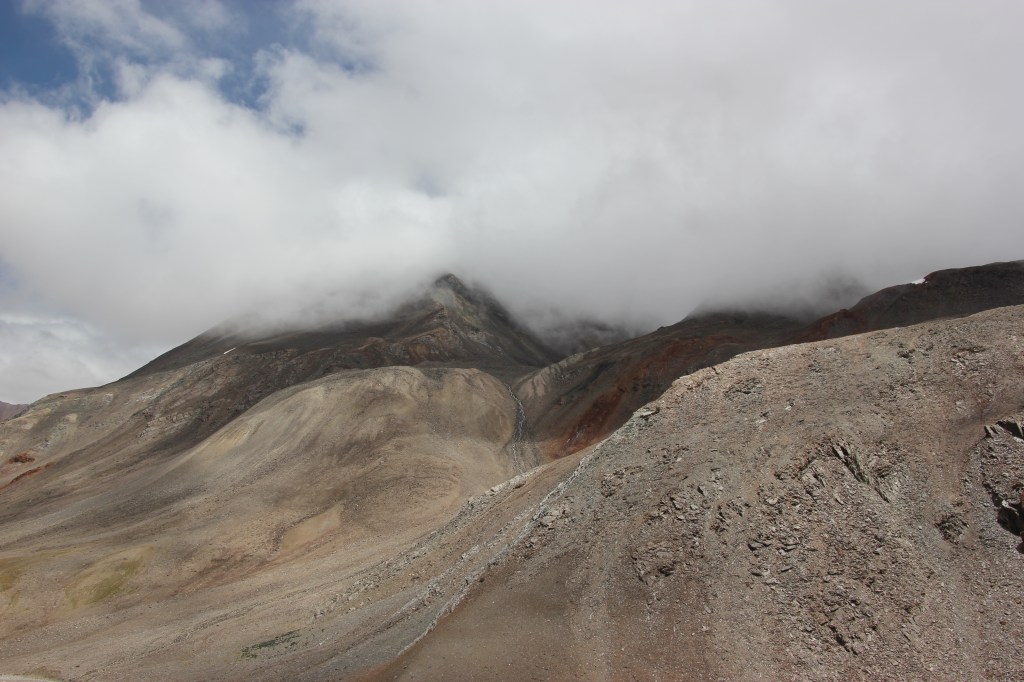
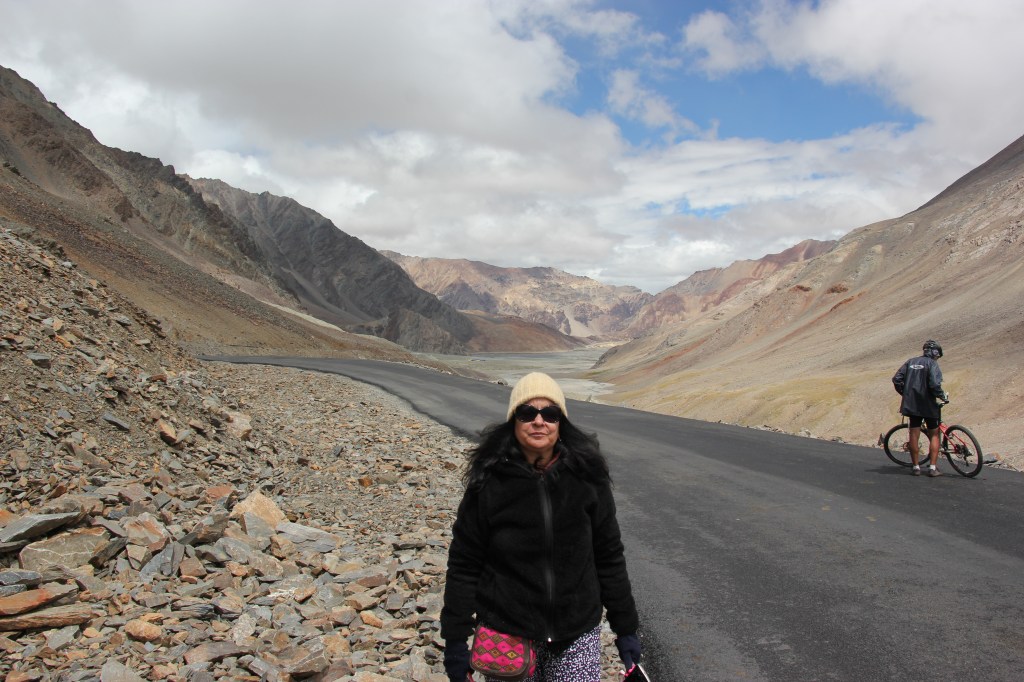
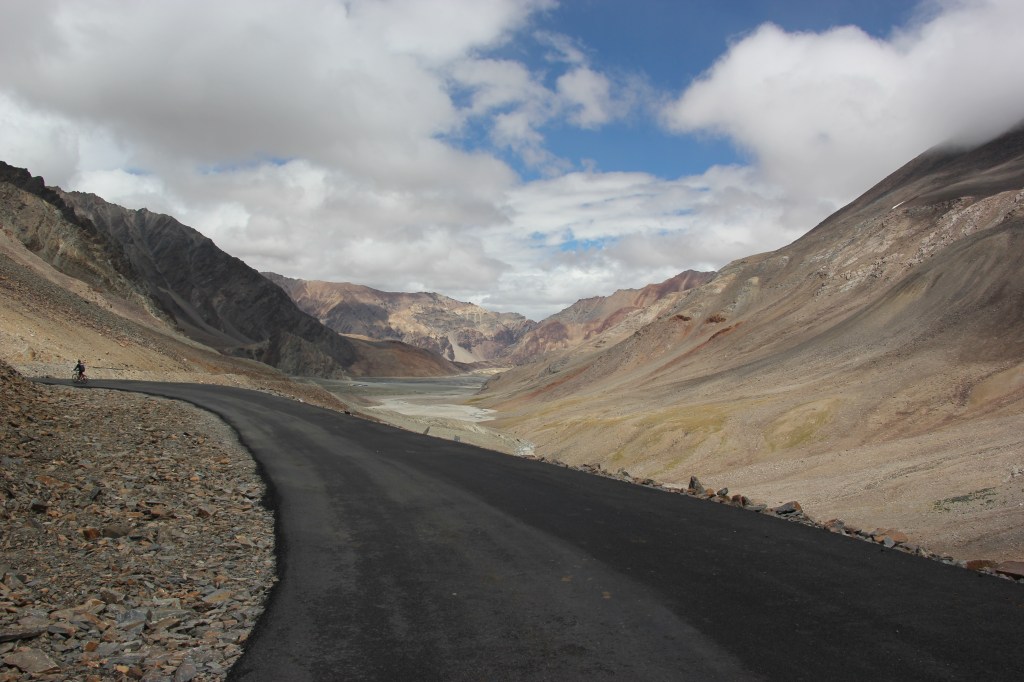
Sarchu, where we had tented accommodation was cold, open plains with a strong wind blowing, we couldn’t wait to have the maggi noodles and crawl into bed.
Surprisingly, I ran across a Mumbai fiend, Avi Basu, who was with a biker group. Unfortunately these are part of the photos that have gone missing.
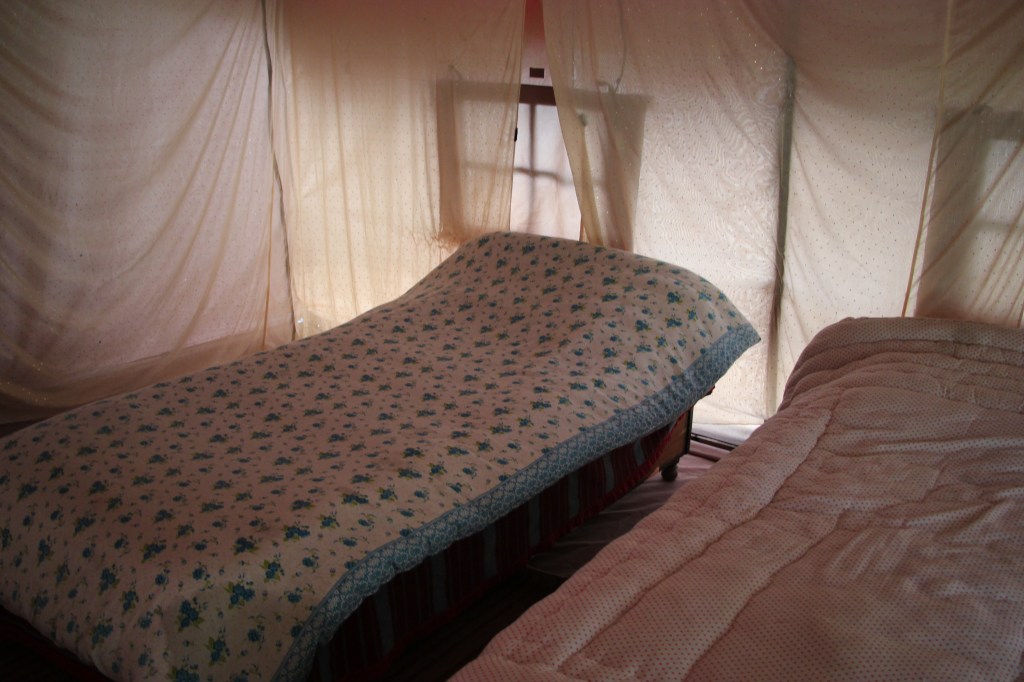
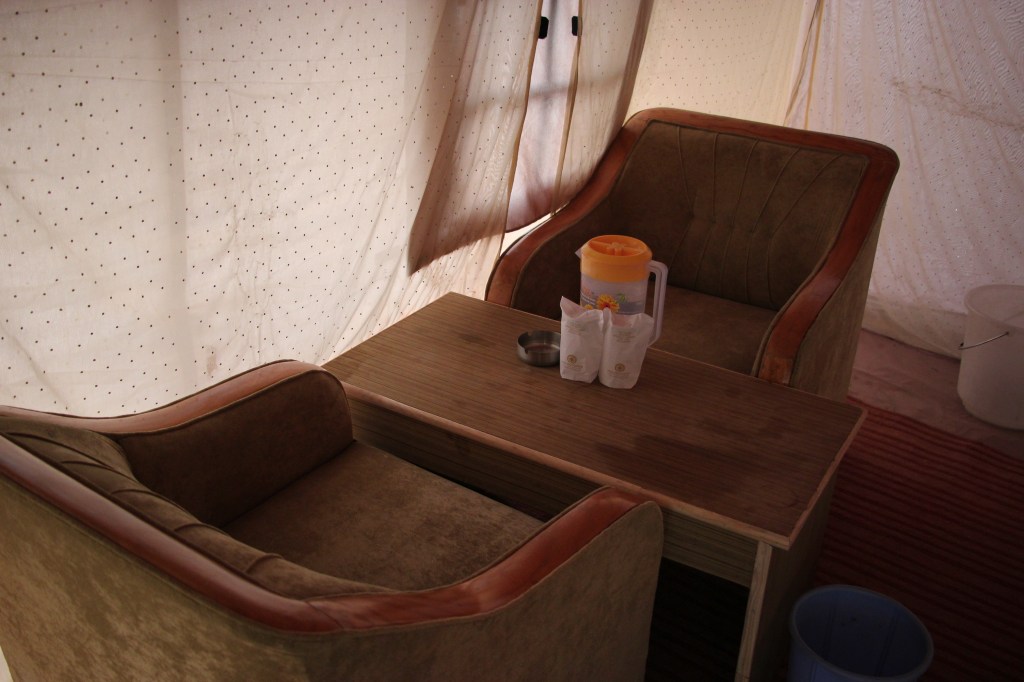
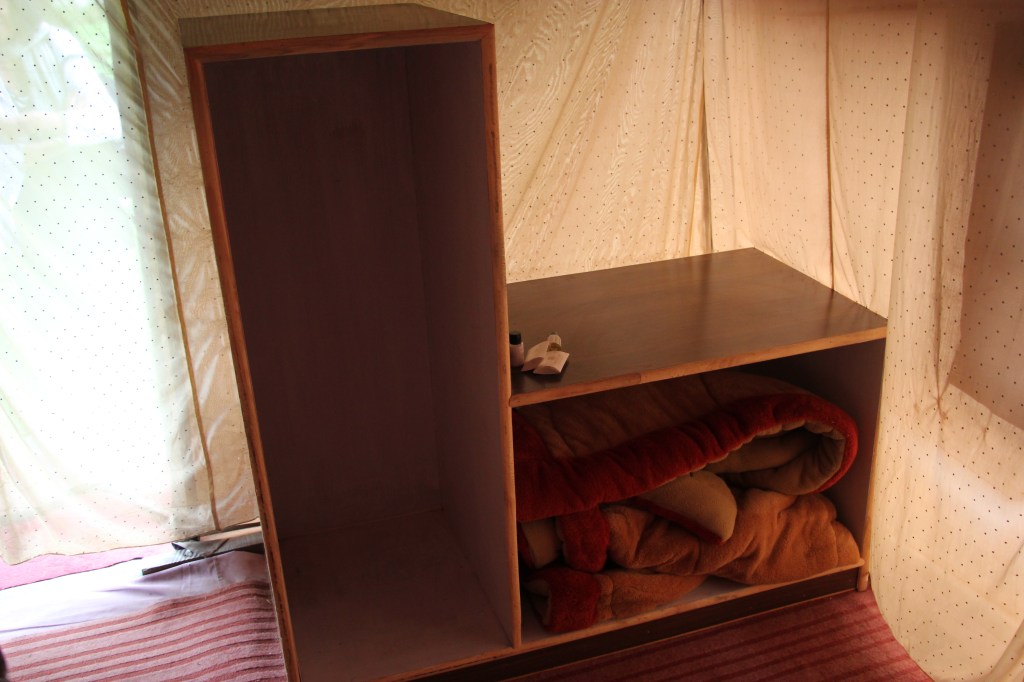
We left as early as possible mainly to escape the biting cold that no amount of local heating could help us with.
En route to Leh we passed the Tang la pass, I was driving and when we stopped at the pass, the altitude sickness hit me mildly – but ensured that I immediately started on the altitude sickness pills and I handed over the wheel to Rakesh, who literally drove all the time after after that episode.
The Road from Sarchu to Leh was one of the most beautiful roads that I have encountered in the country, hats off to BRO - Border Roads Organisation - an arm of the Indian Army for the incredible job that they are doing.
Incredibly desolate beauty showing off the brilliant sky against the mountainous desert cannot be imagined – it has to be seen – no photograph can do justice to it.
At Leh we stayed in the Officers Mess as guests (Thank you Col now Brigadier Bharat), as always I am humbled by the dedication and commitment by our men in uniform, and as a sailor, I understand what it means to be away from your family esp. when your children are growing up and need you around.
Leh was everything, I imagined it as and more, my only regret we had not planned on spending more time in Leh, but Revathi and I have decided to go back and probably the next time return via Srinagar.
Unfortunately, at the time of our visit, the Dalai Lama was also in Leh and most of the major Gompa’s were closed as the monks were meeting the Dalai Lama, but we did manage to squeeze in a couple of monasteries.
A bit of history on Leh –
Leh was an important stopover on trade routes along the Indus Valley between Tibet to the east, Kashmir to the west and also between India and China for centuries. The main goods carried were salt, grain, pashm or cashmere wool, charas or cannabis resin from the Tarim Basin, indigo, silk yarn and Banaras brocade.
Although there are a few indications that the Chinese knew of a trade route through Ladakh to India as early as the Kushan period (1st to 3rd centuries CE), and certainly by Tang dynasty, little is actually known of the history of the region before the formation of the kingdom towards the end of the 10th century by the Tibetan prince, Skyid lde nyima gon (or Nyima gon), a grandson of the anti-Buddhist Tibetan king, Langdarma (r. c. 838 to 841). He conquered Western Tibet although his army originally numbered only 300 men. Several towns and castles are said to have been founded by Nyima gon and he apparently ordered the construction of the main sculptures at Shey. In an inscription, he says he had them made for the religious benefit of the Tsanpo (the dynastical name of his father and ancestors), and of all the people of Ngaris (Western Tibet). This shows that already in this generation Langdarma’s opposition to Buddhism had disappeared. Shey, just 15 km east of modern Leh, was the ancient seat of the Ladakhi kings.
During the reign of Delegs Namgyal (1660–1685), the Nawab of Kashmir, which was then a province in the Mughal Empire, arranged for the Mongol army to temporarily leave Ladakh, though it returned later. As payment for assisting Delegs Namgyal in the Tibet-Ladakh-Mughal war of 1679–1684, the Nawab made a number of onerous demands. One of the least was to build a large Sunni Muslim mosque in Leh at the upper end of the bazaar in Leh, below the Leh Palace. The mosque reflects a mixture of Islamic and Tibetan architecture and can accommodate more than 500 people. This was apparently not the first mosque in Leh; there are two smaller ones which are said to be older.
Several trade routes have traditionally converged on Leh, from all four directions. The most direct route was the one the modern highway follows from the Punjab via Mandi, the Kulu valley, over the Rohtang Pass, through Lahaul and on to the Indus Valley, and then downriver to Leh. The route from Srinagar was roughly the same as the road that today crosses the Zoji La (pass) to Kargil, and then up the Indus Valley to Leh. From Baltistan there were two difficult routes: the main on ran up the Shyok Valley from the Indus, over a pass and then down the Hanu River to the Indus again below Khalsi (Khalatse). The other ran from Skardu straight up the Indus to Kargil and on to Leh. Then, there were both the summer and winter routes from Leh to Yarkand via the Karakoram Pass and Xaidulla. Finally, there were a couple of possible routes from Leh to Lhasa.[7]
The first recorded royal residence in Ladakh, built at the top of the high Namgyal (‘Victory’) Peak overlooking the present palace and town, is the now-ruined fort and the gon-khang (Temple of the Guardian Divinities) built by King Tashi Namgyal. Tashi Namgyal is known to have ruled during the final quarter of the 16th century CE. The Namgyal (also called “Tsemo Gompa” = ‘Red Gompa’, or dGon-pa-so-ma = ‘New Monastery’), a temple, is the main Buddhist centre in Leh. There are some older walls of fortifications behind it which Francke reported used to be known as the “Dard Castle.” If it was indeed built by Dards, it must pre-date the establishment of Tibetan rulers in Ladakh over a thousand years ago.
Below this are the Chamba (Byams-pa, i.e., Maitreya) and Chenresi (sPyan-ras-gzigs, i.e. Avalokiteshvara) monasteries which are of uncertain date.
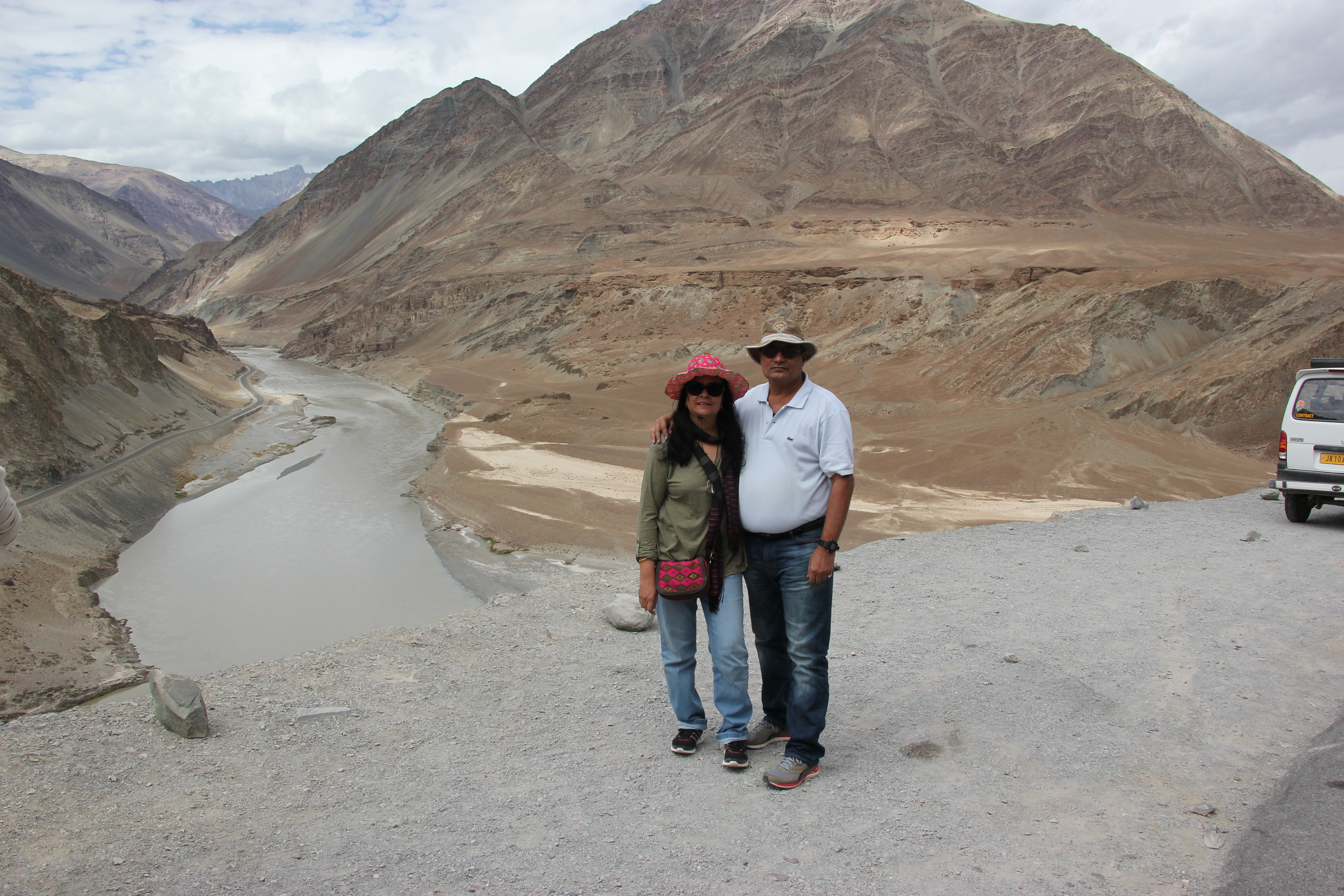
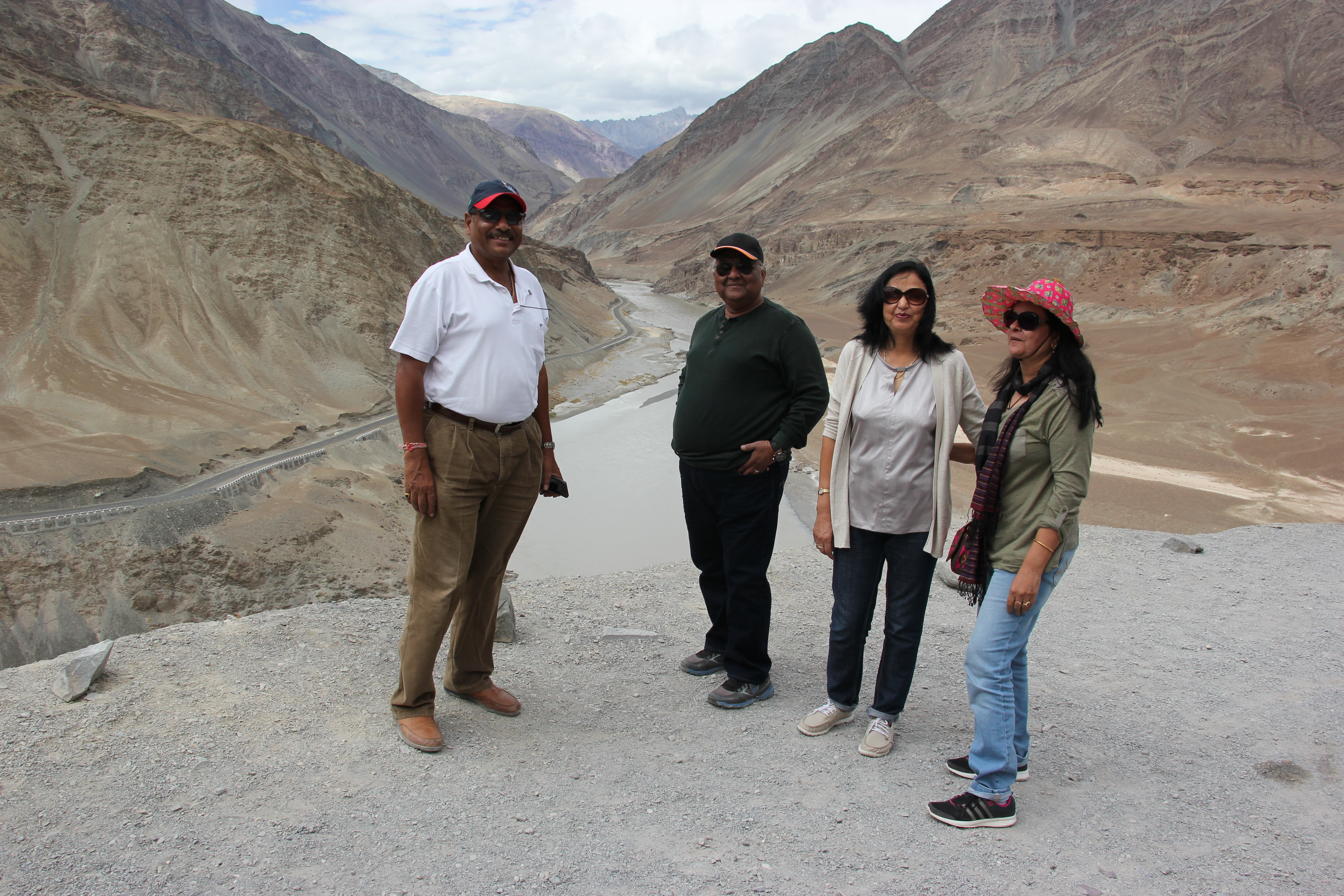
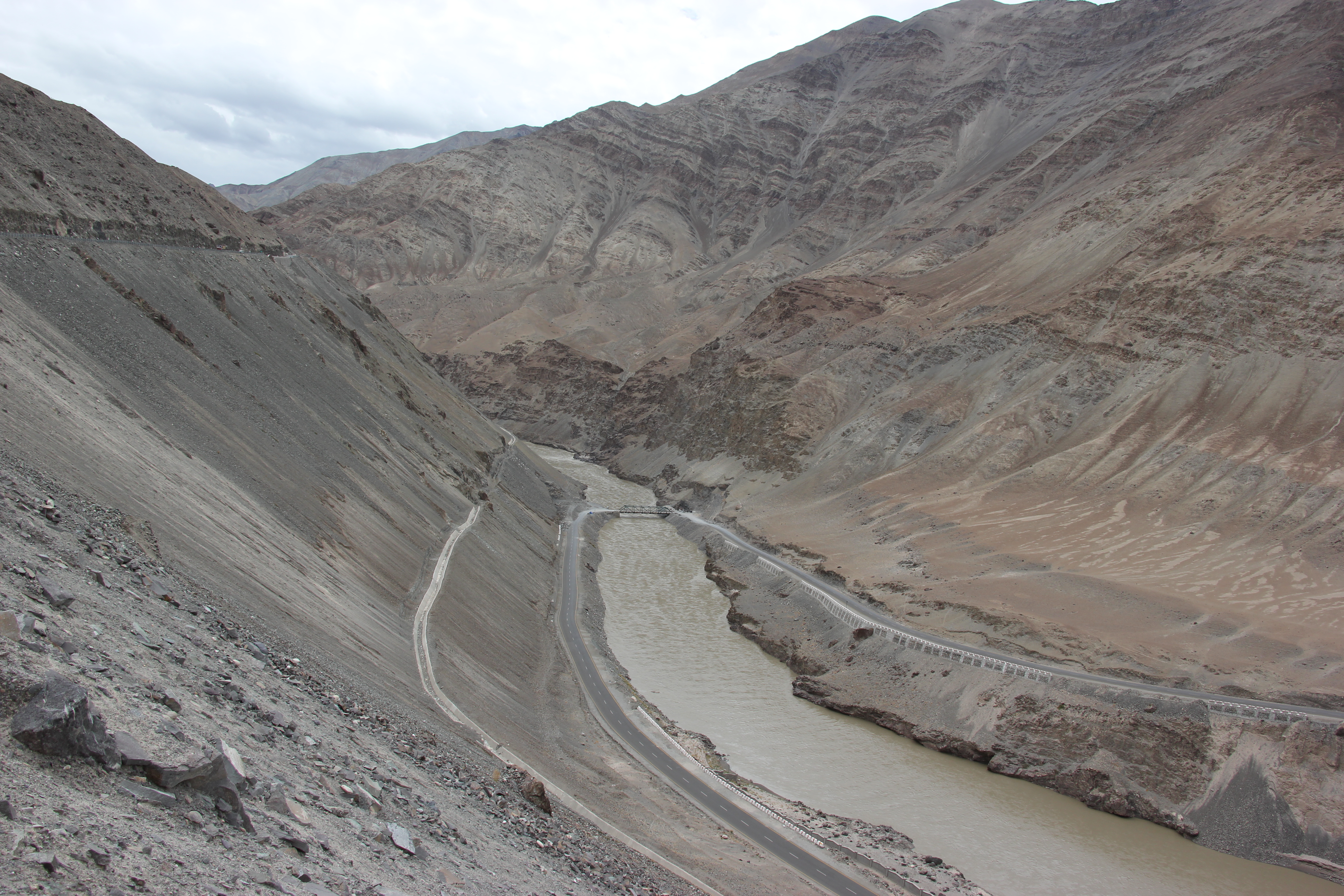
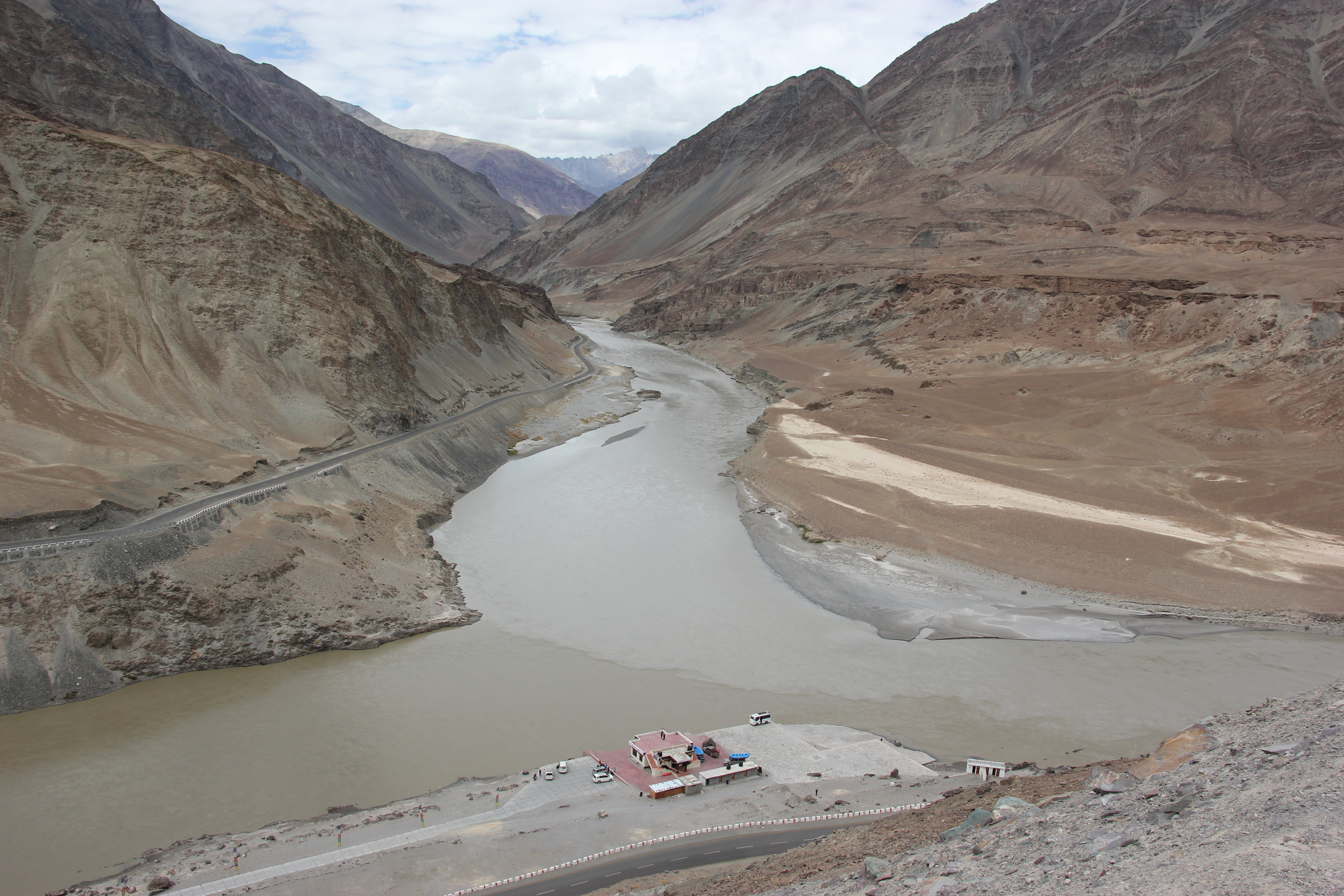
During our stay at Leh, we visited Pangong Lake, the Sangam of Zansar-Indus, the magnetic hill, the Gurudwara Shri Pather Sahib, the Gonpas’ at Thiksey and Spitik and the Ancient Leh Palace. We had to drop Nubra Valley and Hundar as it did not fit into schedule but this got us four days at Shimla later.
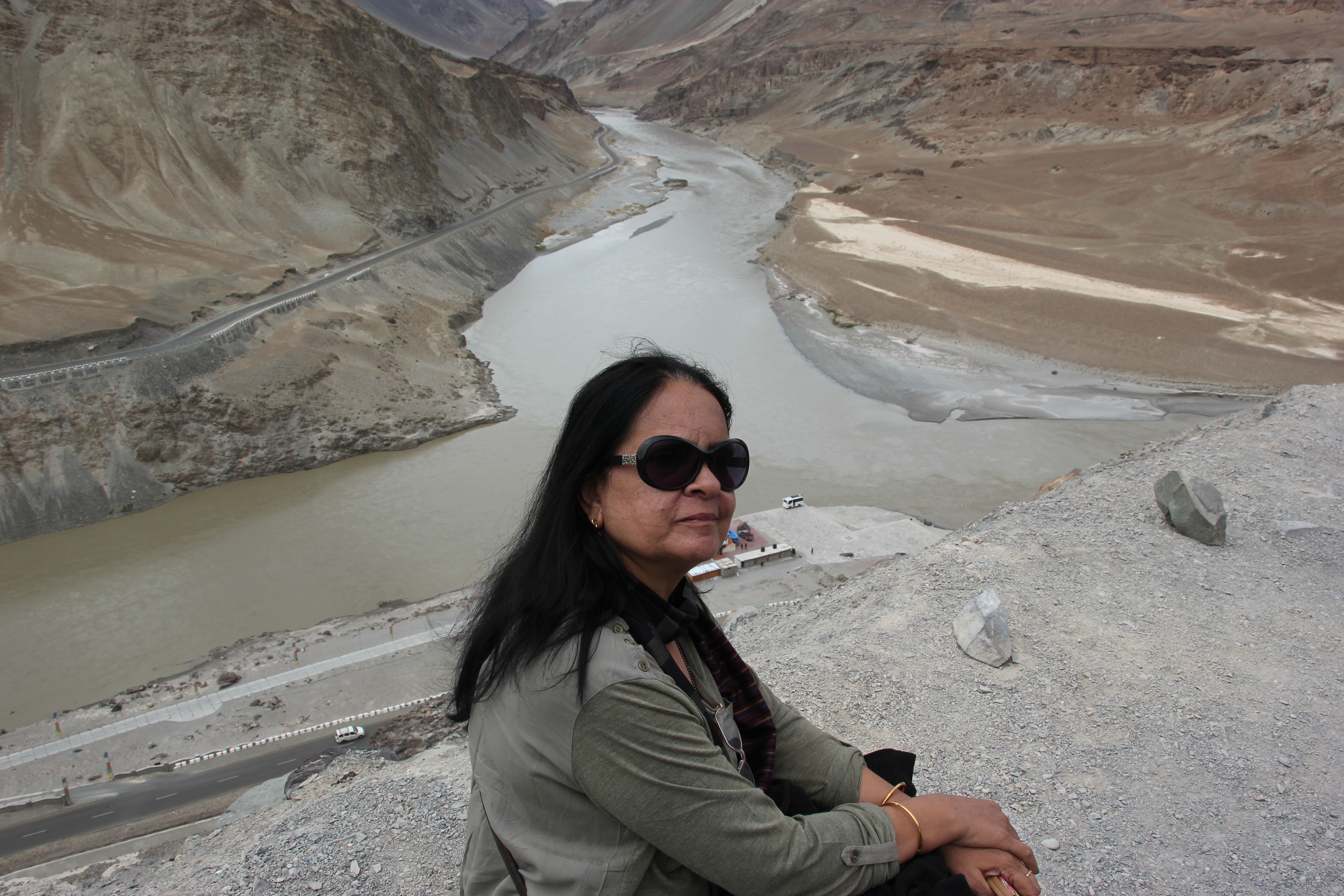
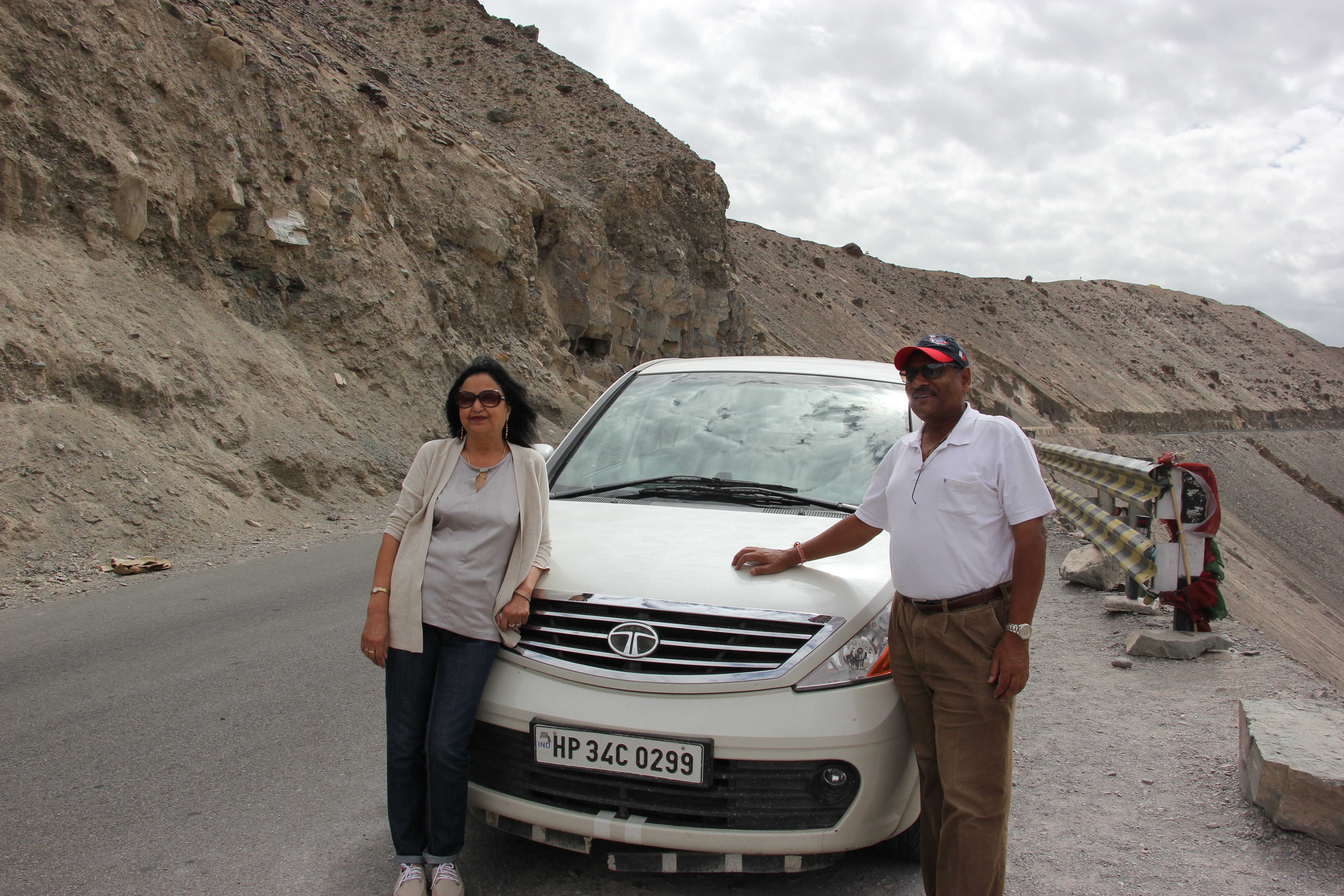
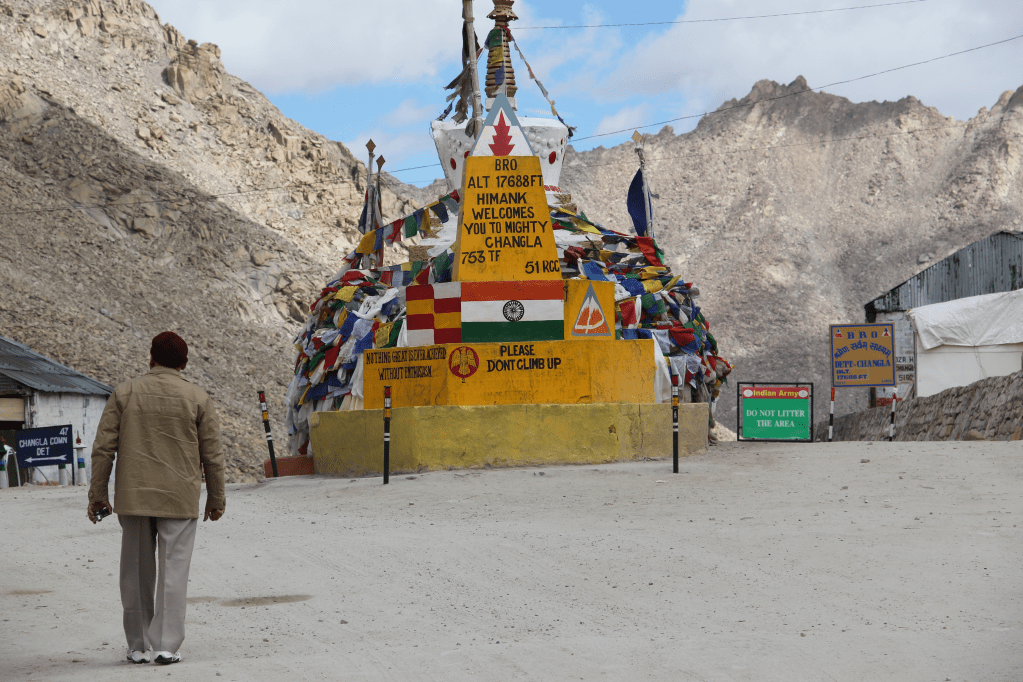
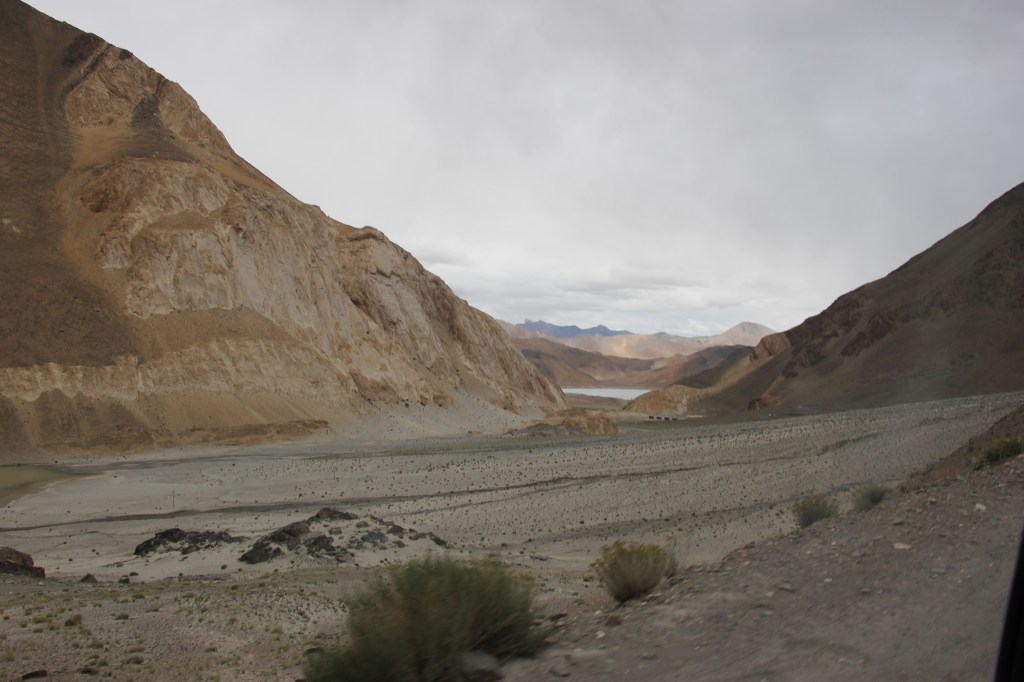
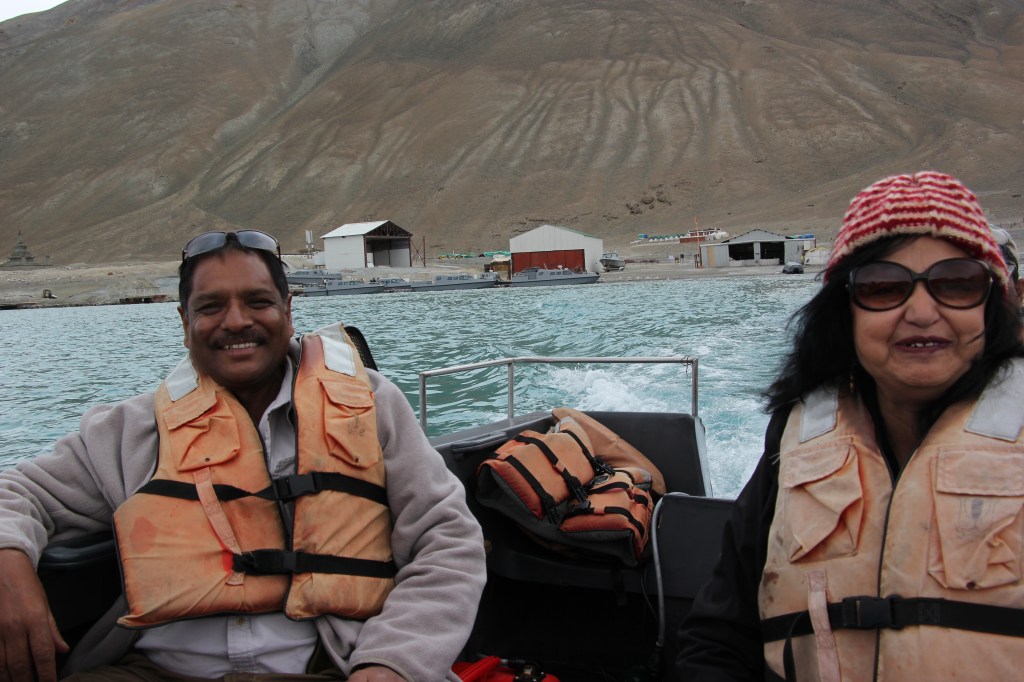
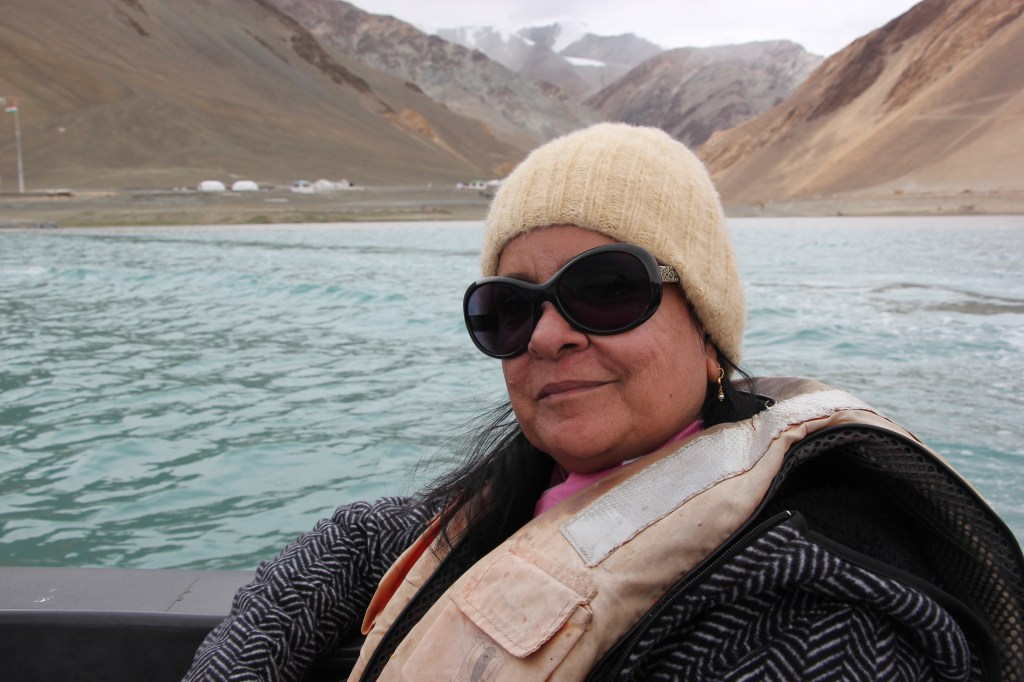
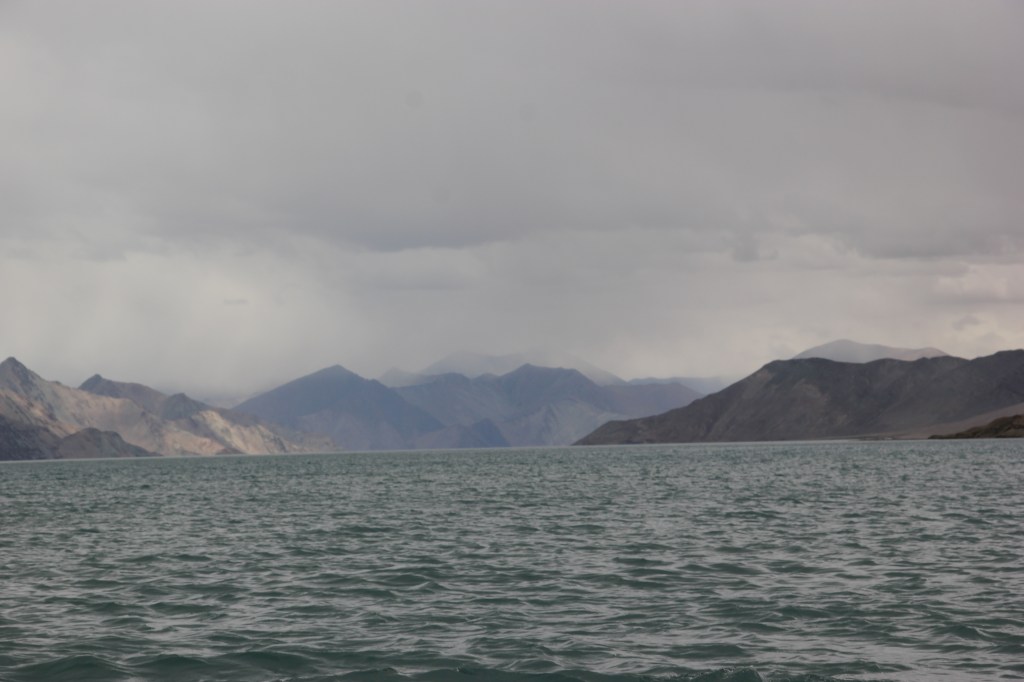

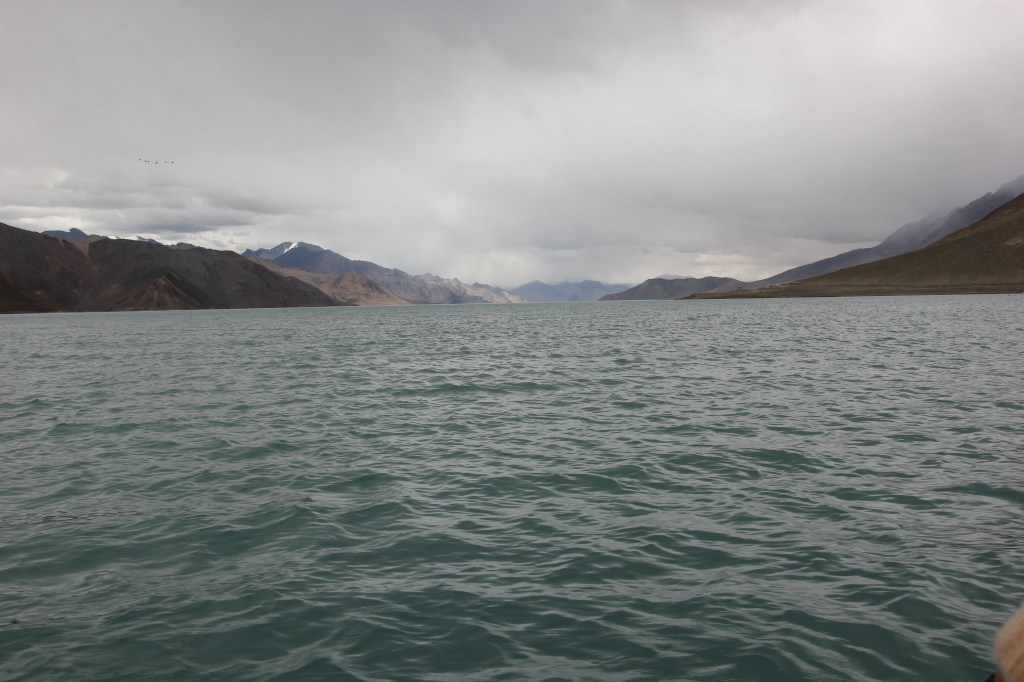
Images of our trip to Pngong Lake
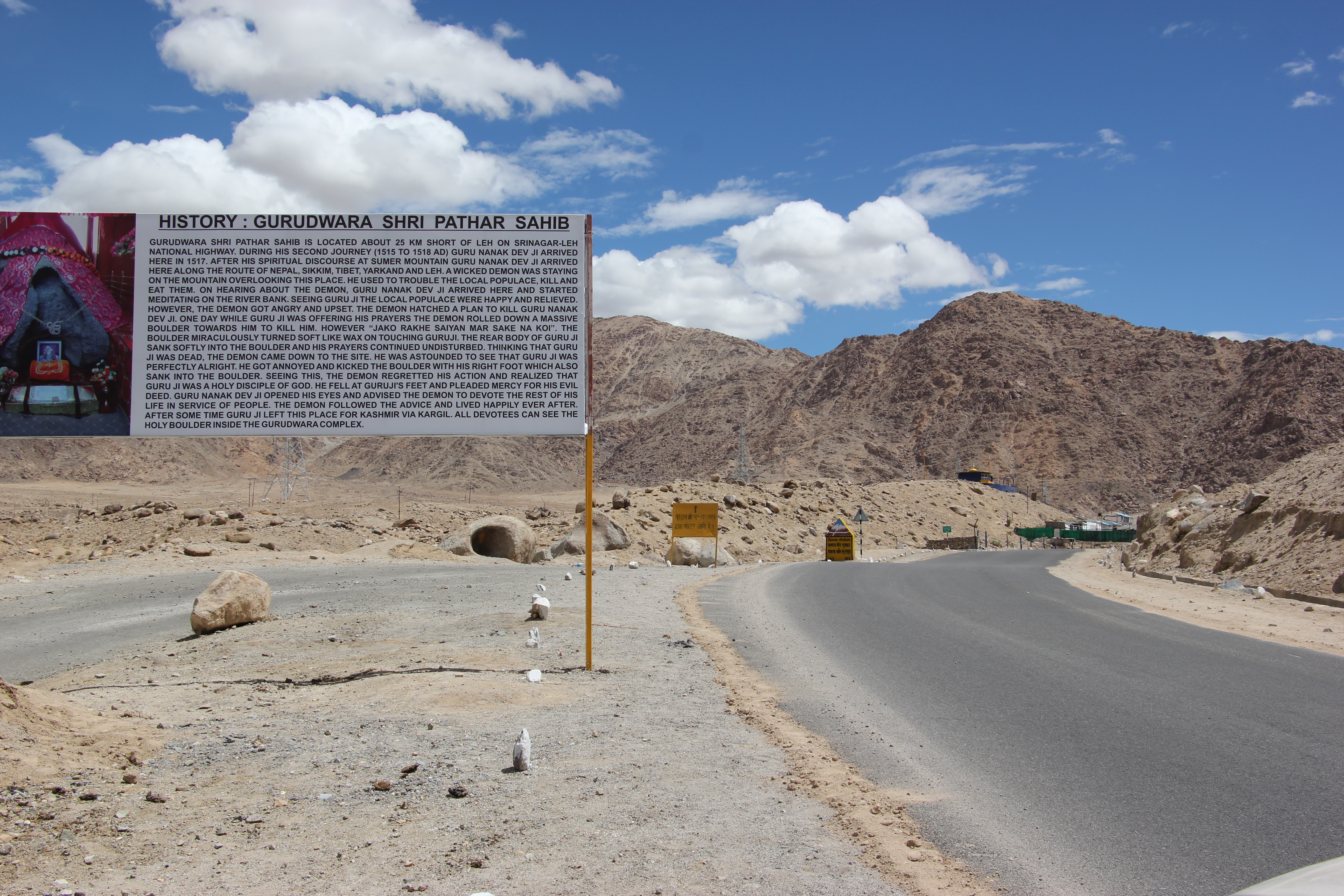
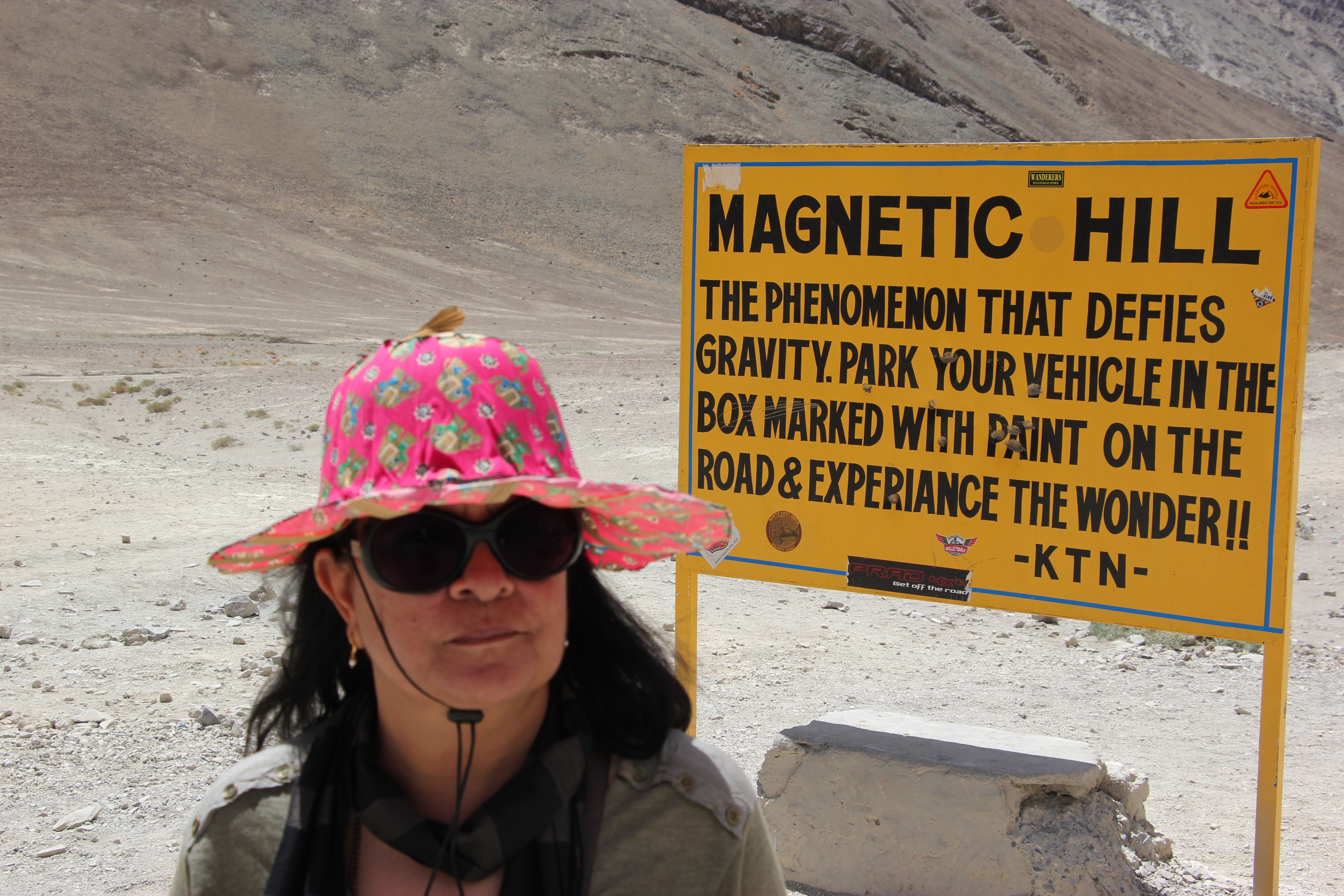
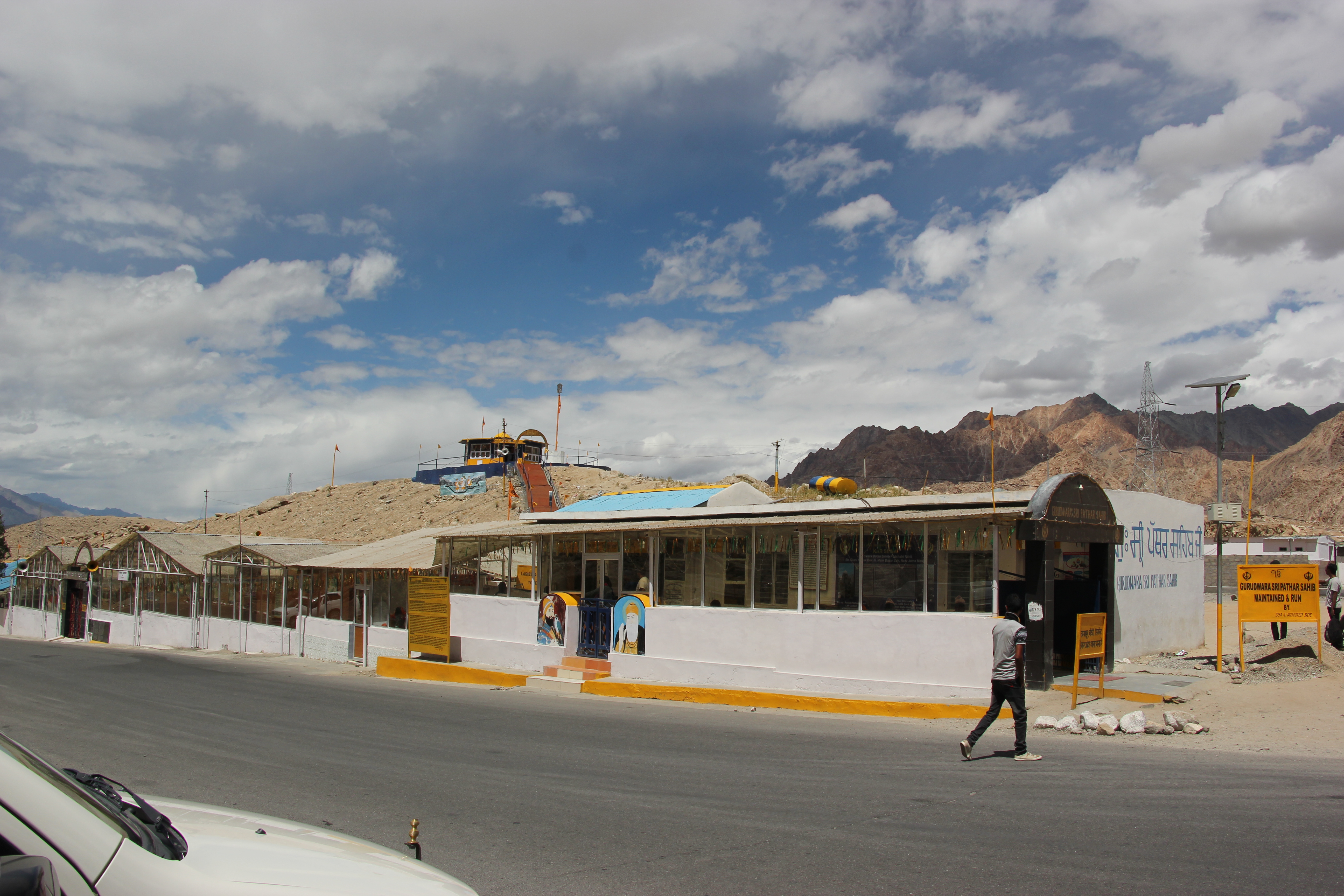
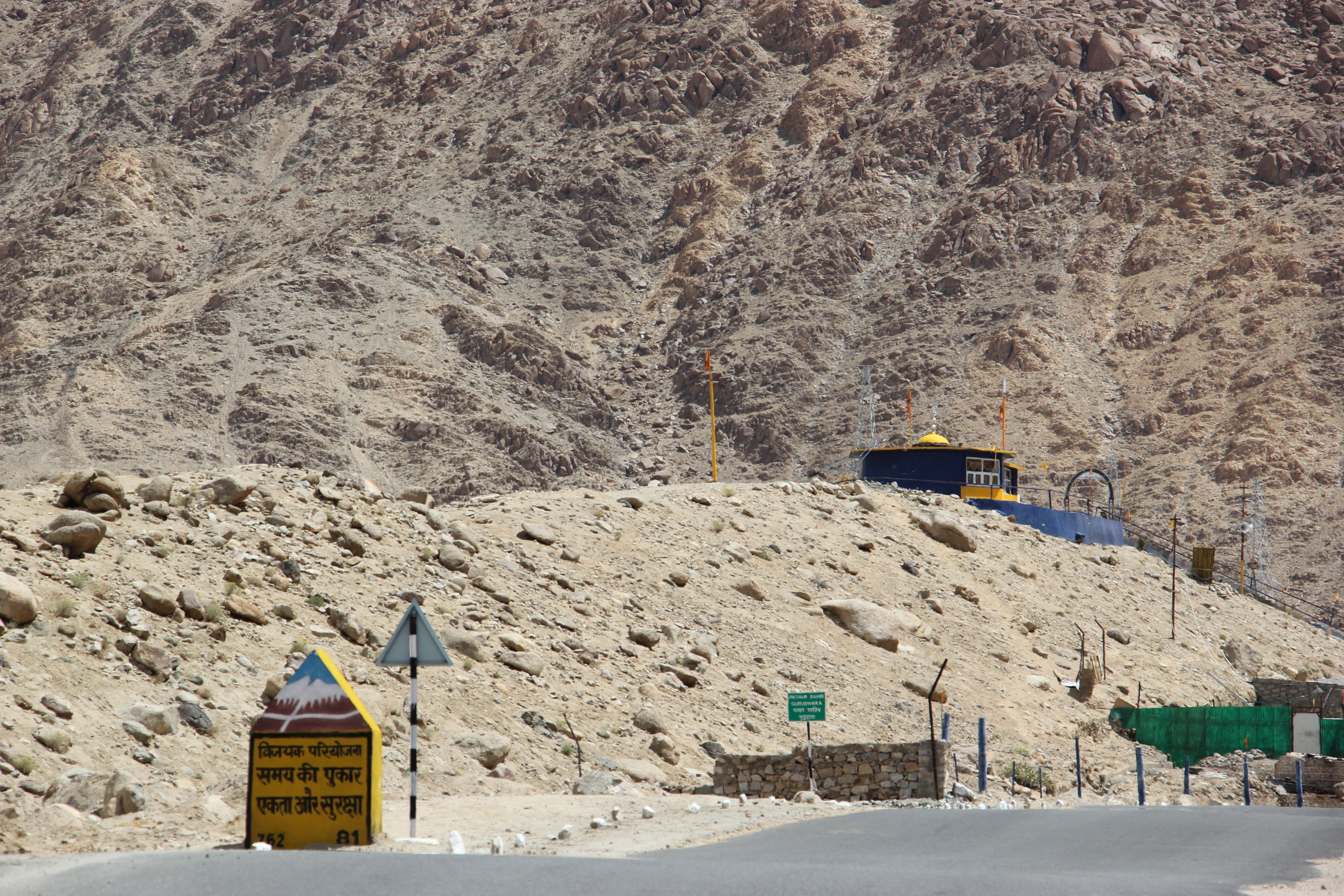
Images from trip to Magnetic Hill and Gurudwara Shri Pathar Sahib
The royal palace, known as Leh Palace, was built by King Sengge Namgyal (1612–1642), presumably between the period when the Portuguese Jesuit priest, Francisco de Azevedo, visited Leh in 1631, and made no mention of it, and Sengge Namgyal’s death in 1642.

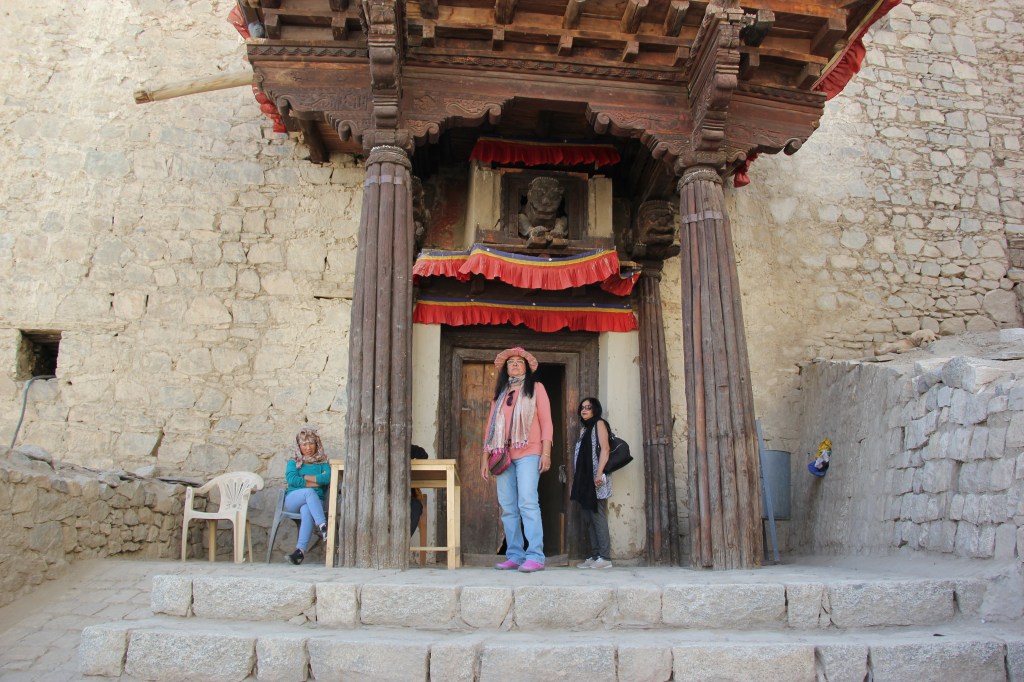
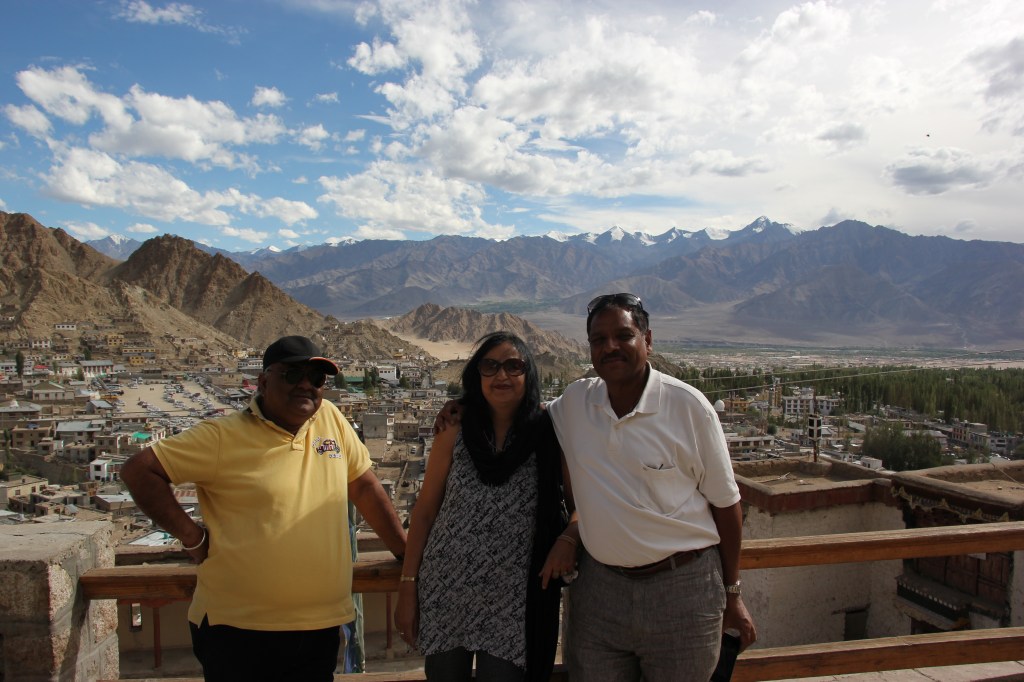
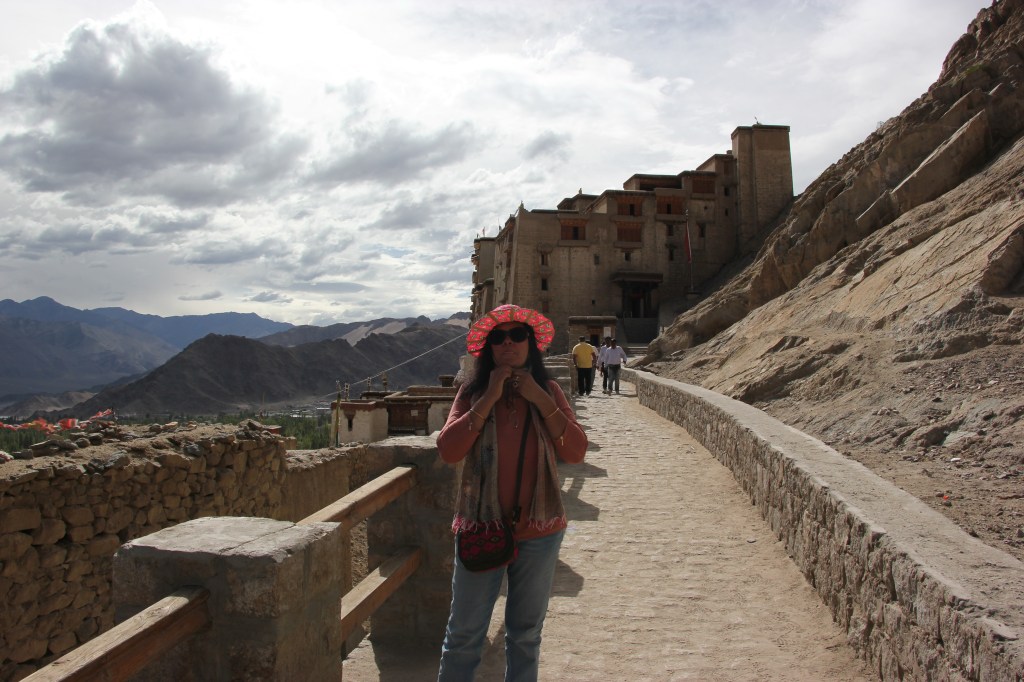
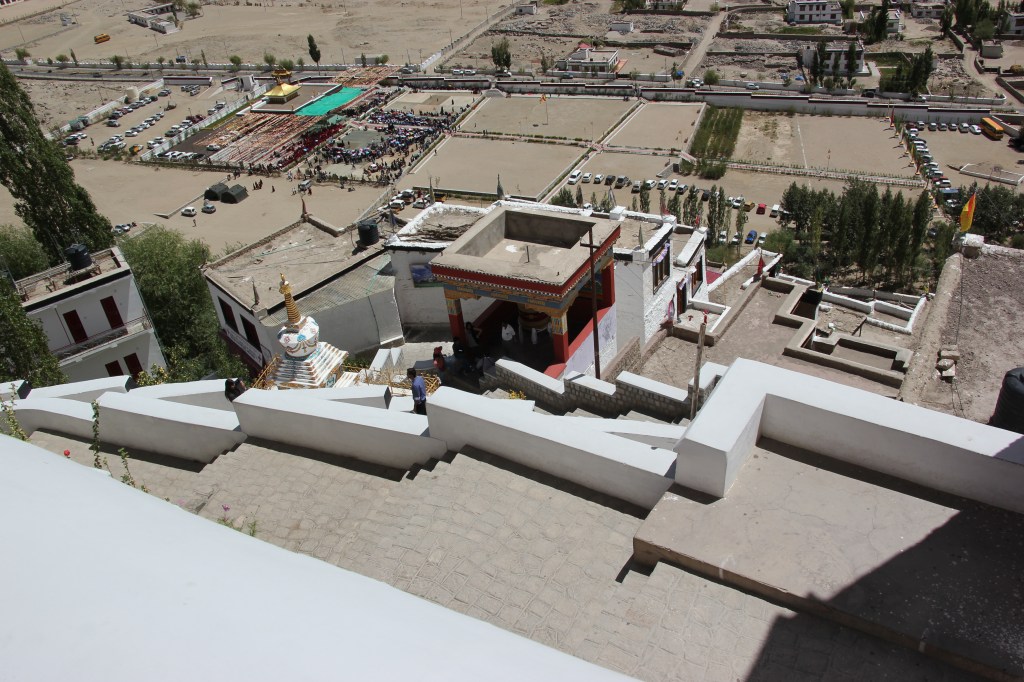
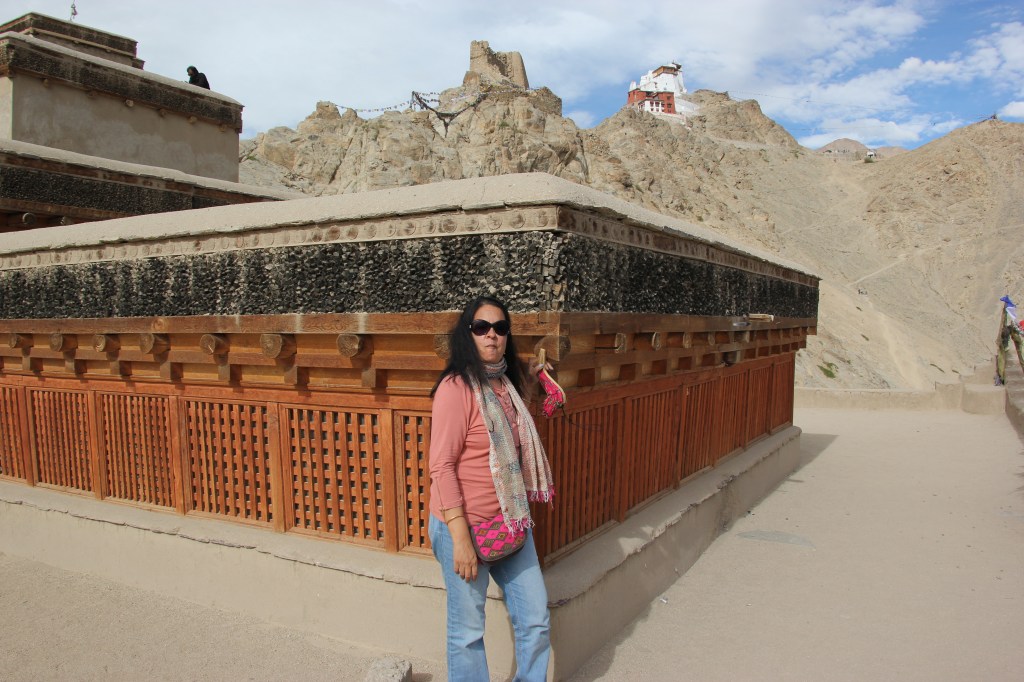
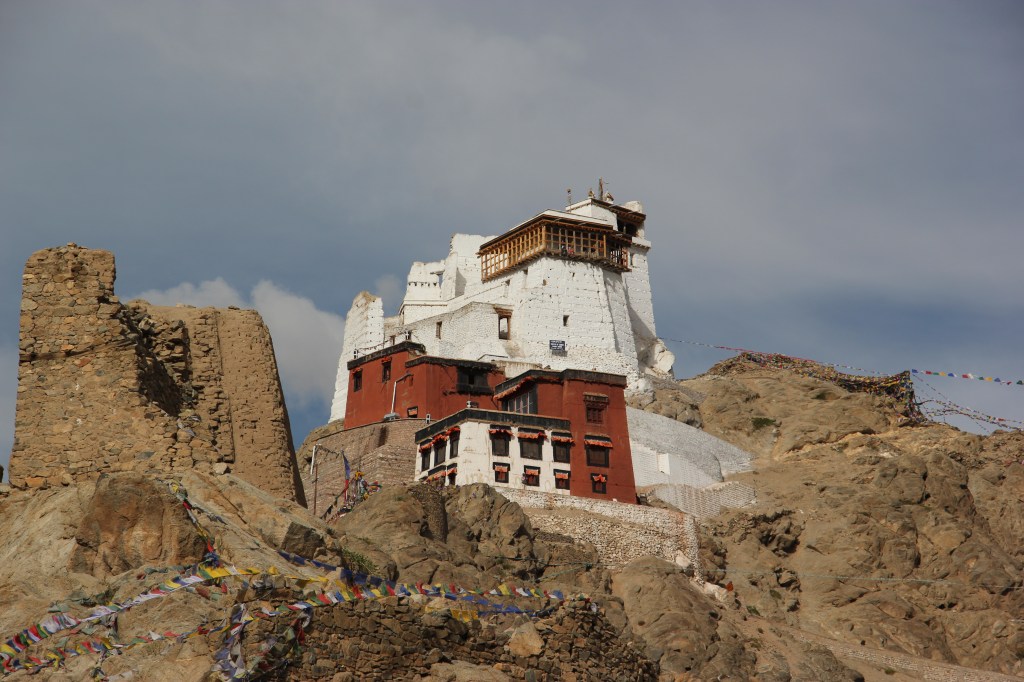
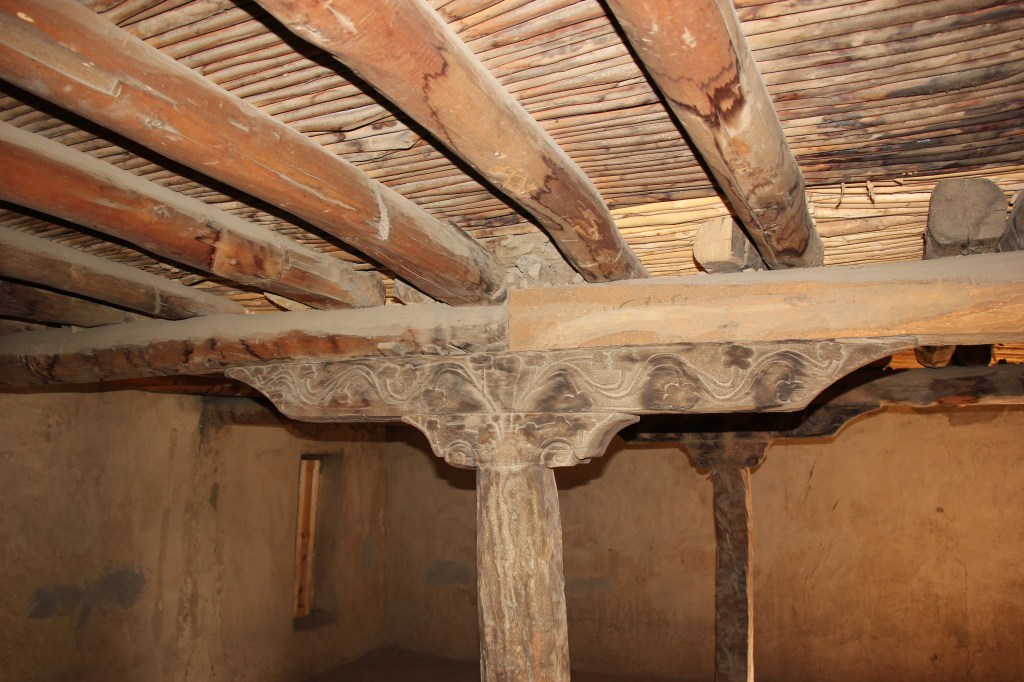
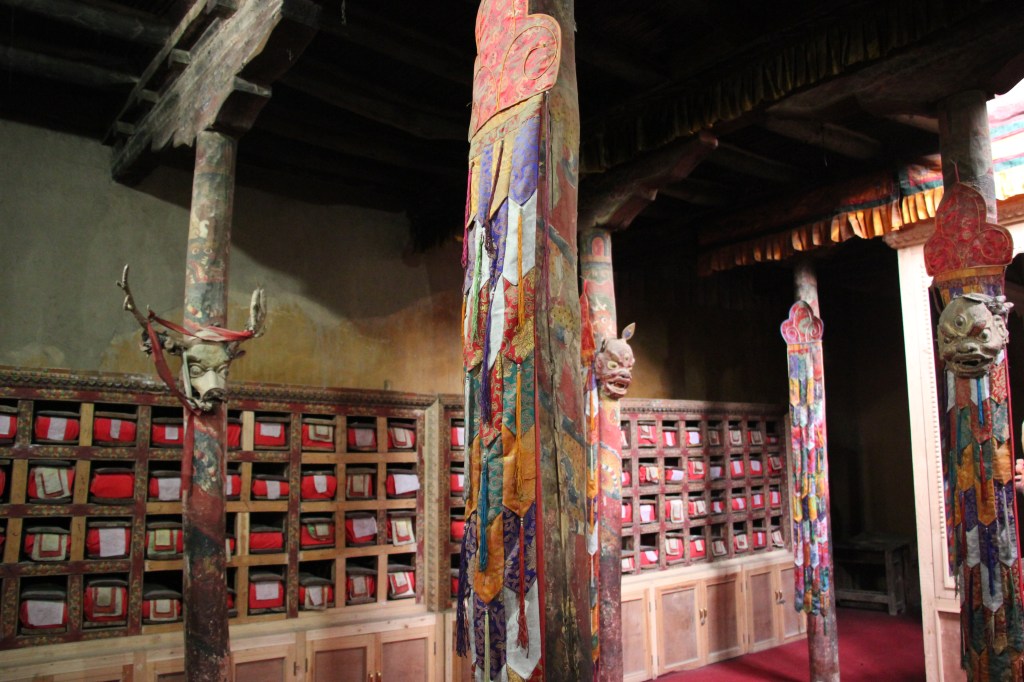
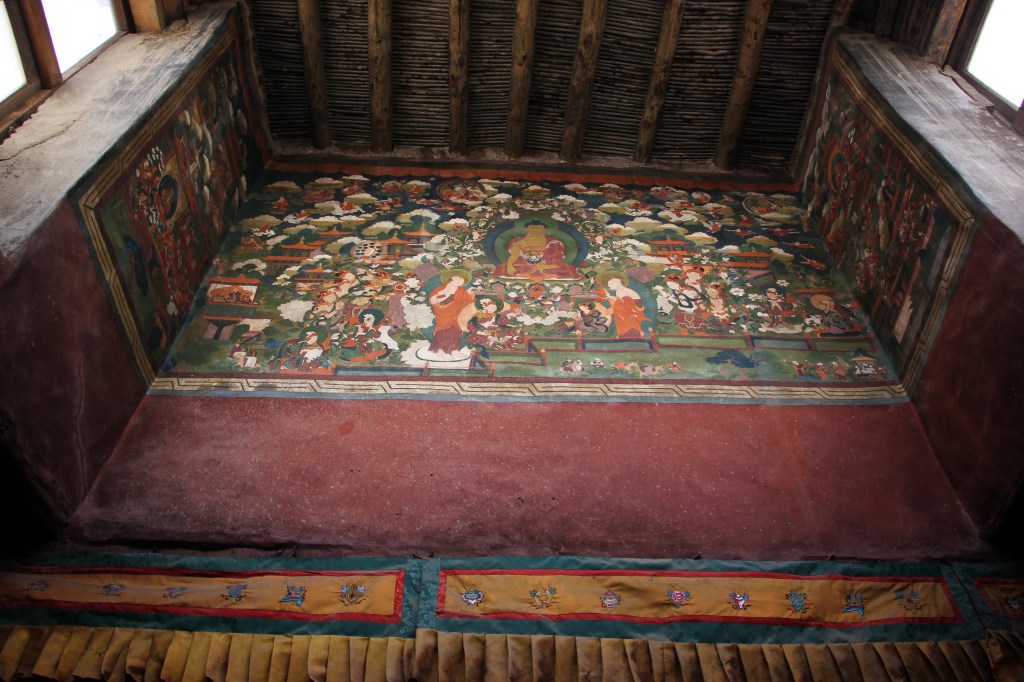
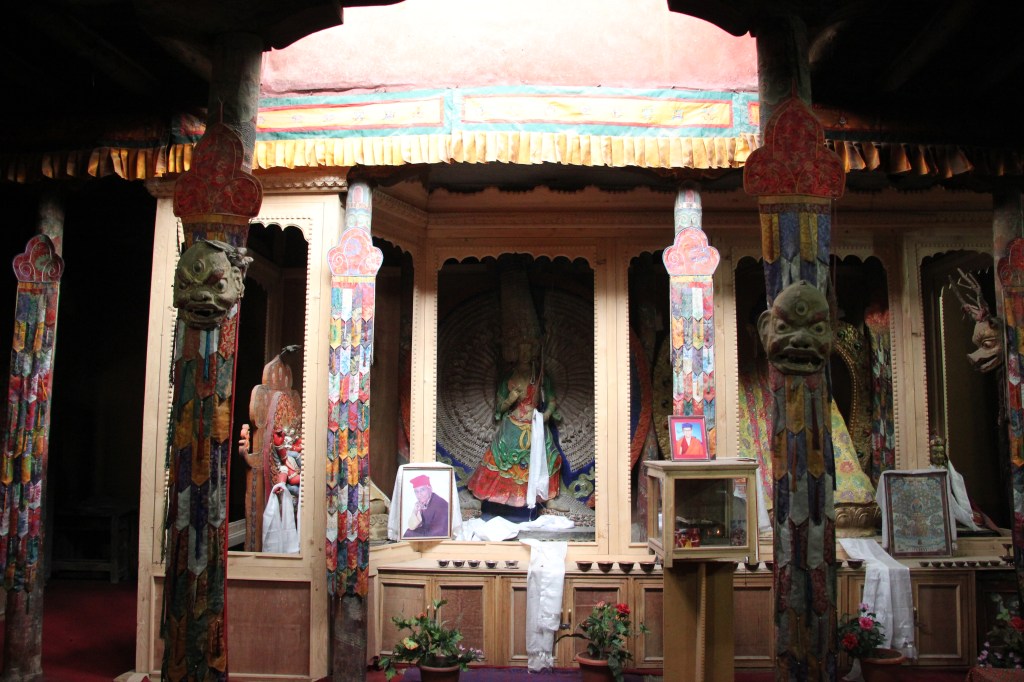
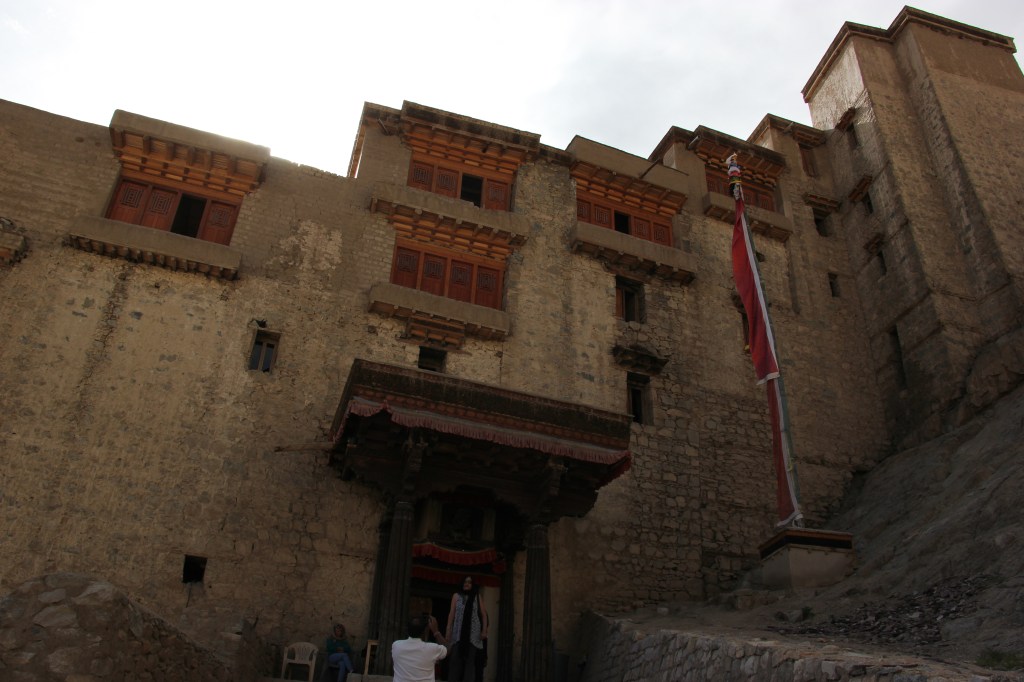

Images of our trip to Leh Palace
The Leh Palace is nine storeys high; the upper floors accommodated the royal family, and the stables and storerooms are located on the lower floors. The palace was abandoned when Kashmiri forces besieged it in the mid-19th century. The royal family moved their premises south to their current home in Stok Palace on the southern bank of the Indus.”As has already been mentioned, the original name of the town is not sLel, as it is nowadays spelled, but sLes, which signifies an encampment of nomads. These [Tibetan] nomads were probably in the habit of visiting the Leh valley at a time when it had begun to be irrigated by Dard colonisers. Thus, the most ancient part of the ruins on the top of rNam-rgyal-rtse-mo hill at Leh are called ‘aBrog-pal-mkhar (Dard castle). . . .
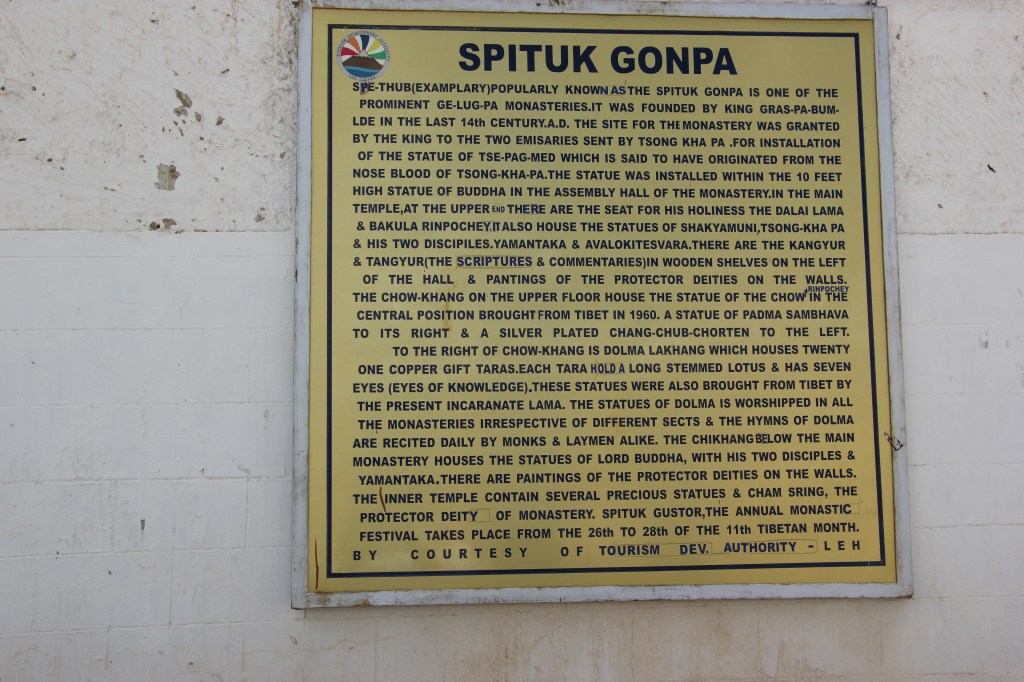
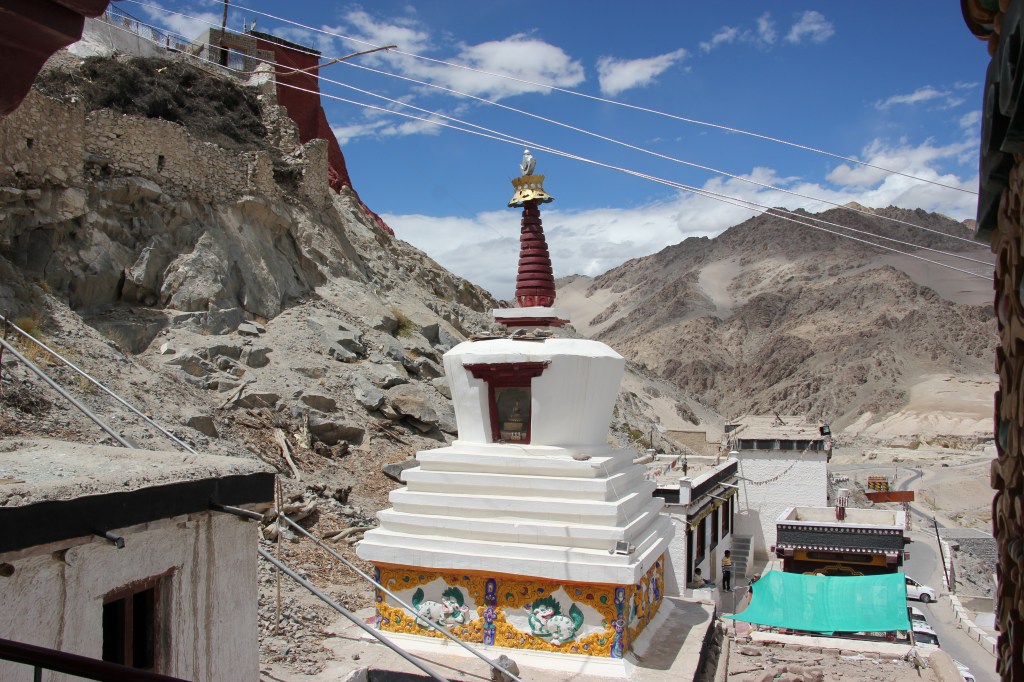
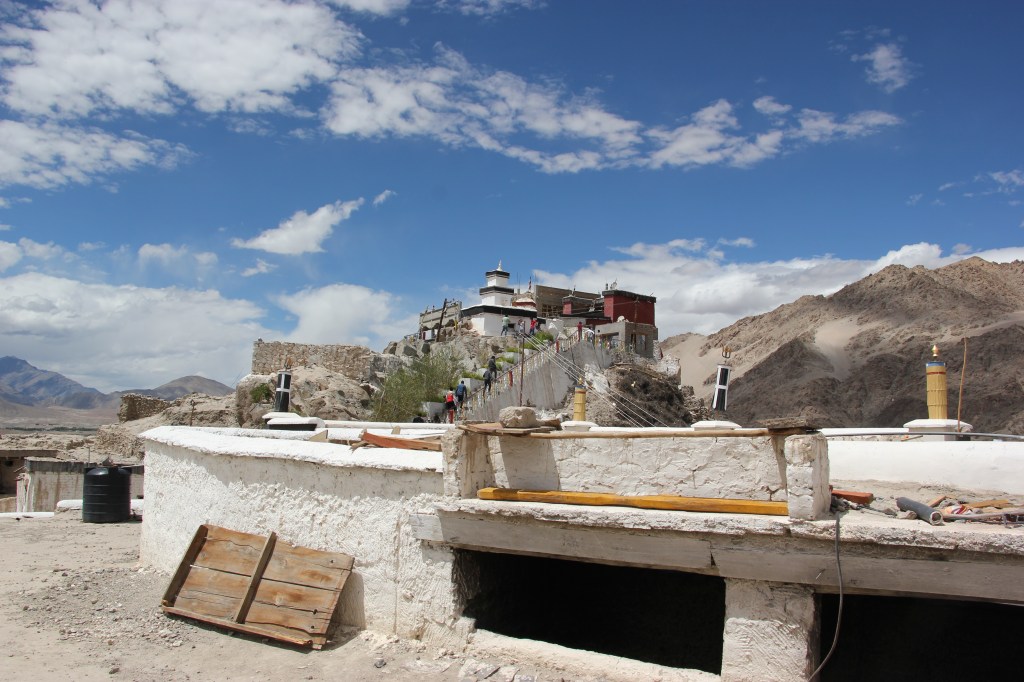
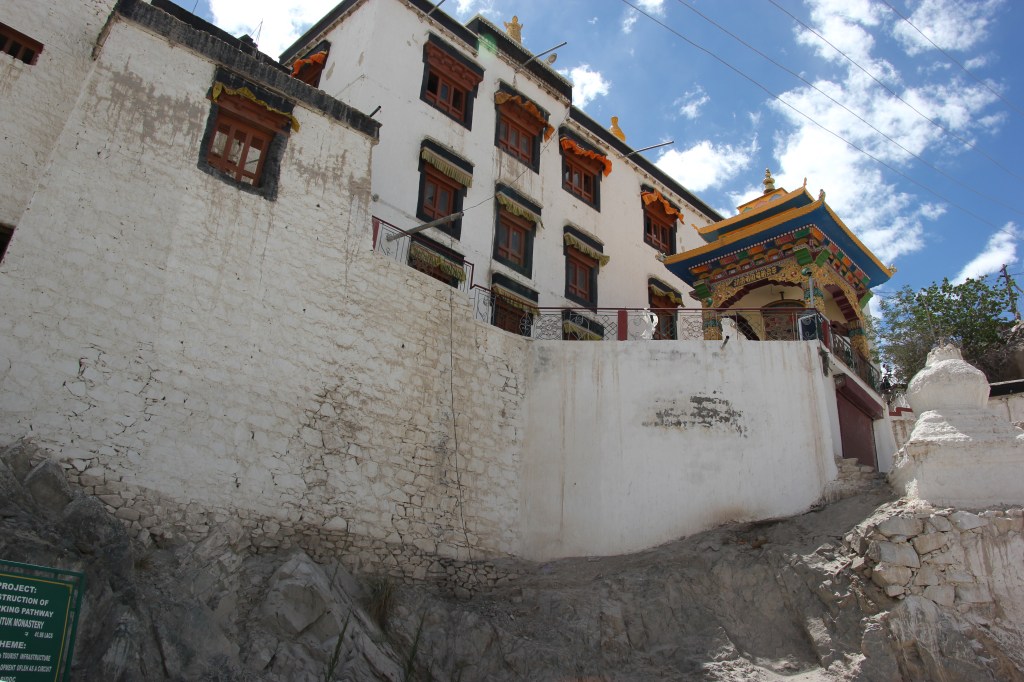

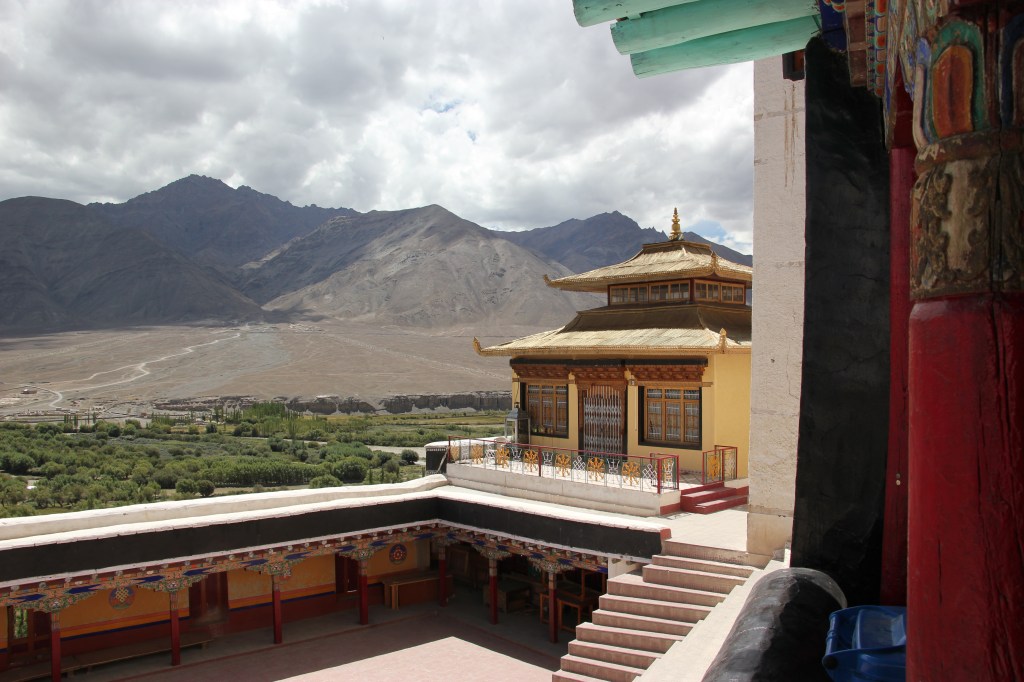
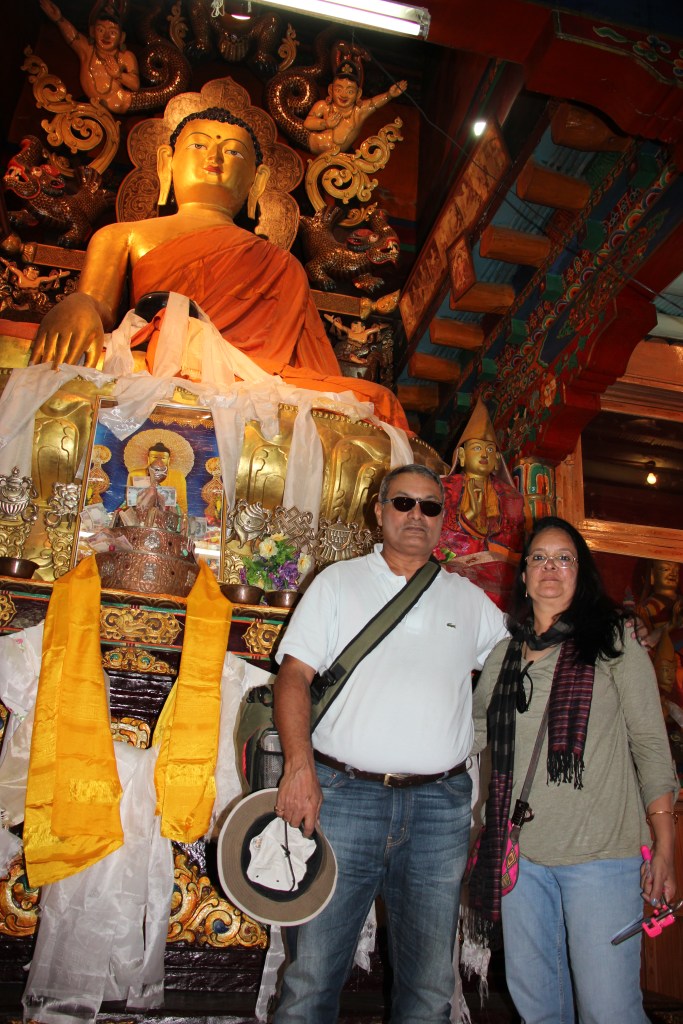
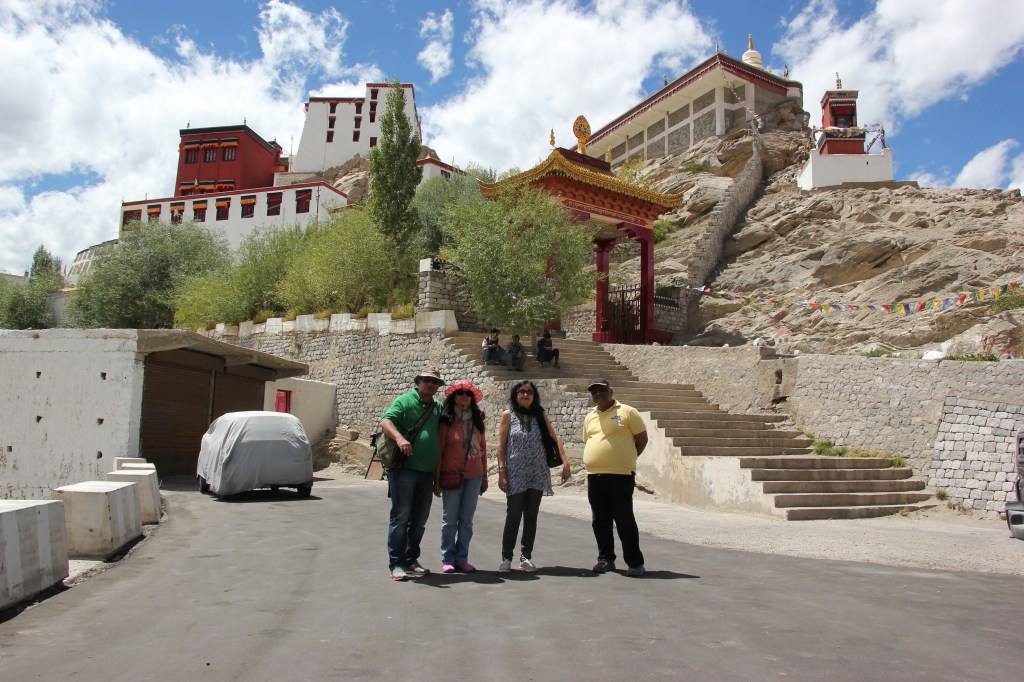
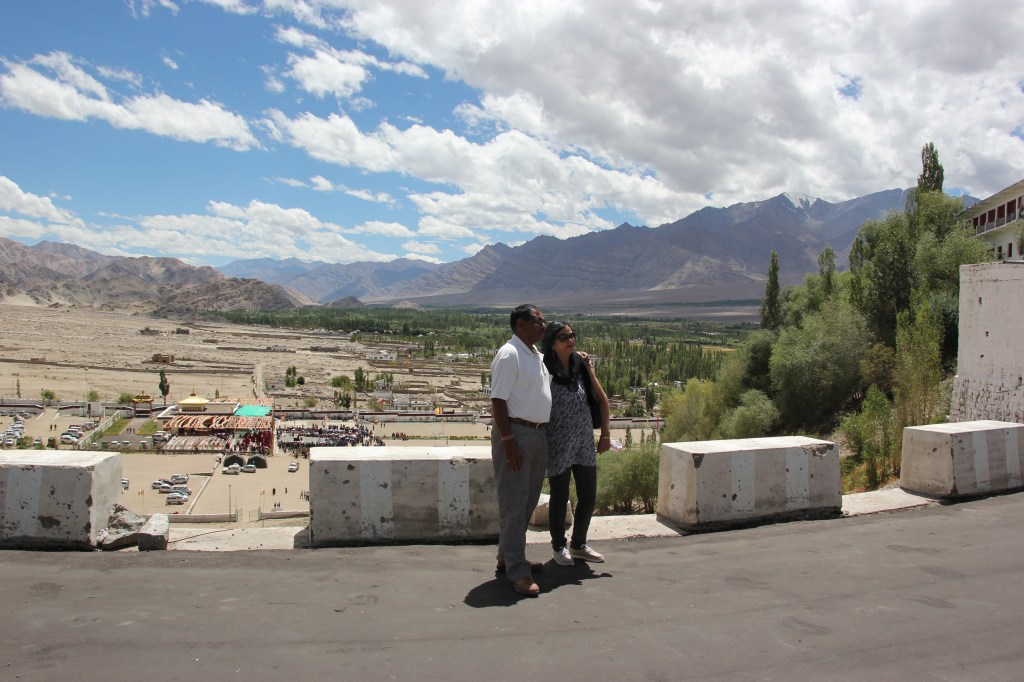
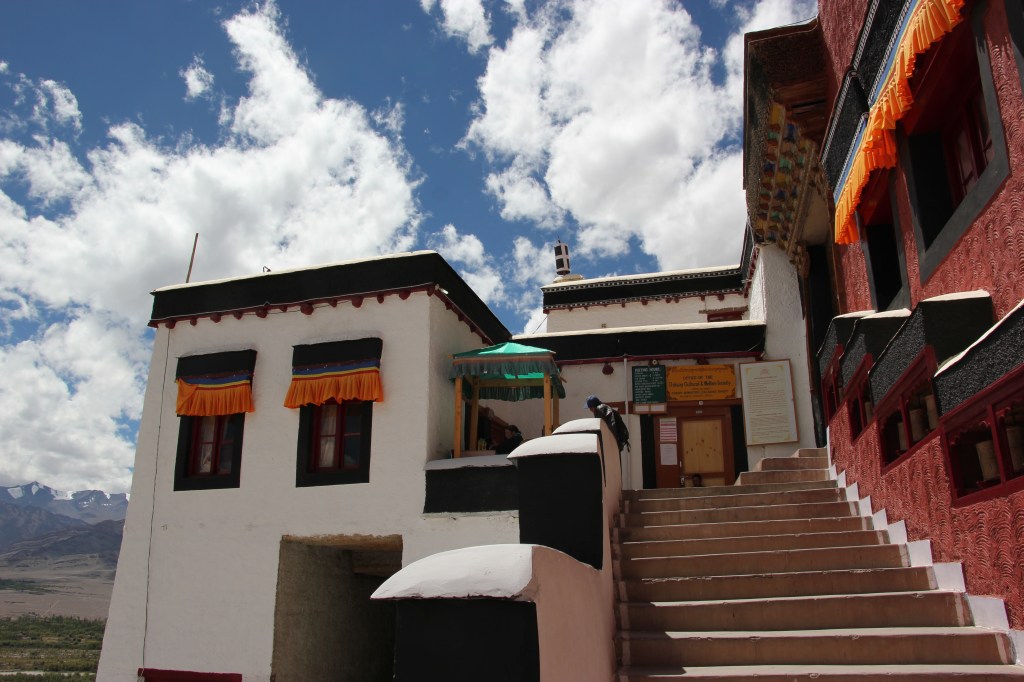
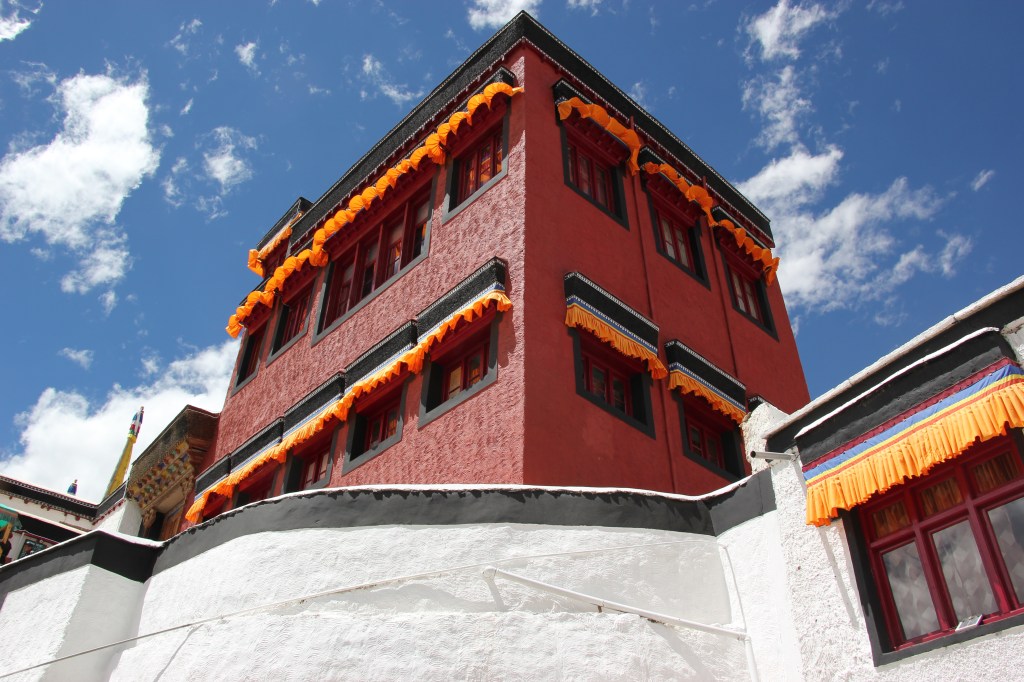
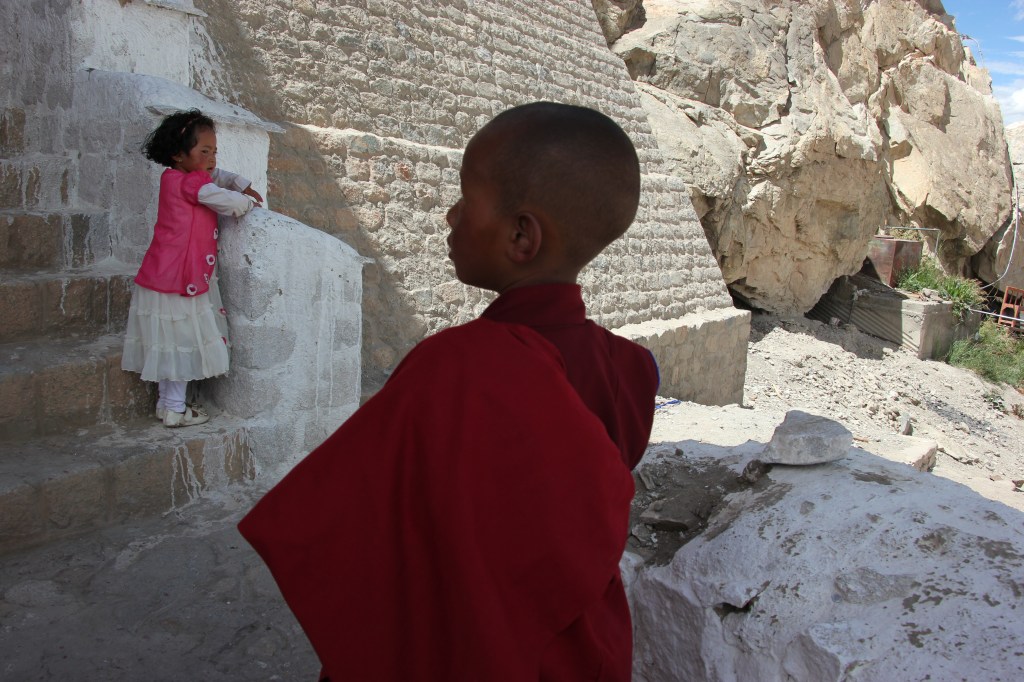
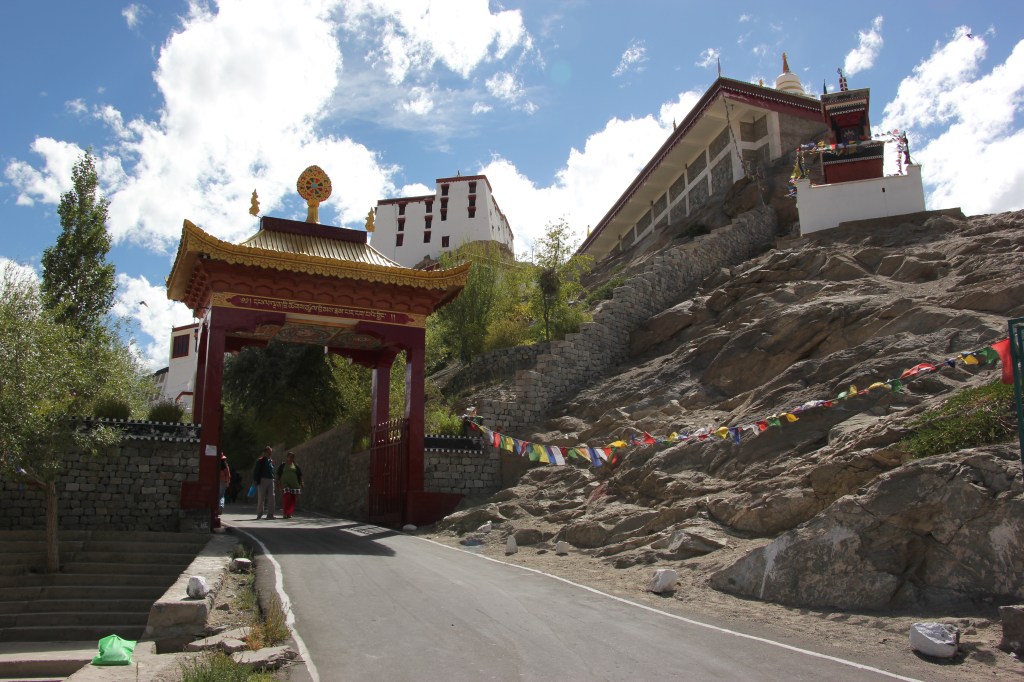
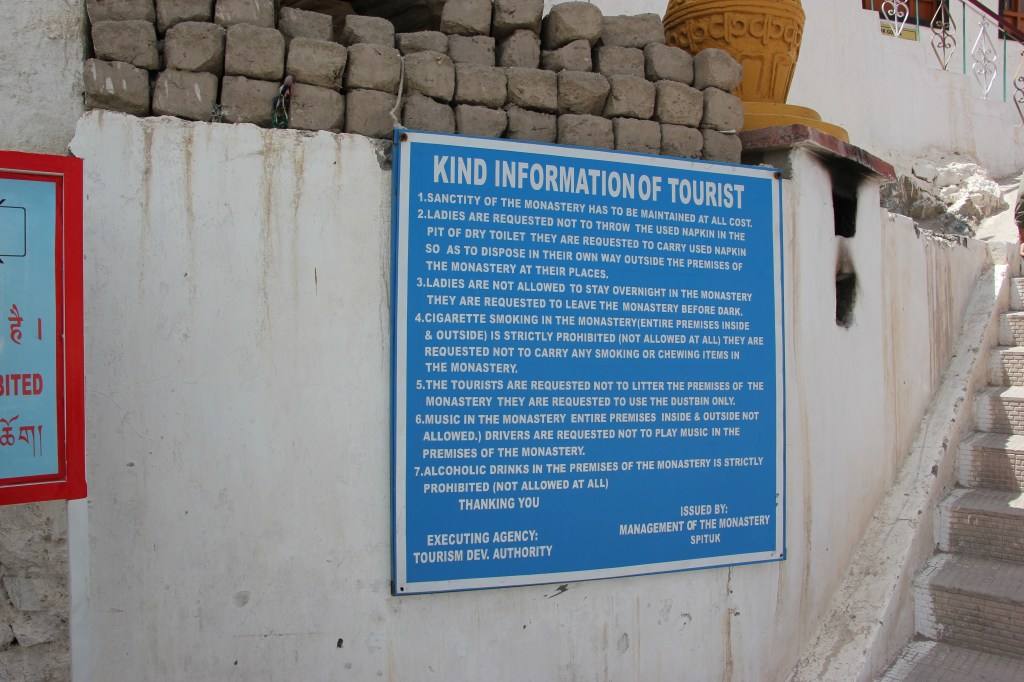
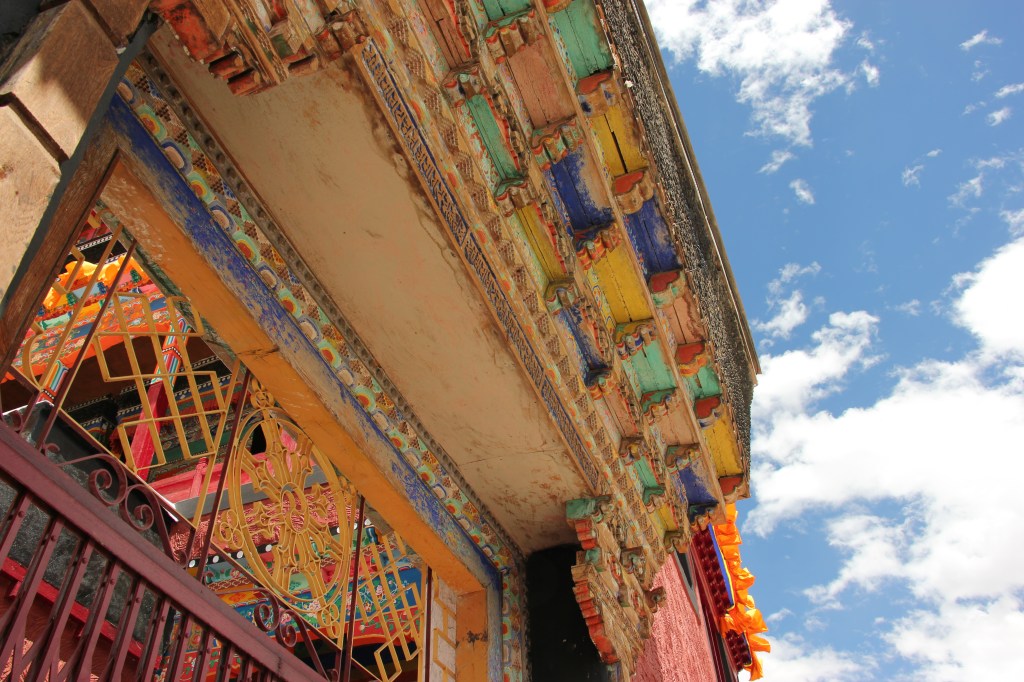
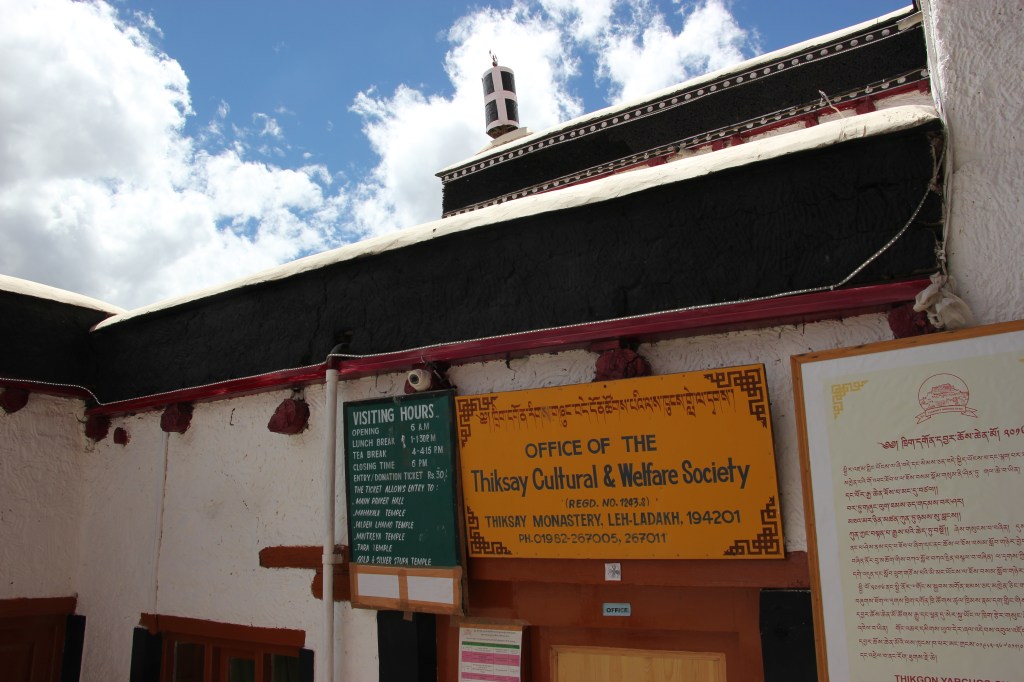
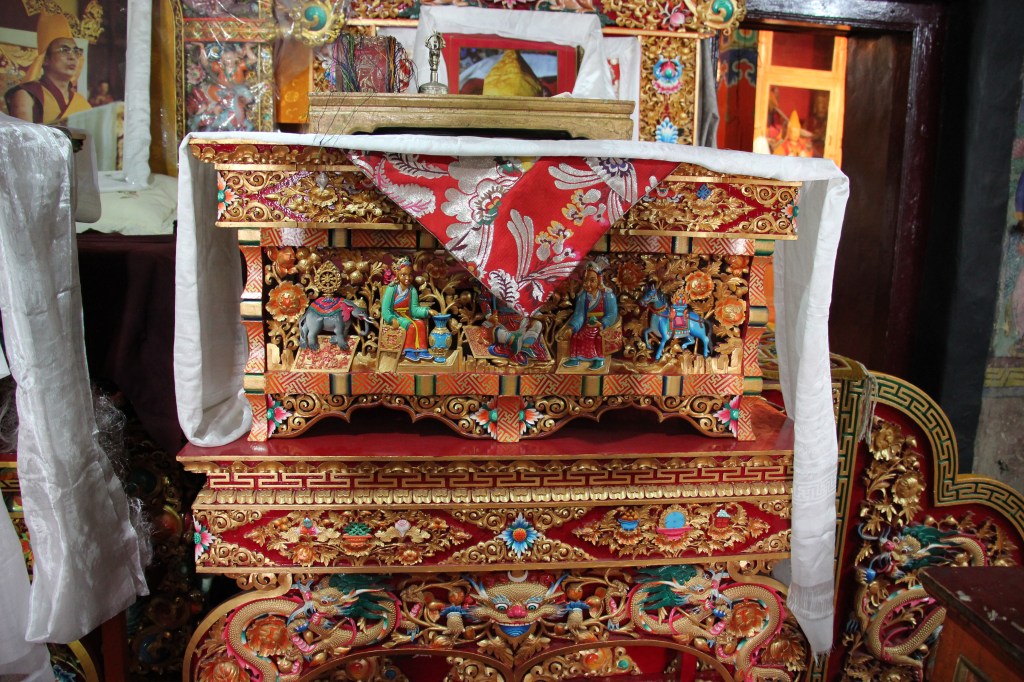
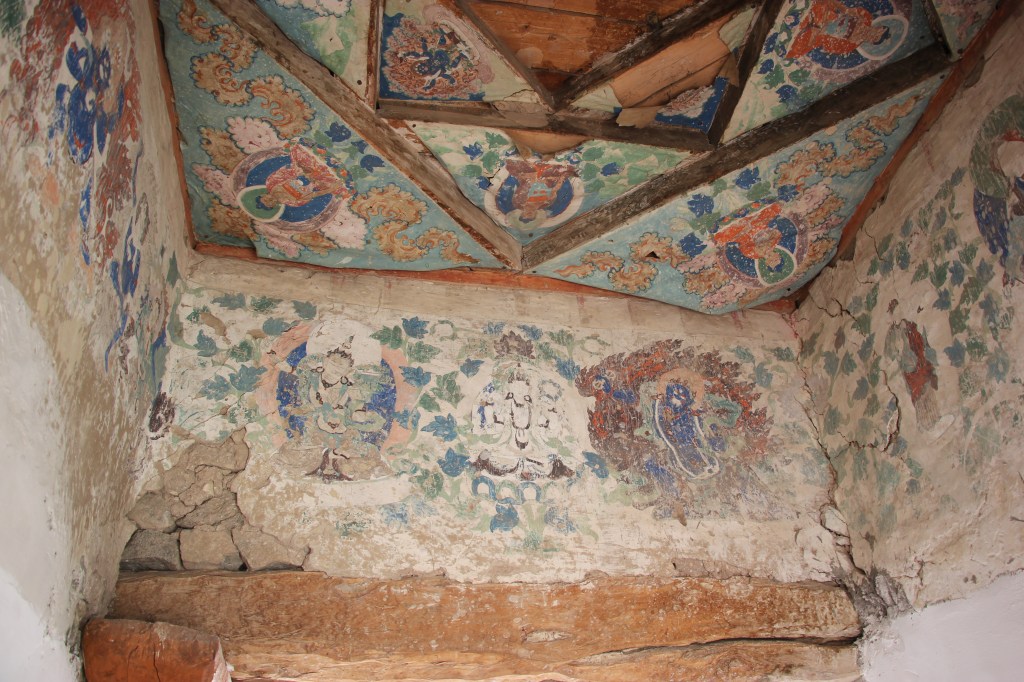
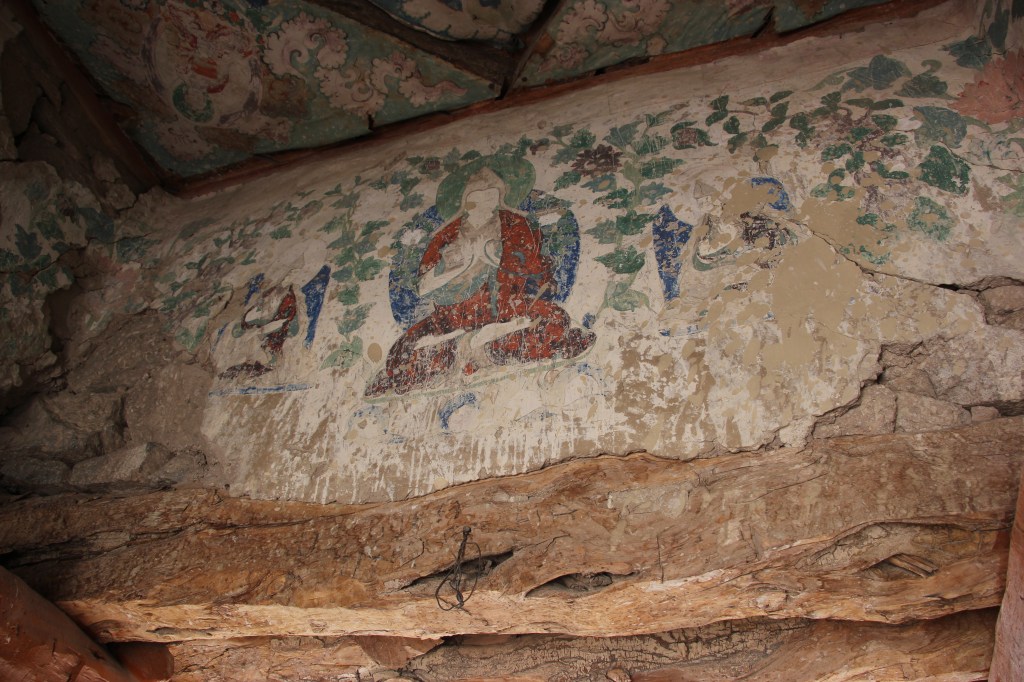
Images of our trip to Spituk and Thiksey Gonpas
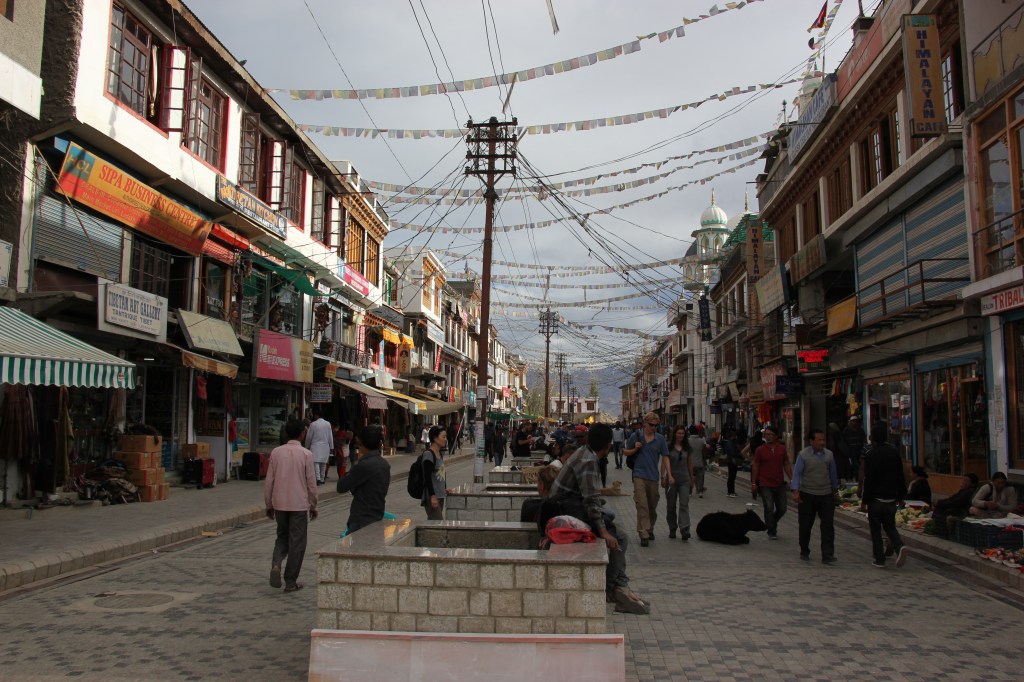
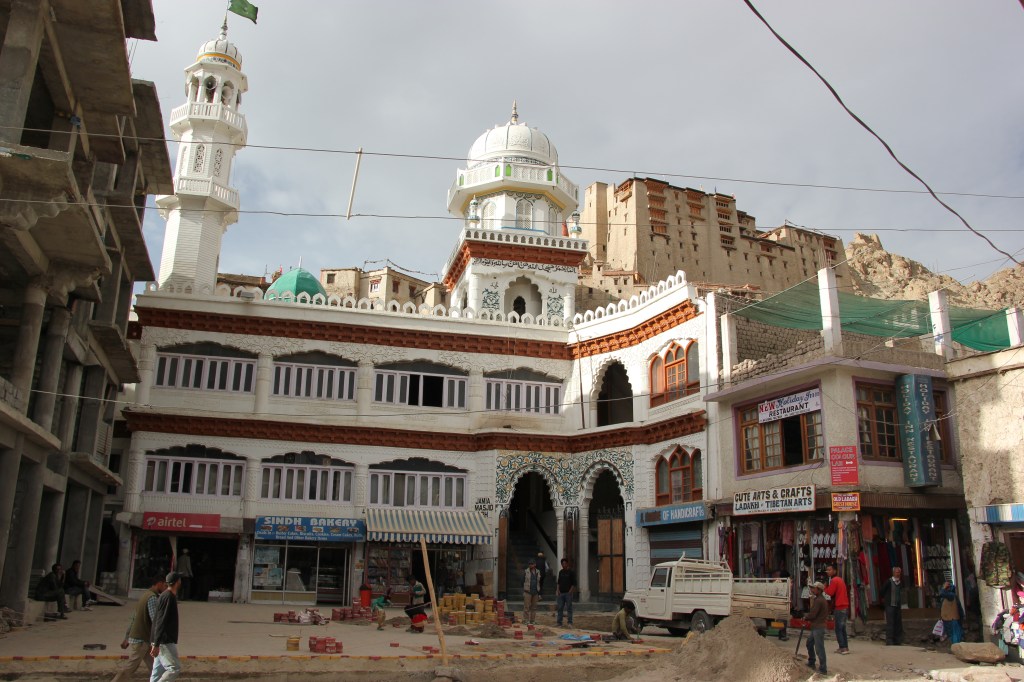
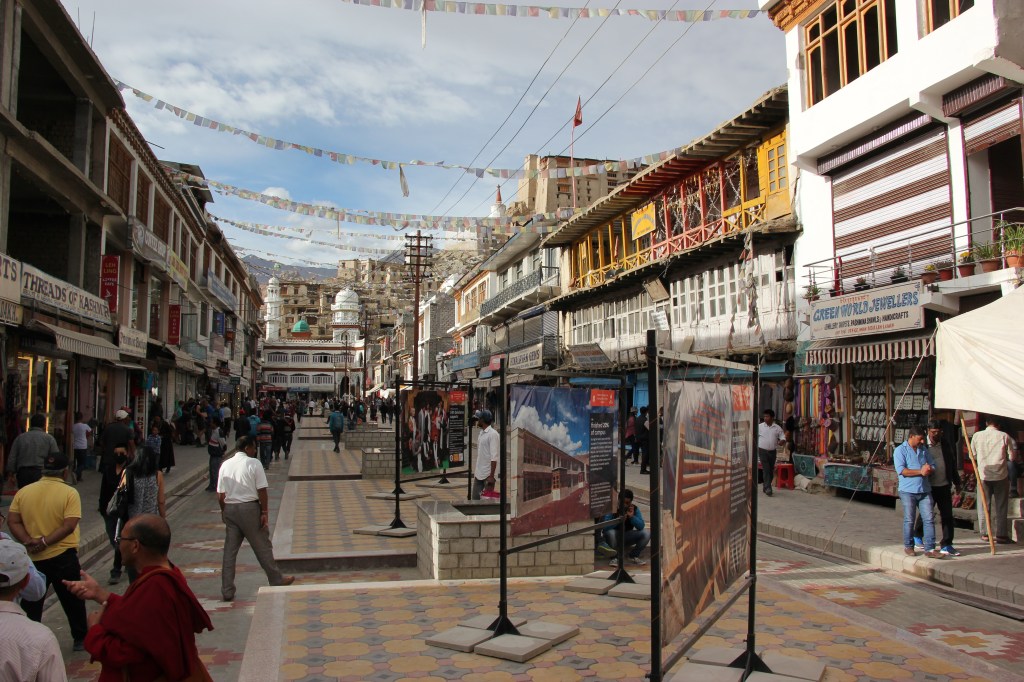
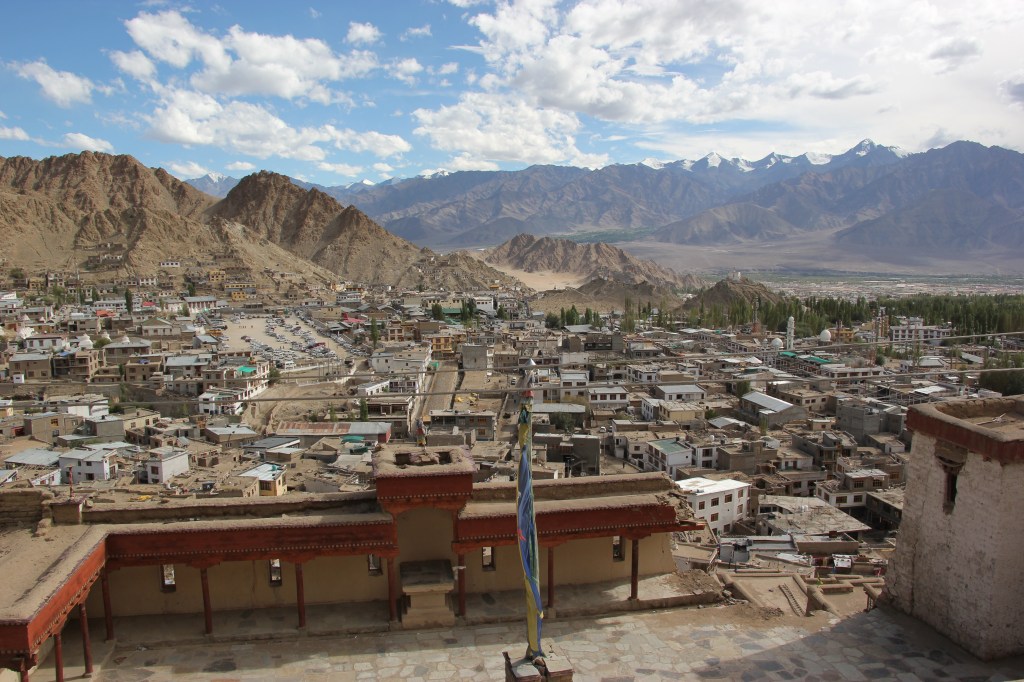

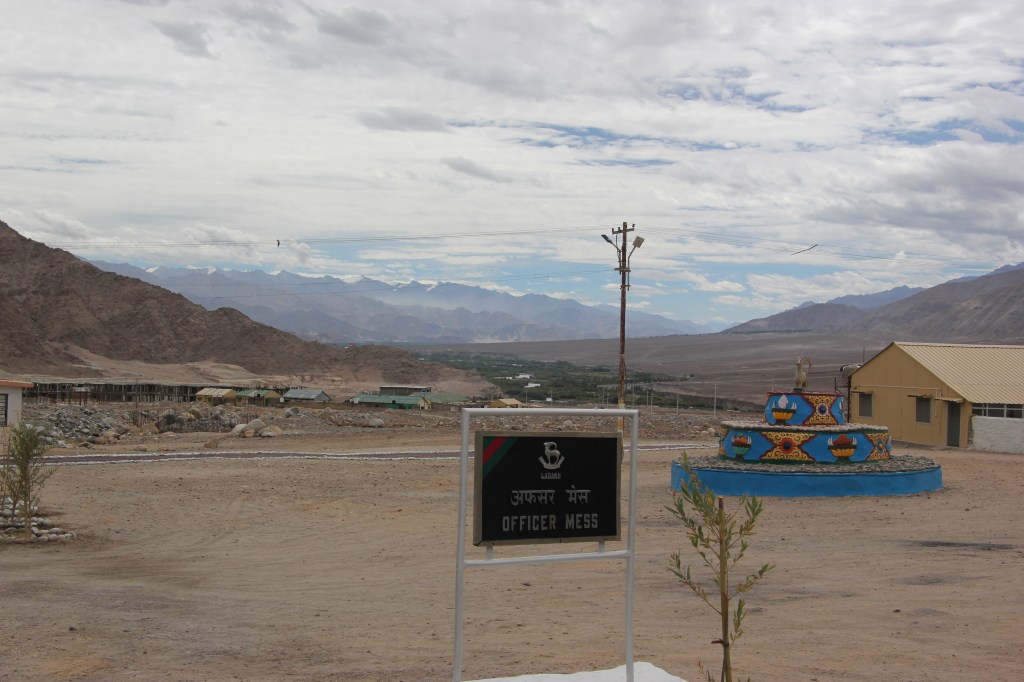
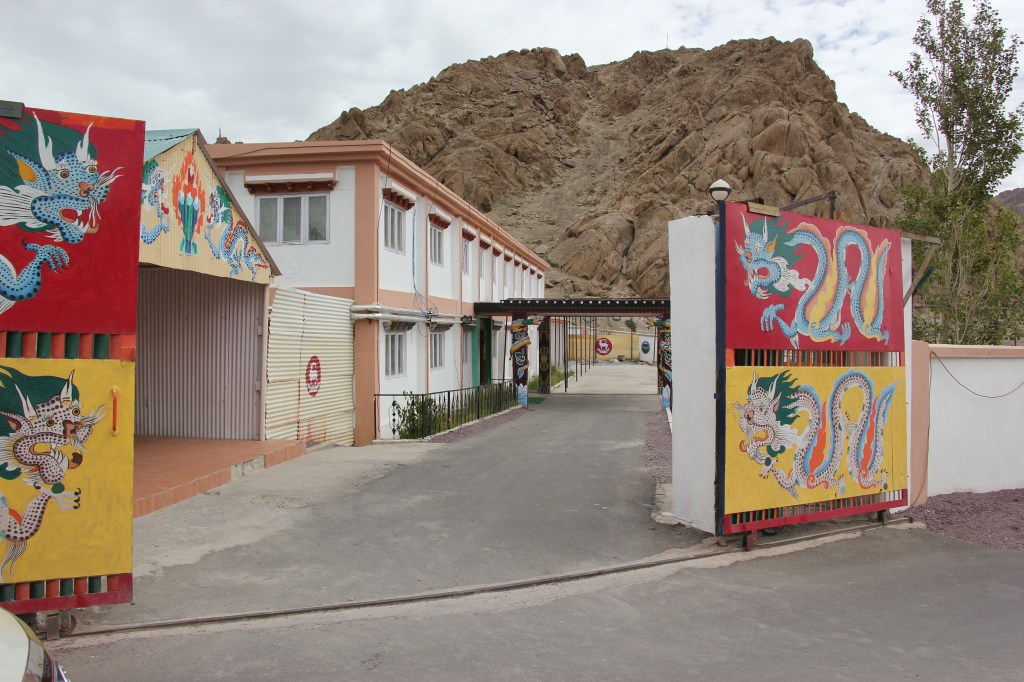
Images of Leh
On our return we skipped Sarchu and halted for the night at Jispa – back to the Padma lodge where we interacted with the Owner and shared our common love for dogs and also our meeting with two couples who dared to do what I have only wished I had the courage to do. They were a young couple – probably late thirties/early forties and another couple in sixties who had quir their corporate jobs and settled down in Jaggi Sadhguru’s ashram in Coimbatore – as volunteers and take time off every year to go on a road trip – they were on the road for over three weeks – touring the Lahaul-Spiti valley.
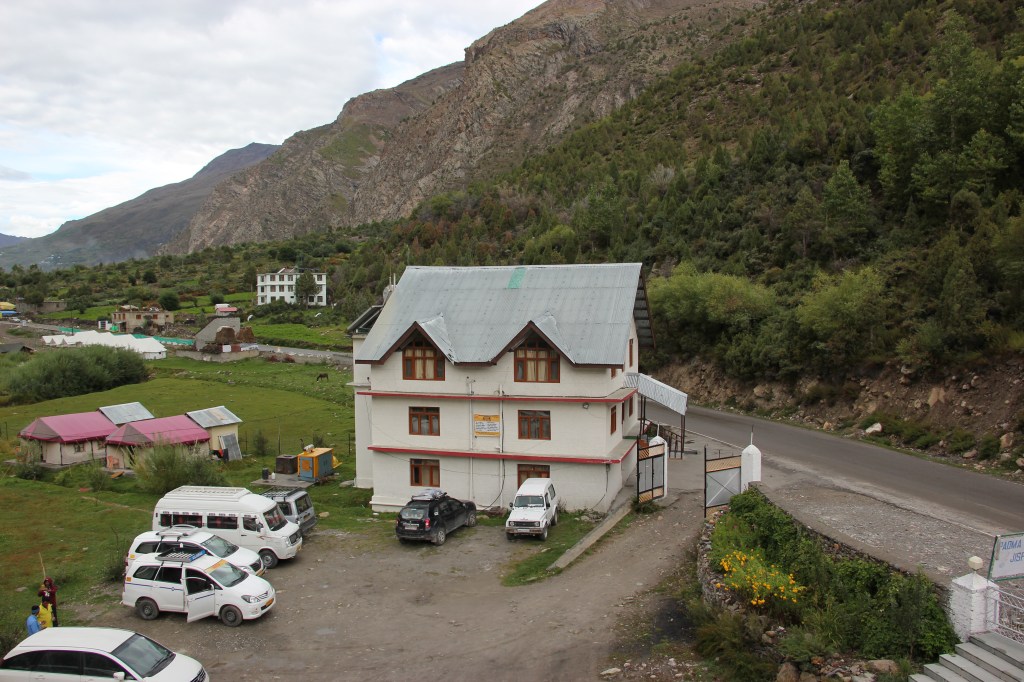
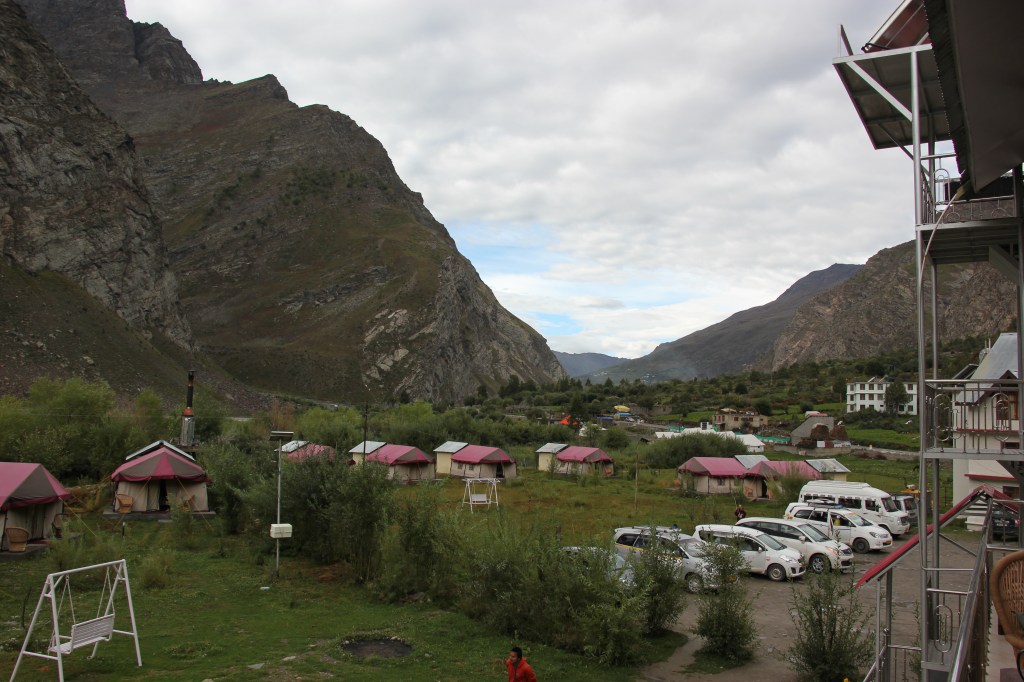
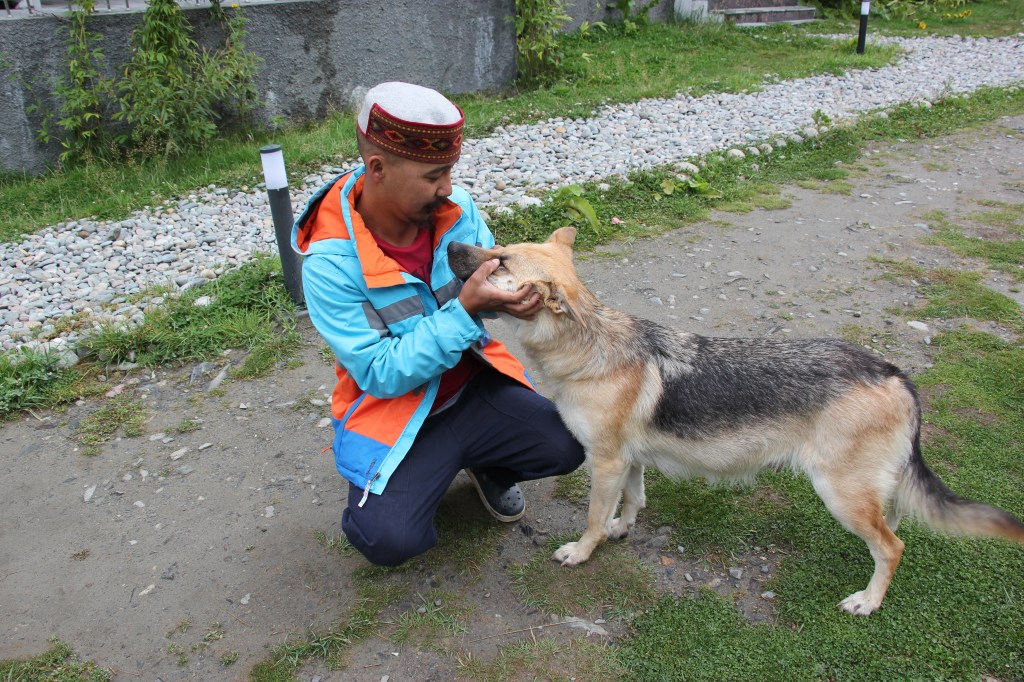
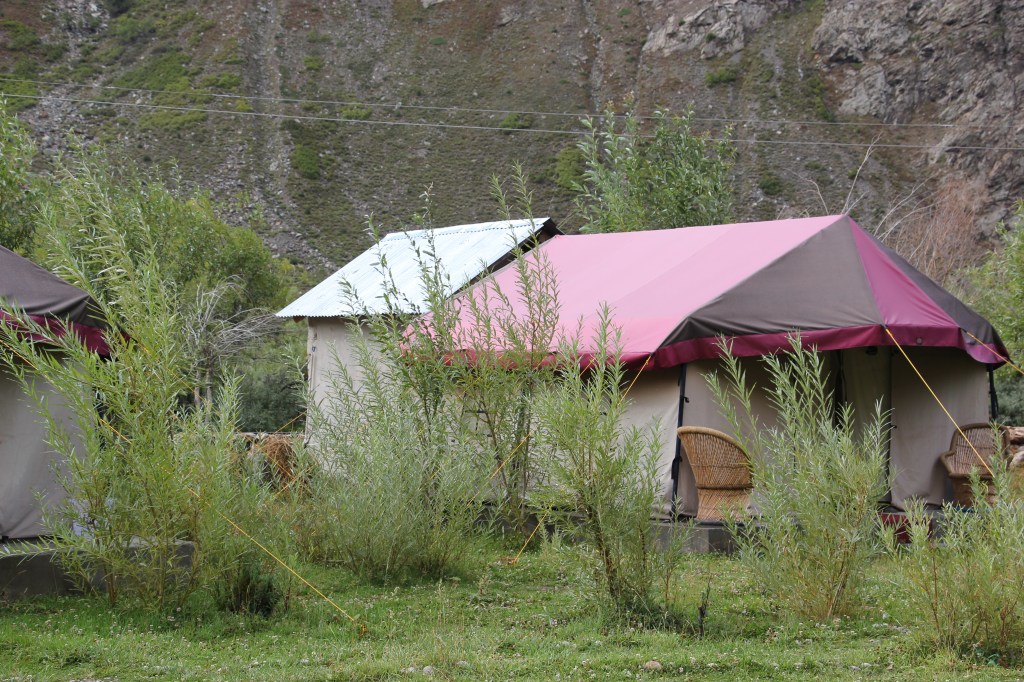
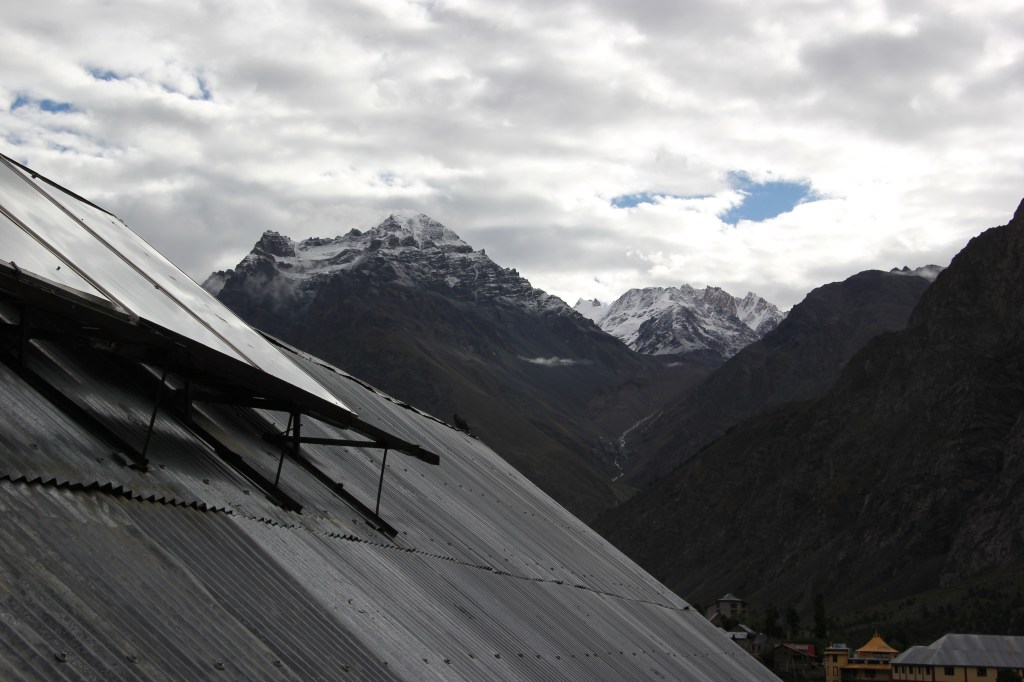
Padma Lodge @ Jispa
Our trip back to Bhuntar – through the Rohtang, would have been anti-climactic had it not been for the clutch failure on the stout hearted Aria that saw us through the toughest part of the drive.
Barely a few kilometers, after Jispa, Rakesh discovered that the clutch was not holding and had probably burnt out in some of the treacherous terrain that we passed through. Rakesh’s skill in navigating through the Rohtang pass and with heavy winds and rain displayed his skill as a navigator and pilot, I consider myself an excellent driver but Rakesh’s skill and feel for his car was unparalleled and I doubt anyone else could have nursed the car through the Rohtang under such conditions.
After clearing the Rohtang and close to the outskirts of Manali finally the “faithful steed” gave up and went no further.
This gave the opportunity for another lion-hearted personality to enter the stage. Mr Singh, Rakesh’s manager at Mashoo Resorts , in his tiny Maruti 800, towed us to the Tata Motors garage in Manali, this exercise had more elements of drama, comedy and excitement than Ramesh Sippy’s “Sholay” and this was in real life with extreme consequences.
The tow rope parted several times while uphill, the initial inertia had to be overcome by a combination of pushing the Aria so that the 800 could take the load and this was under wet, slippery roads due continuous rains but it takes more than weather and breakdowns to cow down three seasoned sailors and their wives – who are believe me much tougher than their spouses.
There are no photos of this leg of the trip as we were (esp I) were busy pushing and “praying”.
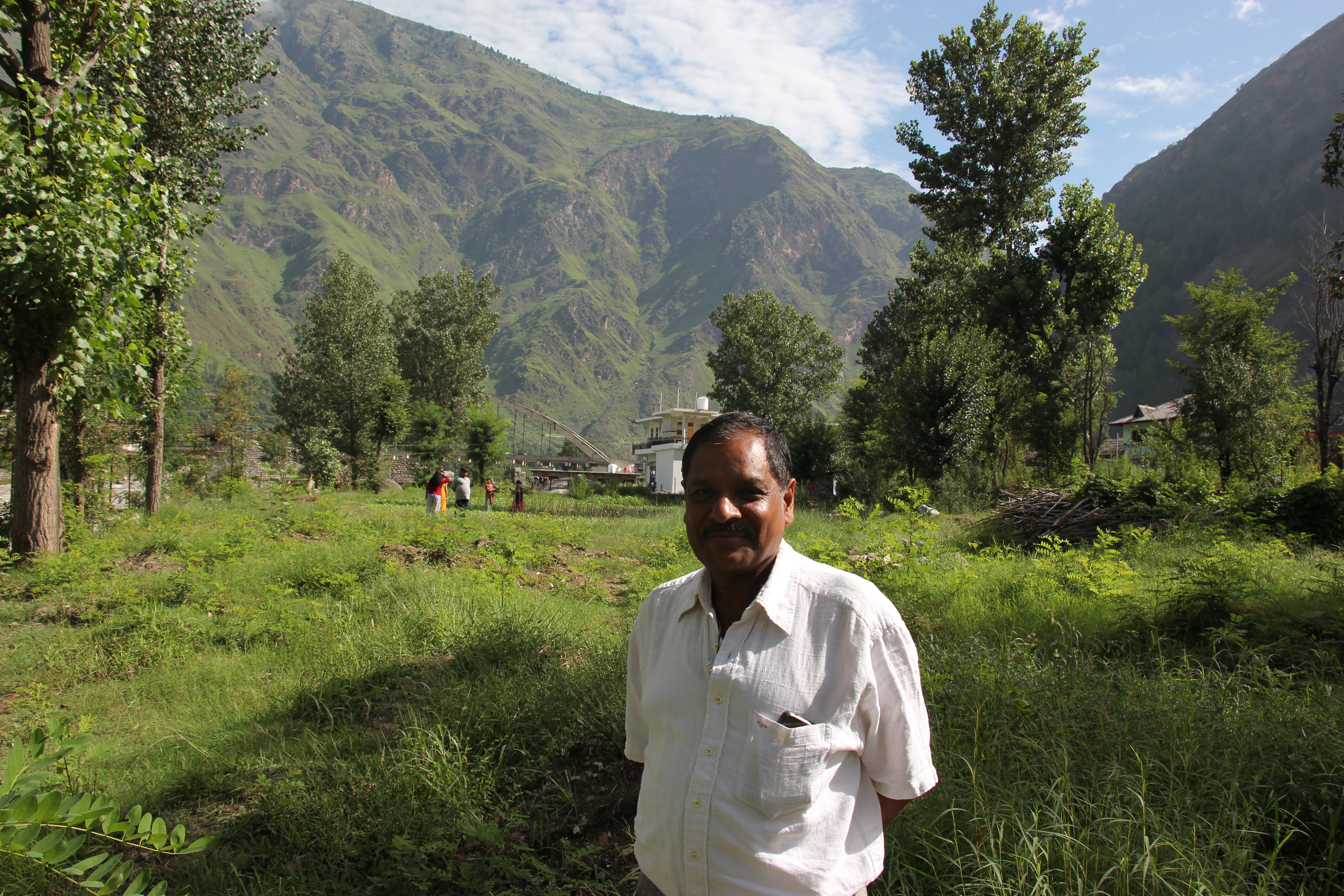
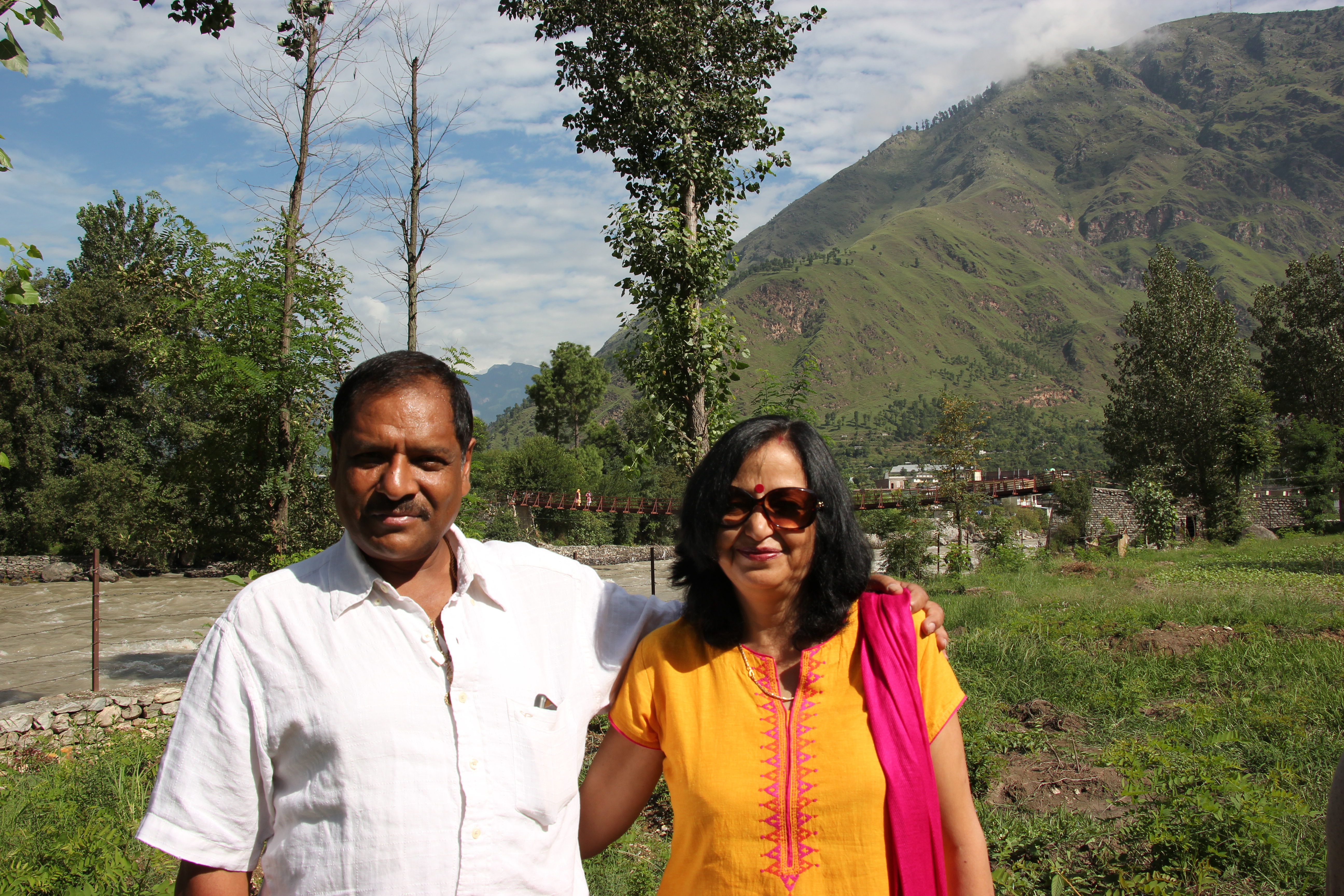
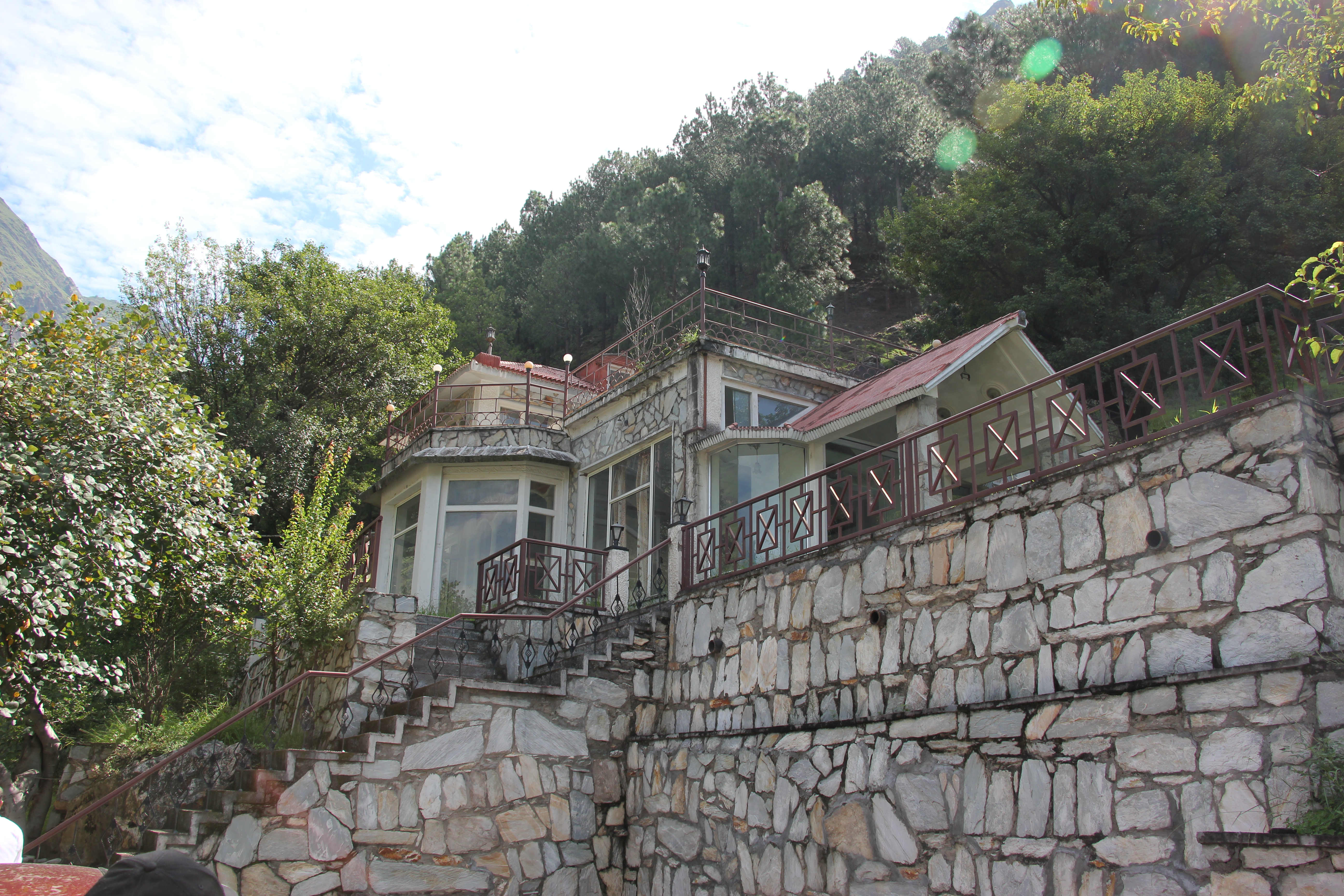
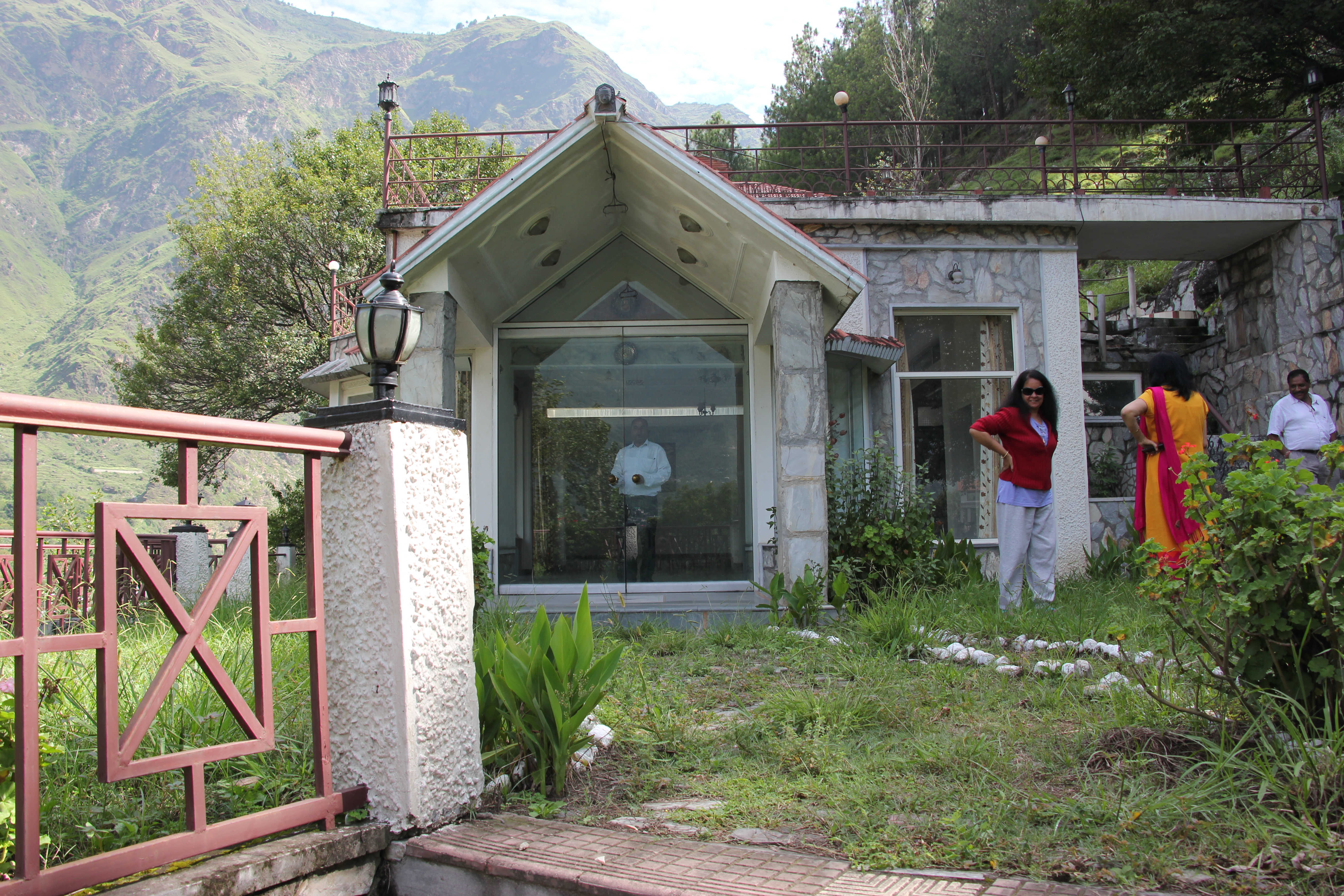
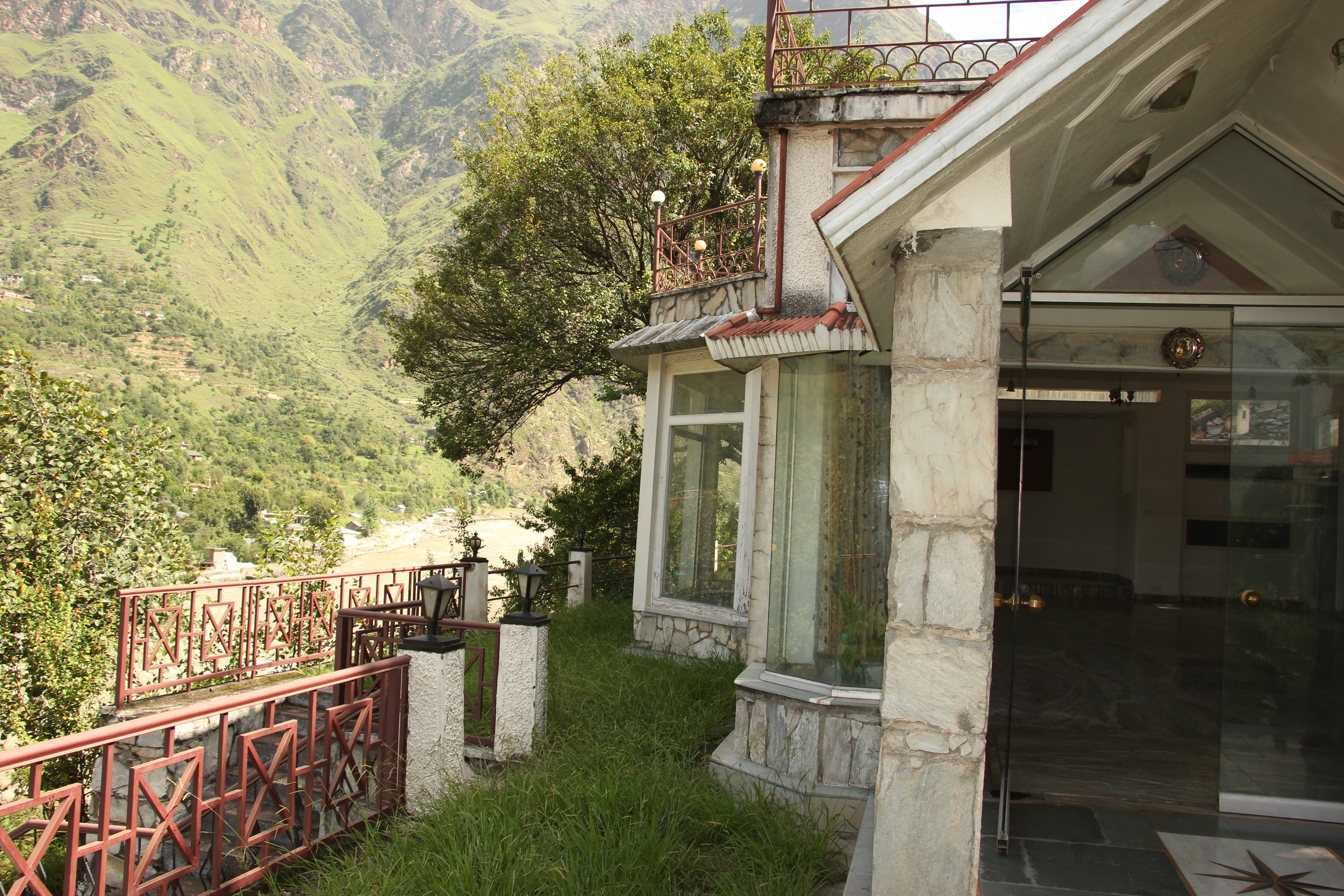
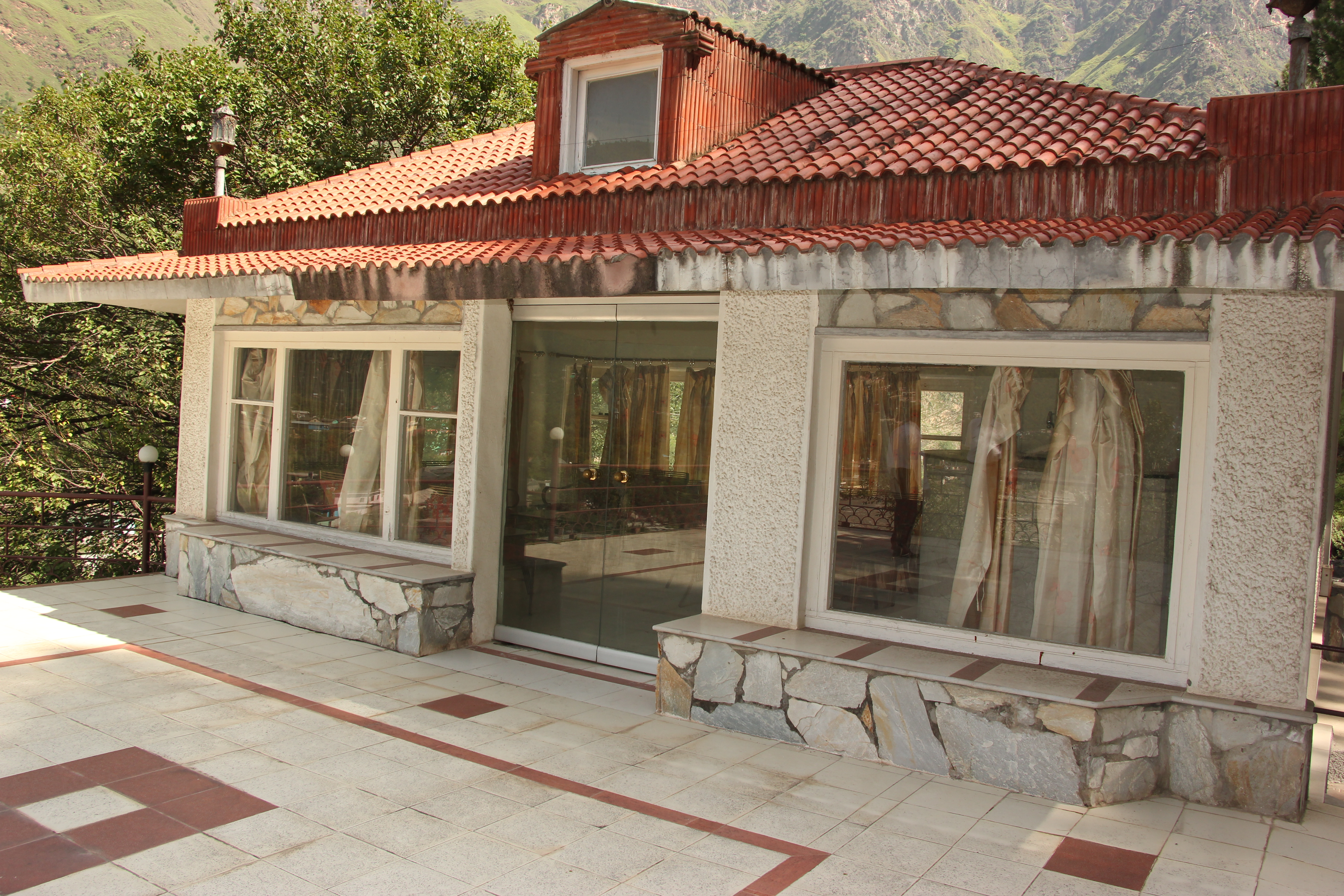
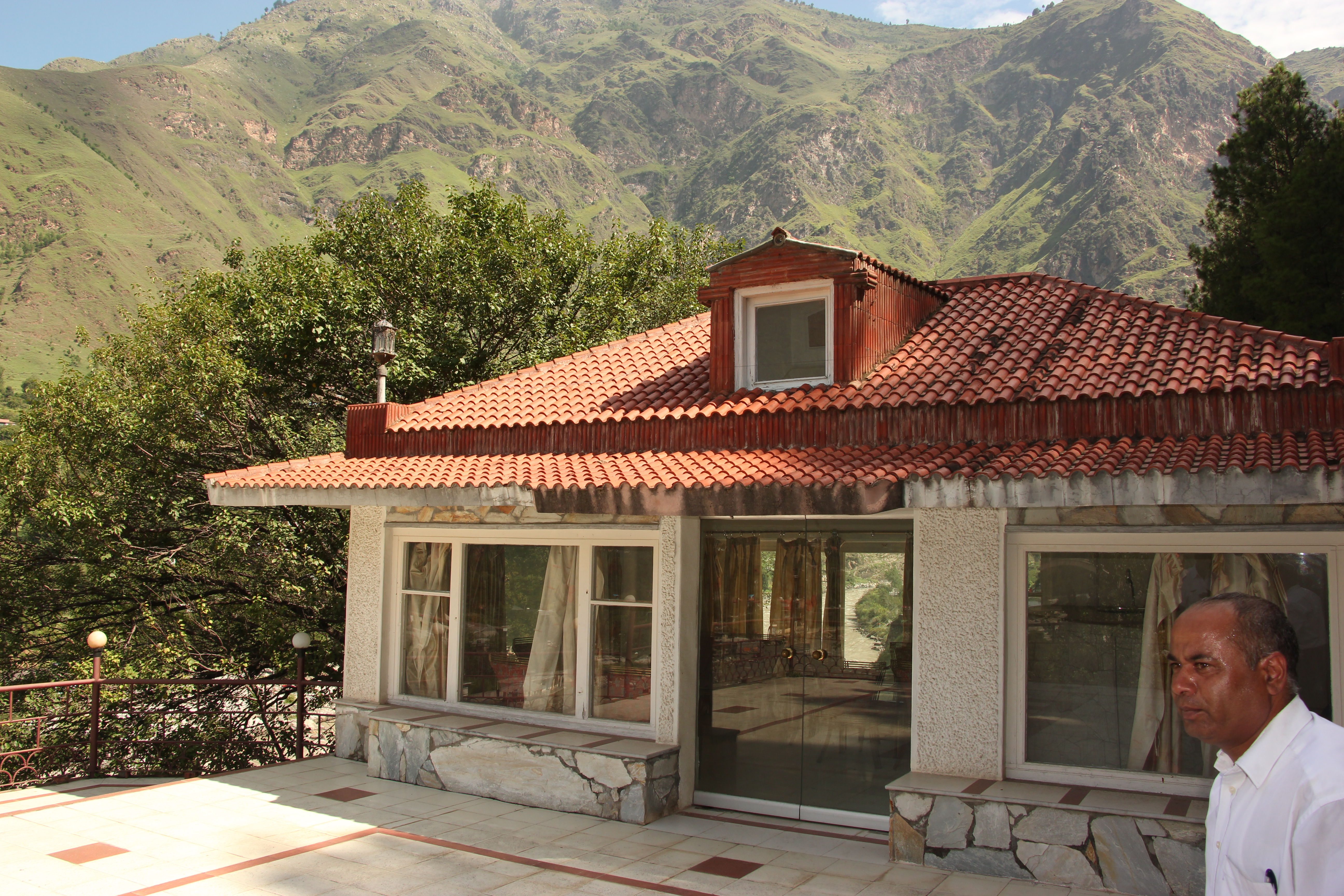
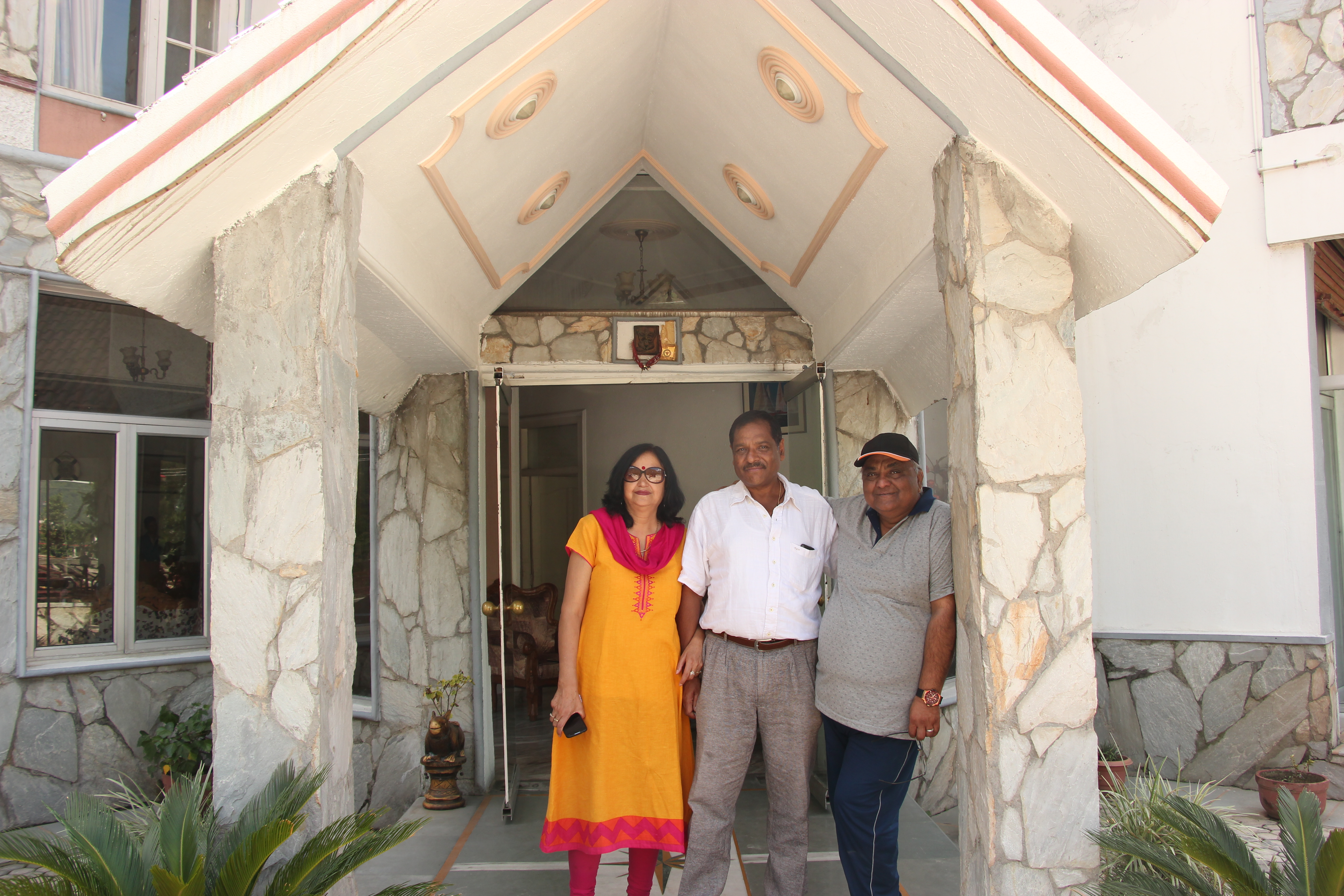
Mashoo Resorts, safe harbour in the Mountains
After a couple of days rest and enjoying the Bansals’ hospitality – we took a local transport bus to our next destination Shimla. That is another story!!!!!
 Walkabout with Anil