
During my school days, the Vietnam war was a hot topic. Depending on your ideologies and sentiments you were either an American supporter read pro-war or supported the Viet Cong read pro-peace supporter. Ironically both sides spewed hatred and advocated war against each other.
Indians’ memories of 1971 – the USA actively supporting West Pakistan – that committed genocide in East Pakistan now Bangladesh, and sending the 7th Fleet to the Bay of Bengal to threaten India was still fresh in our minds, so were the memories of the Soviets unstinting support to India during the War – our loyalties and support in all forms to the Vietnamese war of liberation was natural.
After over four decades, visiting Vietnam and seeing this flourishing country and its dynamic people it feels great to know that you were on the right side of the angels.
Another incredible link between India and Vietnam – Chatrapati Shivaji Bhosale was the General whose tactics they studied to fight the Americans – the similarity is uncanny, Shivaji’s fight against the Mughals finally led to the defeat and subjugation of the Mughal Empire by the Mahrattas. My one regret – I could not visit Shivaji’s statue in Ho Chi Minh City.
The trip was planned by my sons Aniruddh and Akshay, in fact Akshay was the prime mover as all of us had to coordinate to fit in his leave schedule. Easha was the next to join in, she was to be accompanied by her sister and a doctor colleague/friend. Yogi and Sharbani (Tukun) joined us on a chance WhatsApp chat in the first week of January 2020.
Yogi and I go back over four decades, we both joined DMET in September 1974, graduated as Marine Engineers in 1978. Surprisingly though we lived within a few hundred meters of each other for years, thanks to our professional commitments we rarely interacted, however as we retired, we have been able to reconnect and enjoy each others company making up for lost decades.
Yogi and Tukun, were planning a trip to Thailand and when I told Yogi that we were planning on a Vietnam trip, he immediately said yes and before the evening was over he had already booked flight tickets coinciding with our plans.
Our trip started by identifying a tour operator, Easha did her research and she selected VIETNAM AMAZING TOURS, this was probably the best decision we could take. Based on our experience, I personally recommend them, https://vietnamamazingtours.com, contactable at vietnam.amazingtours@gmail.com or info@vietnamamazingtours.com, Sam Duong, our tour manager, was really amazing. He took such great care of us, putting up with our idiosyncrasies regarding food – veg, non-veg, fishy non-veg, allergies etc., and our tour guides at each location were friendly and well informed.
After various combinations, revisions – we finally arrived at our itinerary, Yogi and Tukun would part company with us on Day 6, they would stay on for another 10 days and explore more of the country thanks to COVID 19, but that is another story.
The night before we left for Vietnam, we got together with another two of our batch-mates Stephen and Manoj, and their wives Reena and Deepa, at Stephen’s place at 23 Soi, Sukhumvit.
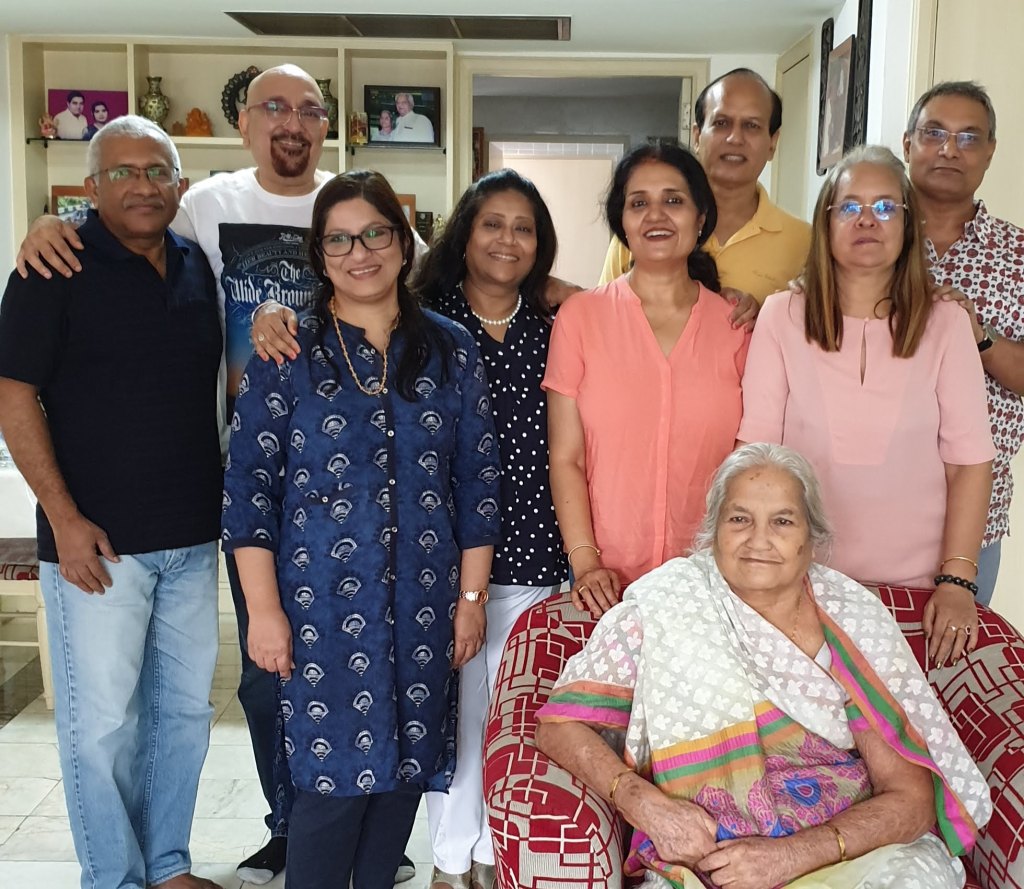
from left Stephen, Yogi, Reena, Tukun, Deepa, Manoj, Revathi & I, seated Manoj’s mother 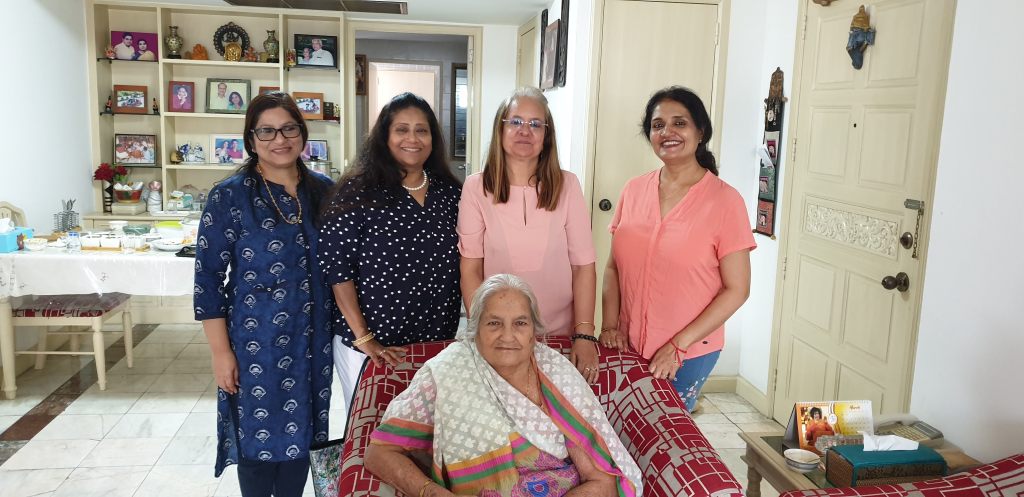
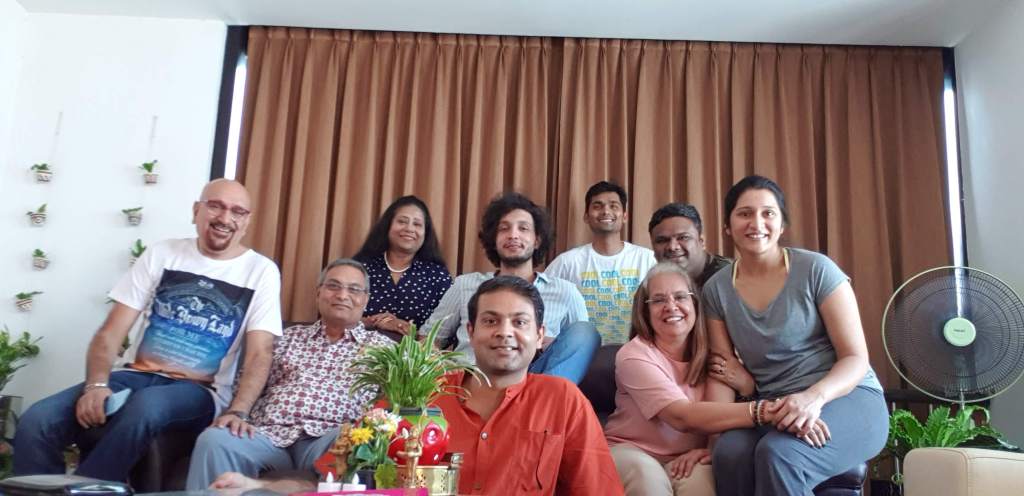
Preceding the dinner, we also had a group photograph with Aniruddh’s friends Ashutosh and Omkar, who had accompanied Aniruddh on a Scuba diving trip at Phuket.
Our itinerary starting the next day was as follows:
Day 1: Hanoi arrival + Hanoi walking and street food tour
Day 2: Hanoi – Ninh Binh – Mua Cave
Day 3: Hanoi – Halong Bay
Day 4: Halong Bay – Da Nang – Hoi An
Day 5: Hoi An Old Town
Day 6: Da Nang – Golden Bridge – Bana Hill – Ho Chi Minh
Day 7: Mekong Delta
Day 8: Ho Chi Minh city tour in the morning and departure
We had an early morning flight on 11th and left home at 0400 hrs, the booked mini-van arrived late – took a major detour and in the confusion, of arriving just in time at the airport, I lost my Indian mobile – fortunately did not realize this until the last day and as such was spared the blues of a bad start.
We also said goodbye to Ashutosh and Omkar, who were returning to Mumbai later in the day, as always meeting Aniruddh’s friends reinforces my belief that our nexgen will take better care of the world around them than we did.
DAY 1
Arrival Hanoi:
Hanoi is the capital of Vietnam. It covers an area of 3,358.6 square kilometres (1,297 sq mi). With an official population of 8,053,663 million, it is the 2nd largest in Vietnam. The metropolitan area, encompassing nine additional neighboring provinces in the Red River Delta, has an estimated population of 20 million. Located in the heart of the Red River Delta, Hanoi is the commercial, cultural, and educational centre of Northern Vietnam.
Hanoi has been inhabited since at least 3000 BC. The Co Loa Citadel in Dong Anh District served as the capital of the Au Lac kingdom founded by the Thục emigrant Thuc Phan after his 208 BC conquest of the native Van Lang. Hanoi history is incredibly complicated and worth reading. In recent times, it was occupied by the Imperial Japanese in 1940 and liberated in 1945, when it briefly became the seat of the Viet Minh government after Ho Chi Minh proclaimed the independence of Vietnam. However, the French returned and reoccupied the city in 1946. After nine years of fighting between the French and Viet Minh forces, Hanoi became the capital of an independent North Vietnam in 1954.
During the Vietnam War, Hanoi’s transportation facilities were disrupted by the bombing of bridges and railways. These were all, however, promptly repaired. Following the end of the war, Hanoi became the capital of a reunified Vietnam when North and South Vietnam were reunited on 2 July 1976.
My third trip to Vietnam but first time to Hanoi, the cool breezy weather was a pleasant introduction to the start of an incredible trip.
Were met by the Tour driver, who then dropped us at the hotel.
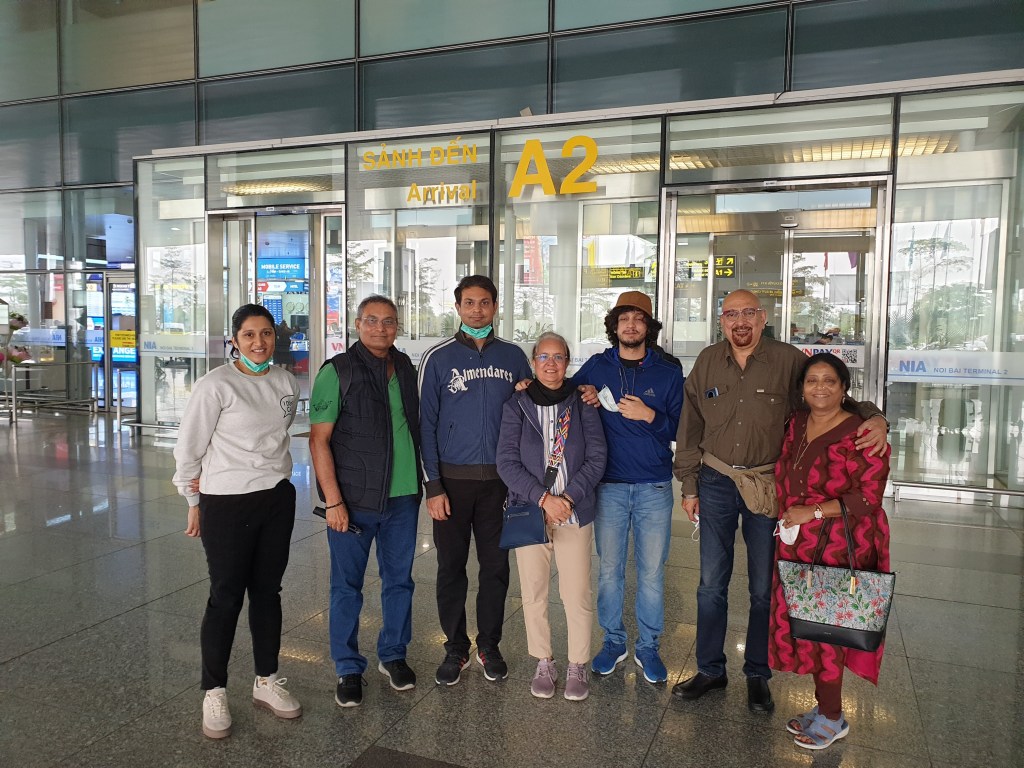
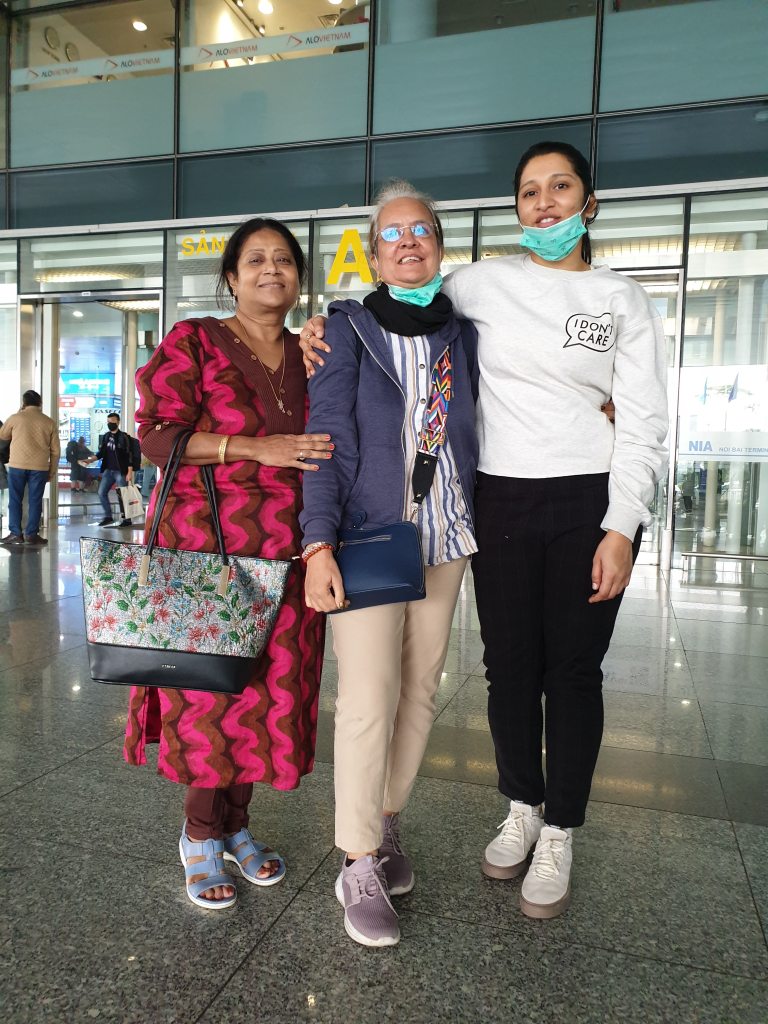
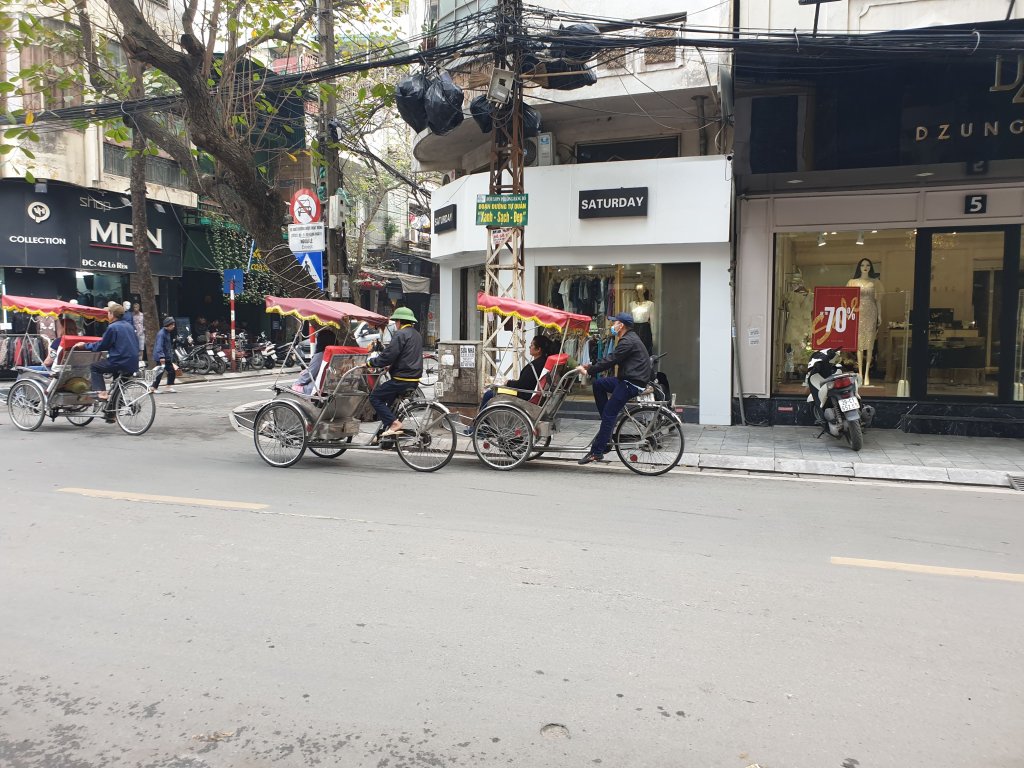
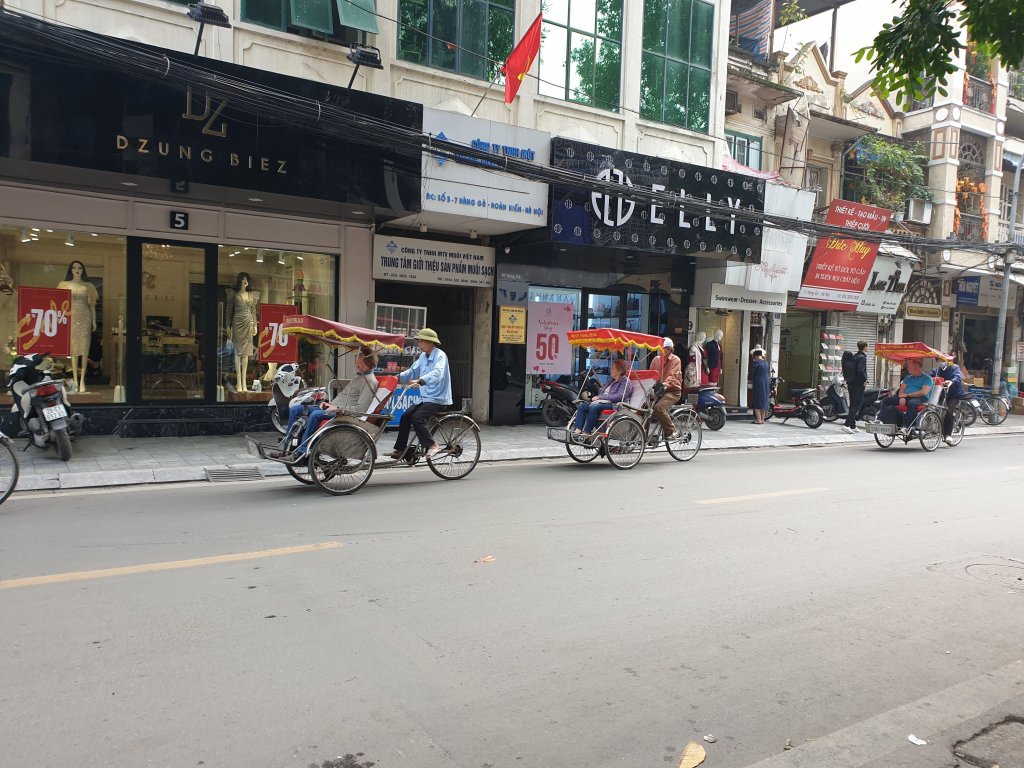
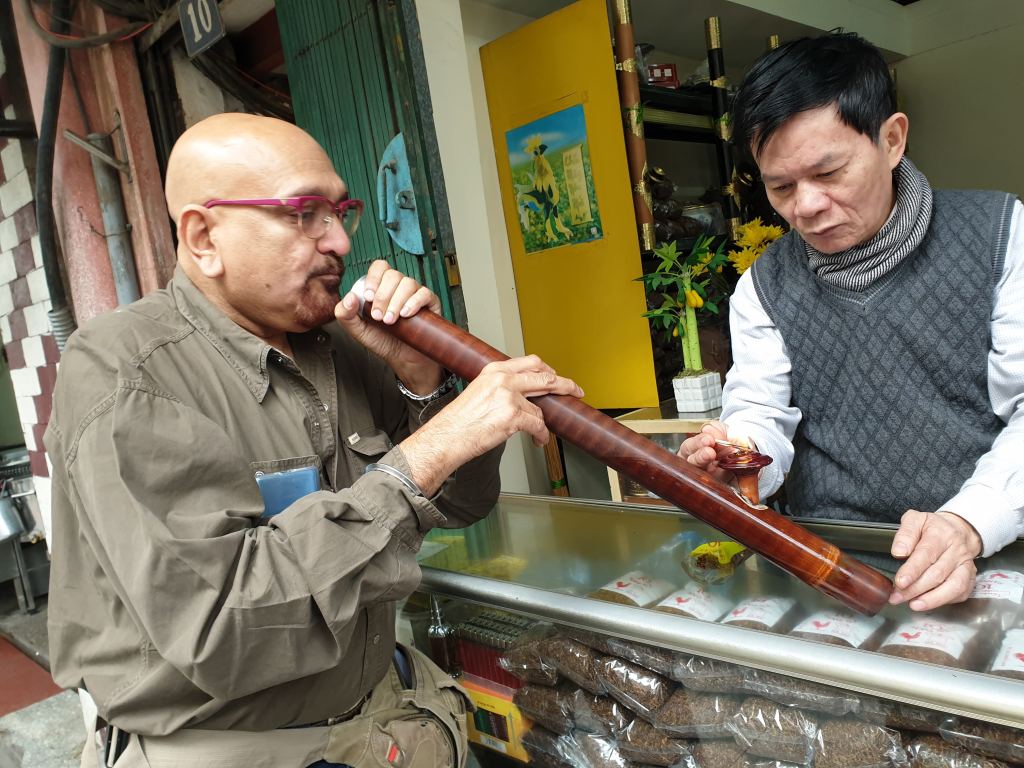
We were met at the hotel by our guide Mr Quang, who took us on a walking trip around Hanoi city, our first stop was at a local eatery, when we had the famous Banh Quon, it was unbelievably delicious – more so as we were famished.
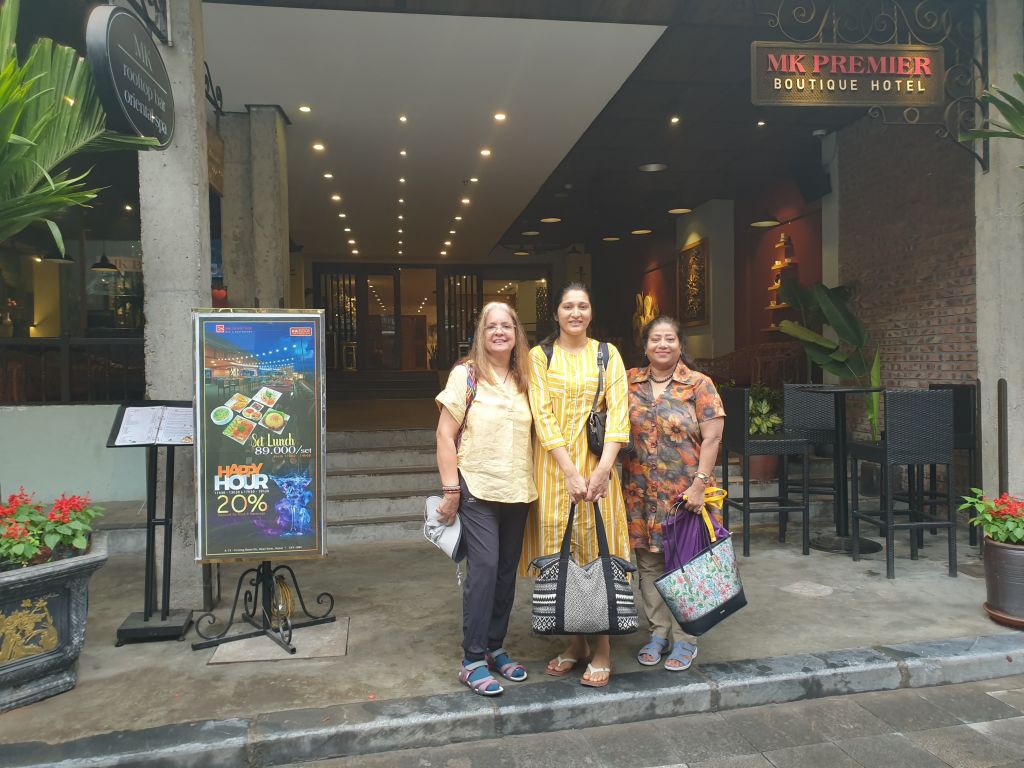
Our Hotel, the MK Premier Boutique hotel was a quaint little hotel in the old quarter. It was set in a bustling street that was obviously a favorite with the tourists.
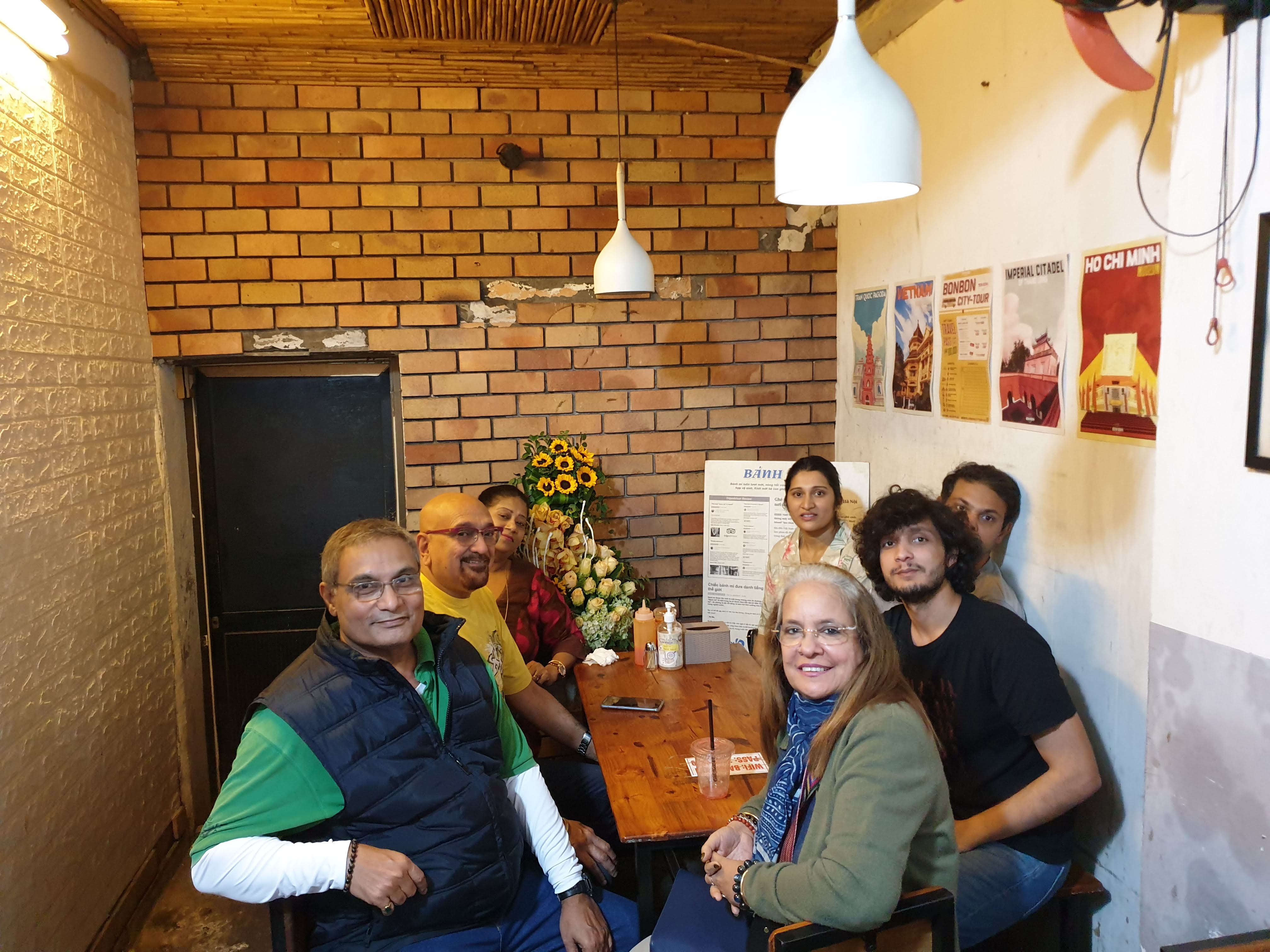
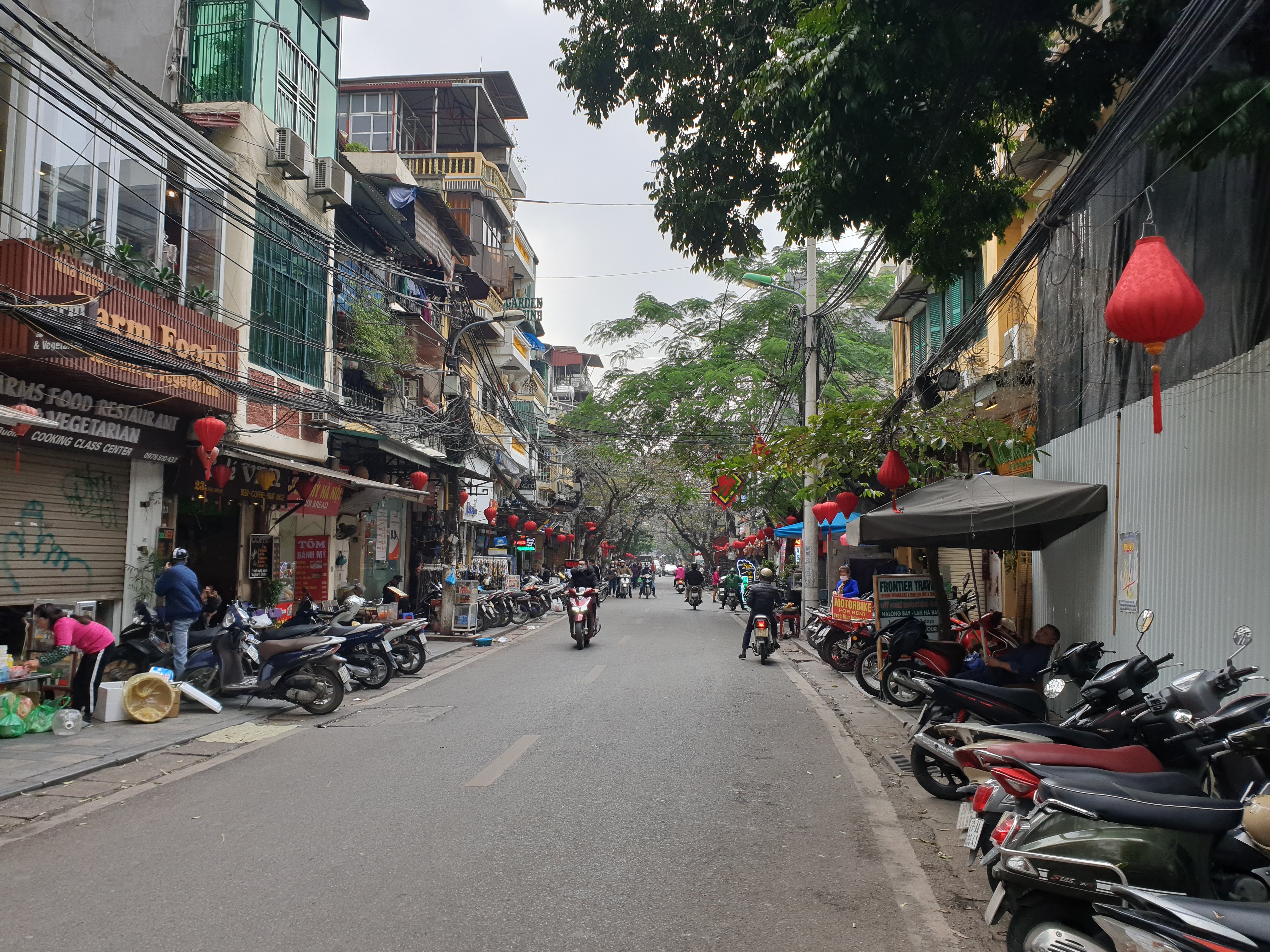
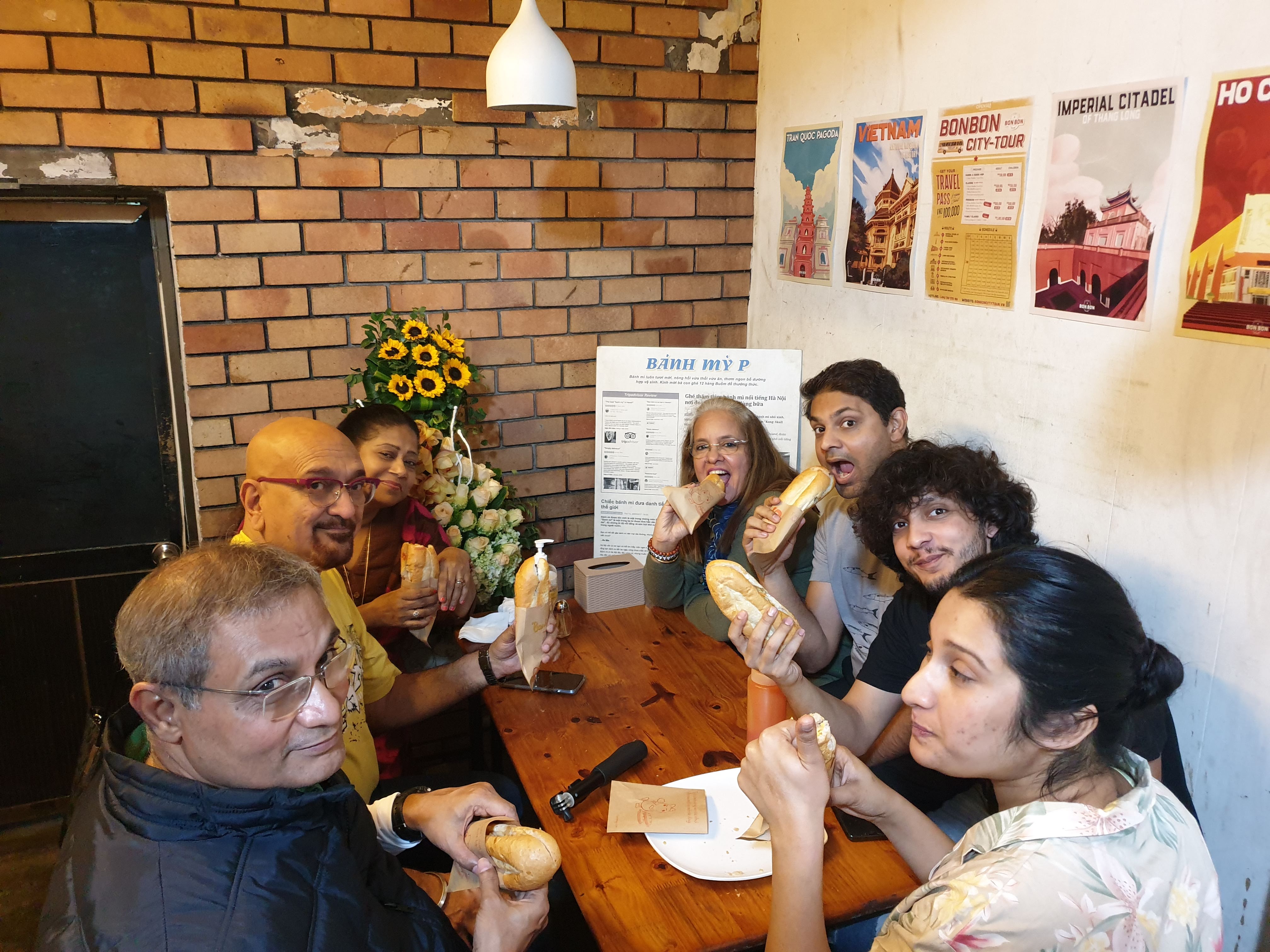
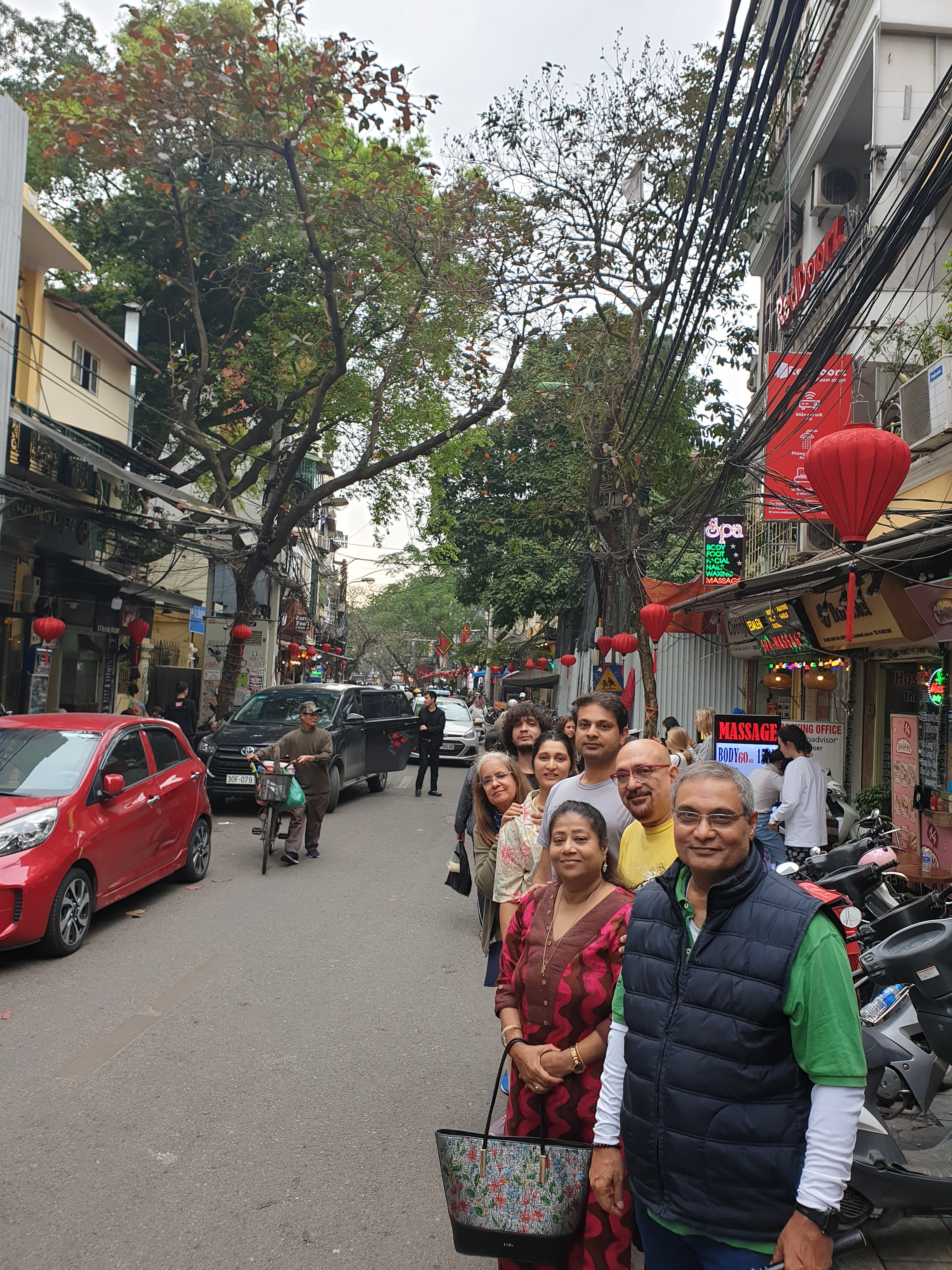
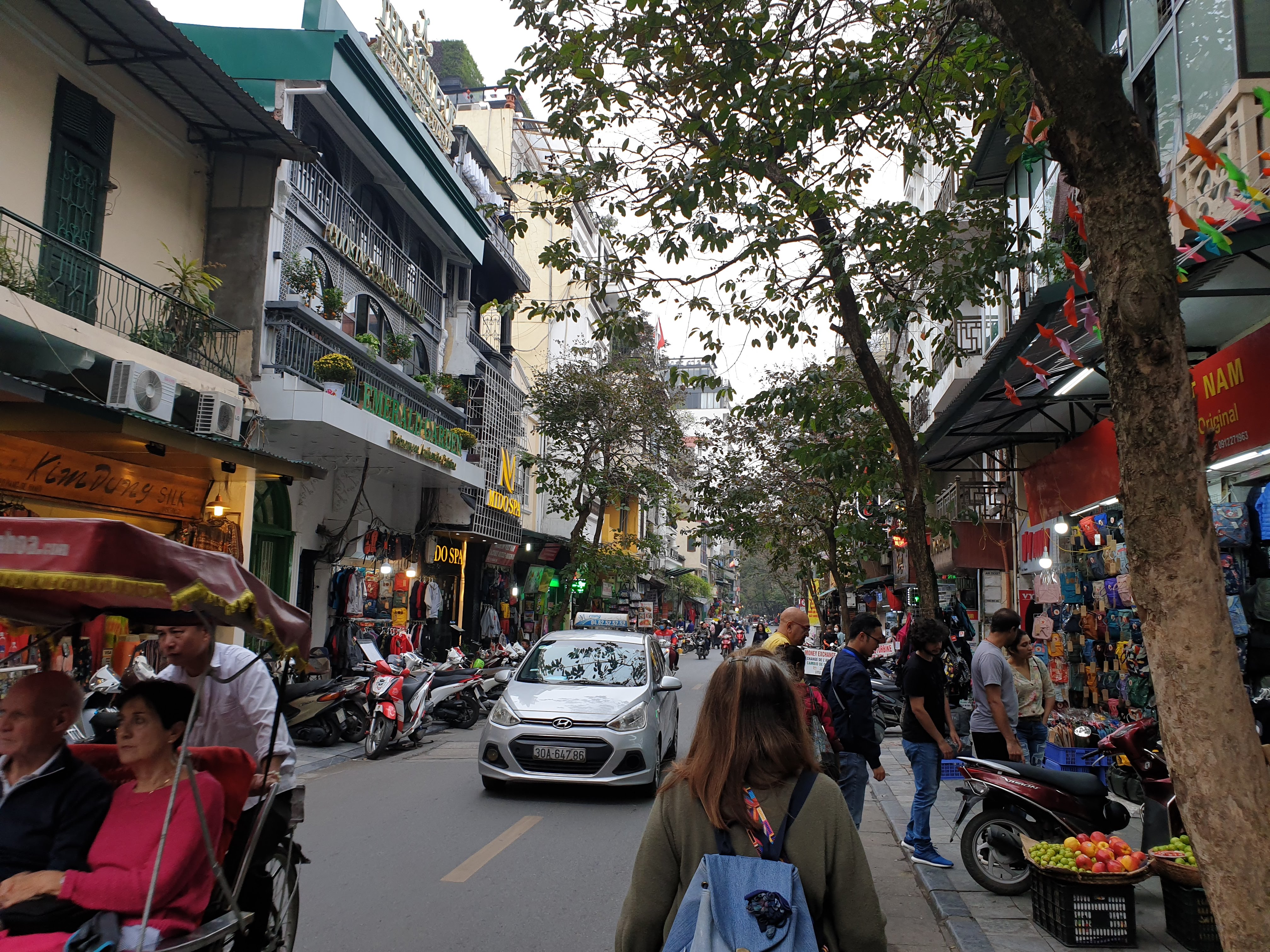
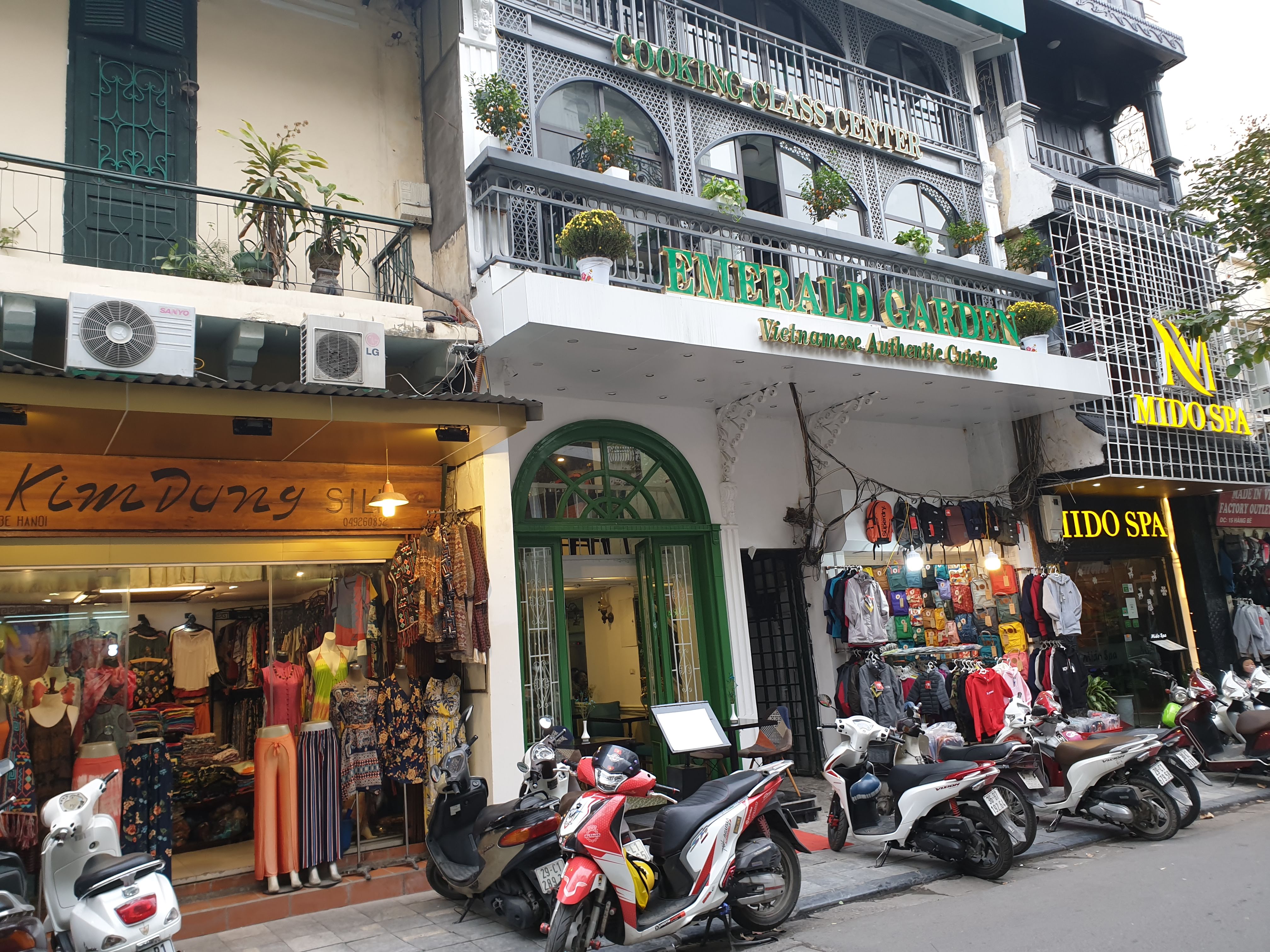
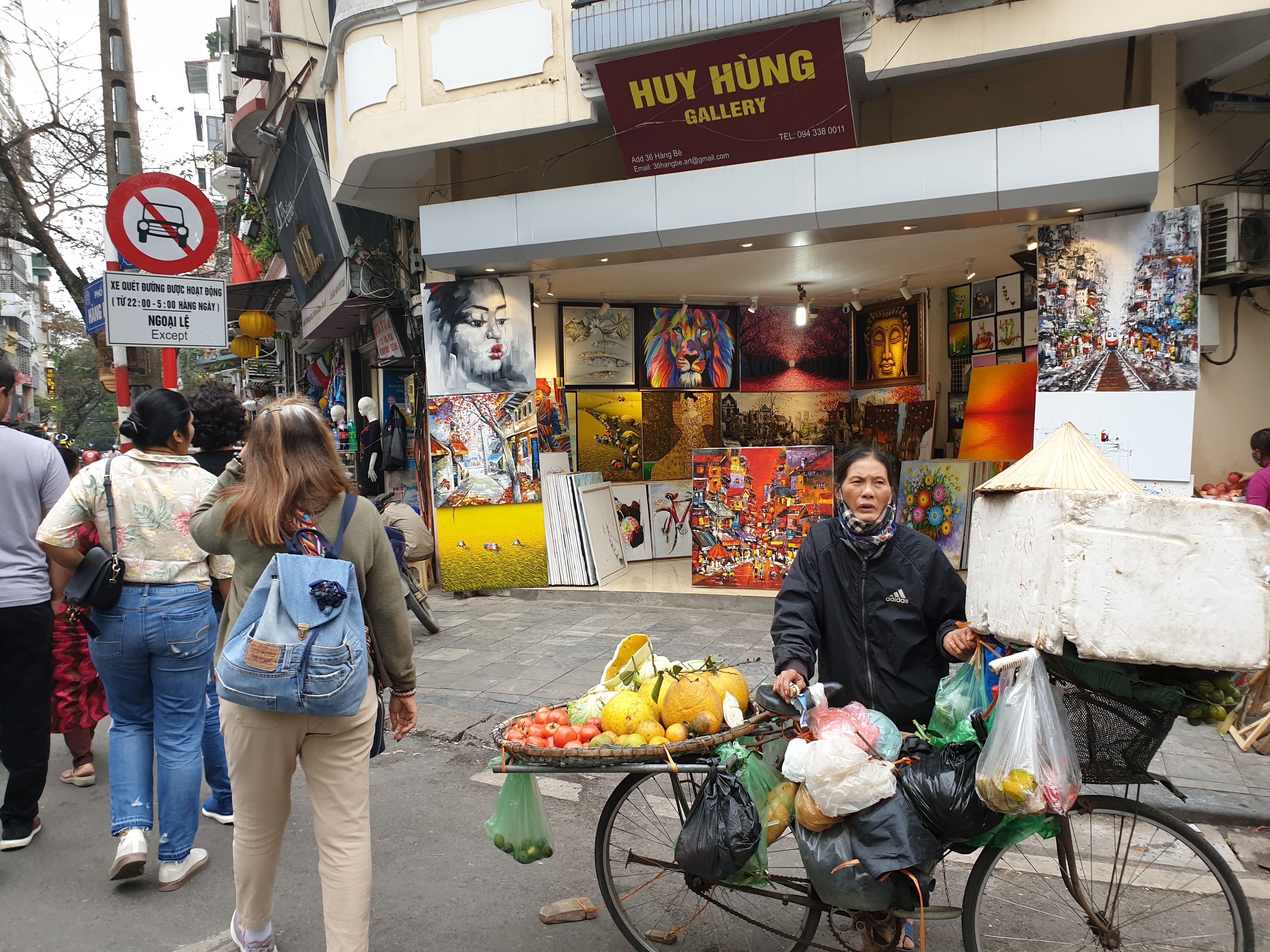
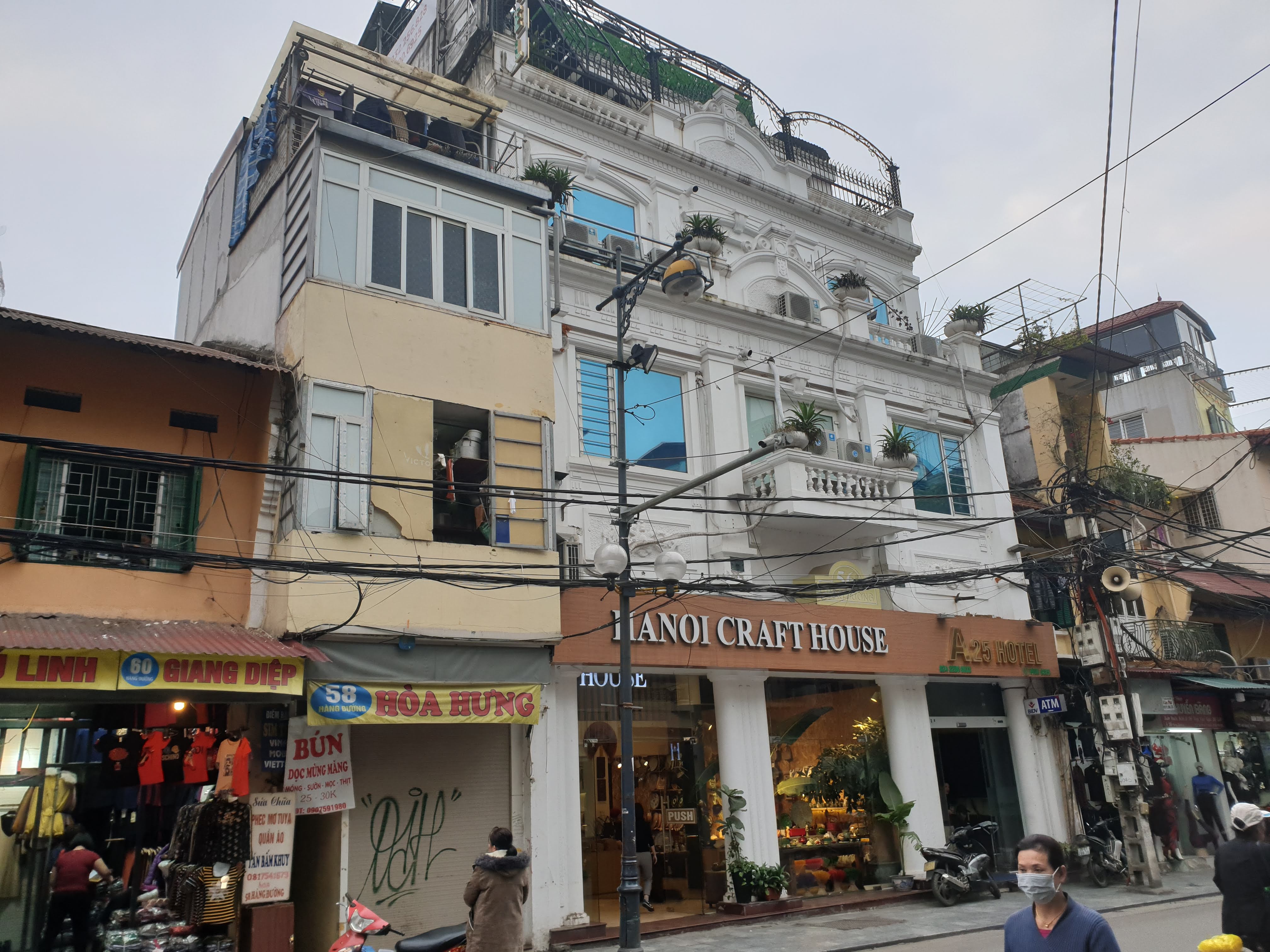
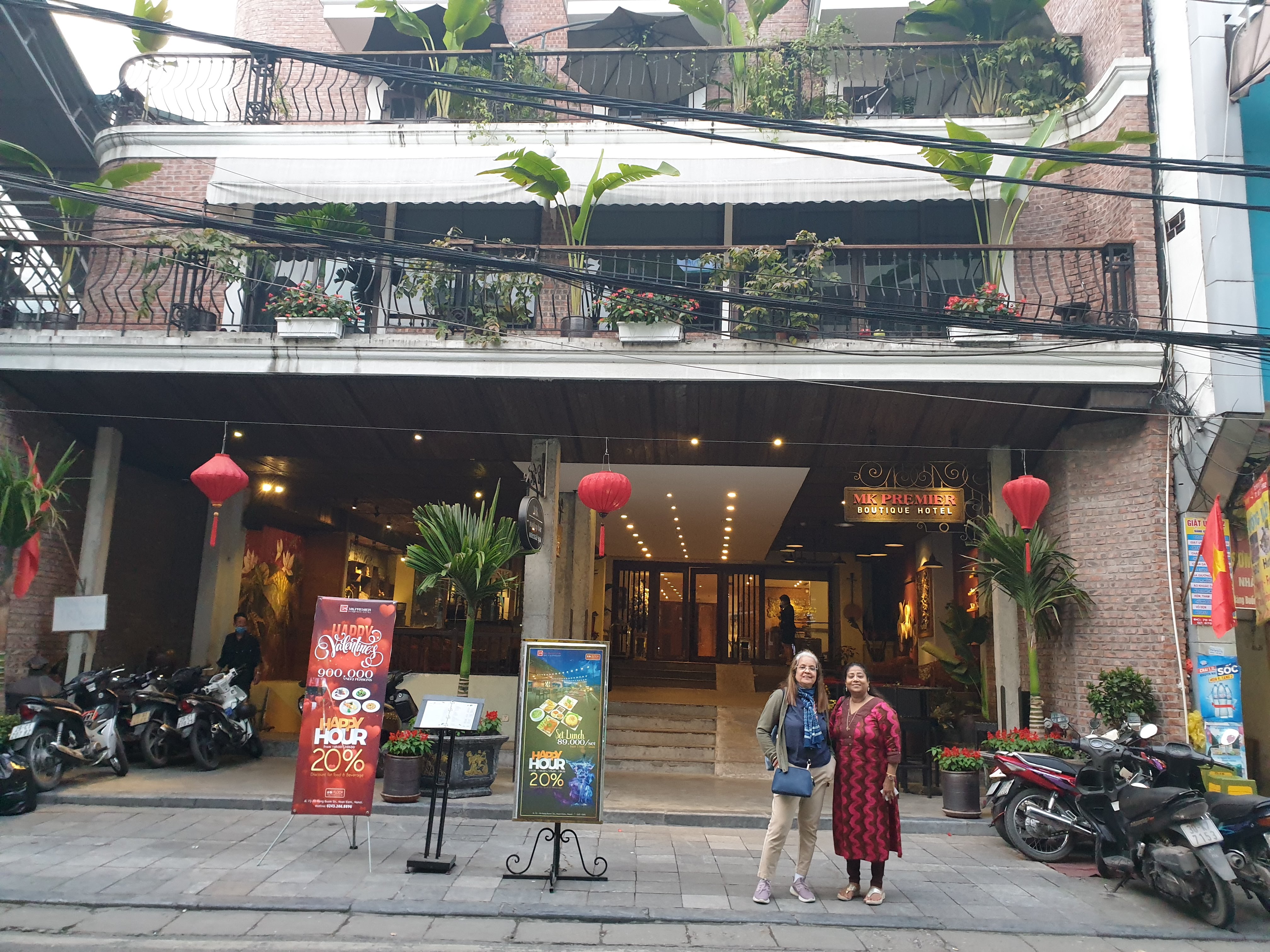
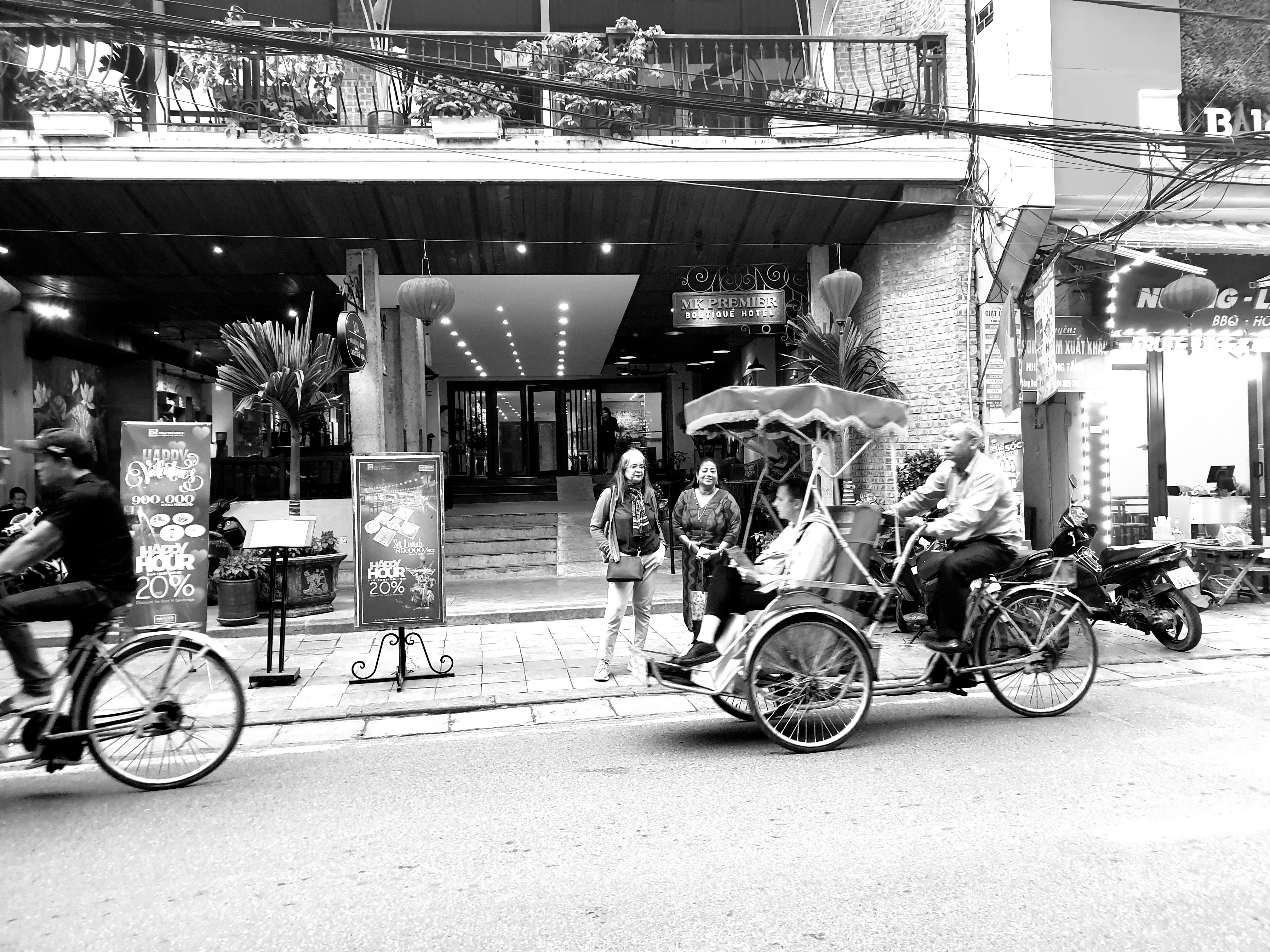
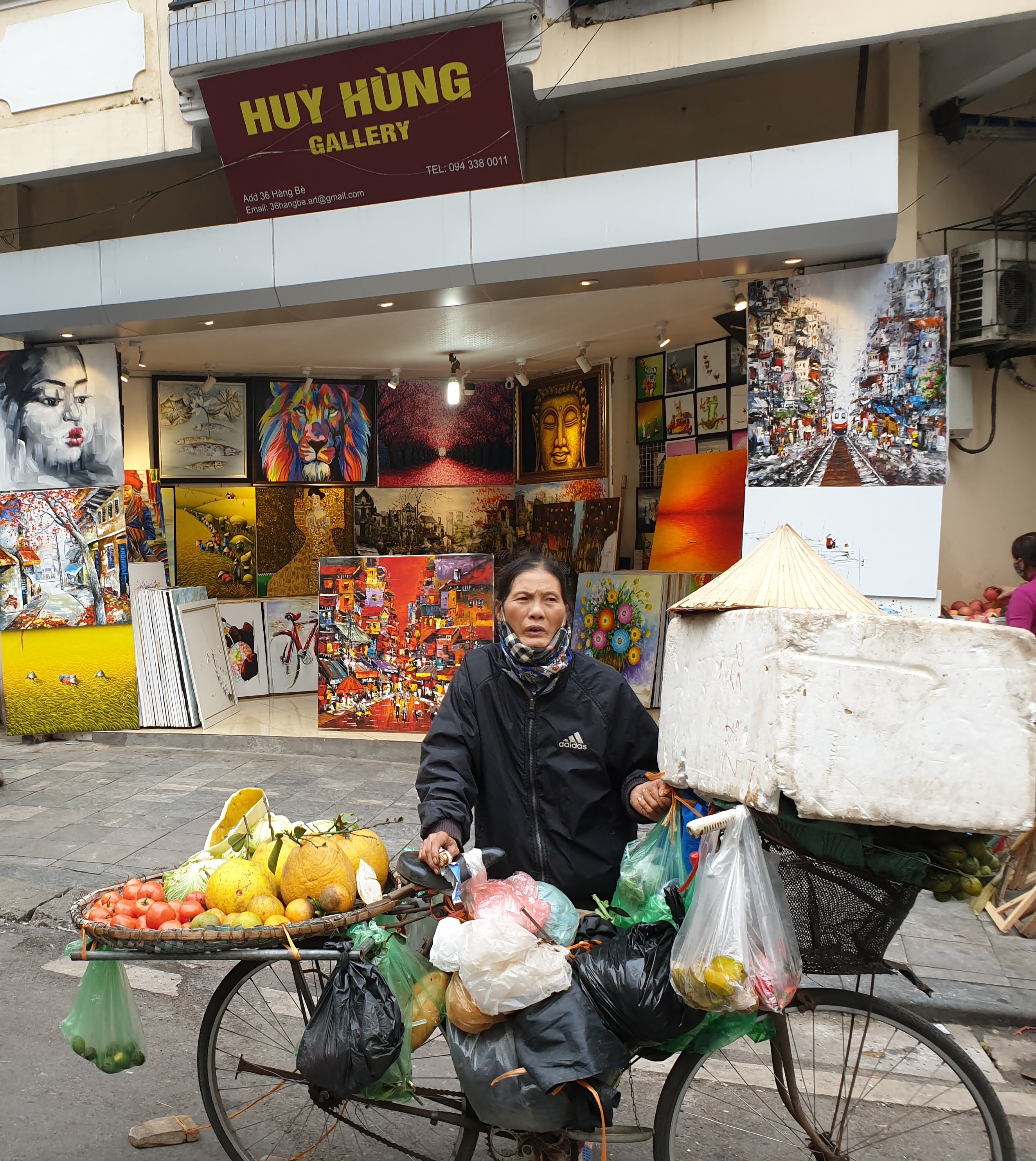
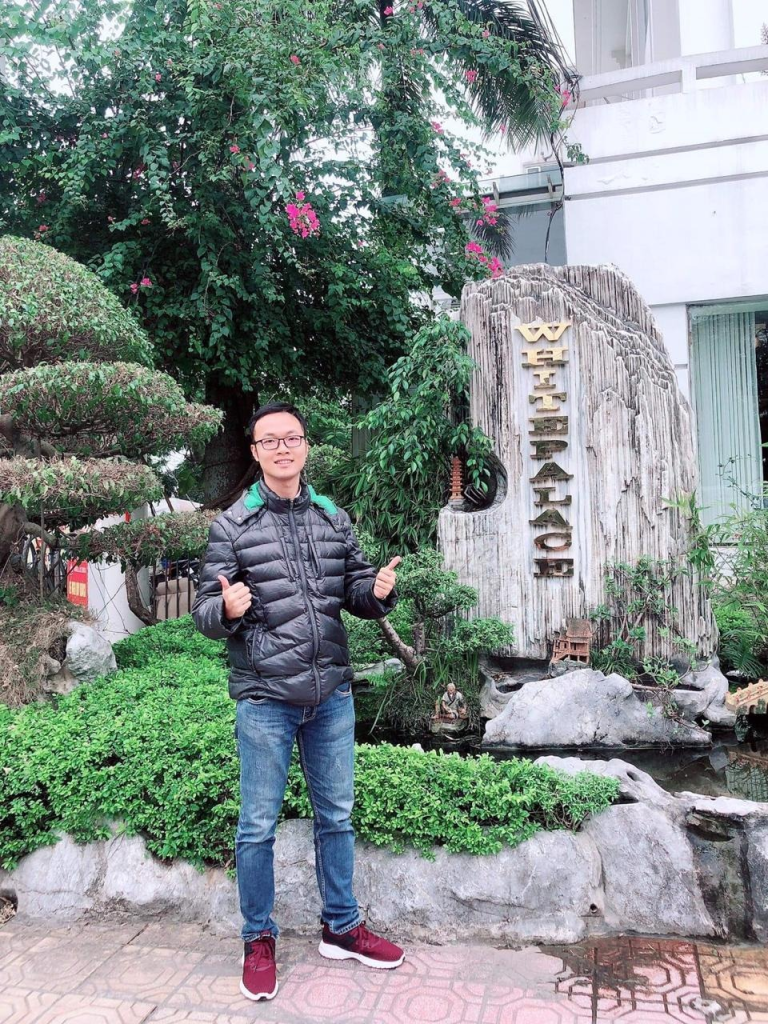
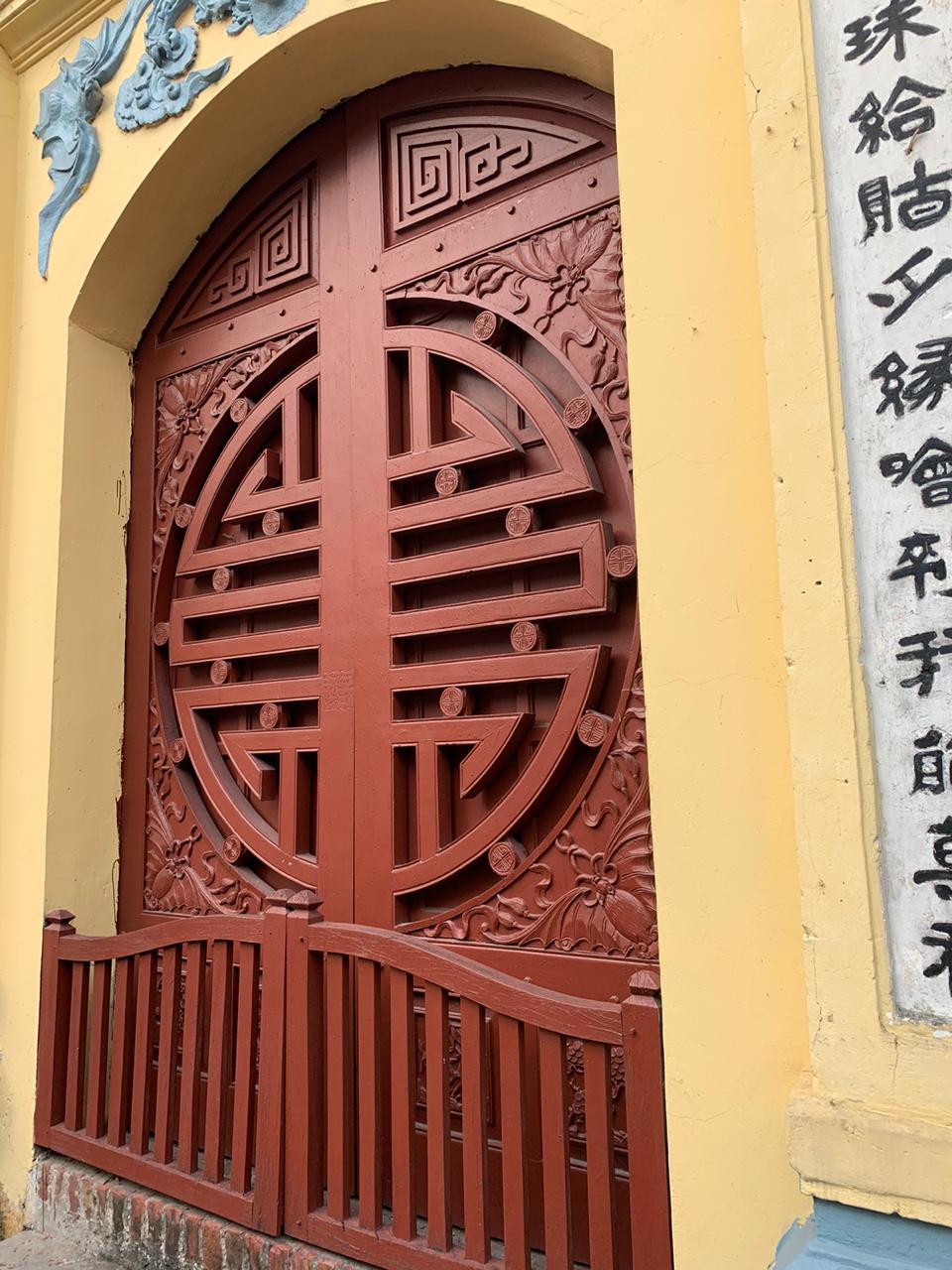
After a stroll through the old quarter, we visited the Temple of Literature & National University, Văn Miếu (Vietnamese: Văn Miếu, literally Temple of Culture or Temple of Literature, Han tu is a temple dedicated to Confucius in Hanoi, northern Vietnam. The temple also hosts the Imperial Academy (Quốc Tử Giám), Vietnam’s first national university. The temple was built in 1070 at the time of Emperor Ly Thanh Tong. It is one of several temples in Vietnam which is dedicated to Confucius, sages and scholars. The temple is located to the south of the Imperial Citadel of Thang Long. The various pavilions, halls, statues and stelae of doctors are places where offering ceremonies, study sessions and the strict exams of the Dai Viet took place. The temple is featured on the back of the 100,000 Vietnamese dong banknote. Just before the Vietnamese New Year celebration Tet, calligraphists will assemble outside the temple and write wishes in Han characters. The art works are given away as gifts or are used as home decorations for special occasions.
The manner in which the thousand year old temple is maintained, is in sharp contrast to how we Indians have not even tried to reconstruct the destroyed Nalanda University, one of the world’s oldest university, destroyed in the 13th Century.
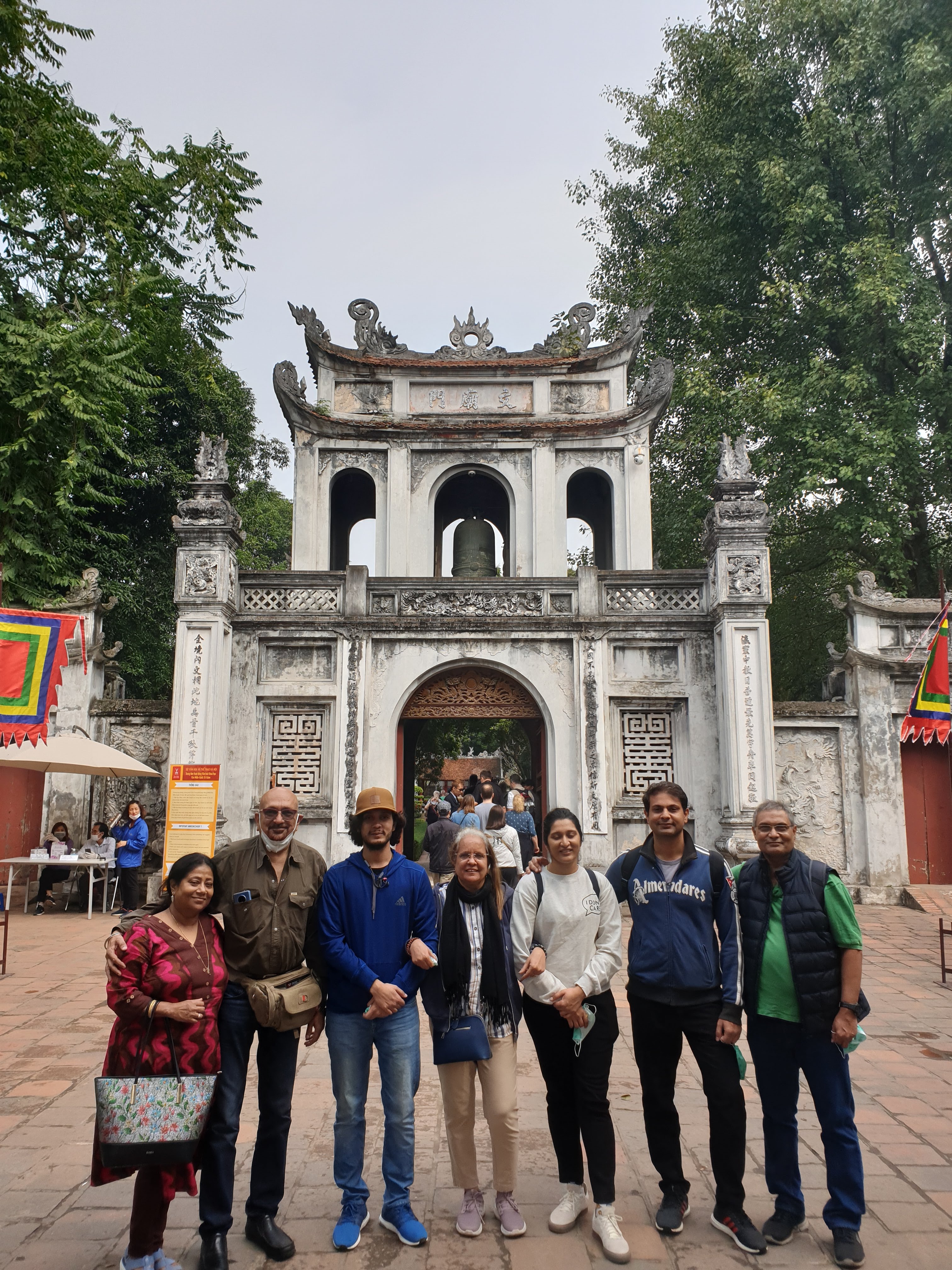
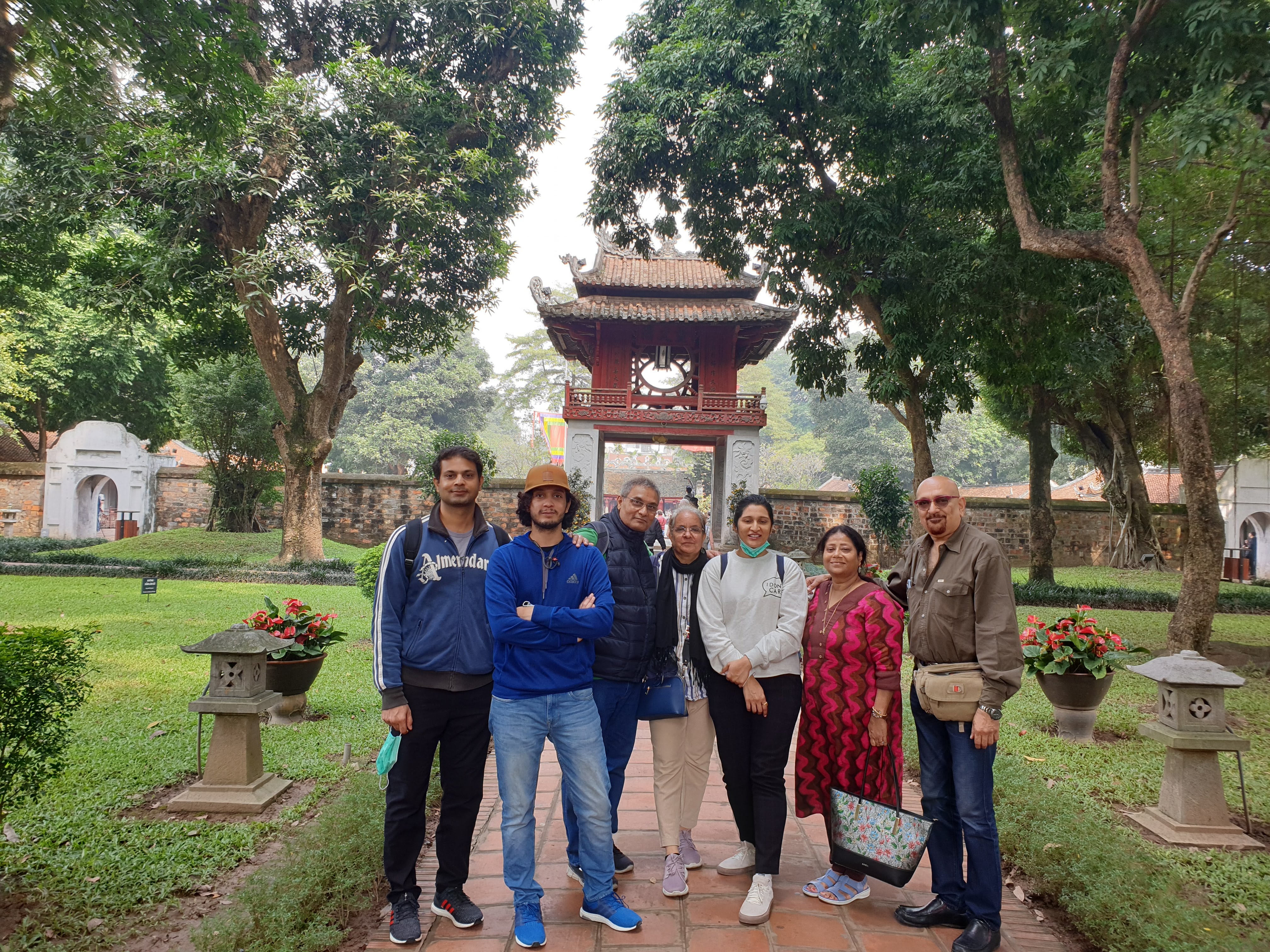
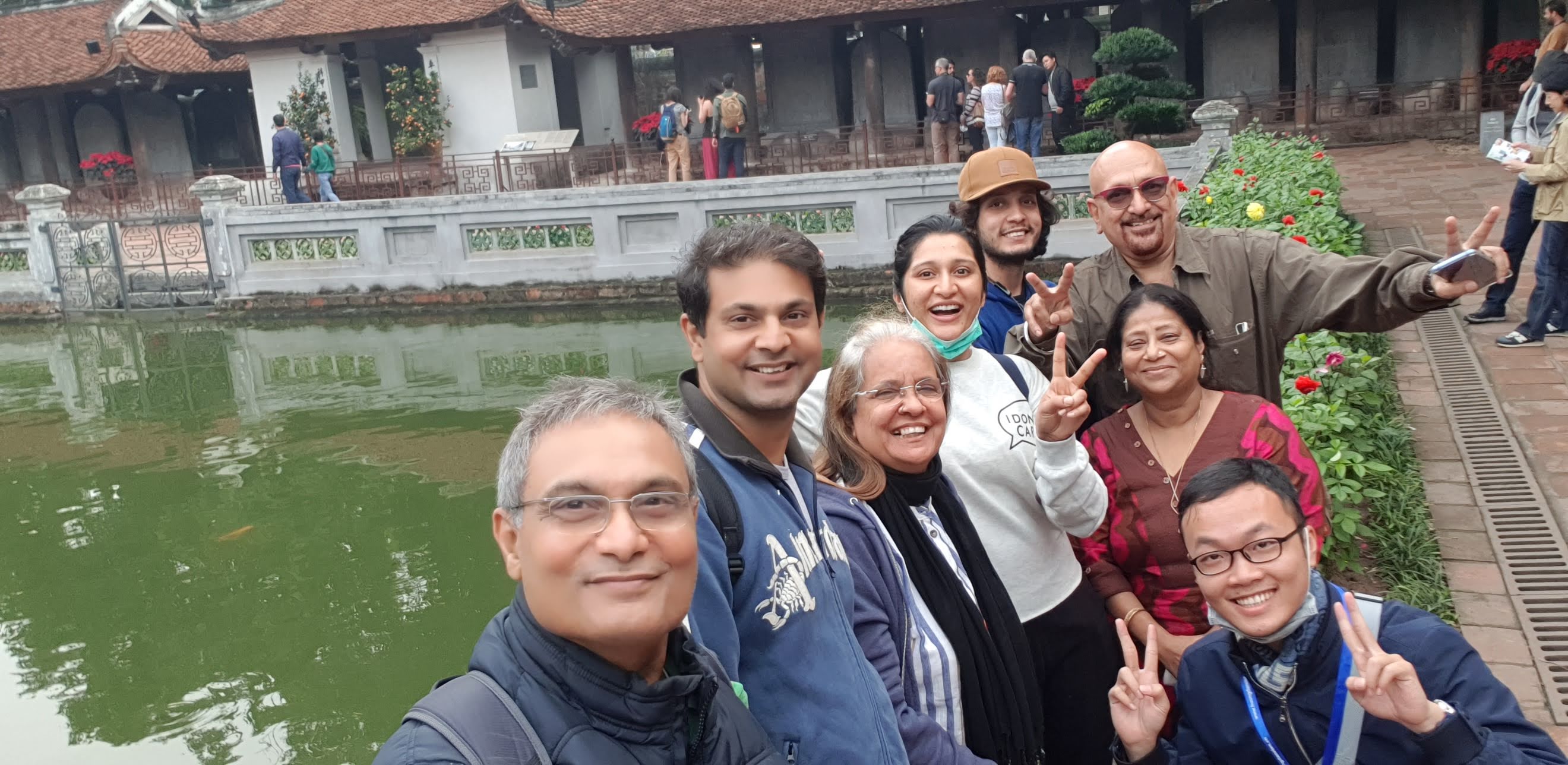

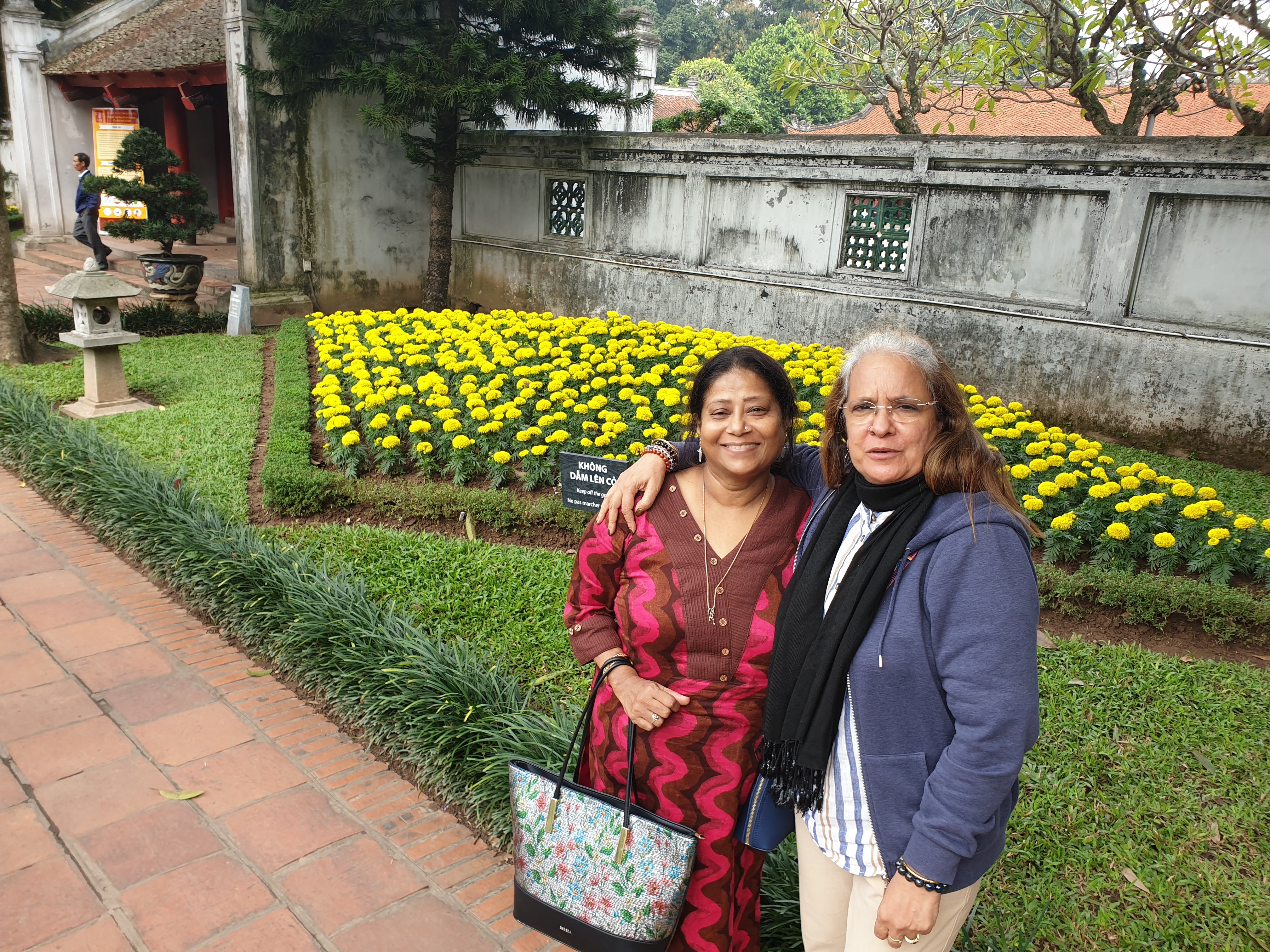
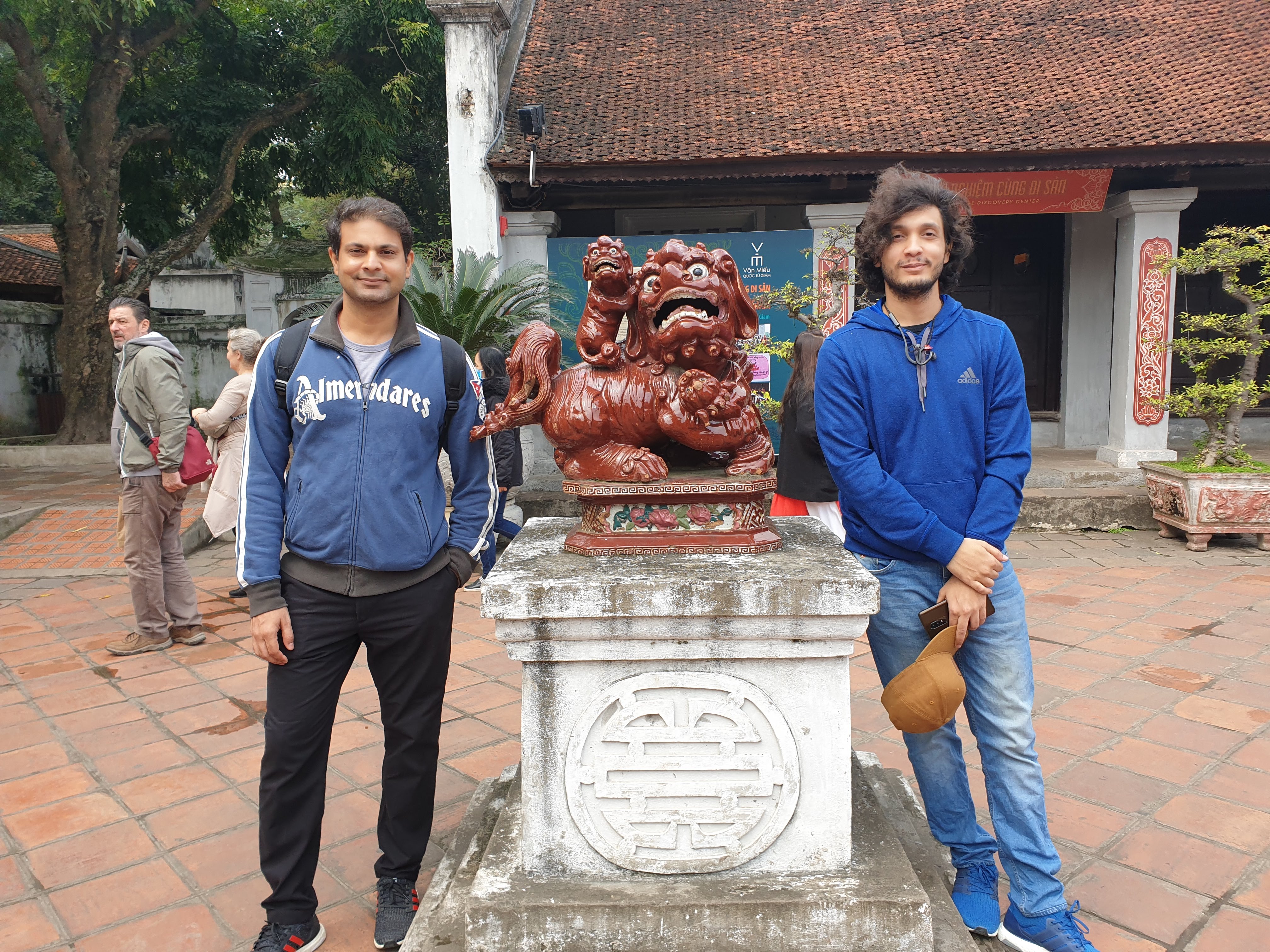
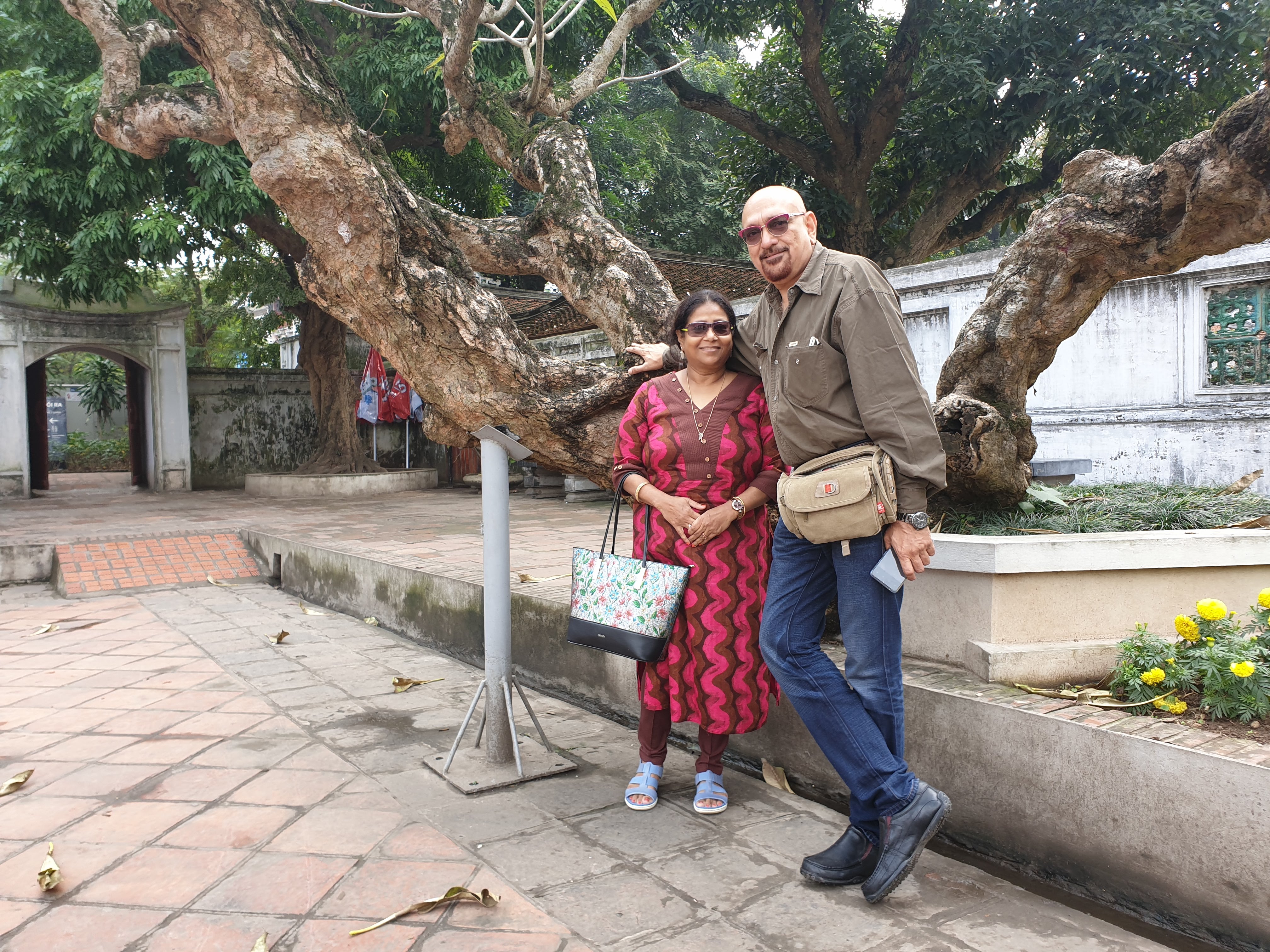
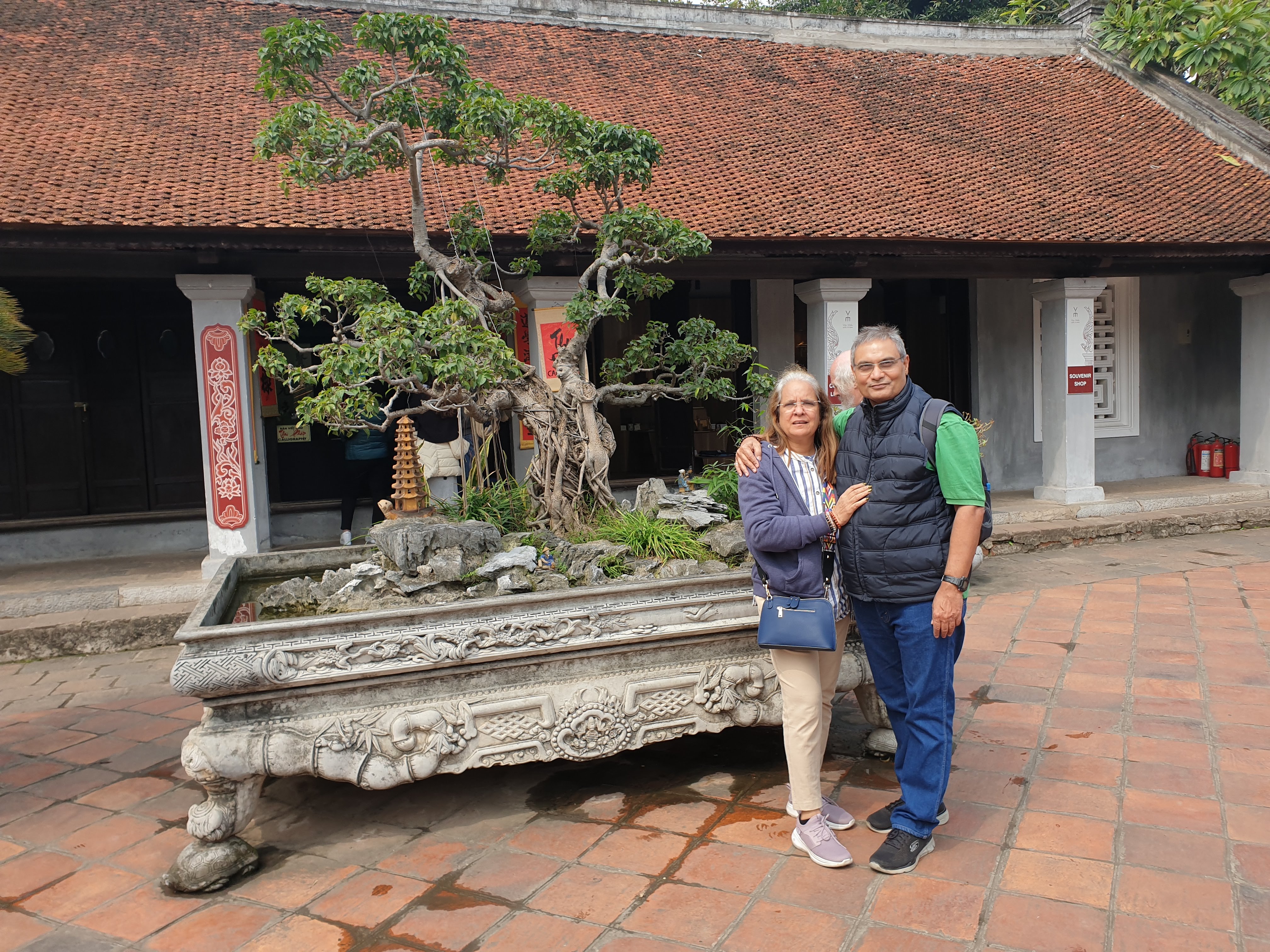
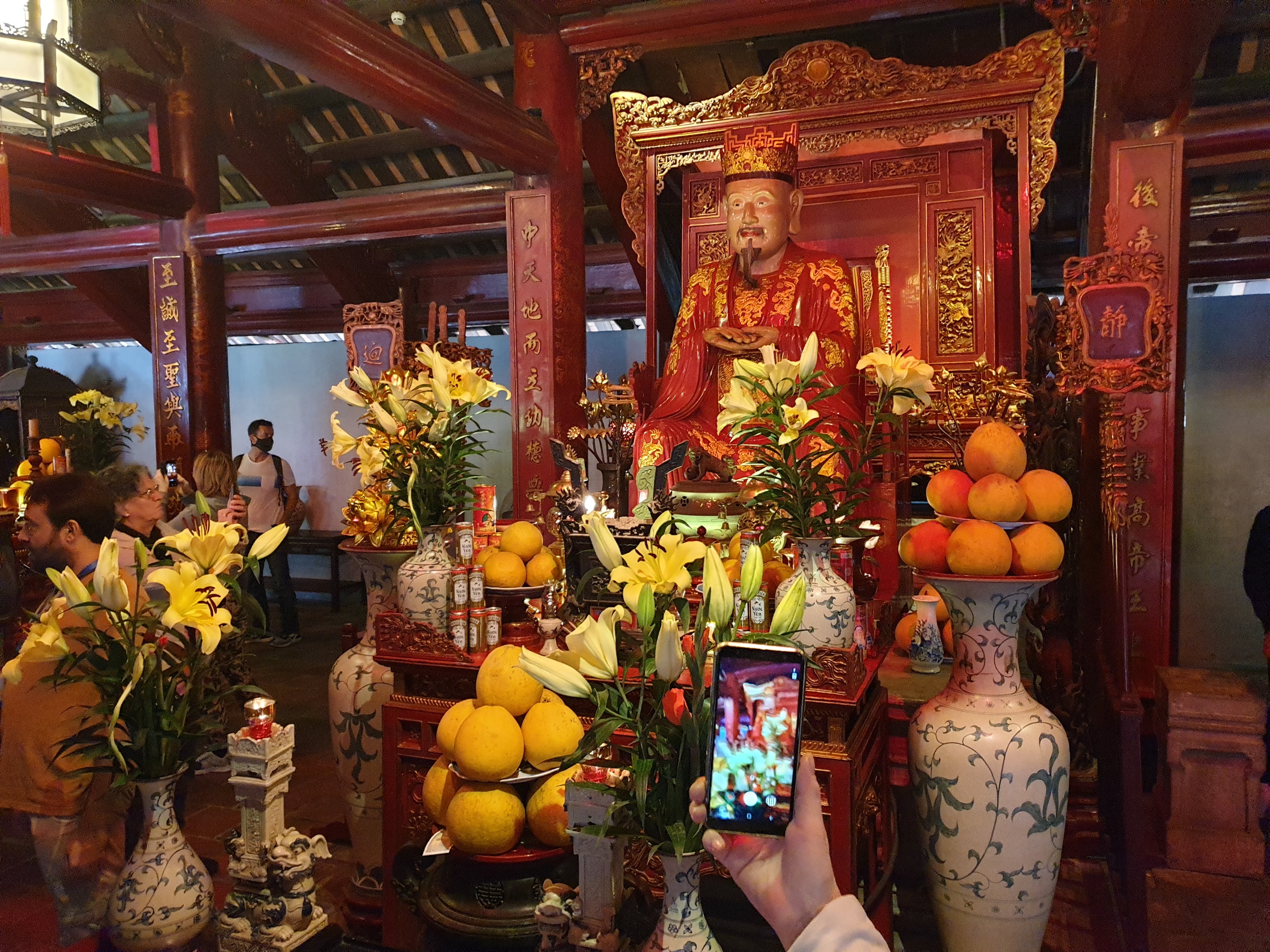
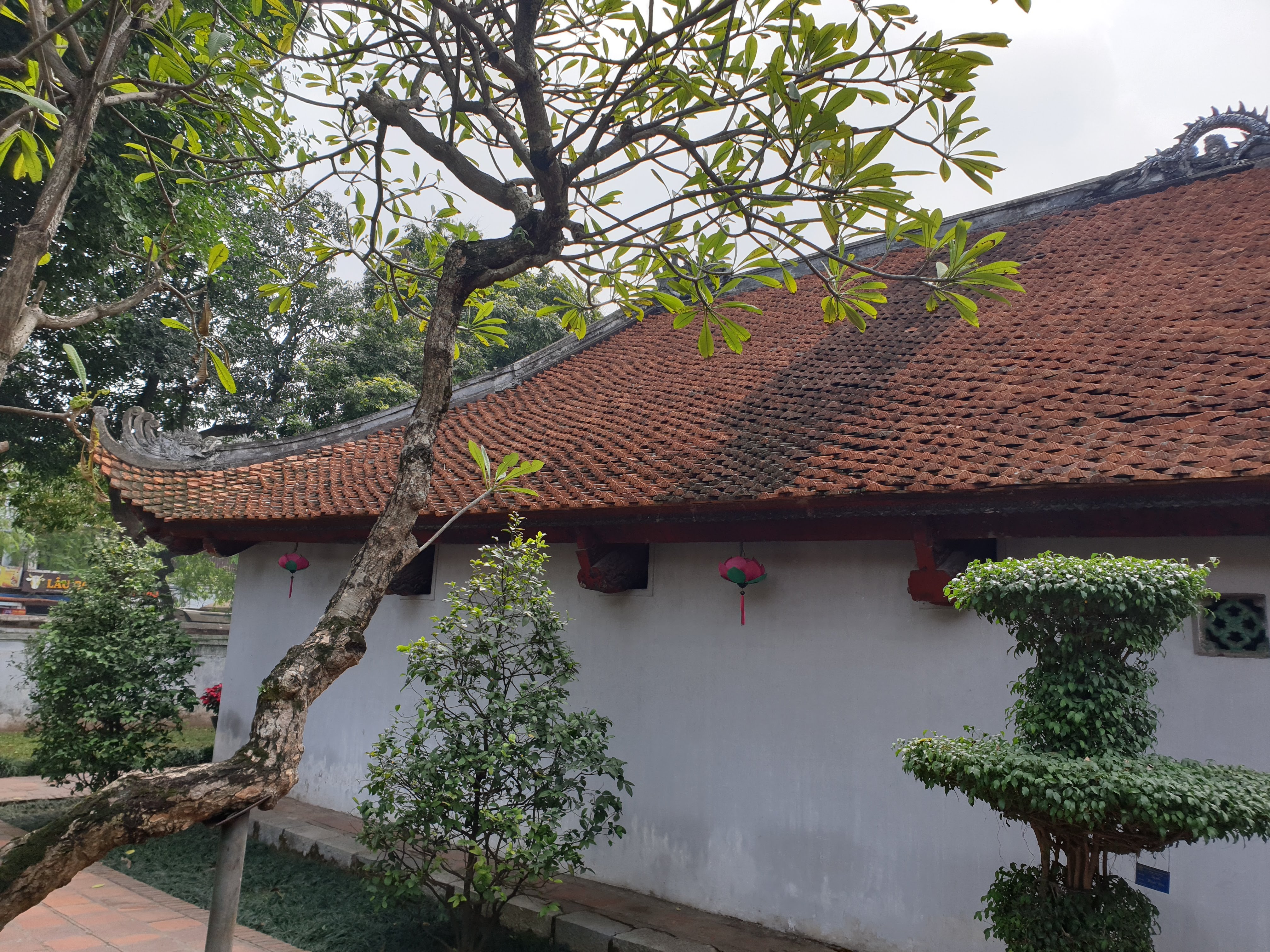
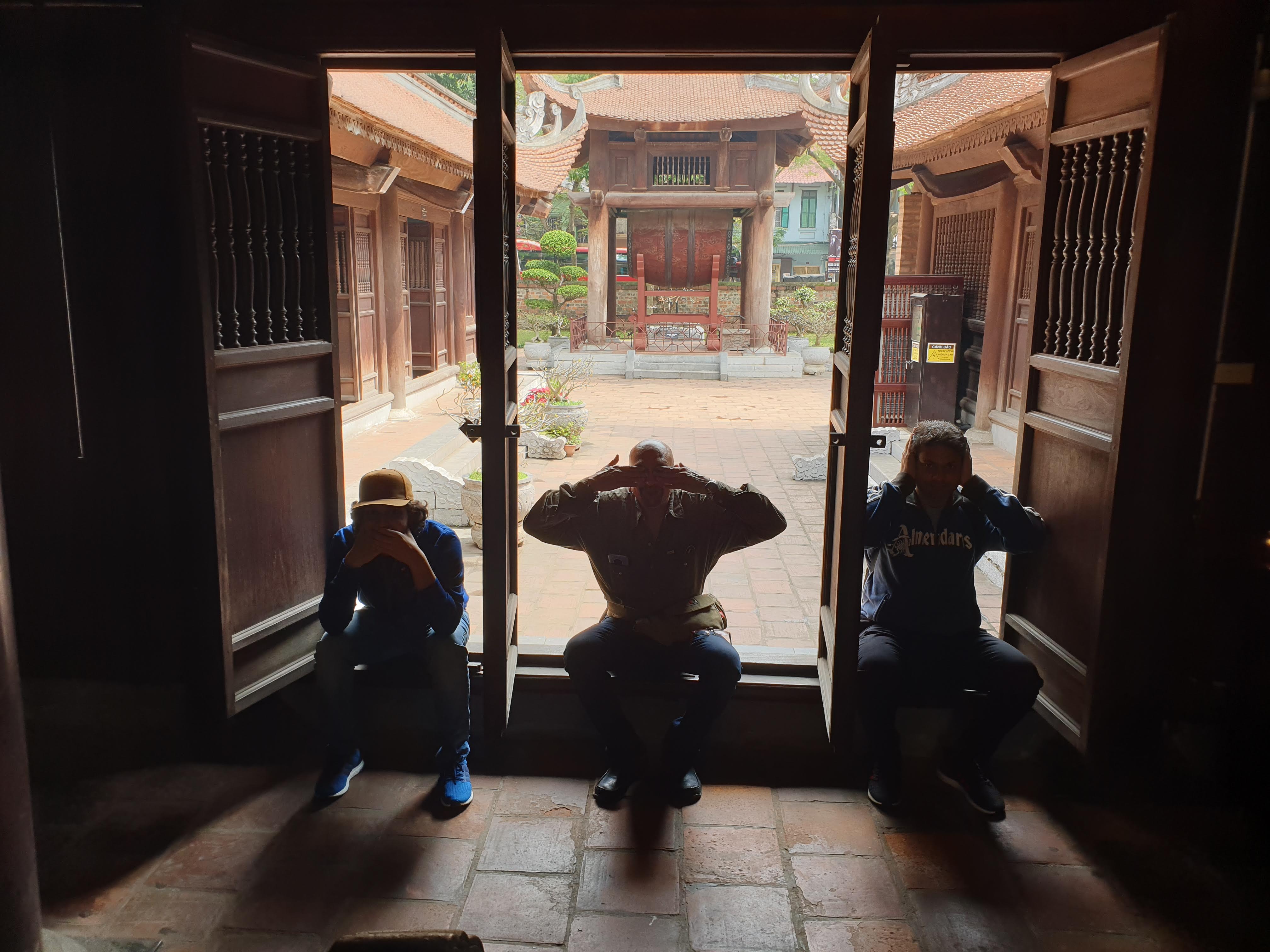
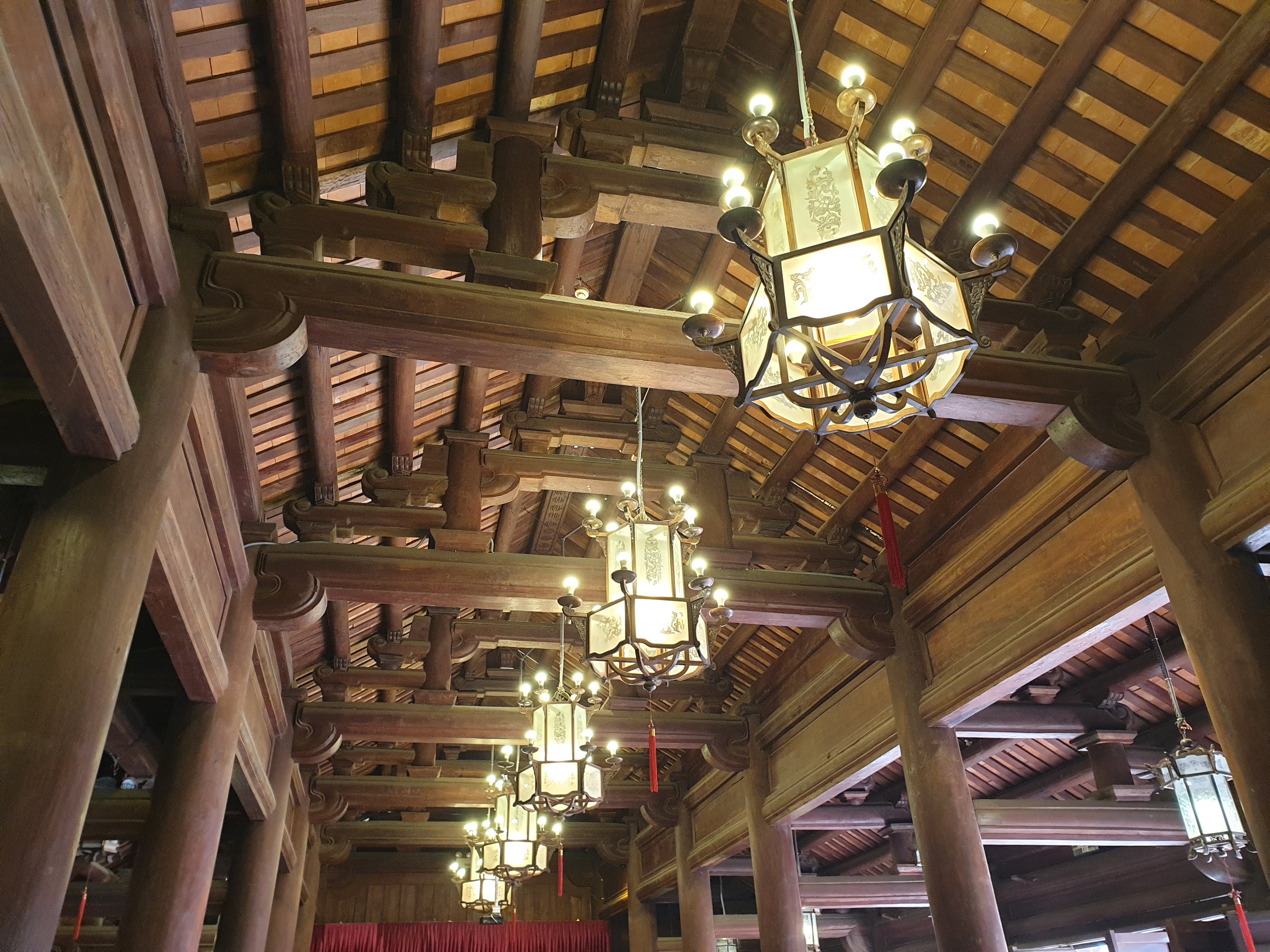
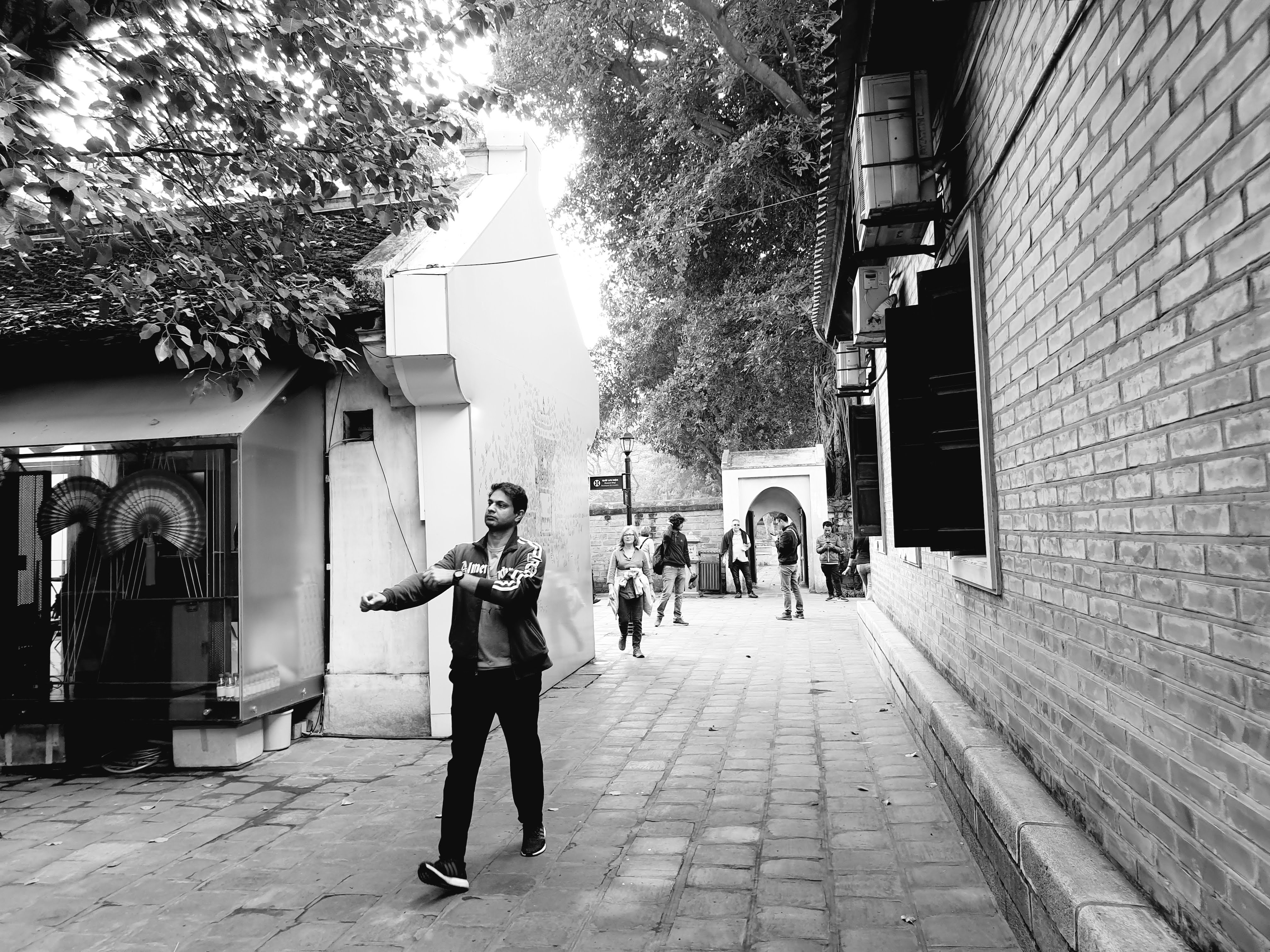
I also learnt why the corners of the tiled roofs are curved upwards at the ends – apparently this gives an impression of enhanced size.
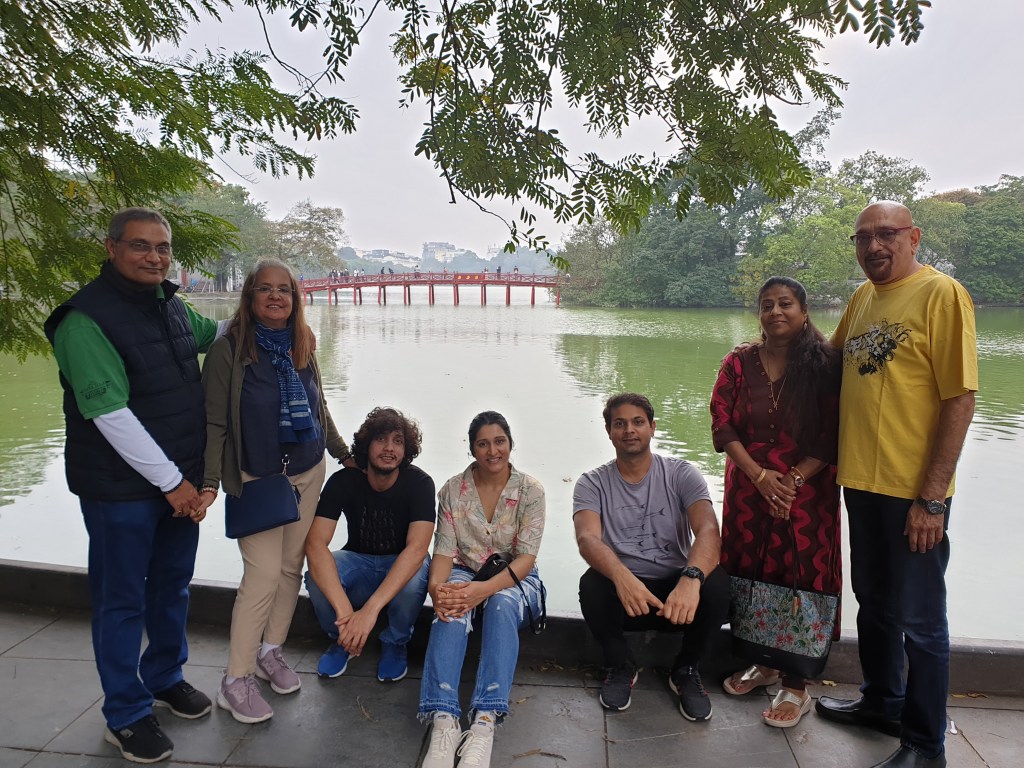
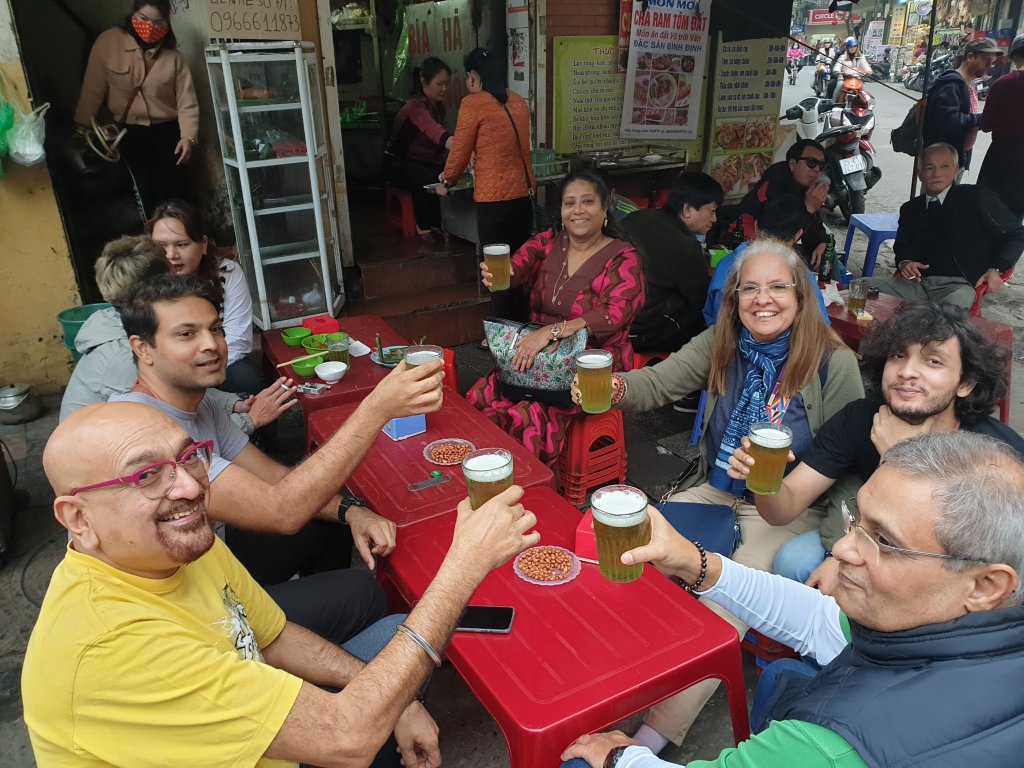
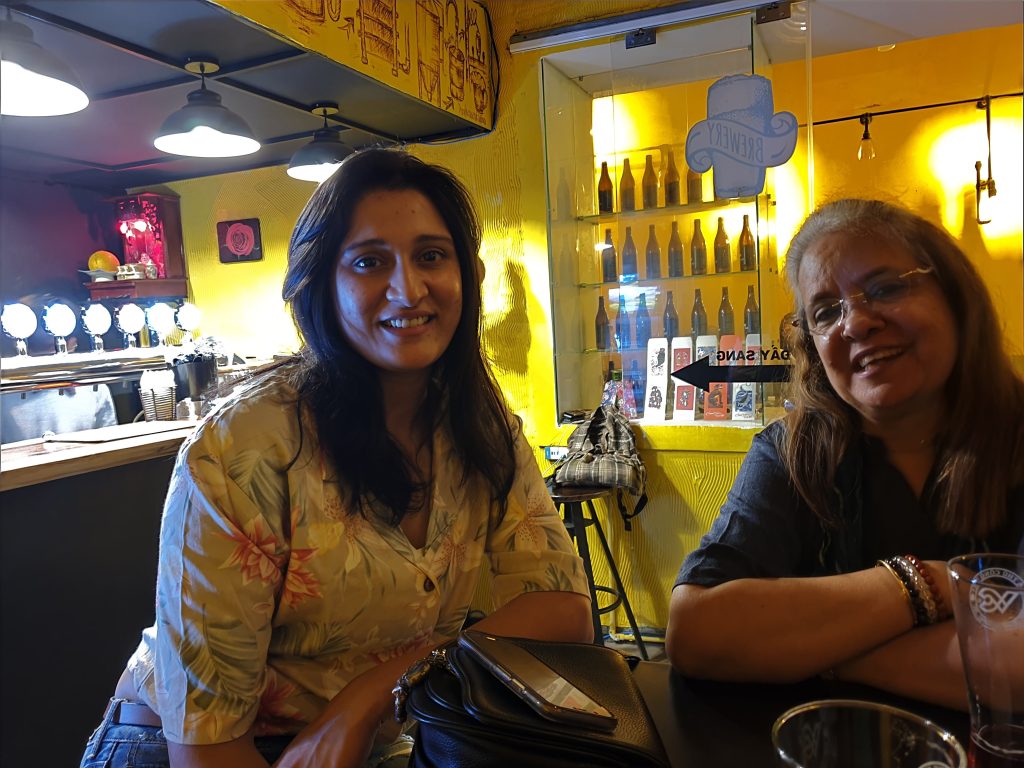
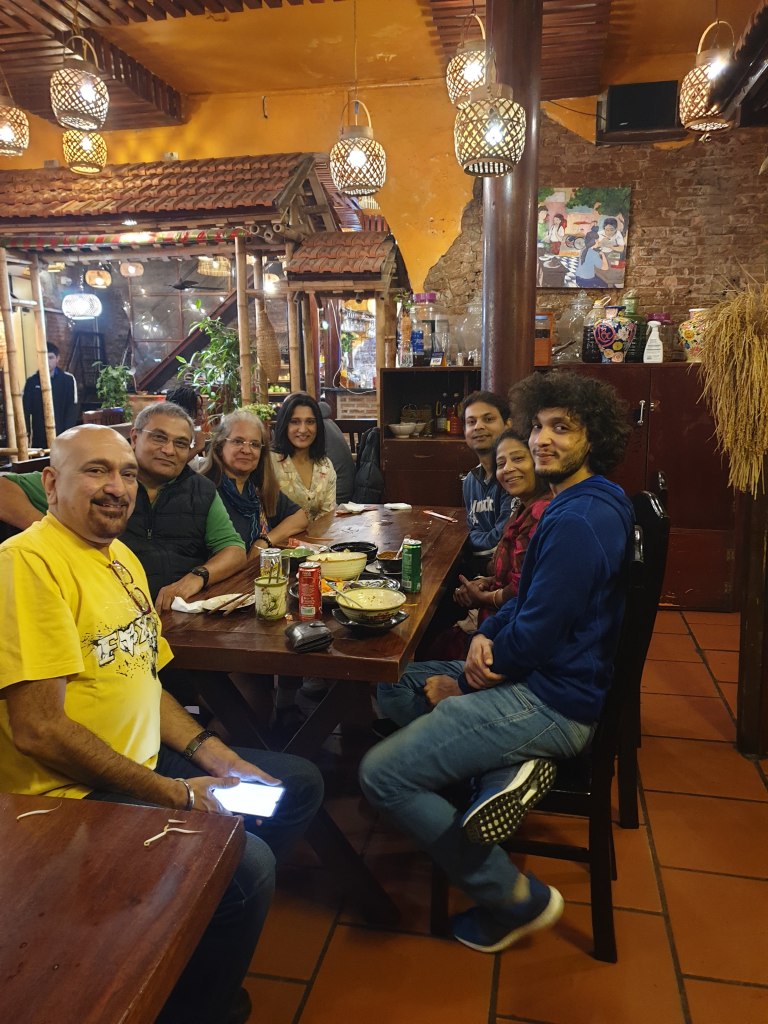
We finished the guided tour with a walk around the lake and a round of beer at one of the quaint roadside taverns, and finished off the day in style by dining in a Vietnamese restaurant, close to our hotel.

DAY 2
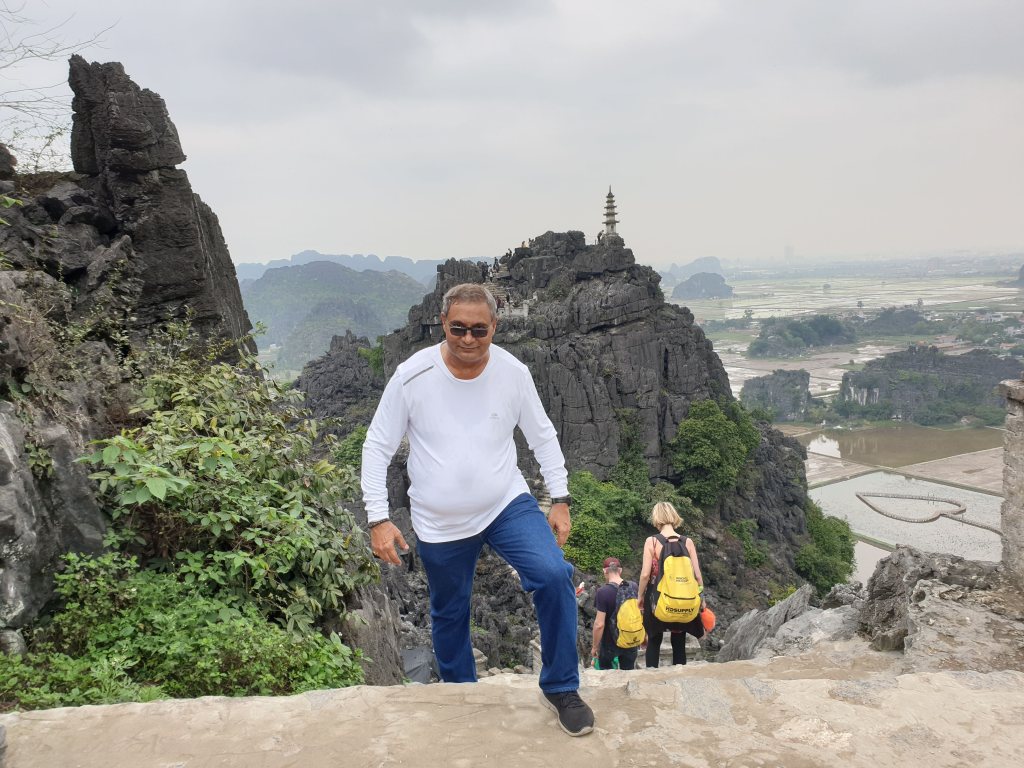
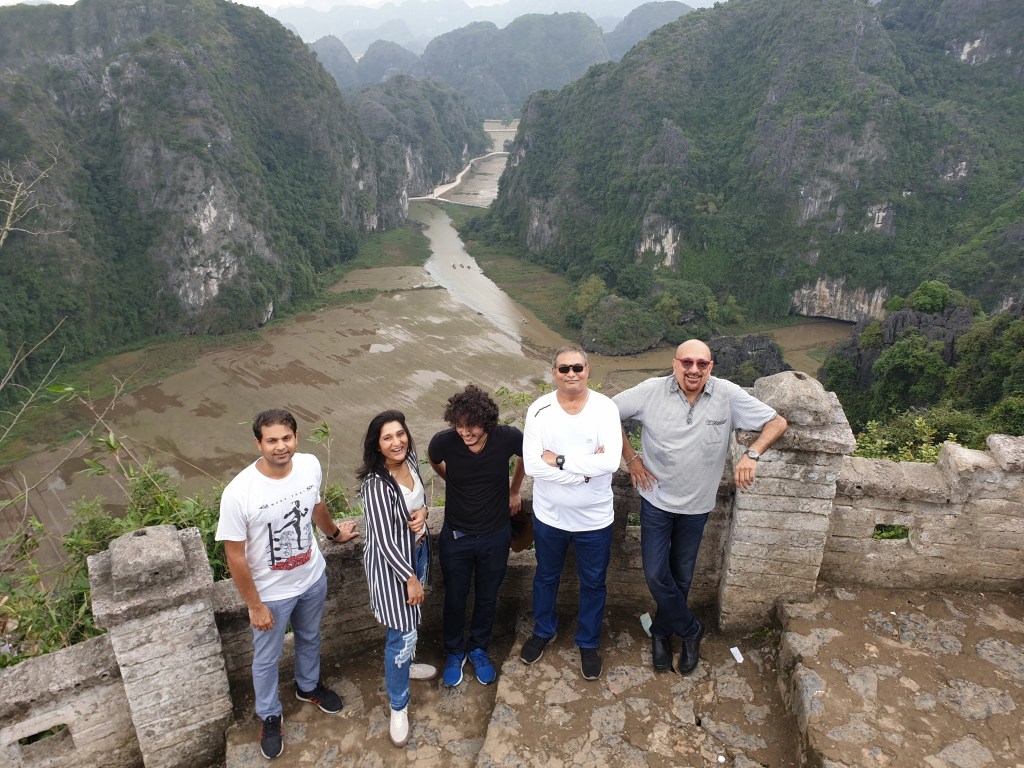
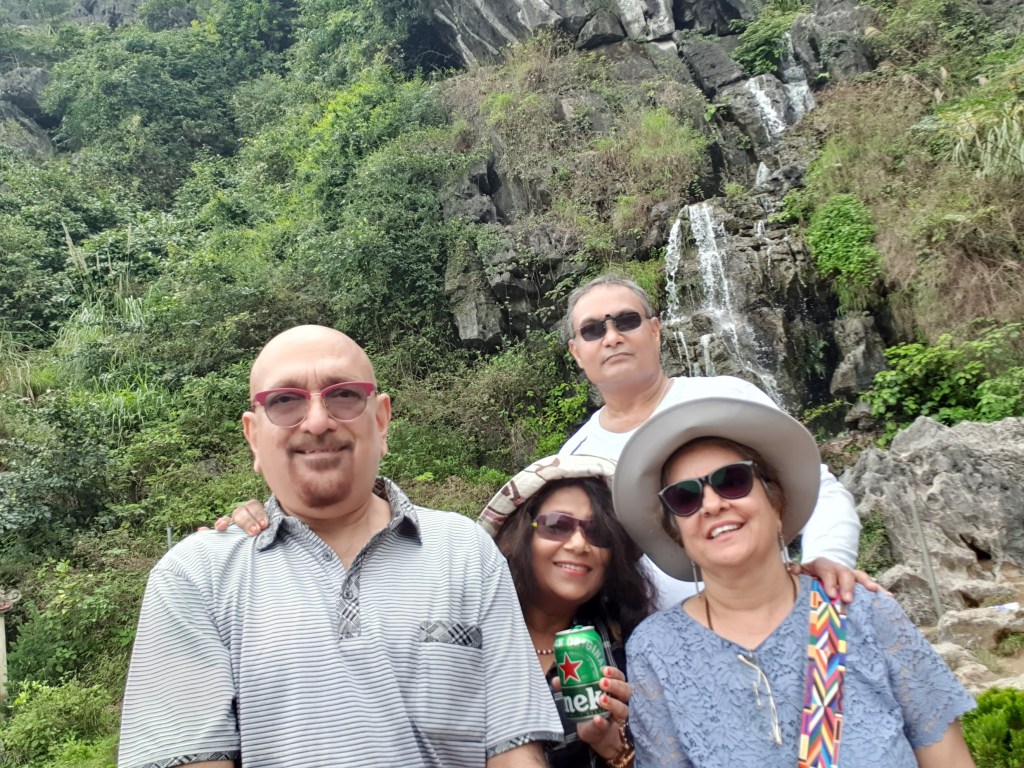
Our tour guide Quang, collected us from the Hanoi hotel, we enjoyed a scenic drive to Hoa Lu, where we visited two temples built in honour of the emperors Dinh and Le. We went to the Mua Cave, halfway up the hill. Revathi decided not to risk aggravating her knee problem – climbing to the top of the hill. Tukun had very prudently dropped out earlier. Yogi and the kids clambered to the top in no time, while it took a bit longer for me to haul my 100 kg to the top. I even made it to the absolute top but was prevented climbing the last couple of feet by a group of raucous young European kids, I had to be content with peering between two rocks to be recorded for posterity – you can see in one the photos below – taken by Quang, I am circled in red. From on the top, we could see all the way to Tam Coc, a stunning panoramic view of the countryside and the Ngo Dong river.
Lunch, was at a delightful Indian restaurant where we were served, hot steaming delicious dishes but in keeping with the ambiance and atmosphere we would have preferred a traditional Vietnamese lunch.
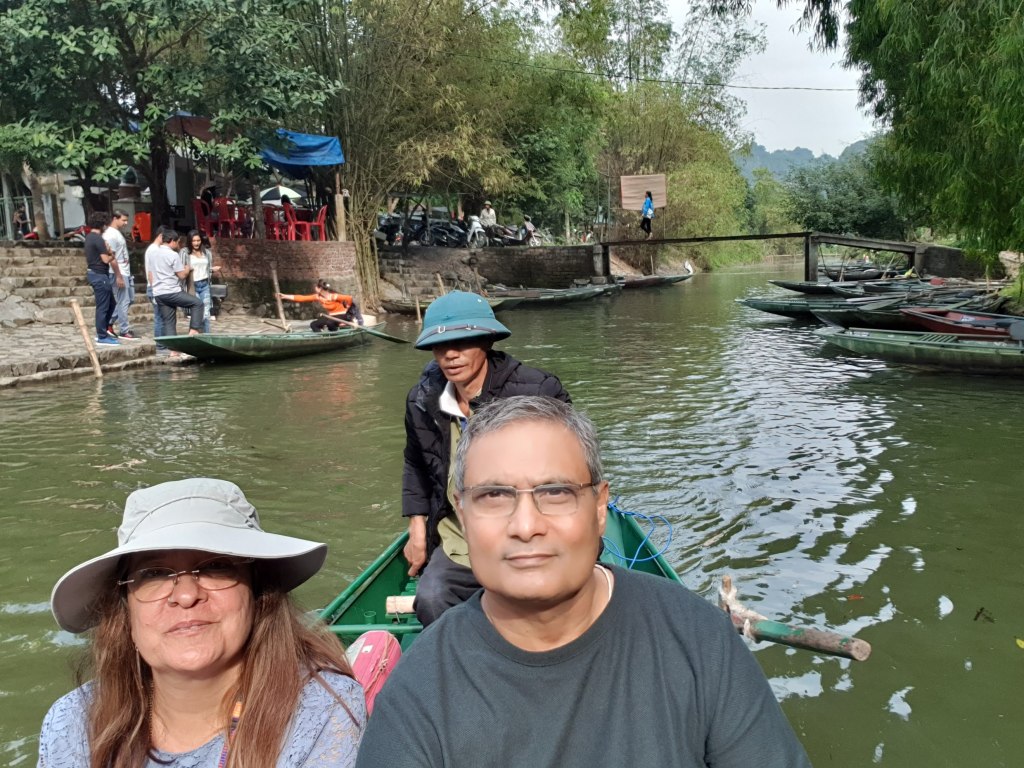
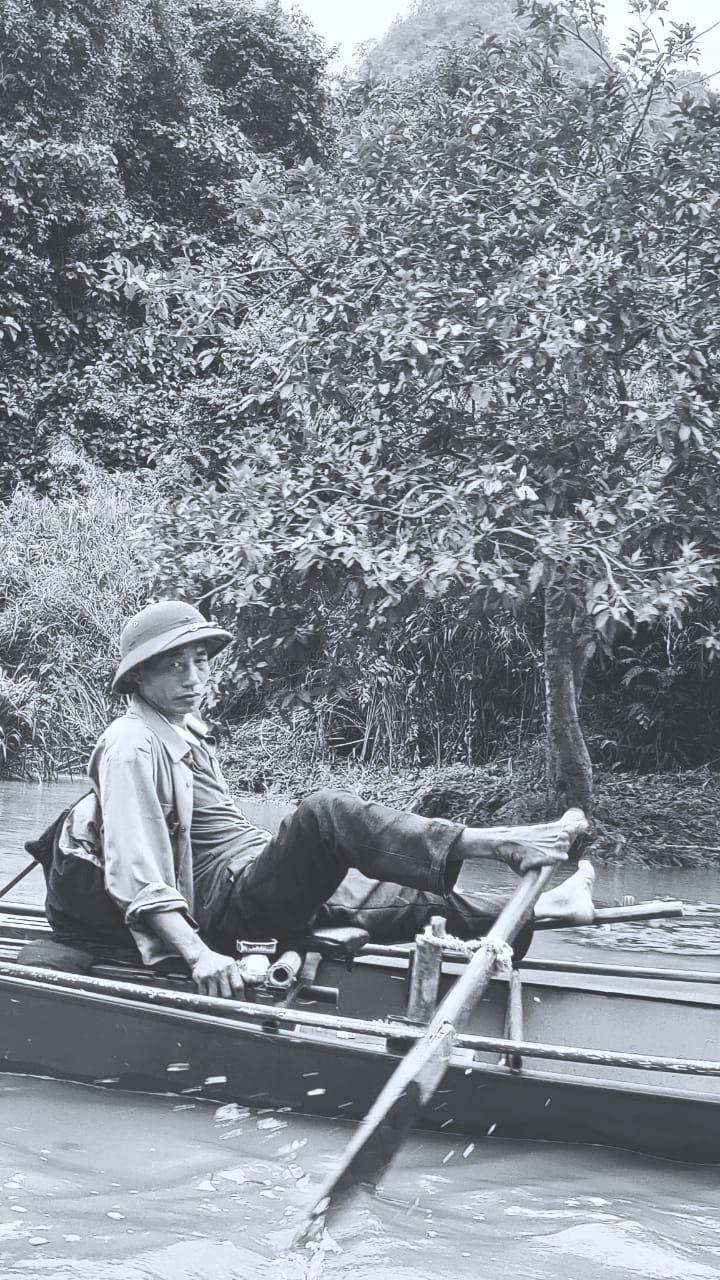
Post Lunch , we got into small boats (sampans), a unique feature being paddles operated by feet and not by hands. The ferryman’s job being one of equal opportunity – equal amount of male and female operators. The sampan took us through the scenic landscape of the heavily forested mountains, the fields in the triangle cups along the Ngo Dong river. There was also an option (that we did not exercise) of cycling for half an hour on quiet roads through villages, rice fields, rivers and rocky outcrops inside the village.
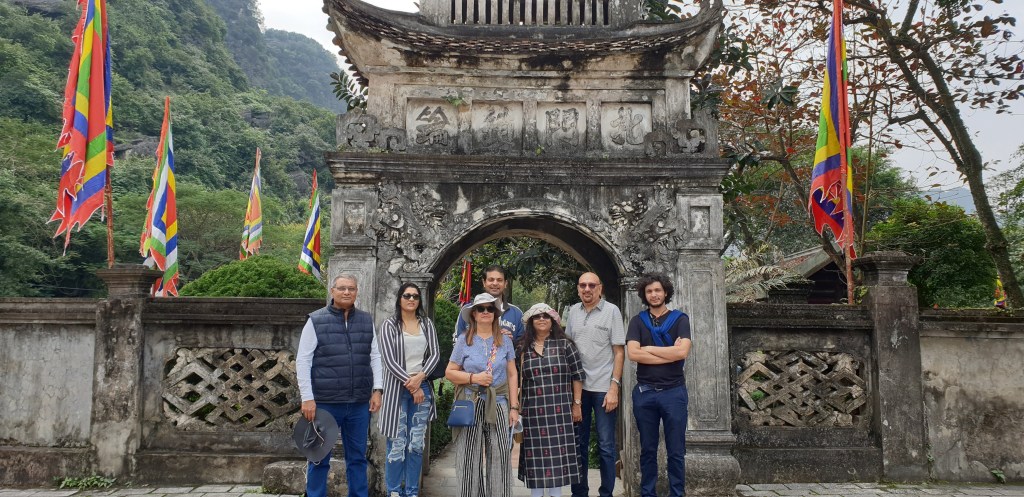
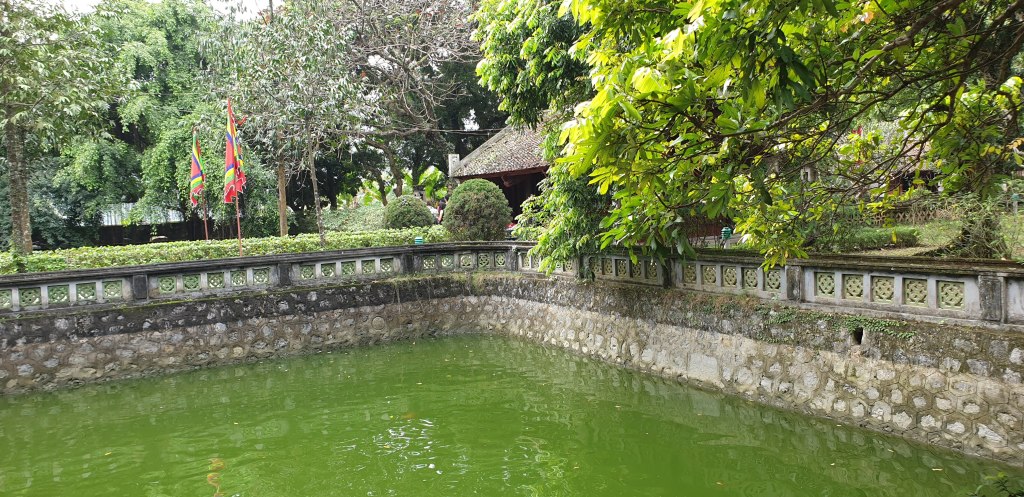
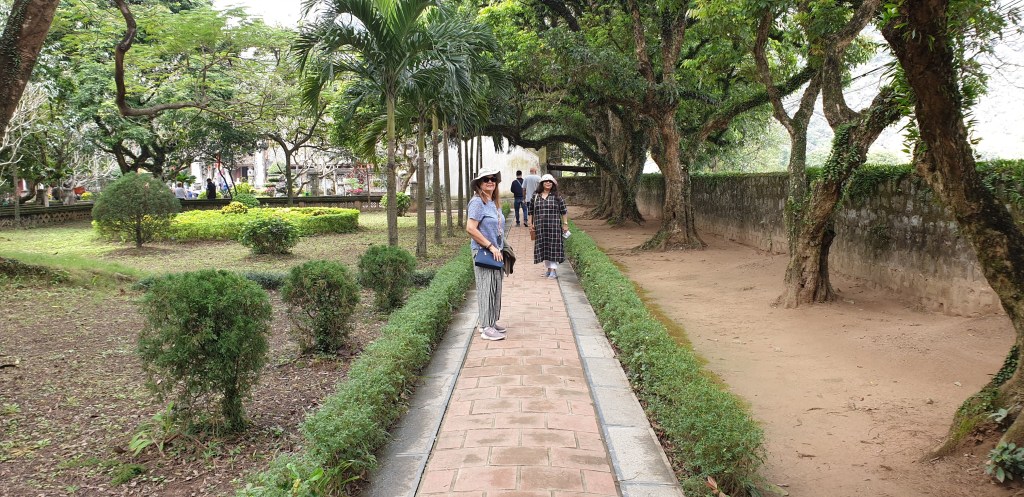
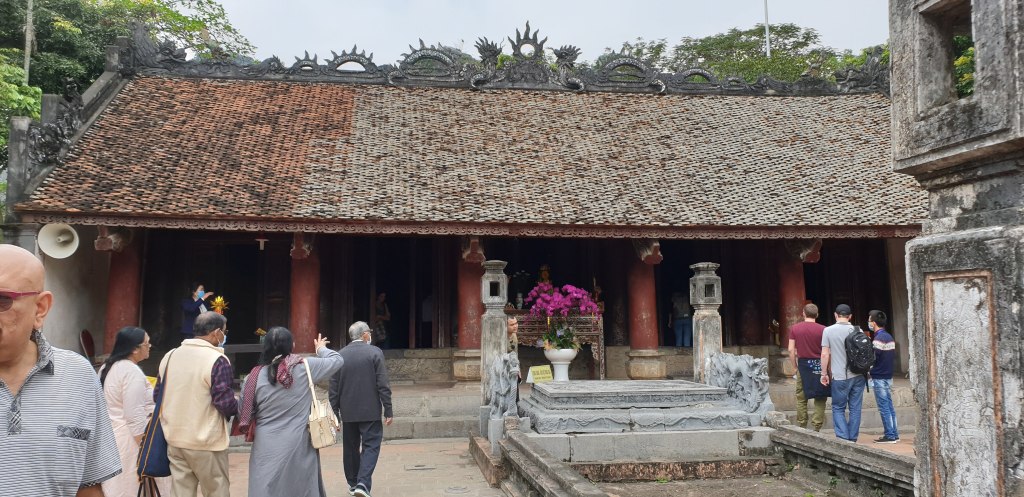
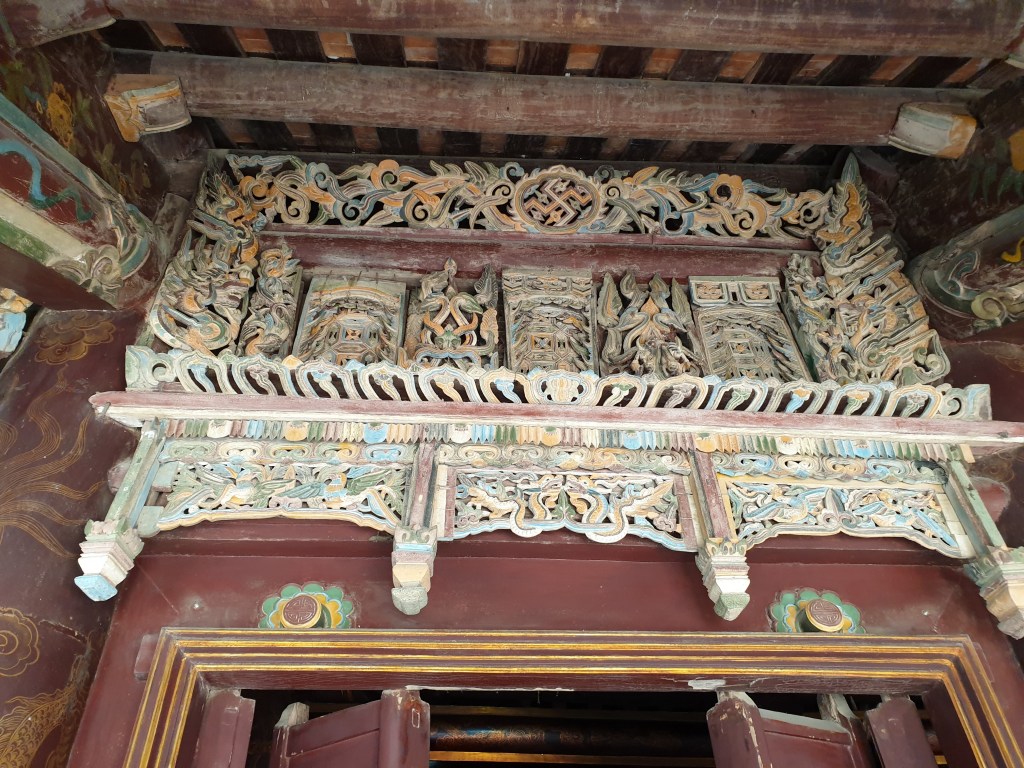
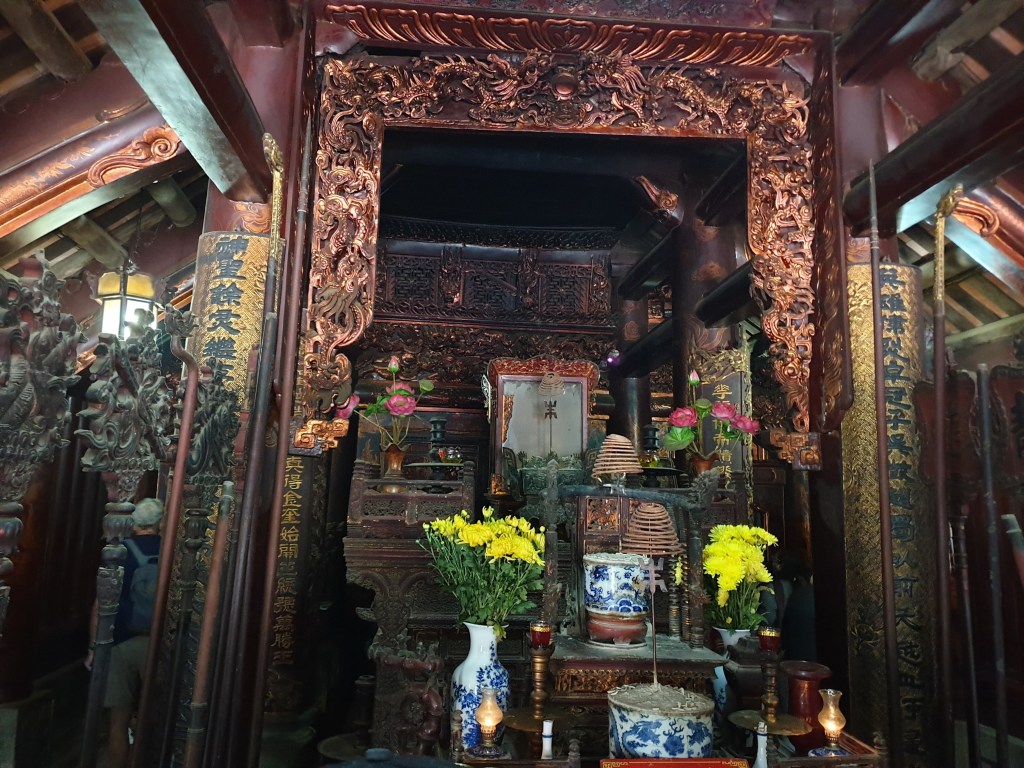
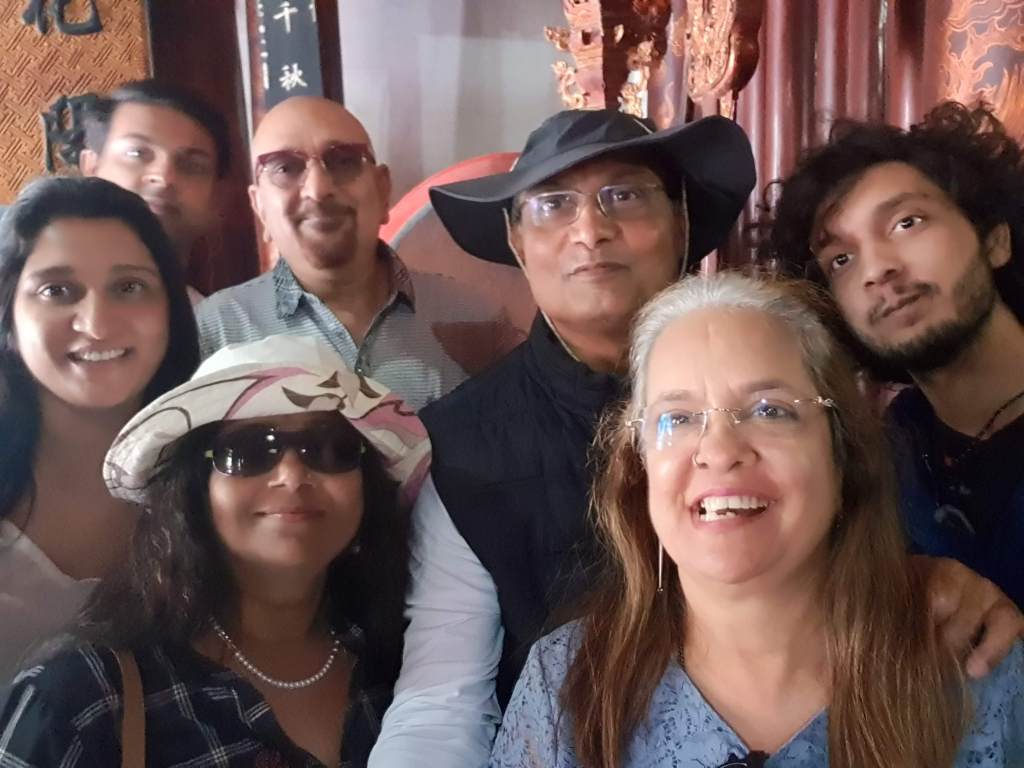
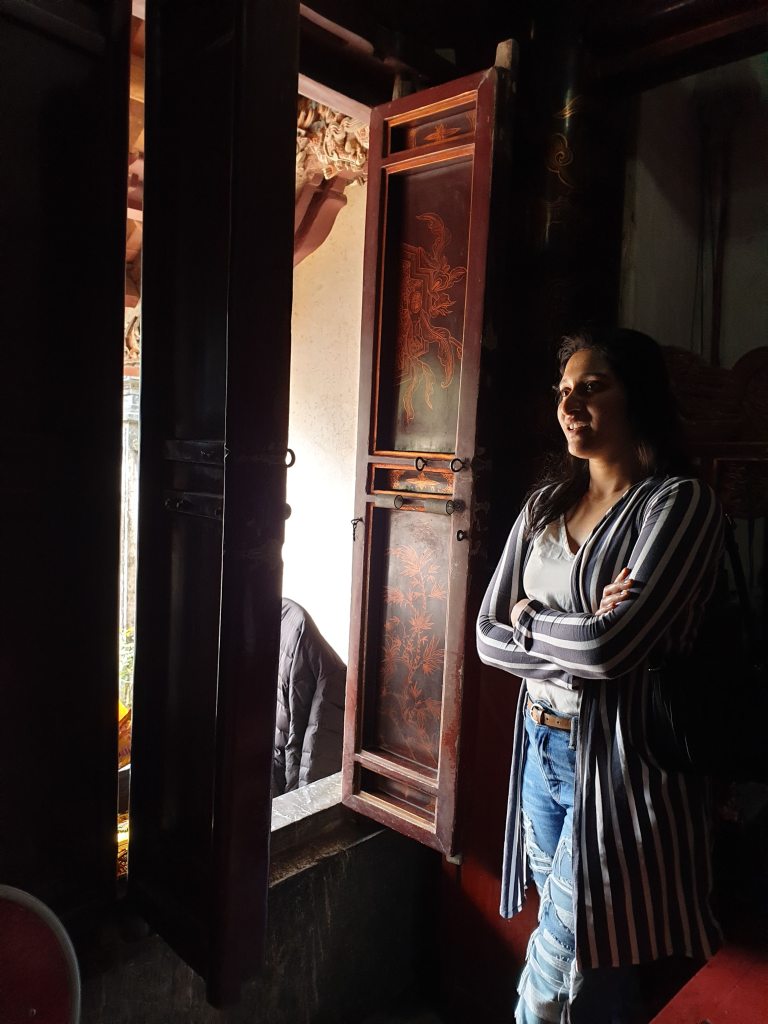
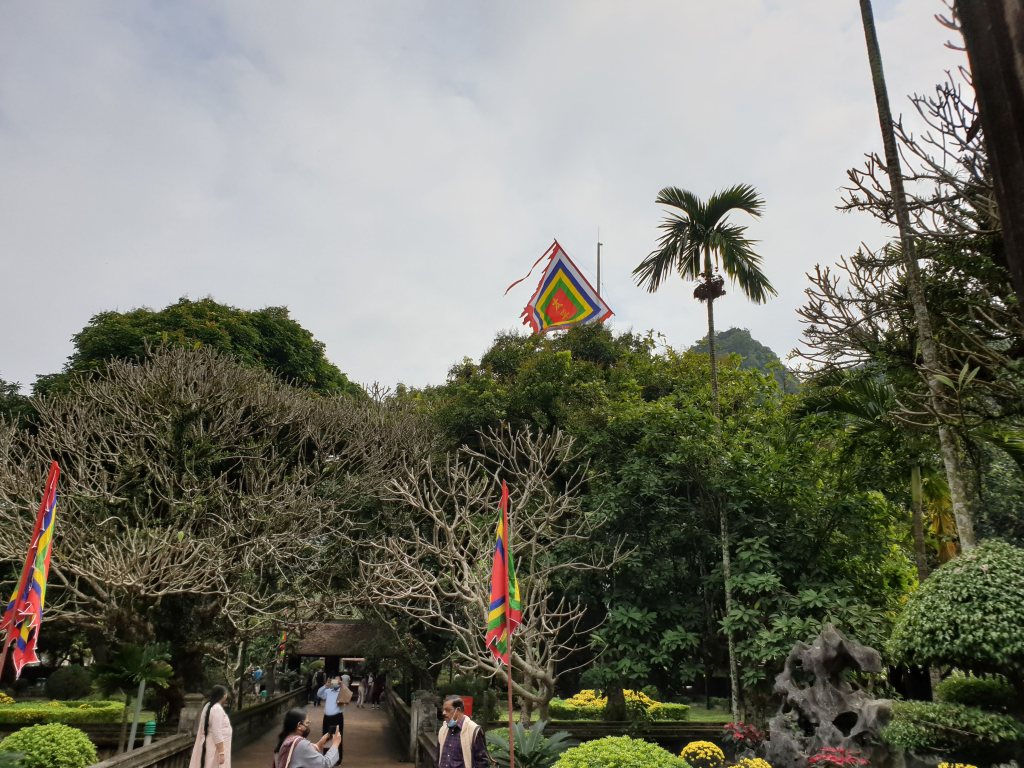
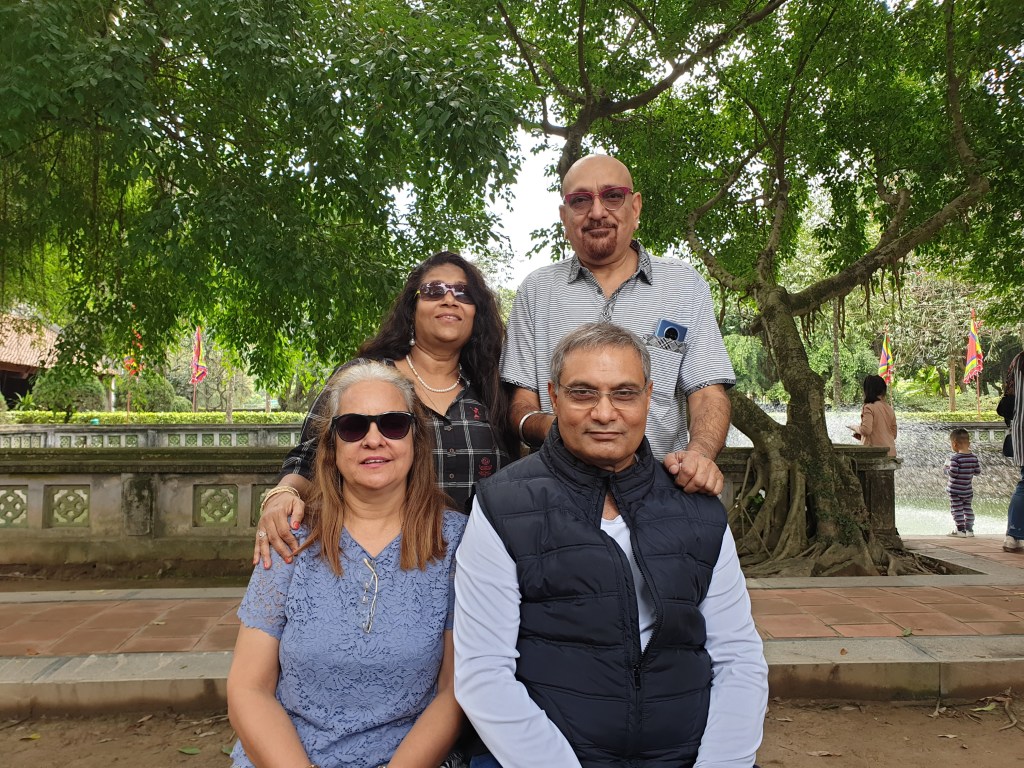
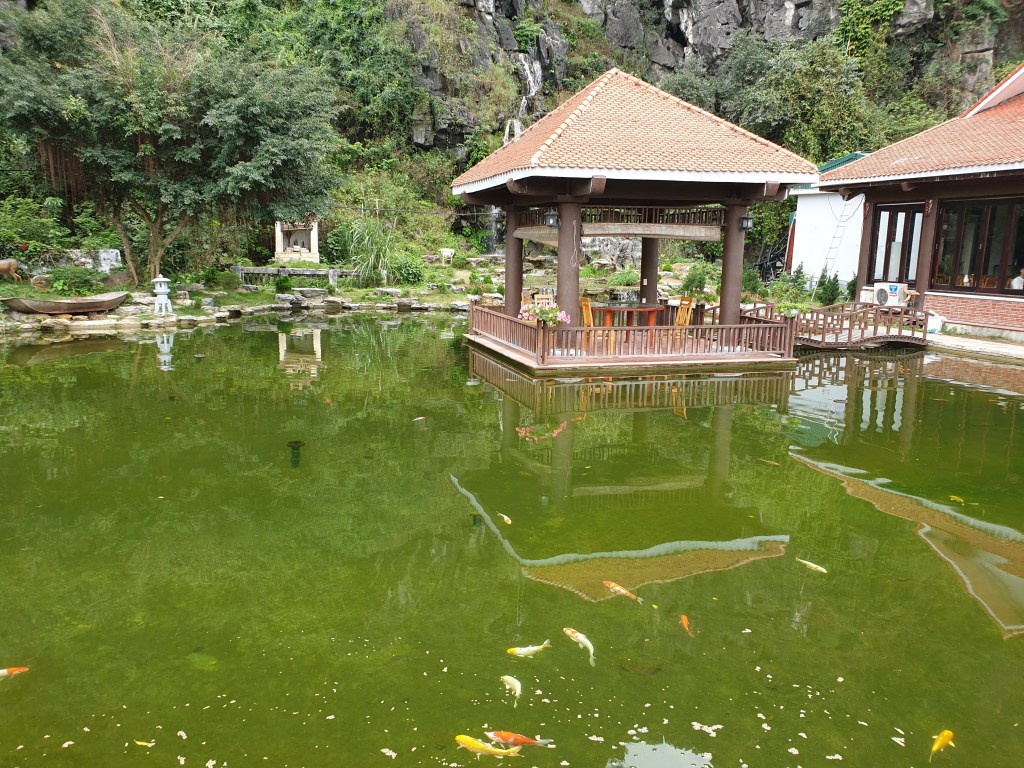
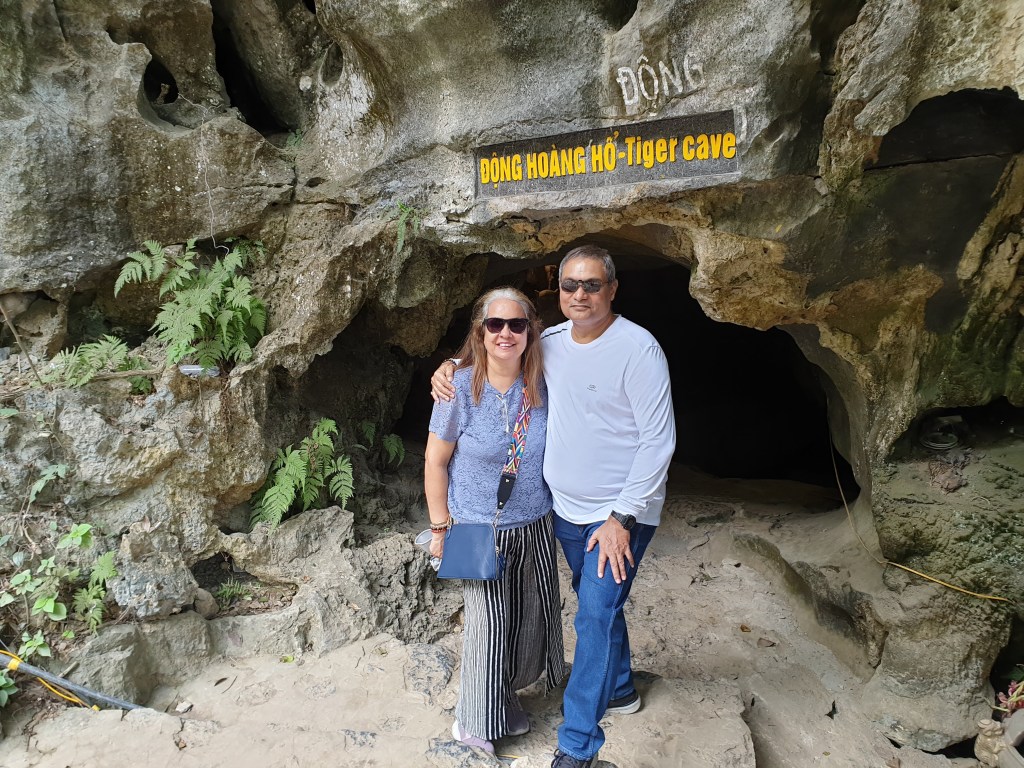

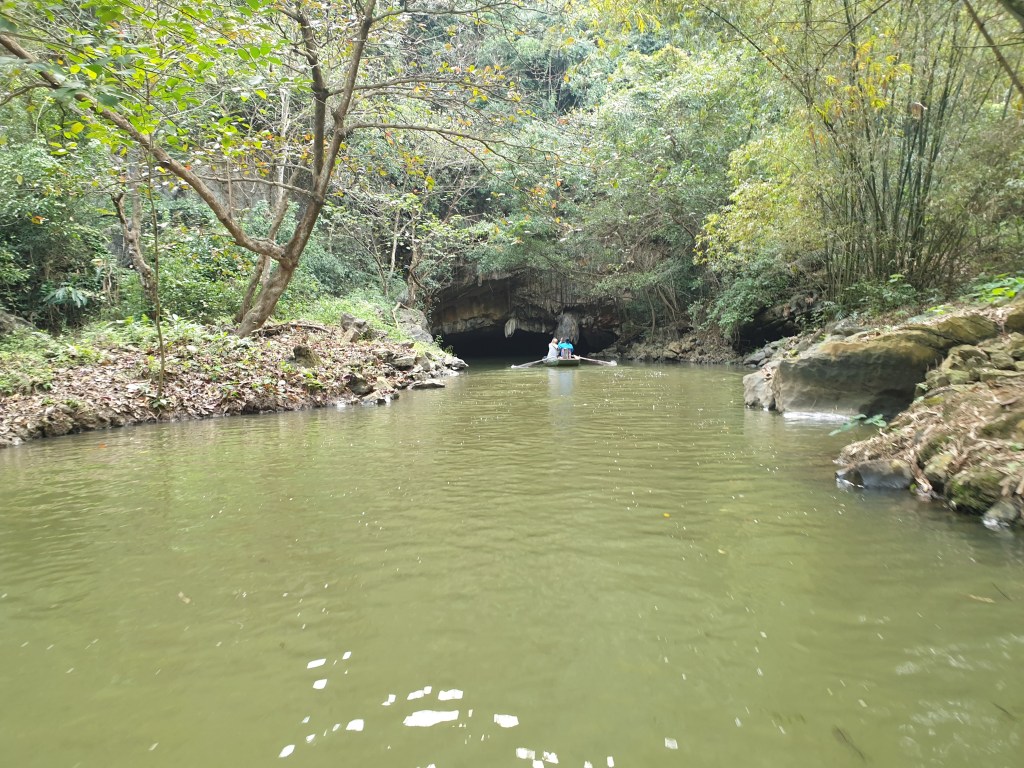
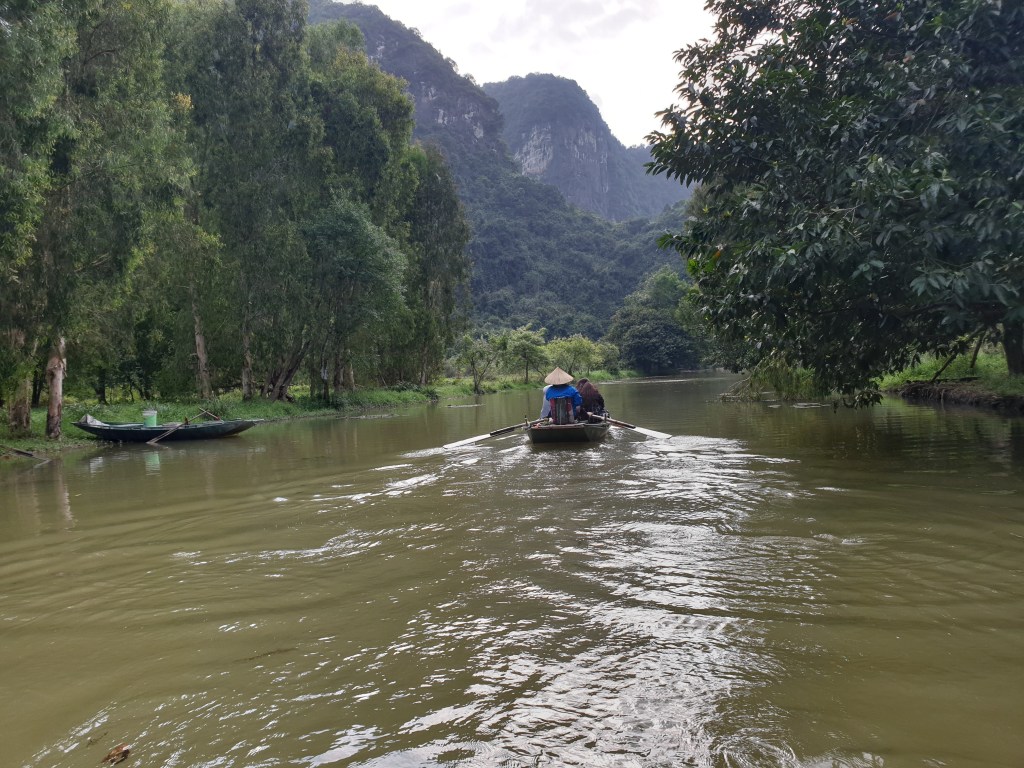
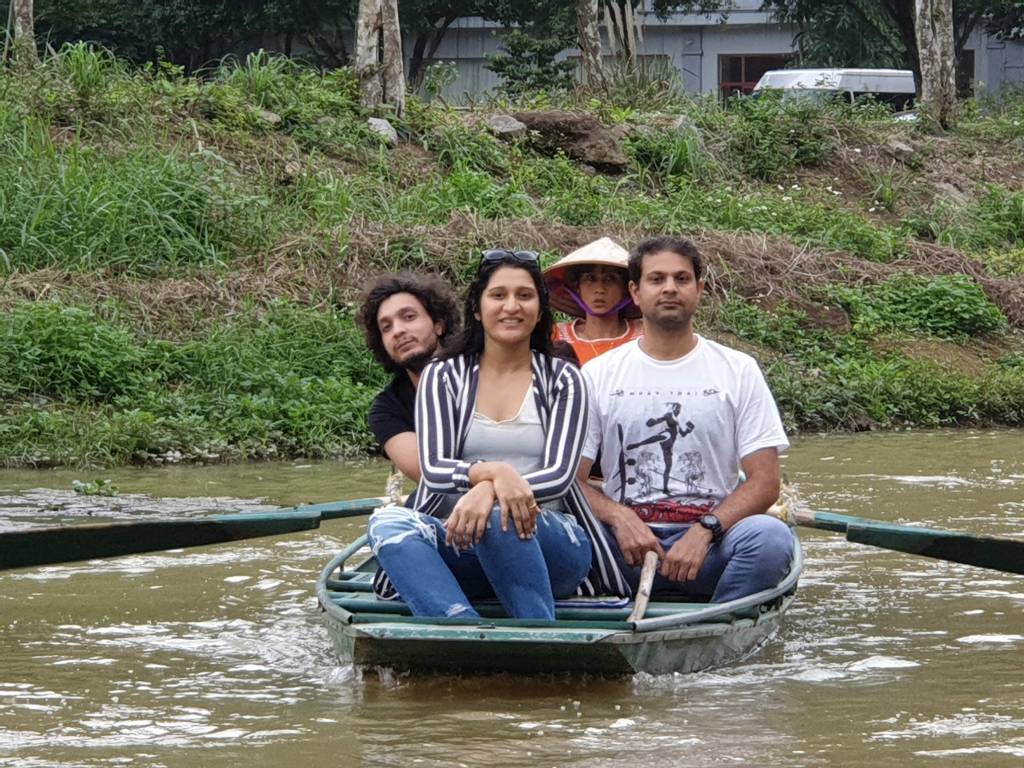
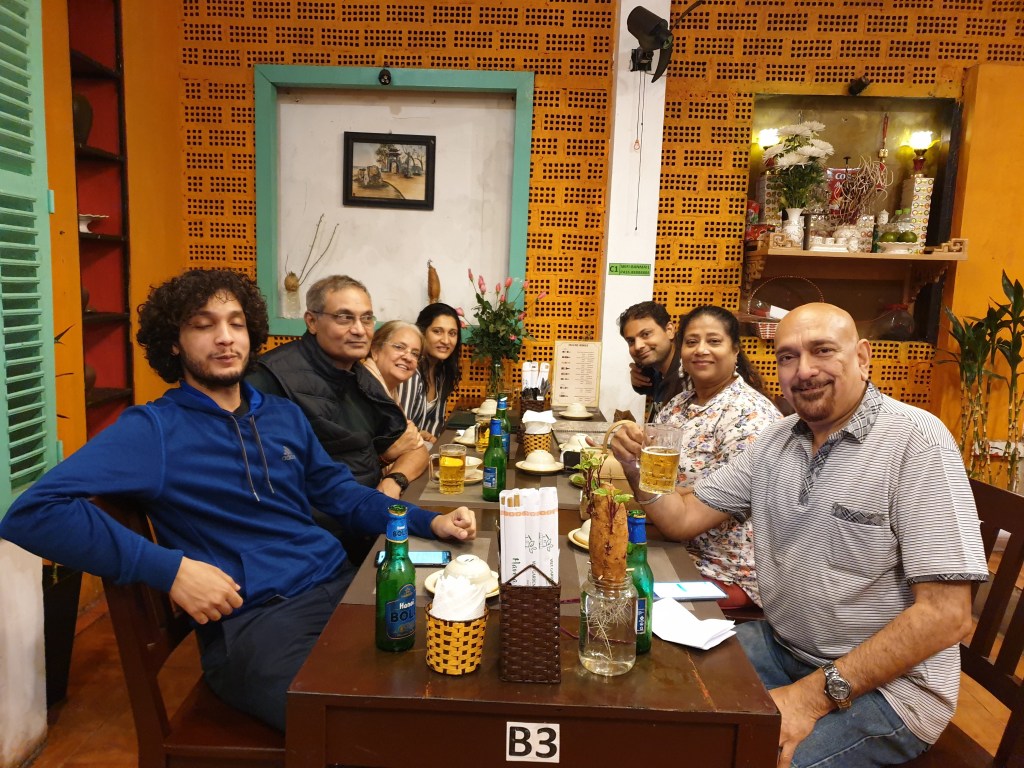
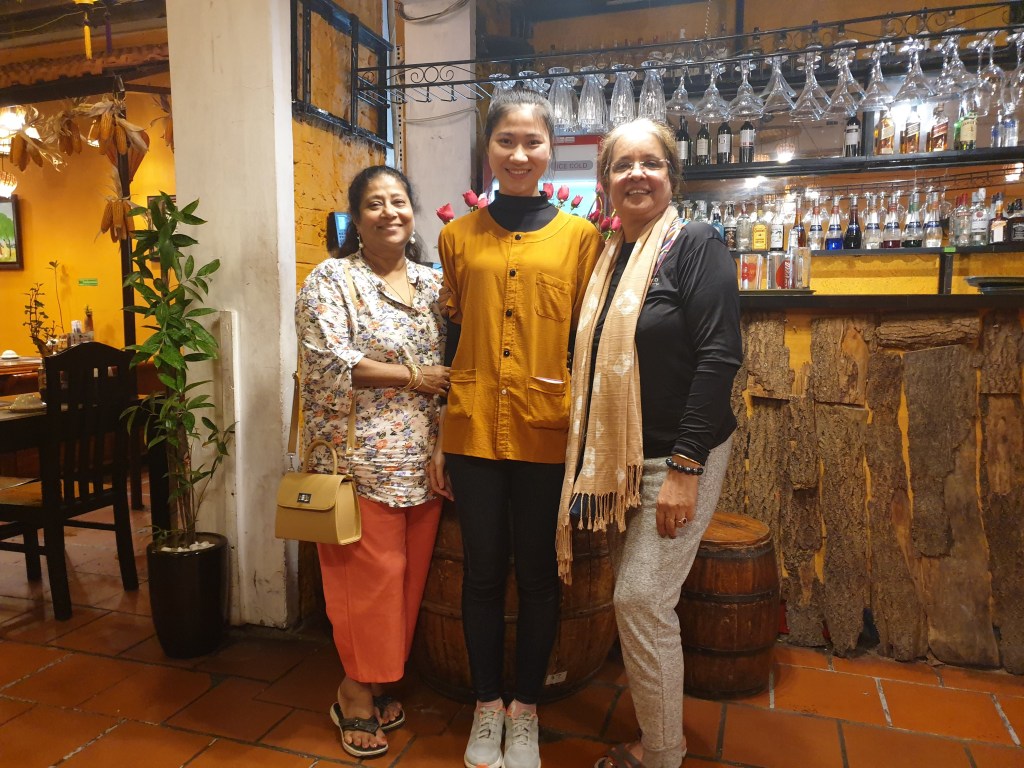
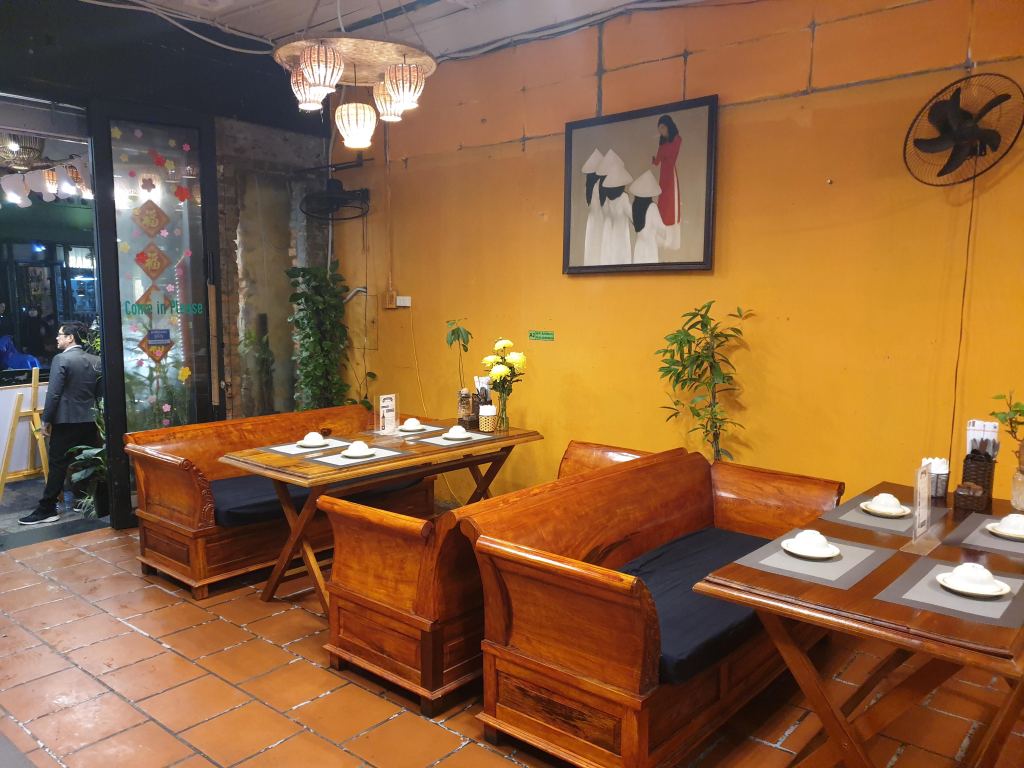
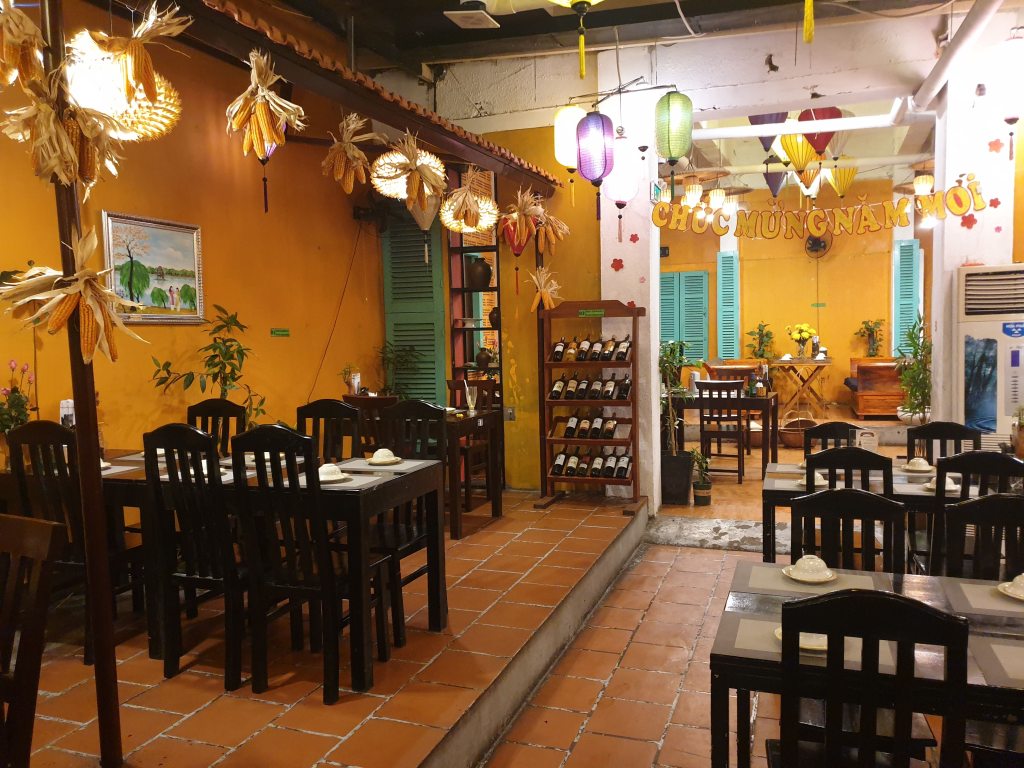
We had dinner in another delightful Vietnamese Hotel – the Garden House, we located this through the trip advisor, I have written a review for this restaurant – the ambiance, food and service was amazing.
DAY 3 & DAY 4
After breakfast, we boarded a Bus to Halong Bay, for an overnight cruise.
Hạ Long Bay, in northeast Vietnam, is known for its emerald waters and thousands of towering limestone islands topped by rain-forests. Junk boat tours and sea kayak expeditions take visitors past islands named for their shapes, including Stone Dog and Teapot islets. The region is popular for scuba diving, rock climbing and hiking, particularly in mountainous Cát Bà National Park.
The bay consists of a dense cluster of some 1,600 limestone monolithic islands each topped with thick jungle vegetation, rising spectacularly from the ocean. Several of the islands are hollow, with enormous caves. Hang Dau Go (Wooden Stakes cave) is the largest grotto in the Ha Long area. French tourists visited in the late 19th century, and named the cave “Grotte des Merveilles”. Its three large chambers contain large numerous stalactites and stalagmites (as well as 19th-century French graffiti). There are two bigger islands, Tuần Châu and Cát Bà, that have permanent inhabitants, as well as tourist facilities including hotels and beaches. There are a number of beautiful beaches on the smaller islands.
It was a beautiful four hour drive to reach the jetty, where we boarded a tug to reach the designated cruise vessel SAPPHIRE.
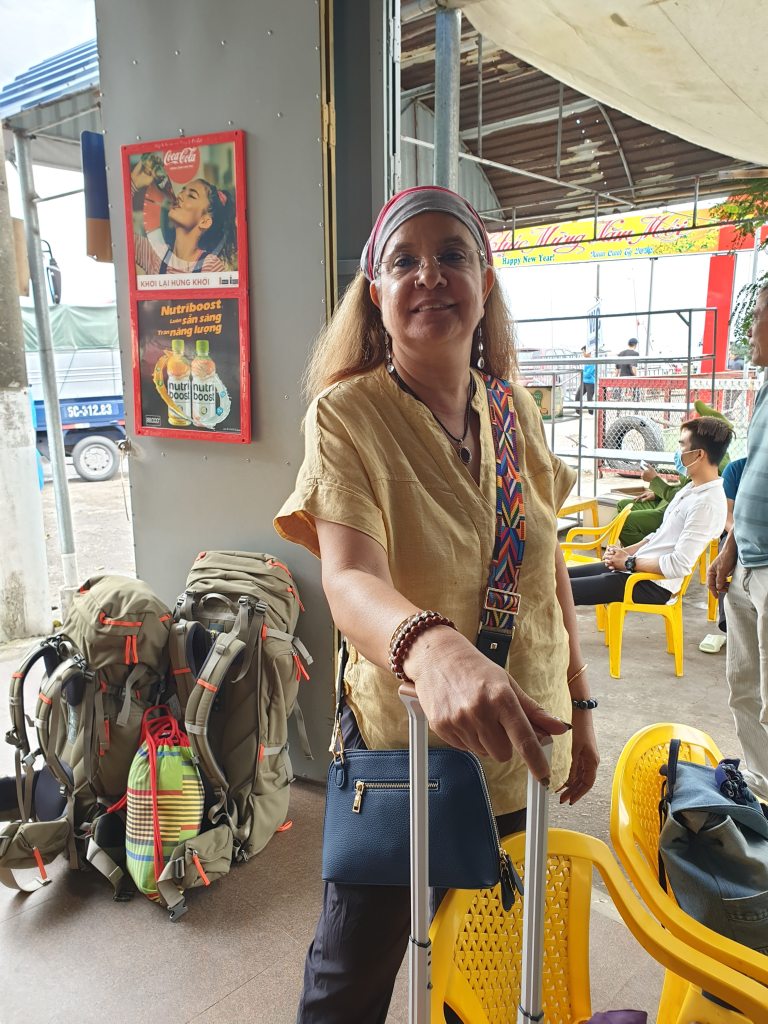
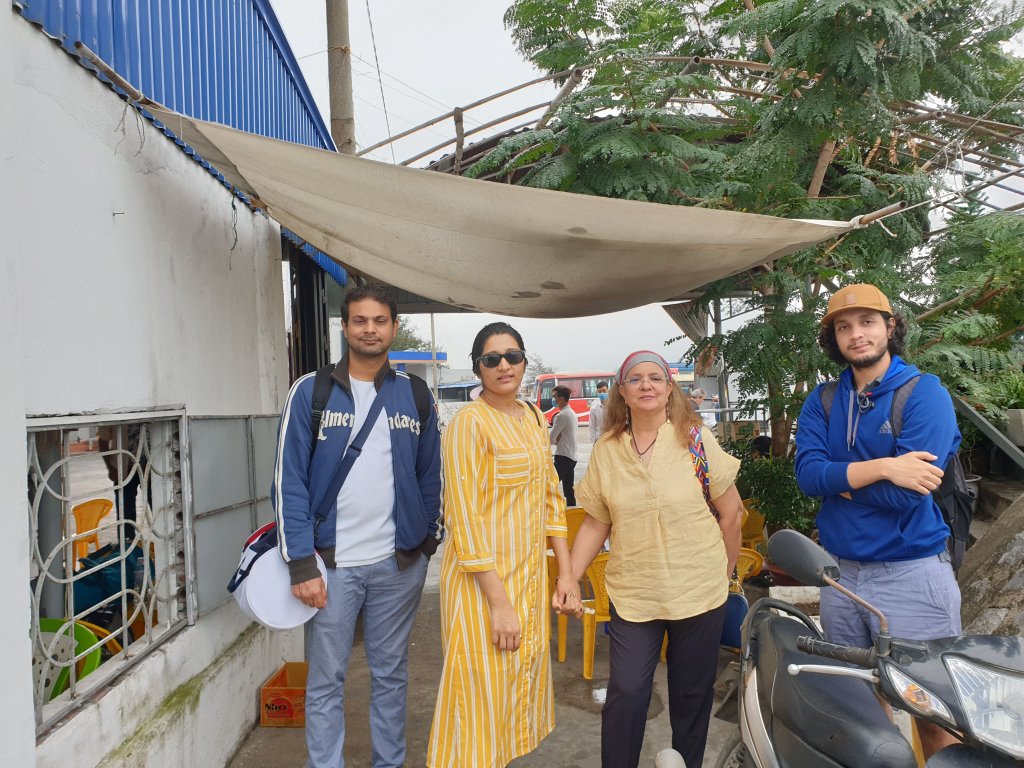
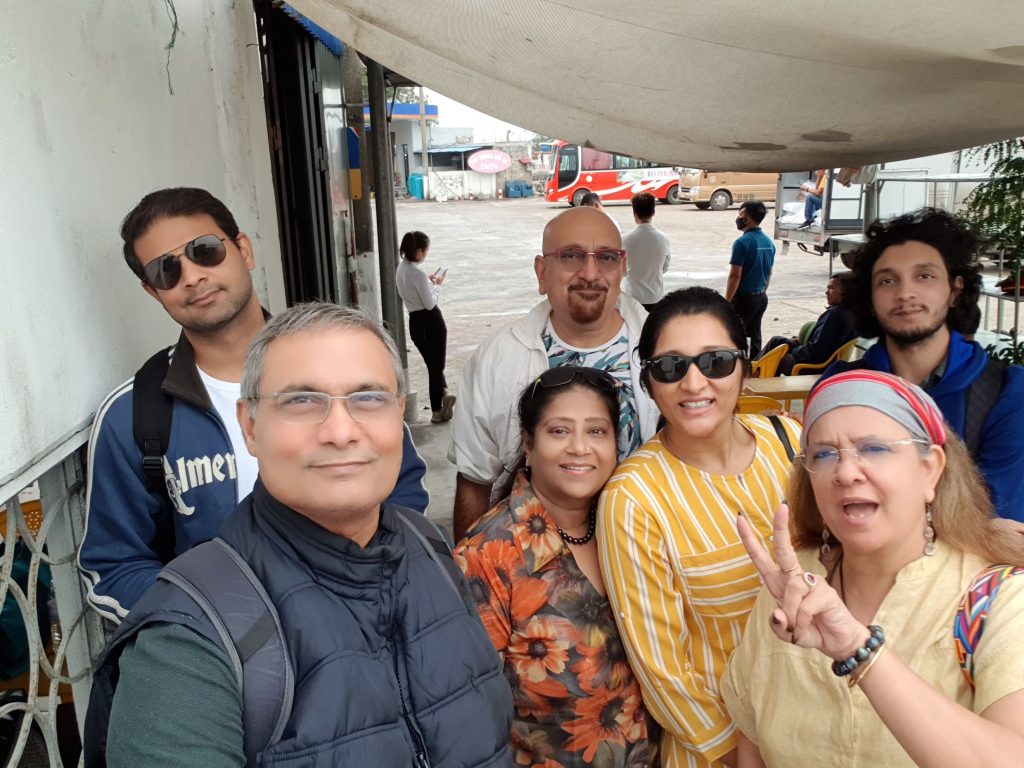

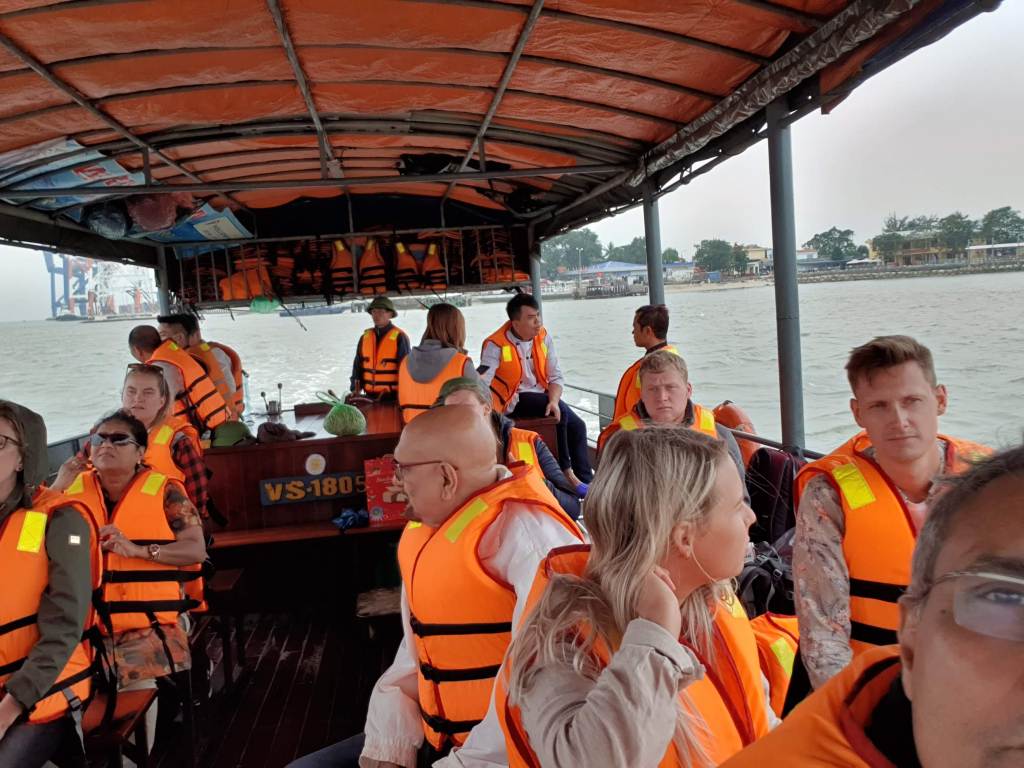
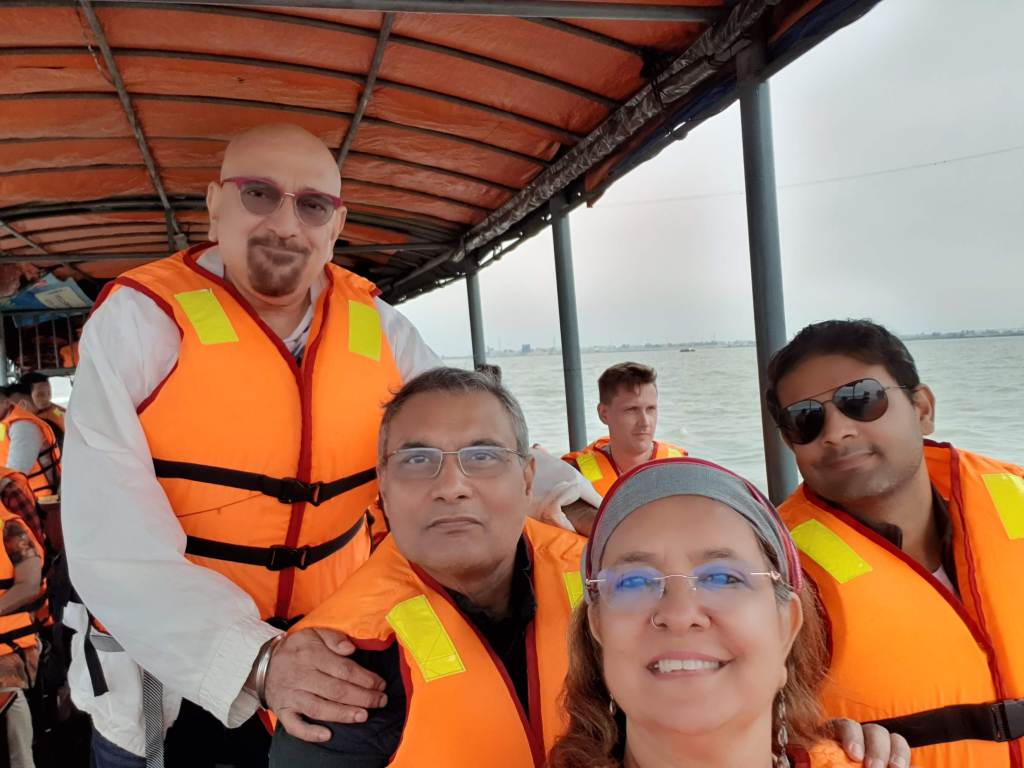

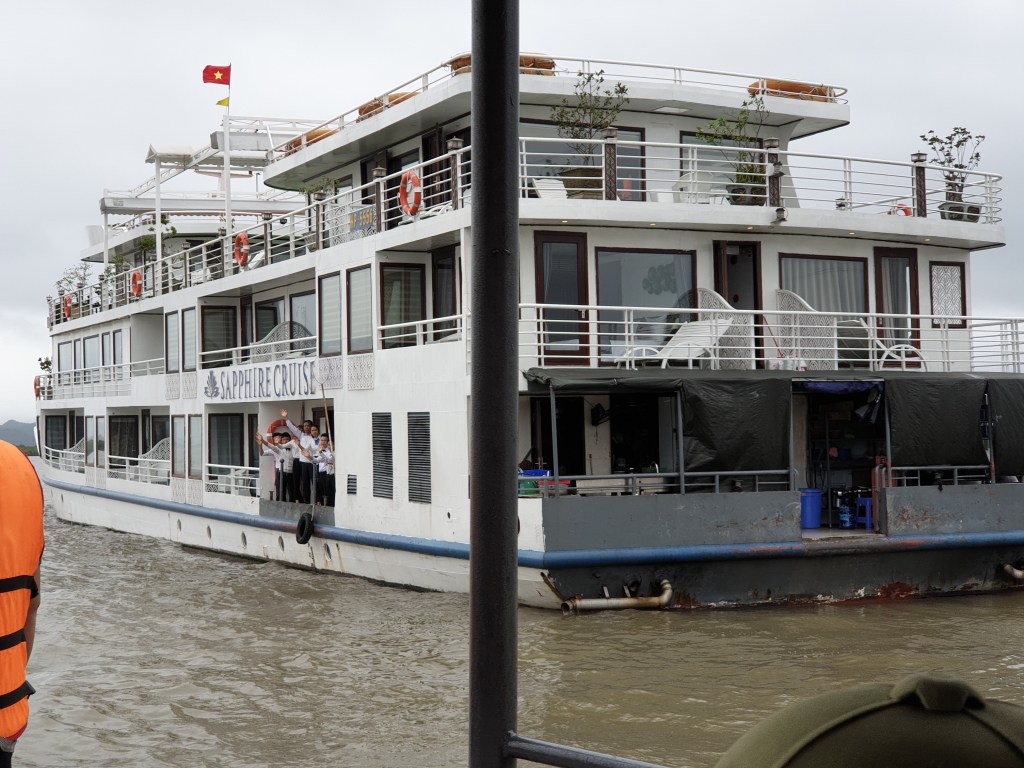
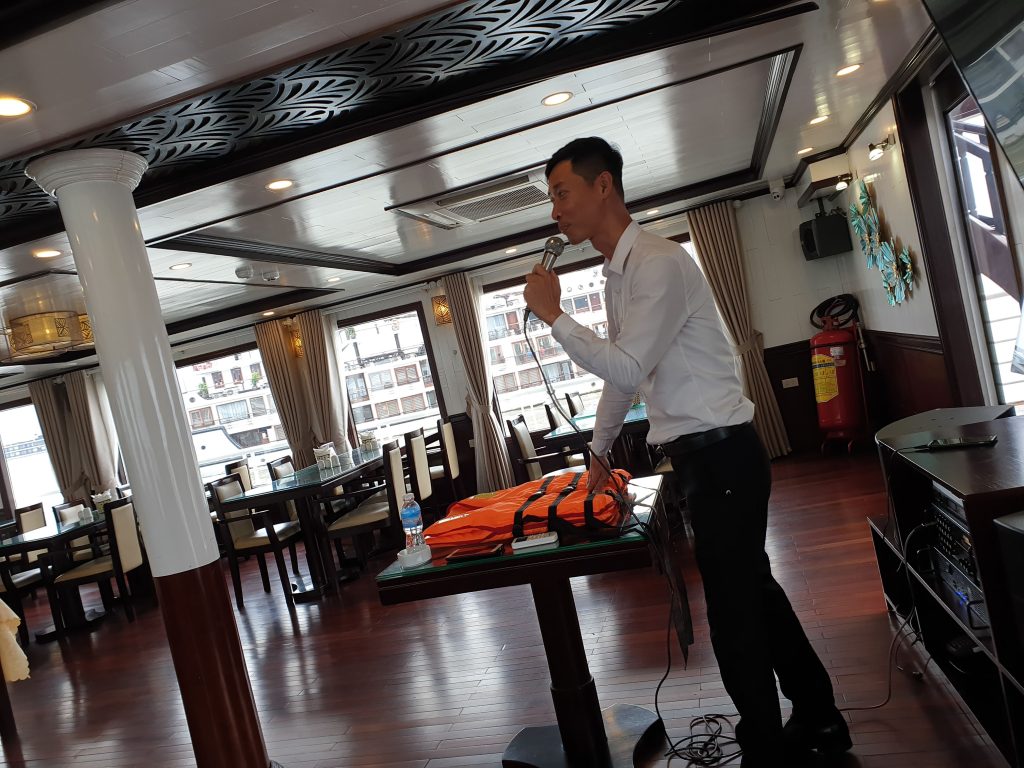
The cruise vessel SAPPHIRE lived up to our expectations, the vessel was clean, well maintained and the crew were well trained and friendly.
The cruise manager, Mr Loi, introduced us to vessel and crew and our program while on board.
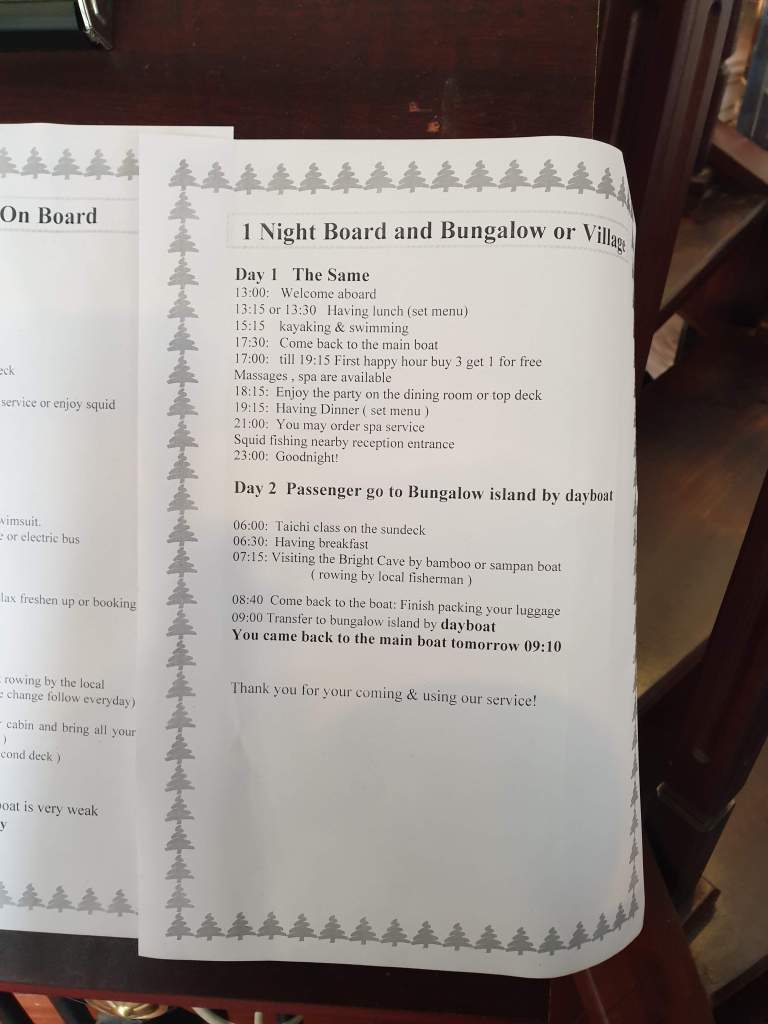
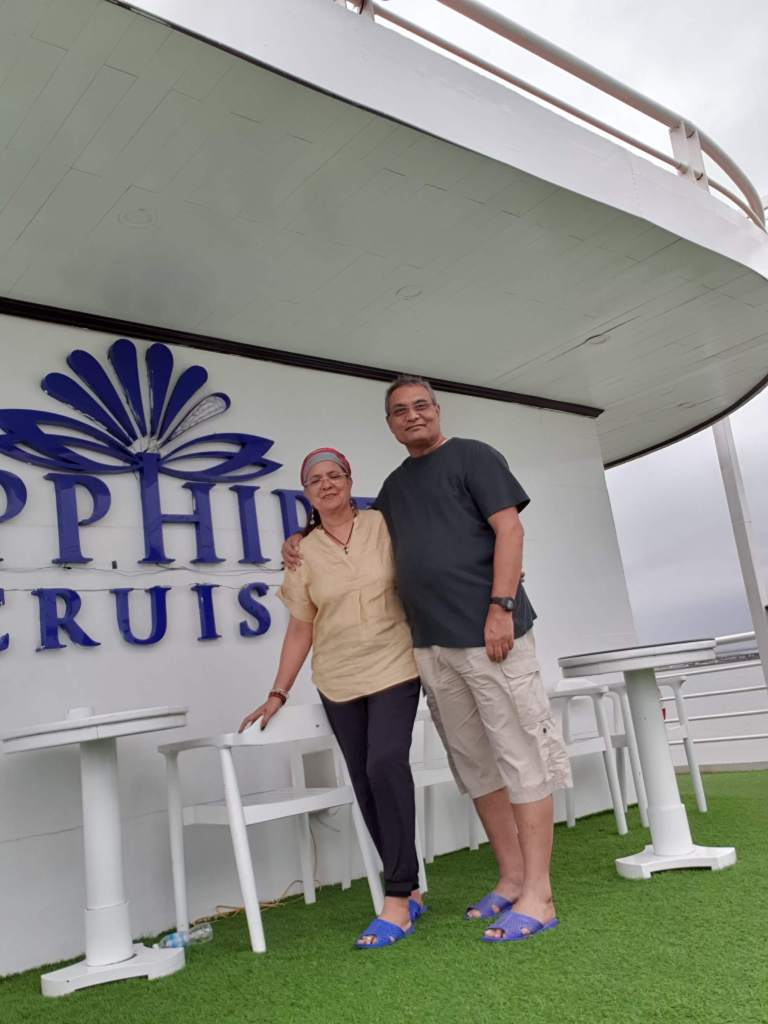
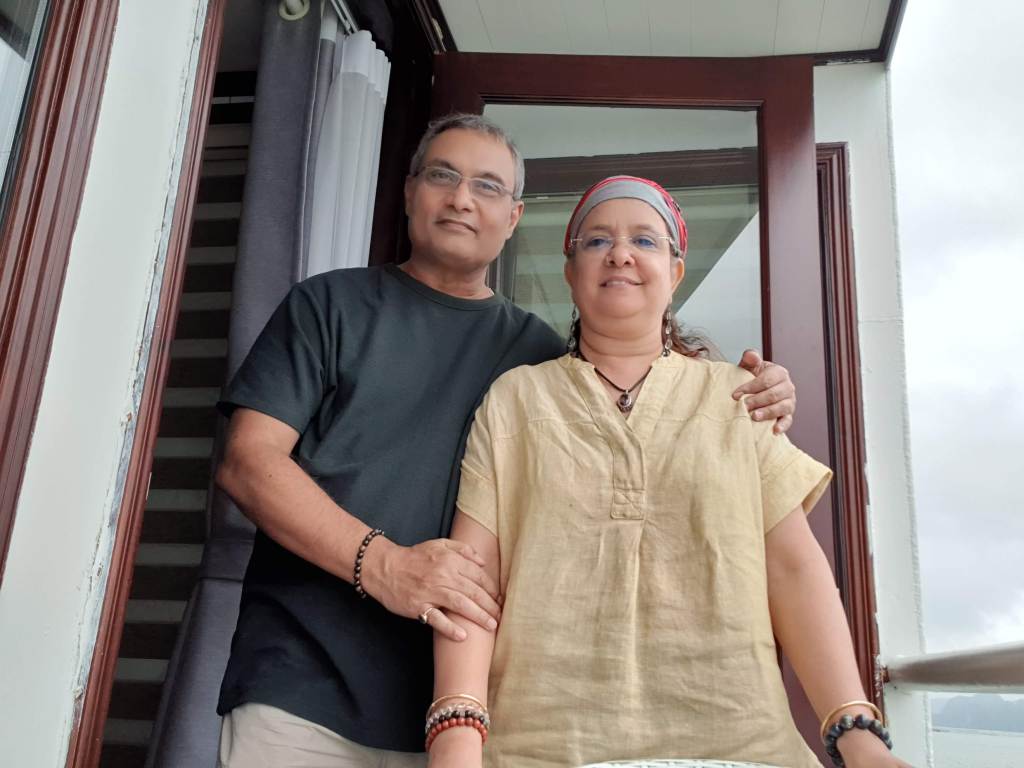
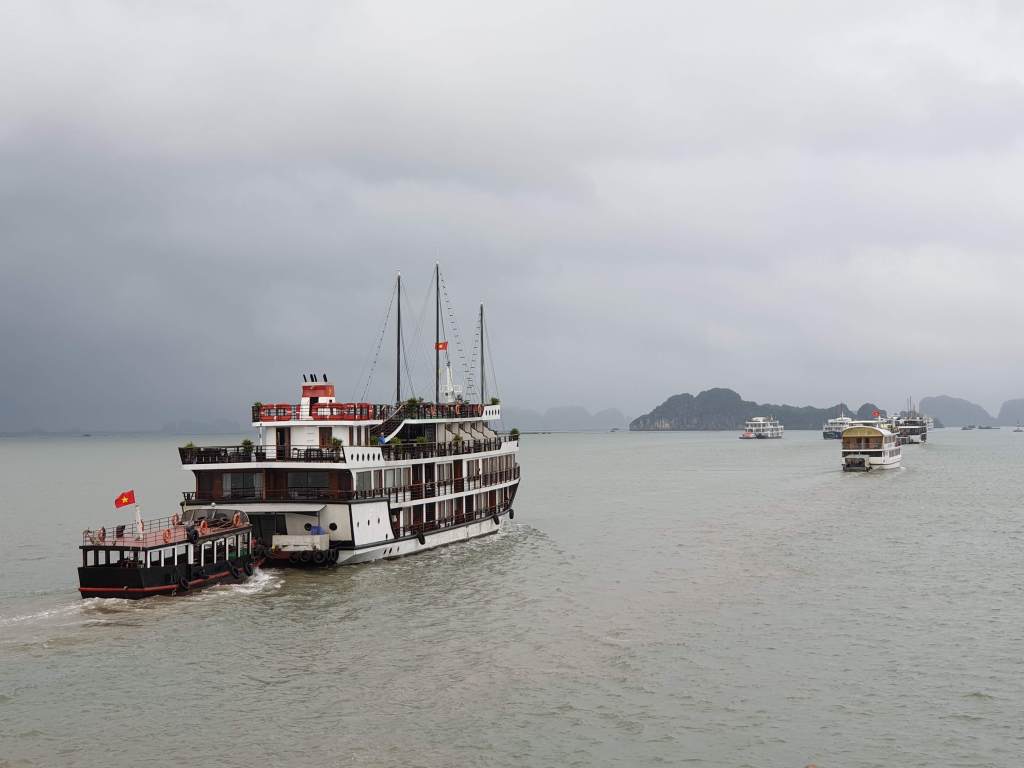
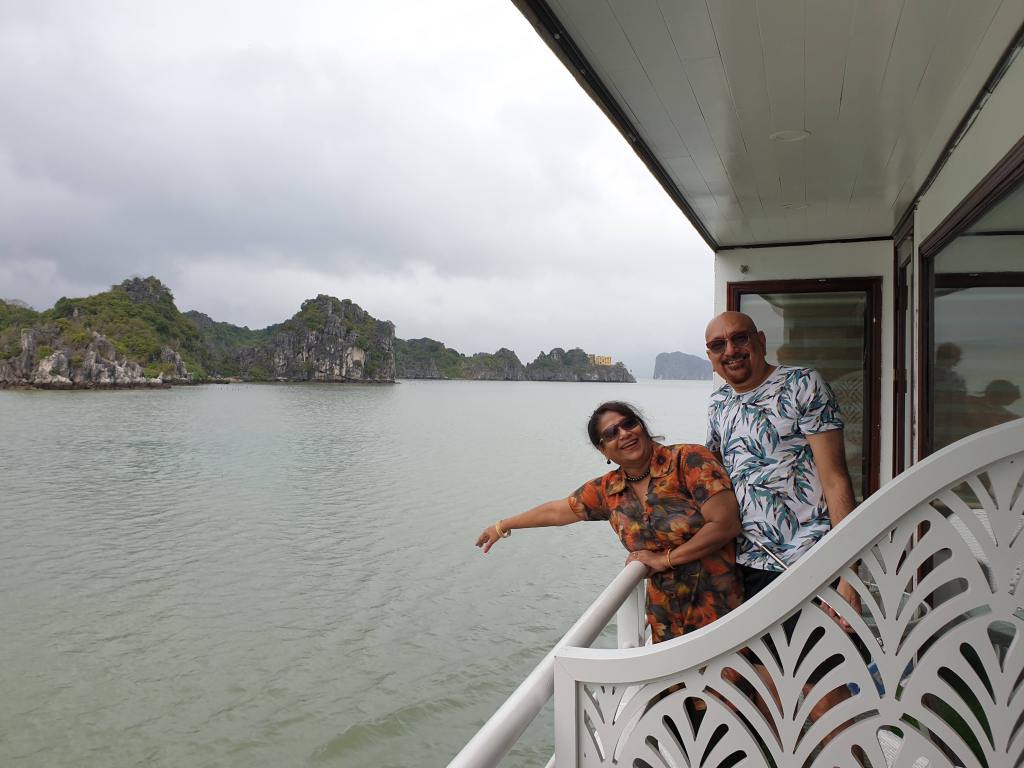
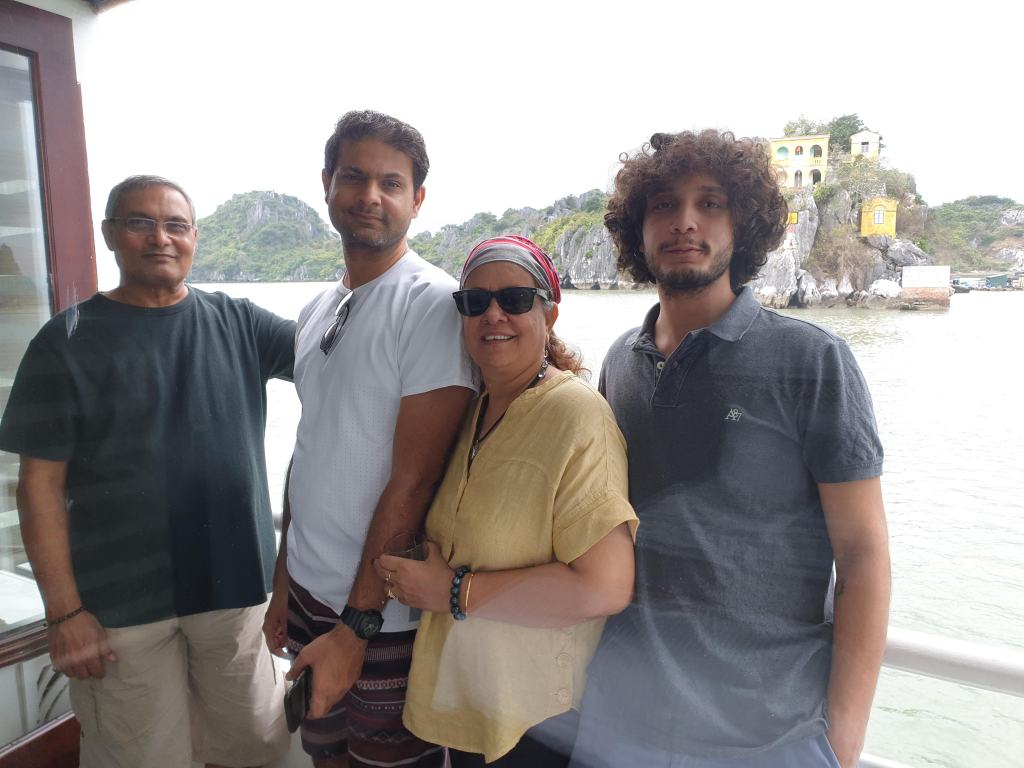
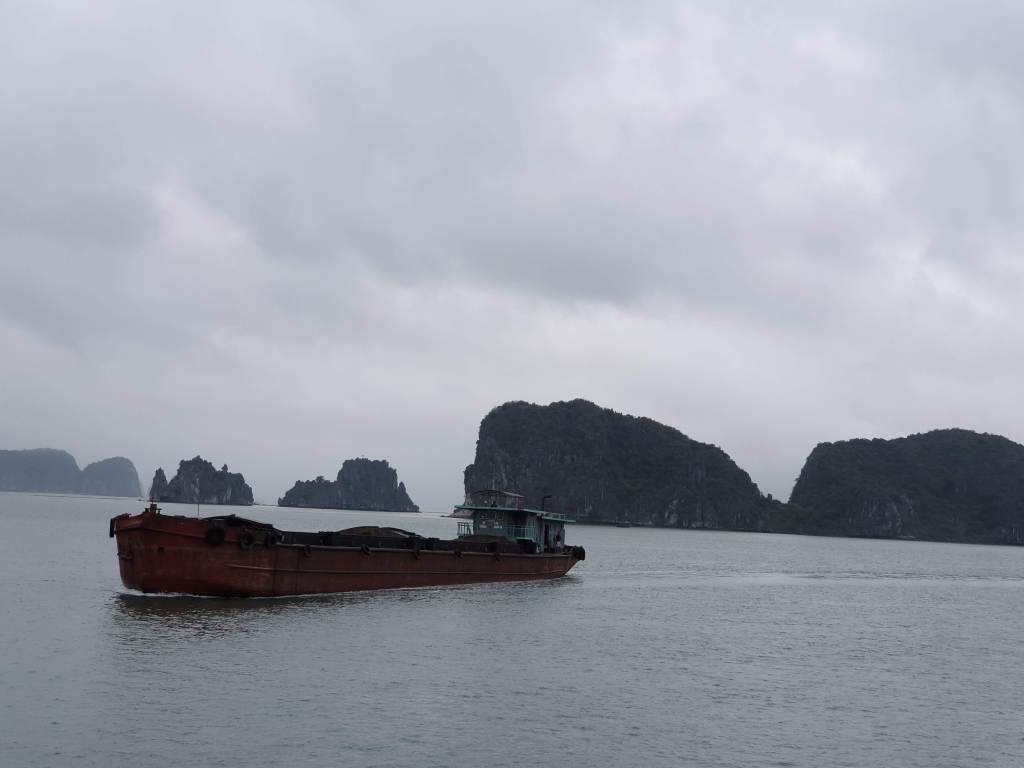
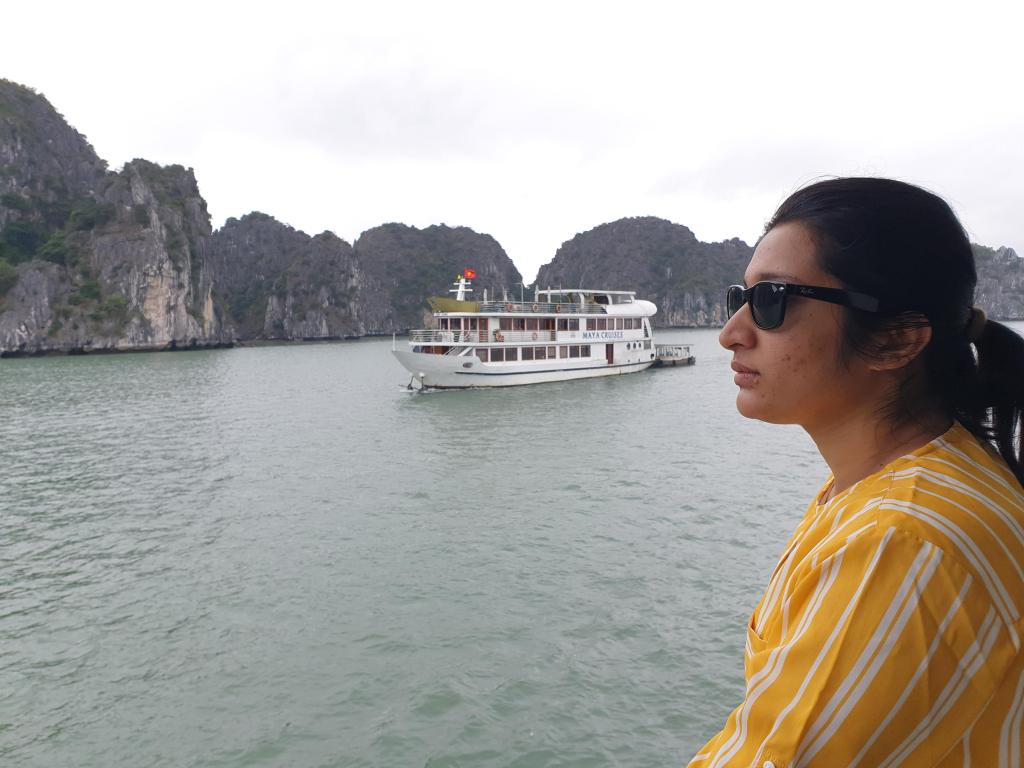
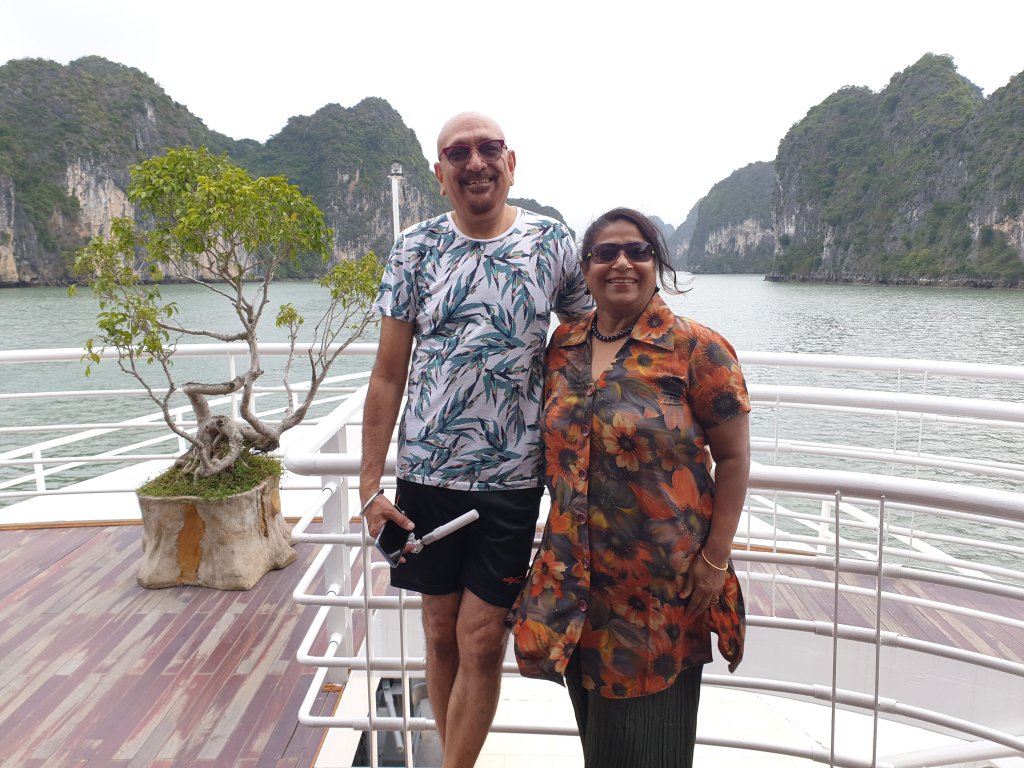
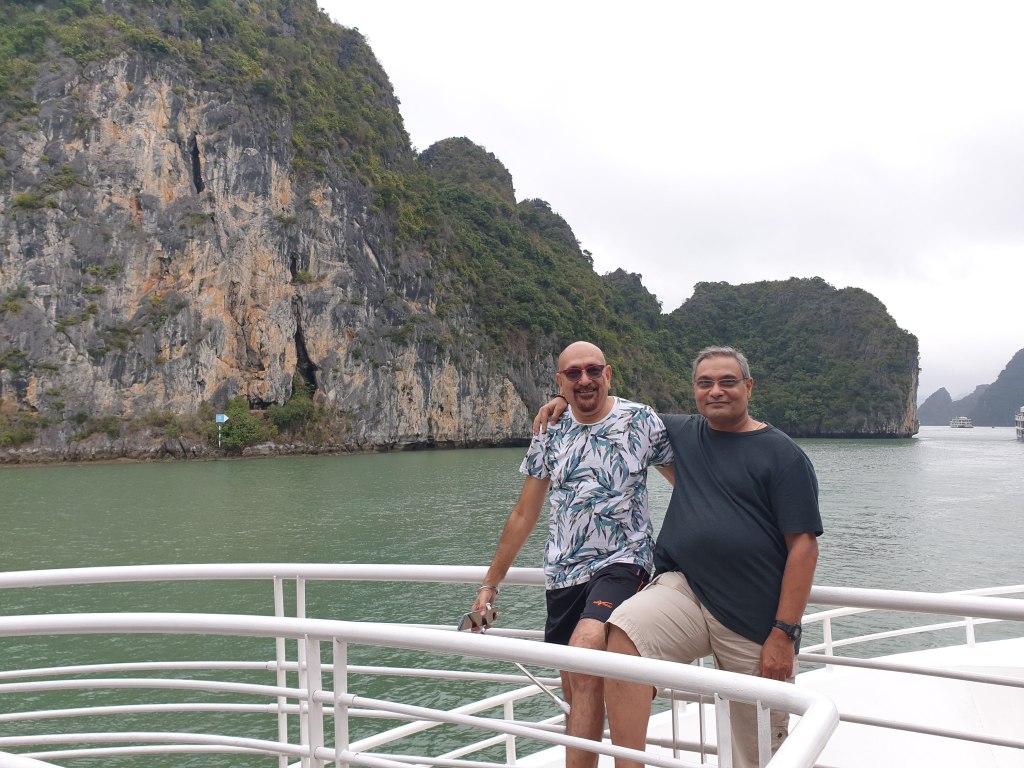
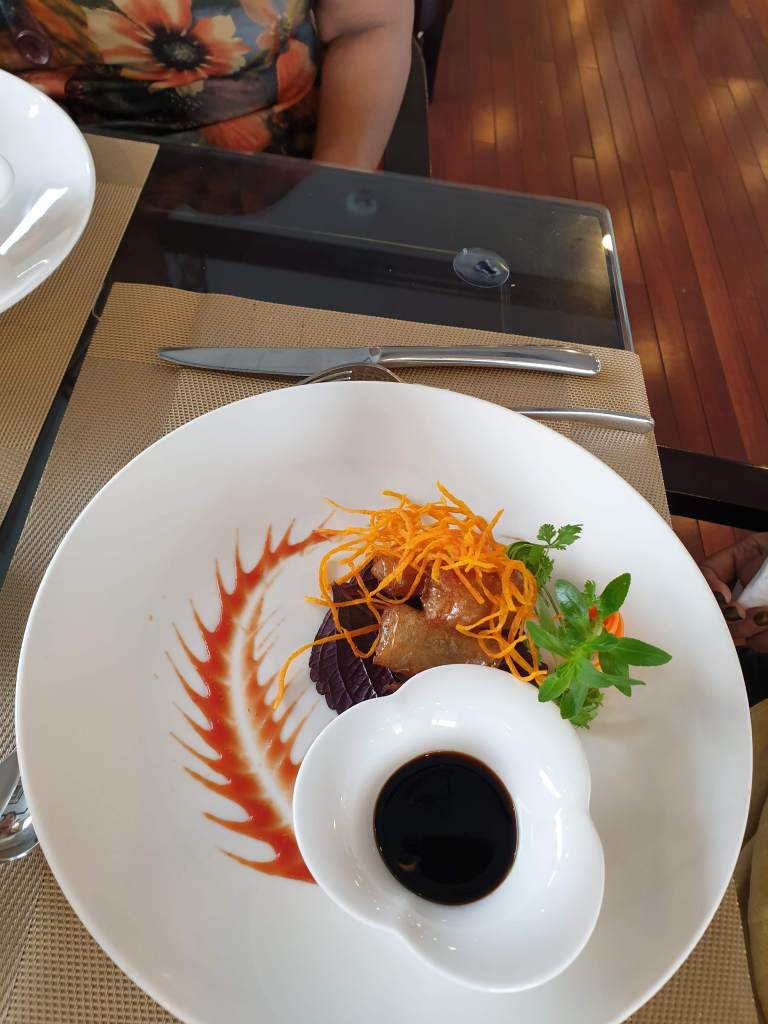
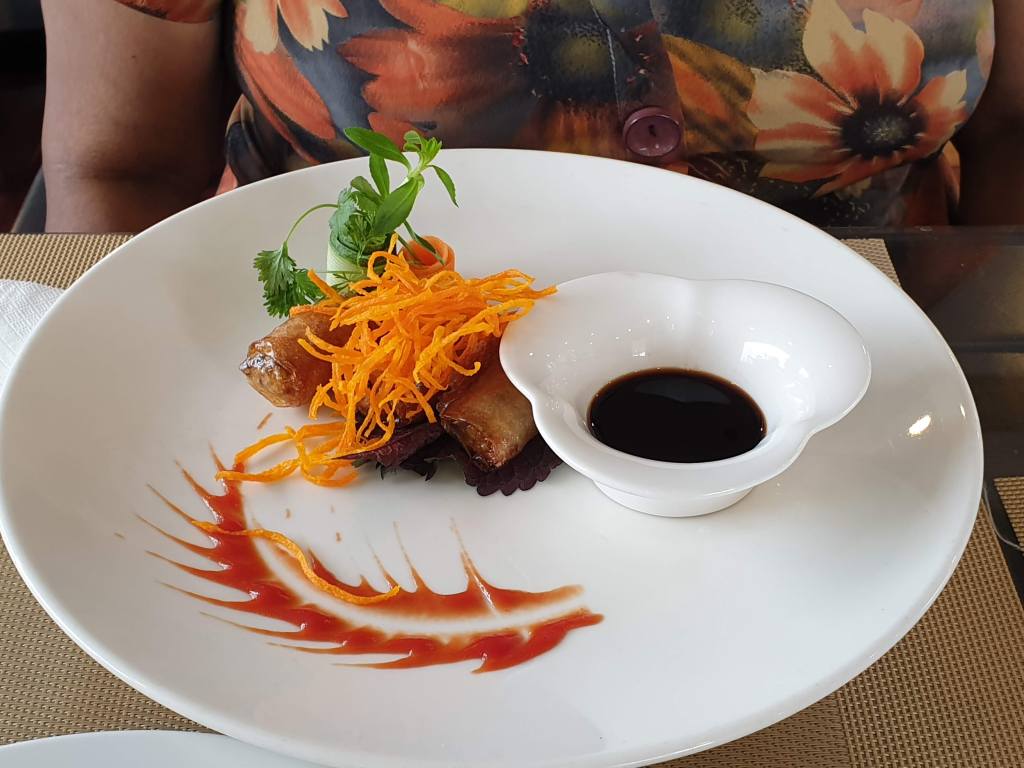
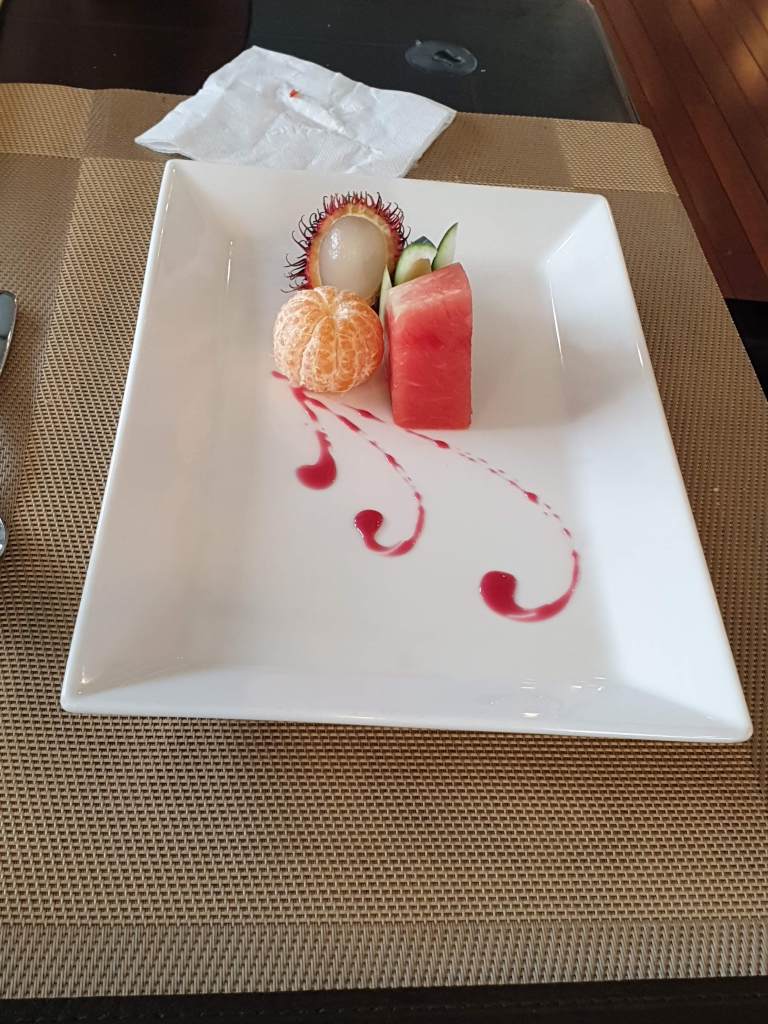
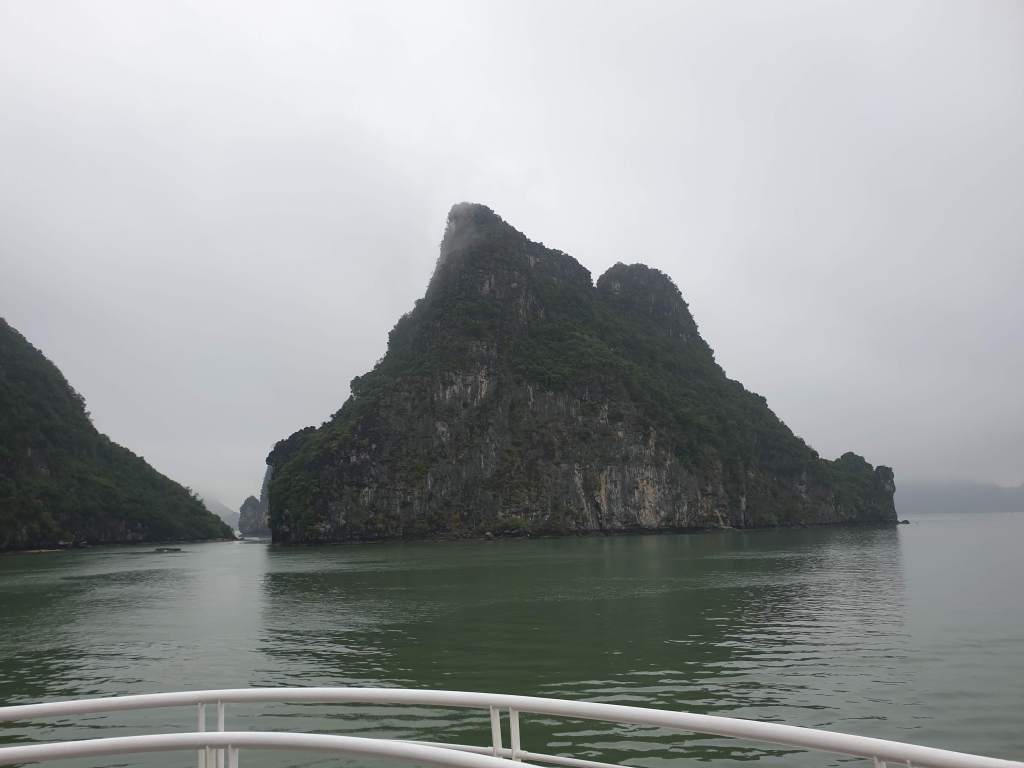
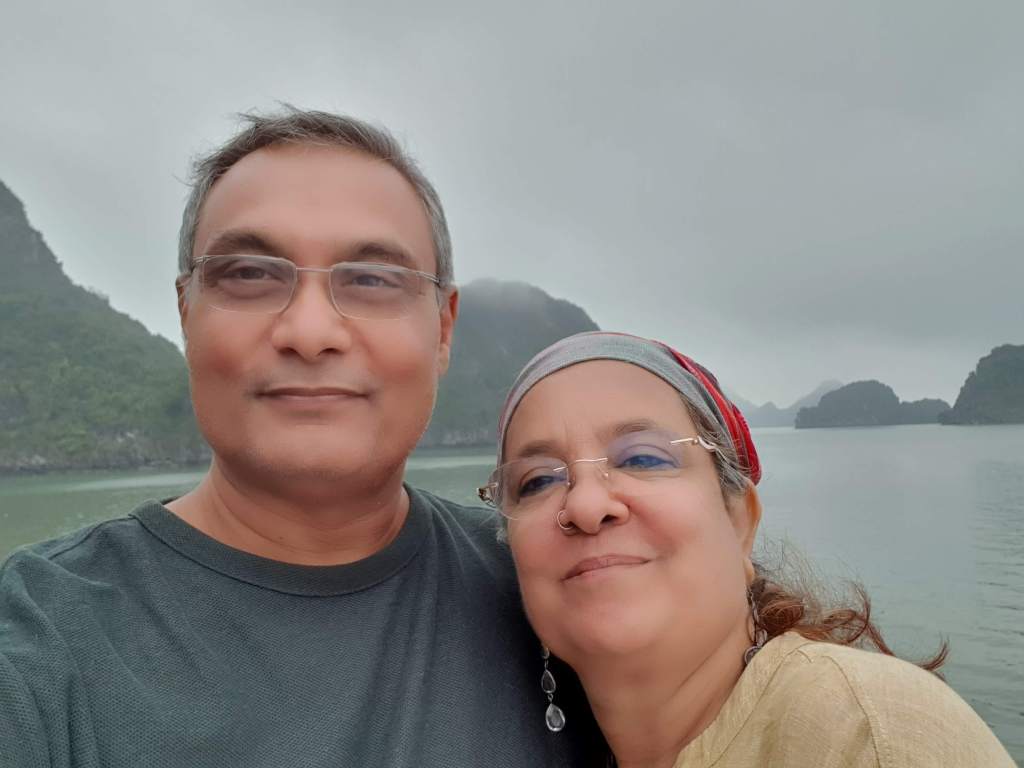
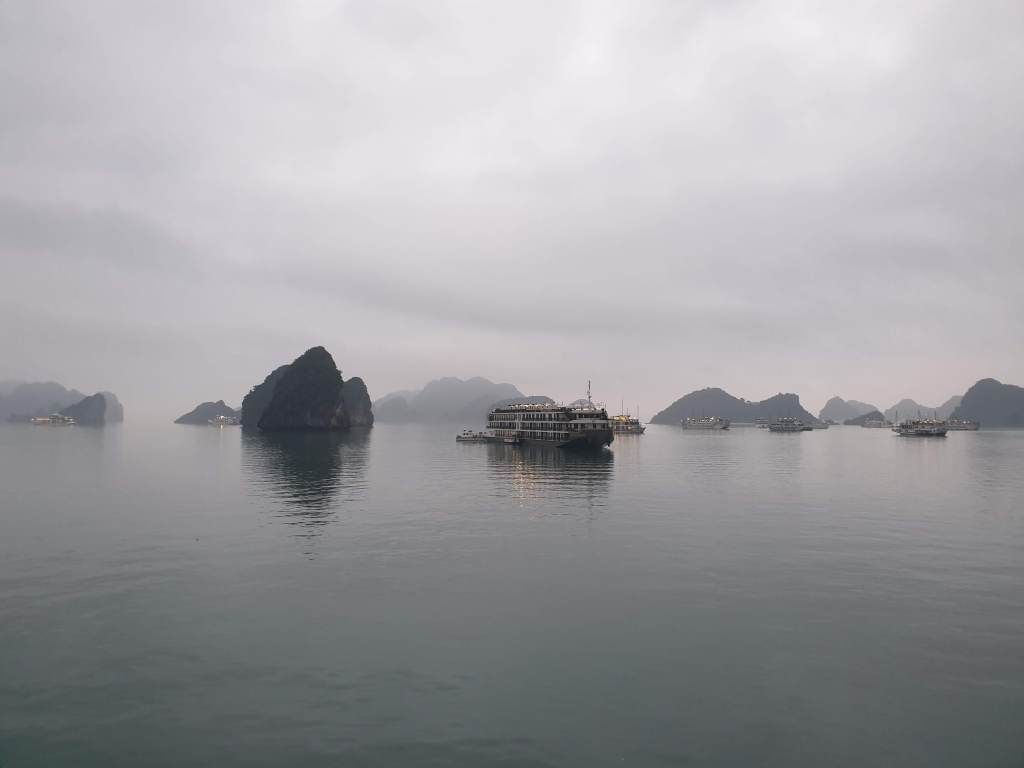
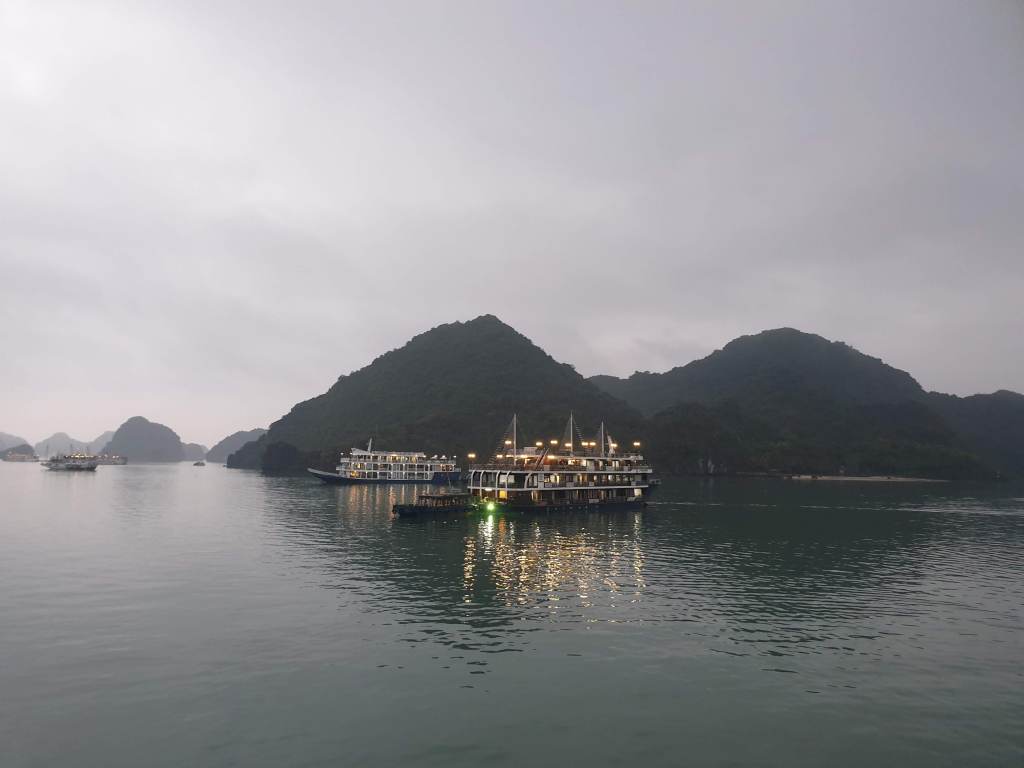

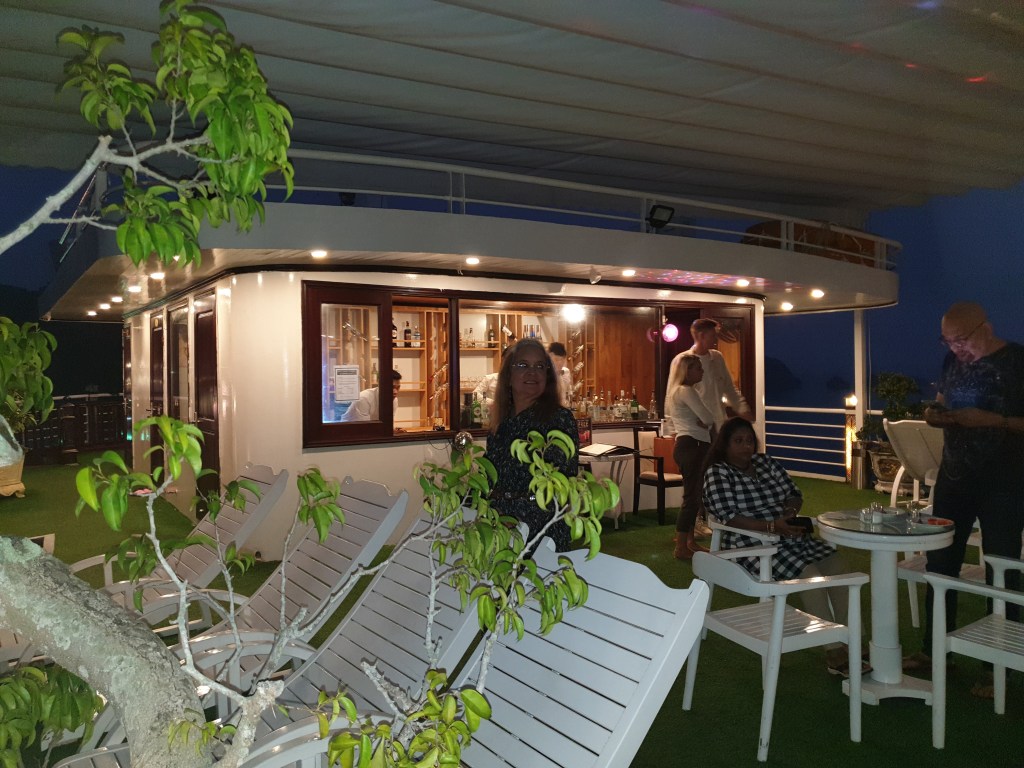
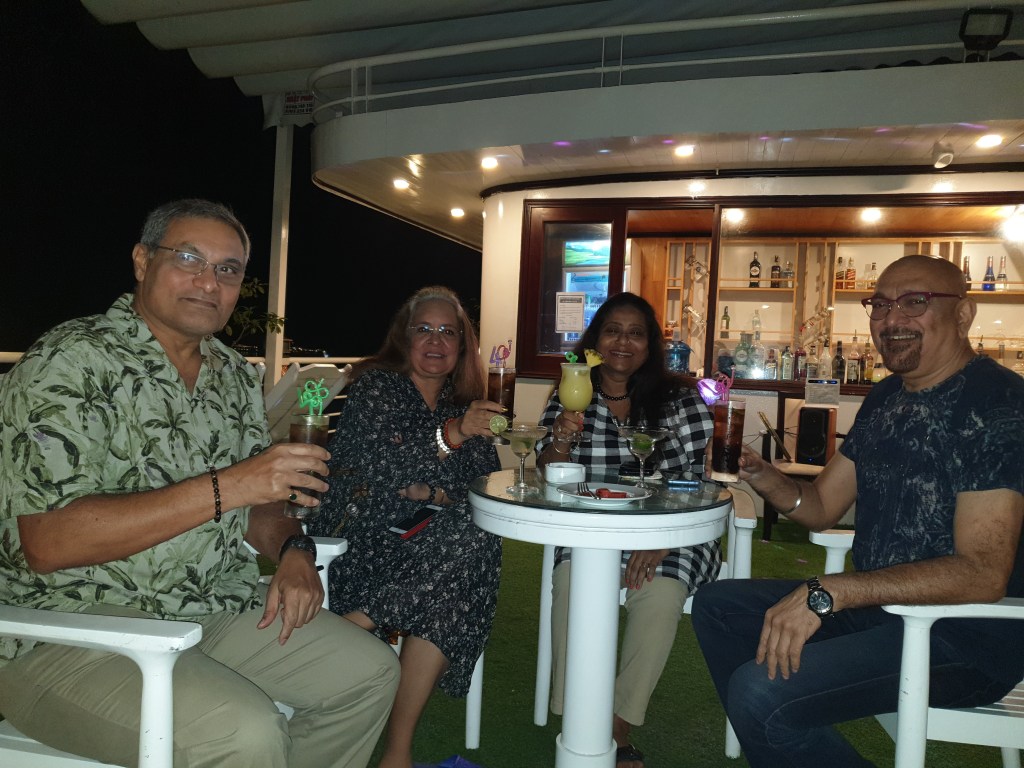
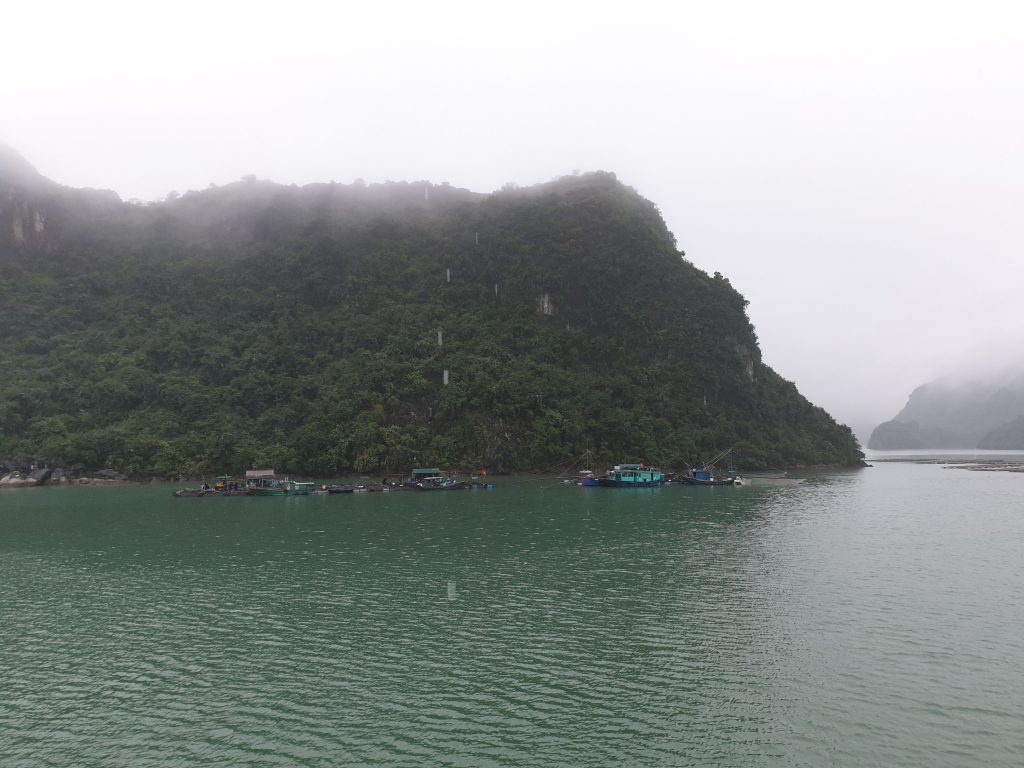
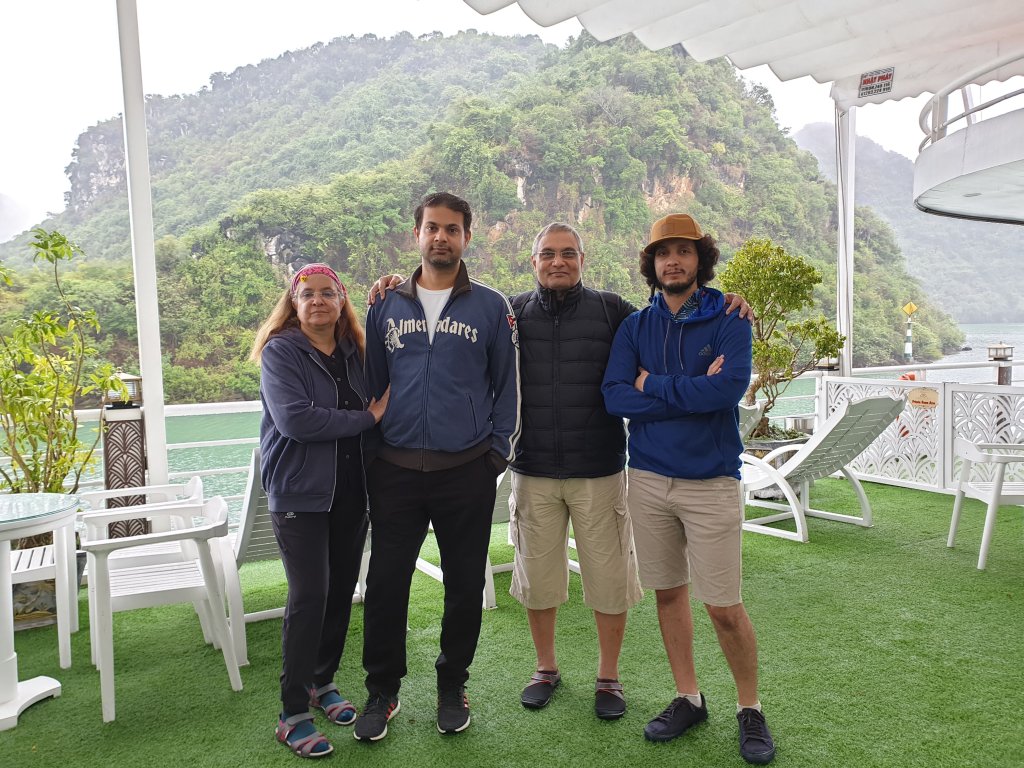
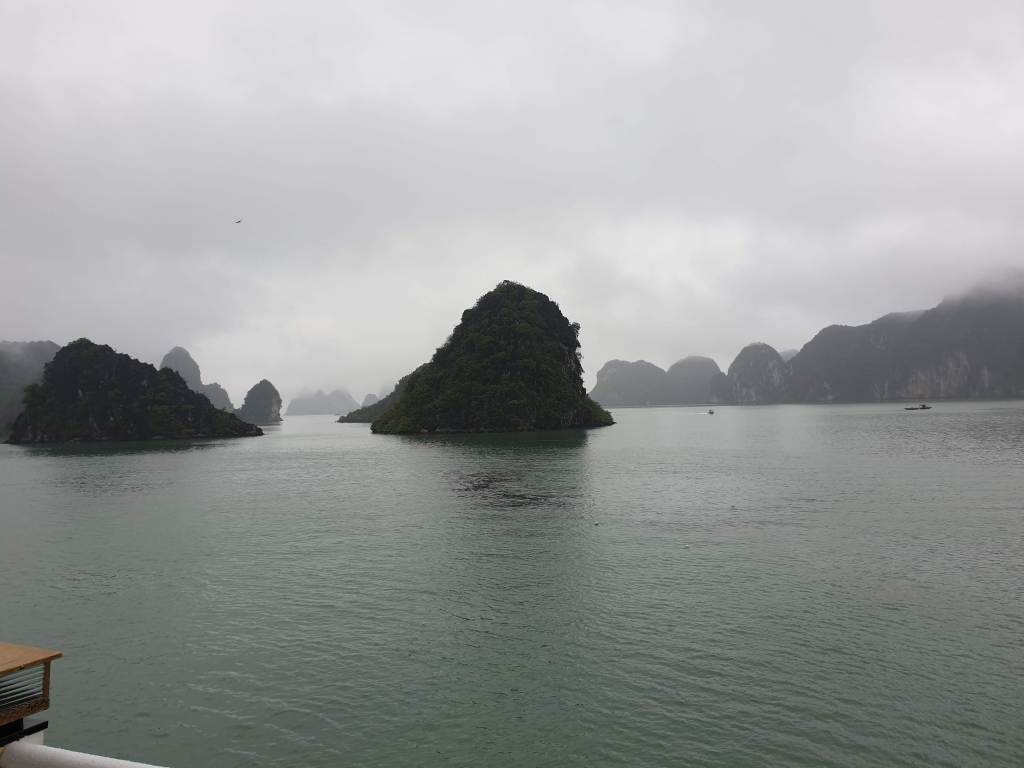
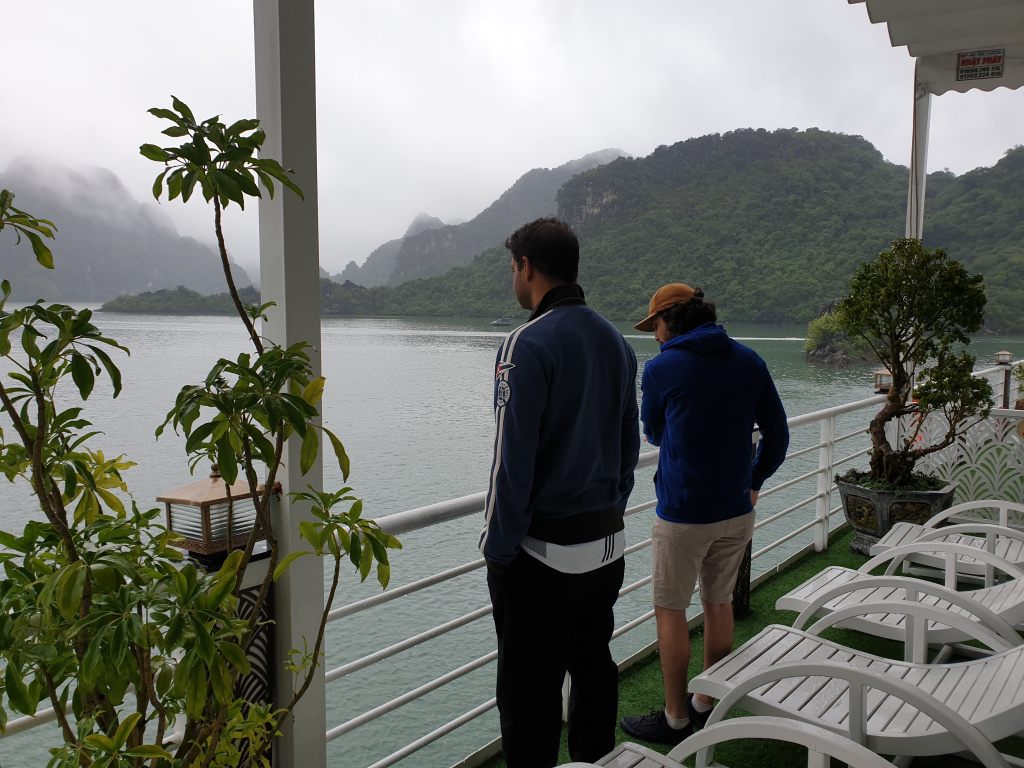

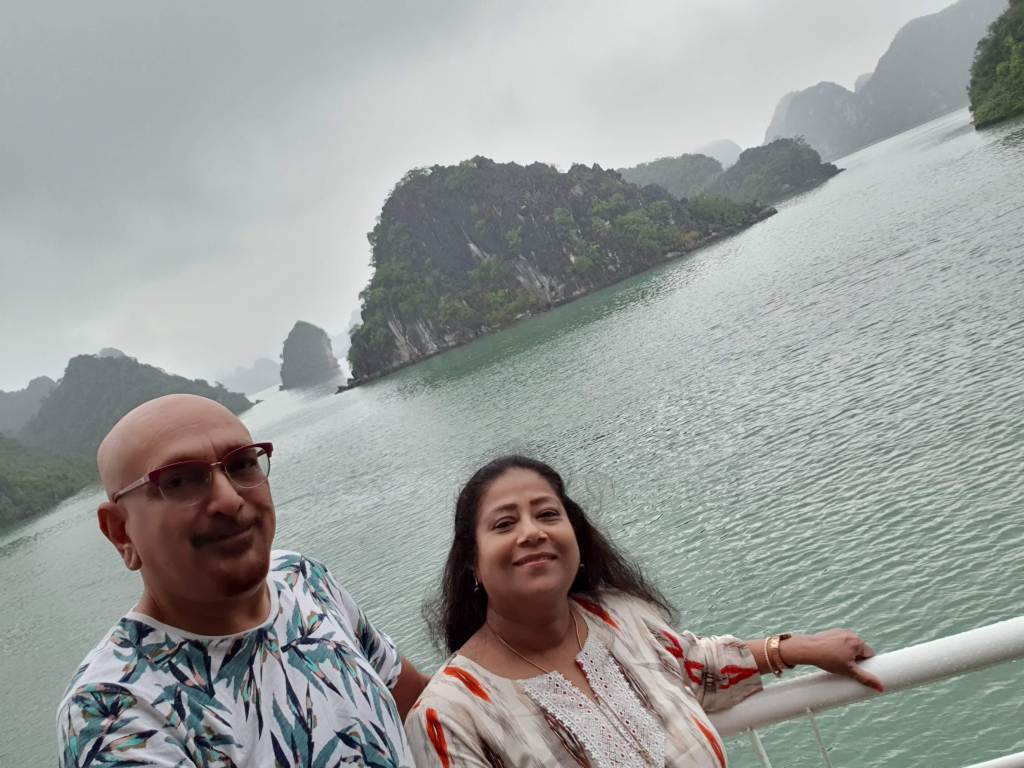
Our stay on board the Sapphire – flew – what with a scrumptious lunch, brief rest and on to a bout of kayaking and swimming in the bay, return to night cap and dinner, the next morning – we participated in a Tai Chi session – those slow movements are not as easy as they look. Then we had a trip to the Bright Cave by bamboo boat – rowed by an extremely entertaining young man, and before we knew it – it was time for us to disembark and catch the bus back to Hanoi.
The bus drive back to Hanoi, was quiet as most of us dozed off after the exertions of the past day and half.
After a brief halt at a Japanese hostel to freshen up, we left for Hanoi Airport for our next leg, to Hoi An, the ancient city.
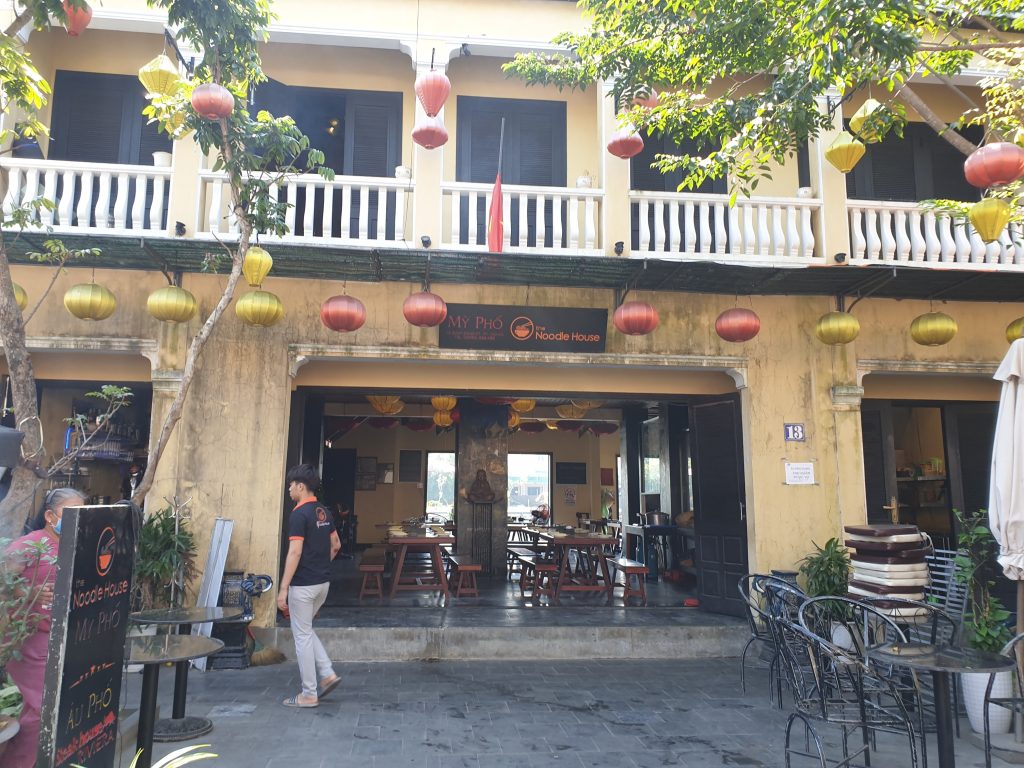
We arrived late and checked in at the hotel Golden Holiday Hotel & Spa, we were famished, fortunately there was roadside tavern, where we managed to get delicious, steaming noodles.
Day 5
Hoi An, is a city with a population of approximately 120,000 in Vietnam’s Quang Nam Province e and noted since 1999 as a UNESCO World Heritage Site.
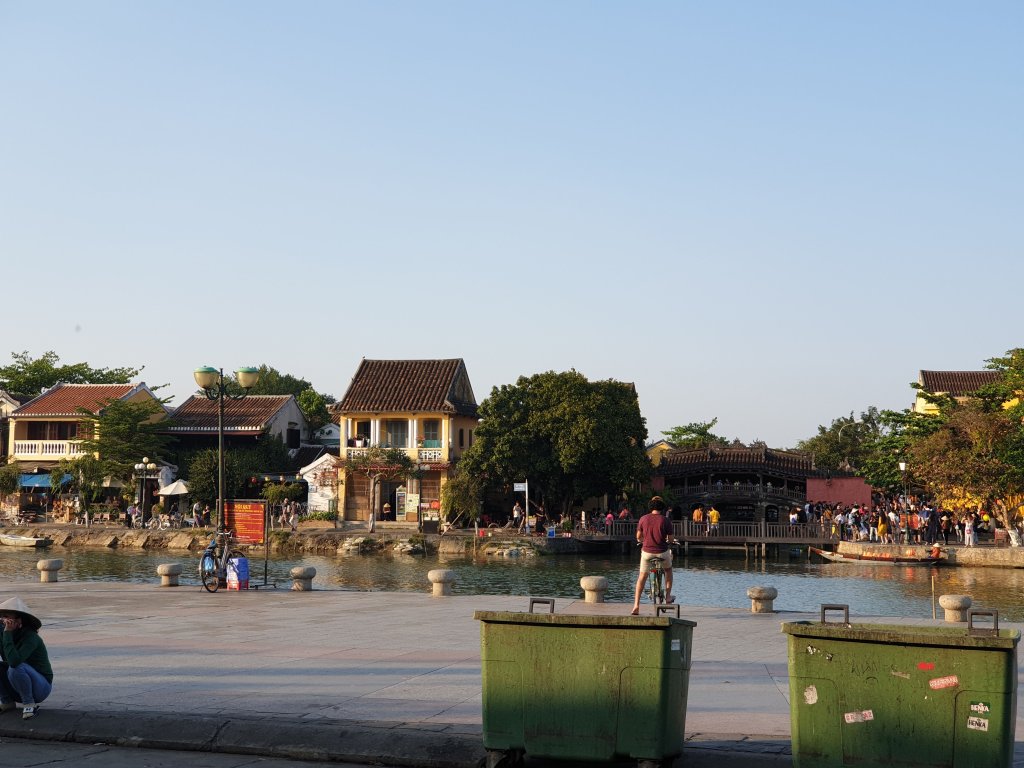
Old Town Hội An, the city’s historic district, is recognized as an exceptionally well-preserved example of a Southeast Asian trading port dating from the 15th to the 19th Century, its buildings and street plan reflecting a blend of indigenous and foreign influences. Prominent in the city’s old town, is its covered “Japanese Bridge”, dating to the 16th-17th century.
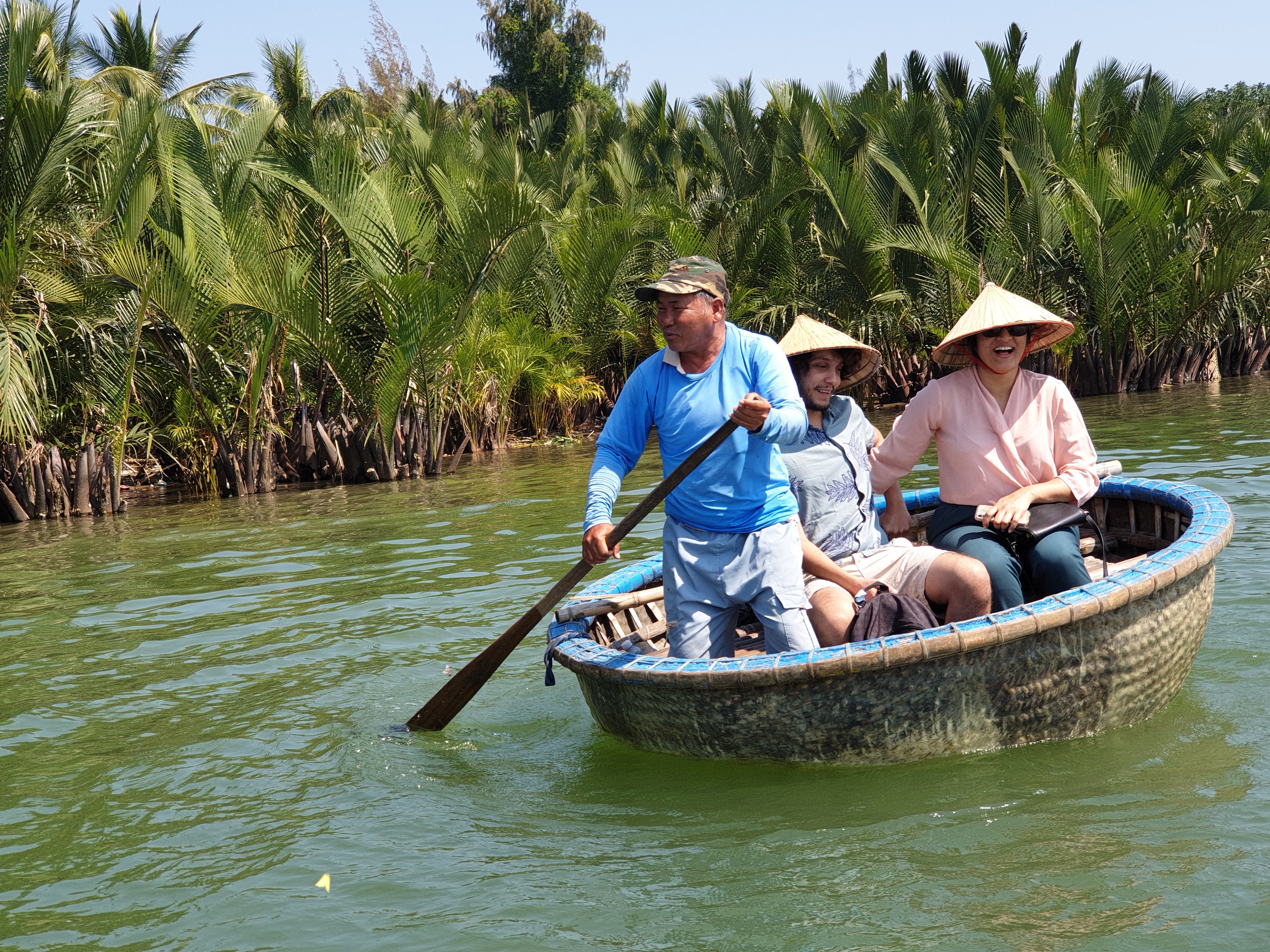
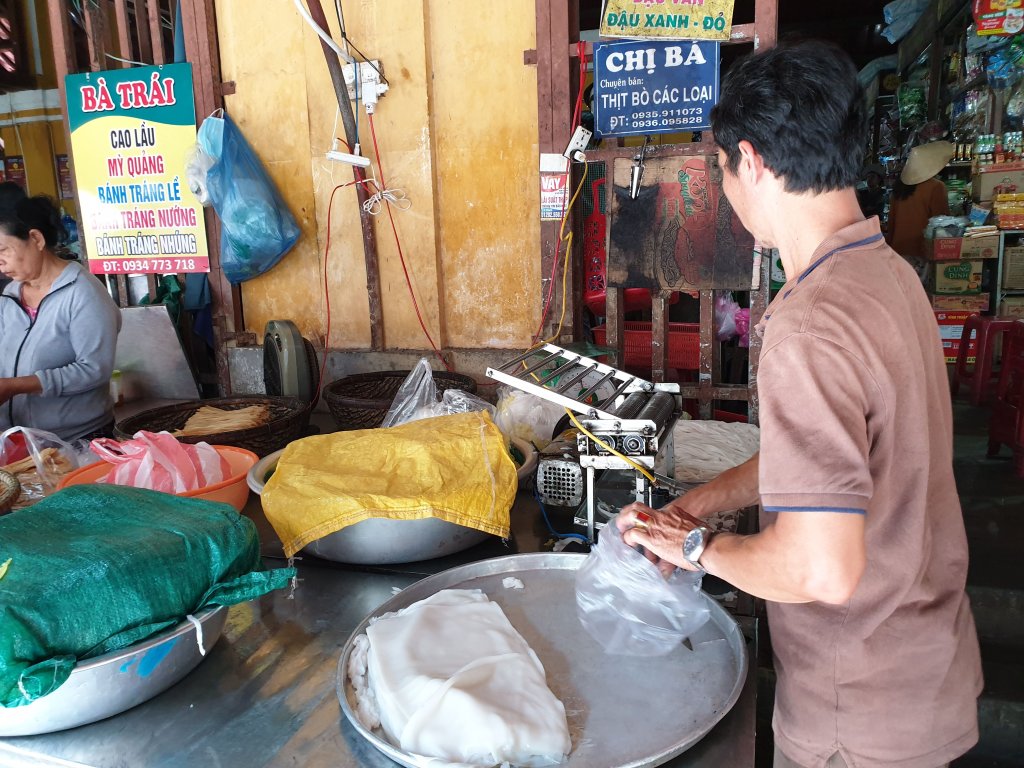
The day started off with a walk trough the market area, with our tour guide Ms Hoi.
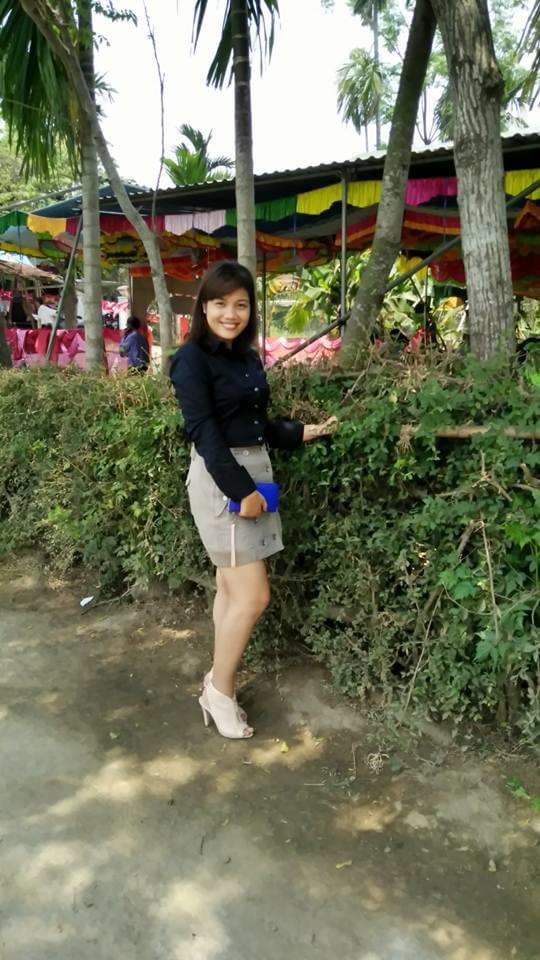
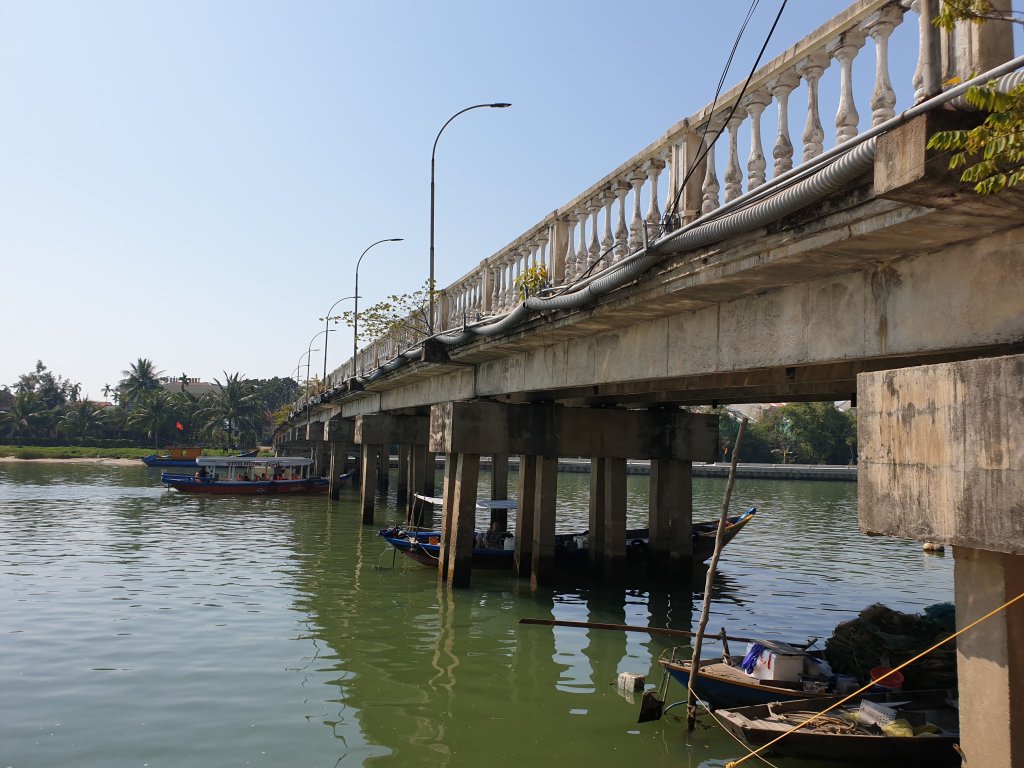
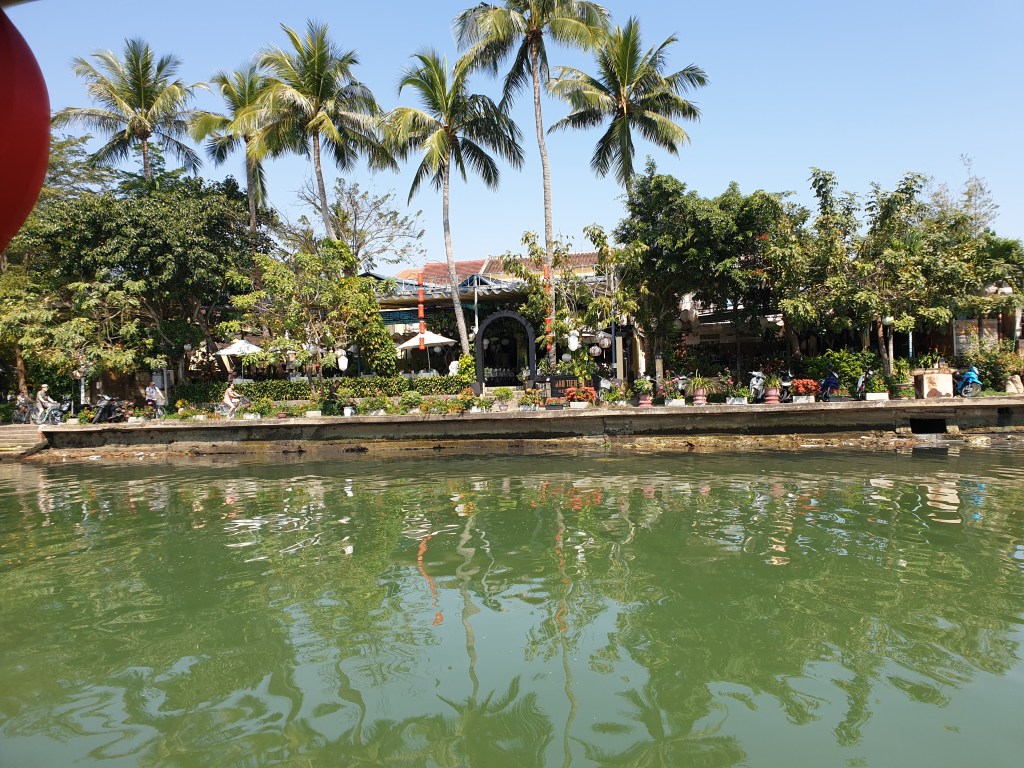
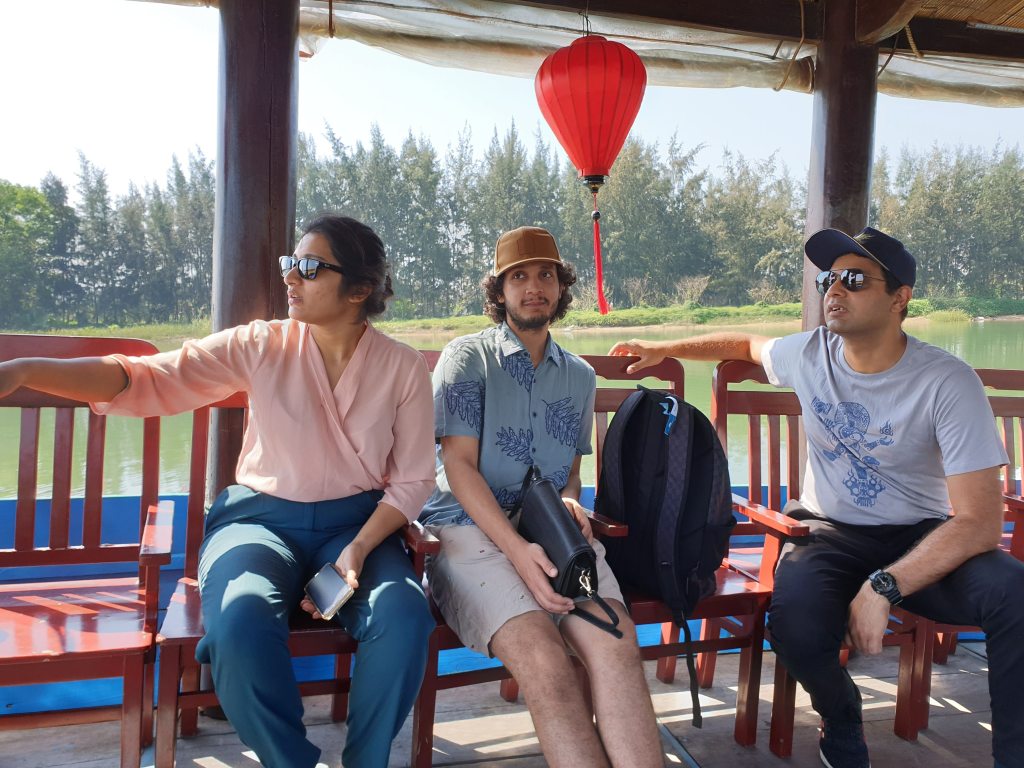
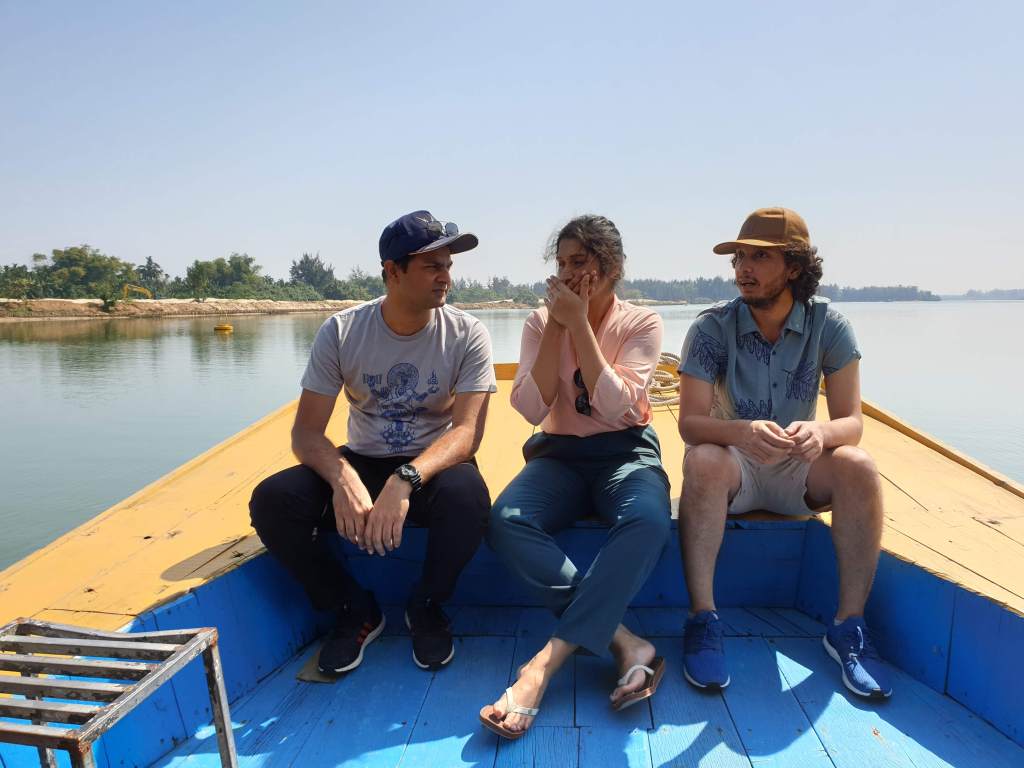
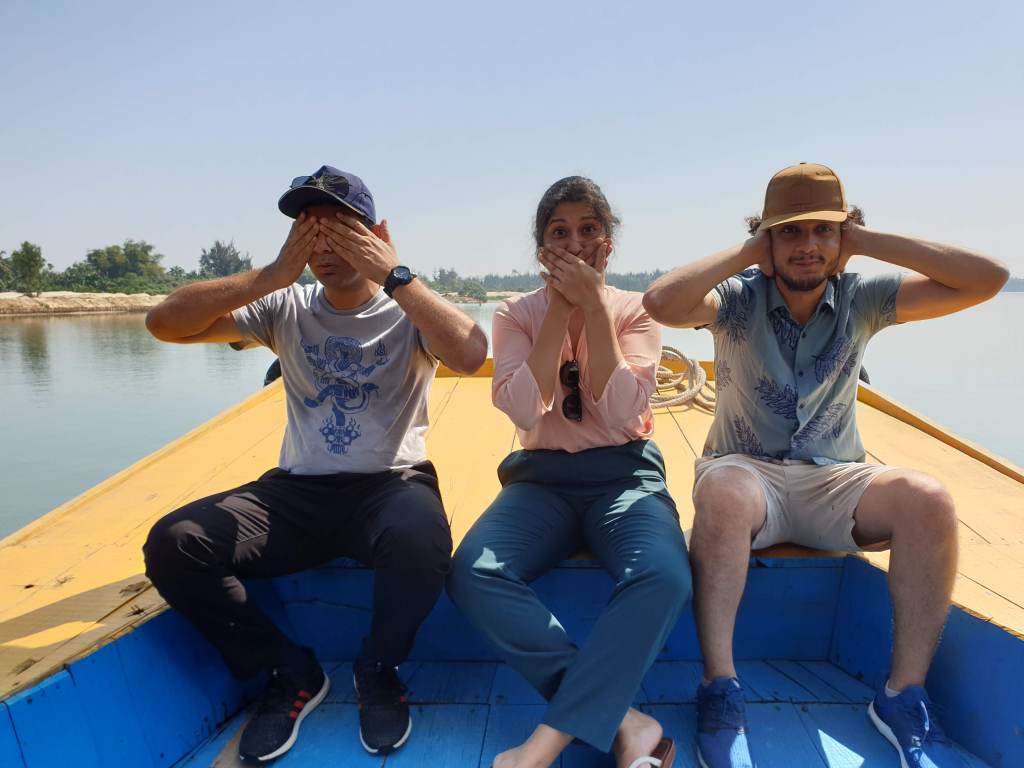
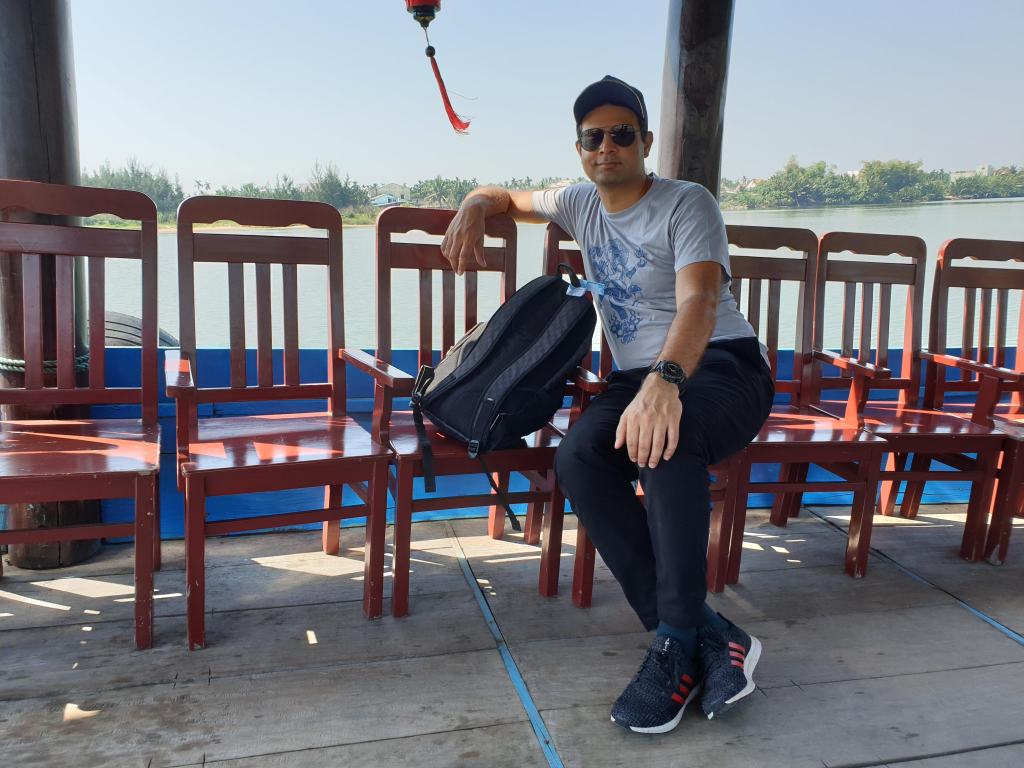
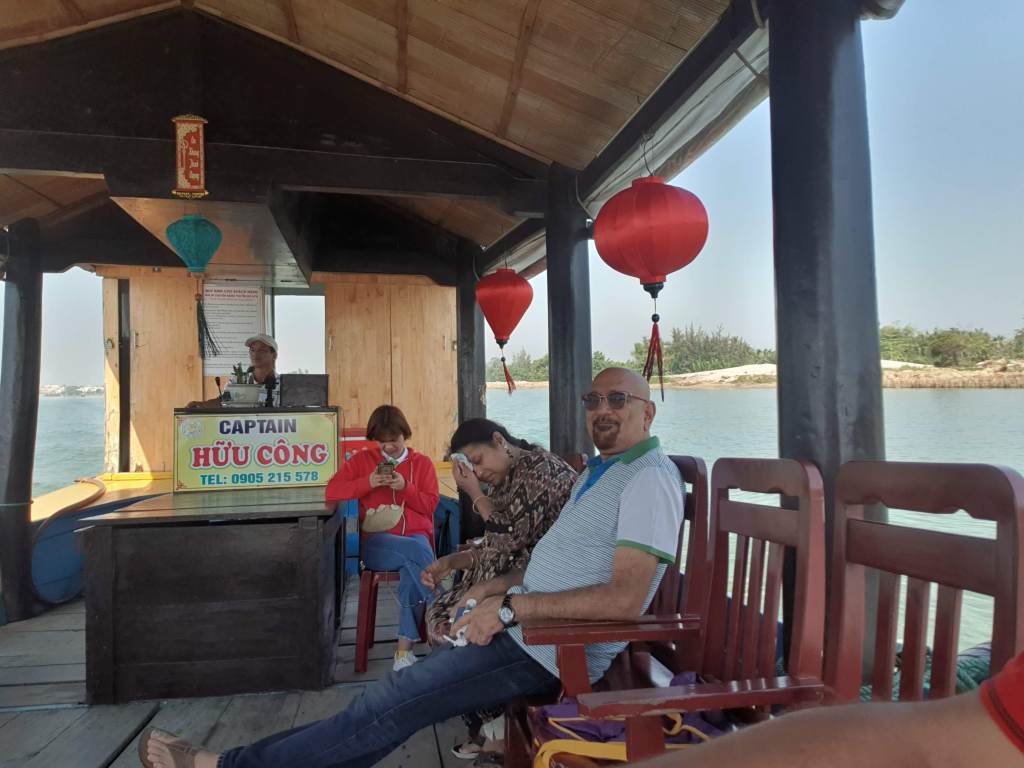
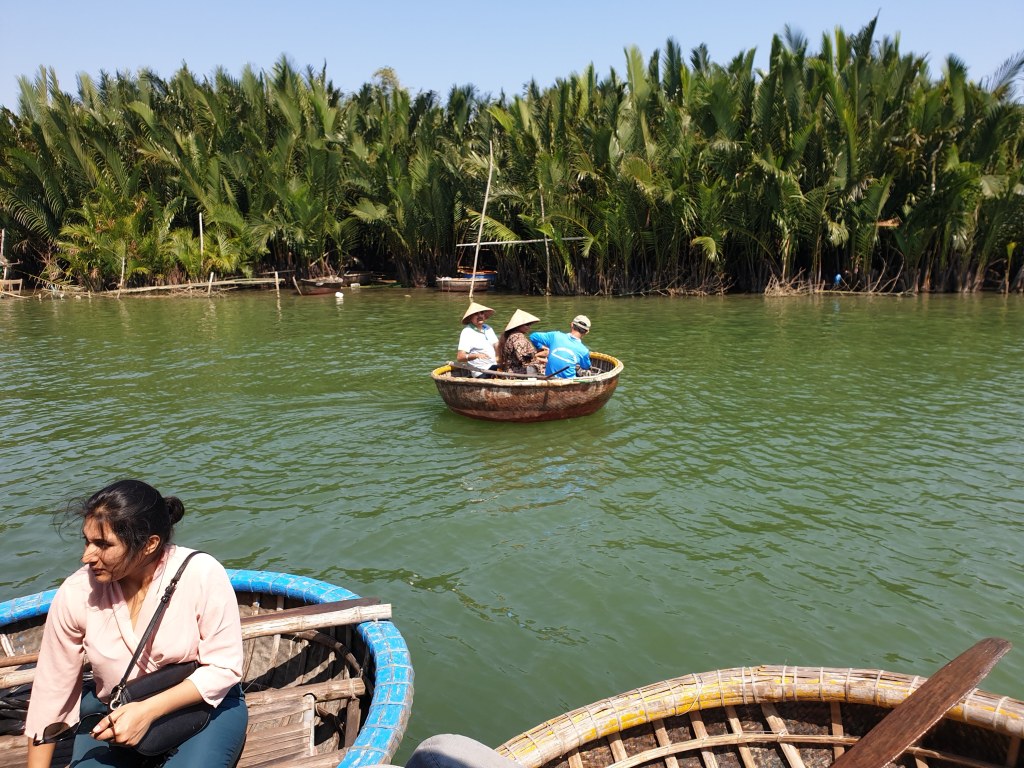
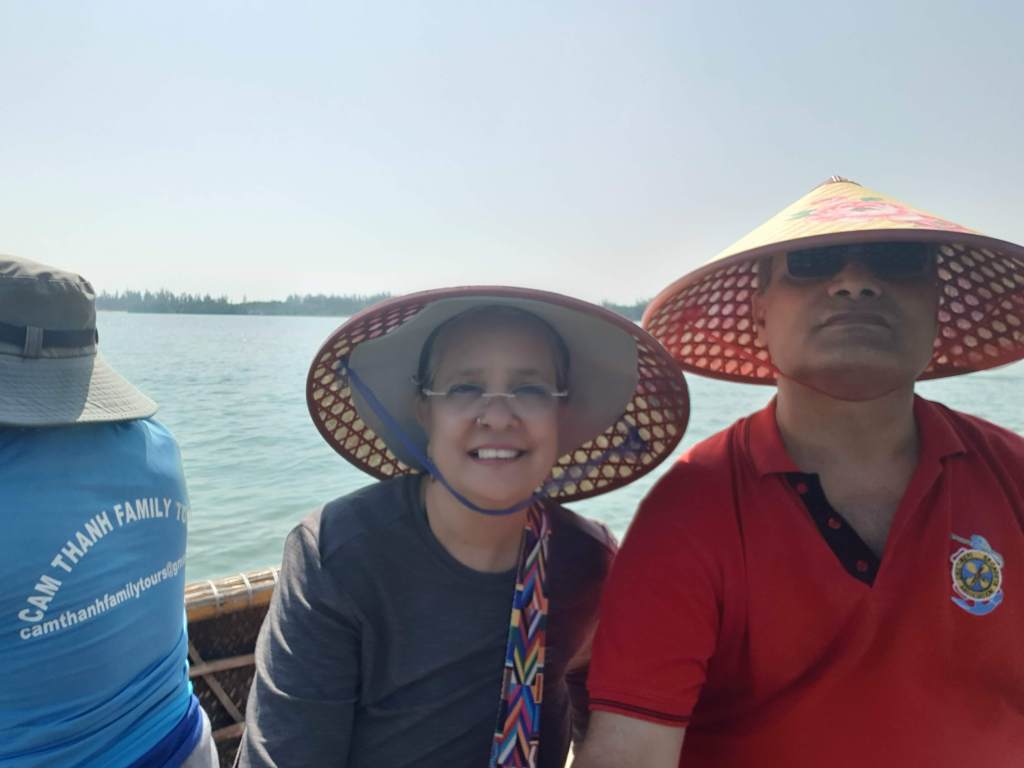
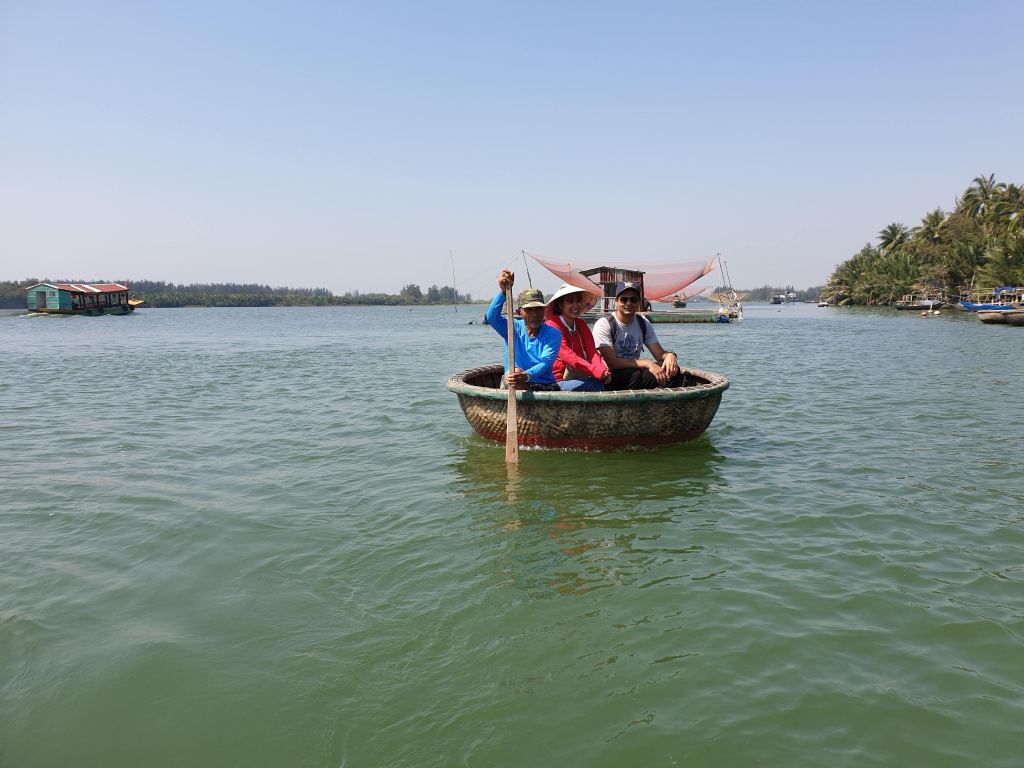
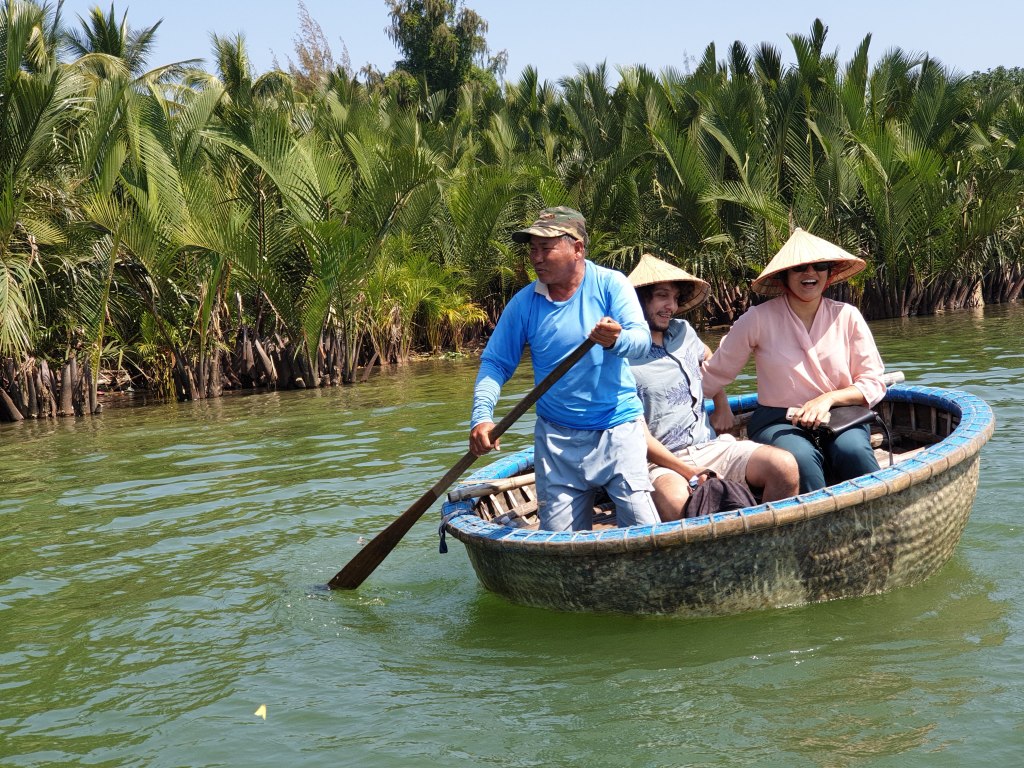
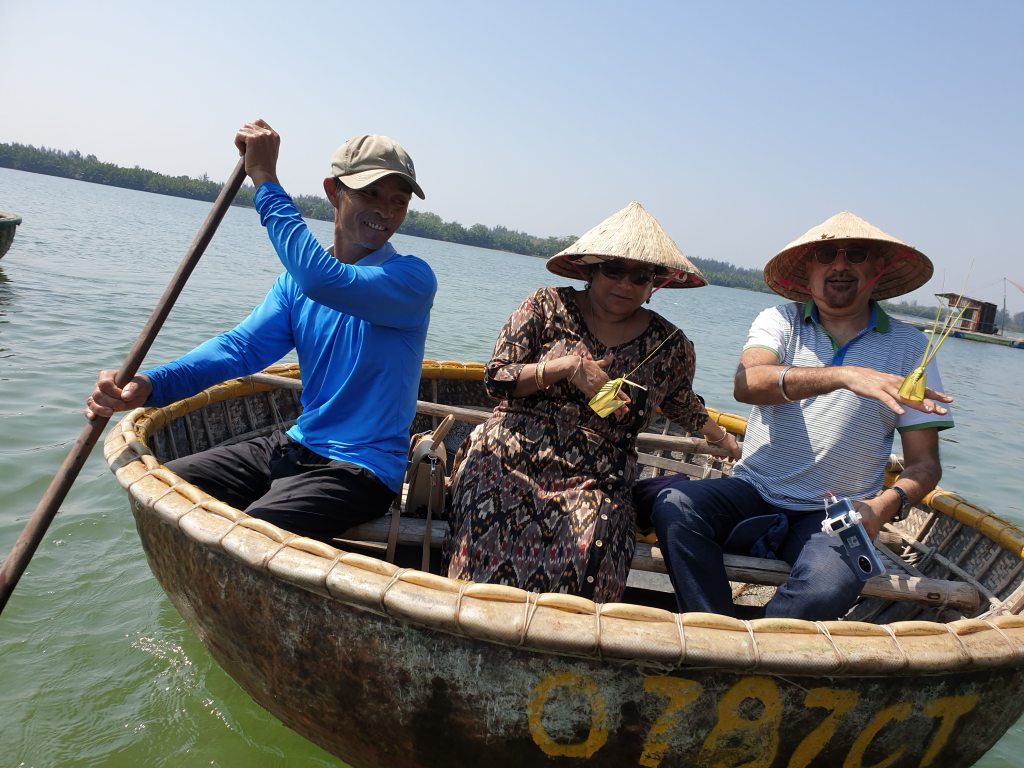
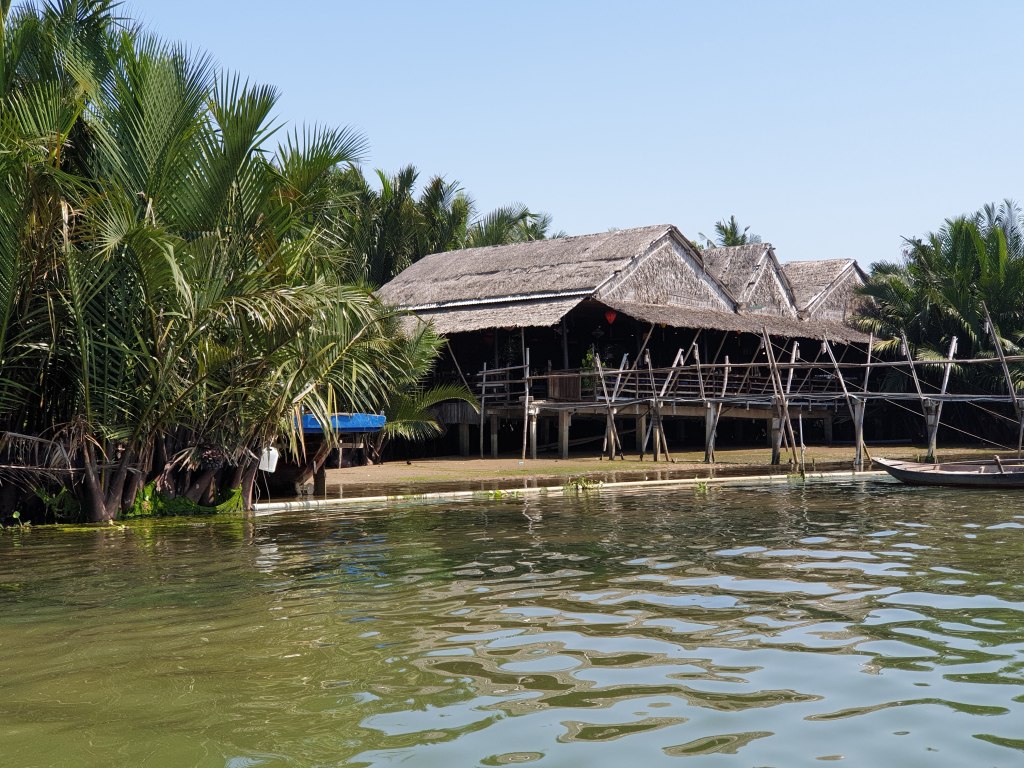
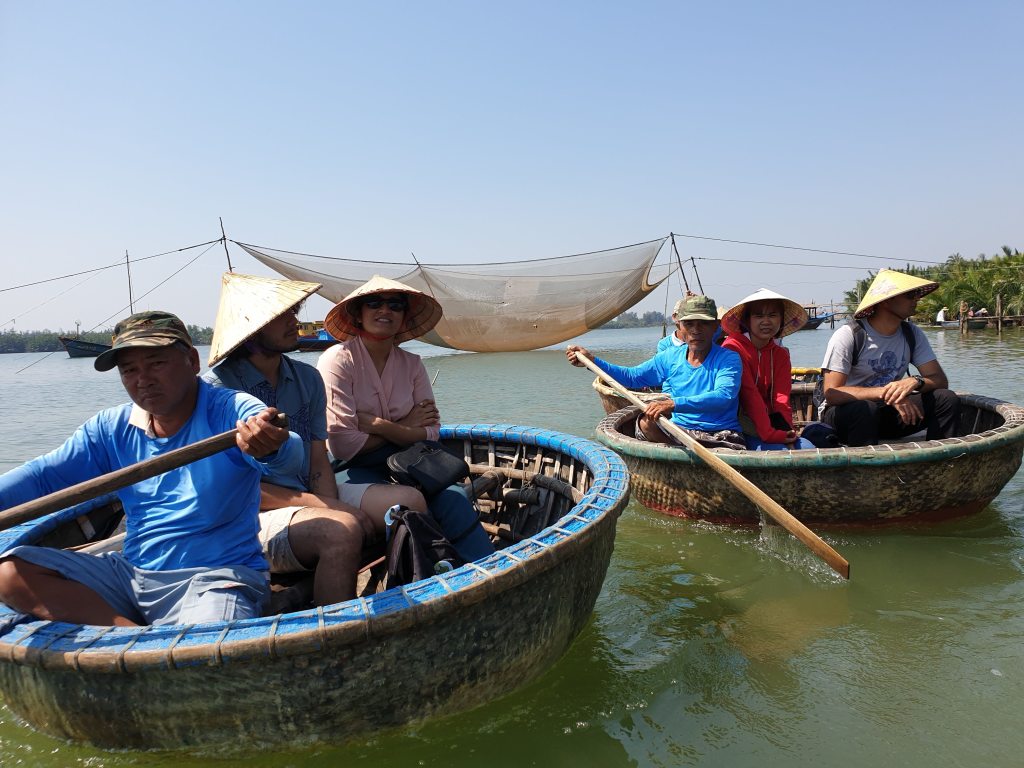
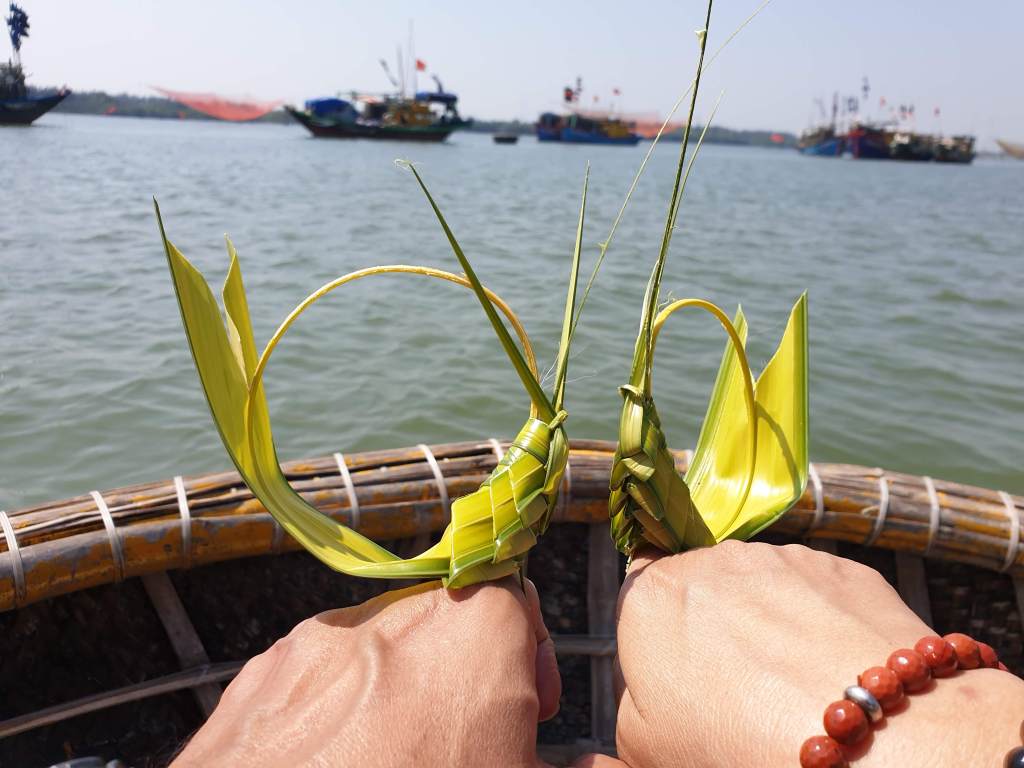
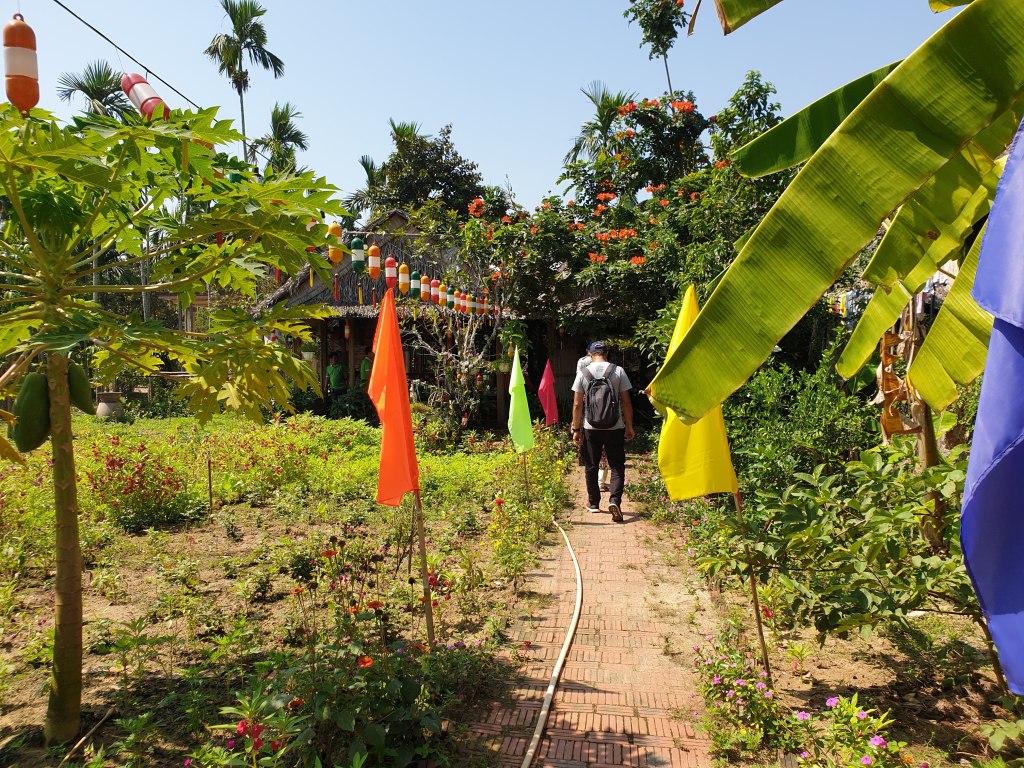
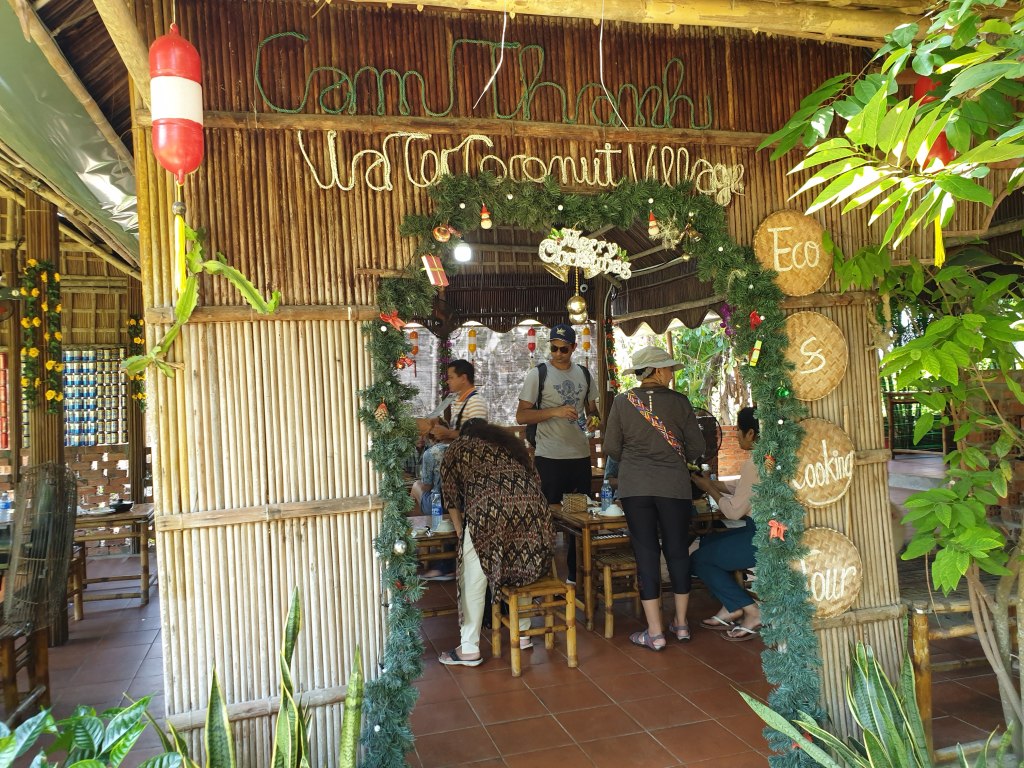
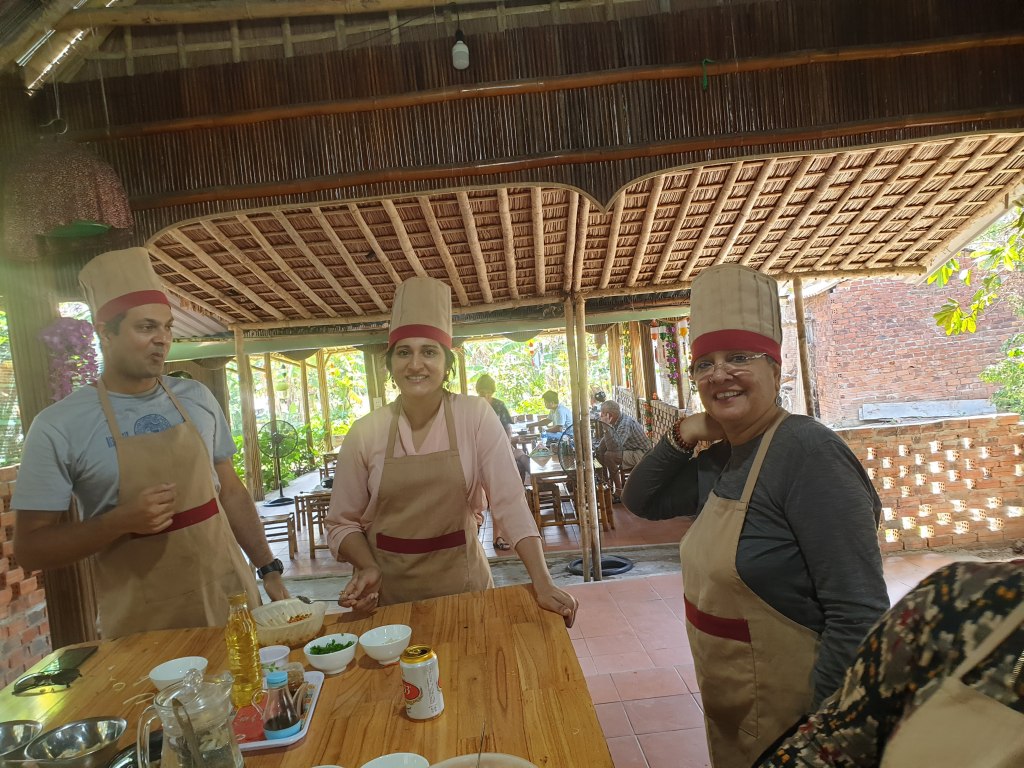
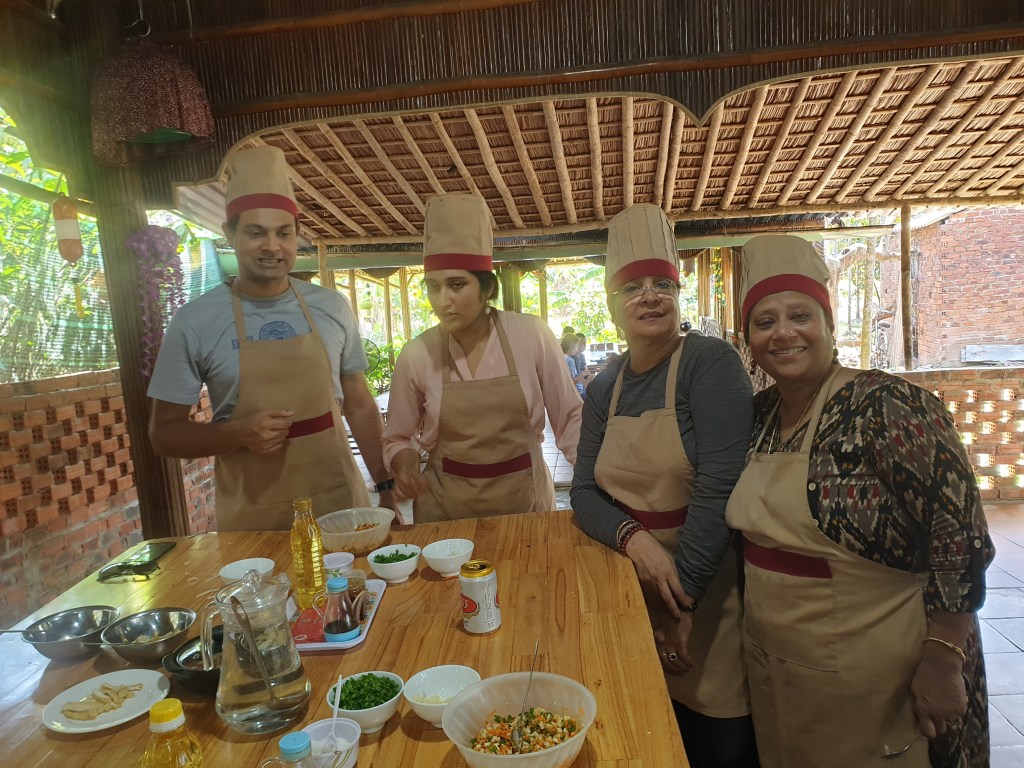
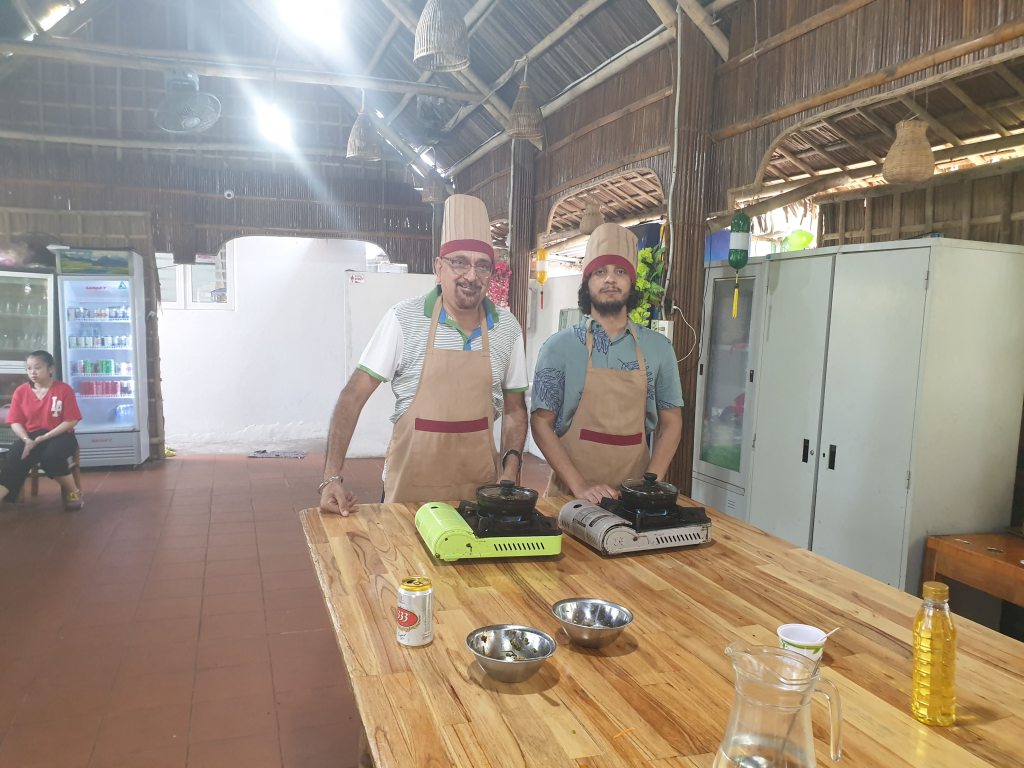
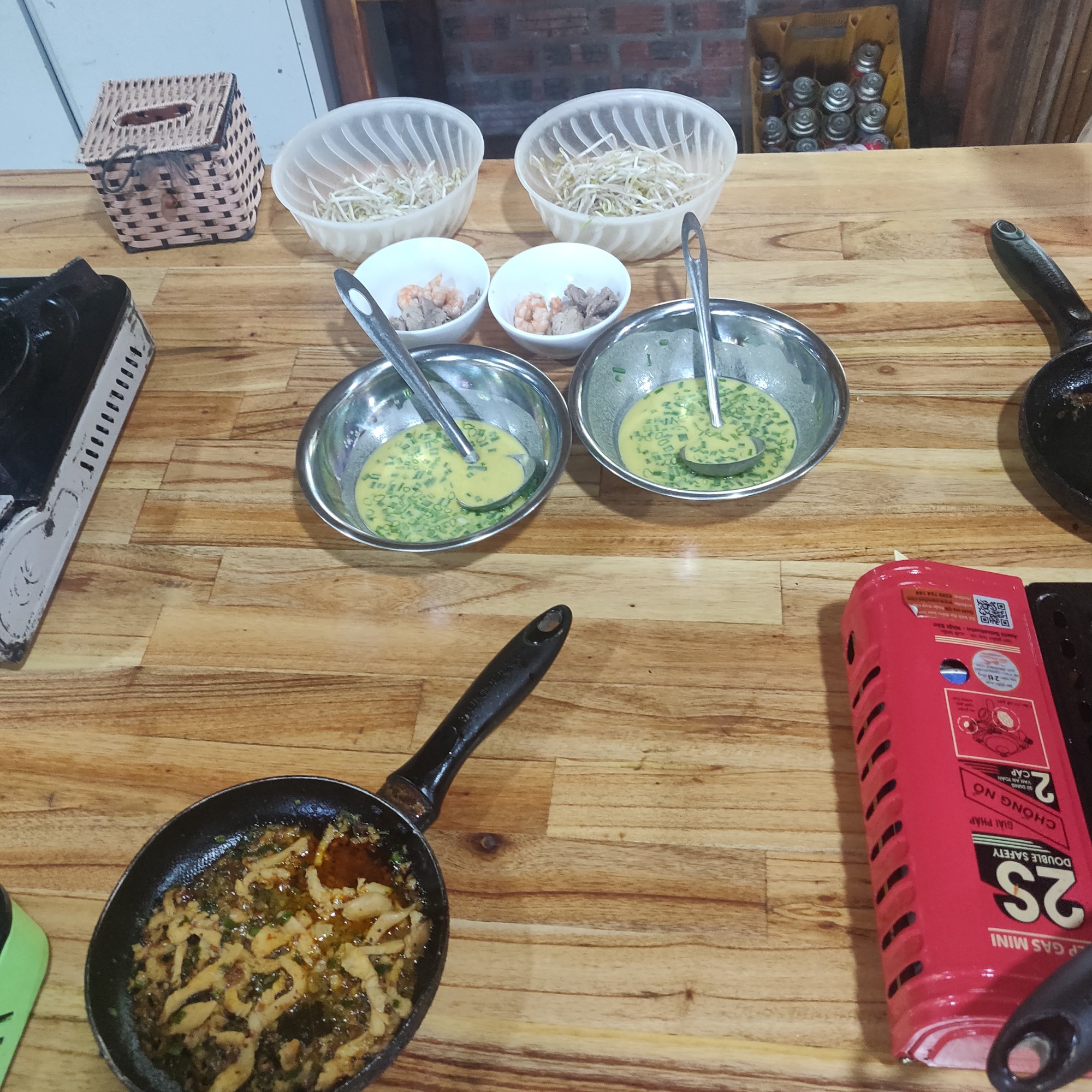
We walked through the Market and to the pier, where we boarded a motor launch that took us a bit downriver, where we got on to the basket boat, guided past the Bay Mau forest, unsuccessfully tried our hand at crab fishing, and then on to a small village resort – The Water Coconut Village, where we all tried our hand at Vietnamese Cooking, and we ate what we cooked – thanks to the continuous guidance and monitoring by the Vietnamese chef, the preparations turned out to be excellent.
We returned to the hotel post lunch and Aniruddh, Akshay and I rented bicycles for a trip through the Old City.
Revathi and Easha – went off on their own to indulge in window shopping free of any male interference.
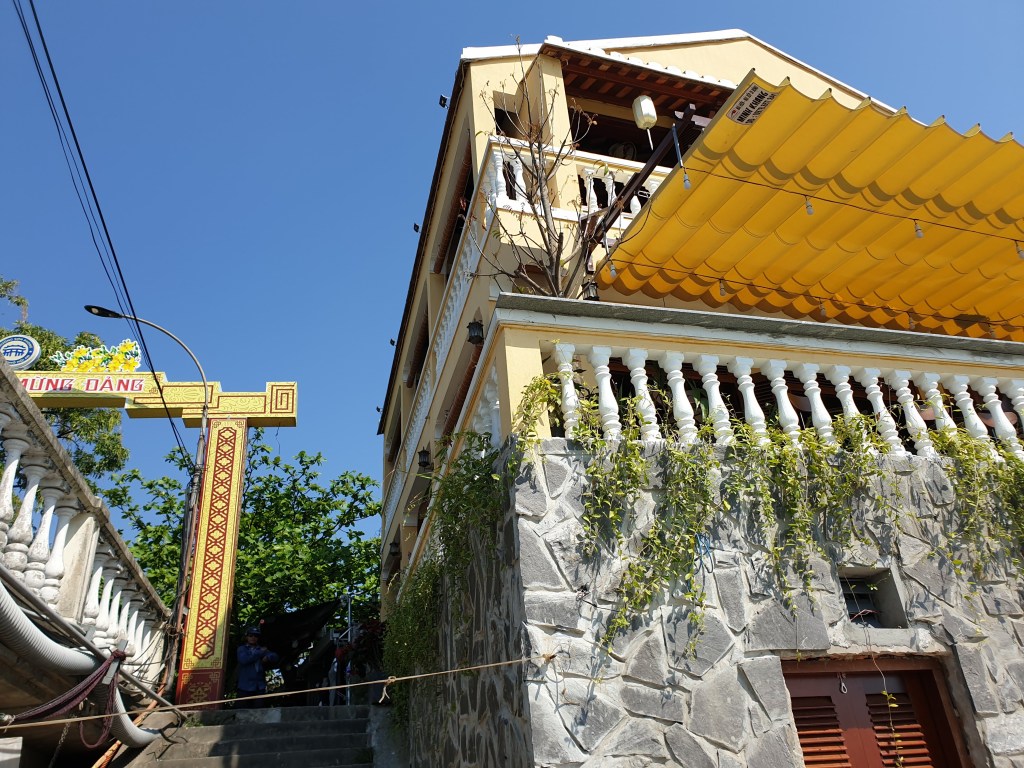
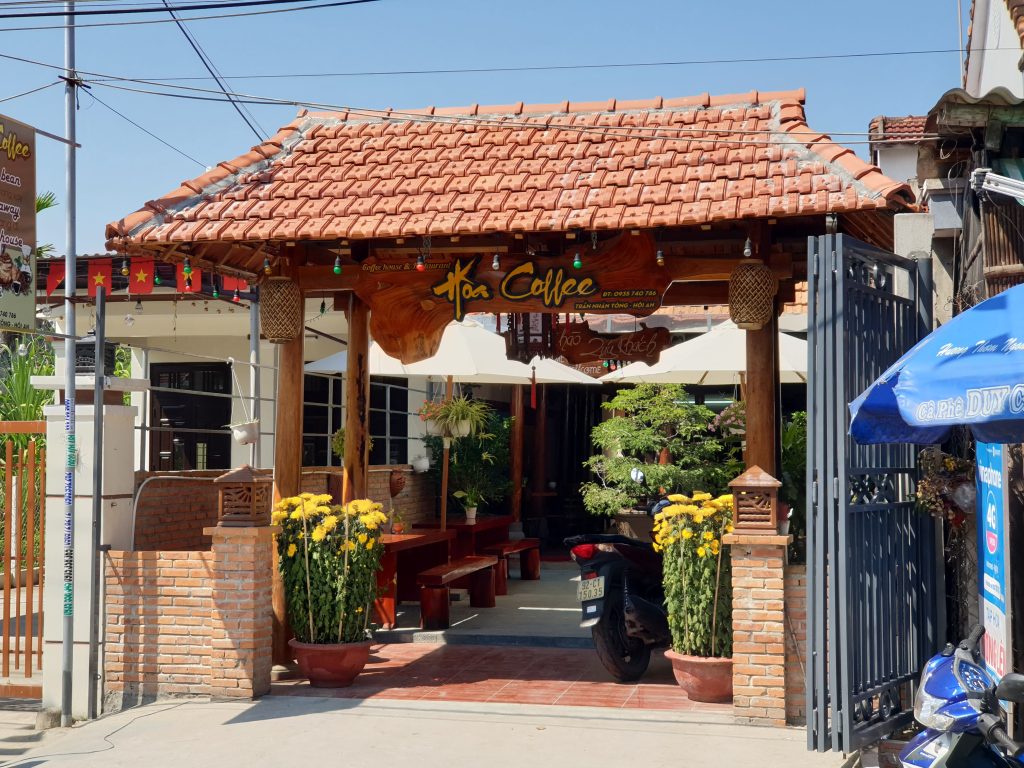
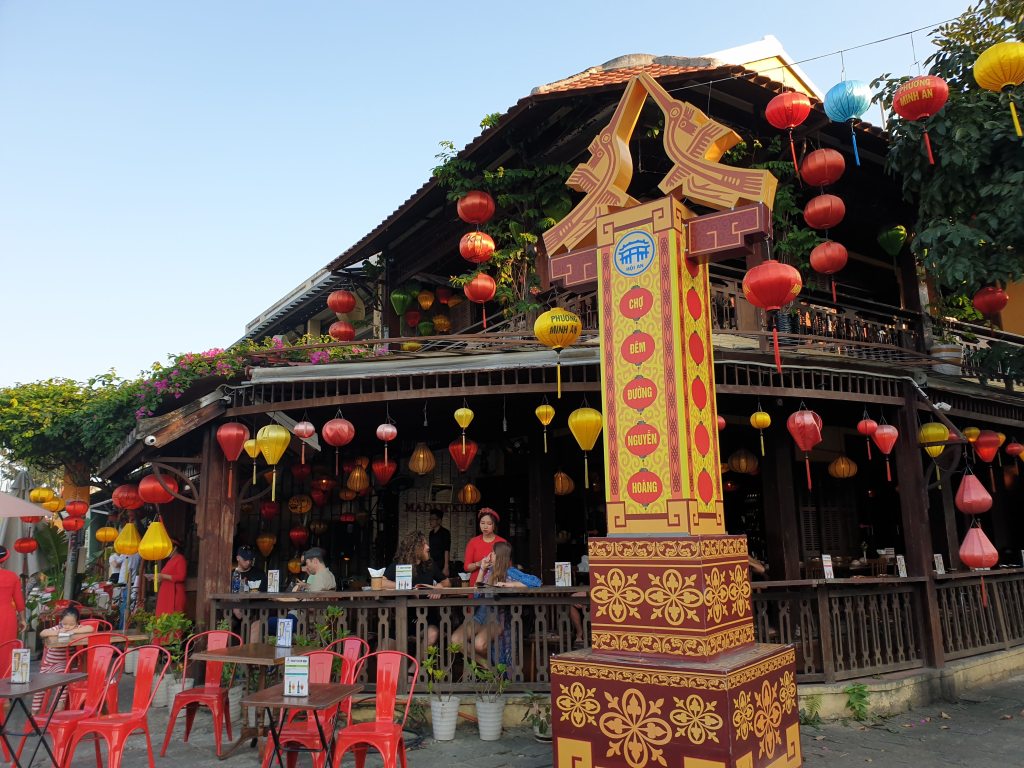
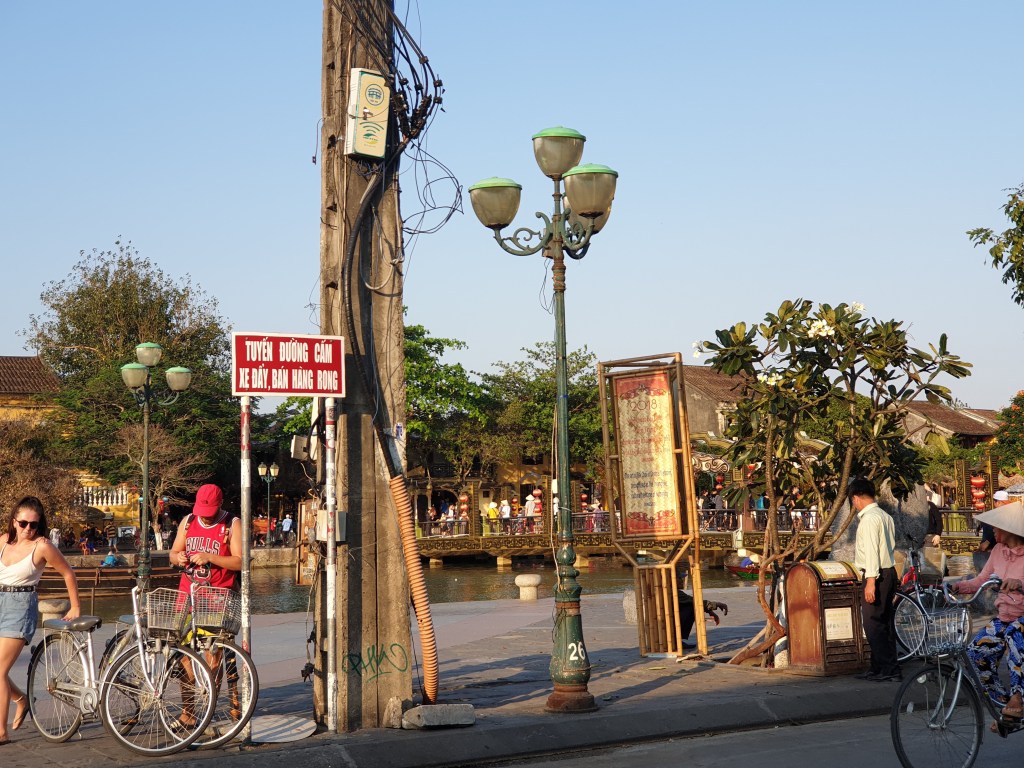
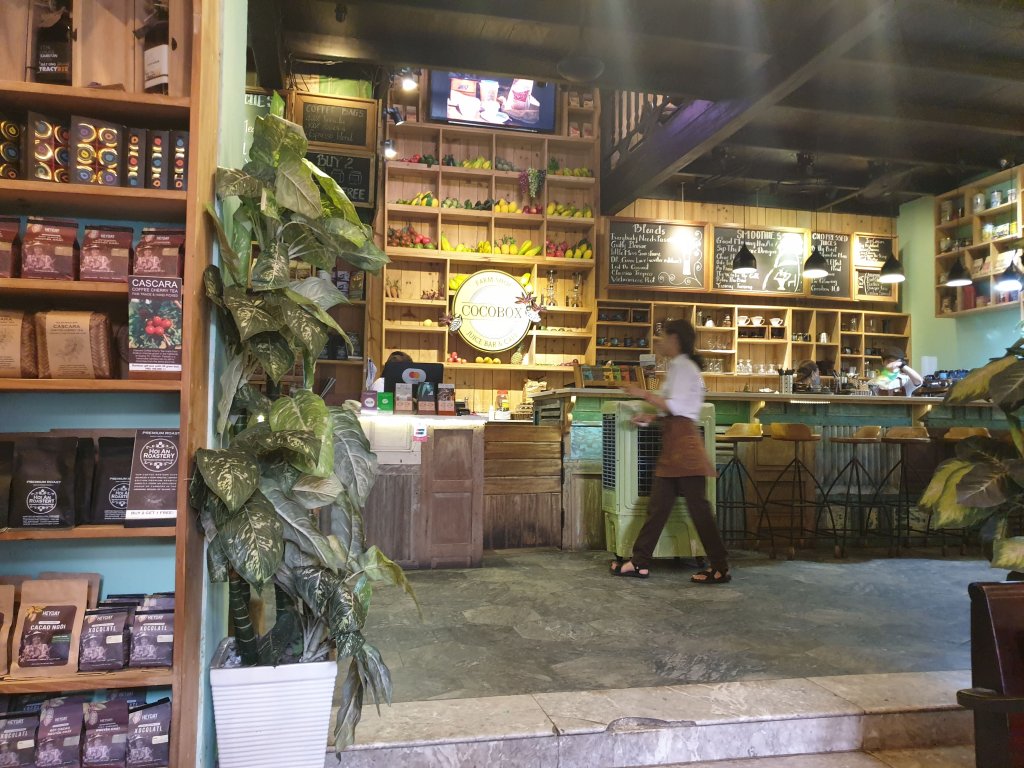
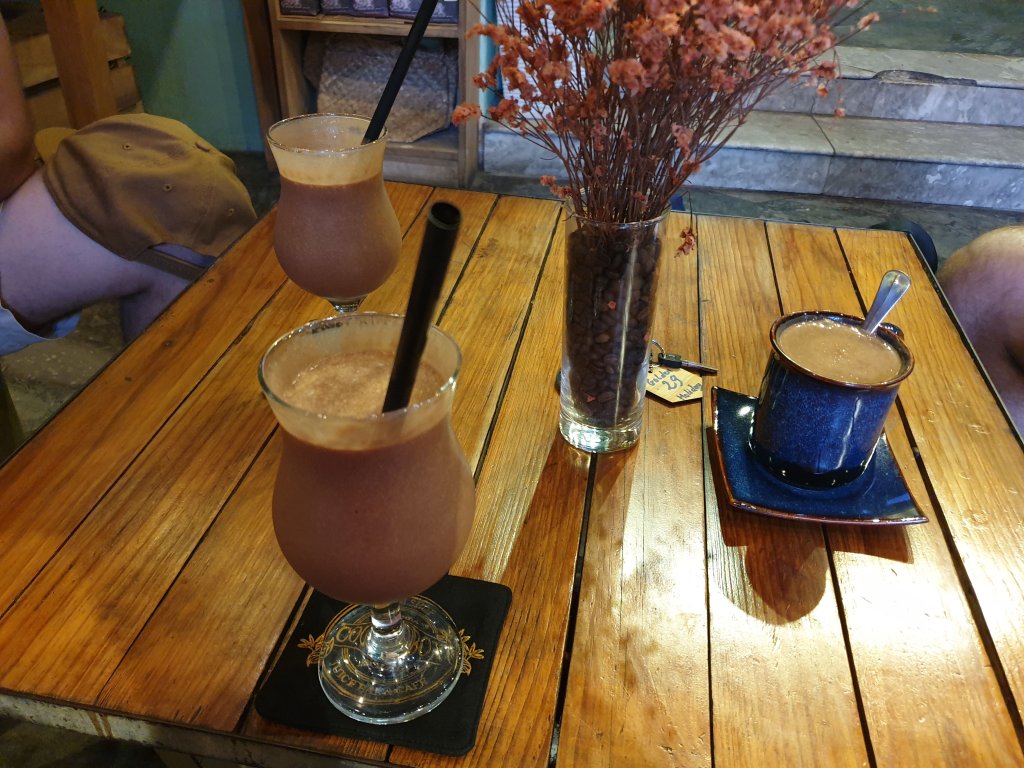
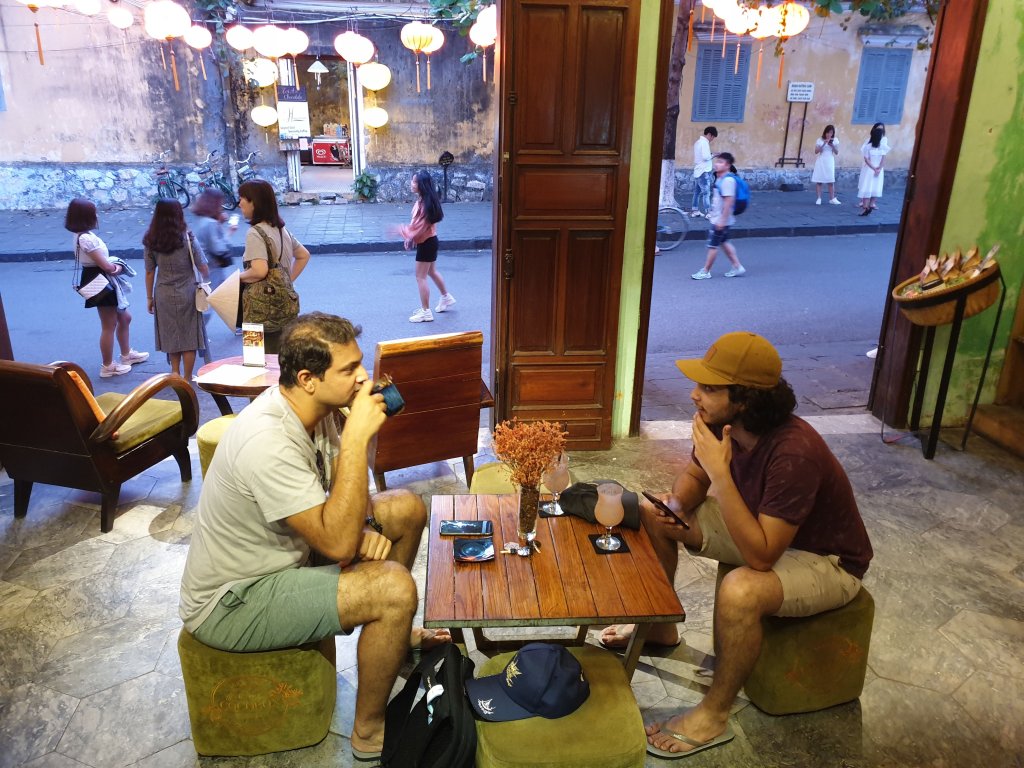
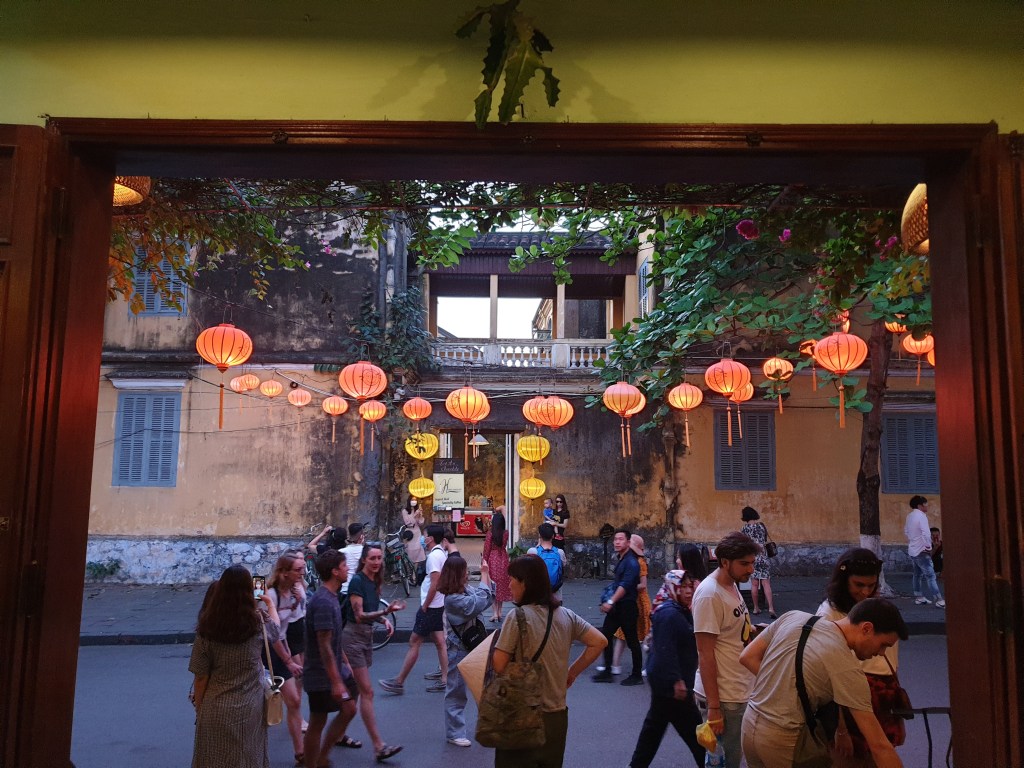
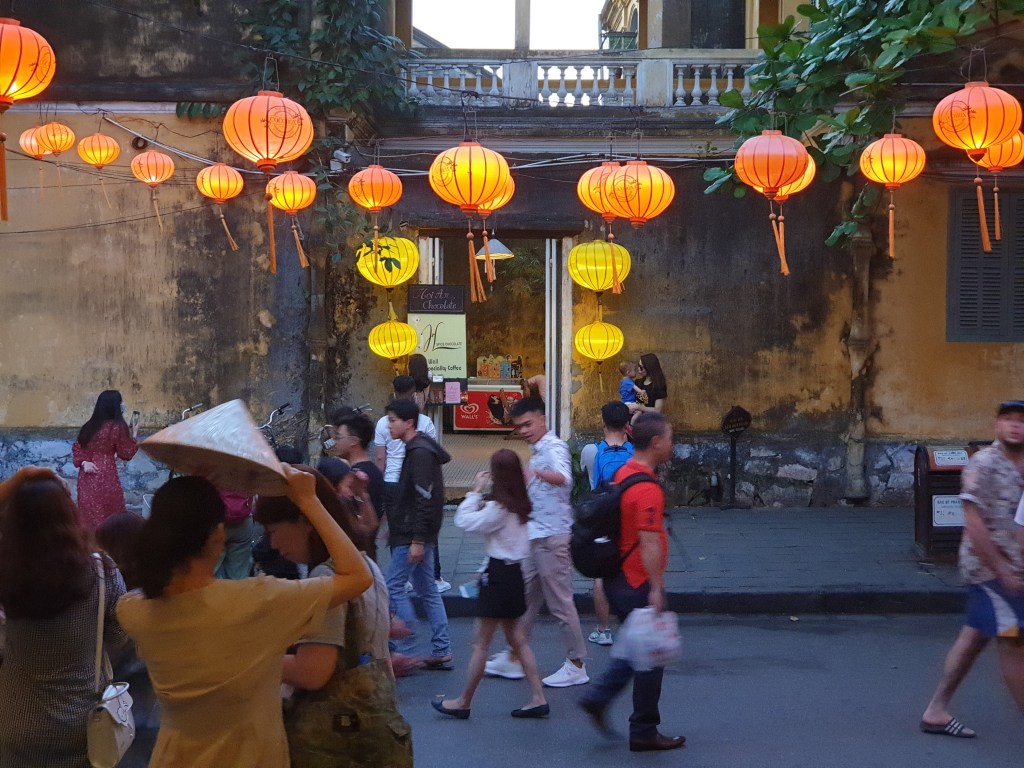
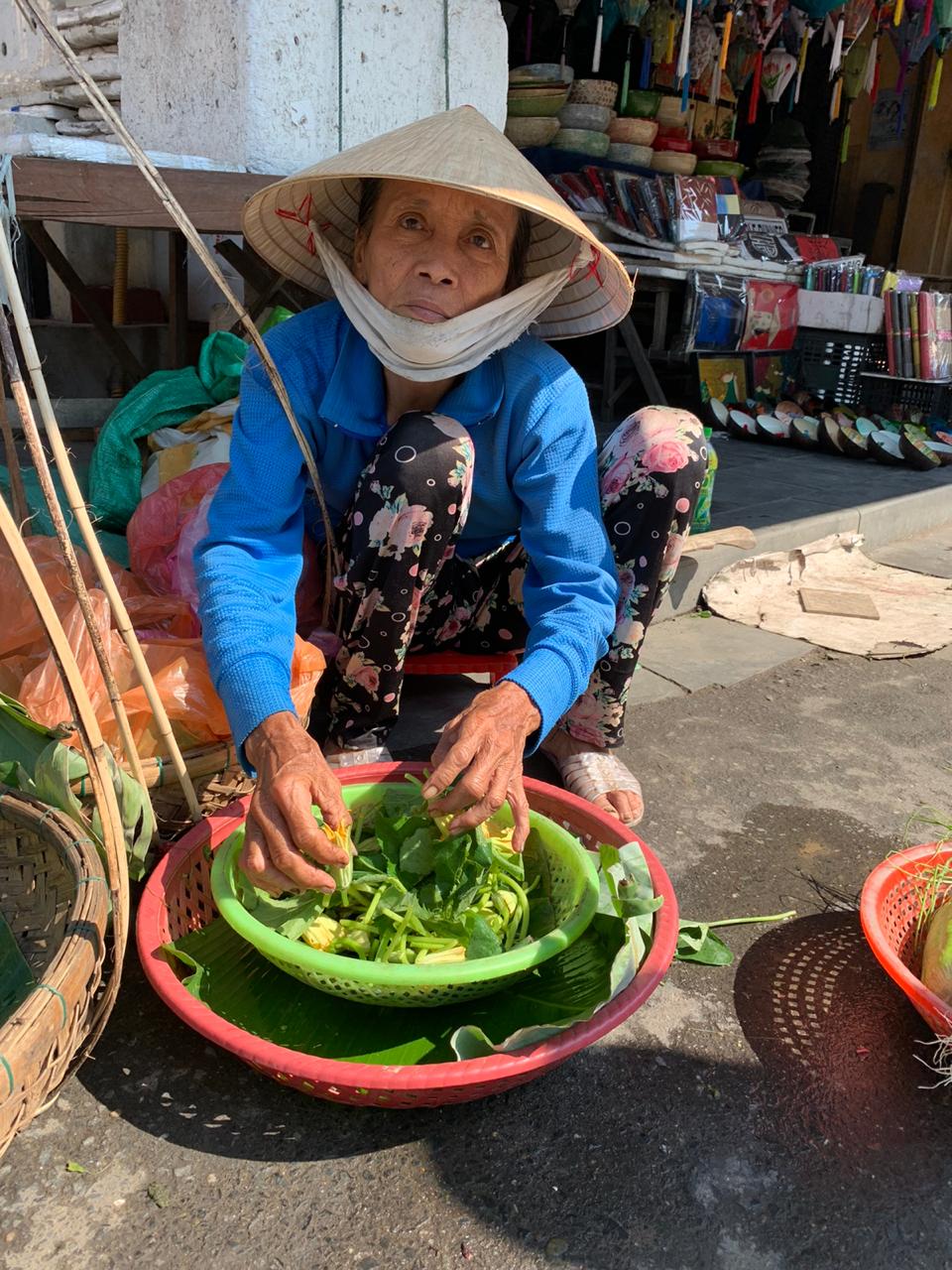
The old town was a revelation, beautiful with lovely roadside cafe’s and “boutique-shops” – no vehicles allowed in the old city added to the charm. We had coconut coffee in one of the coffee shops and bought some exotic chocolates that included “chilli” flavored chocolate.
We decided that Hoi An – deserved another trip back, on a longer more leisurely schedule.
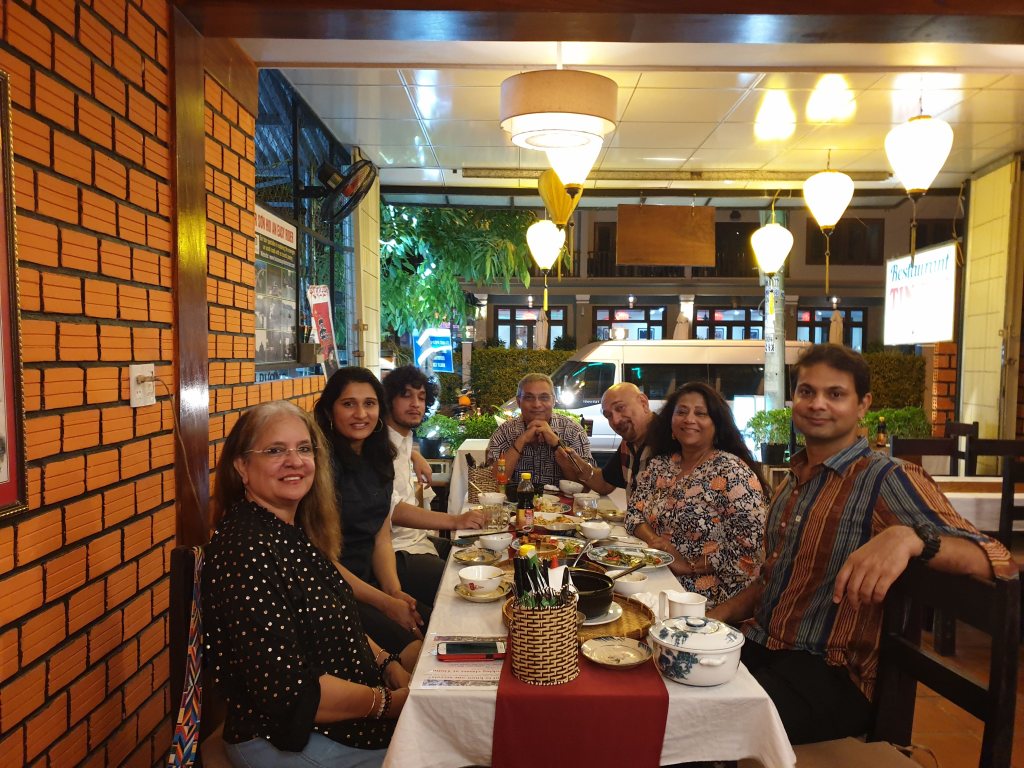
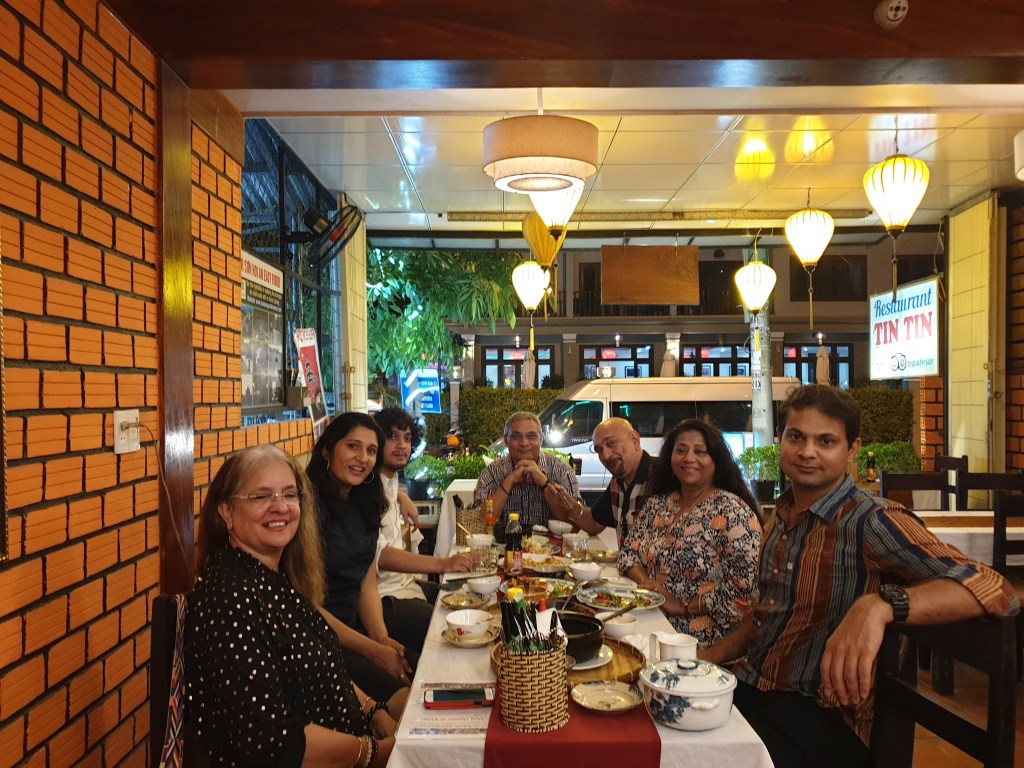
The dinner was hosted by the Tour guide company, a small delightful Vietnamese restaurant run by a very enterprising young Vietnamese lady.



DAY 6
We left the next after checking out after Breakfast, on our way to Da Nang, Ba Na Hill.
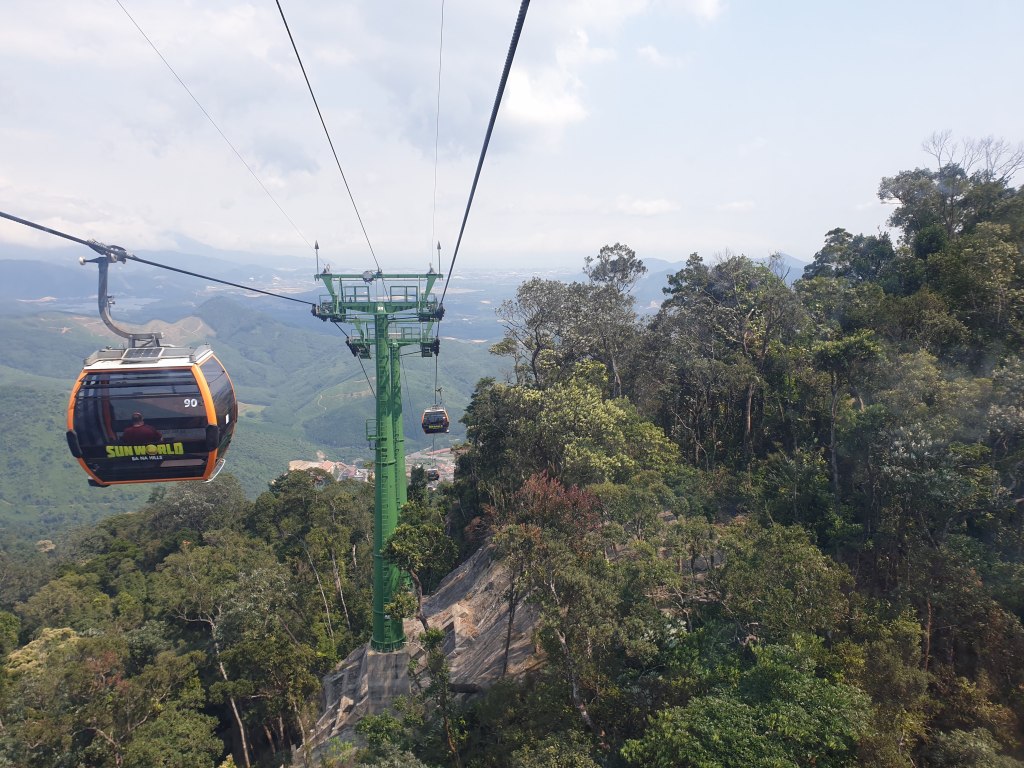
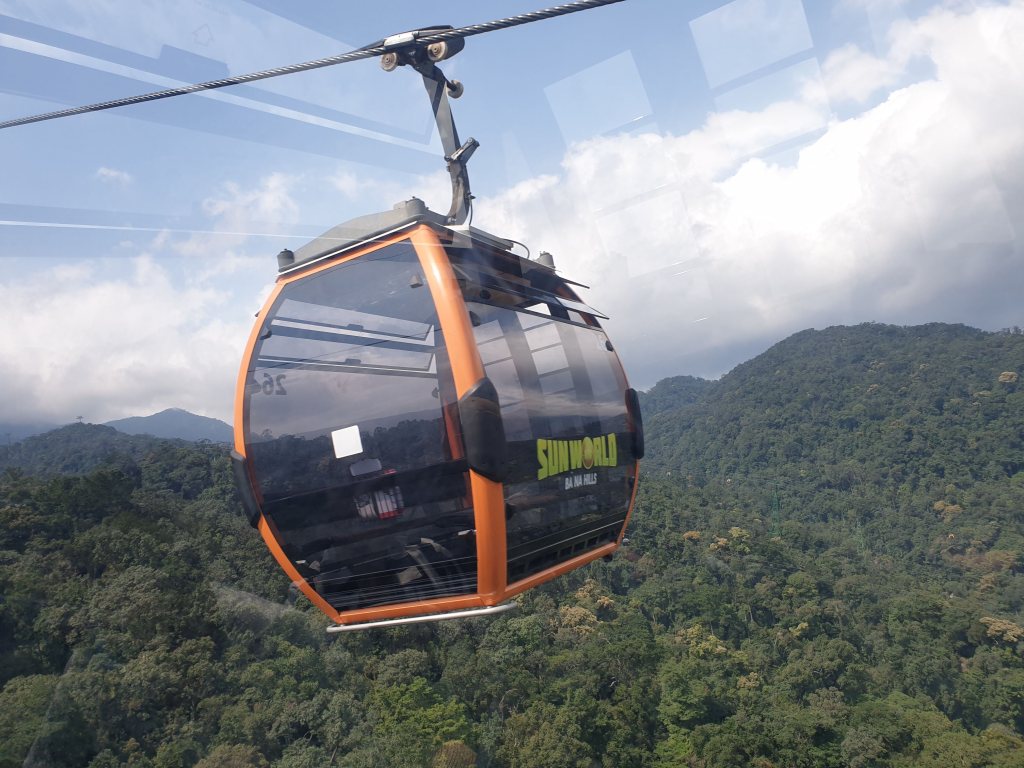
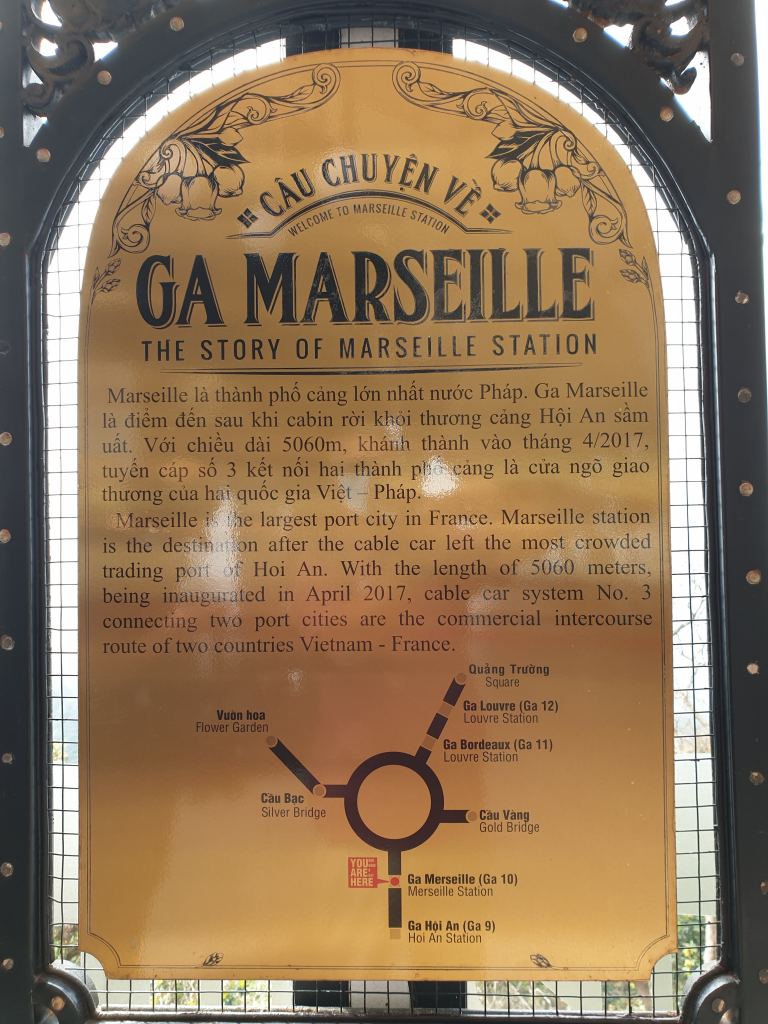
From the entrance to the top, we took a cable car over some of the most beautiful forested areas.
The Ba Na Hill was an incredible man-made resort, that is still under development. A Vietnamese “Disney Land”, a must visit for all tourists, it has something for everyone. The day was cool and cloudy, drizzling at times, but perfect for us.
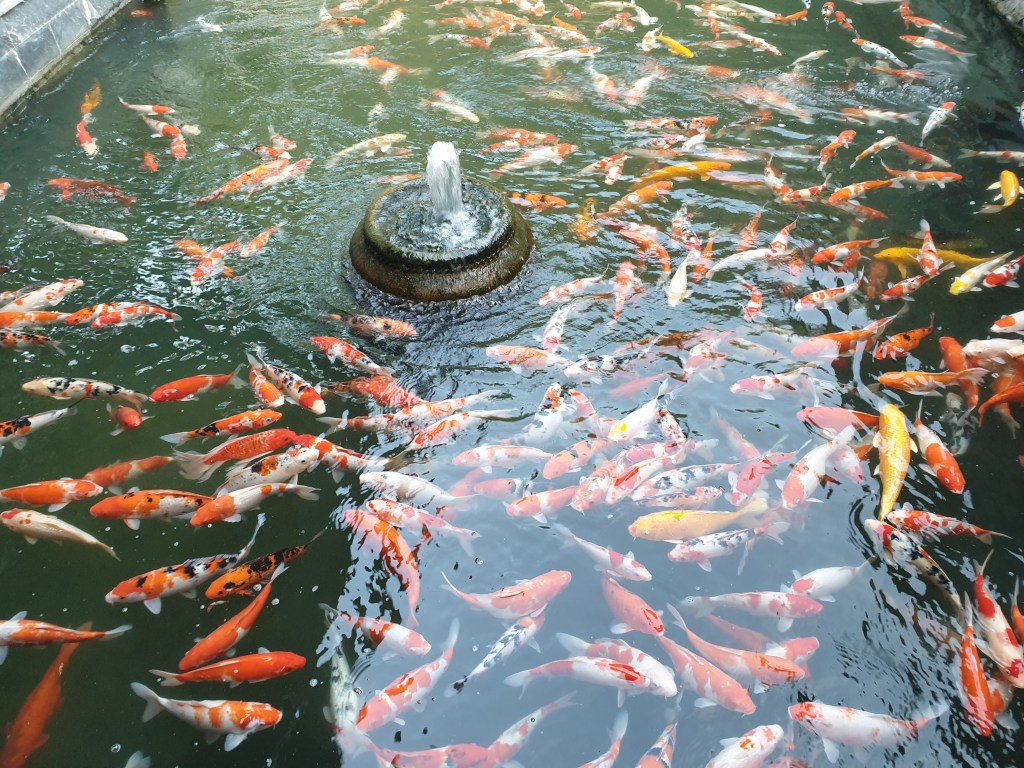
We were lucky to visit during the Flower Festival, it was so vibrant and beautiful, the pictures below say it all.
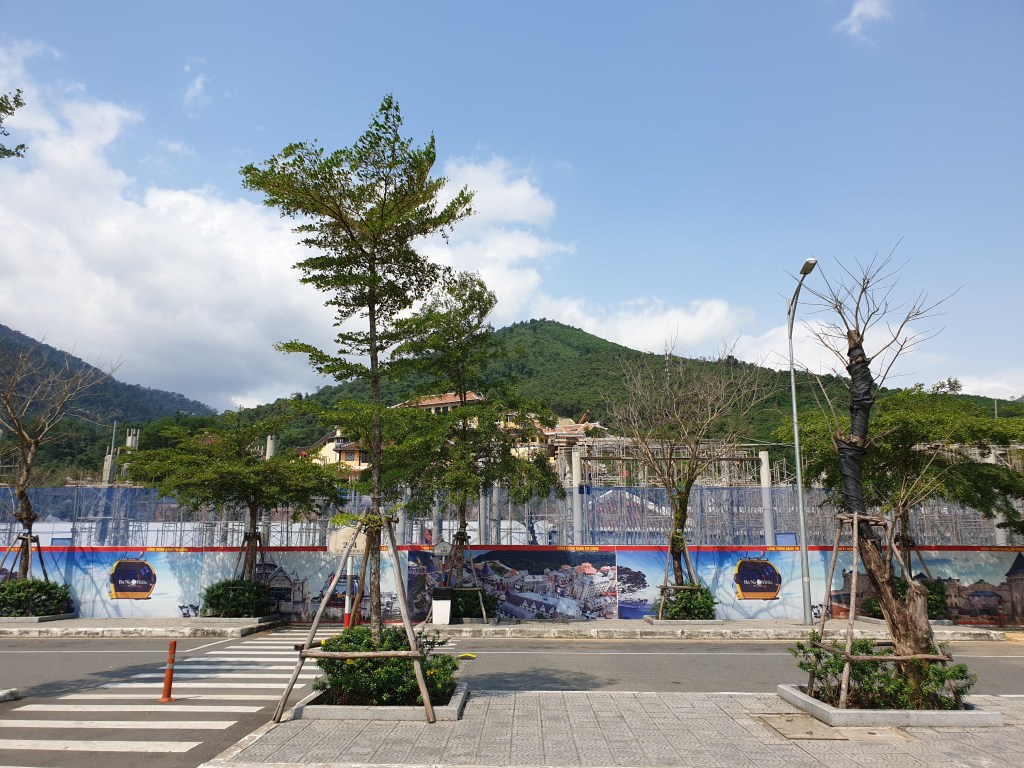
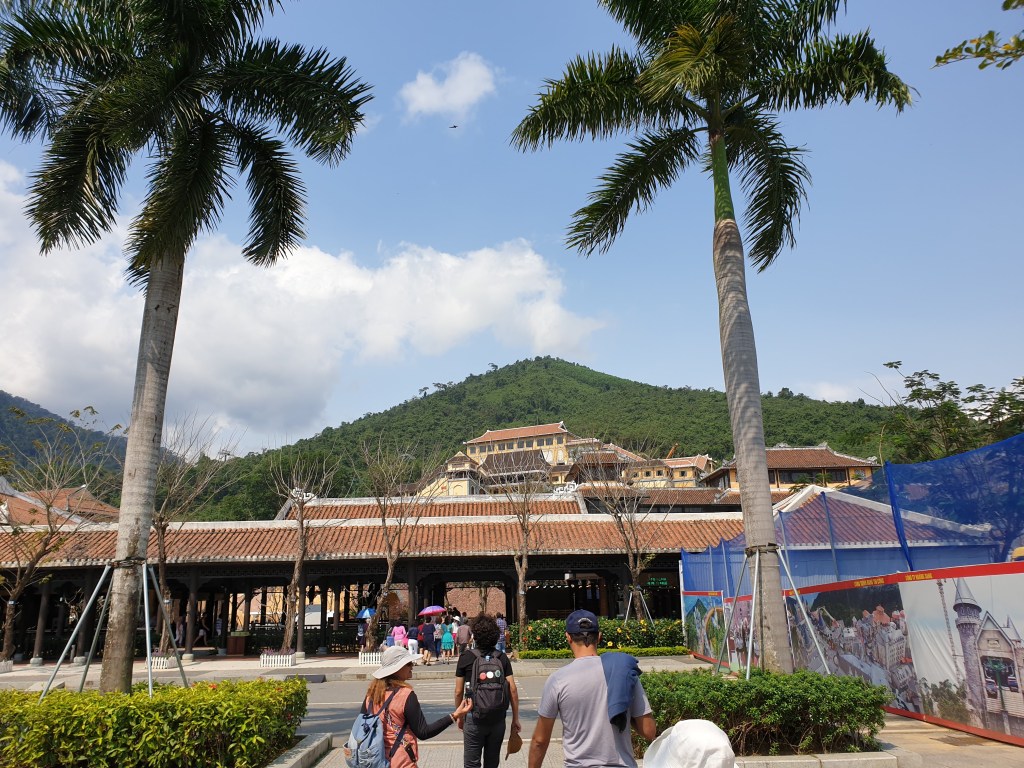
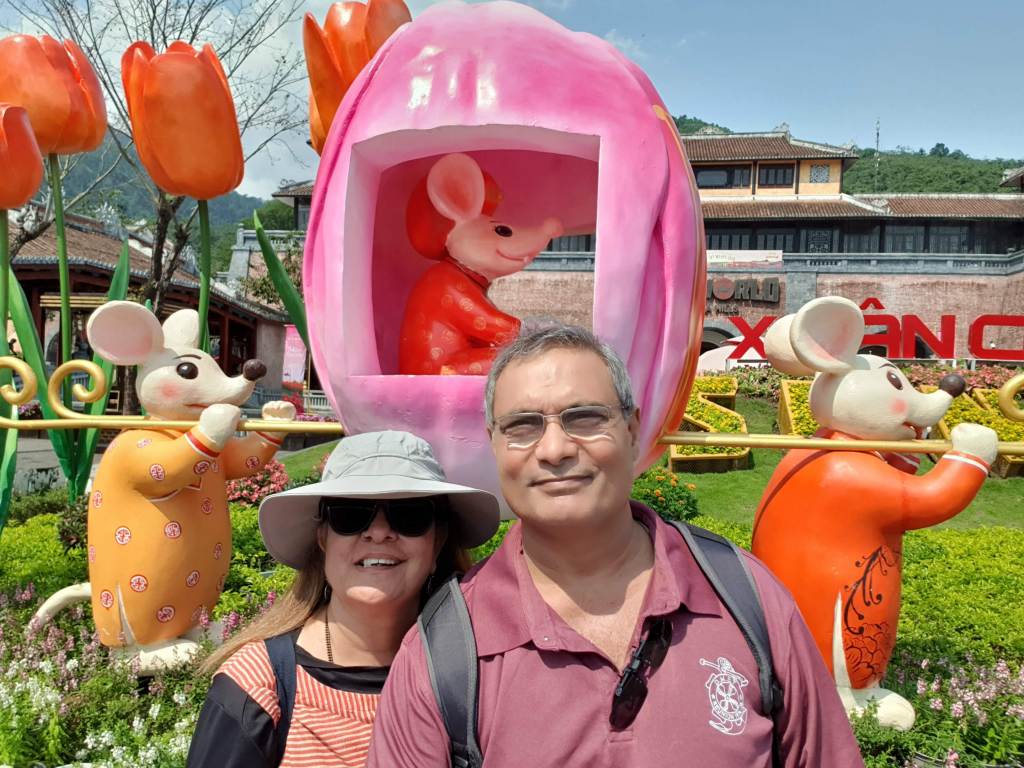
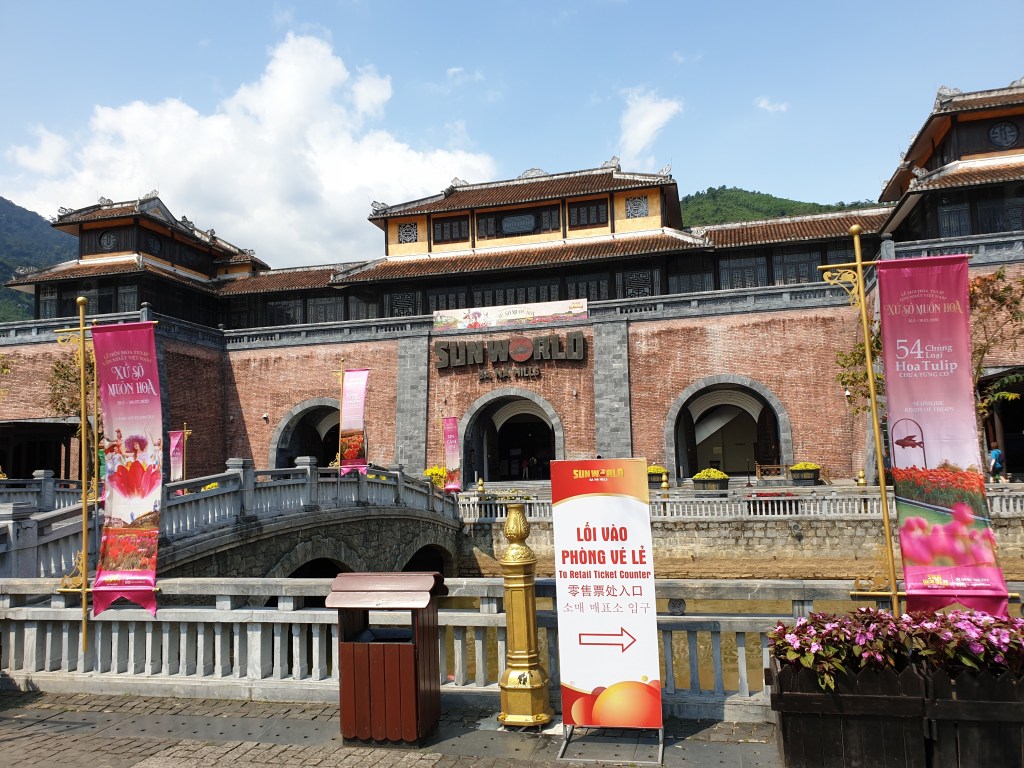
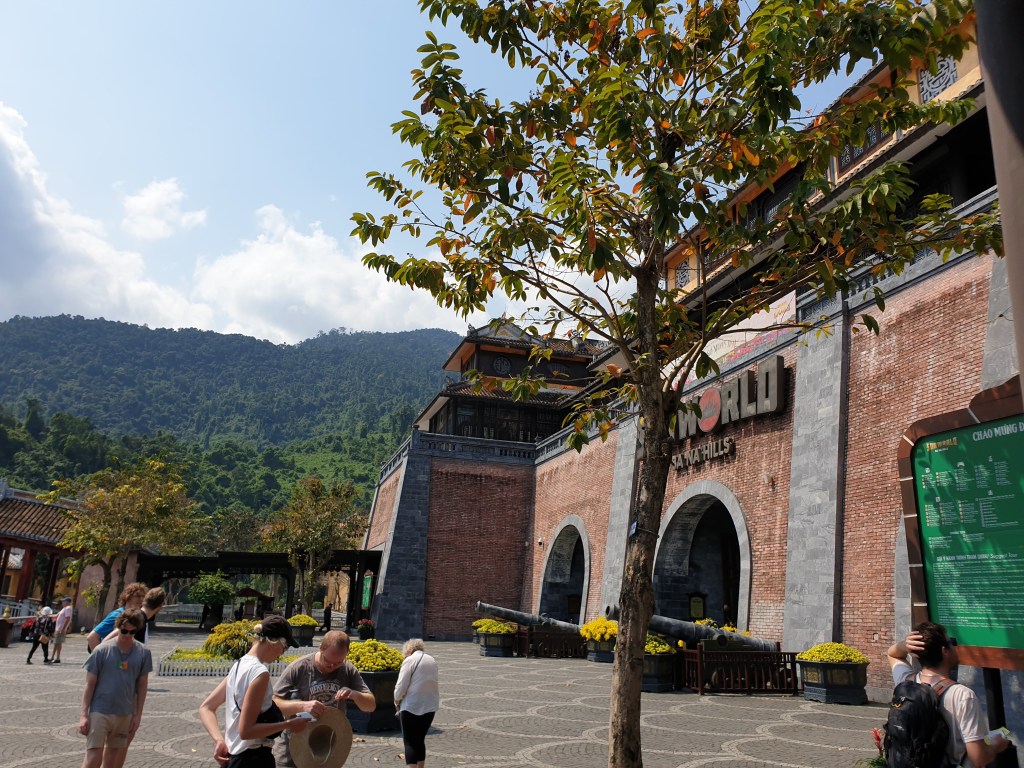
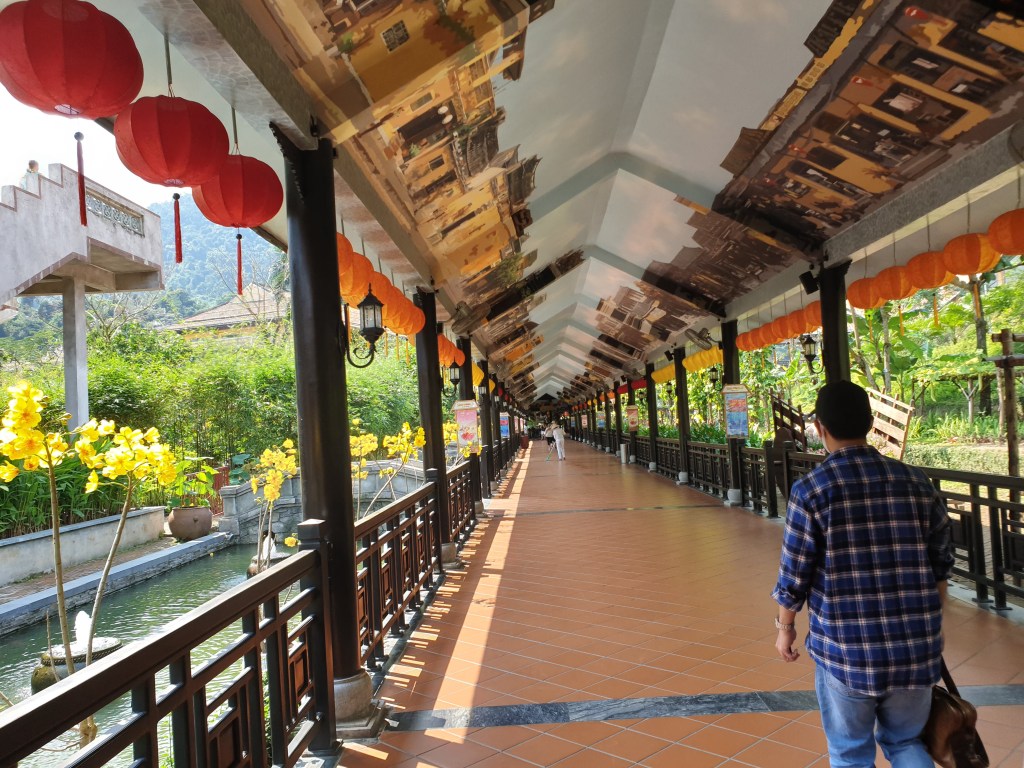
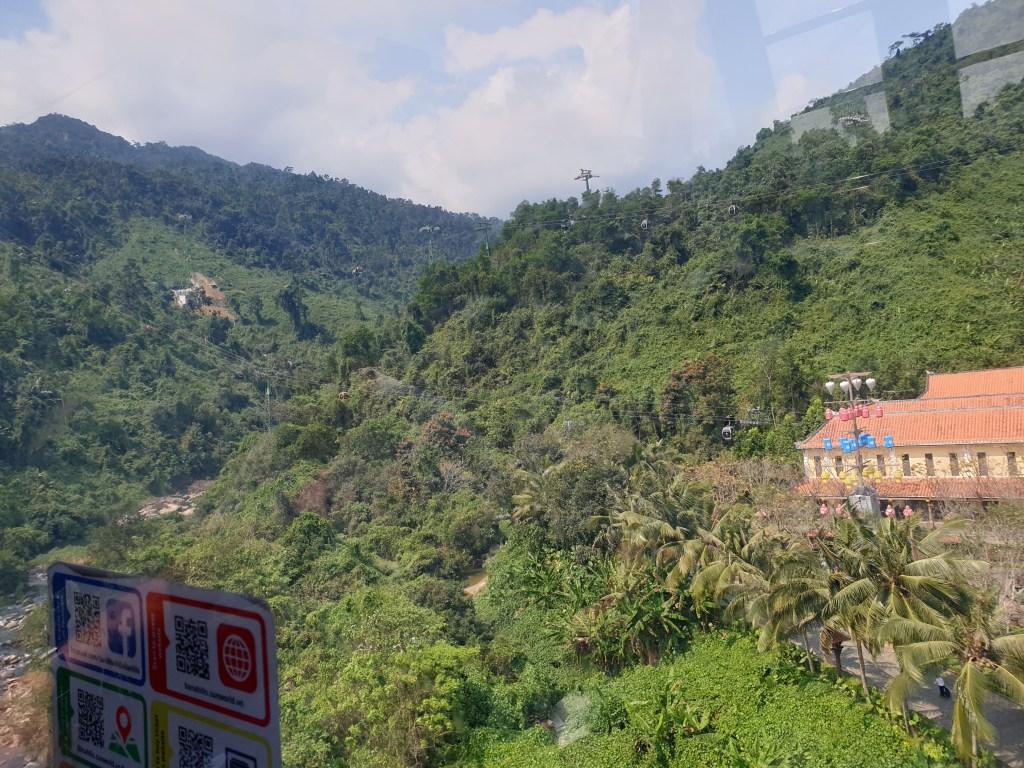
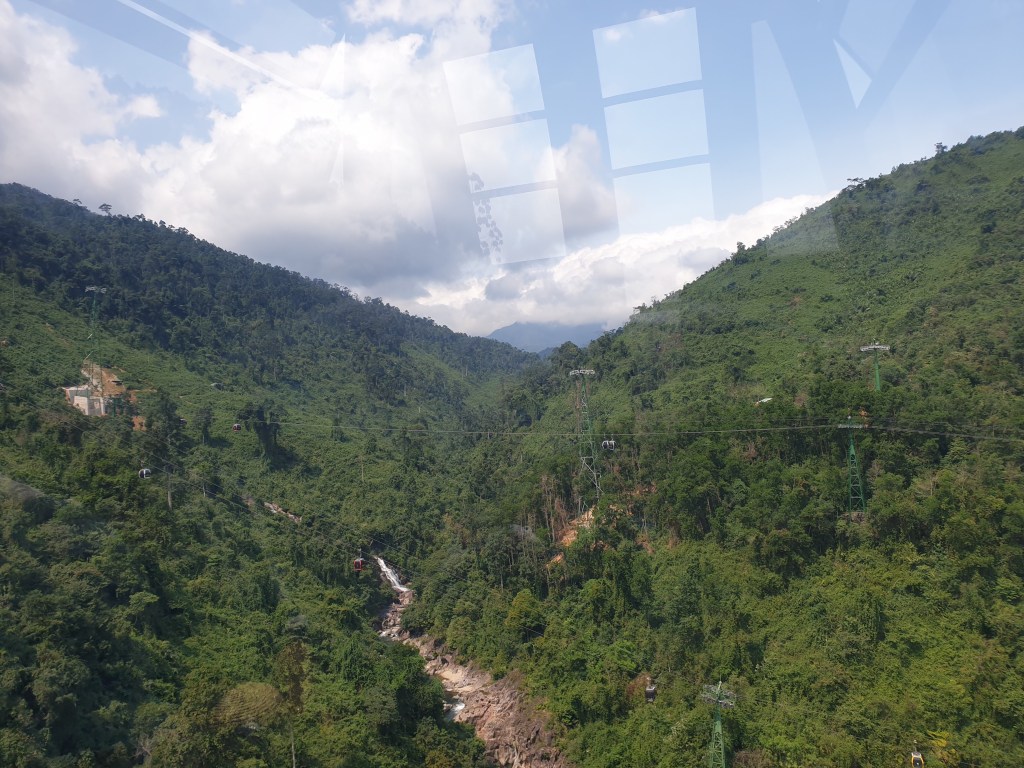
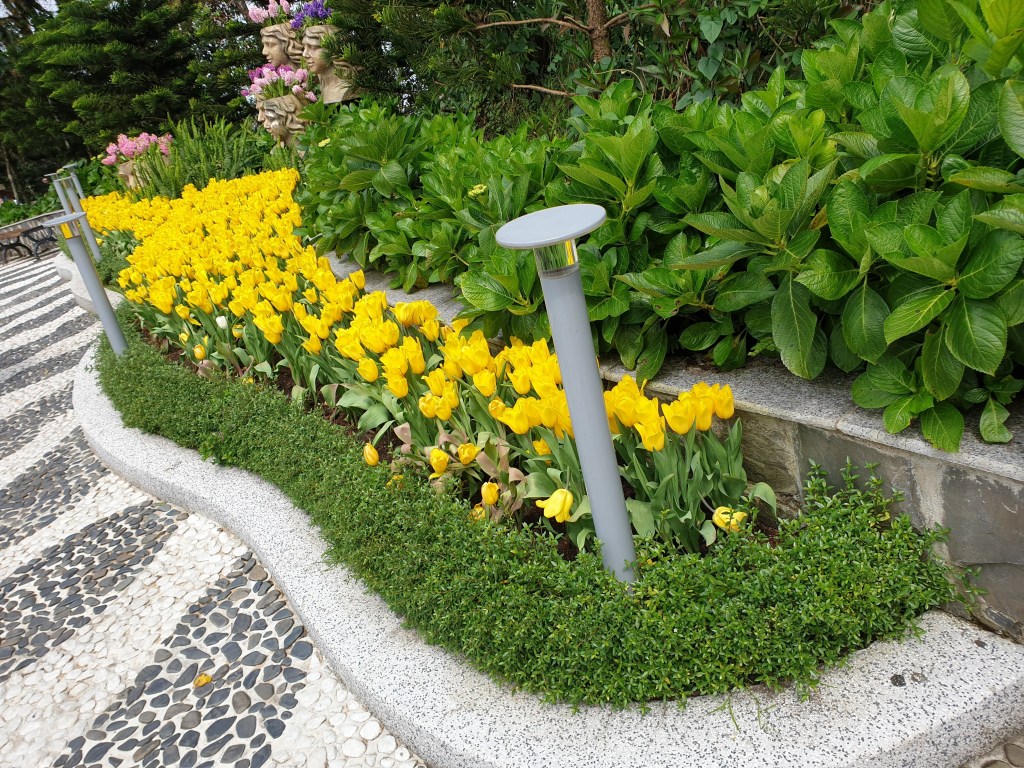
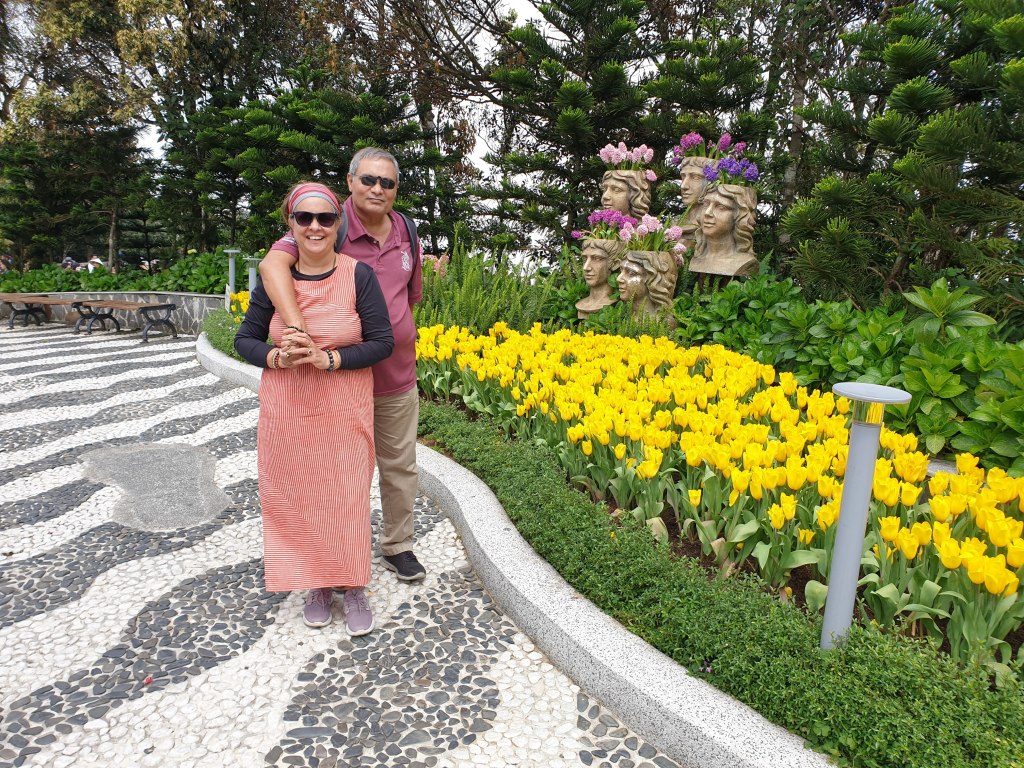
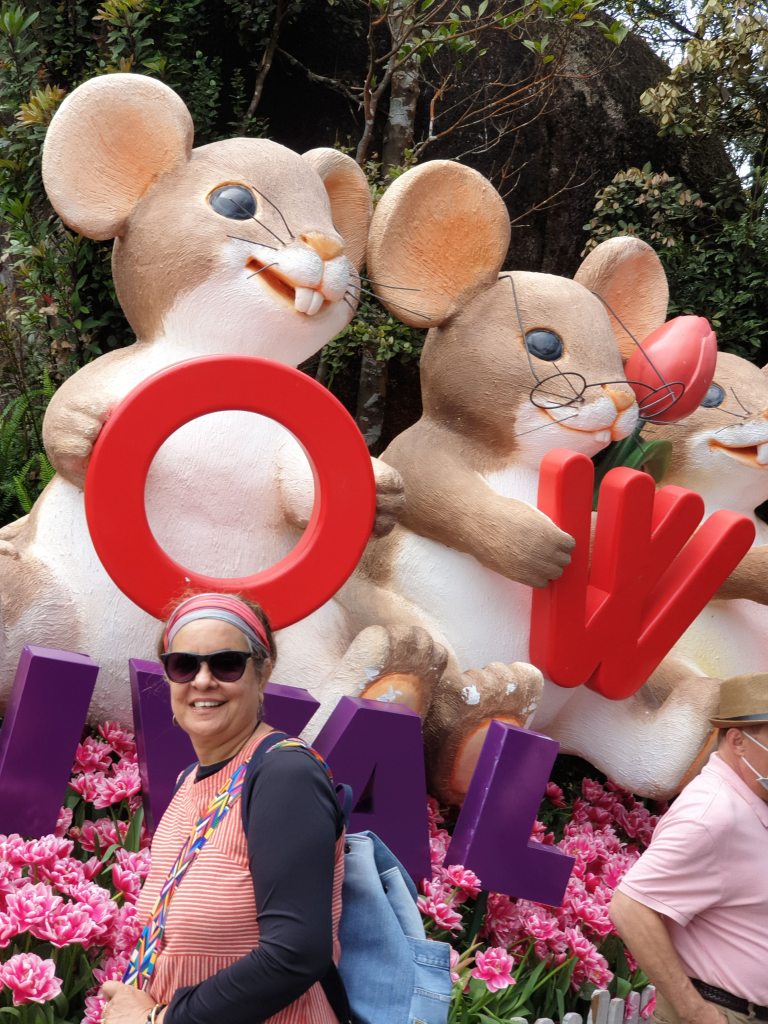
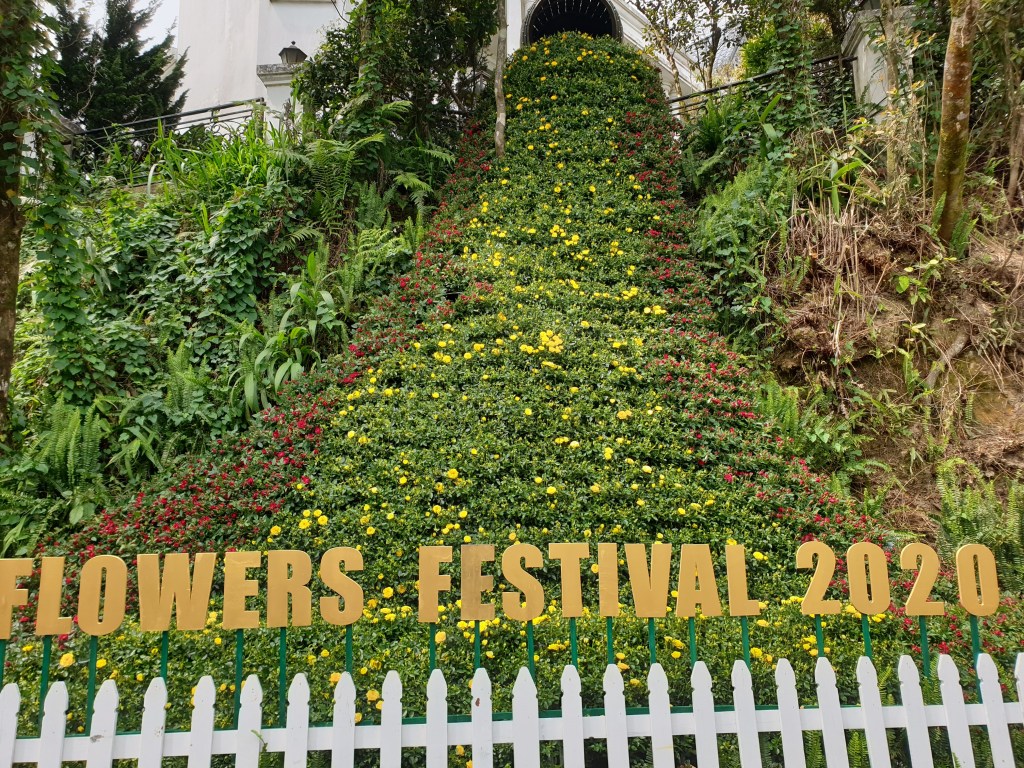
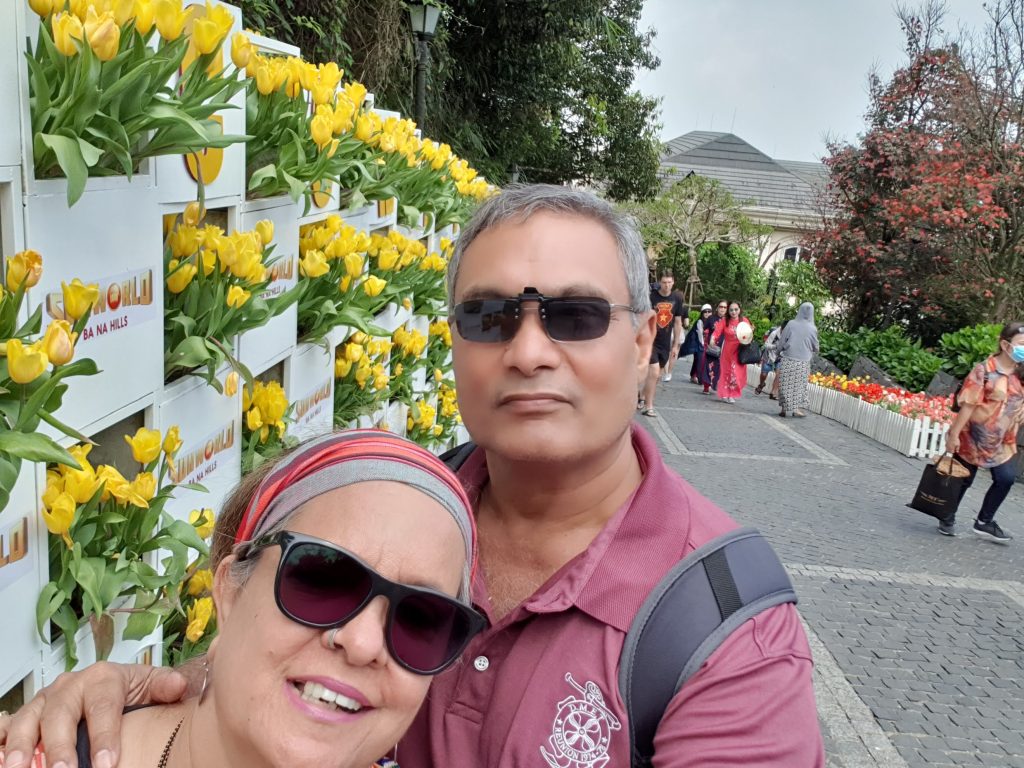
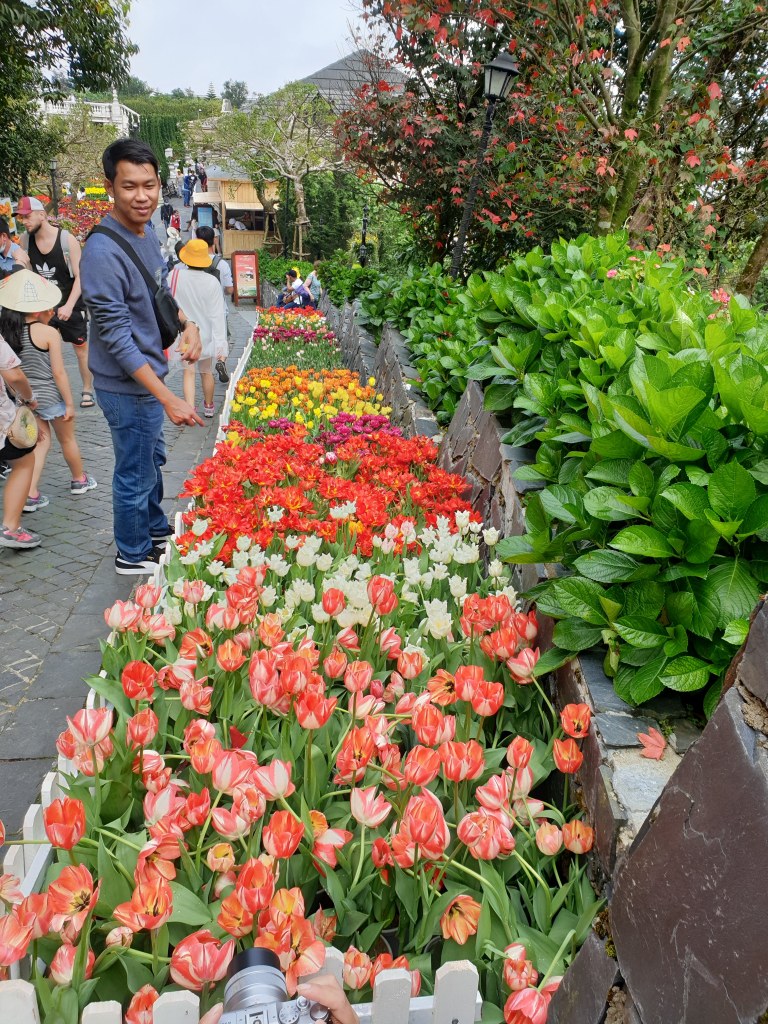
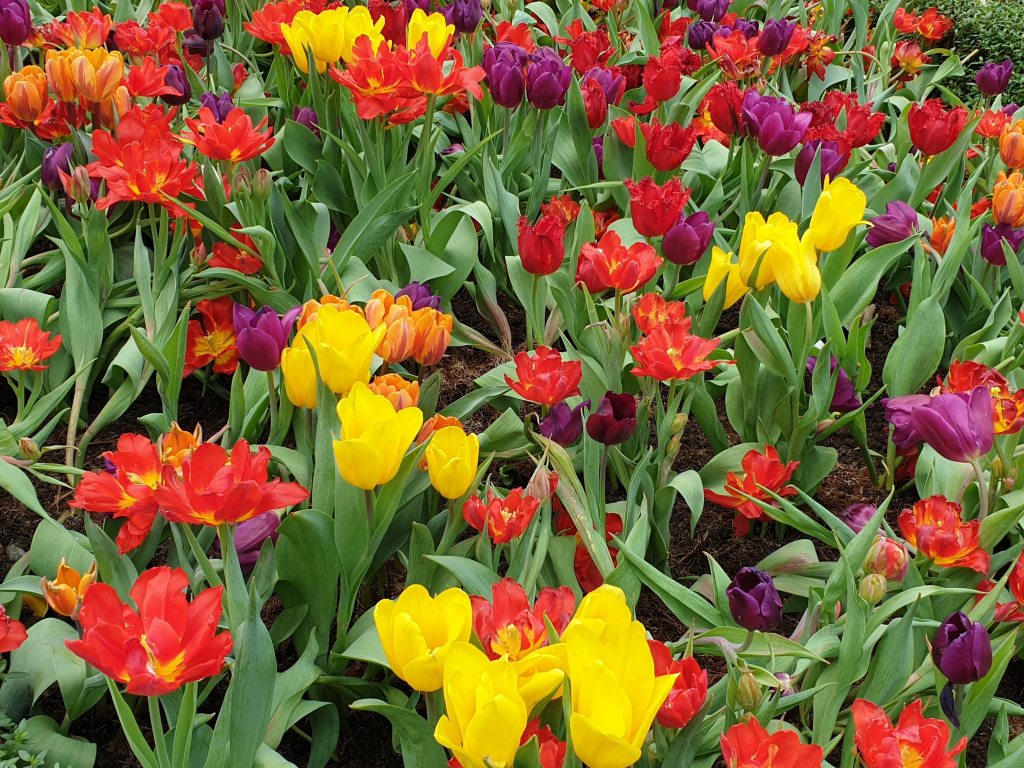
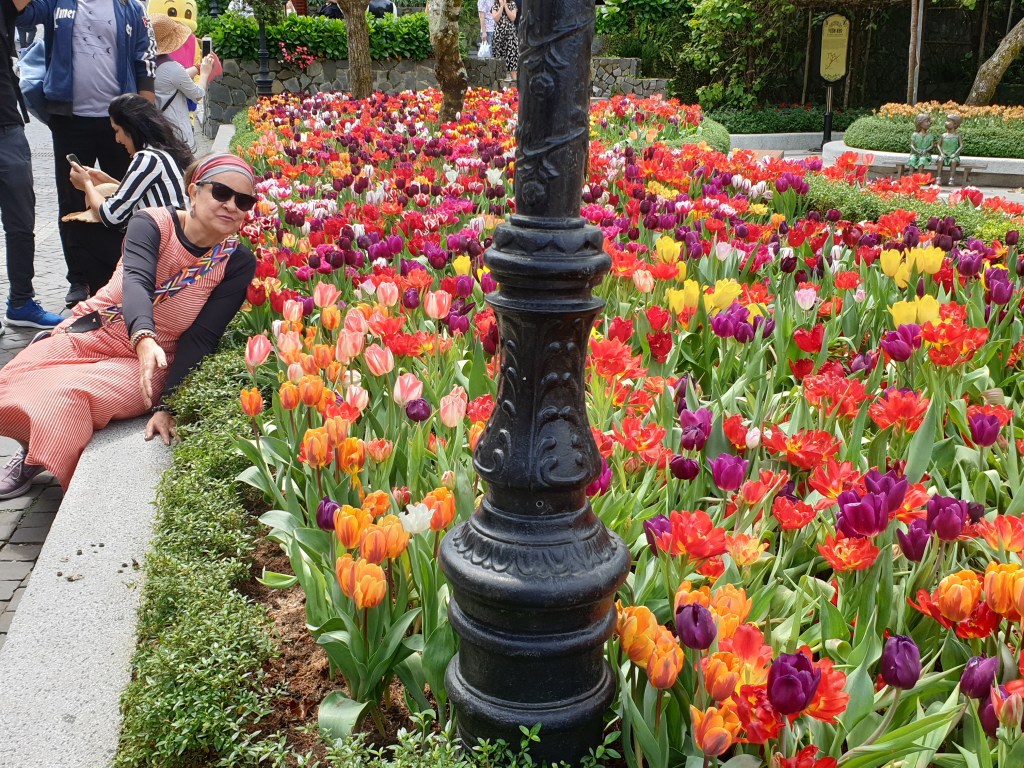
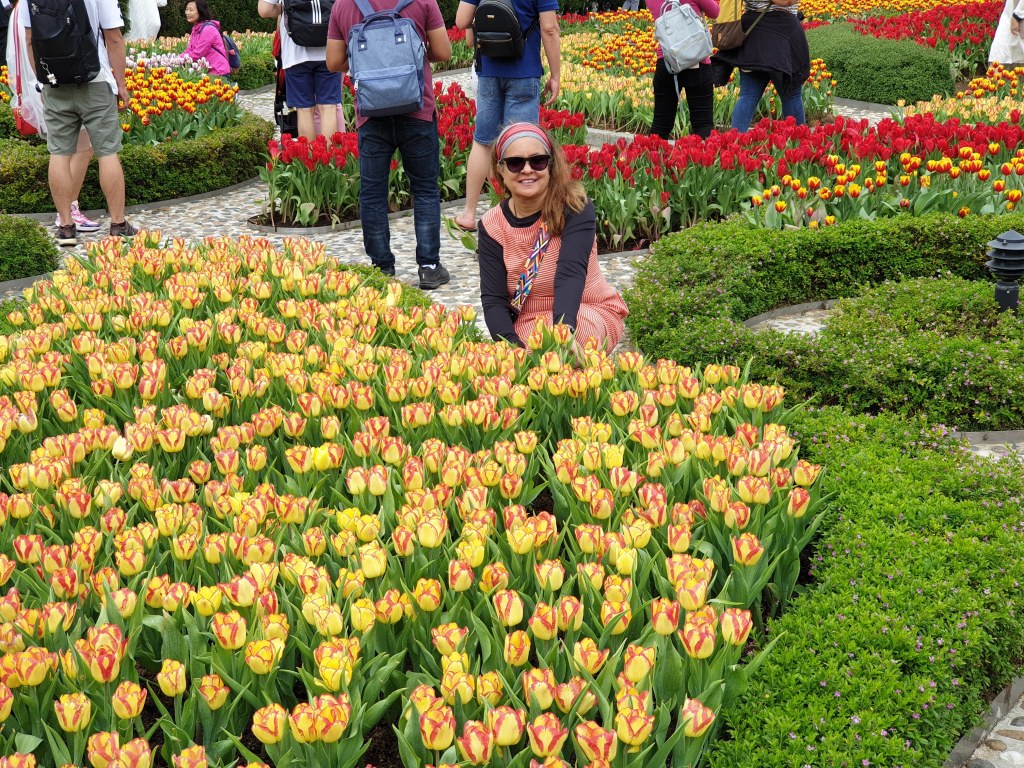
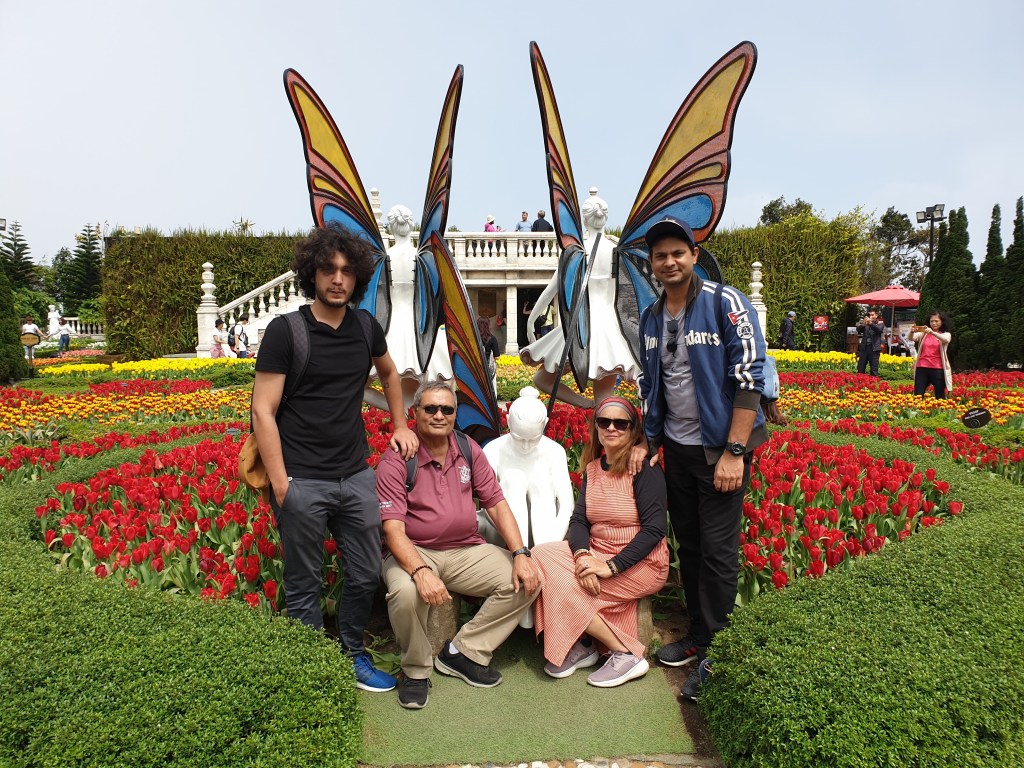
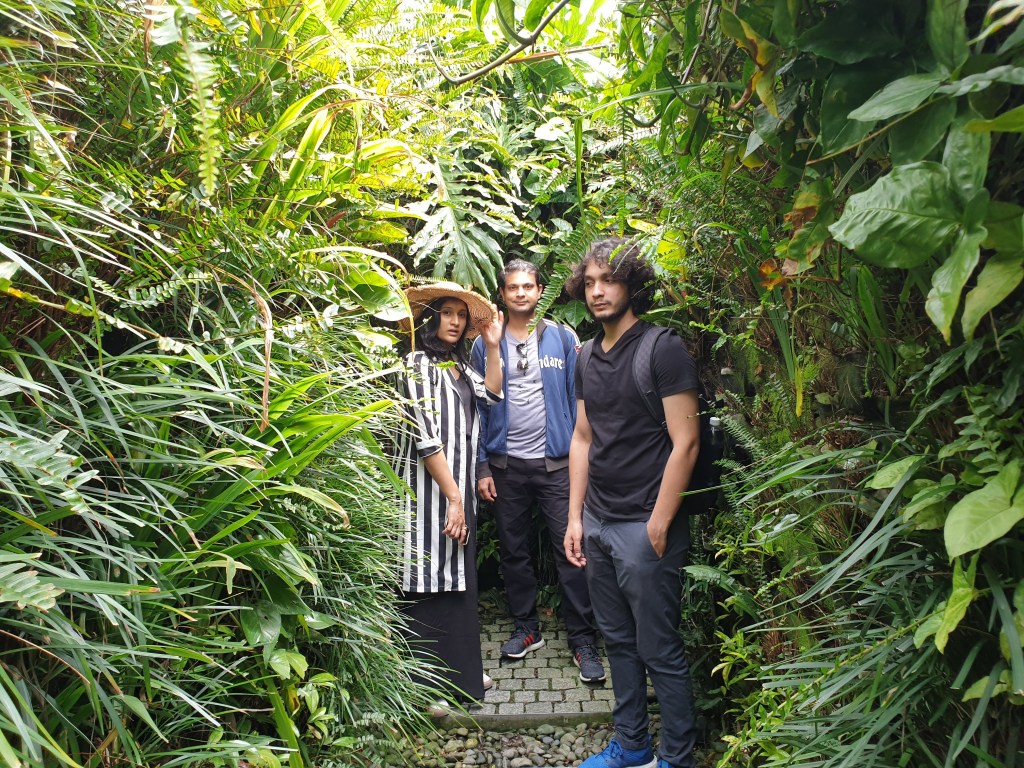
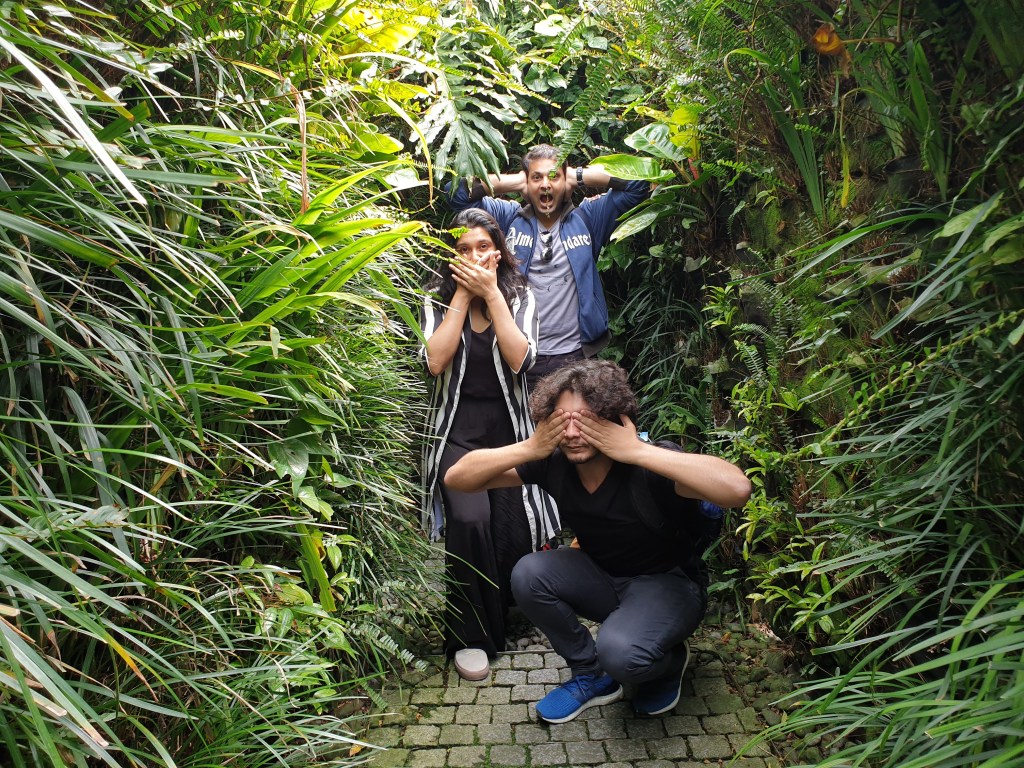
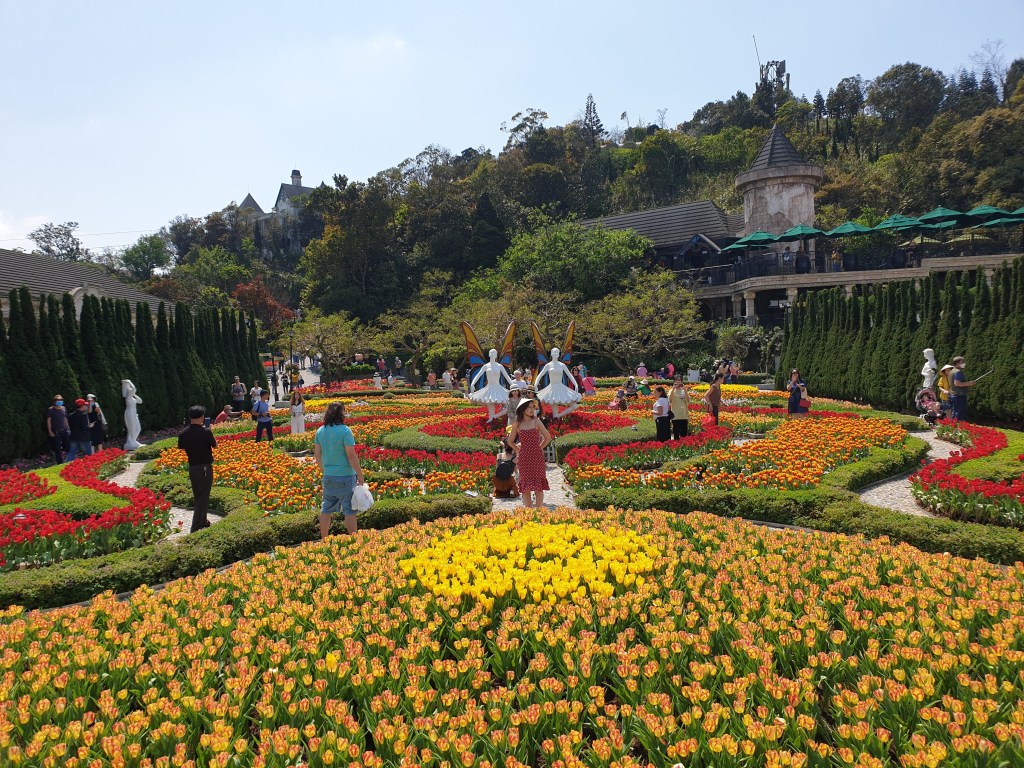

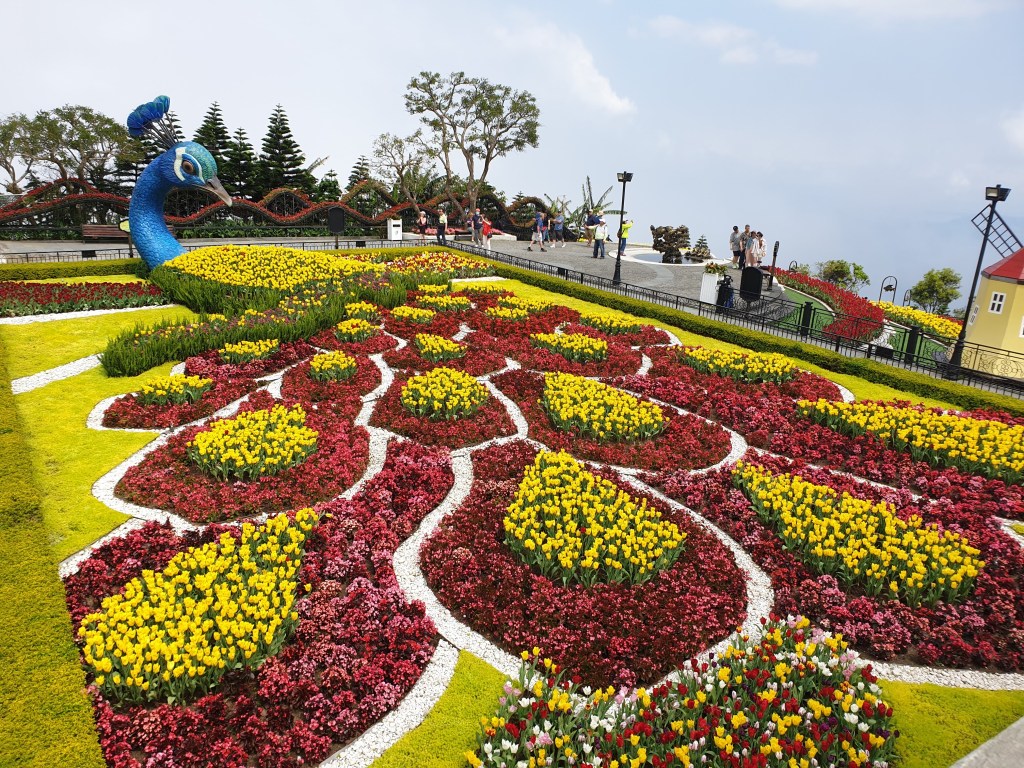
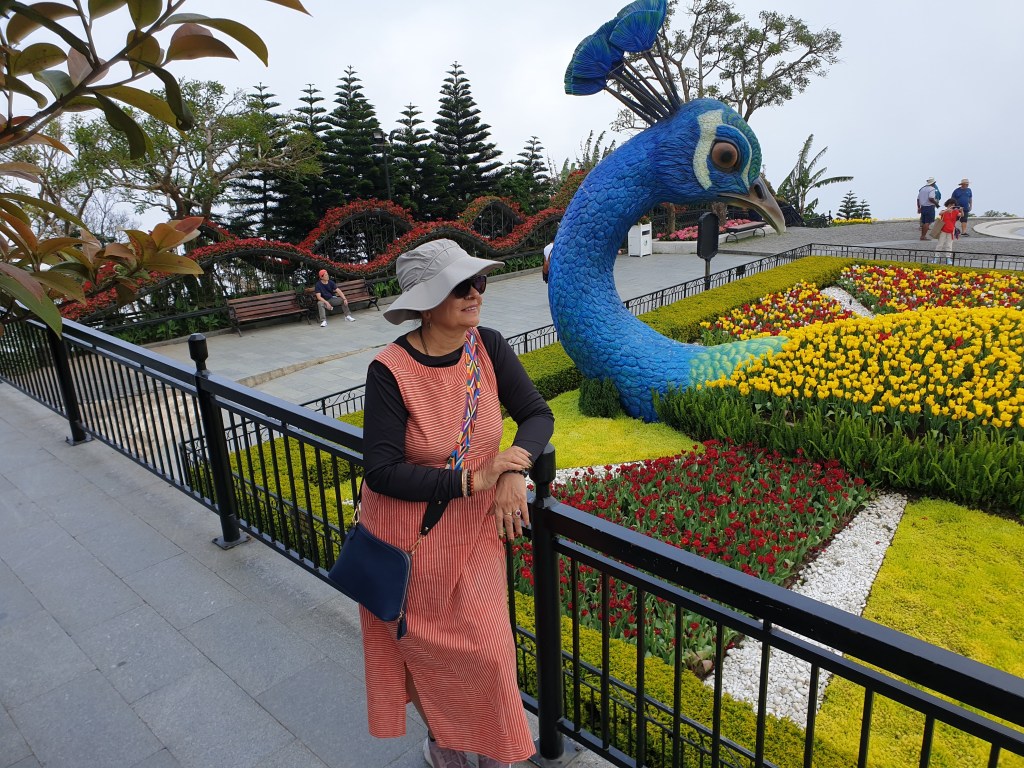
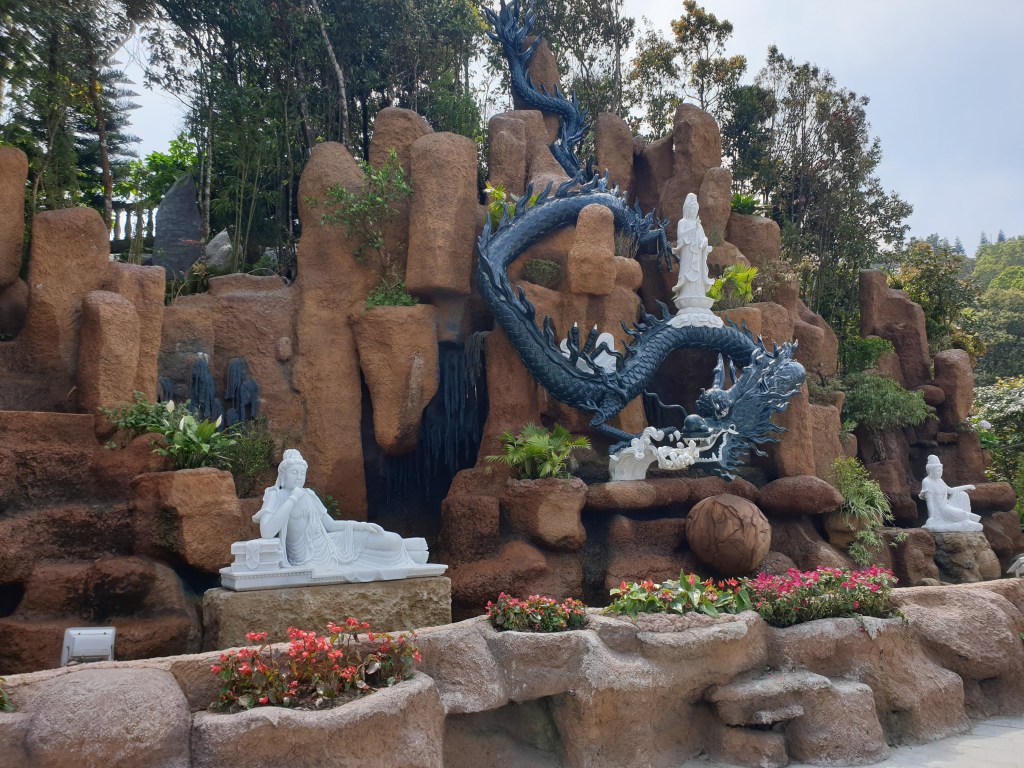
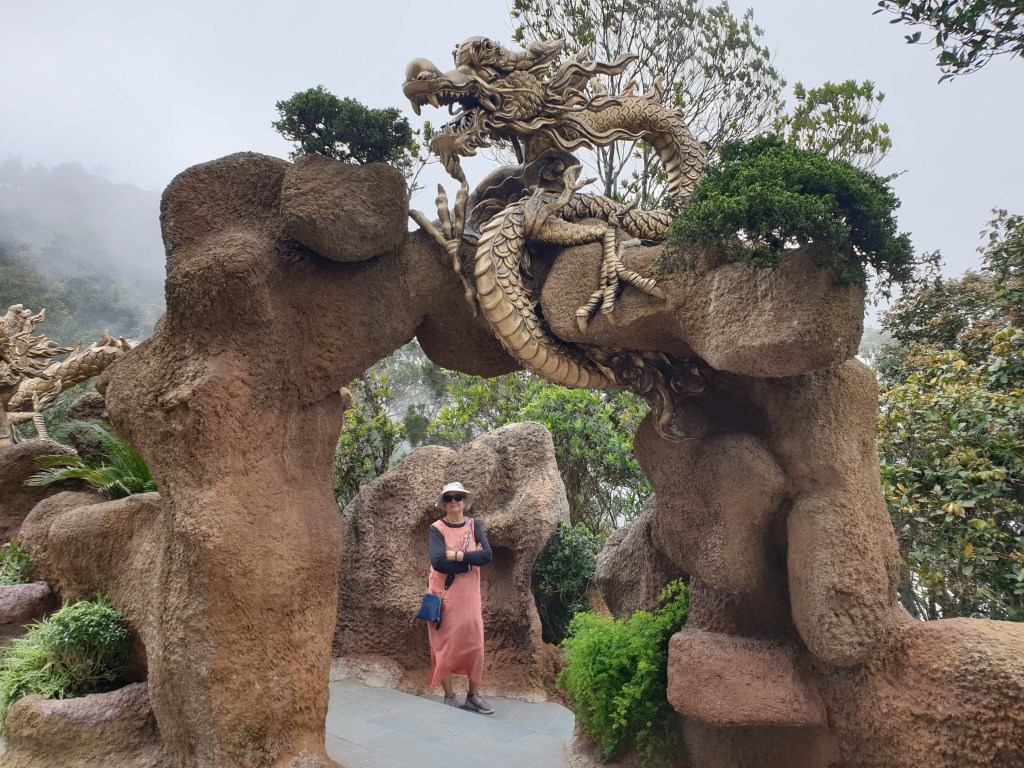
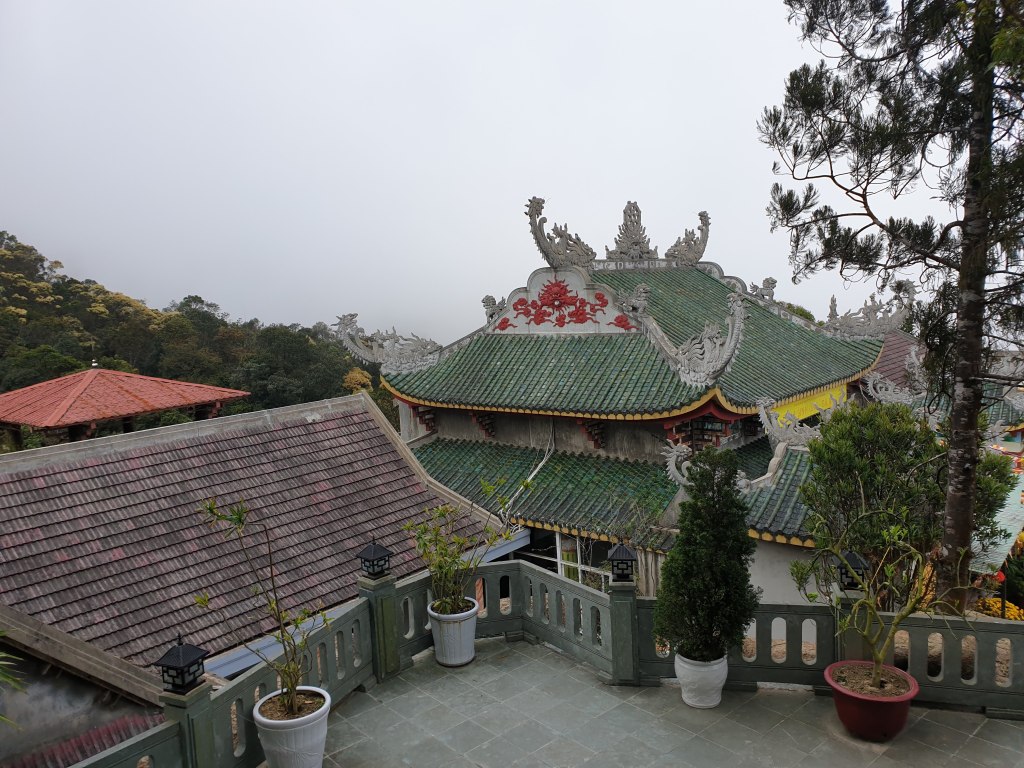
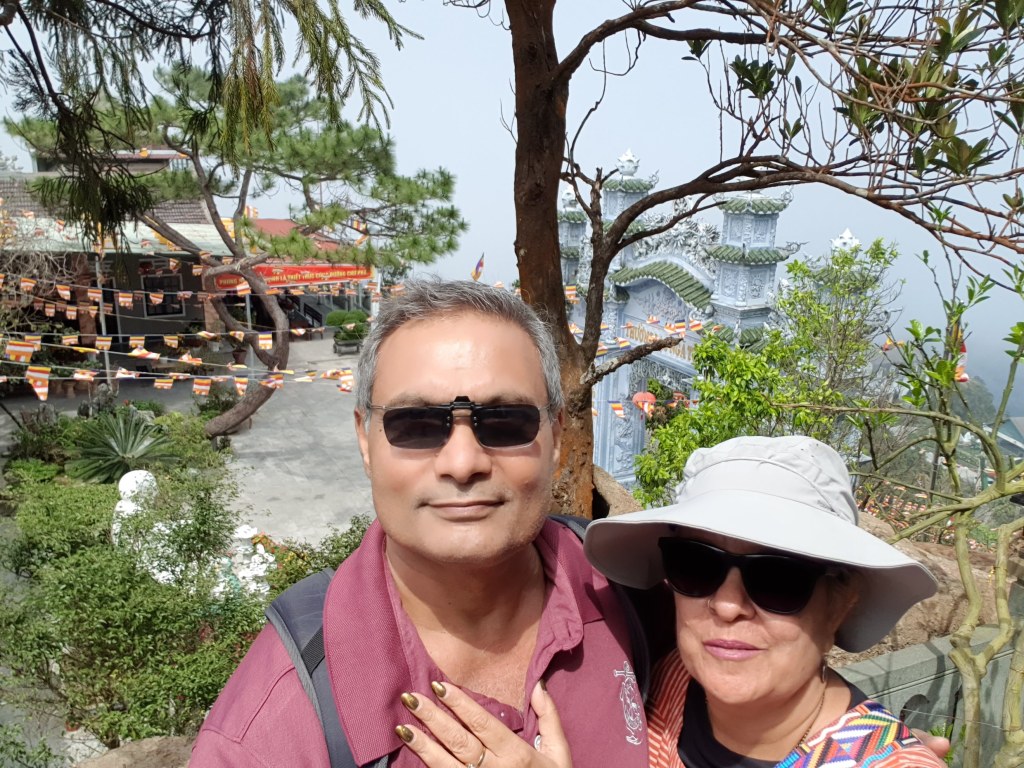
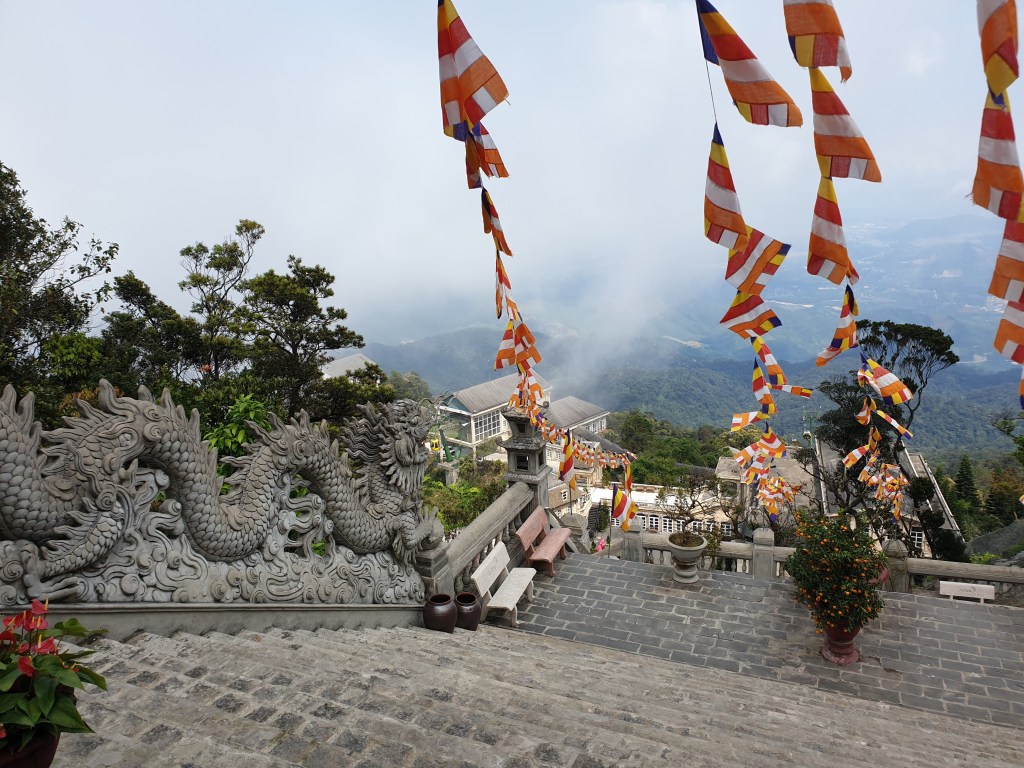
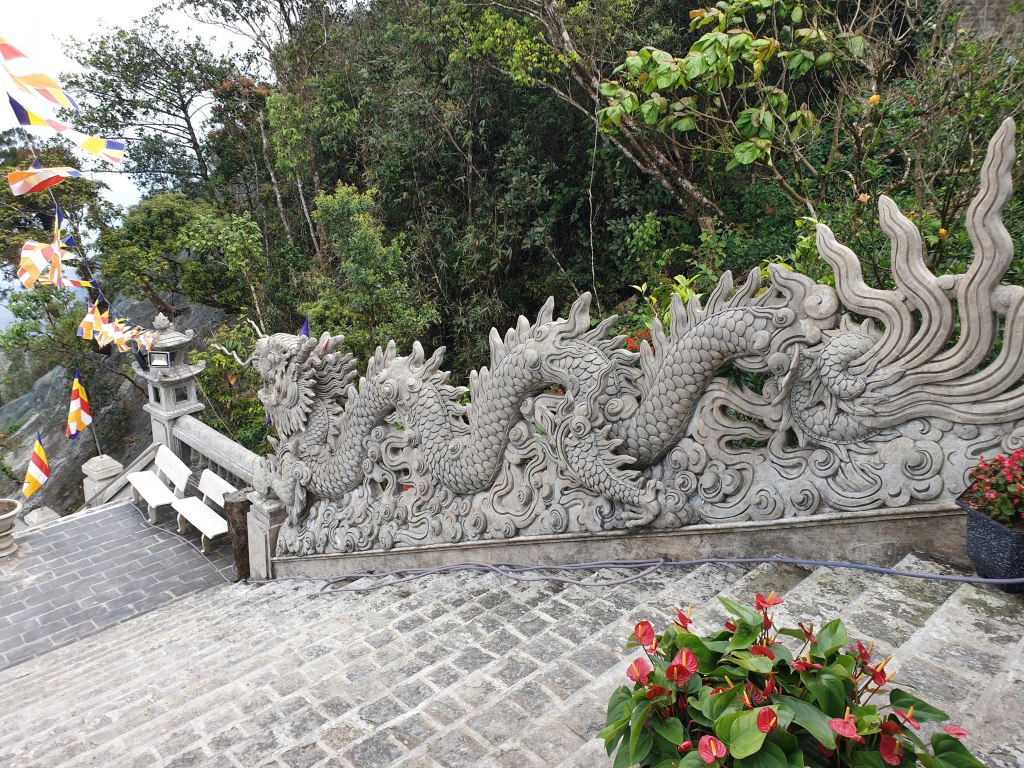
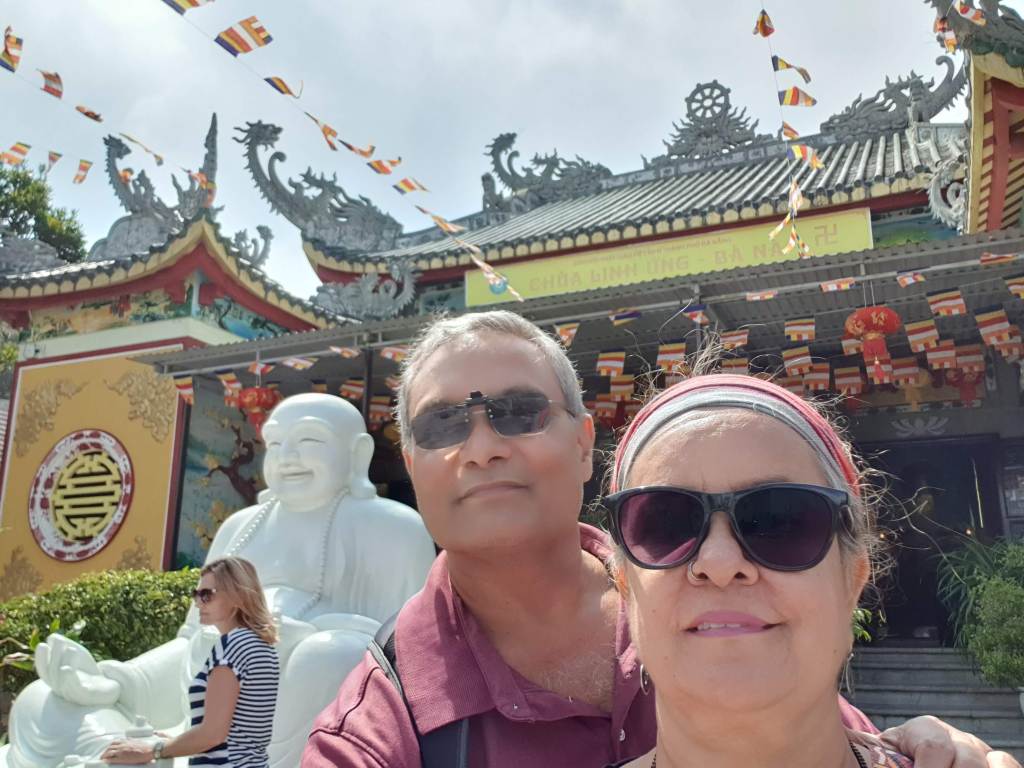
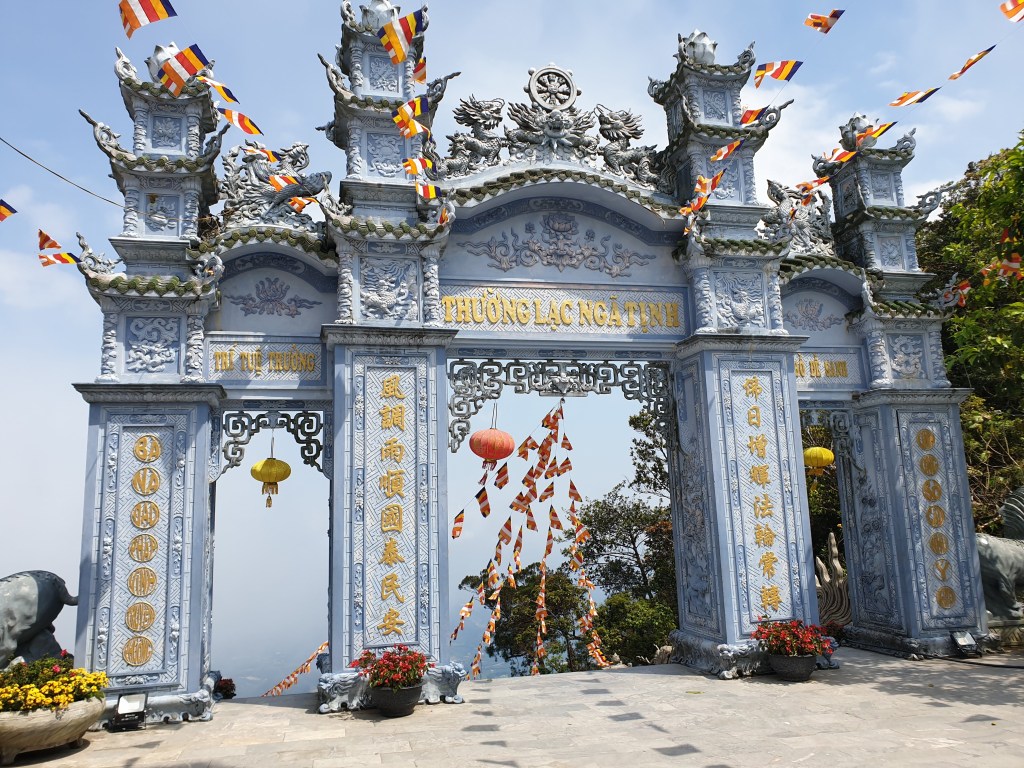
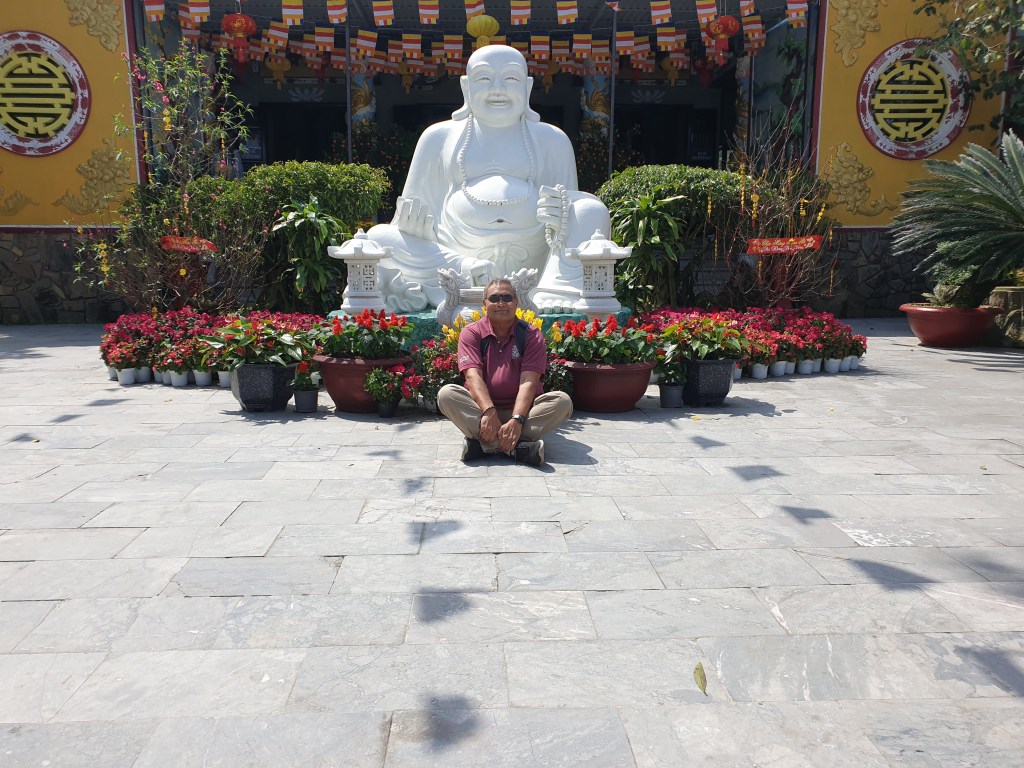
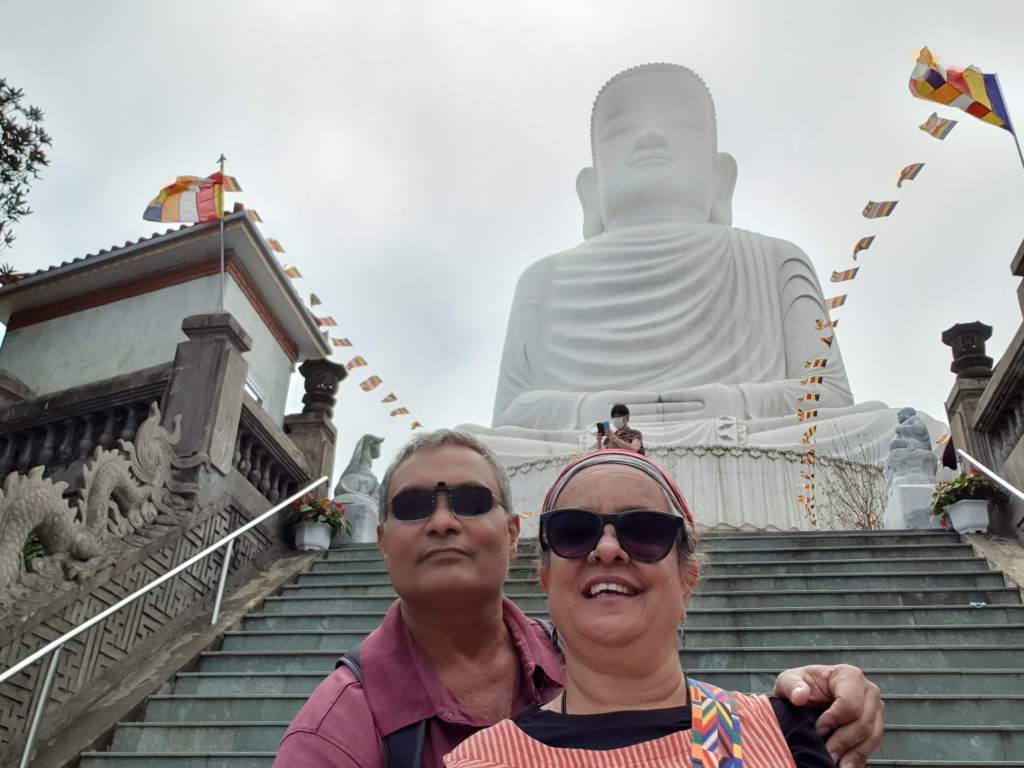
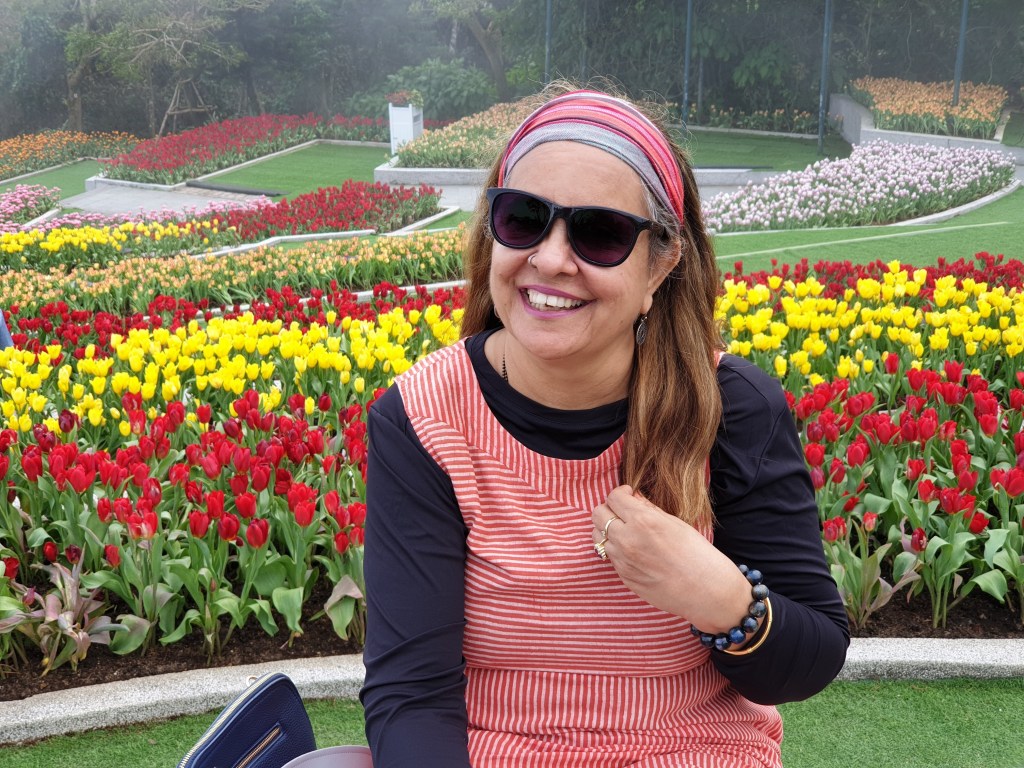
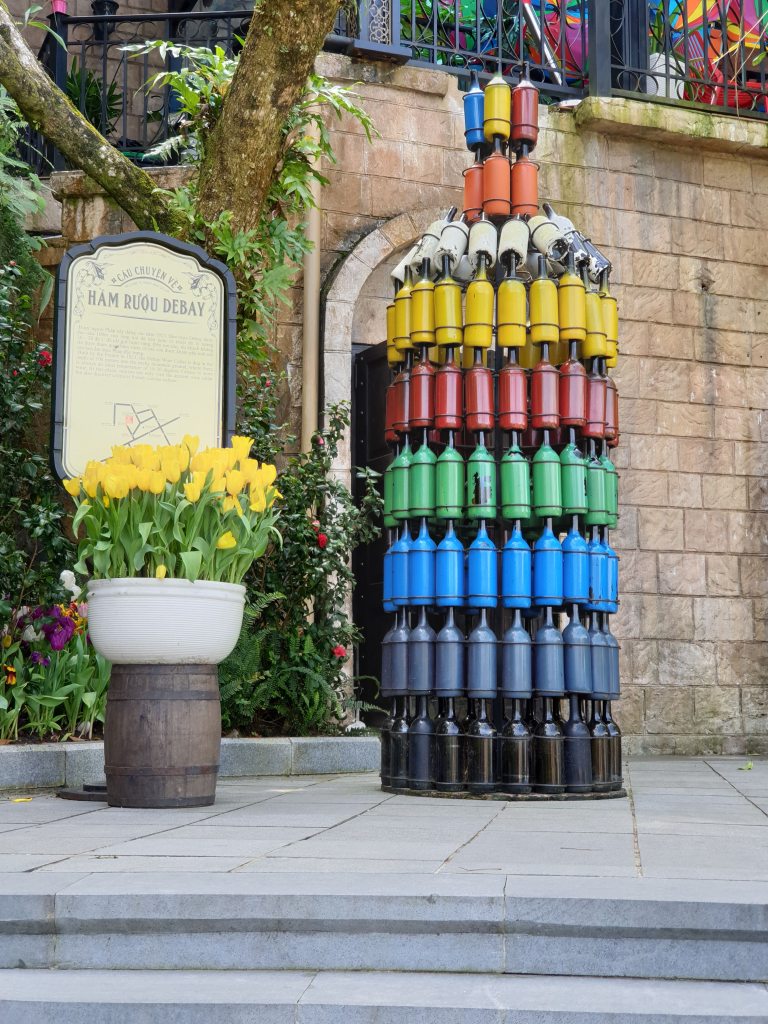
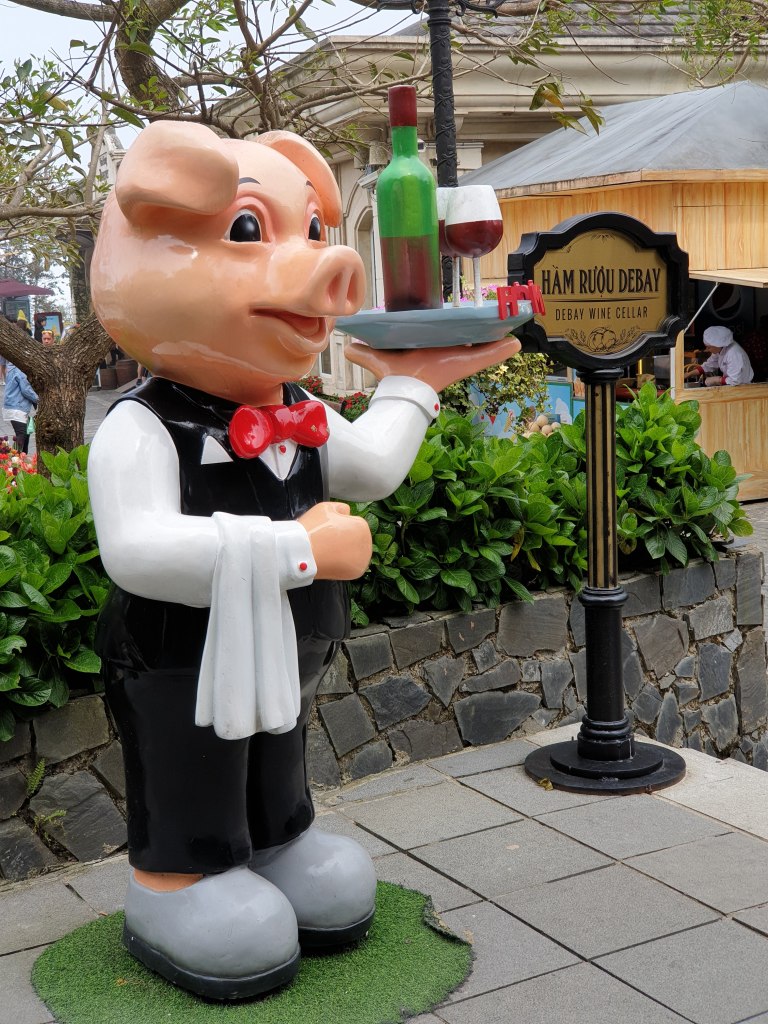
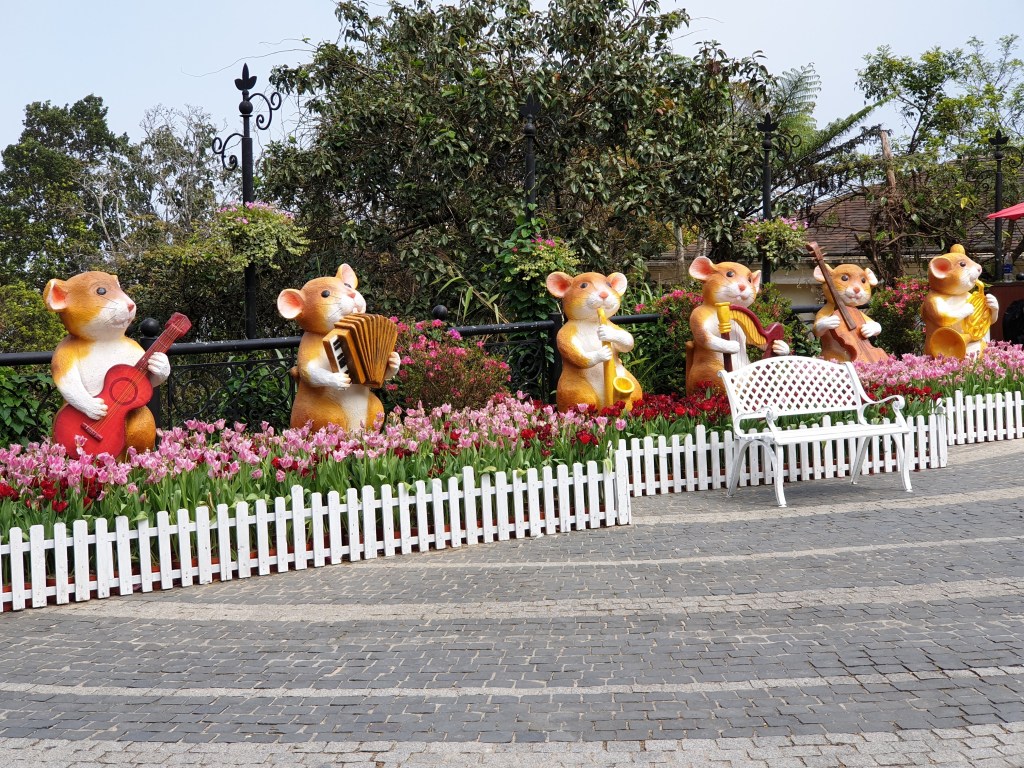
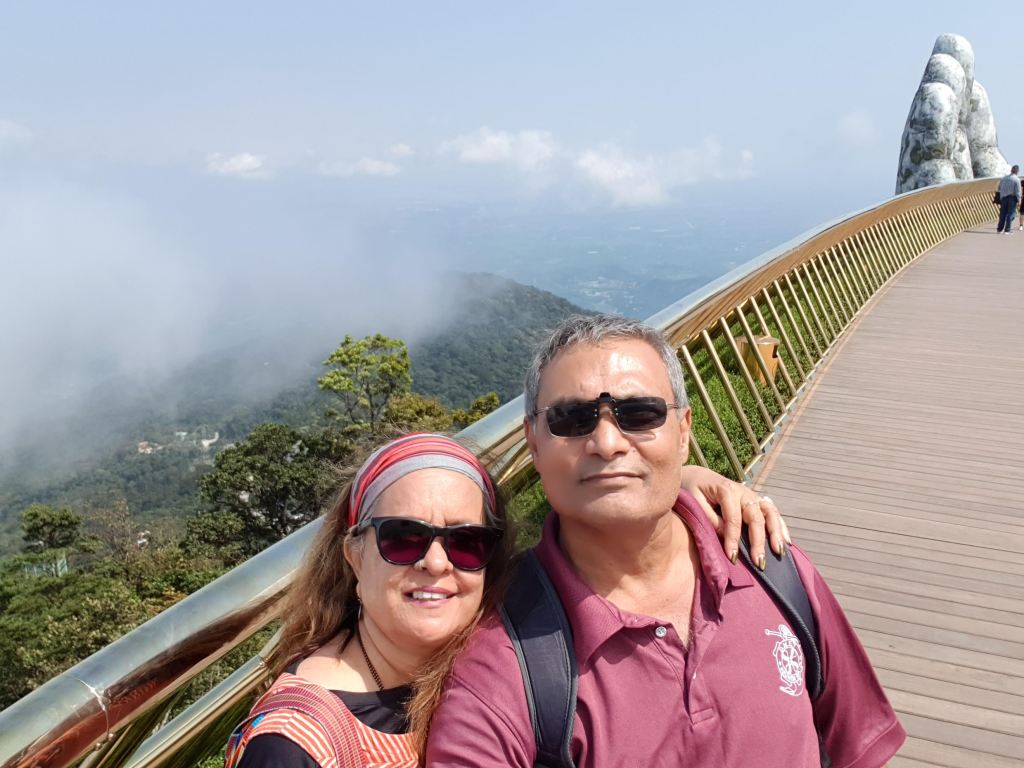
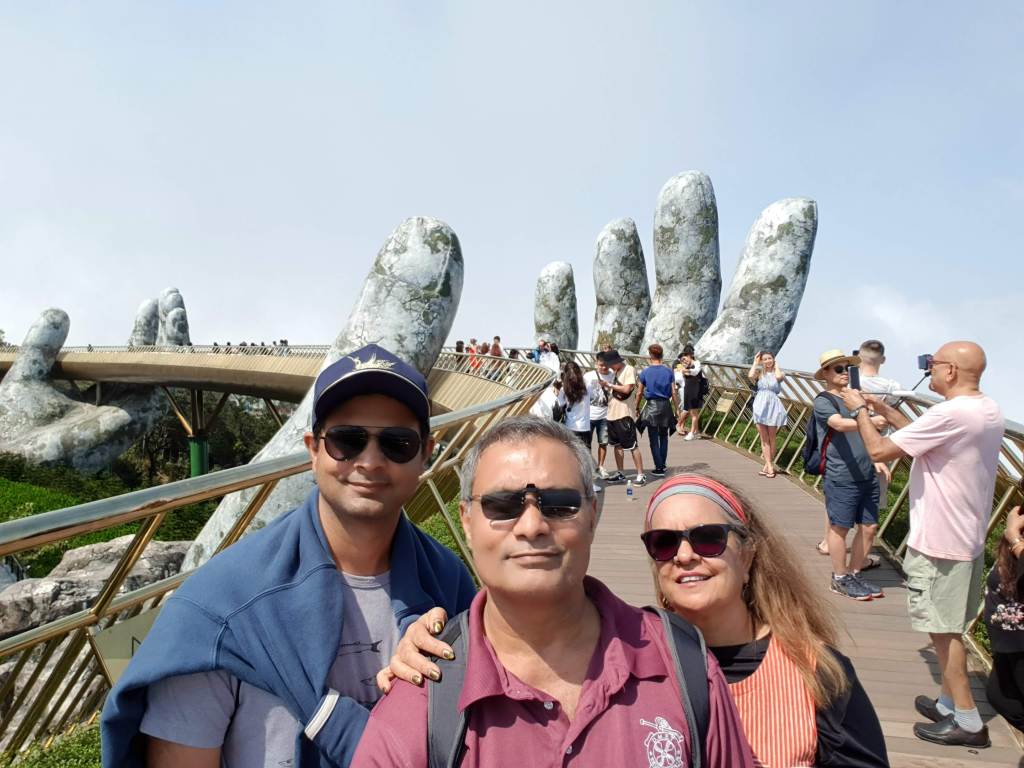
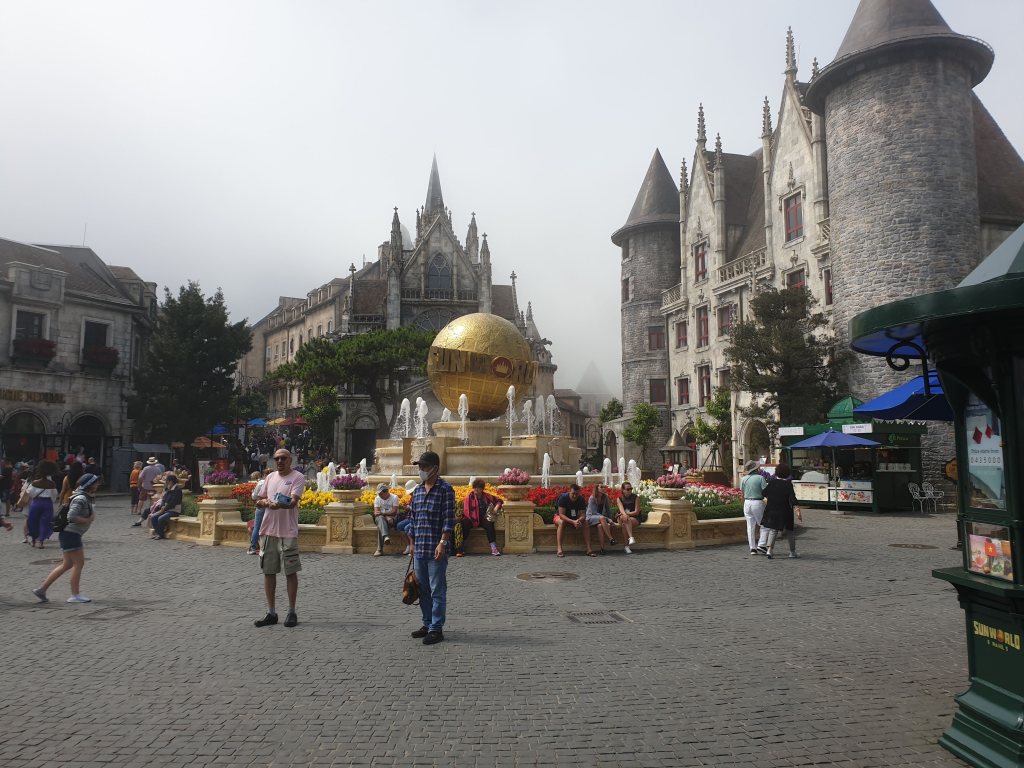
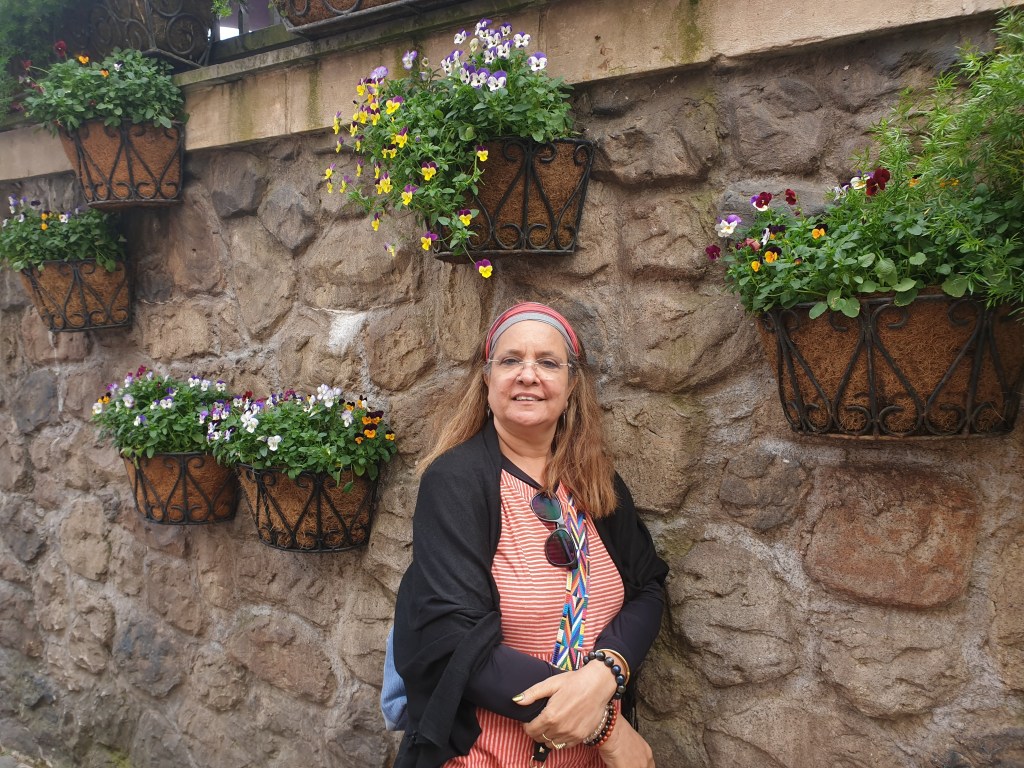
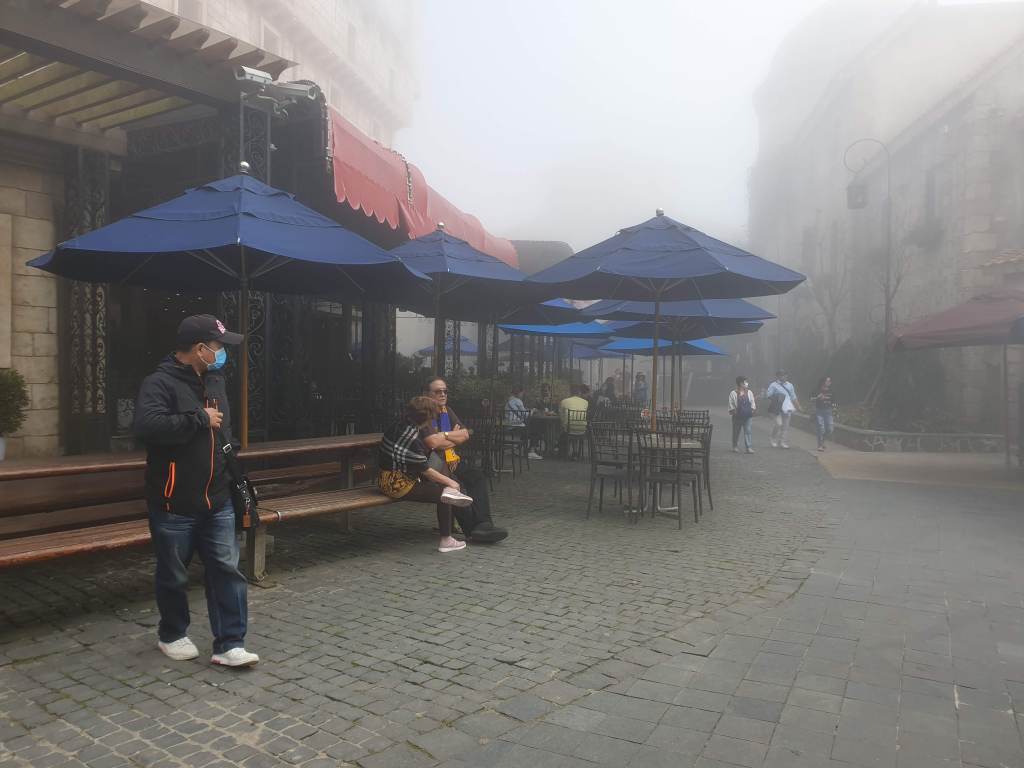
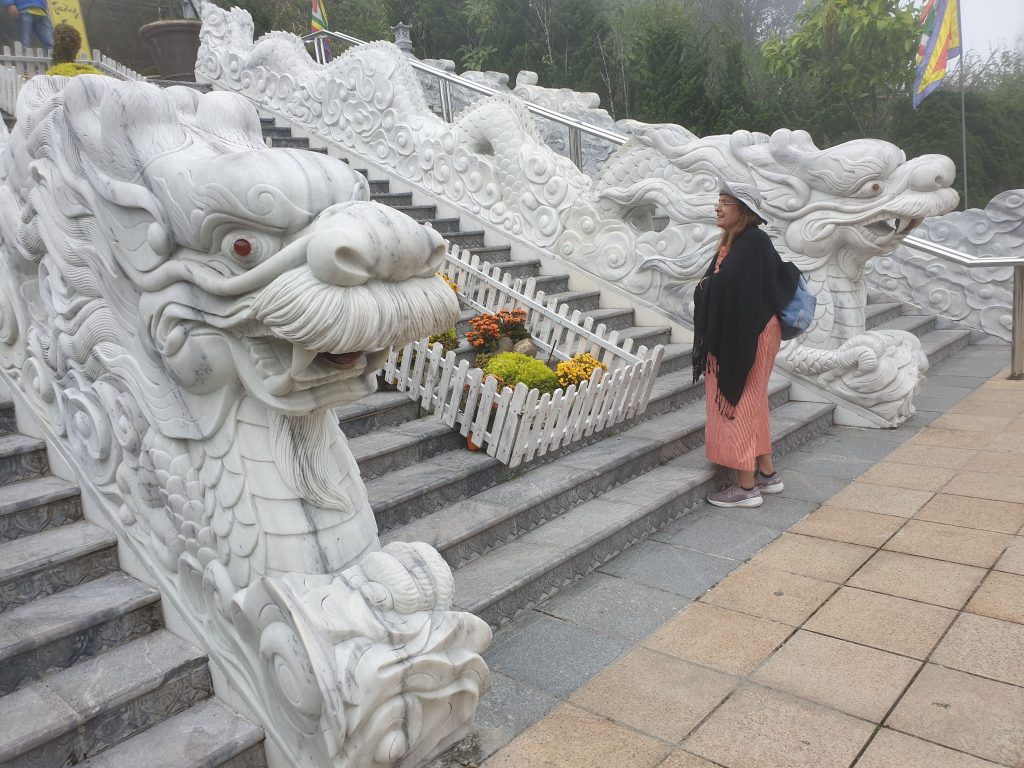


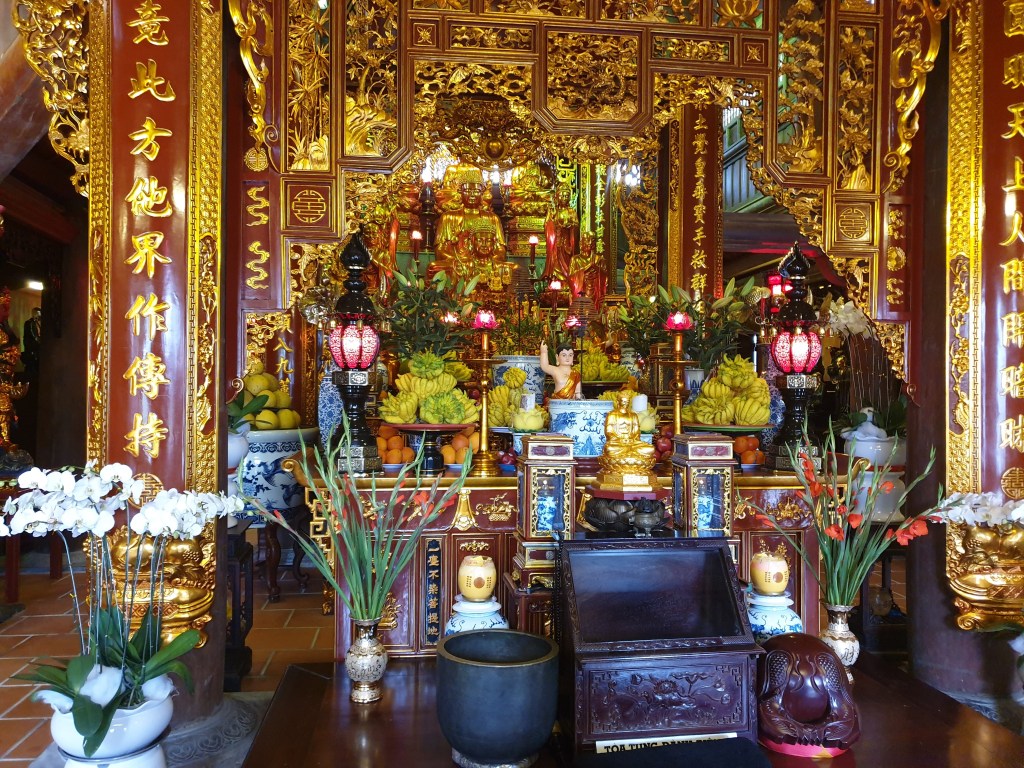
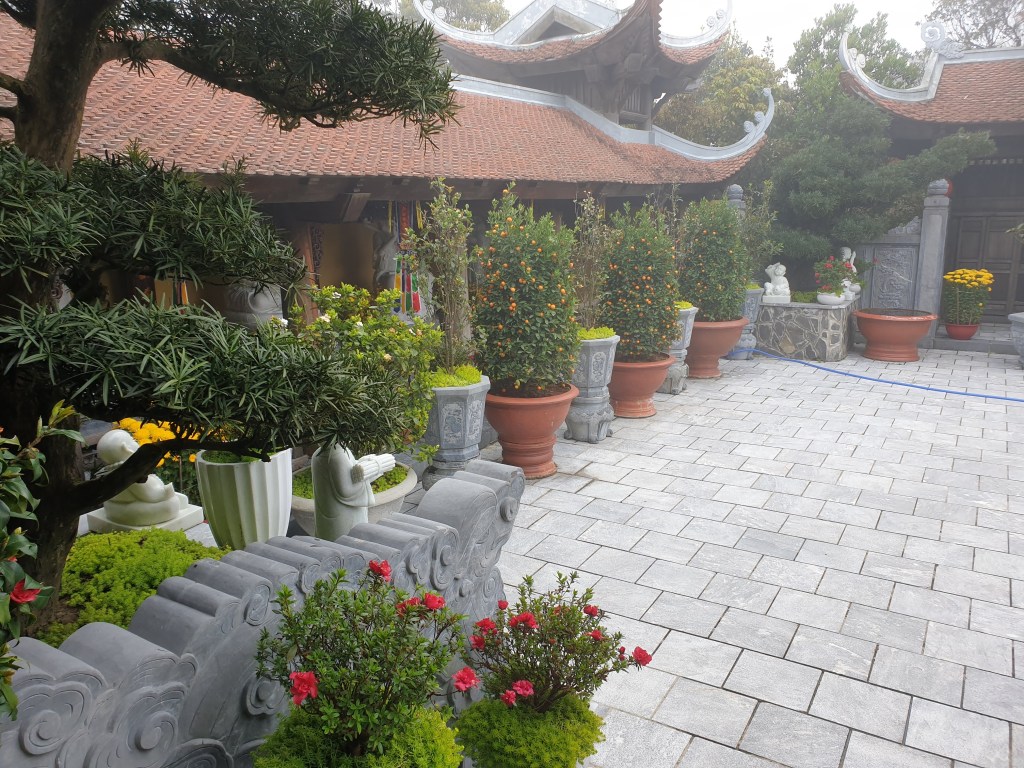
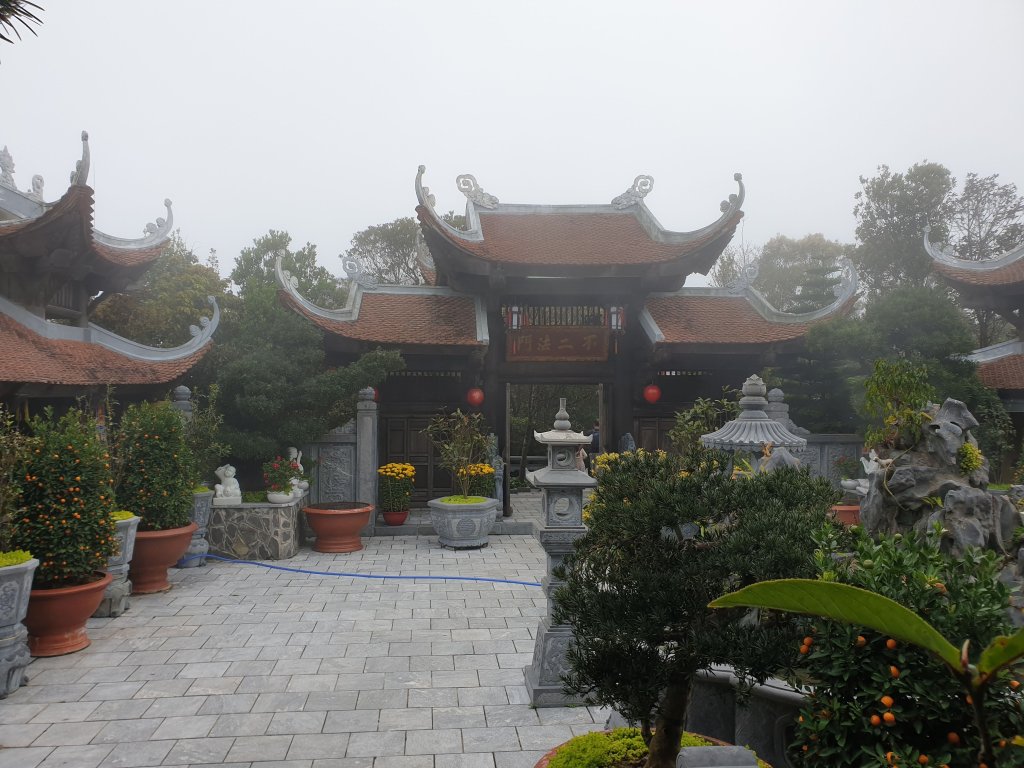
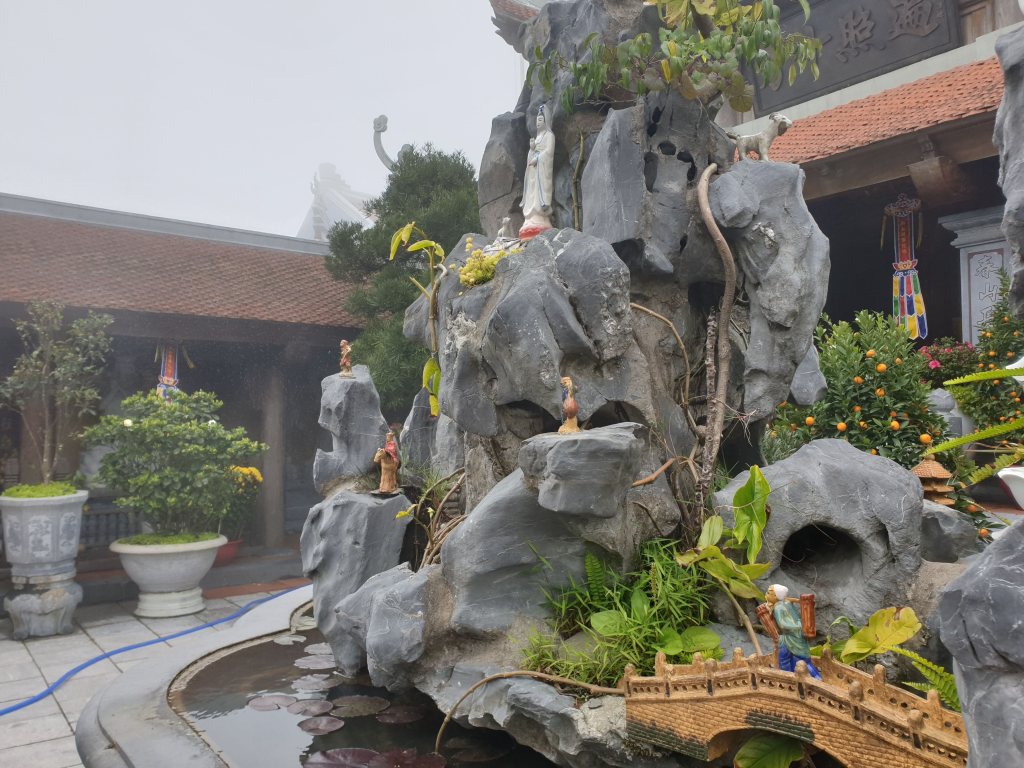
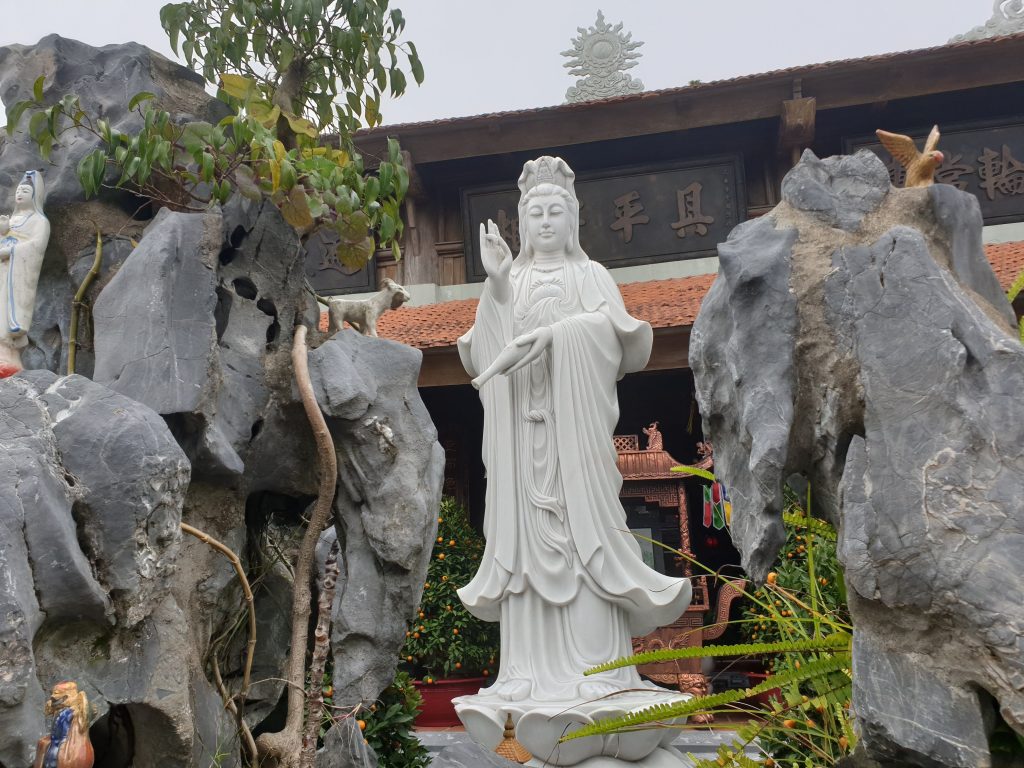
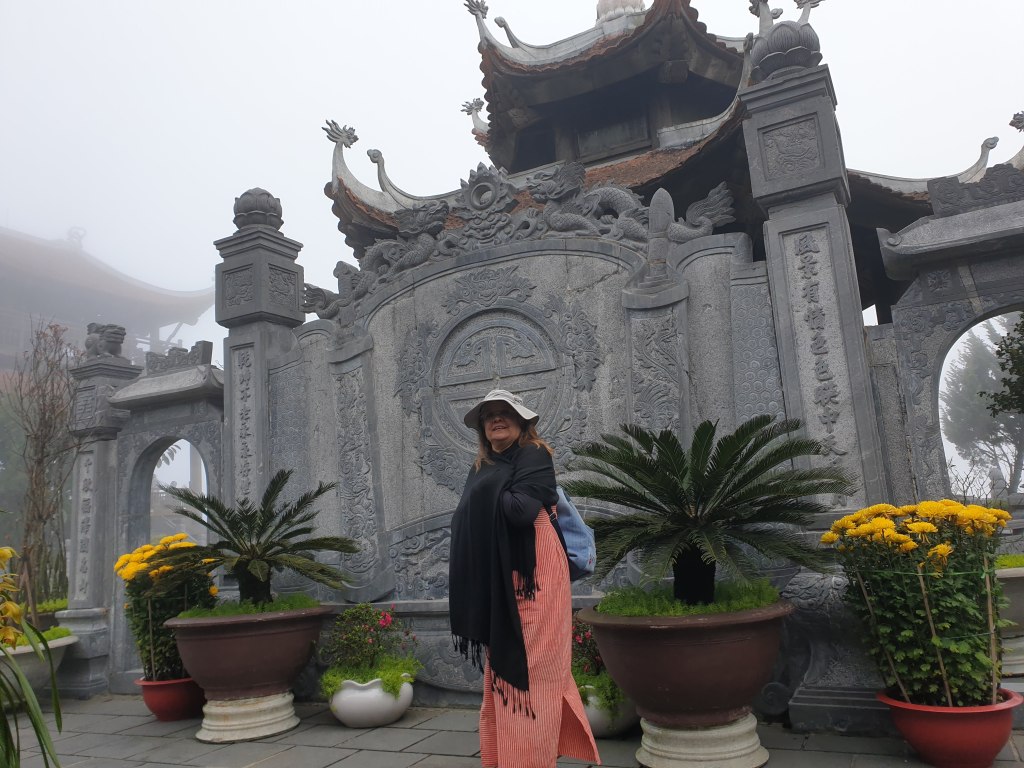
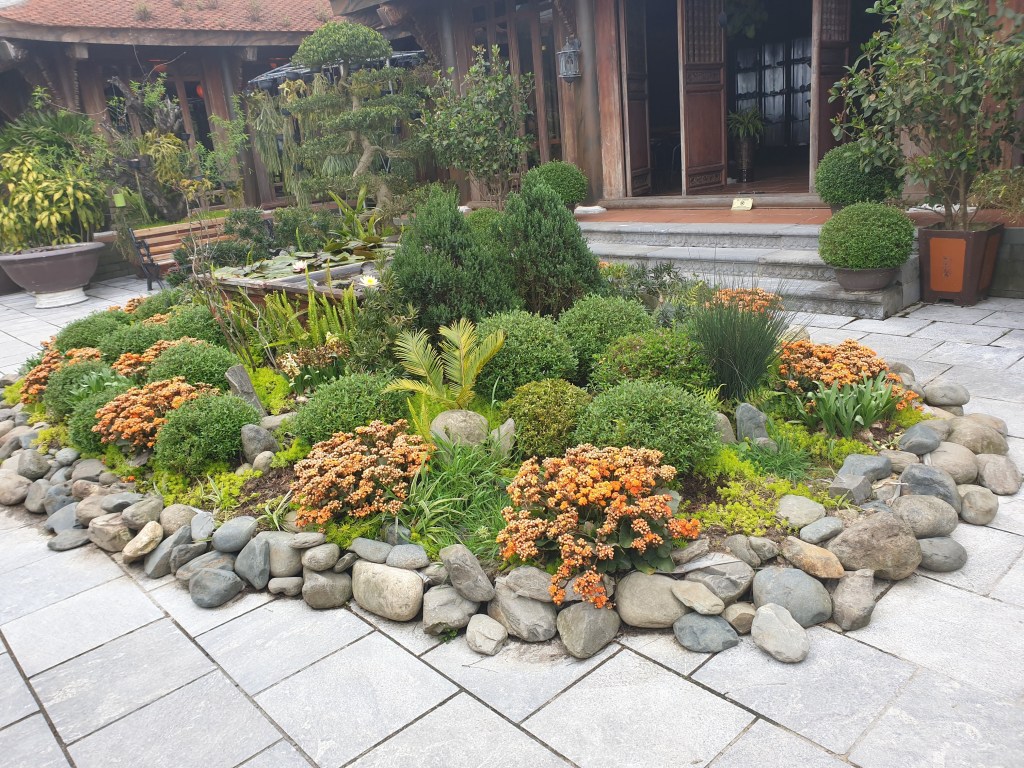
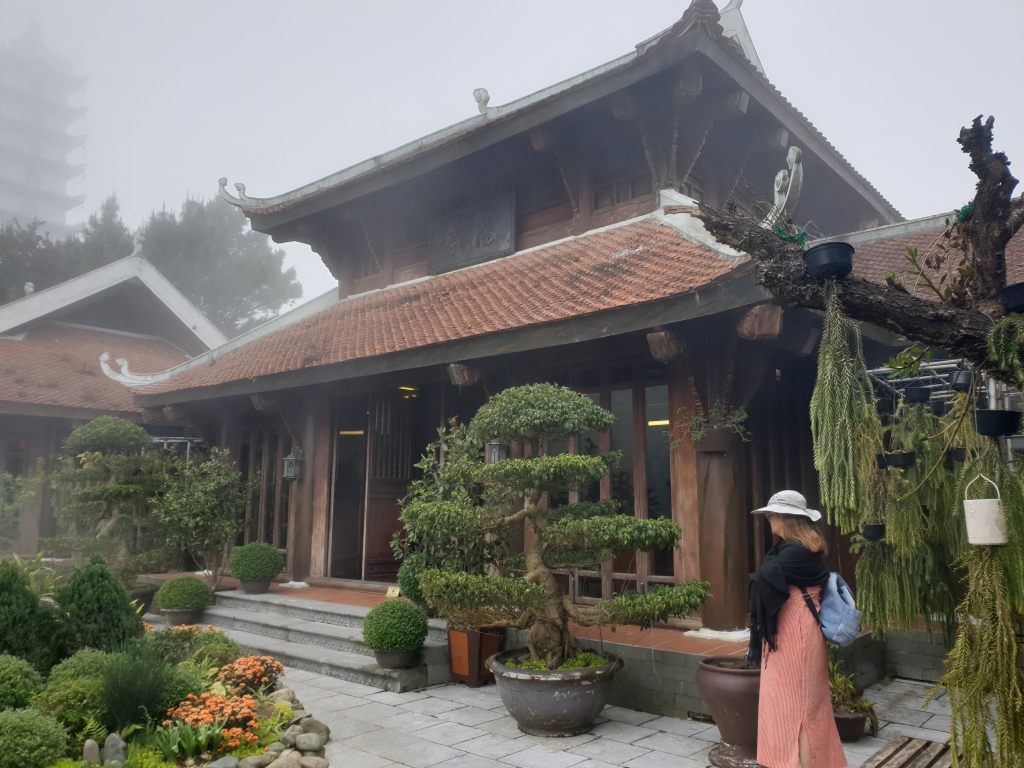
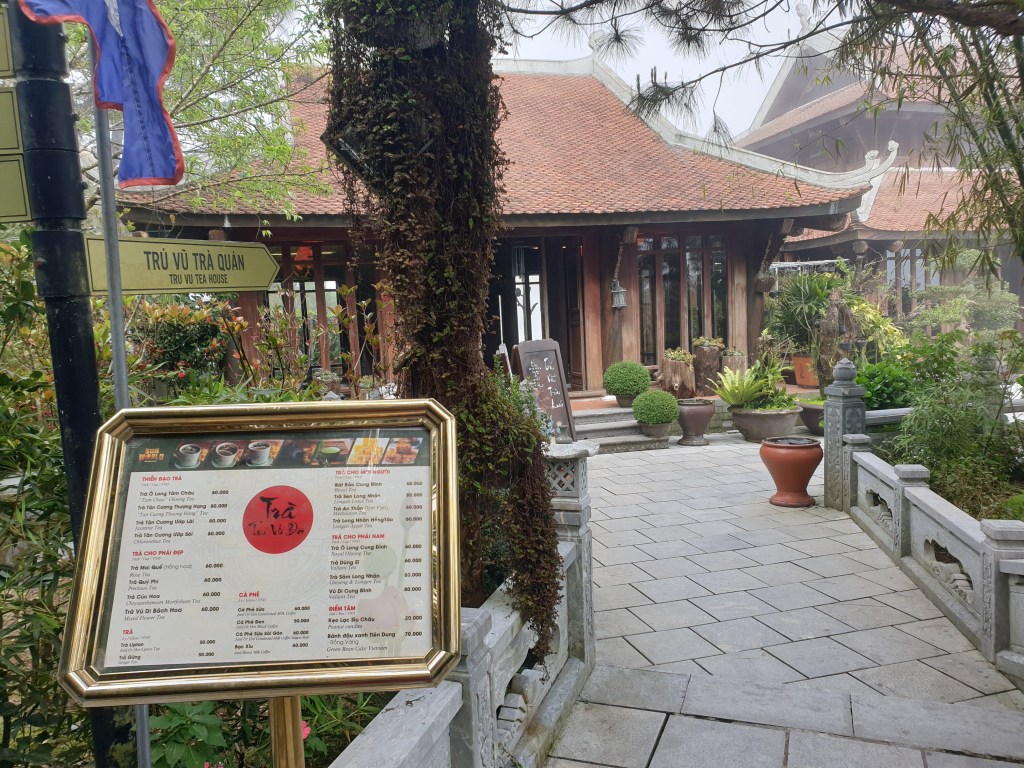
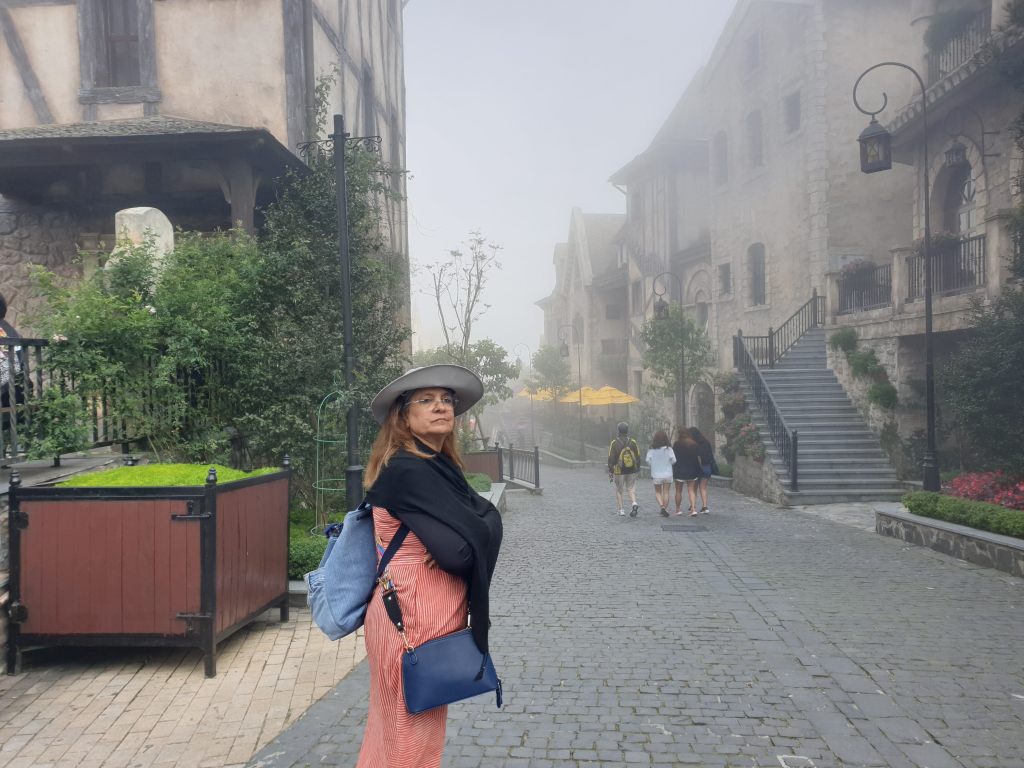
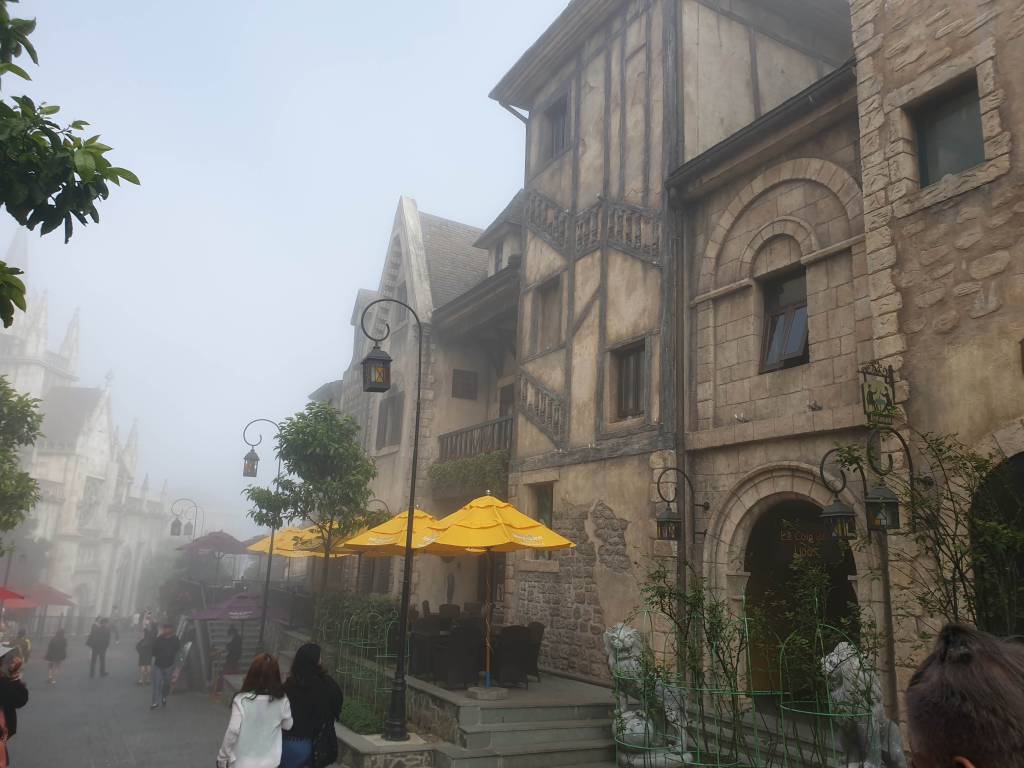
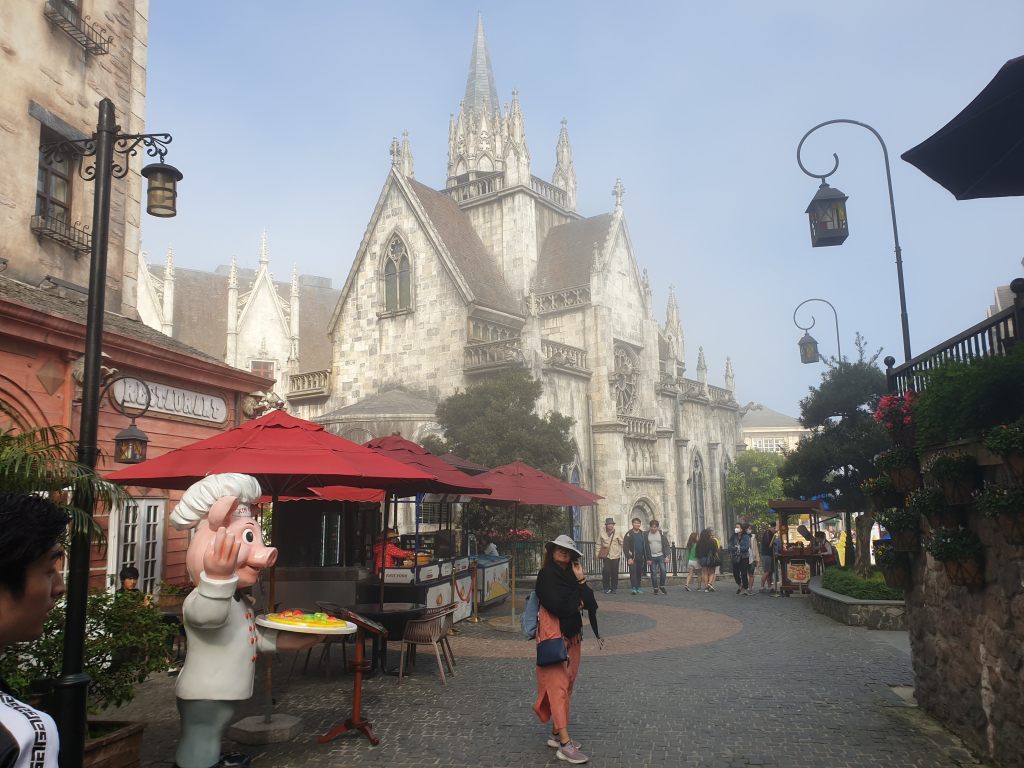
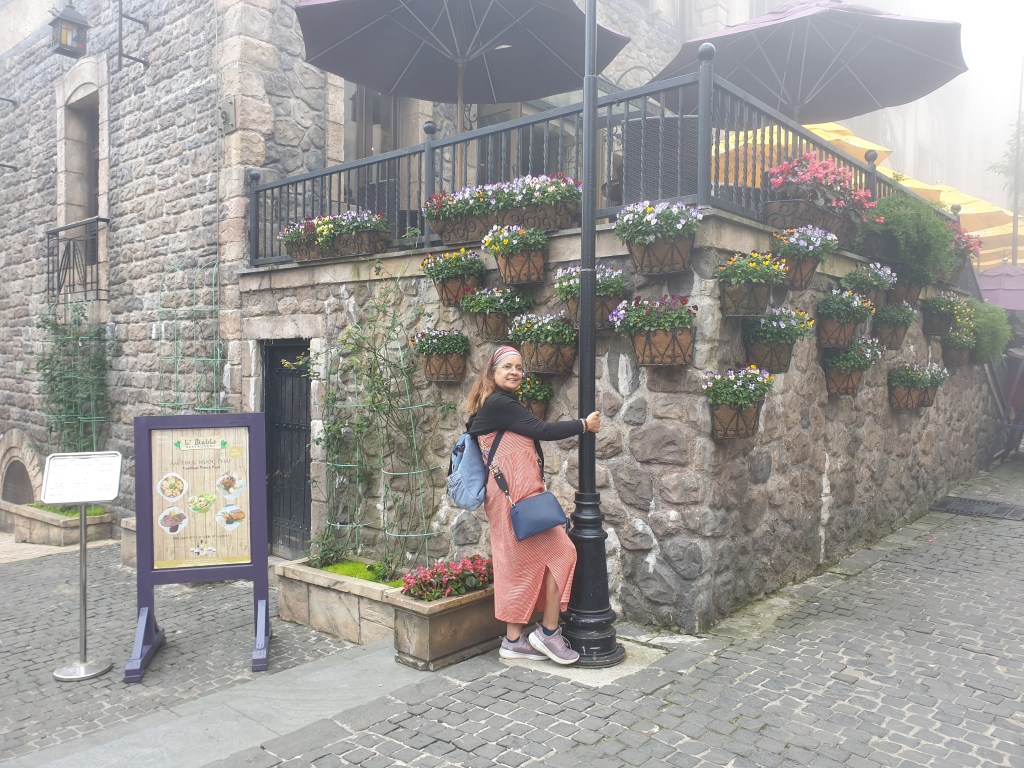
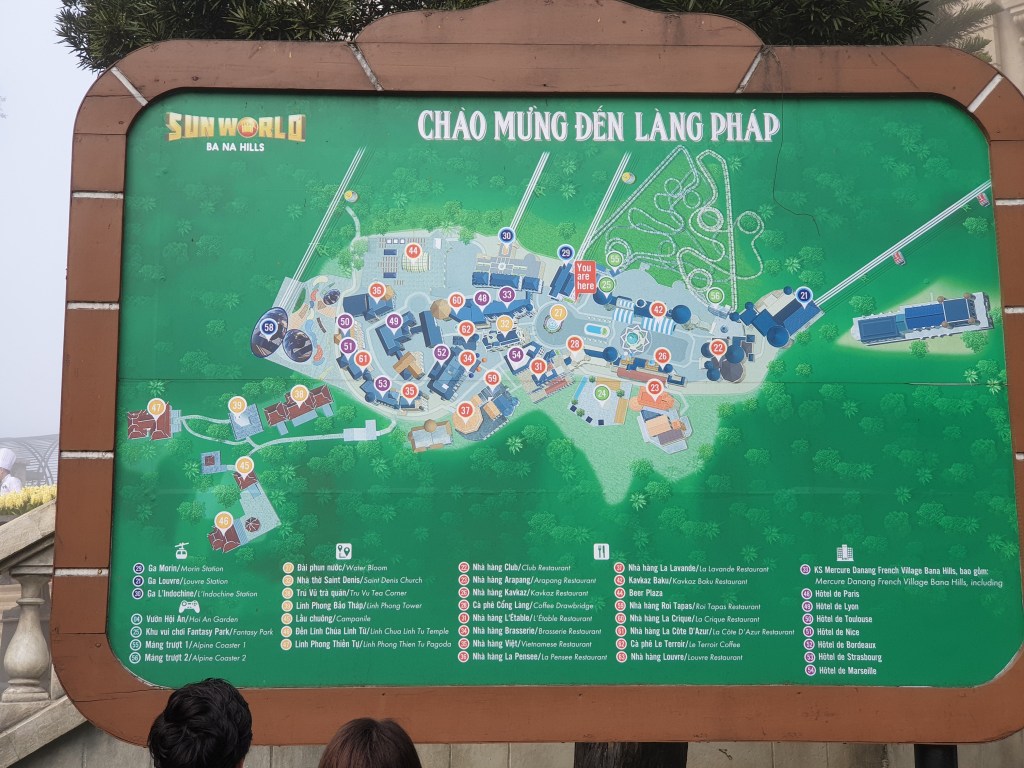
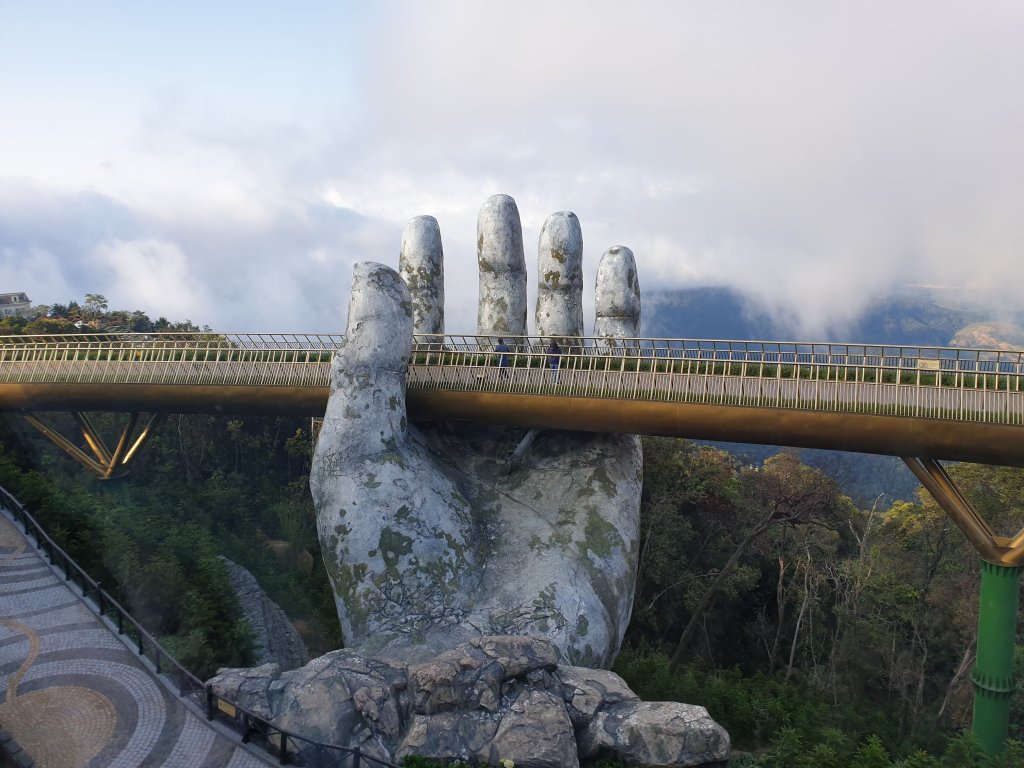
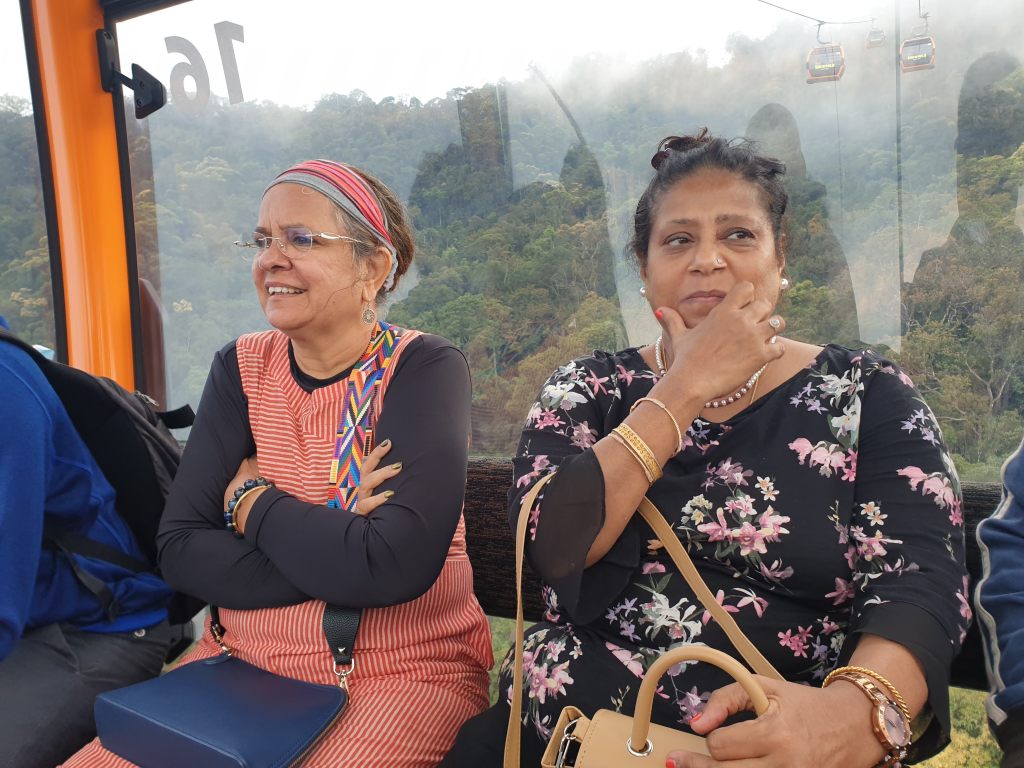
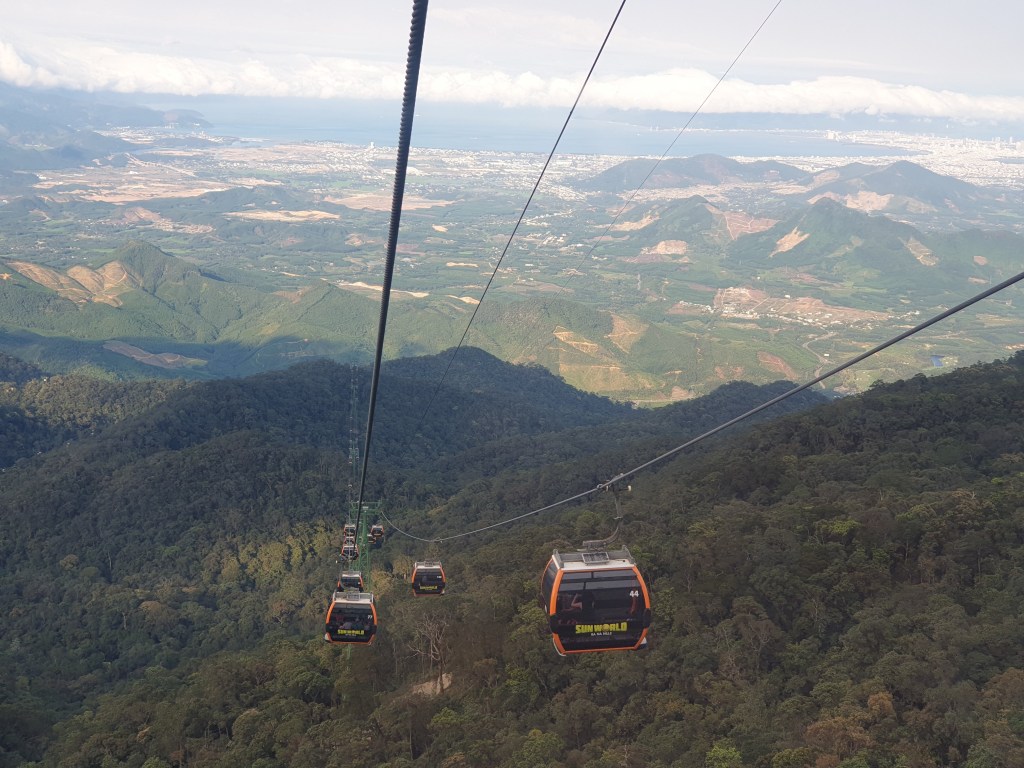
After an exhausting but exhilarating day, we left for Da Nang airport, where we parted company with Yogi and Tukun, who would extend their stay in Vietnam by over another 10 days.
The rest of us caught the flight to Ho Chi Minh City, old name Saigon. We checked in at the Adora Art Hotel.
DAY 7
My third visit to Ho Chi Minh City, but first time as a tourist. Ho Chi Minh earlier called Saigon, is one of the most dynamic metropolis in these recent times with a long and colorful History.
History
Khmer period: The earliest settlement in the area was a Funan temple at the location of the current Phung Son Buddhist temple, founded in the 4th century AD. A settlement called Baigaur was established on the site in the 11th century by the Champa. When the Cham Empire was invaded by the Khmer people. Baigaur was renamed Prey Nokor, which meant “Forest City”. An alternative name was Preah Reach Nokor which, according to a Khmer Chronicle, meant “Royal City”. Prey Nokor grew on the site of a small fishing village and area of forest. This area is likely where modern Ho Chi Minh City now lies, and was inhabited by Khmer people for centuries before the arrival of the Vietnamese.
Beginning in the early 17th century, colonization of the area by Vietnamese settlers gradually isolated the Khmer of the Mekong Delta from their brethren in Cambodia proper and resulted in their becoming a minority in the delta. In 1623, King Chey Chettha II of Cambodia (1618–28) allowed Vietnamese refugees fleeing the Trnh-Nguyen civil war in Vietnam to settle in the area of Prey Nokor and to set up a customs house there. Increasing waves of Vietnamese settlers, which the Cambodian kingdom could not impede because it was weakened by war with Thailand, slowly Vietnamized the area. In time, Prey Nokor became known as Saigon. Prey Nokor was the most important commercial seaport to the Khmers.
Nguyen Dynasty: In 1698, Nguyen Huu Canh, a Vietnamese noble, was sent by the Nguyễn rulers of Hue by sea to establish Vietnamese administrative structures in the area, thus detaching the area from Cambodia, which was not strong enough to intervene. He is often credited with the expansion of Saigon into a significant settlement. A large Vauban citadel called Gia Dinh was built by Victor Oliver de Puymanel, one of the Nguyen Anh’s French mercenaries. The citadel was later destroyed by the French following the Battle of Ky Hoa. Initially called Gia Dinh, the Vietnamese city became Saigon in the 18th century.
French Colonial Era: Colonized by France and Spain in 1859, and ceded to France by the 1862 Treaty of Saigon, the city was influenced by the French during their colonisation of Vietnam, and a number of classical Western-style buildings and French villas in the city reflect this. Saigon had, in 1929, a population of 123,890, including 12,100 French.
In 1931, a new region called Saïgon–Cholon consisting of Saïgon and Cholon was formed. Saïgon and Cholon, meanwhile, remained separate cities with their respective mayors and municipal councils. In 1956, after South Vietnam’s independence from France in 1955, the région of Saïgon–Cholon became a single city called Saïgon following the merger of the two cities of Saïgon and Cholon.
Republic of Vietnam: The Viet Minh proclaimed the independence of Vietnam in 1945 after a combined occupation by Vichy France and Japan, and before the Communist revolution in China. They were led by Ho Chi Minh. The Viet Minh-held sections of Vietnam were more concentrated in rural areas. Following the death of Franklin Roosevelt and the abandonment of anti-colonialist policies, the U.S. (in an attempt to control the spread of communism) supported France in regaining its control over the country, with effective control spanning mostly in the Southern half and parts of the Red River Delta region like Hanoi, Haiphong and Thai Binh.
Former Emperor Bao Dai made Saigon the capital of the State of Vietnam in 1949 with himself as head of state. In 1954, the Geneva Agreement partitioned Vietnam along the 17th parallel (Ben Hai River), with the communist Viet Minh, under Ho Chi Minh, gaining complete control of the Northern part of the country, while the Saigon government continued to govern the State of Vietnam which continued in the southern half of the country and the southern half gaining independence from France. The State officially became the Republic of Vietnam when Bảo Đại was deposed by his Prime Minister Ngo Dinh Diem in the 1955 referndum. Saigon and Cholon, an adjacent city with mostly Sino-Vietnamese residents, were combined into an administrative unit known as the Đô Thành Sài Gòn (Capital City Saigon), or Thủ đô Sài Gòn (National Capital Saigon).
South Vietnam was a capitalist and anti-communist state which fought against the communist North Vietnamese and their Viet Cong proxy forces during the Vietnam War, with the assistance of the United States and other countries. The Viet Cong and North Vietnamese, on the other hand, were supported by the Soviet Union and the People’s Republic of China. During the 1968 Tet Offensive, communist forces launched a failed attempt t capture the city. On 30 April 1975, Saigon, ending the Vietnam War with a victory for North Vietnam.
Today: In the conclusion of the Vietnam War on 30 April 1975, the city came under the control of the Vietnamese People’s Army. Among Vietnamese diaspora communities and particularly the U.S. (which had fought the communists), this event is commonly called the “Fall of Saigon”, while the Socialist Republic of Vietnam refers to it as the “Liberation of Saigon”. In 1976, upon the establishment of the unified communist Socialist Republic of Vietnam, the city of Saigon (including Cholon), the province of Gia Ðịnh and two suburban districts of two other nearby provinces were combined to create Ho Chi Minh City in honor of the late Communist leader Hồ Chí Minh. However, the former name Saigon is still widely used by the Vietnamese, especially in informal contexts. Generally, the term Saigon refers only to the urban districts of Ho Chi Minh City.
Day 7
The day started as being hot and humid, we were met by our tour guide Mr Luong, and bundled into a mini-bus with other tourists, a nice group of Canadian couple with their Doctor son, a pair of English ladies – who could have walked out from the 21st version of an Agatha Christie novel and we probably must have appeared to them as the quintessential Indian family on holiday.
By now, the river trips were becoming a bit routine, but there was a twist to this one in form of bees and a python, Revathi and Aniruddh held up a section of the beehive swarming with bees, Aniruddh even had a python draped around his neck, while Akshay sipped vodka from a bottle with a snake in it.
The Mekong river is infamous for its river pirates and guerrillas during the Vietnam war. It was easy to visualize this after seeing the various hiding places along the Mekong delta.
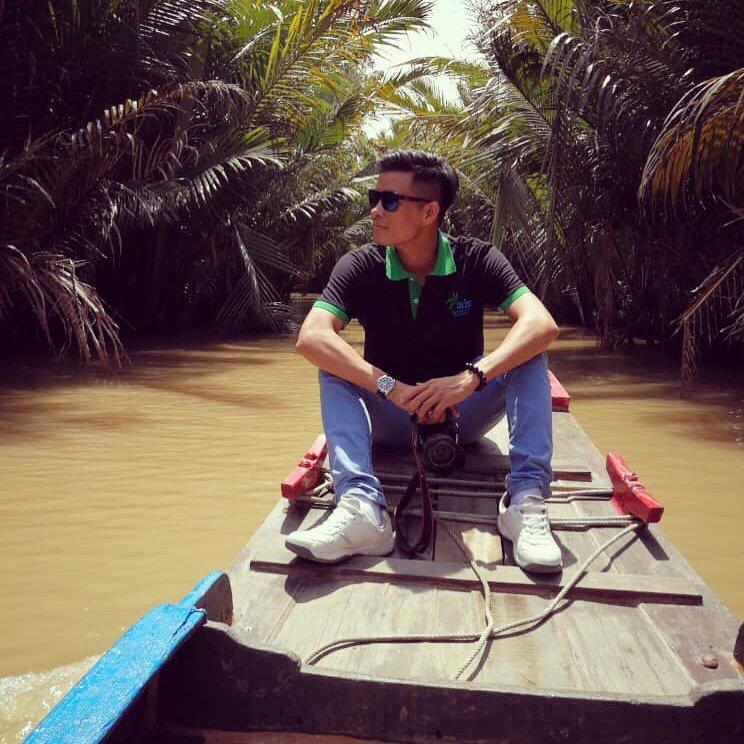

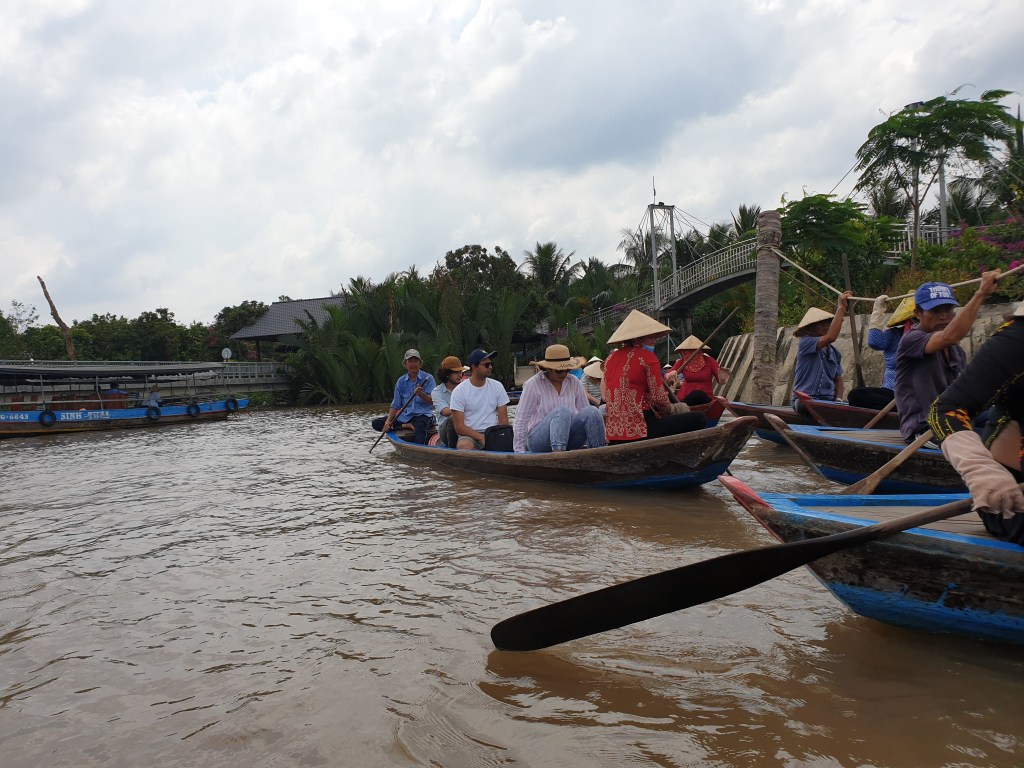
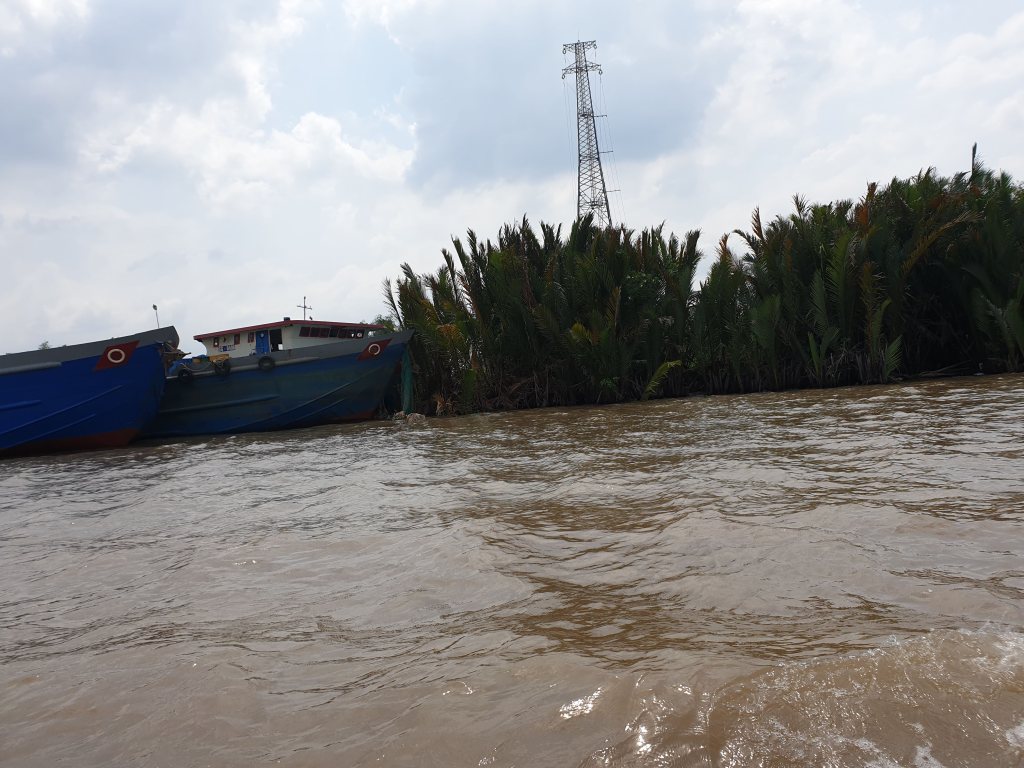
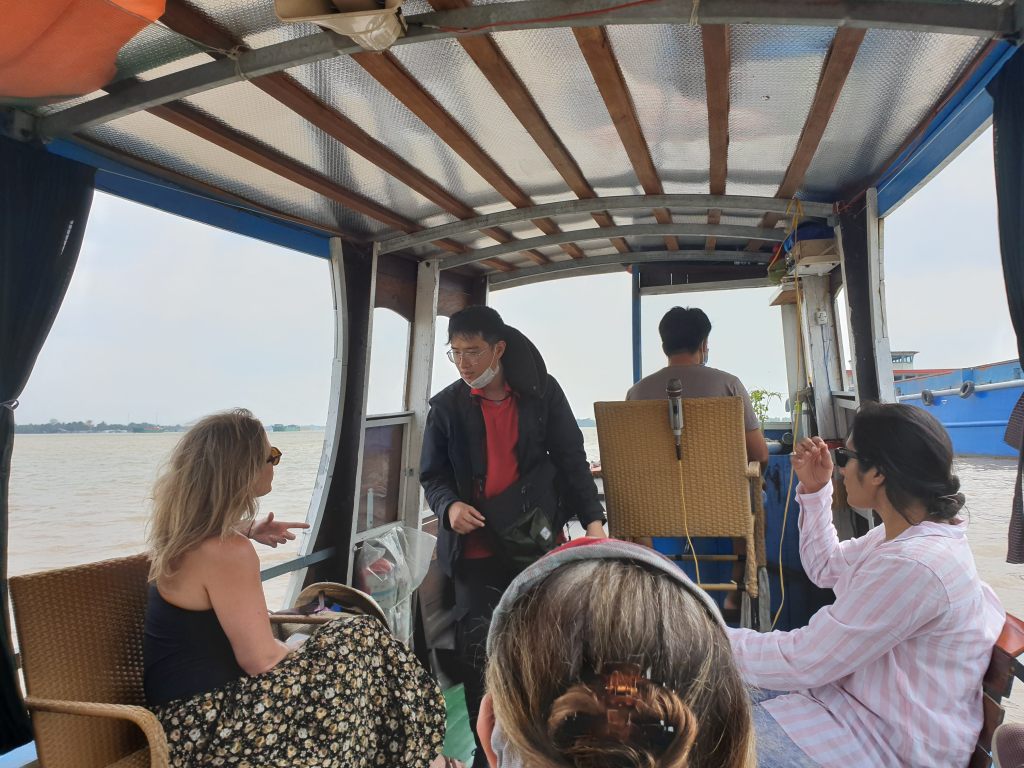
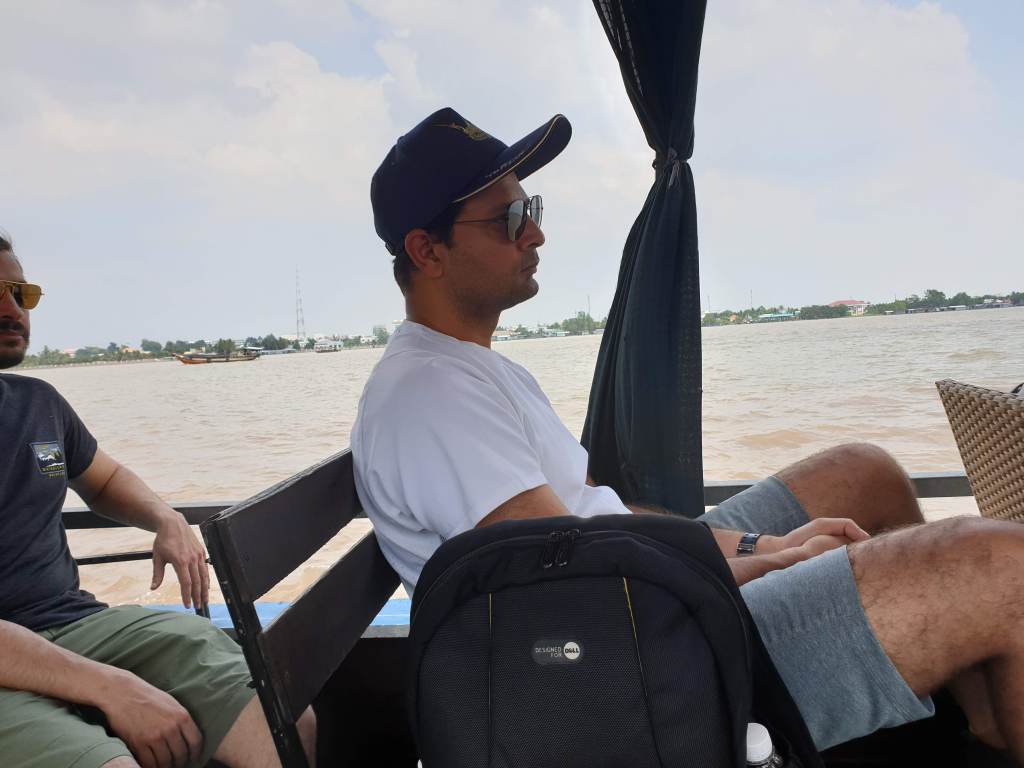
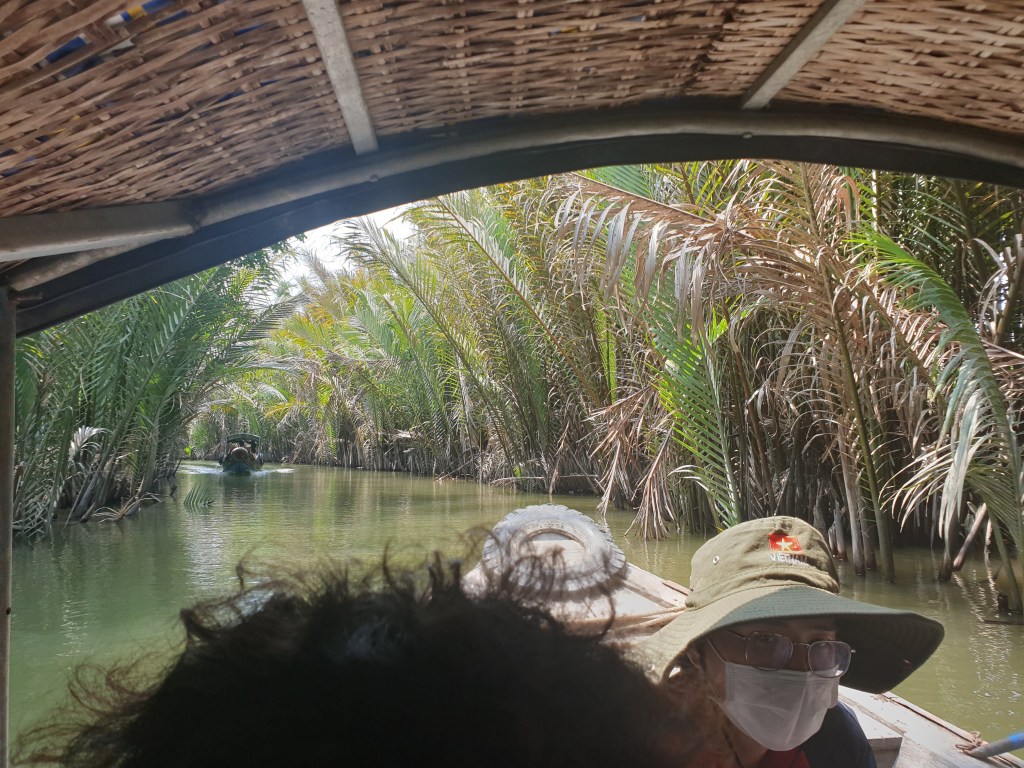
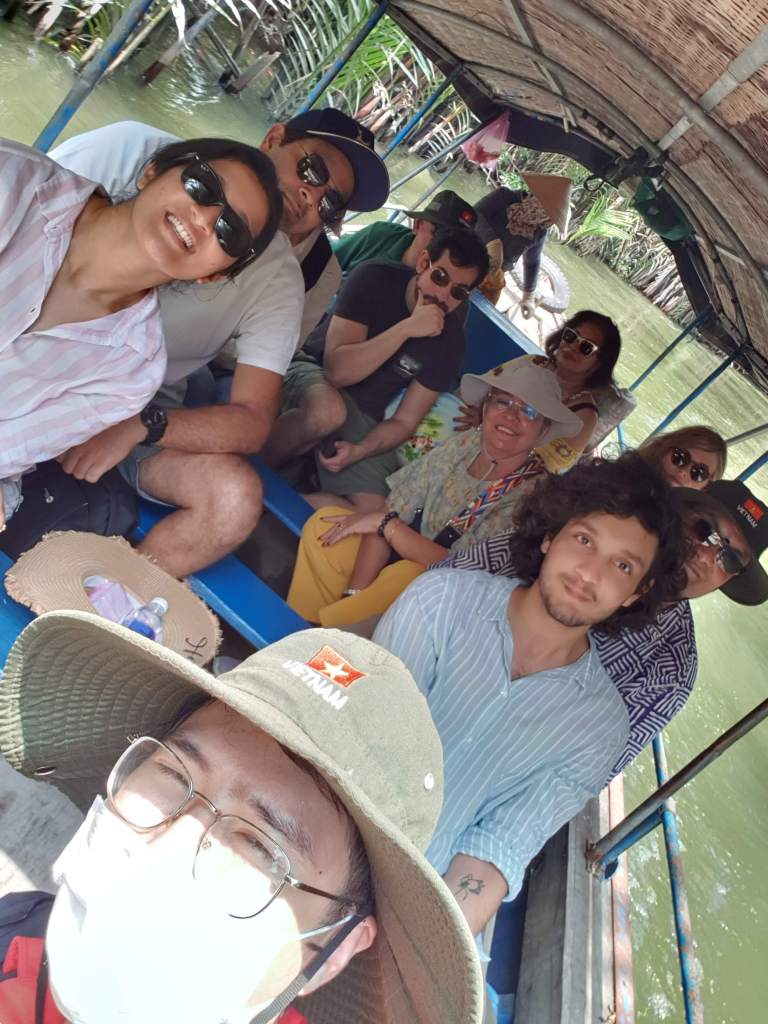
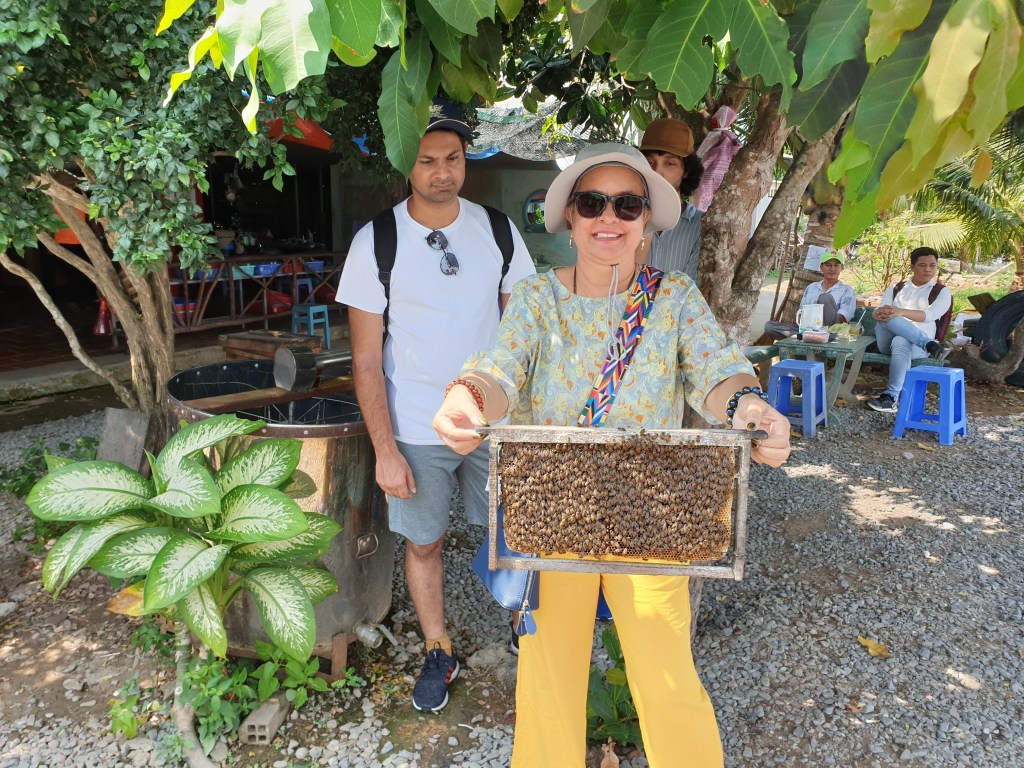
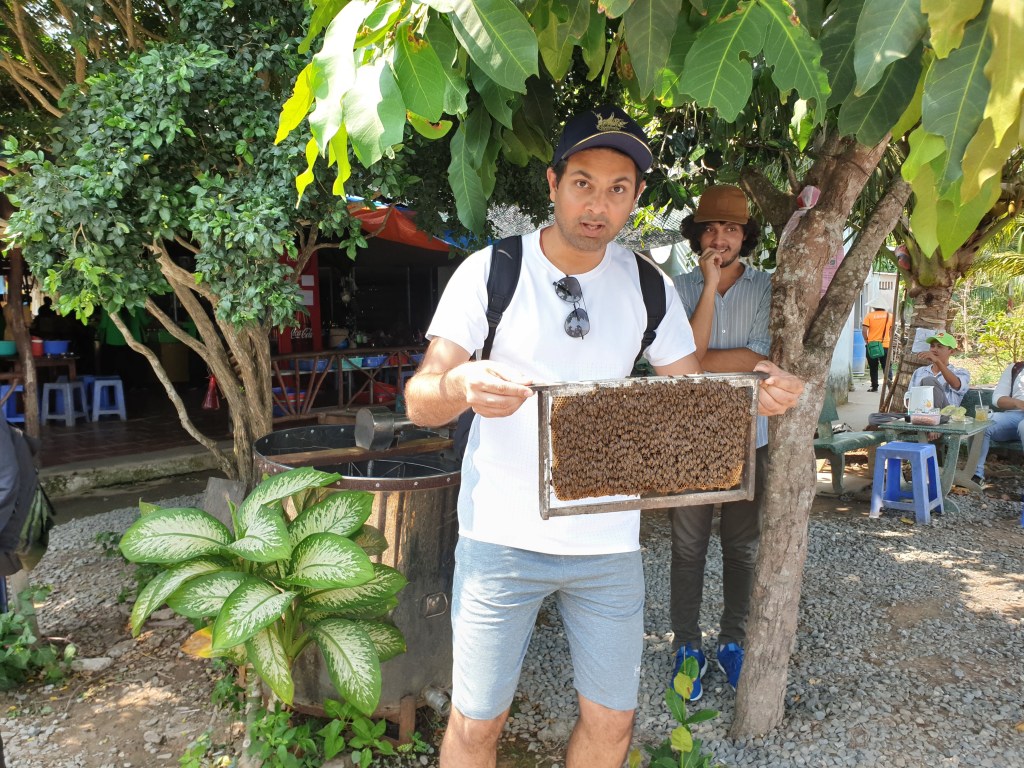
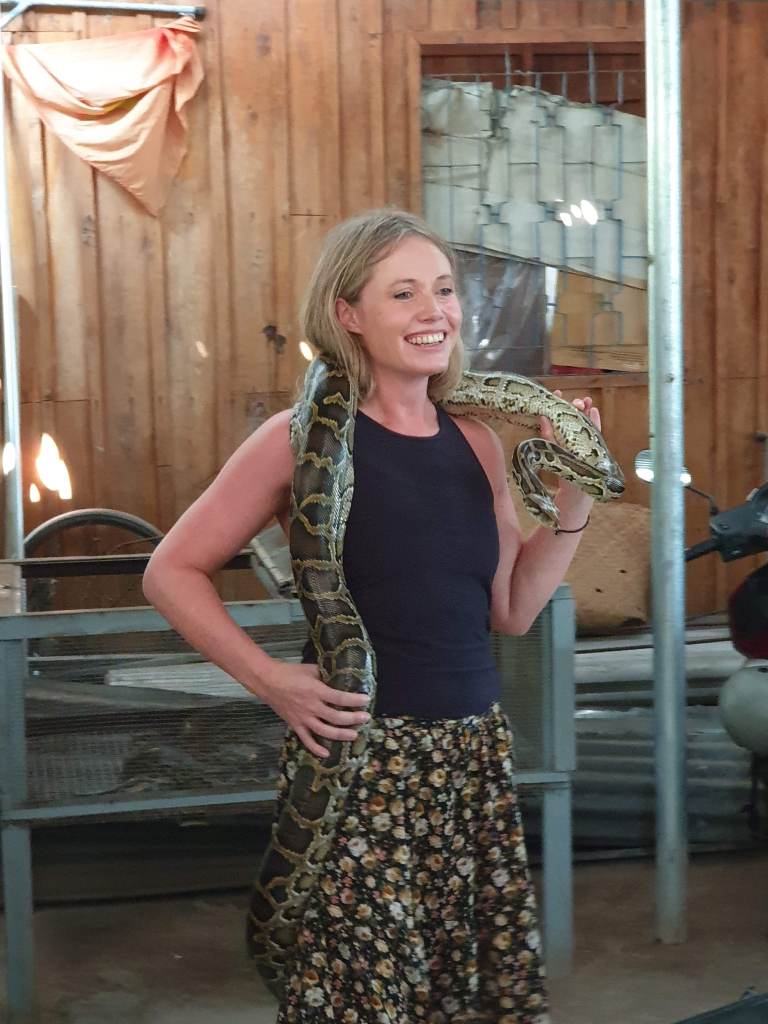
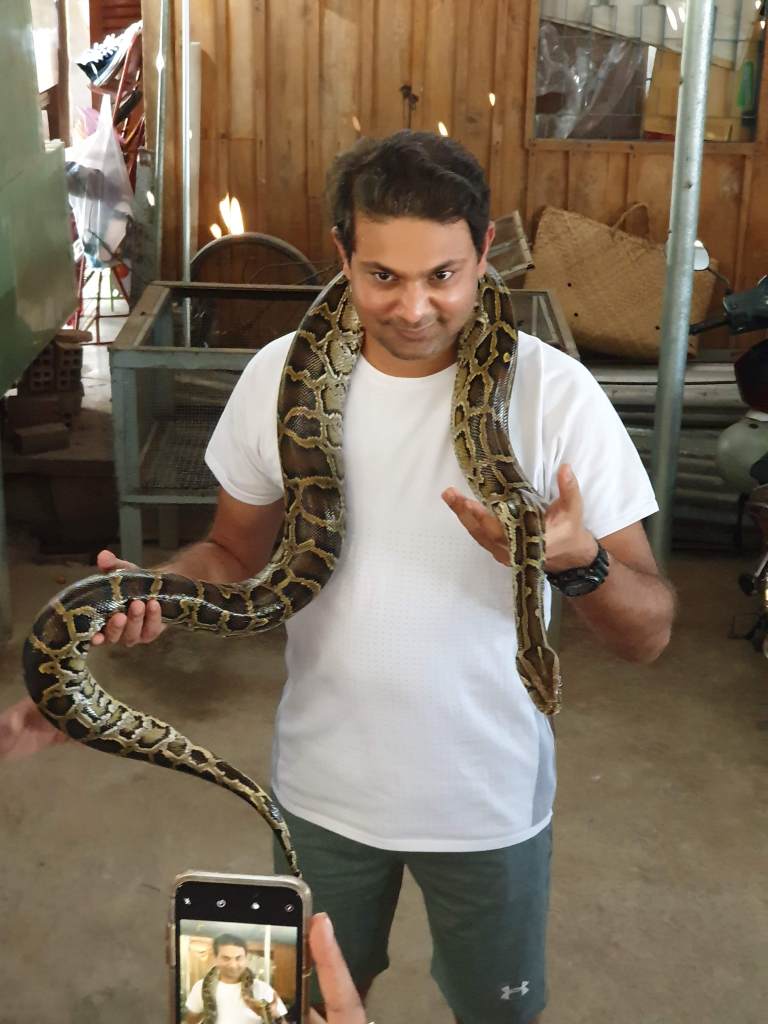
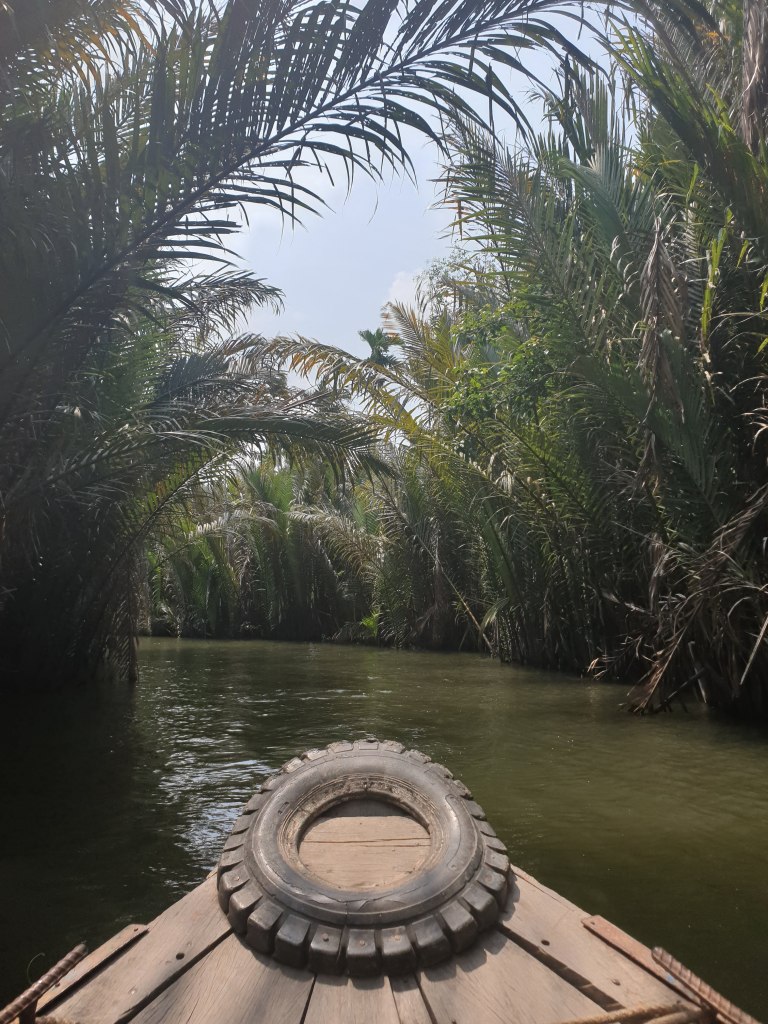
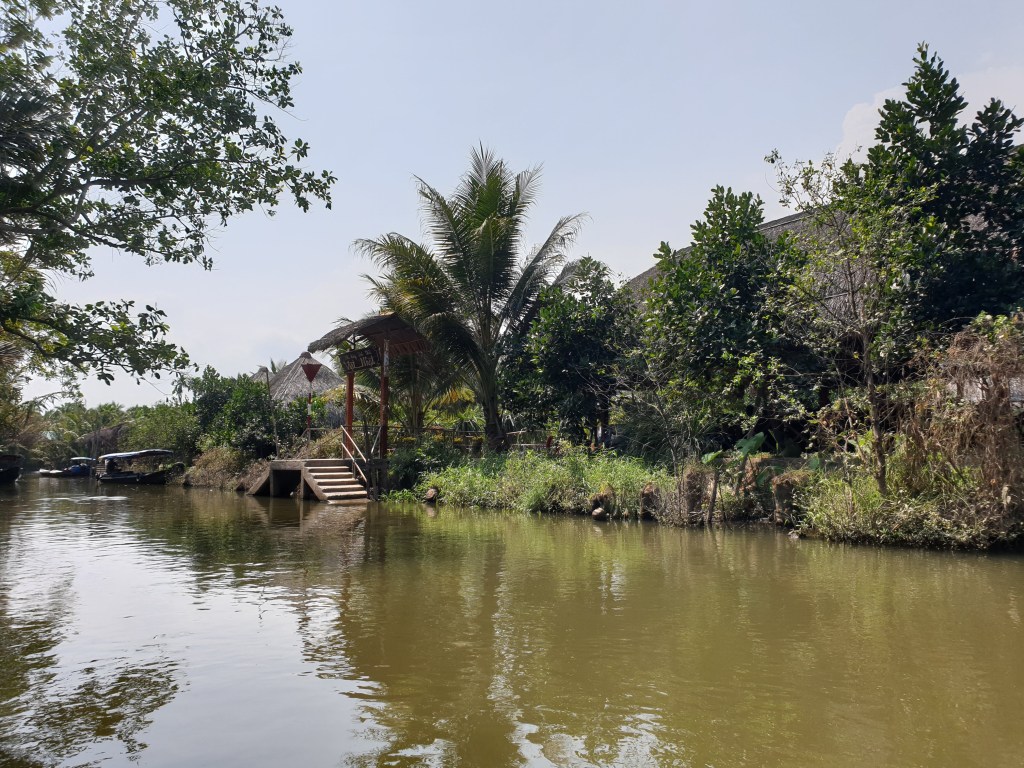
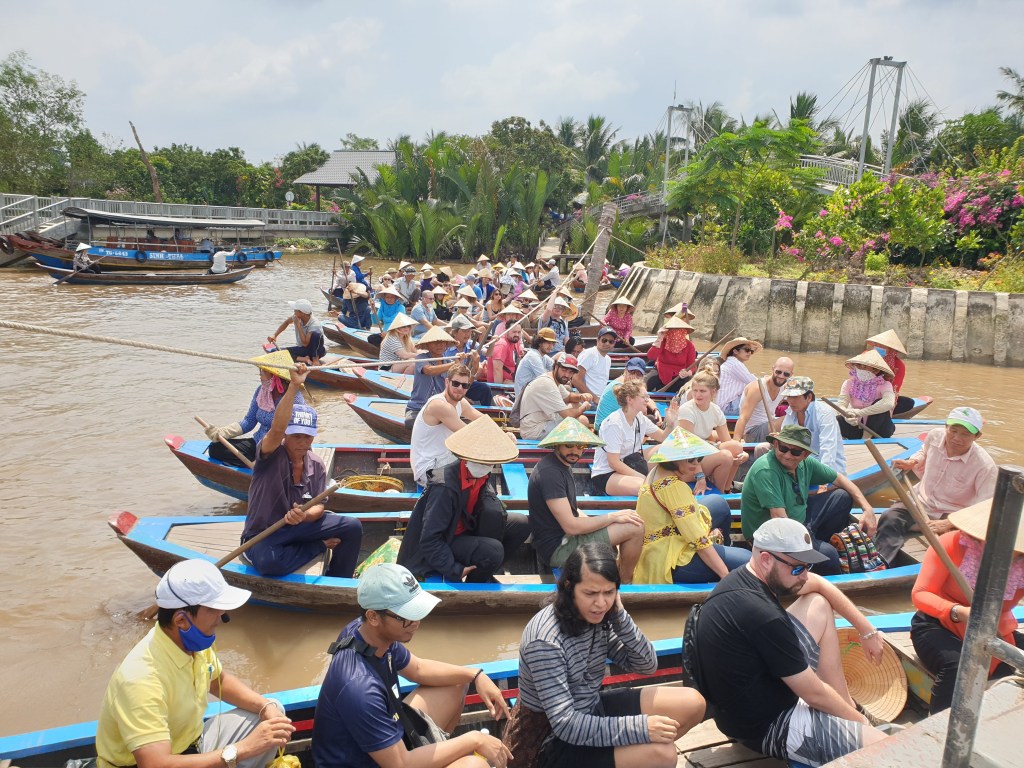
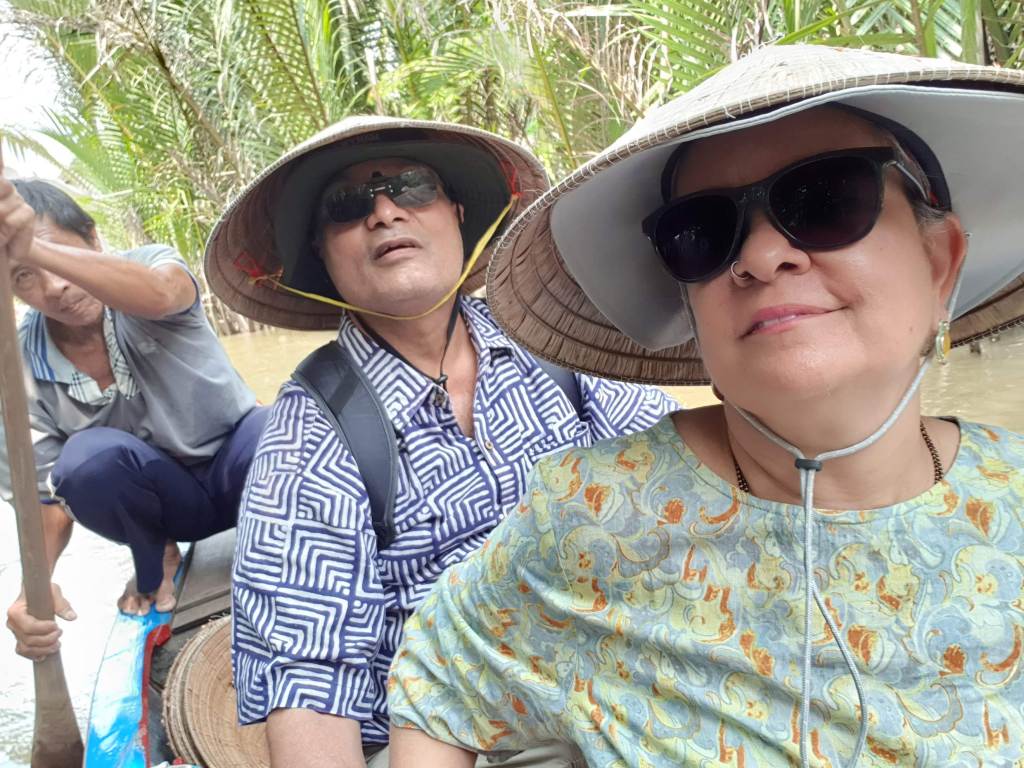
After a boat ride we transferred ourselves to small boats/sampans with two oars-persons, we were taken to a coconut farm/factory where we saw the process of making coconut sugar, candies and had tasted awesome honeyed tea. The honey was sourced from their own hives. We also had lunch – standard Vietnamese fare, nothing as special as our self cooked feast at Ho An.
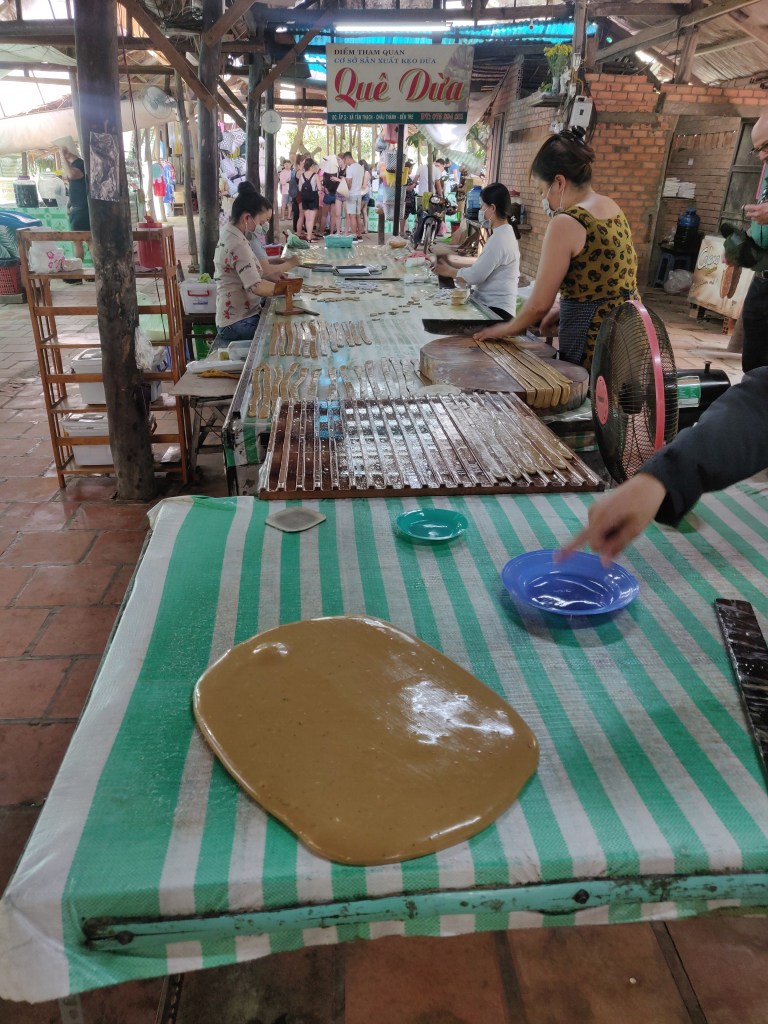
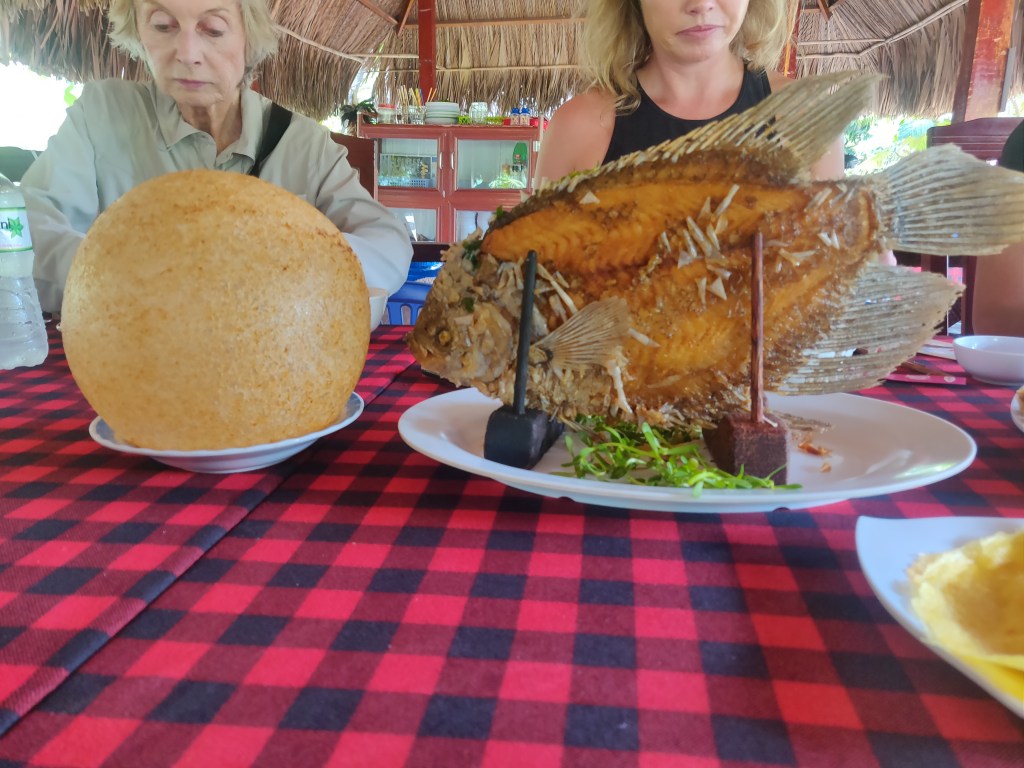
After the Mekong river trip, we headed back to the hotel. For dinner we went for pizza, at Ben Thanh Pizza 4 P’s – normally at Pizza joints – I have to be content with garlic bread as I am allergic to tomatoes but wonder of wonders – this place had pizza with NO tomatoes and even NO tomato puree, this was the first time I have gorged on Pizza. God bless you 4 P’s.
Day 8
Ho Chi Minh city tour in the morning and departure – we changed the schedule a bit, instead of the city tour, we took the tour of the famous wartime tunnels on the outskirts of the Saigon city, where the Vietcong guerrillas hid and fought against the South Vietnamese and the US troops.
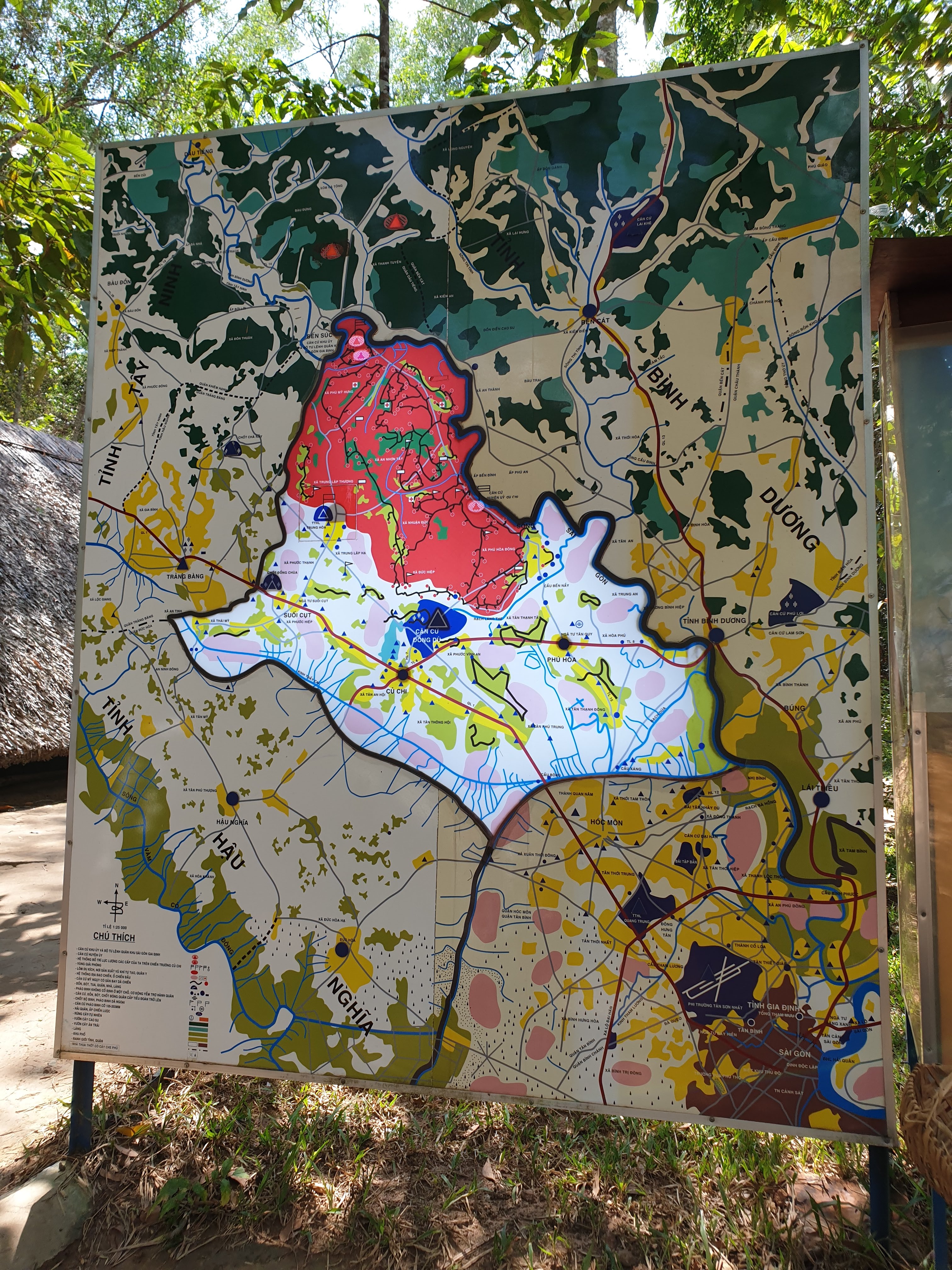
Cu Chi Tunnels
The tunnels of Củ Chi are an immense network of connecting tunnels located in the Cu Chi District of Ho Chi Minh City (Saigon), Vietnam, and are part of a much larger network of tunnels that underlie much of the country. The Củ Chi tunnels were the location of several military campaigns during the Vietnam War, and were the Viet Cong’s base of operations for the Tet Offensive in 1968.
The tunnels were used by Viet Cong soldiers as hiding spots during combat, as well as serving as communication and supply routes, hospitals, food and weapon caches and living quarters for numerous North Vietnamese fighters. The tunnel systems were of great importance to the Viet Cong in their resistance to American forces, and helped to counter the growing American military effort.
American soldiers used the term “Black Echo” to describe the conditions within the tunnels. For the Viet Cong, life in the tunnels was difficult. Air, food and water were scarce and the tunnels were infested with ants, venomous centipedes, snakes, scorpions, spiders, and rodents. Most of the time, soldiers would spend the day in the tunnels working or resting and come out only at night to scavenge for supplies, tend their crops, or engage the enemy in battle. Sometimes, during periods of heavy bombing or American troop movement, they would be forced to remain underground for many days at a time. Sickness was rampant among the people living in the tunnels, especially malaria, which was the second largest cause of death next to battle wounds. A captured Viet Cong report suggests that at any given time half of a People’s Liberation Armed Forces (PLAF) unit had malaria and that “one-hundred percent had intestinal parasites of significance”.
The tunnels of Củ Chi did not go unnoticed by U.S. officials. They recognized the advantages that the Viet Cong held with the tunnels, and accordingly launched several major campaigns to search out and destroy the tunnel system. Among the most important of these were Operation Crimp and Operation Cedar Falls.
The operation did not bring about the desired success, throughout the course of the war, the tunnels in and around Củ Chi proved to be a source of frustration for the U.S. military in Saigon. The Viet Cong had been so well entrenched in the area by 1965 that they were in the unique position of locally being able to control where and when battles would take place. By helping to covertly move supplies and house troops, the tunnels of Củ Chi allowed North Vietnamese fighters in their area of South Vietnam to survive, help prolong the war and increase American costs and casualties until their eventual withdrawal in 1972, and the final defeat of South Vietnam in 1975.
The 75-mile (121 km)-long complex of tunnels at Củ Chi has been preserved by the government of Vietnam, and turned into a war memorial park with two different tunnel display sites, Ben Dinh and Ben Duoc. The tunnels are a popular tourist attraction, and visitors are invited to crawl around in the safer parts of the tunnel system. The Ben Duoc site contains part of the original tunnel system, while the Ben Dinh site, closer to Saigon, has tunnel reconstructions and some tunnels have been made larger to accommodate tourists.
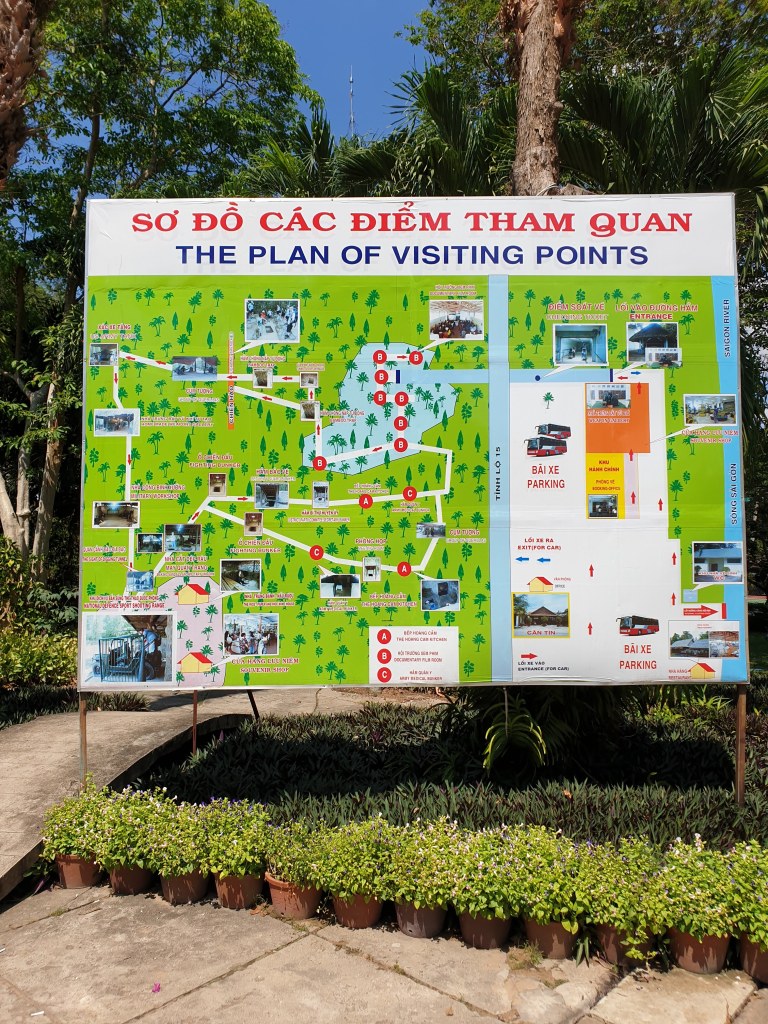
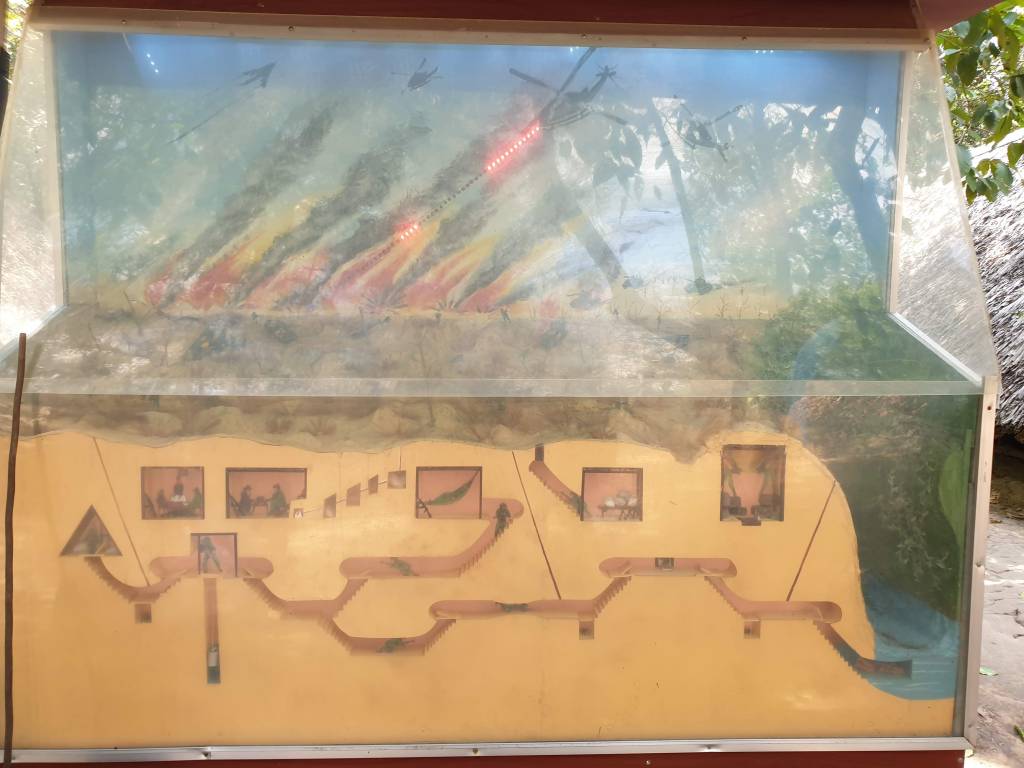
The trip to the tunnels at Diem Than were a revelation. The desire for national identity and freedom from colonists was so strong that the Vietnamese were willing to live in these tunnels for years with no great chances of survival. Aniruddh, Akshay and Easha did crawl through the tunnels – as much as was permitted. I did enter the tunnel but better sense prevailed as the Vietnamese ingenuity would have been further tested on how to extricate a 100 kg middle age man with a generous middle spread from a tunnel meant for an agile 40 kg guerrilla.


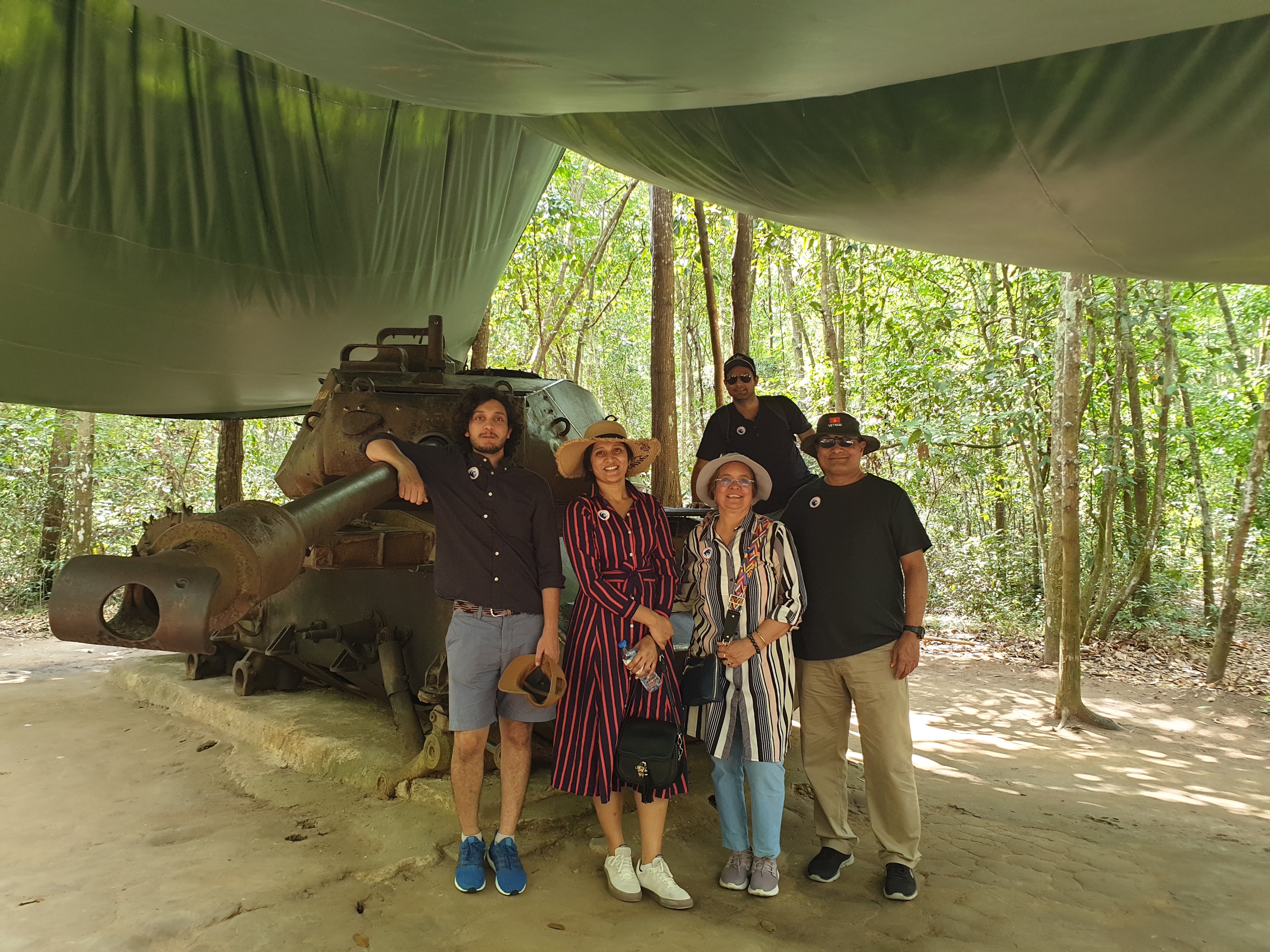
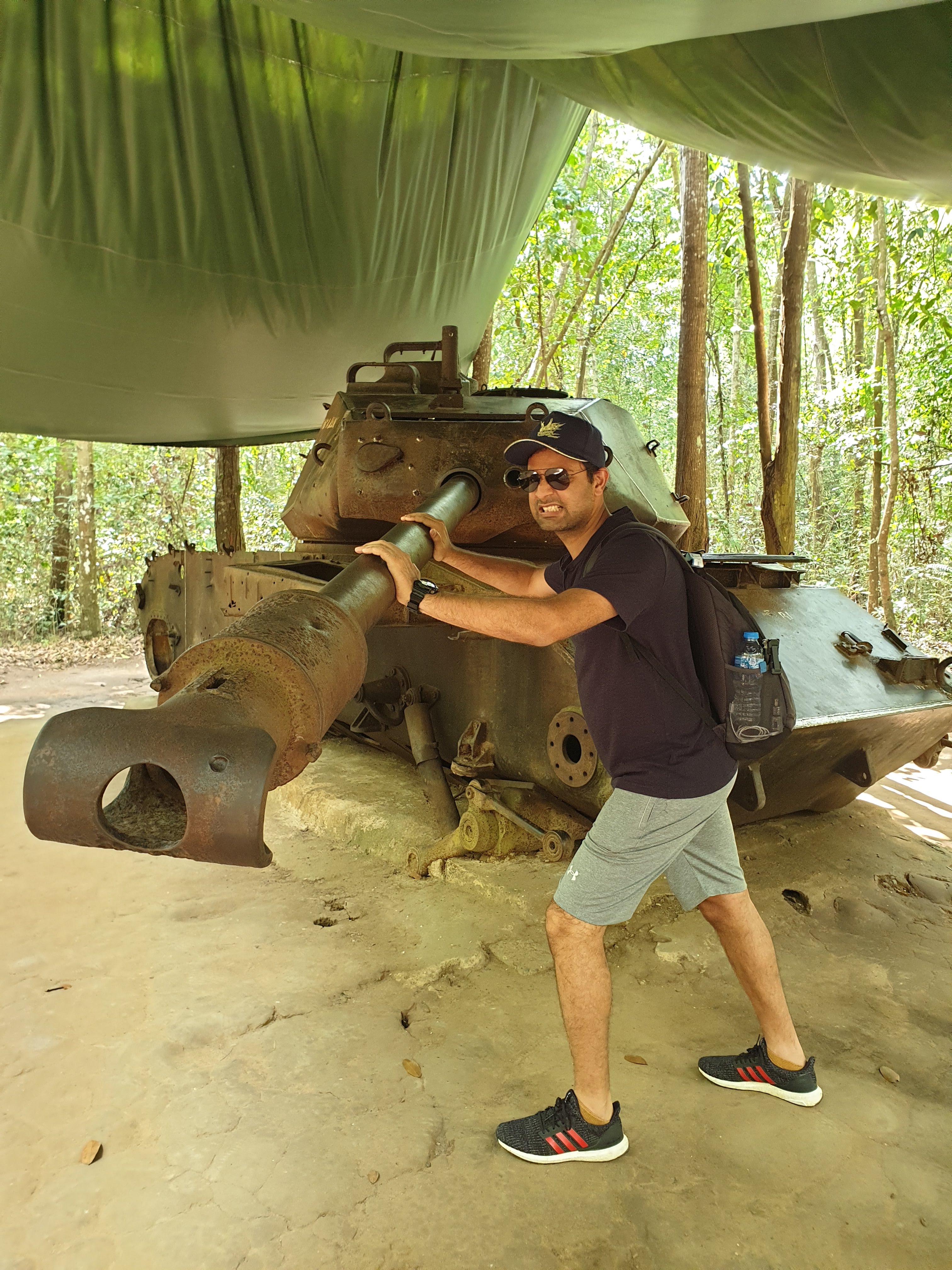
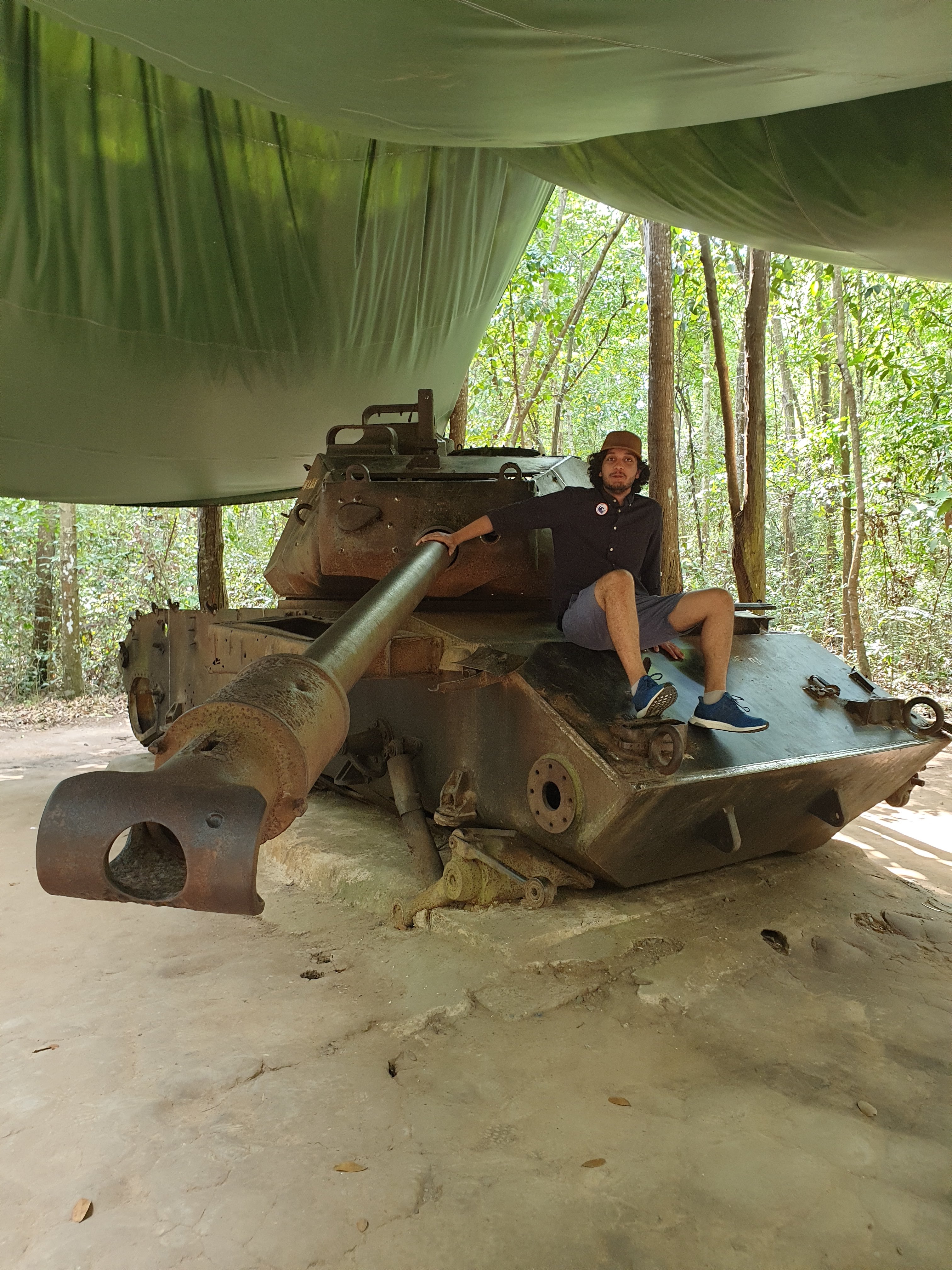
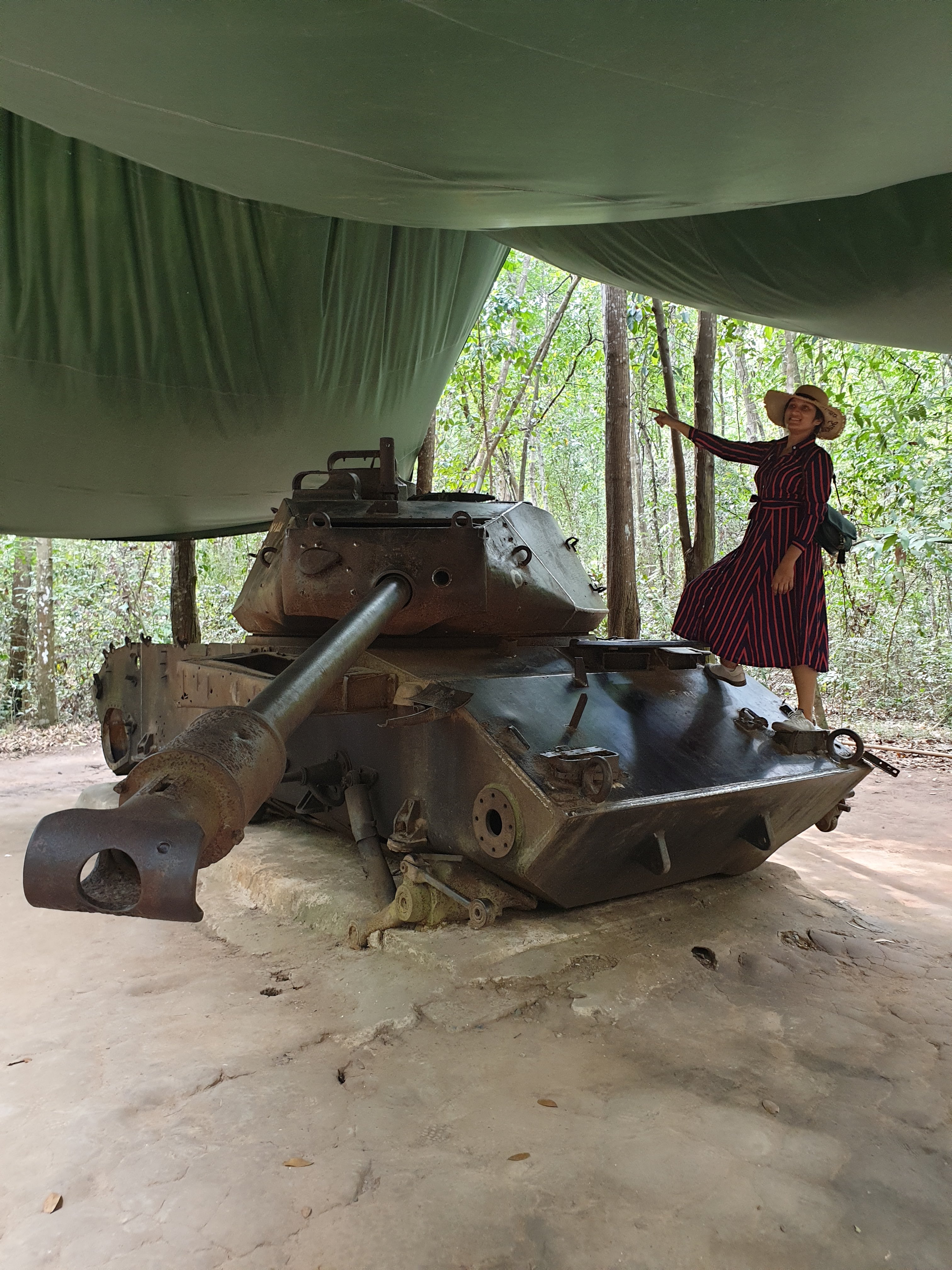

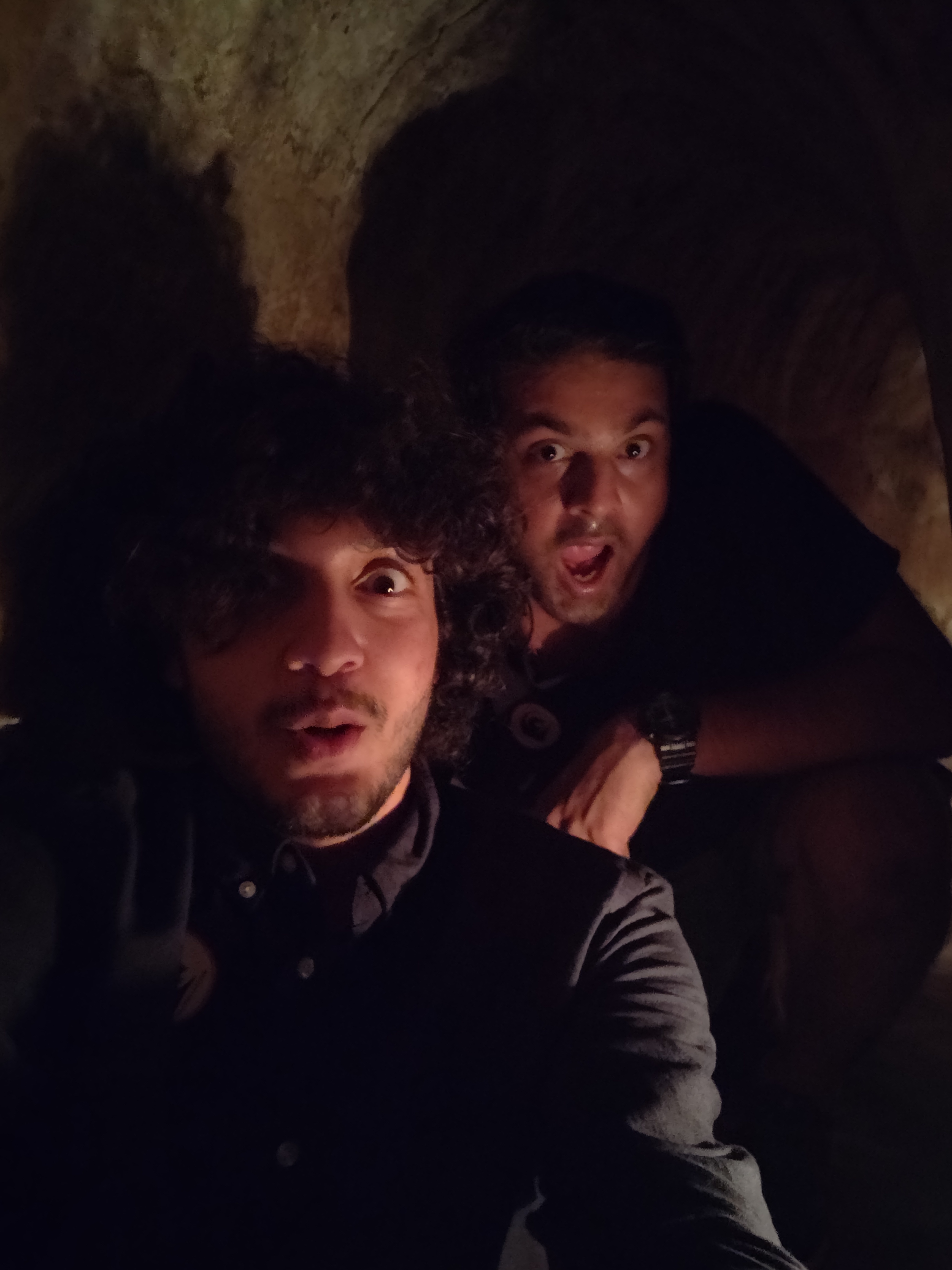
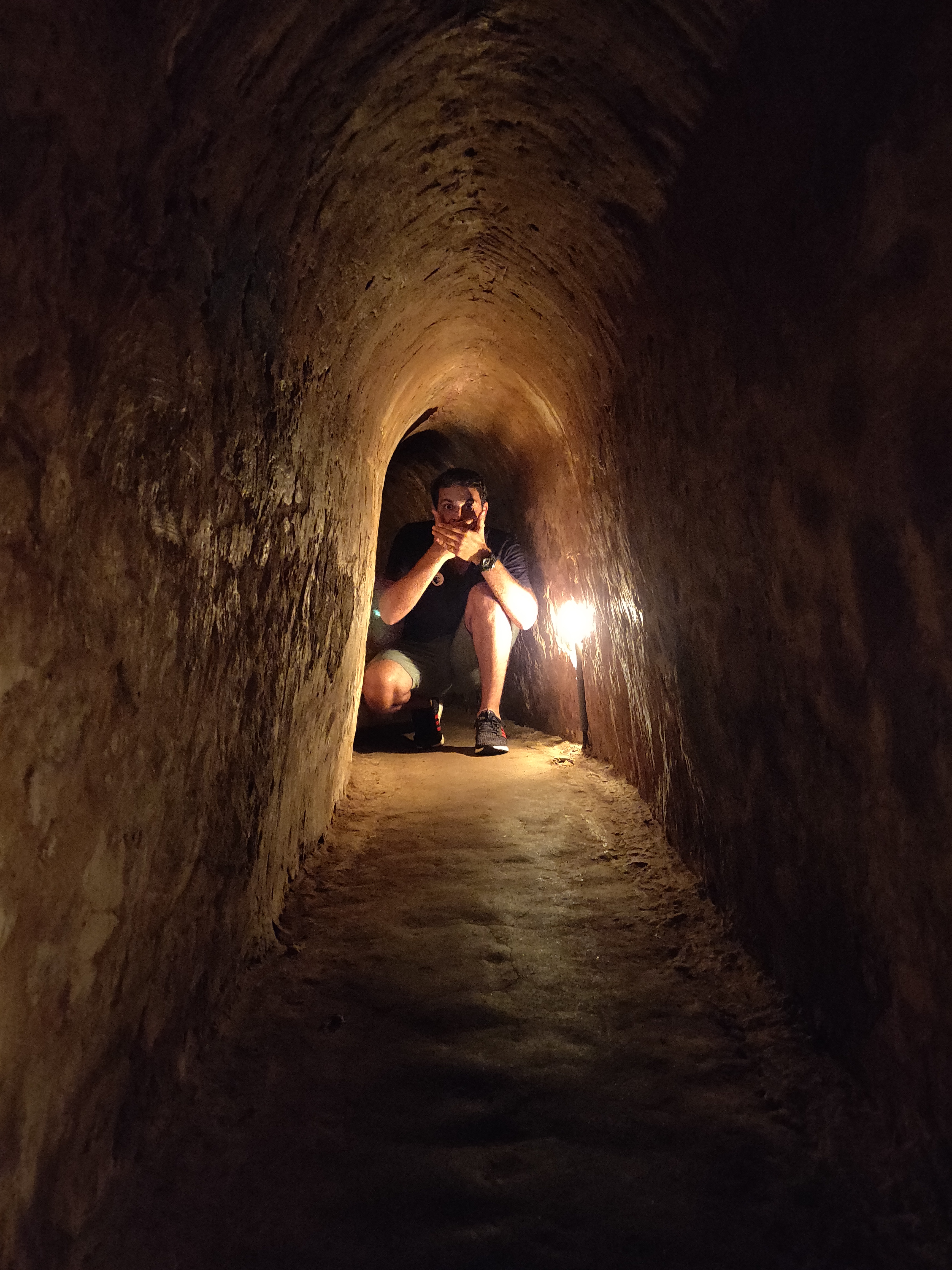
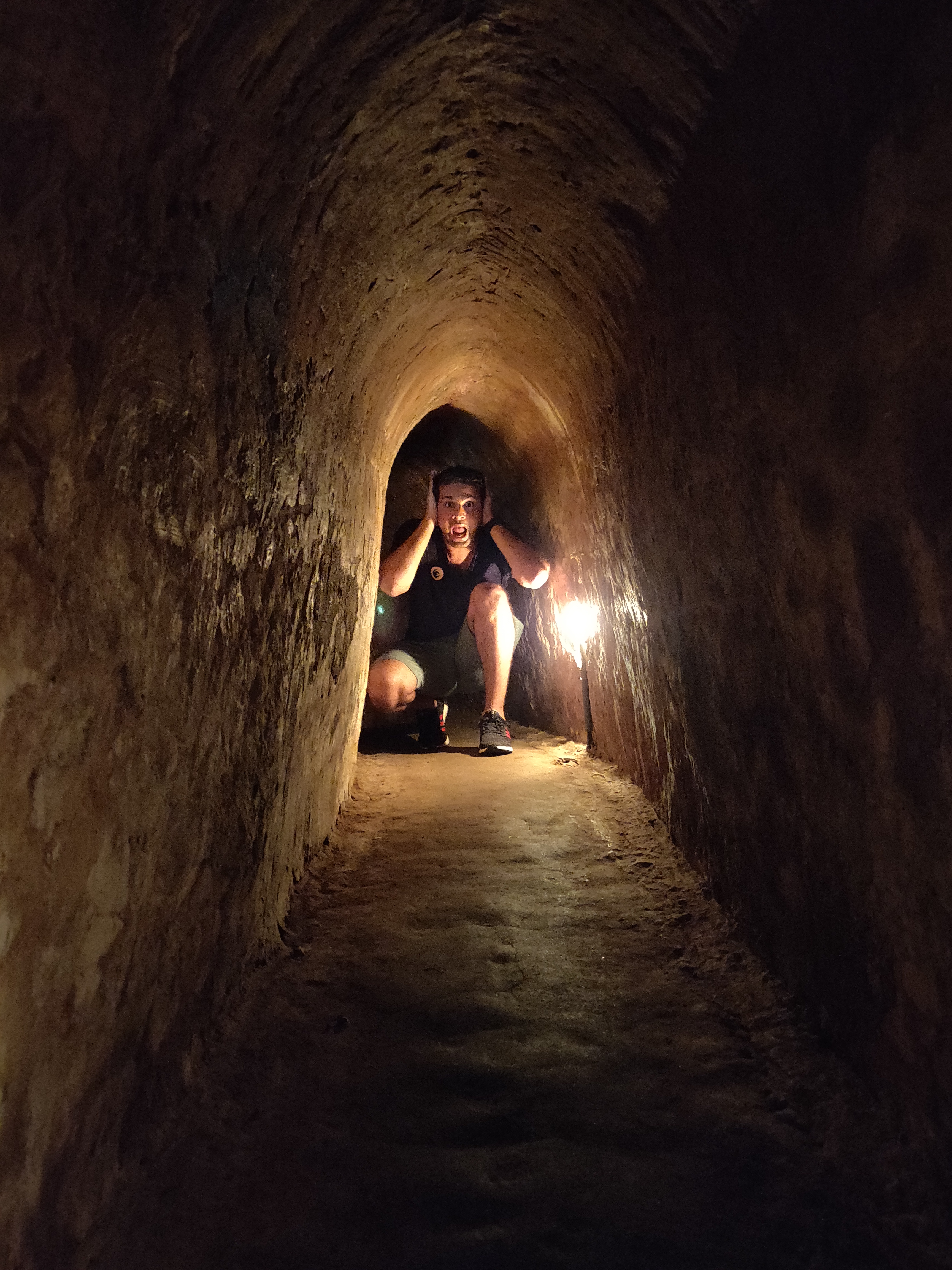
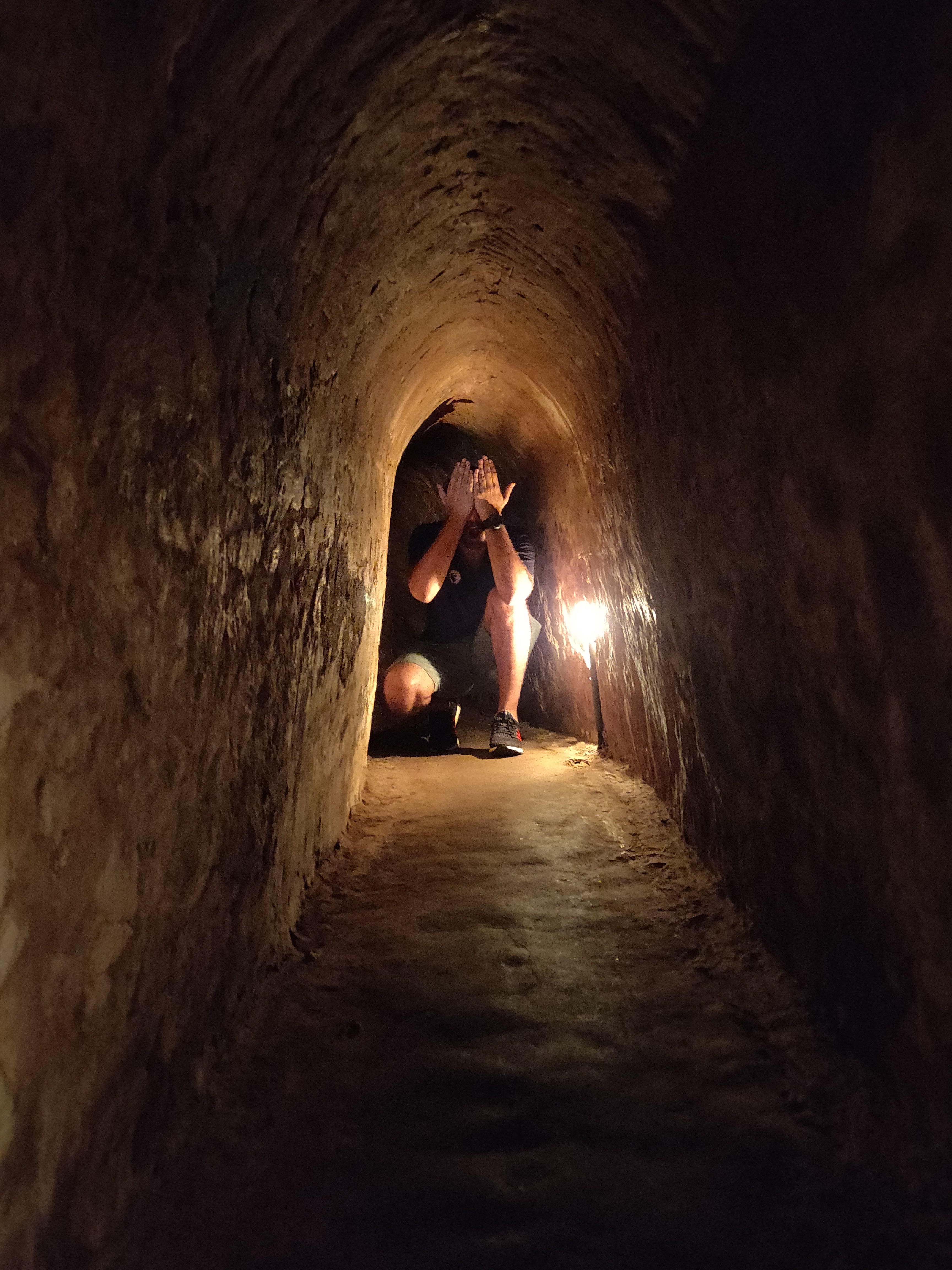
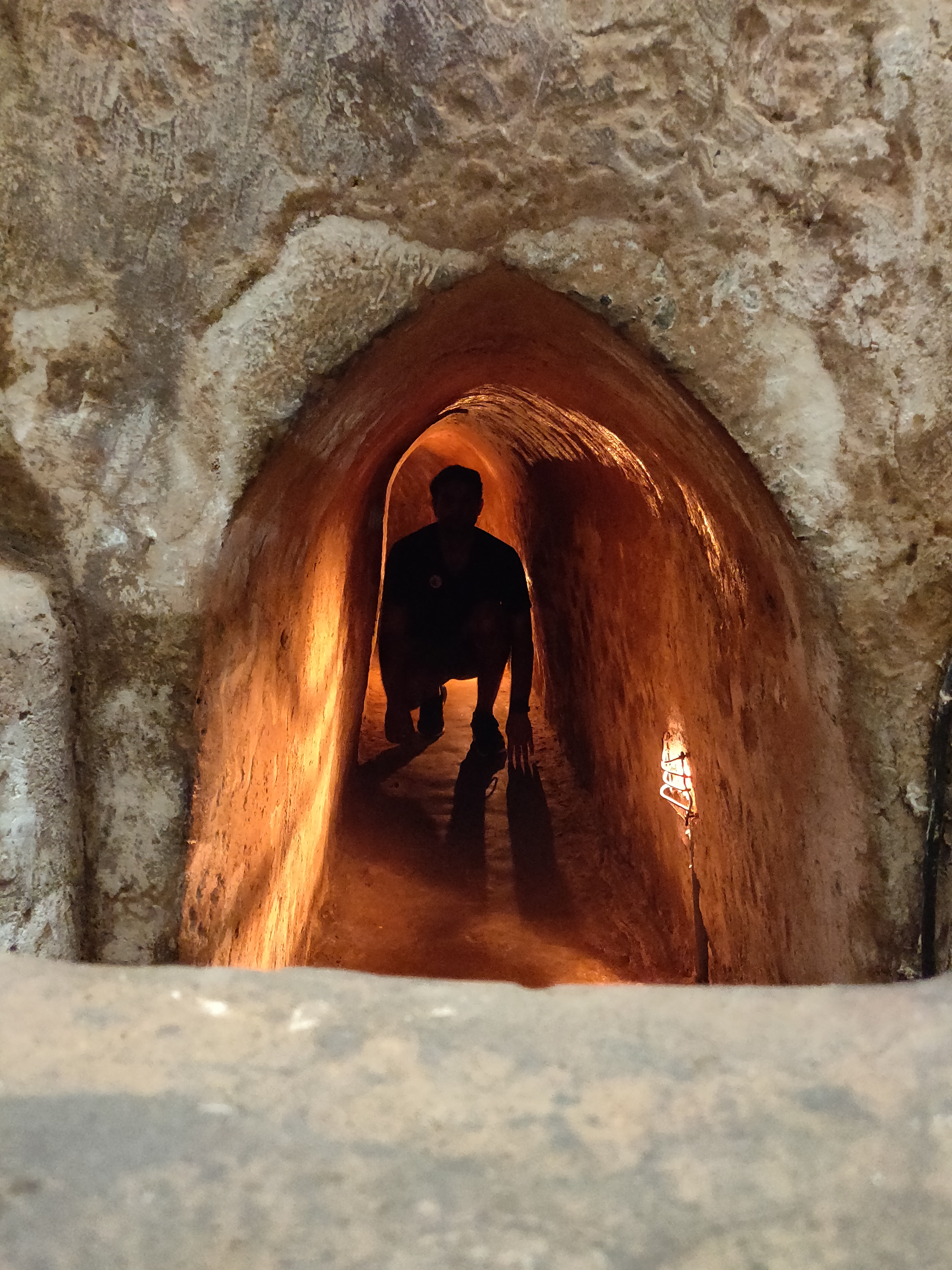
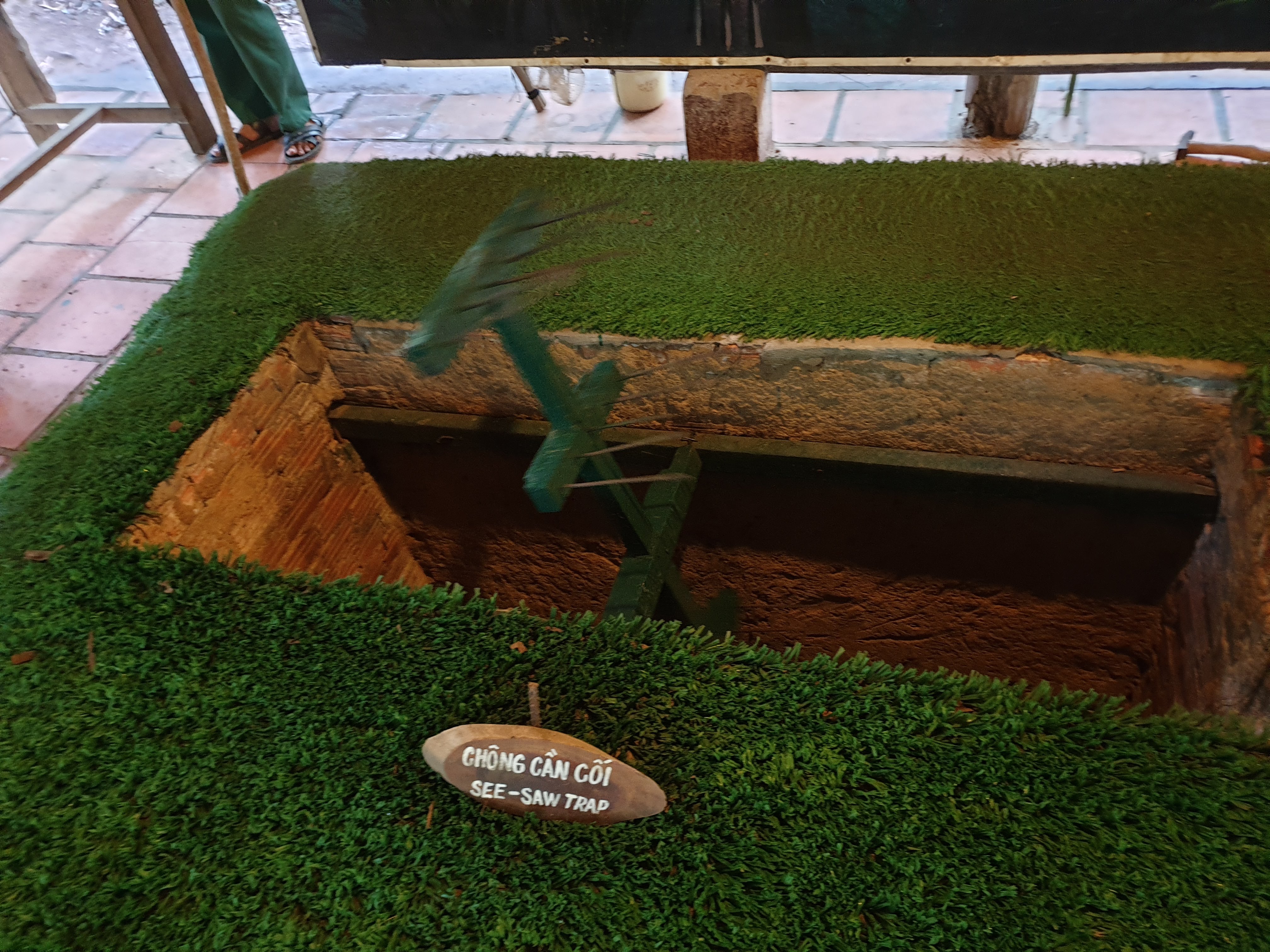
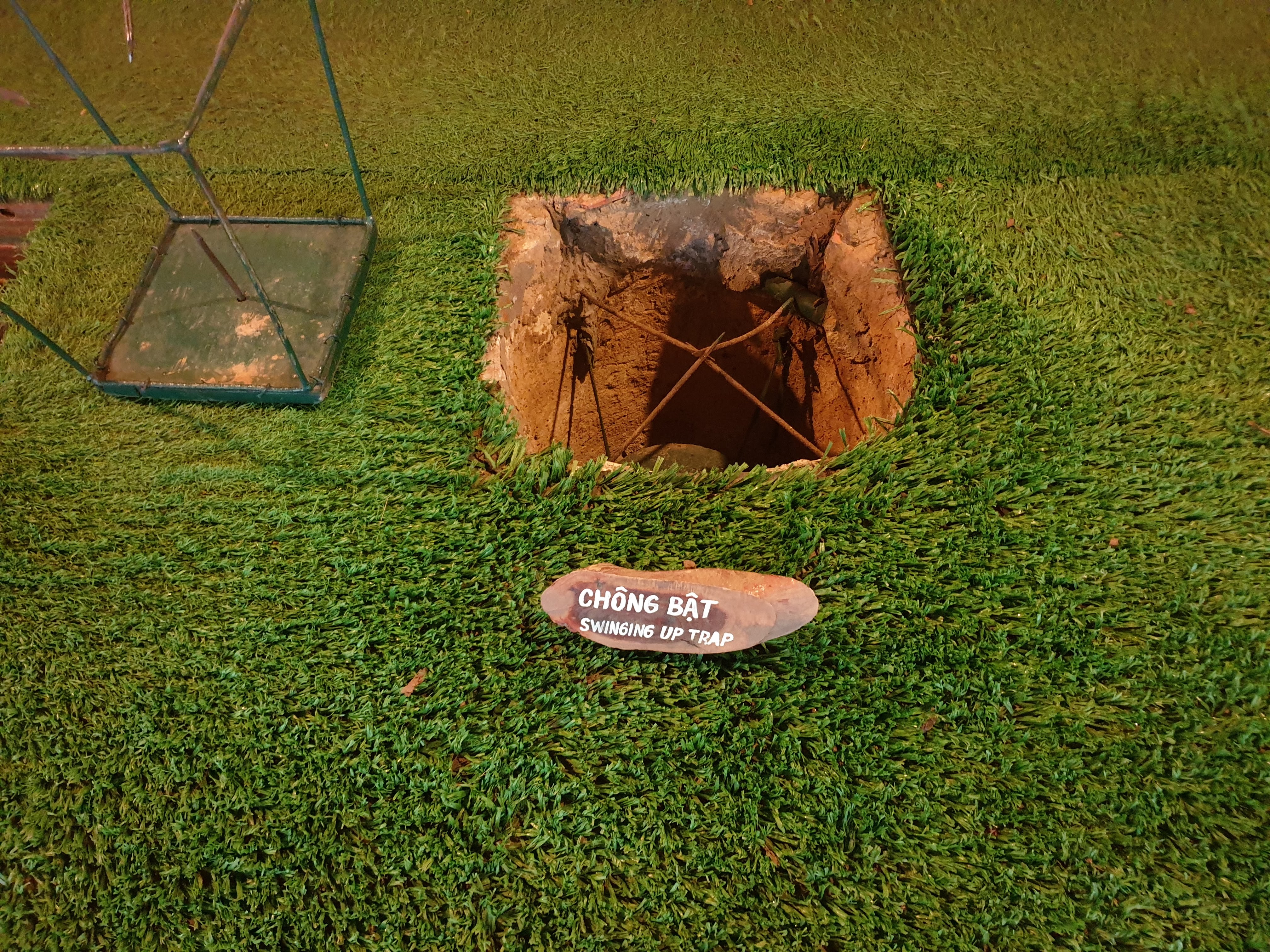
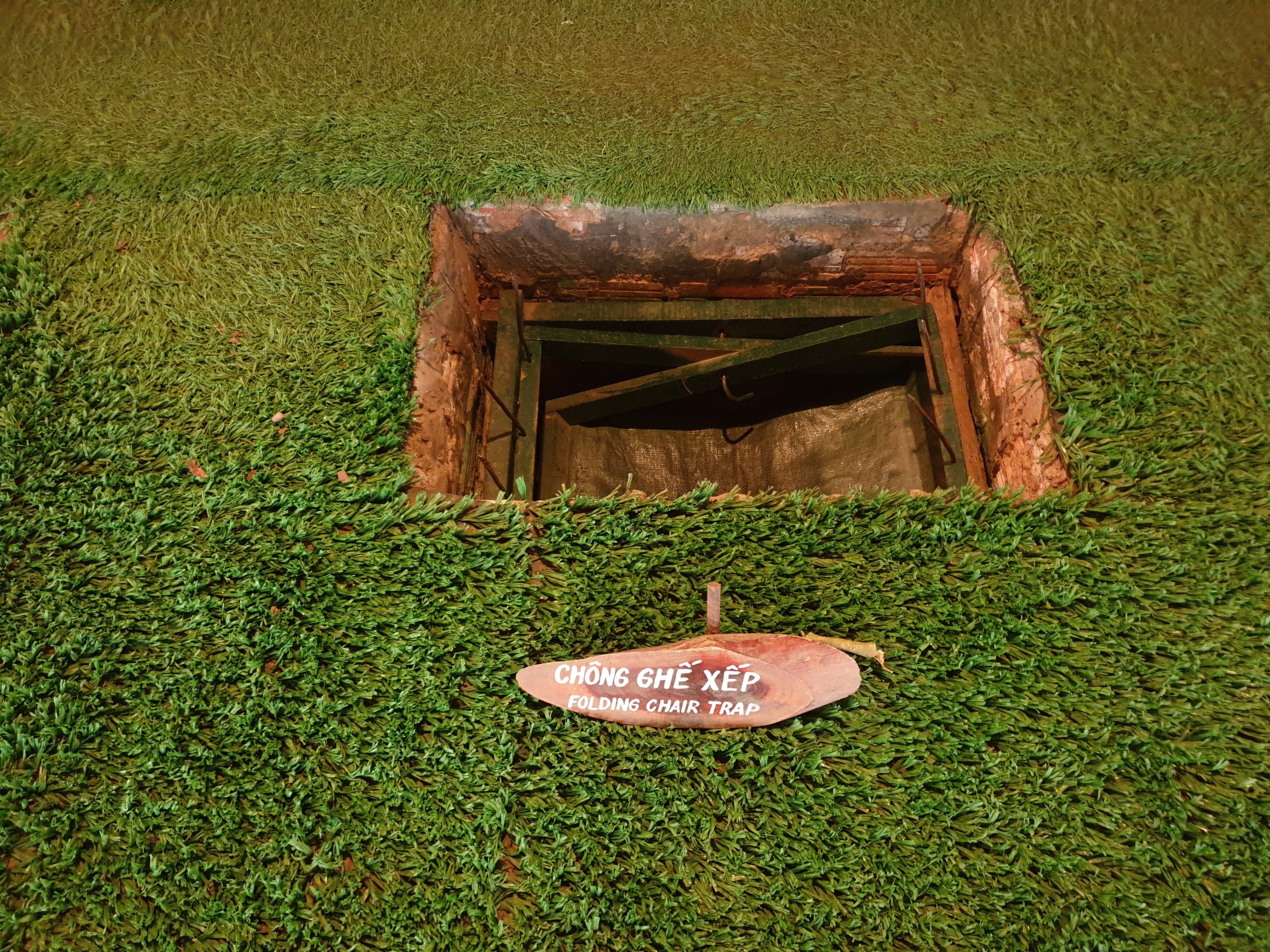
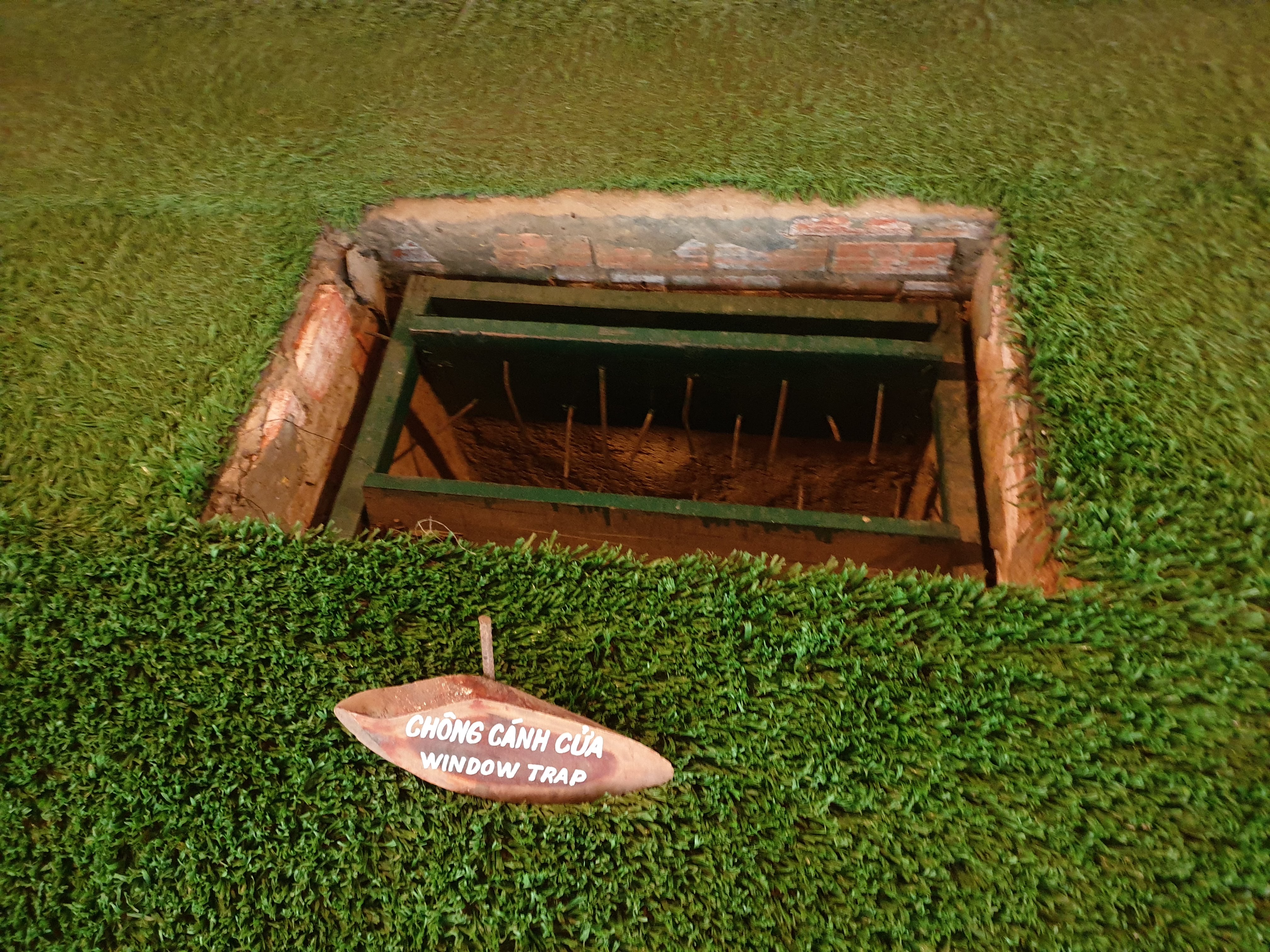
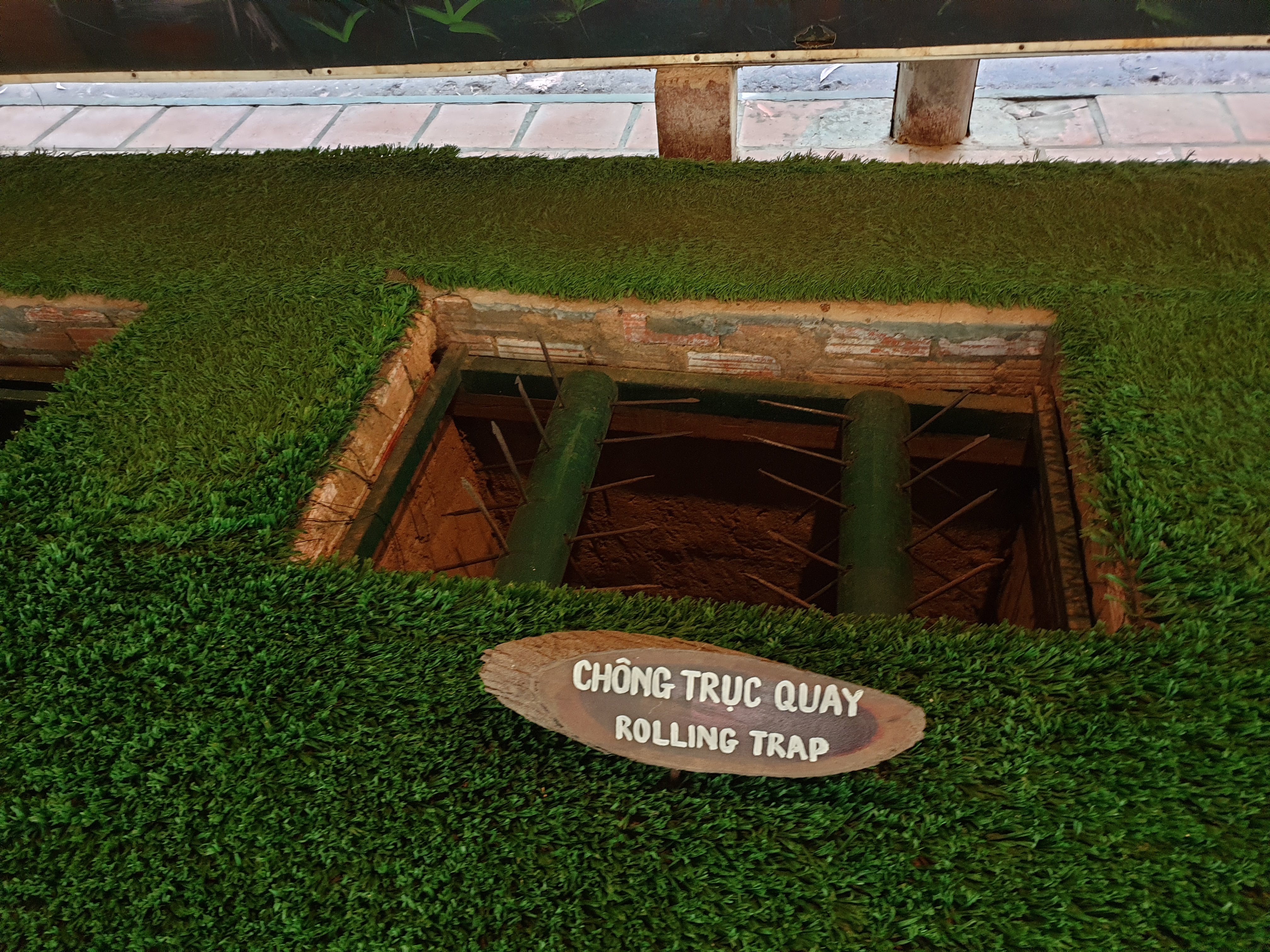
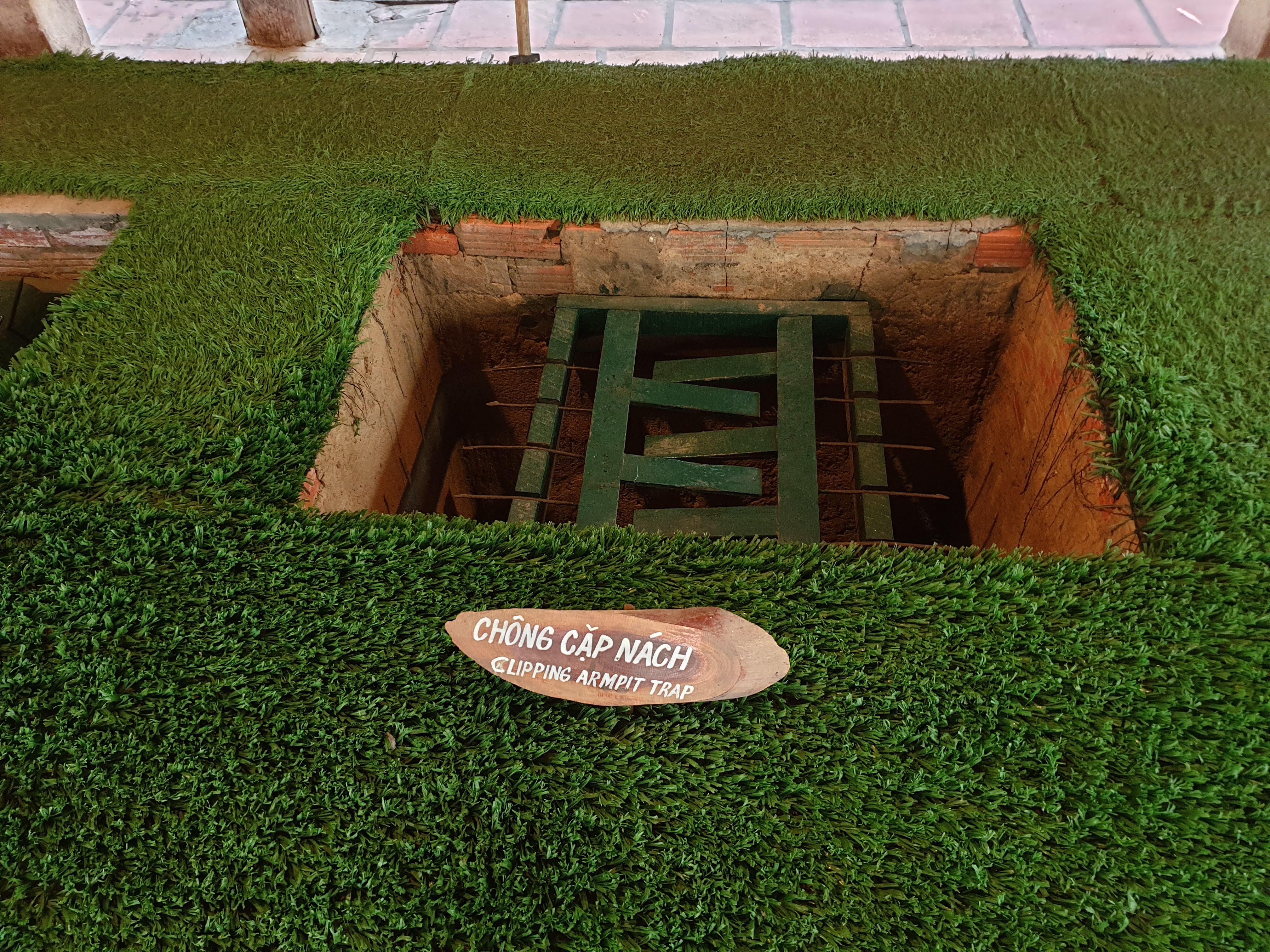
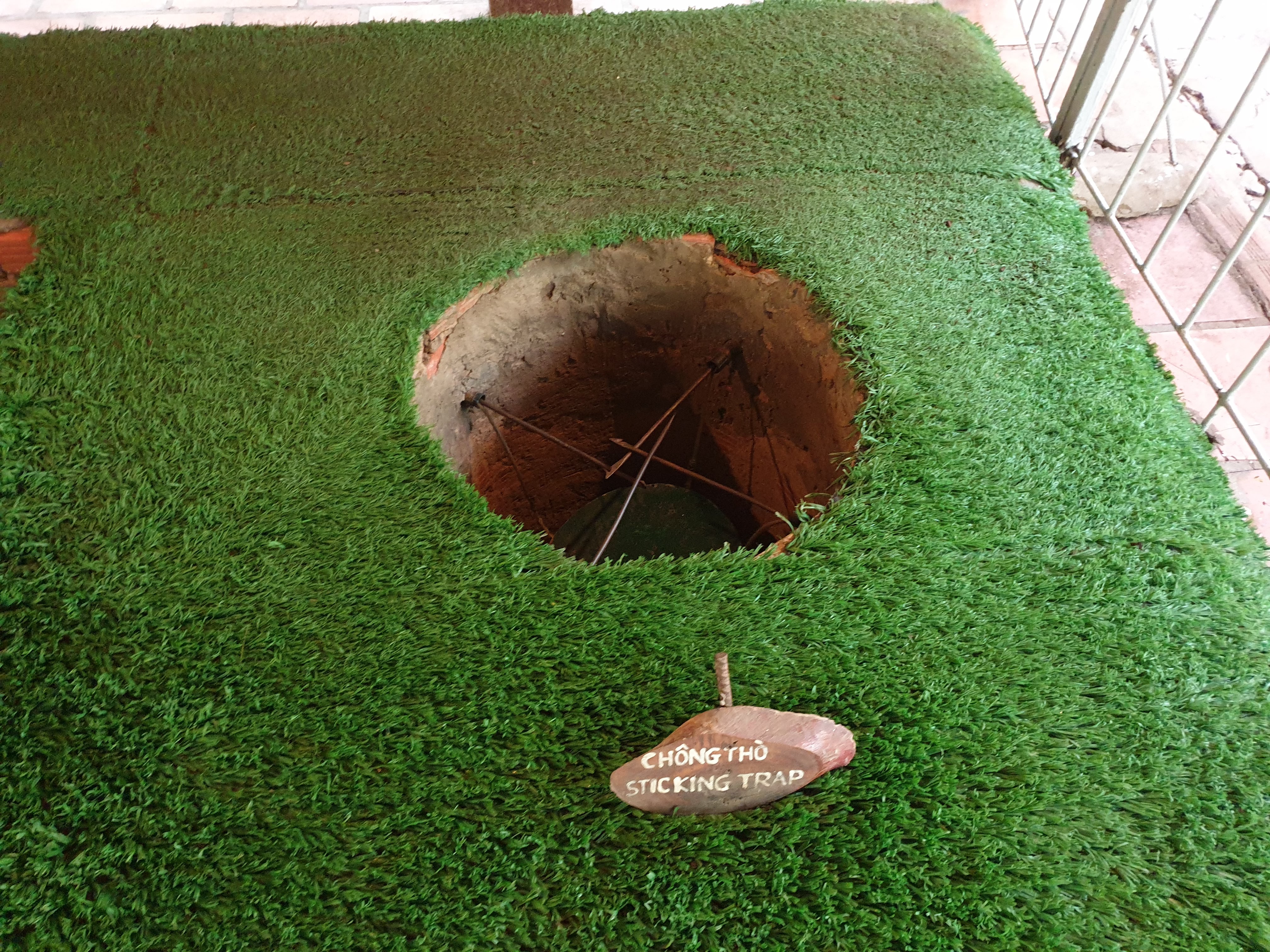
The booby traps, were ingenious and barbaric at the same time.
Seeing the booby traps, I felt a sense of sadness for the 18-19 year old children drafted to fight a war that they had no idea about. Sent to battle by old men and armament interests – as would be saviors of democracy yet hated when you returned, one can imagine the plight of these patriotic young men dying for a cause that eventually did not mean a thing.
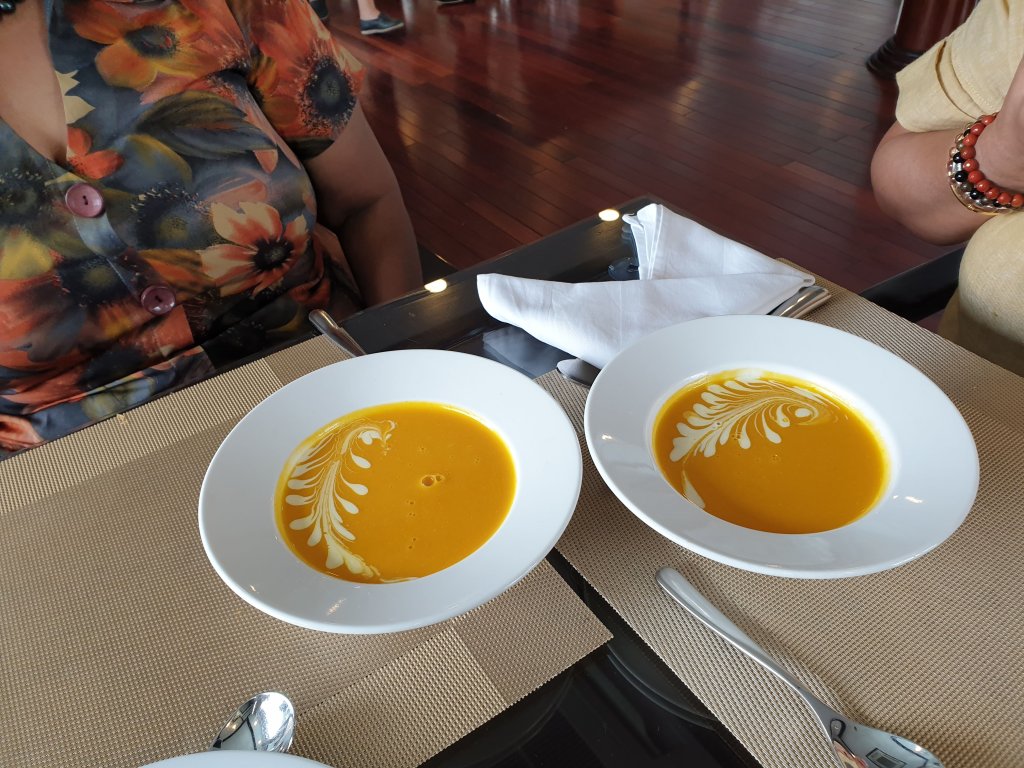
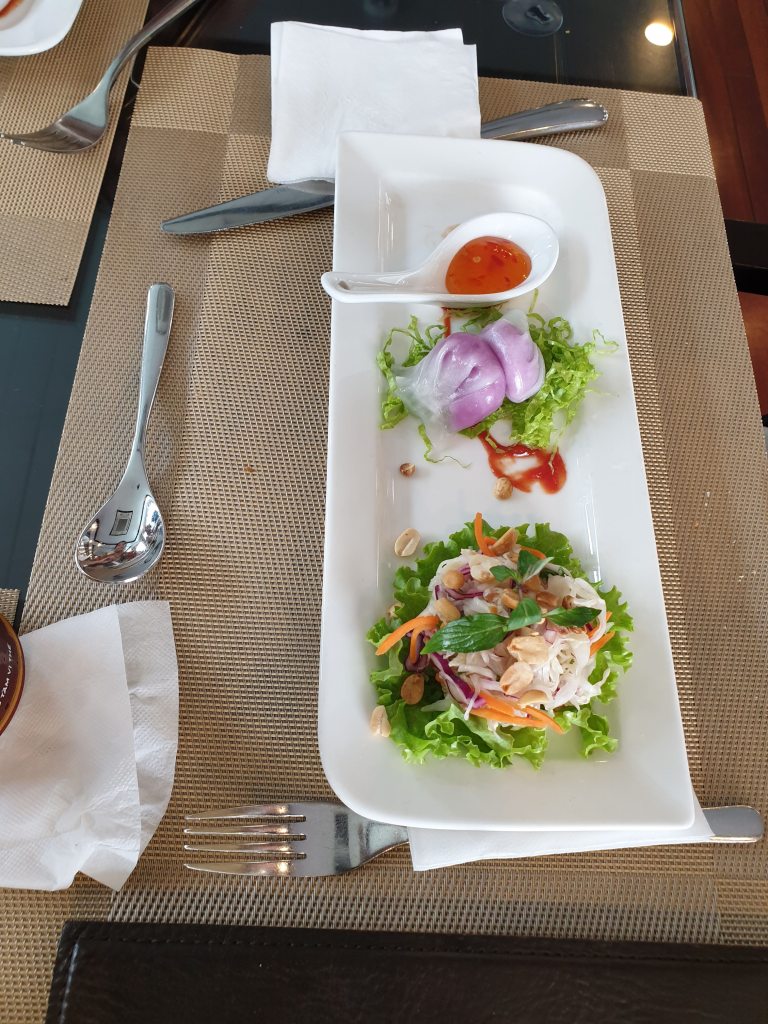
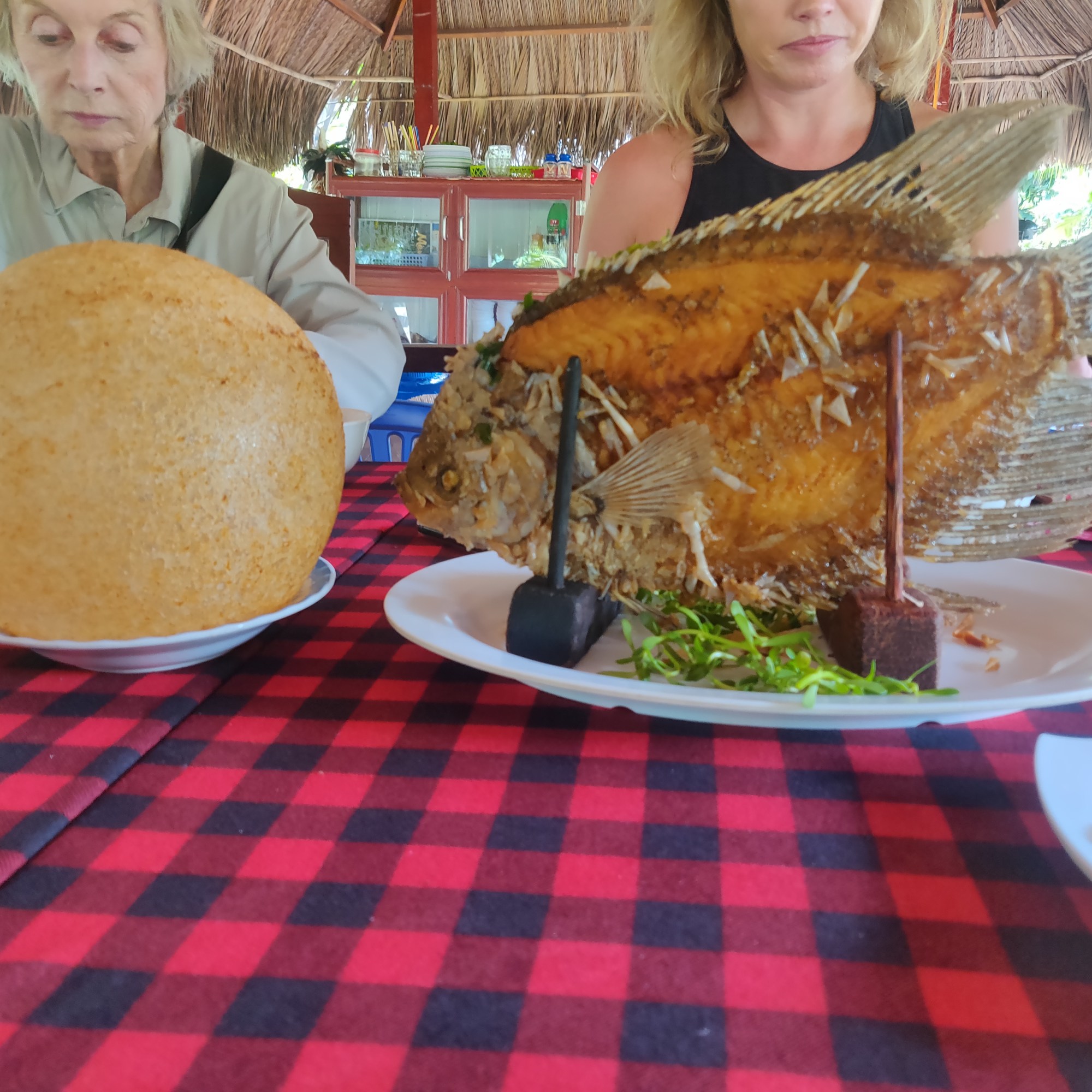
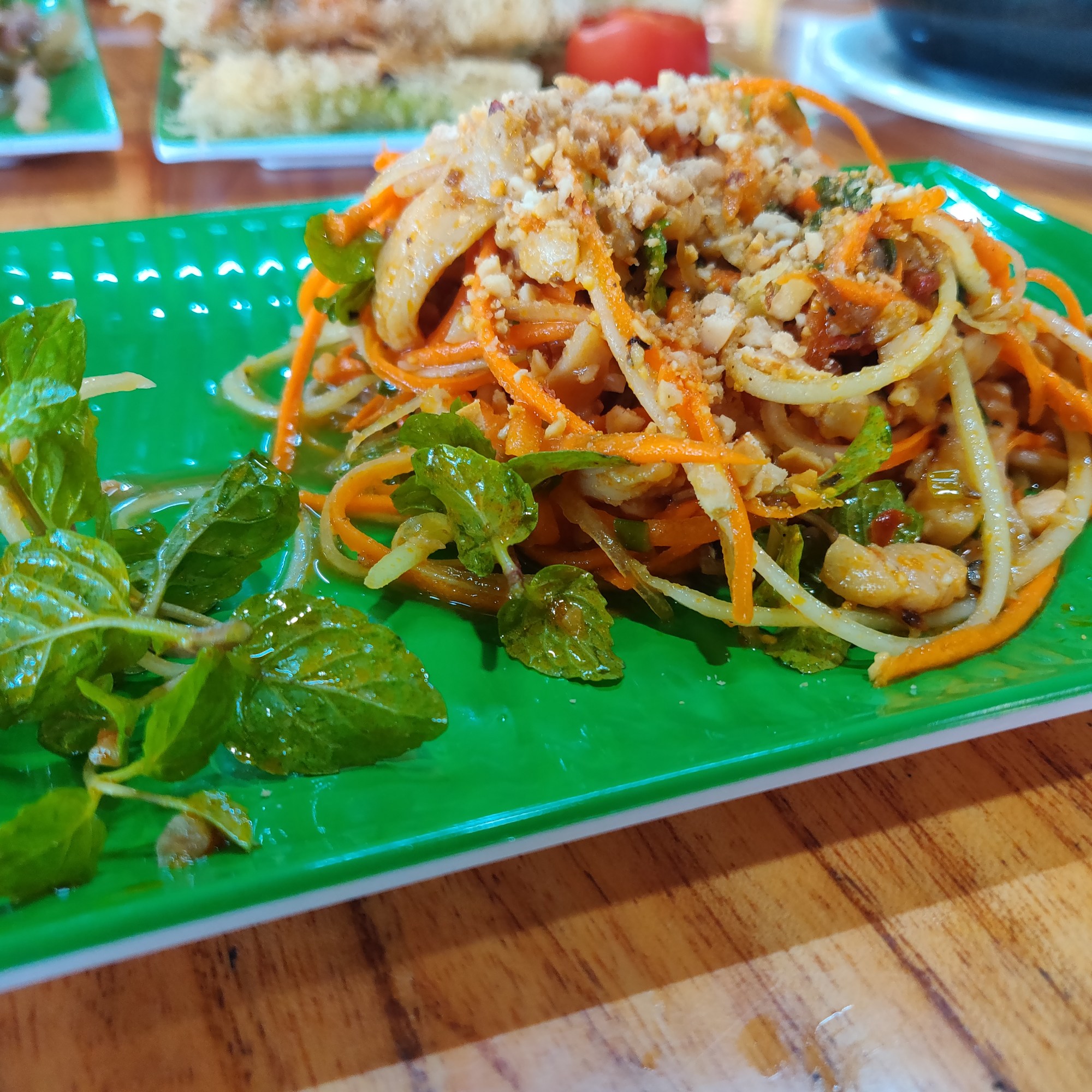
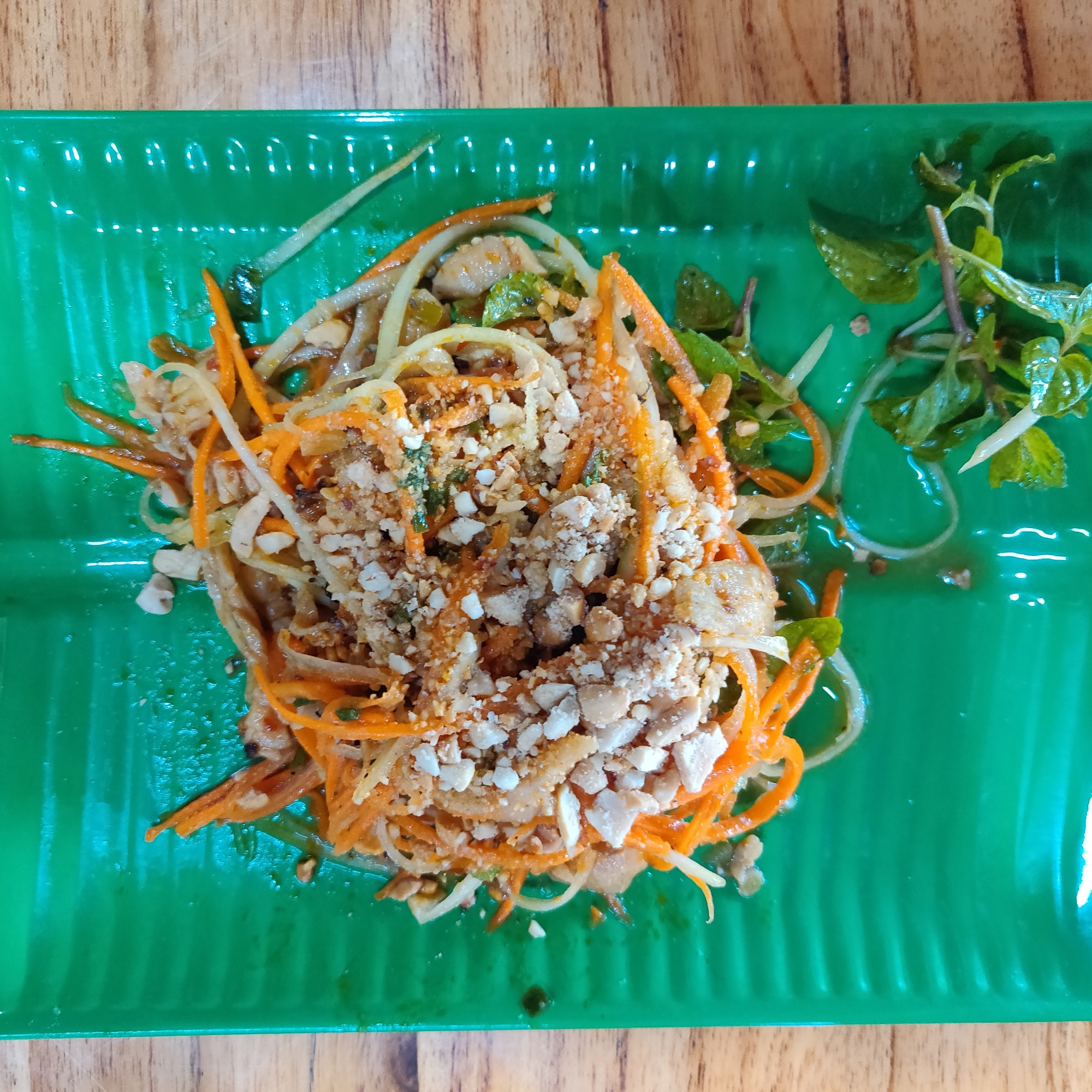
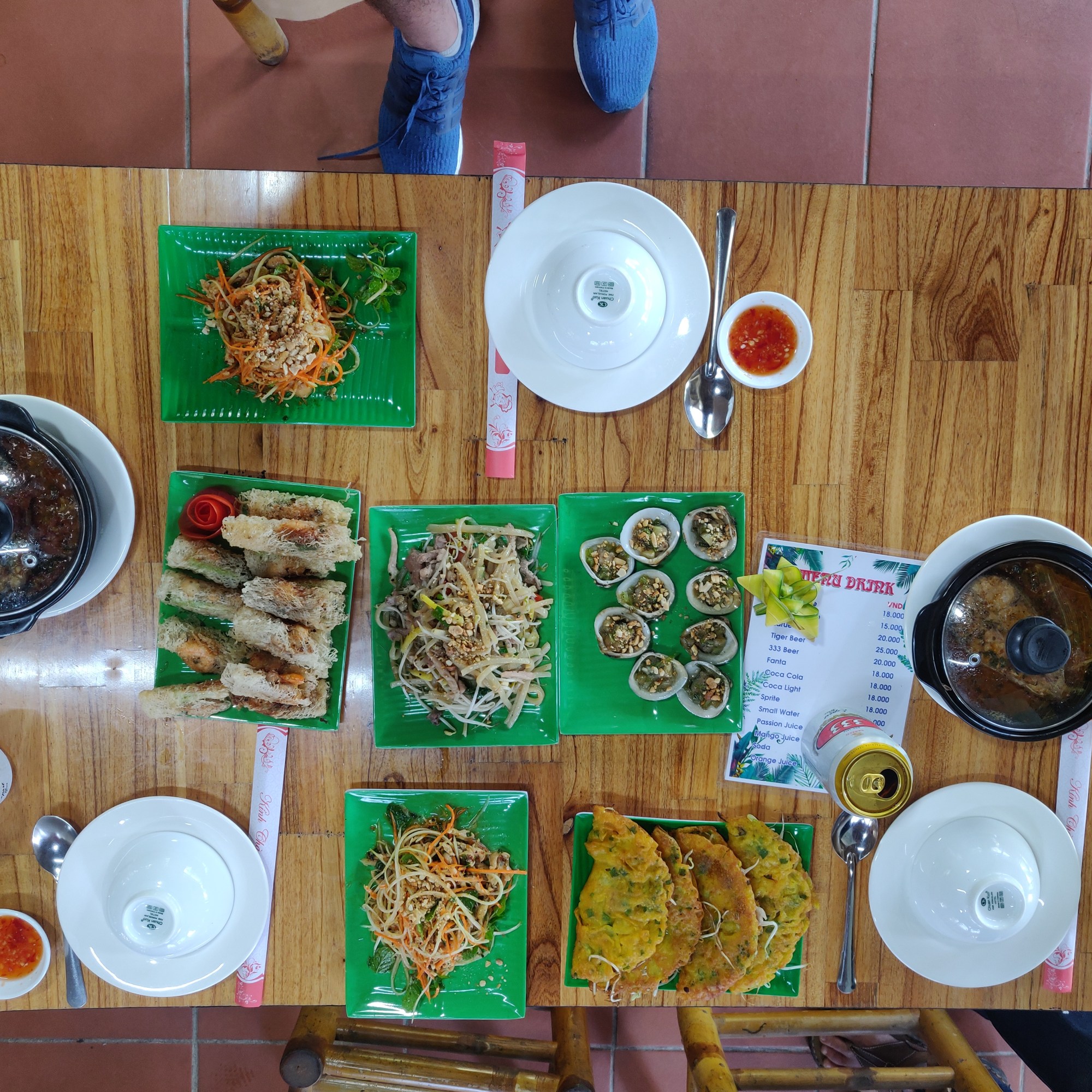
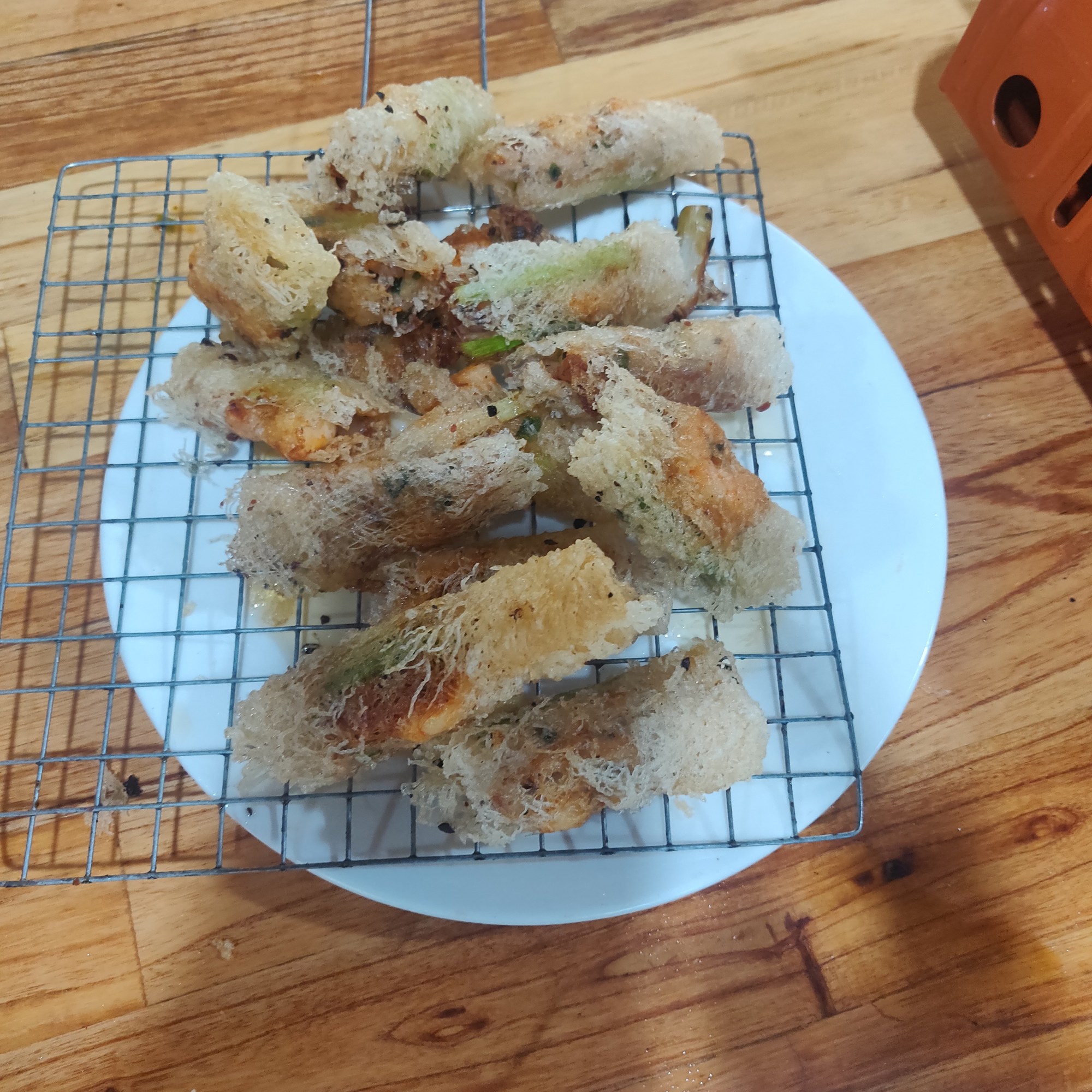
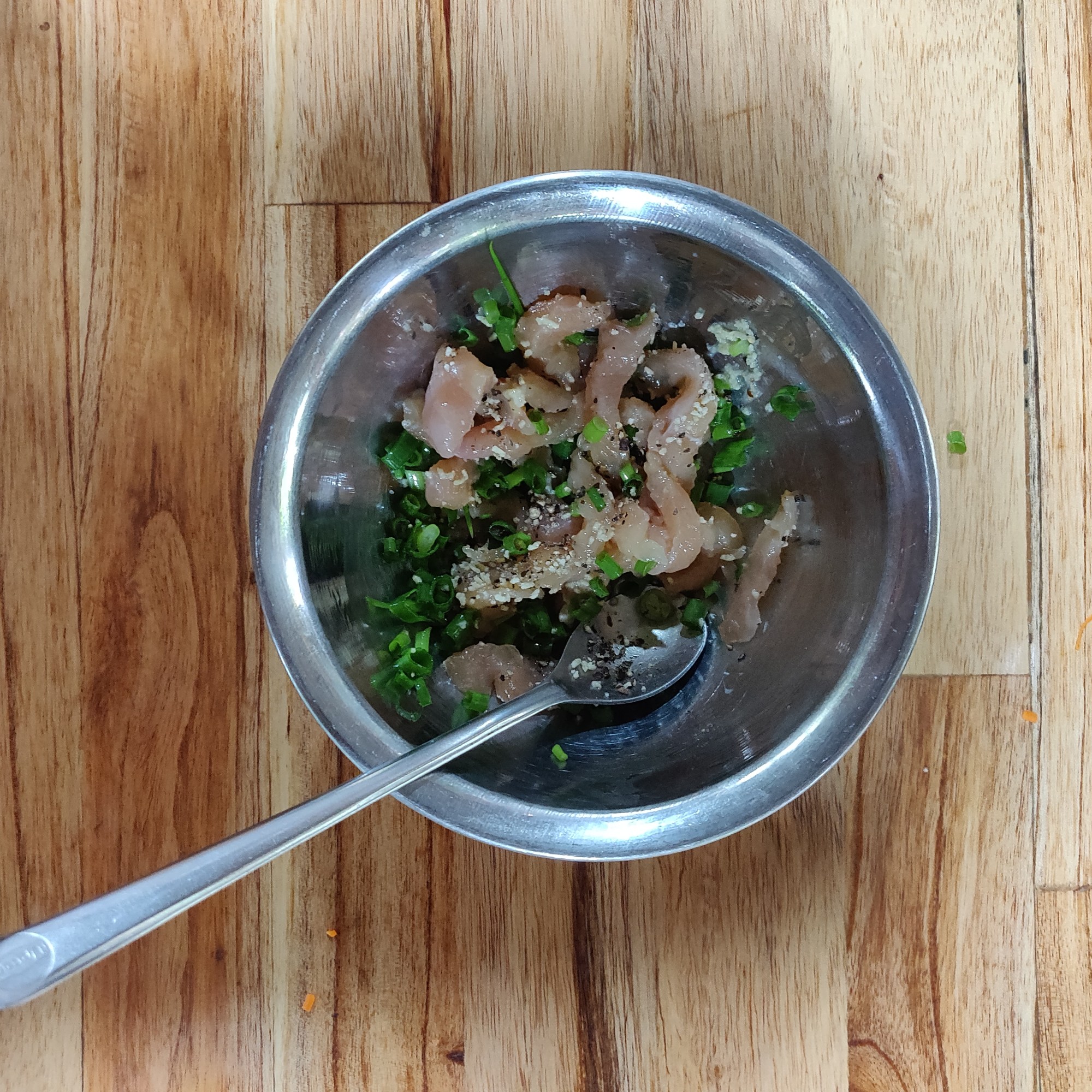
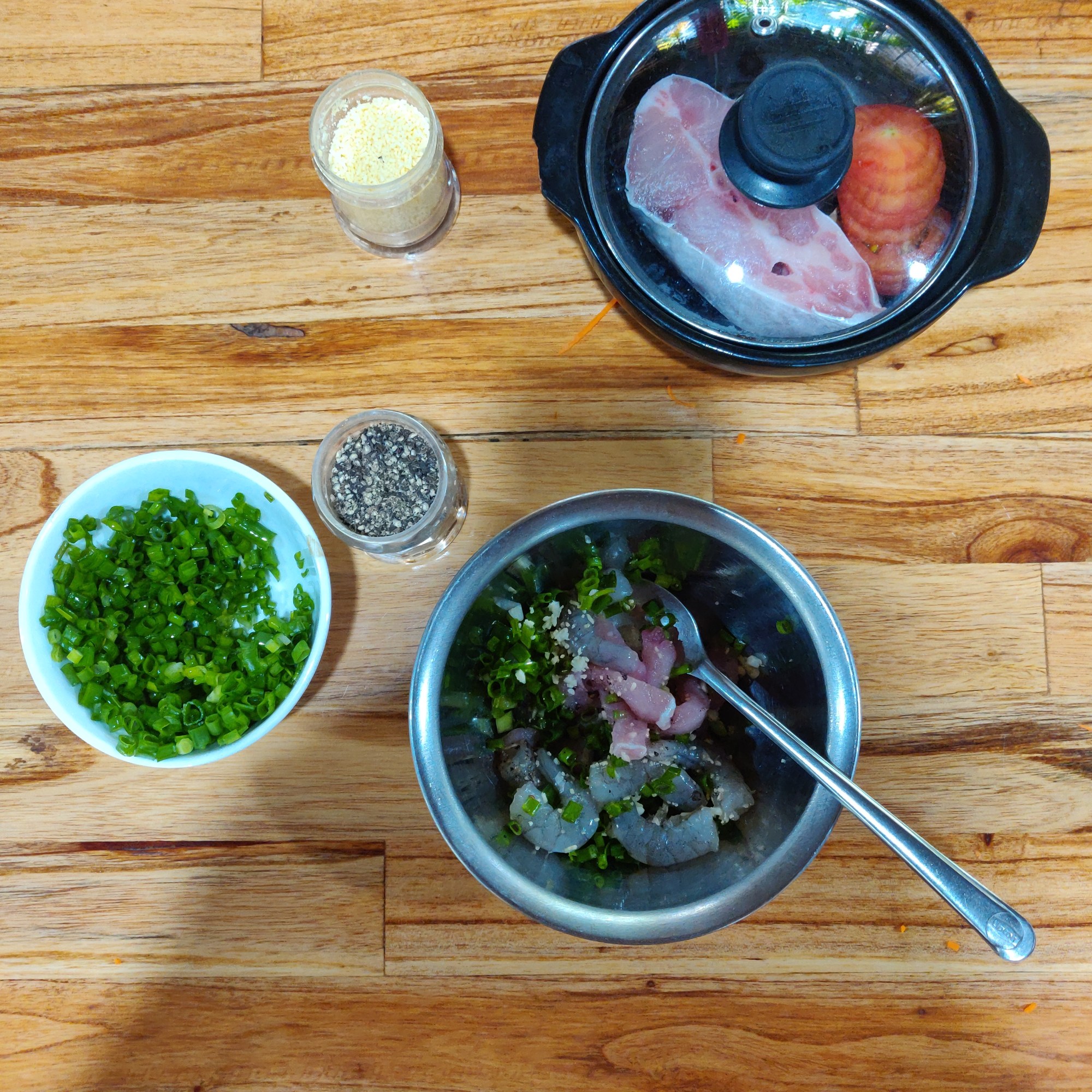
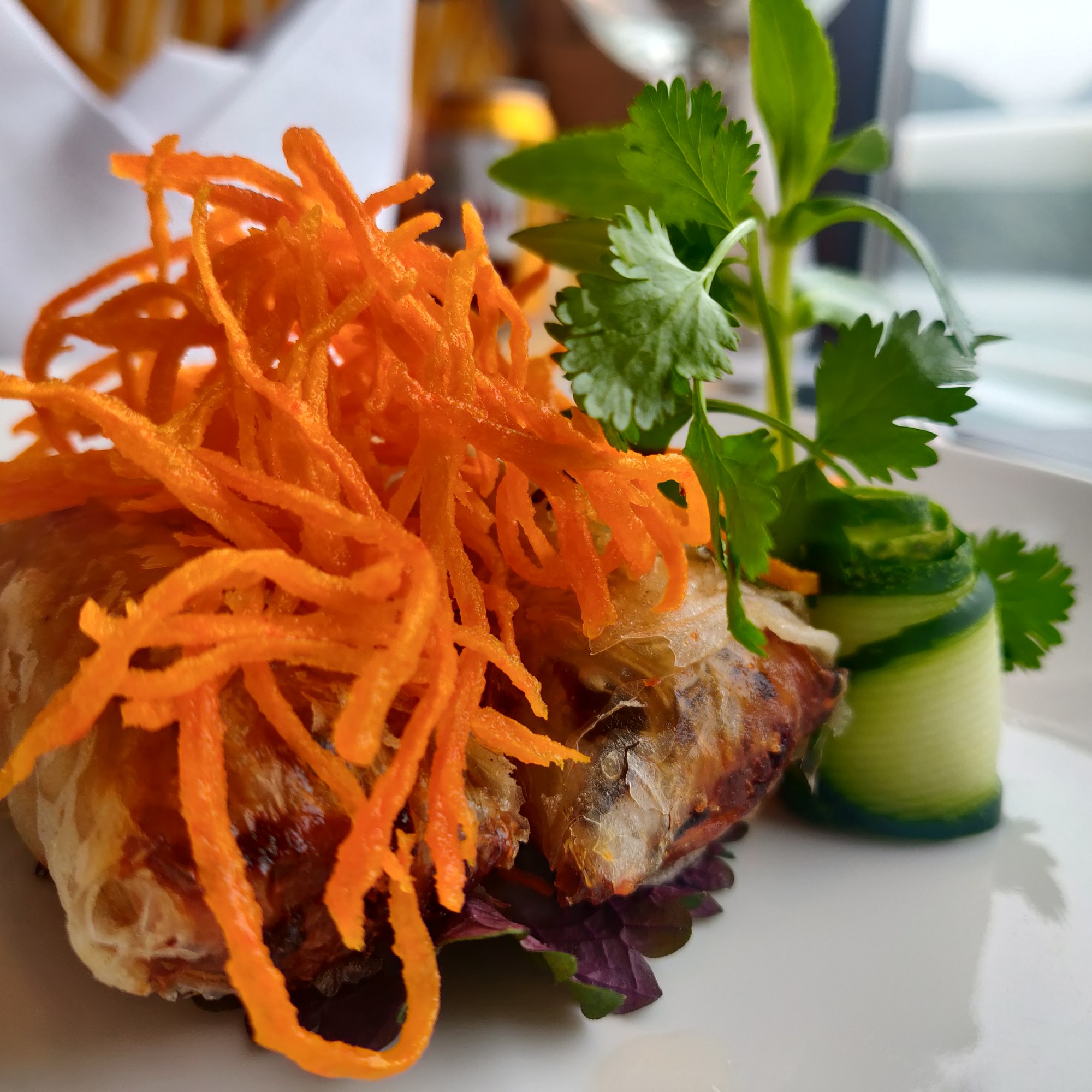
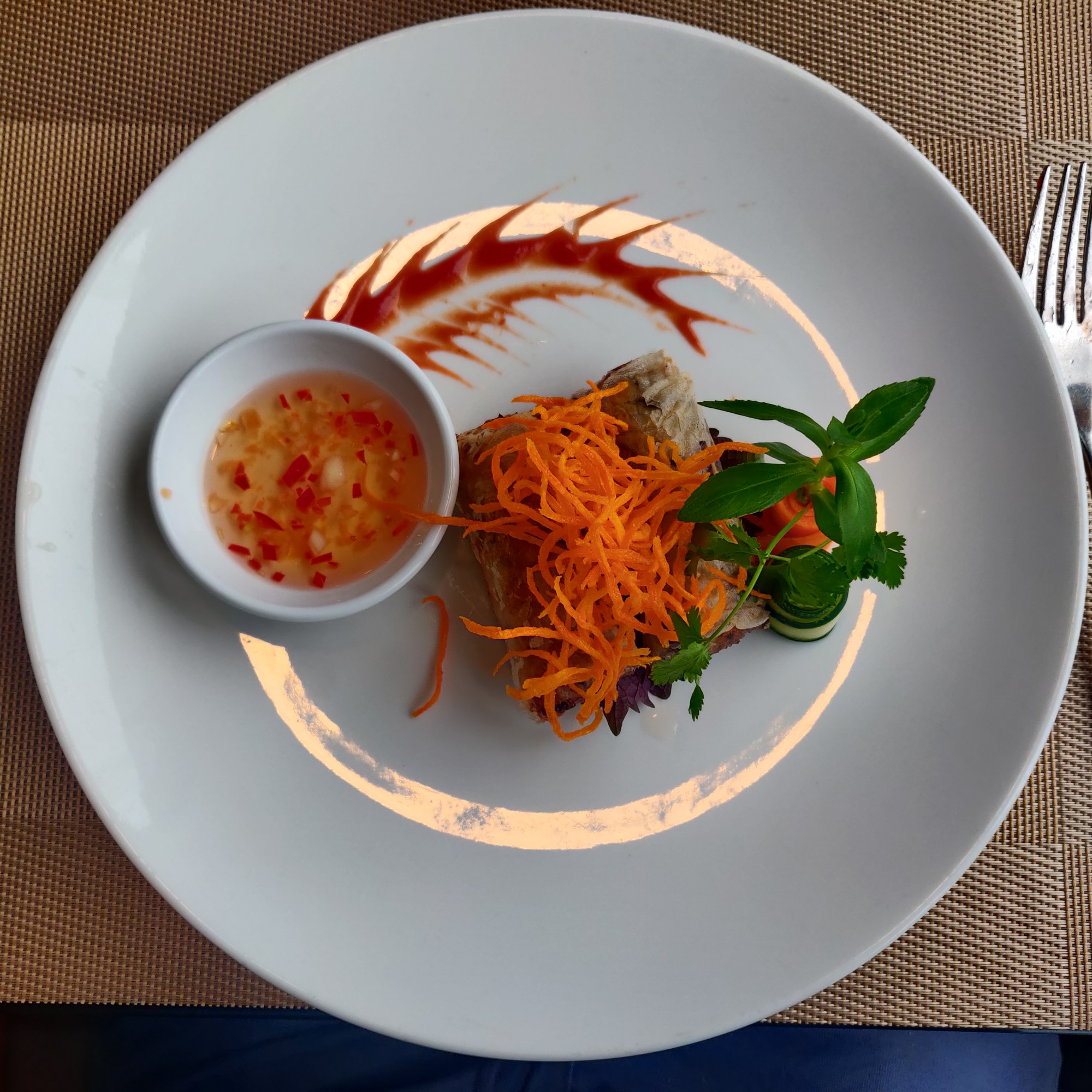
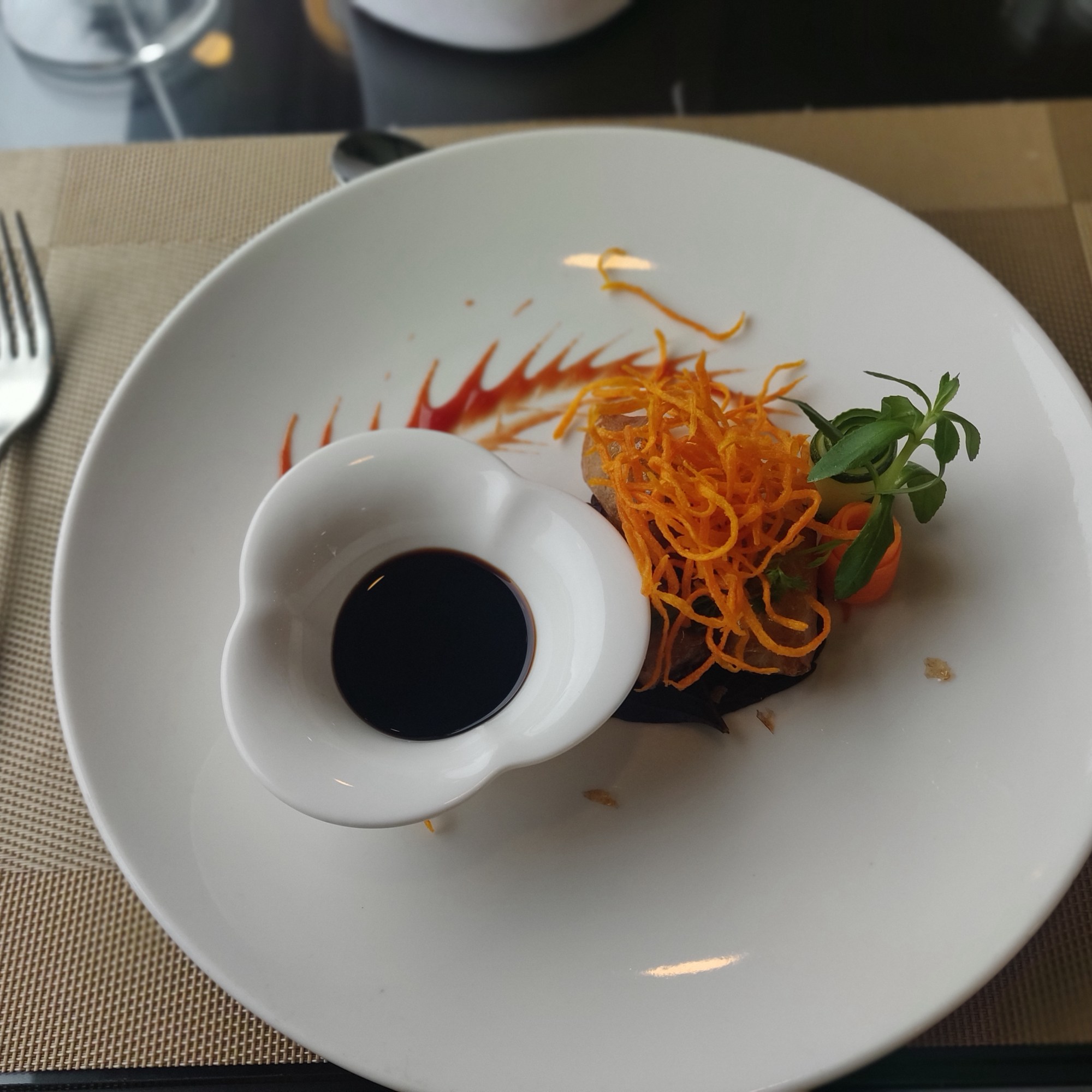
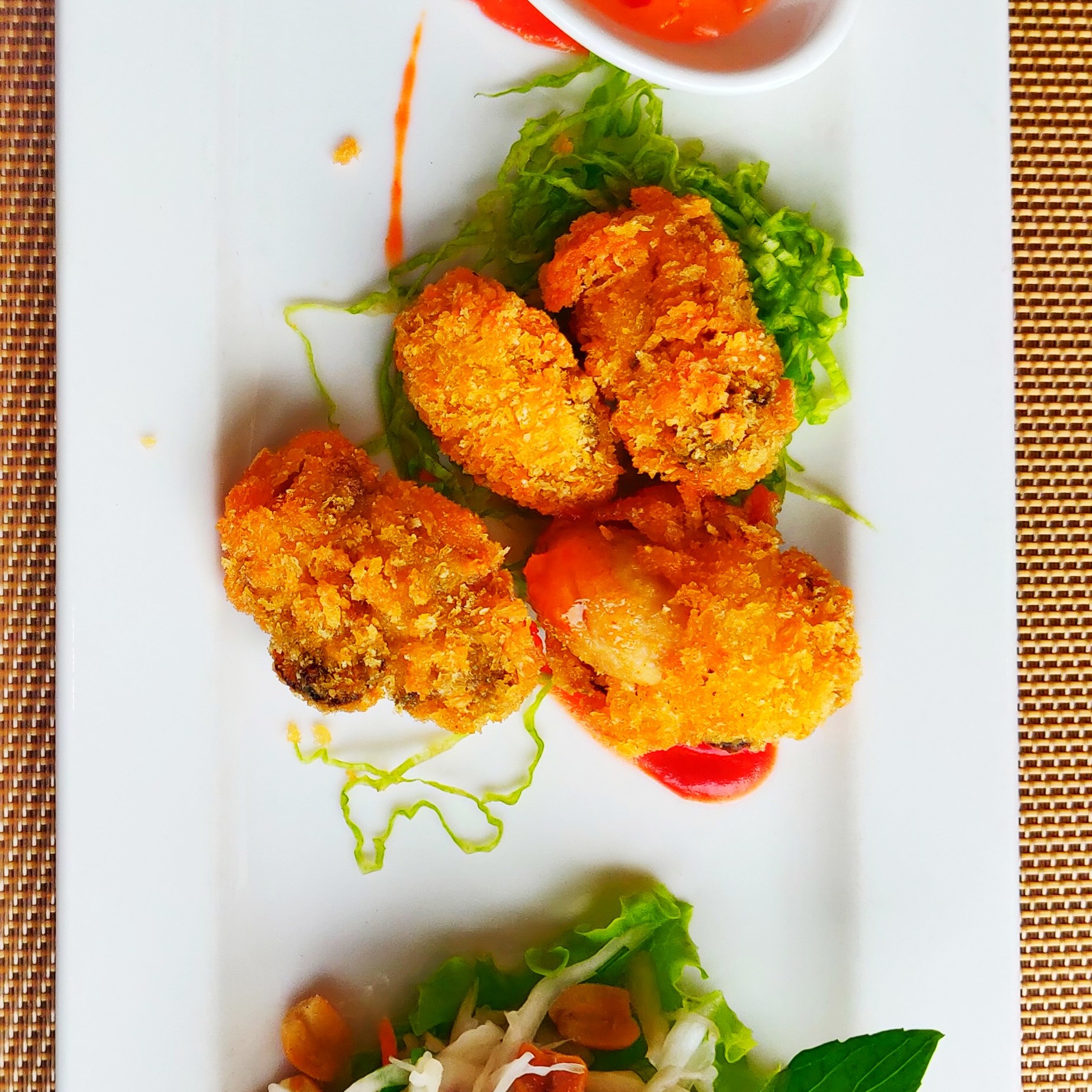
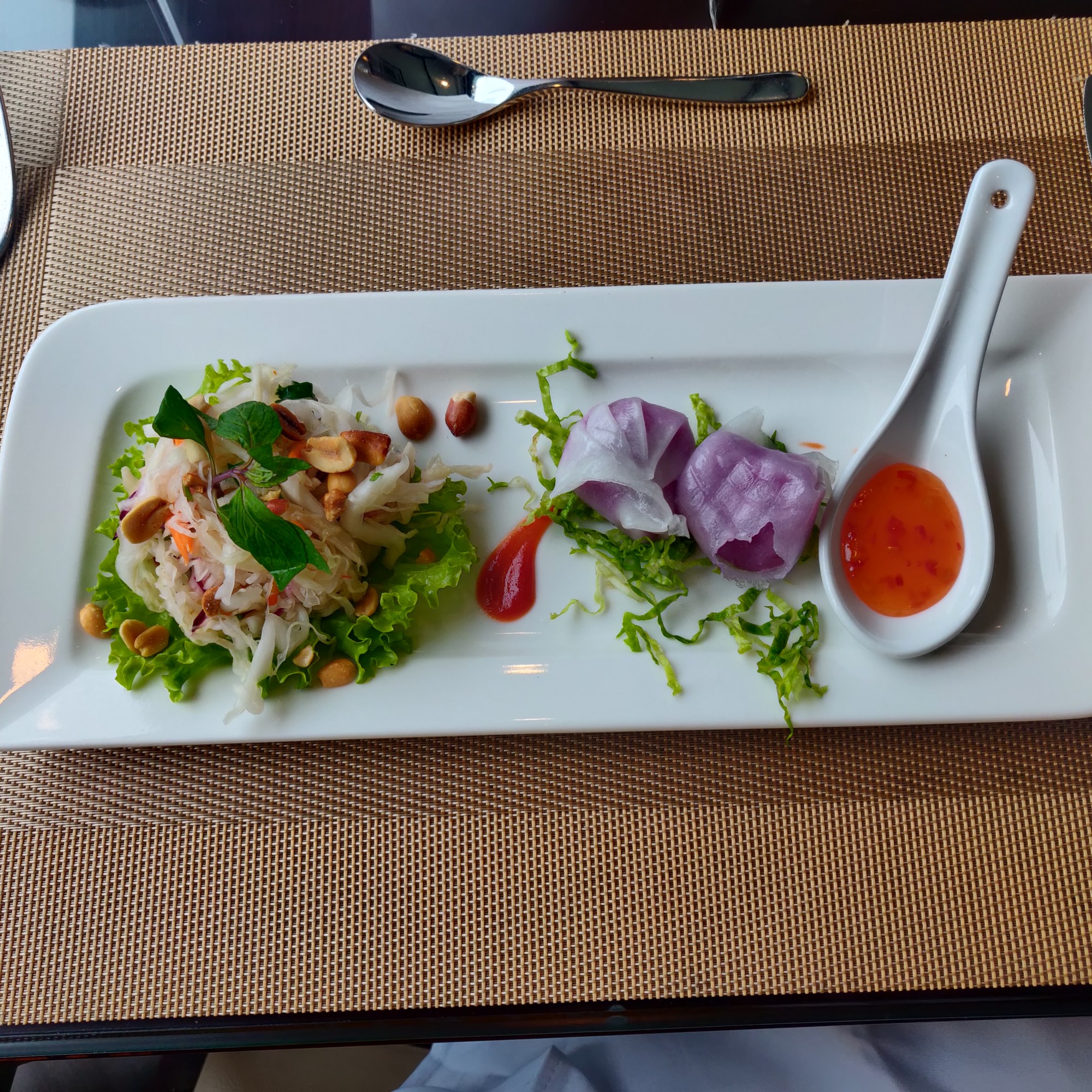
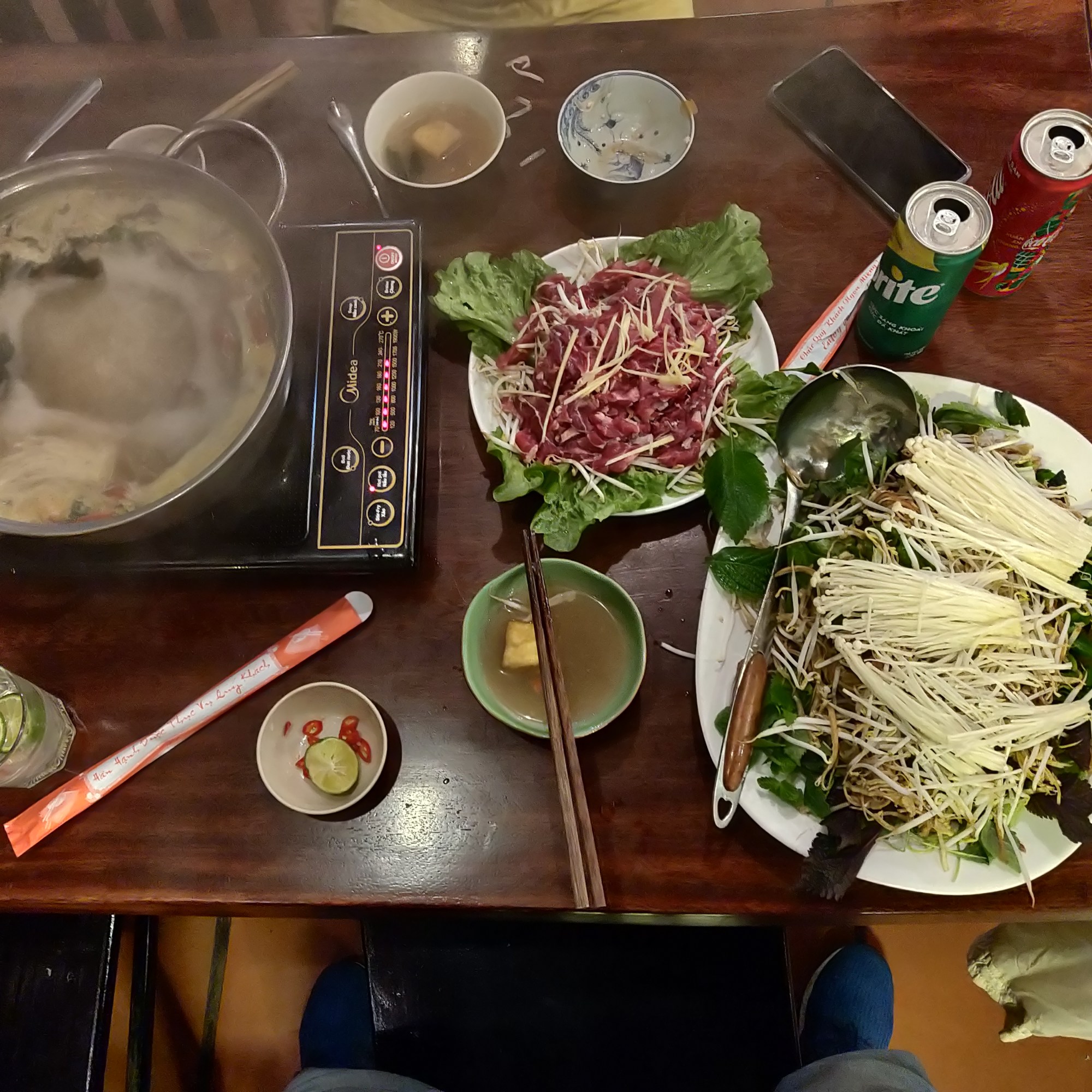
One of the major attractions of a Vietnamese trip, is it’s food. The food is SE Asia is similar but with it’s own subtle and distinctive features, Vietnamese cuisine has also added a distinct french flavor to some of its dishes. Sufficient to say we enjoyed it specially as the Vegetarians were not left out. Akshay’s snaps below of the culinary feast during the tour.
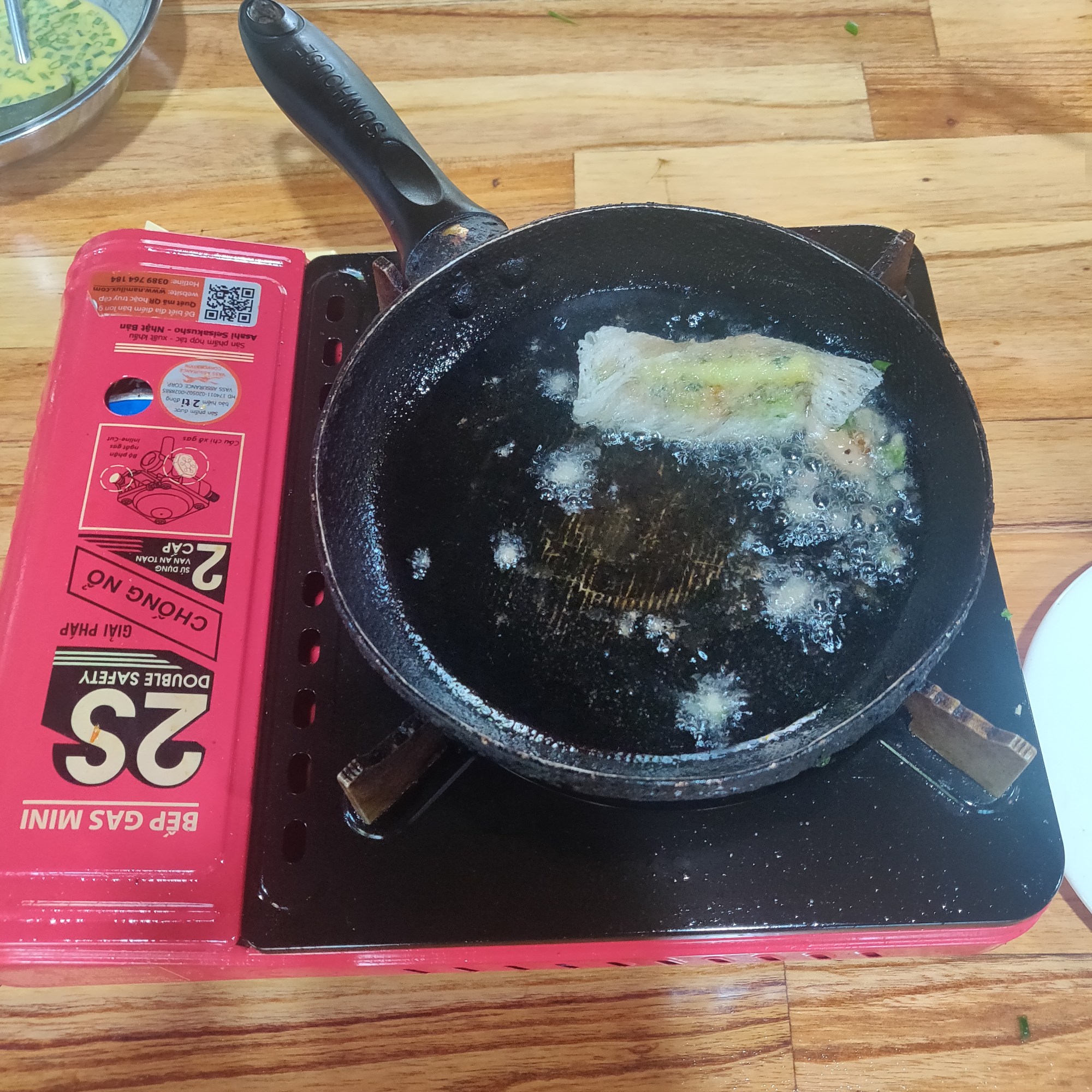
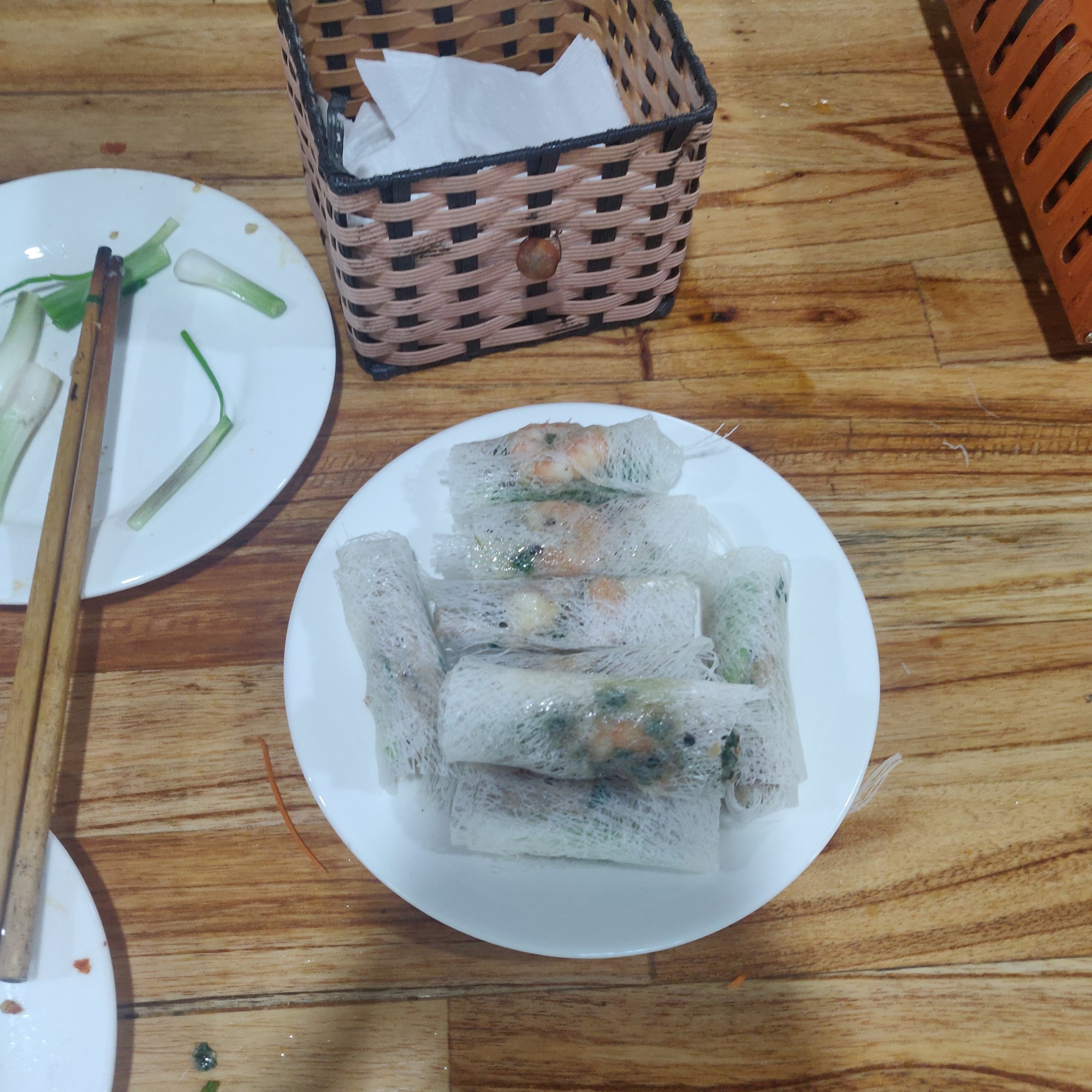
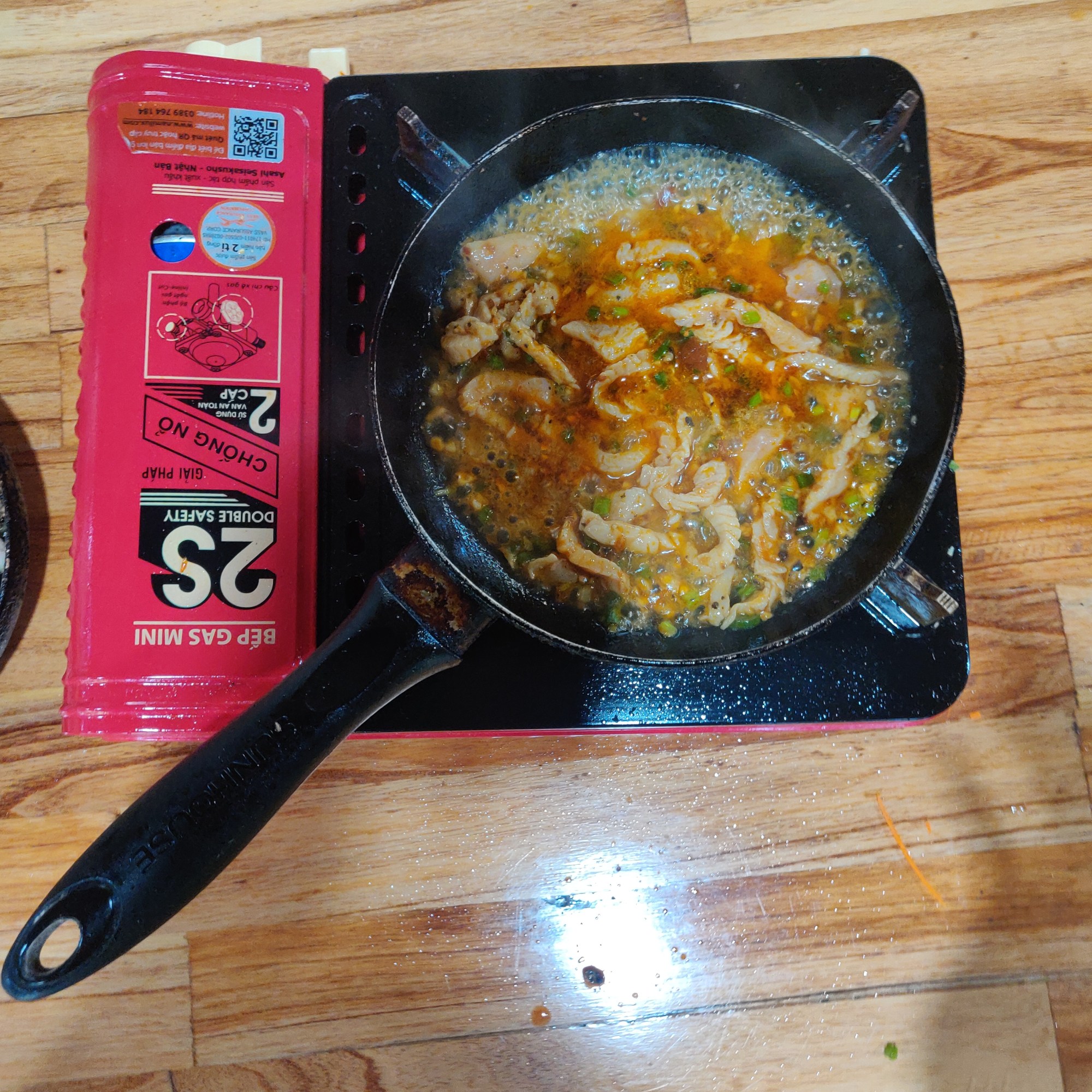


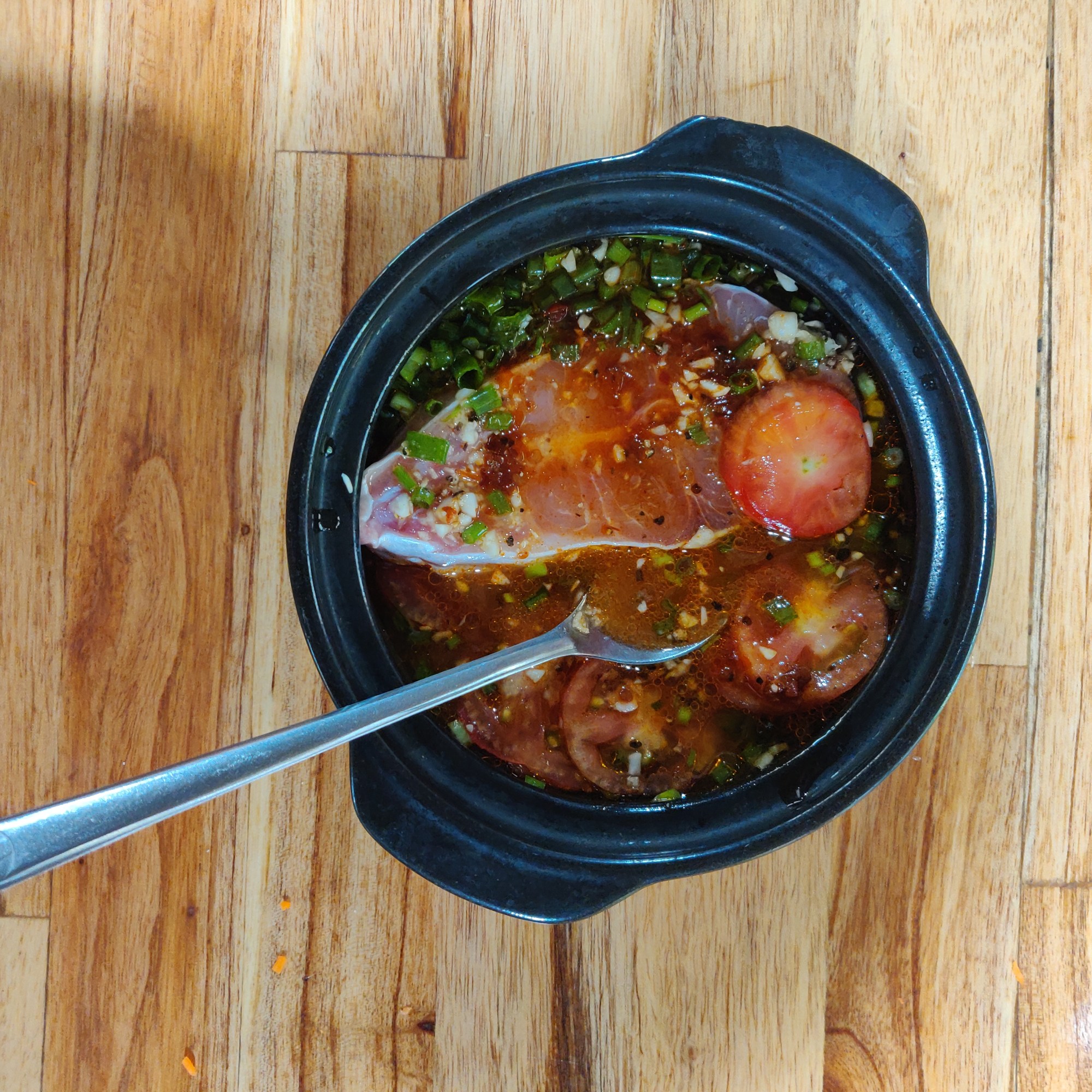
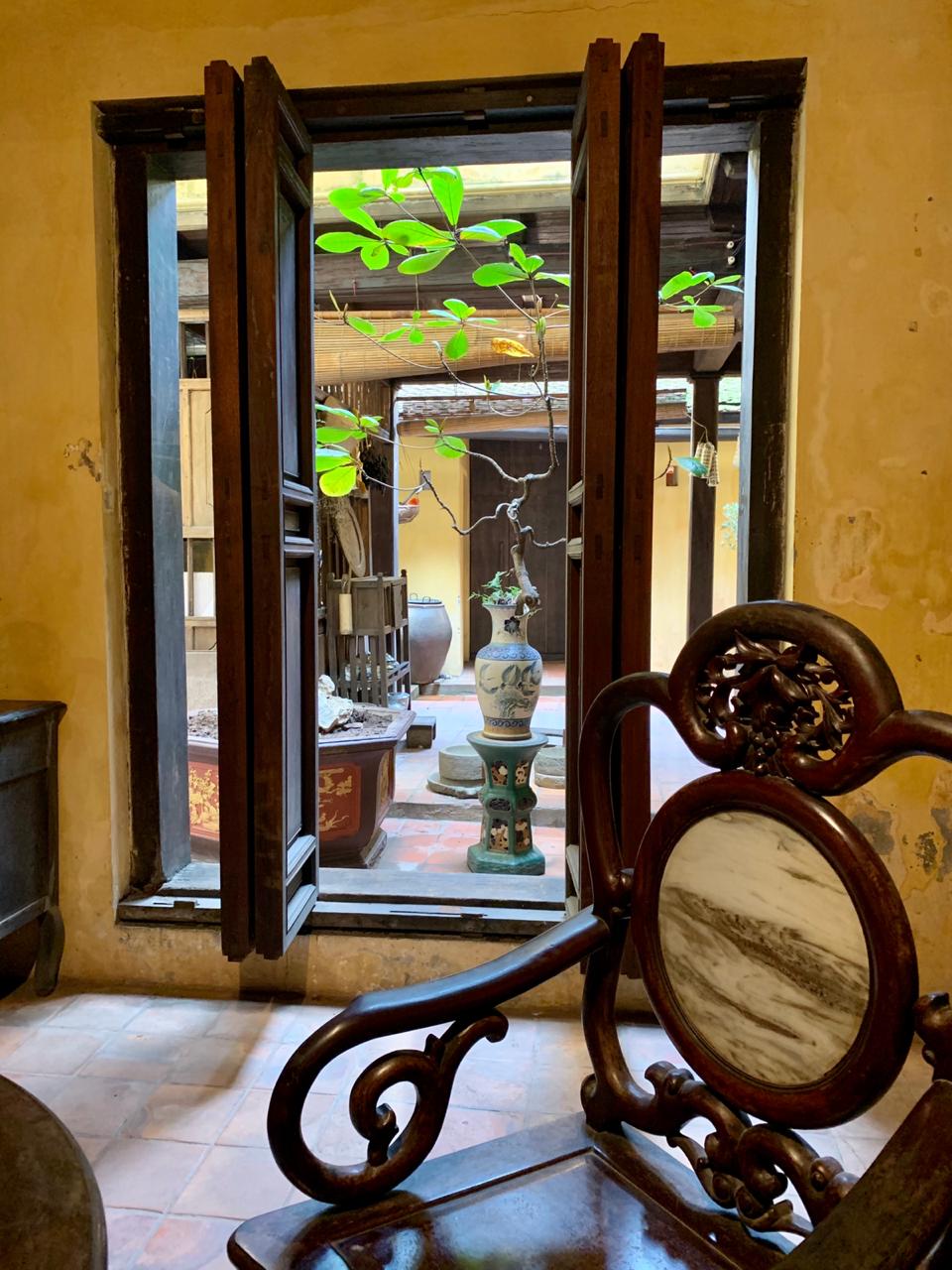
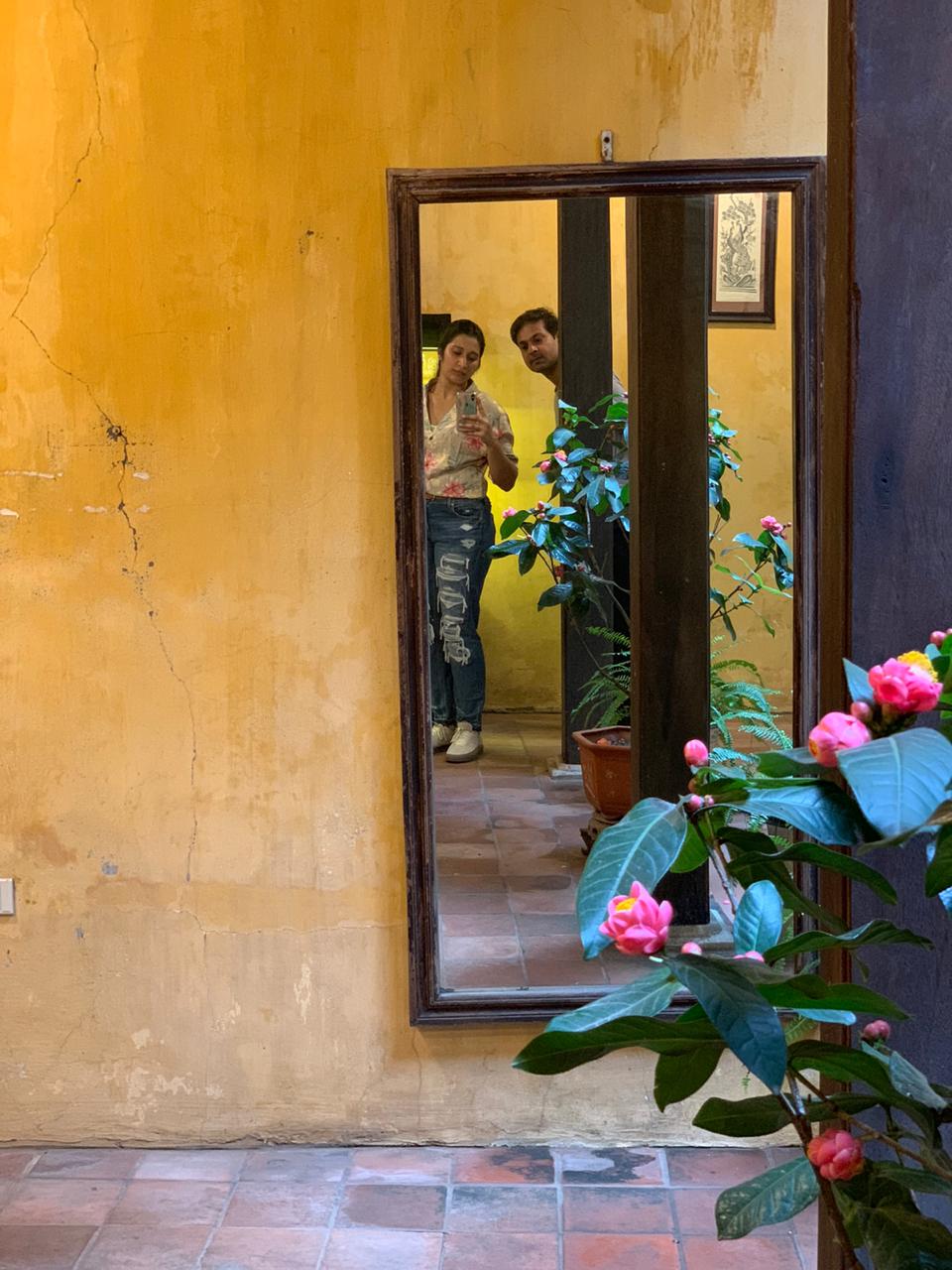
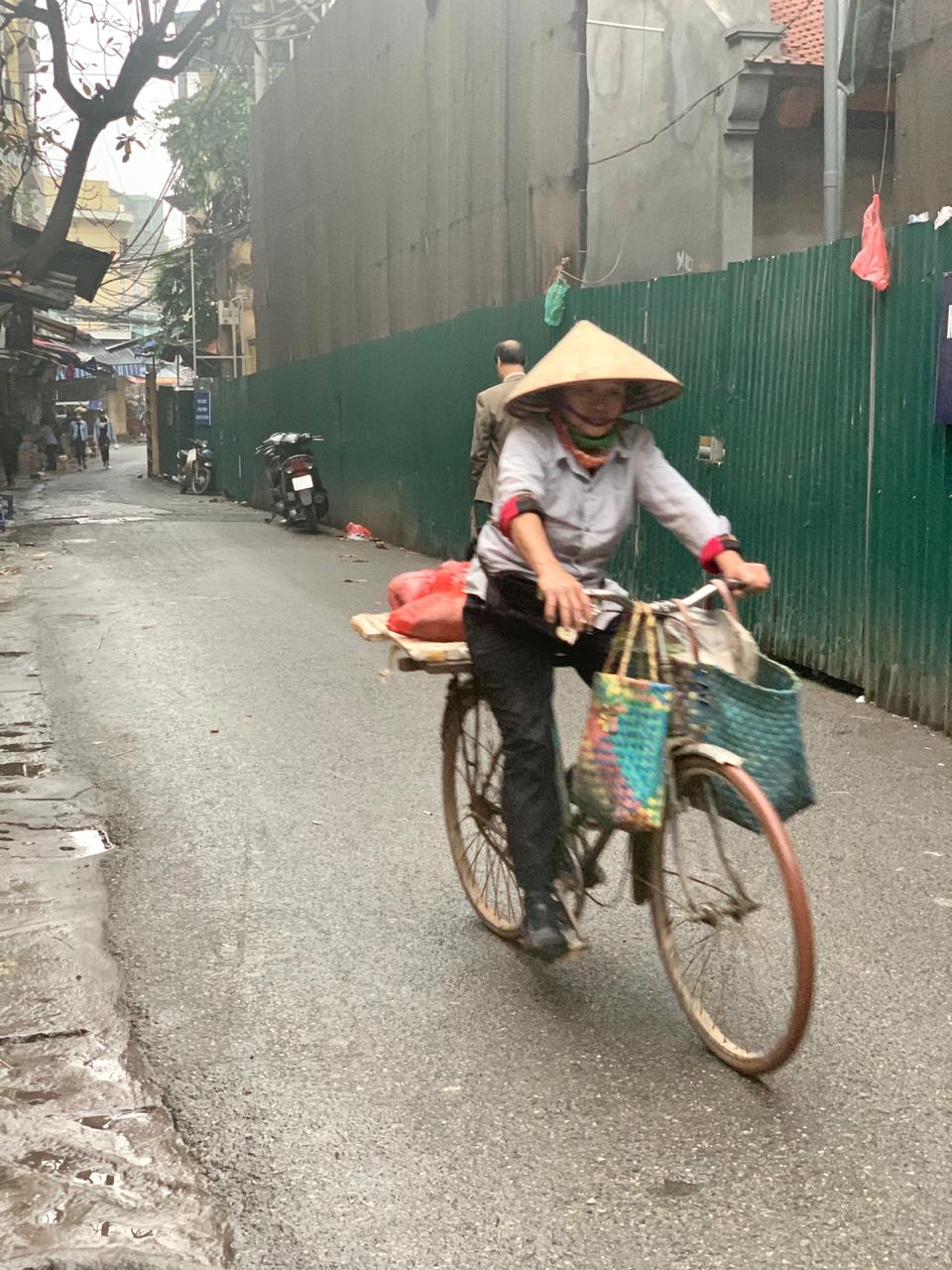
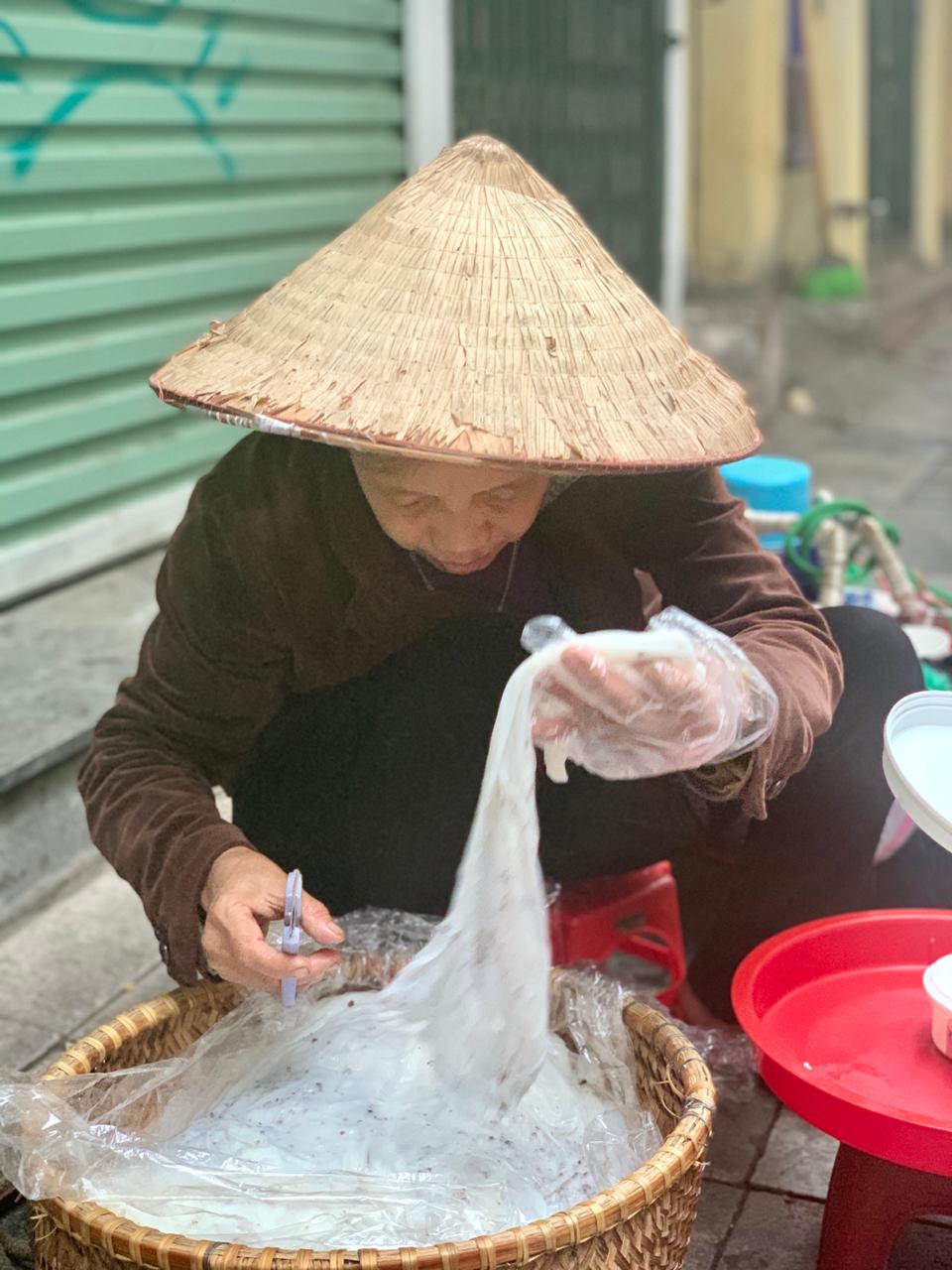
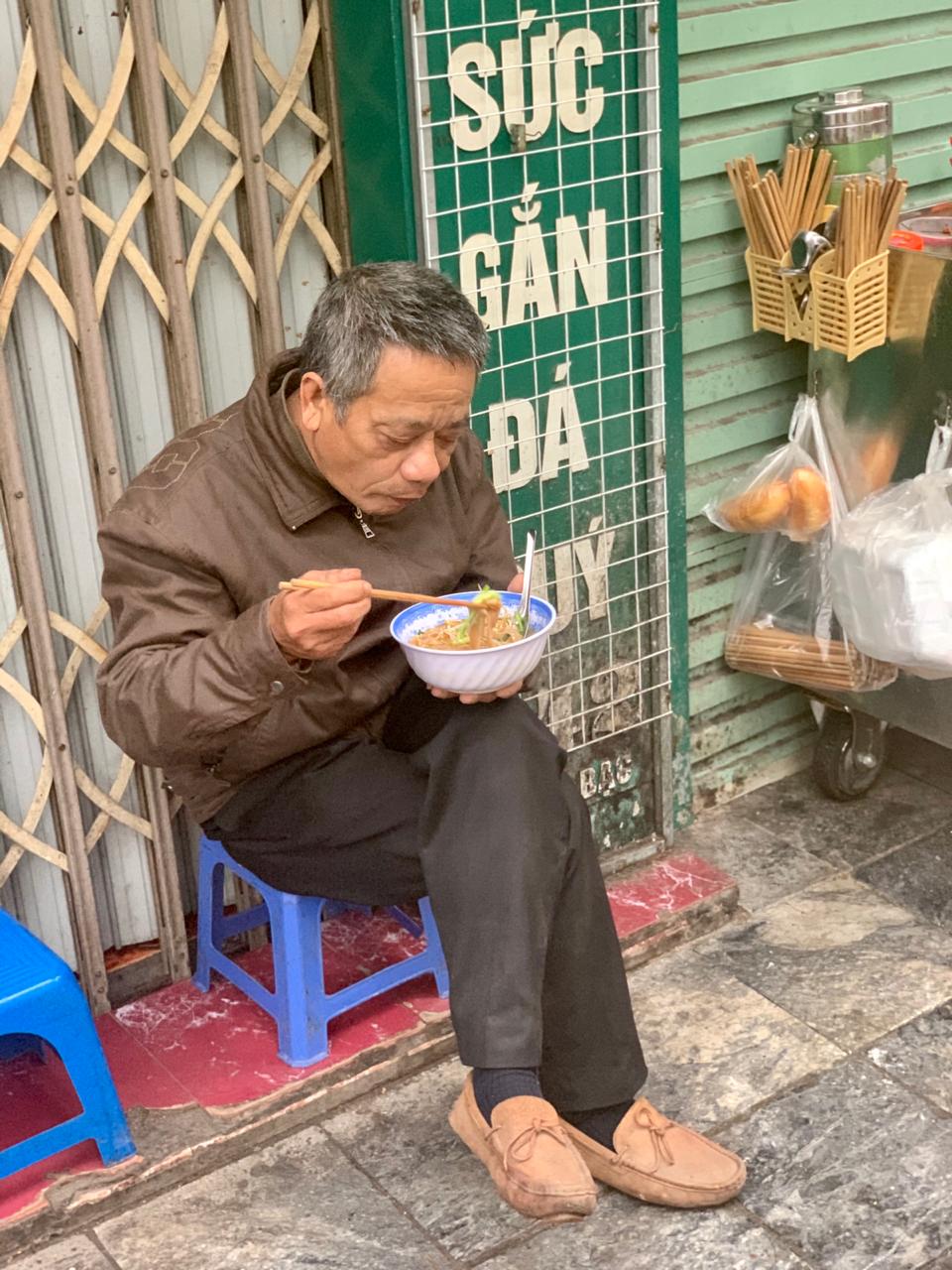
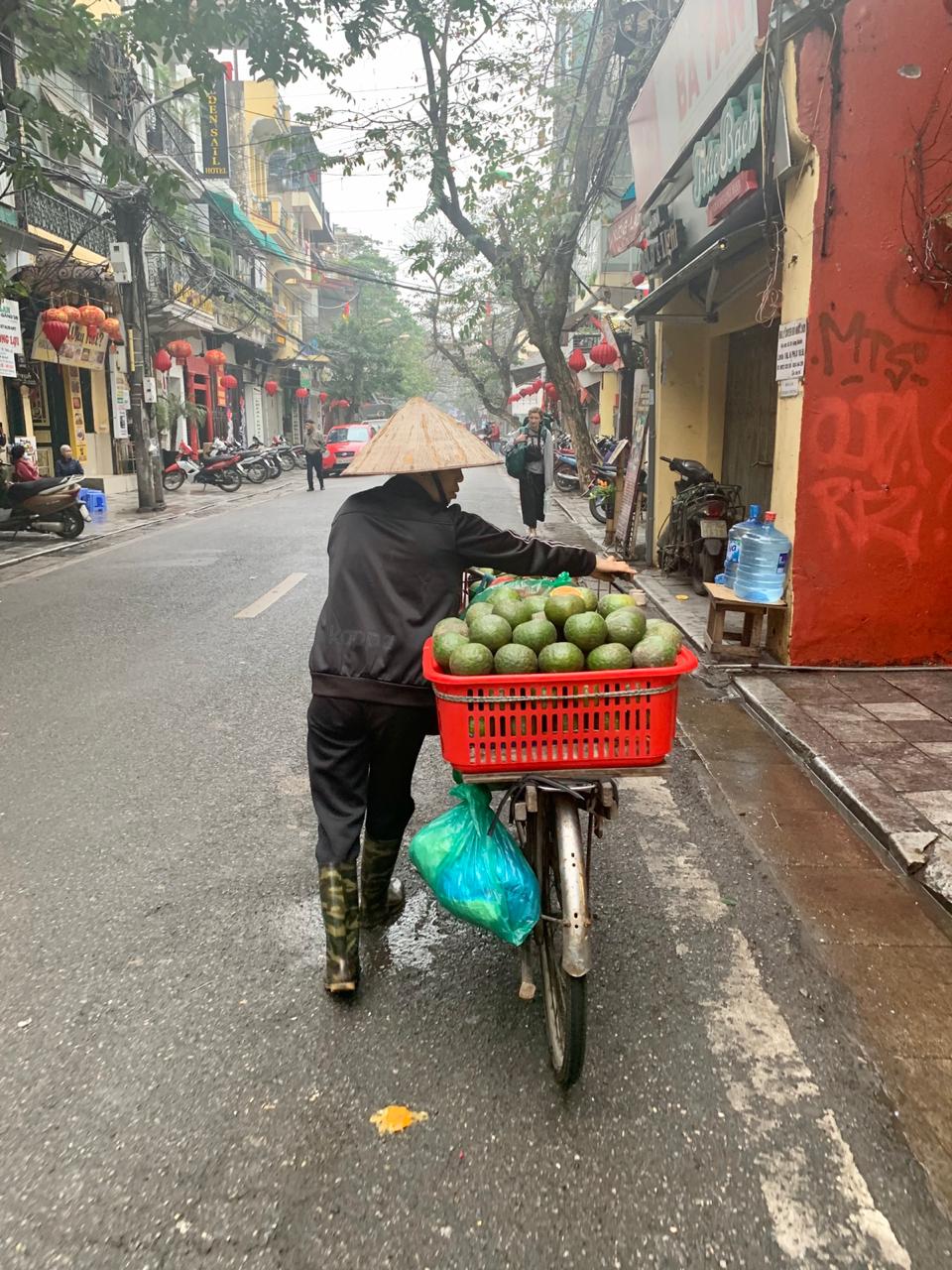
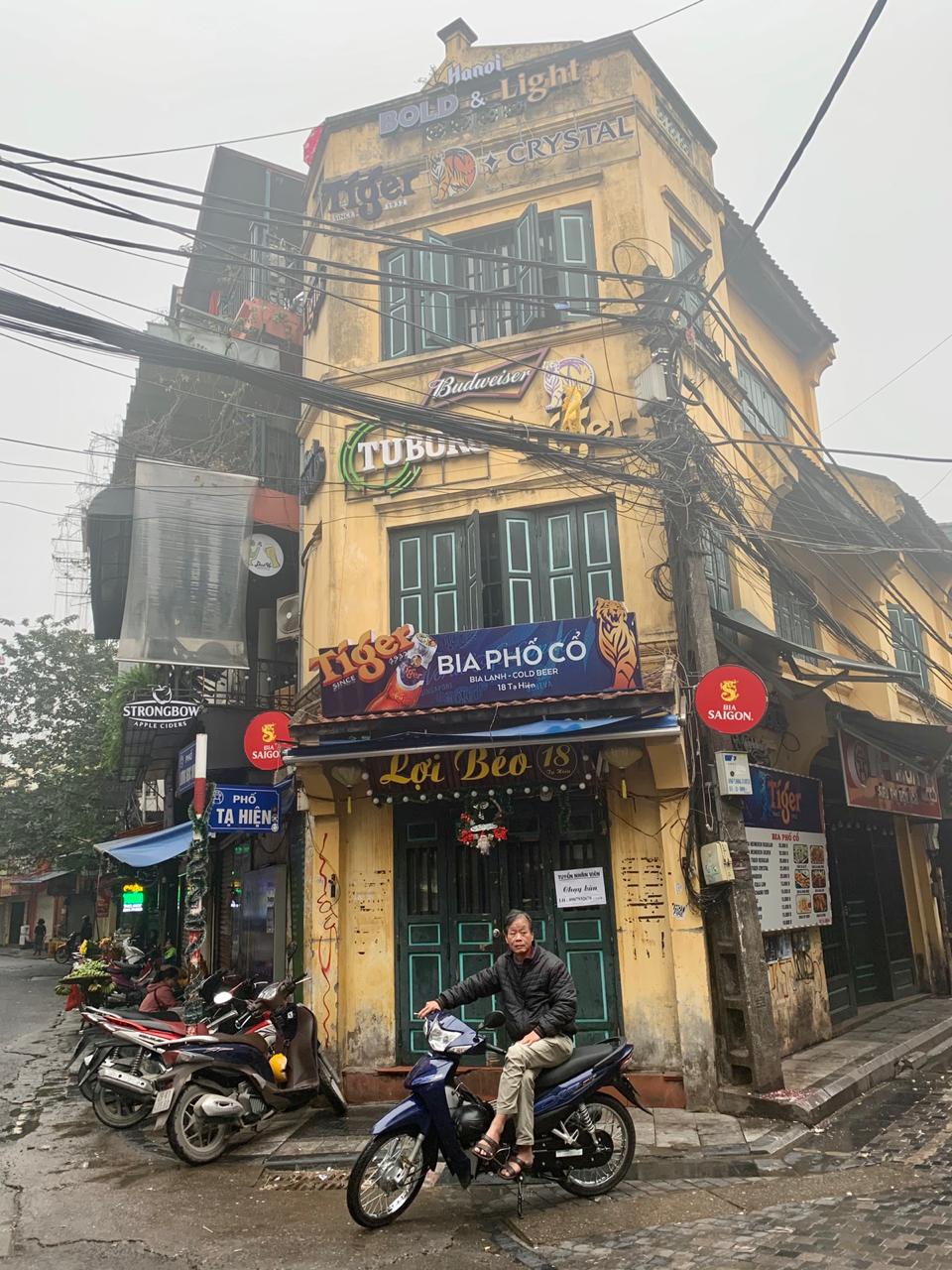
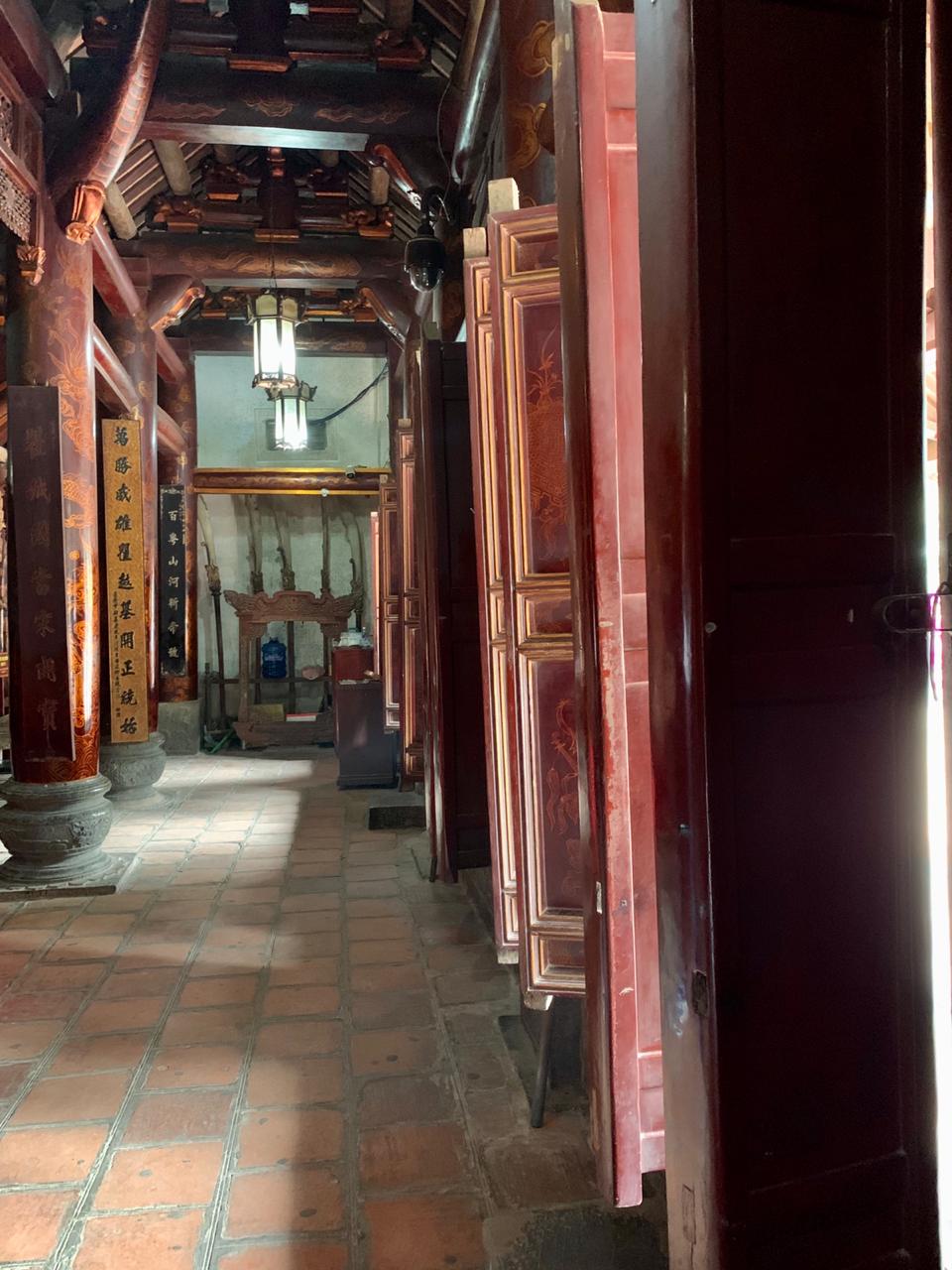
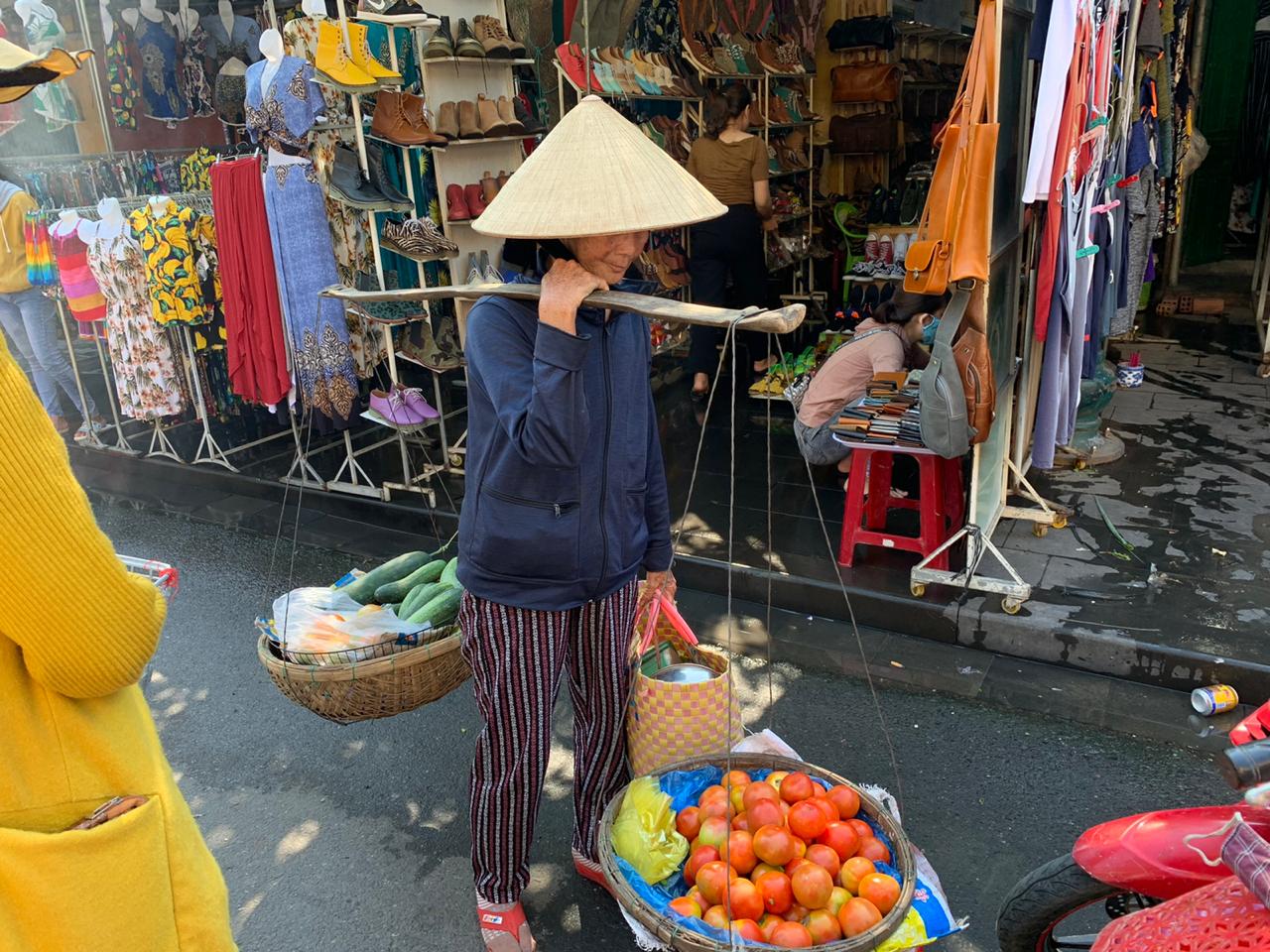
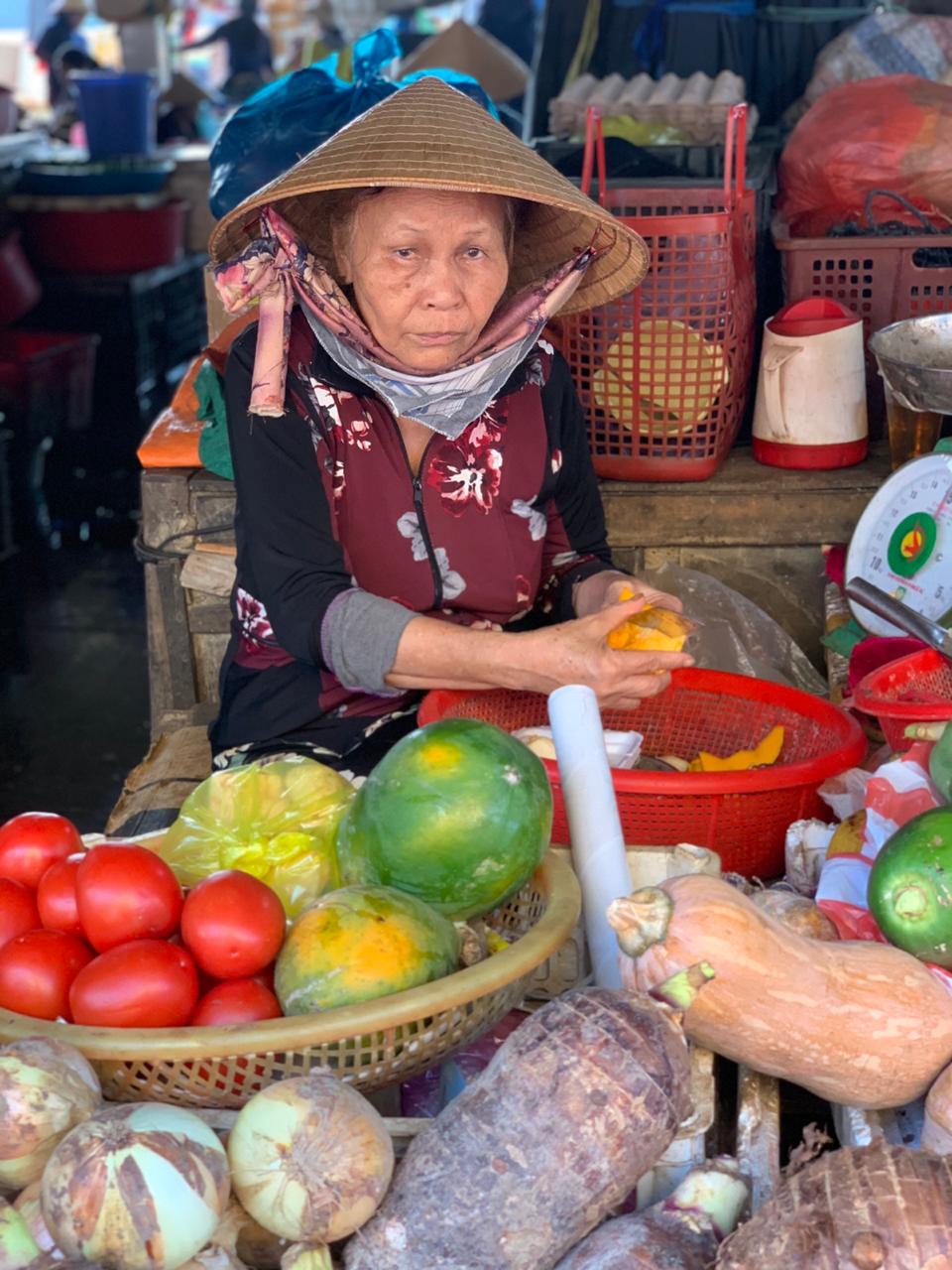
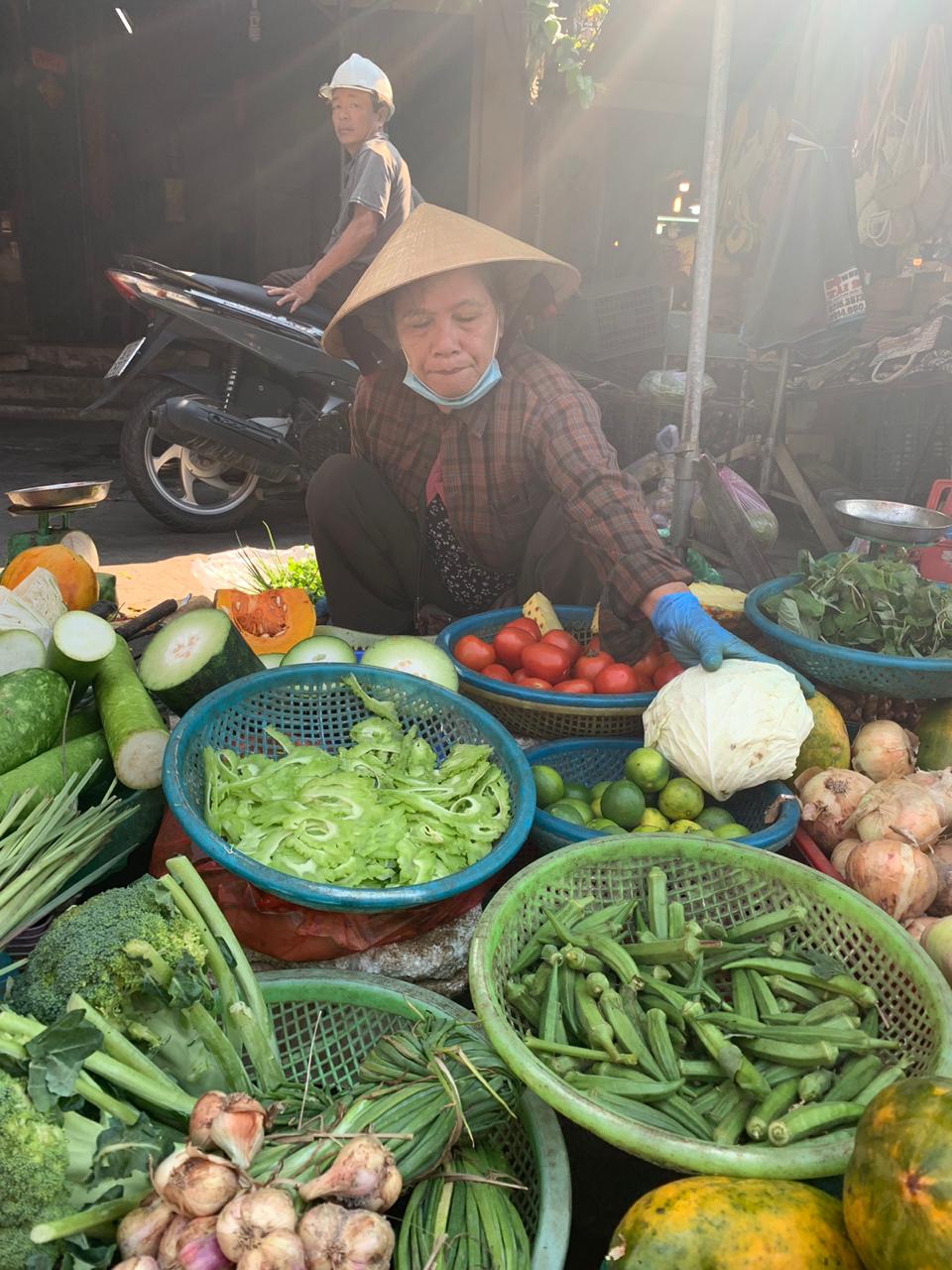
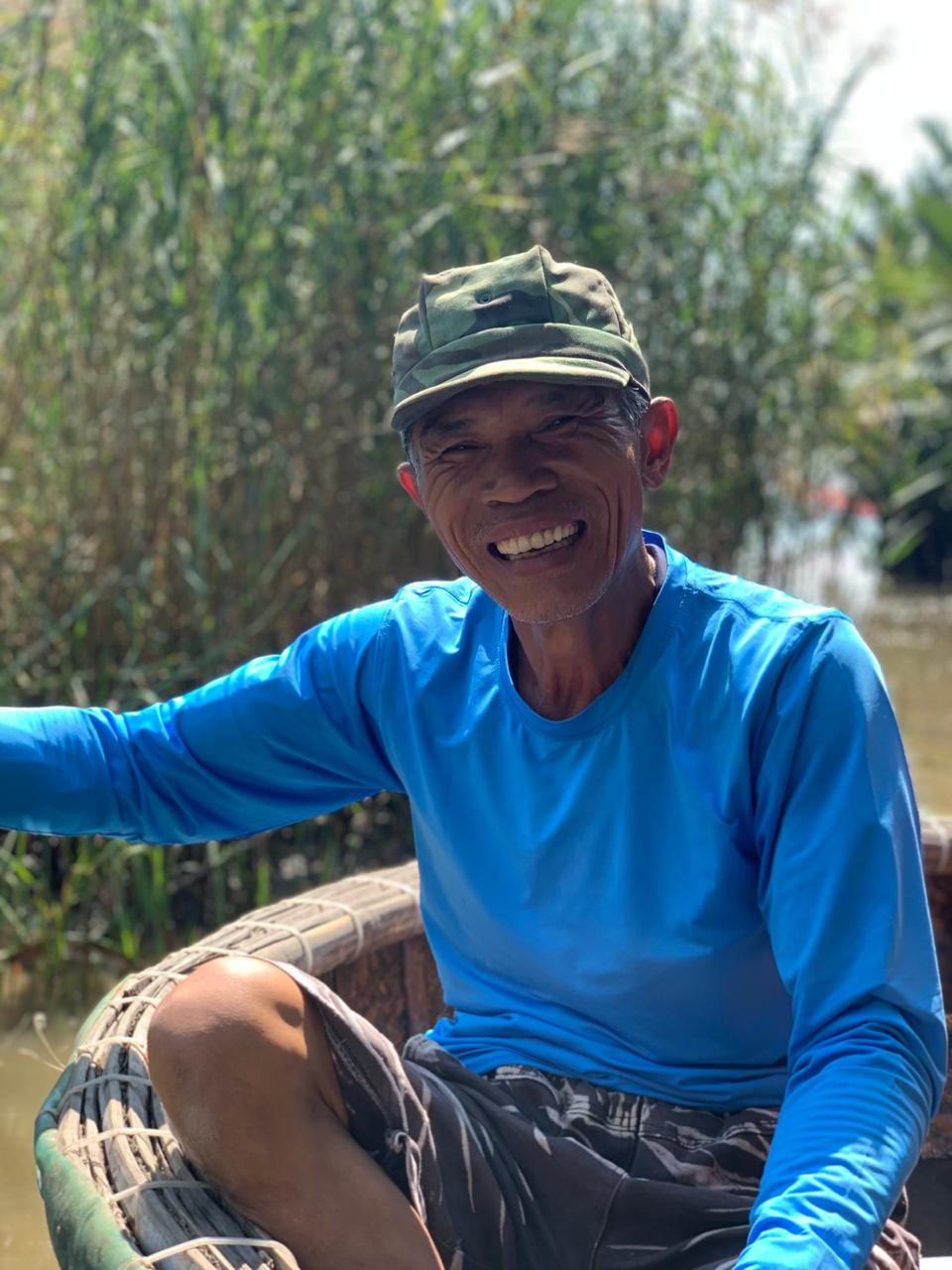
After finishing with our trip, we headed to the airport, Easha’s flight was much later. we learnt that her flight was cancelled but the airlines put her up in a hotel next to the airport, but we were very very worried and felt at ease only when we heard from her later that she had reached home safely. Easha – needs a bit of introduction, she was with Aniruddh in AOL sessions. When she was doing her undergrad medicine in Navi Mumbai, she became a part of the family, Revathi and I treat her as a non-biological daughter. Her photos taken during the trip need to be shown on their own.


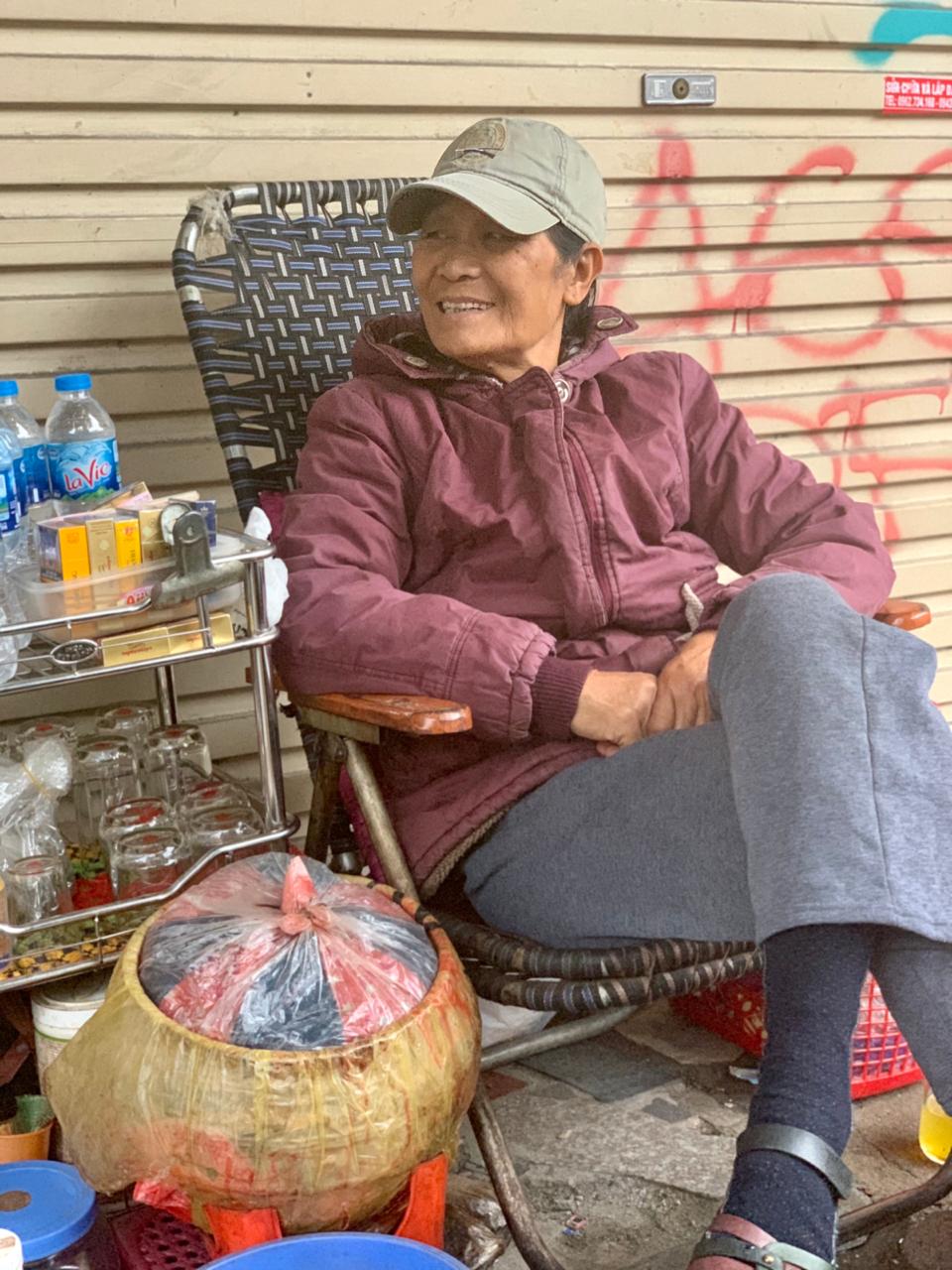
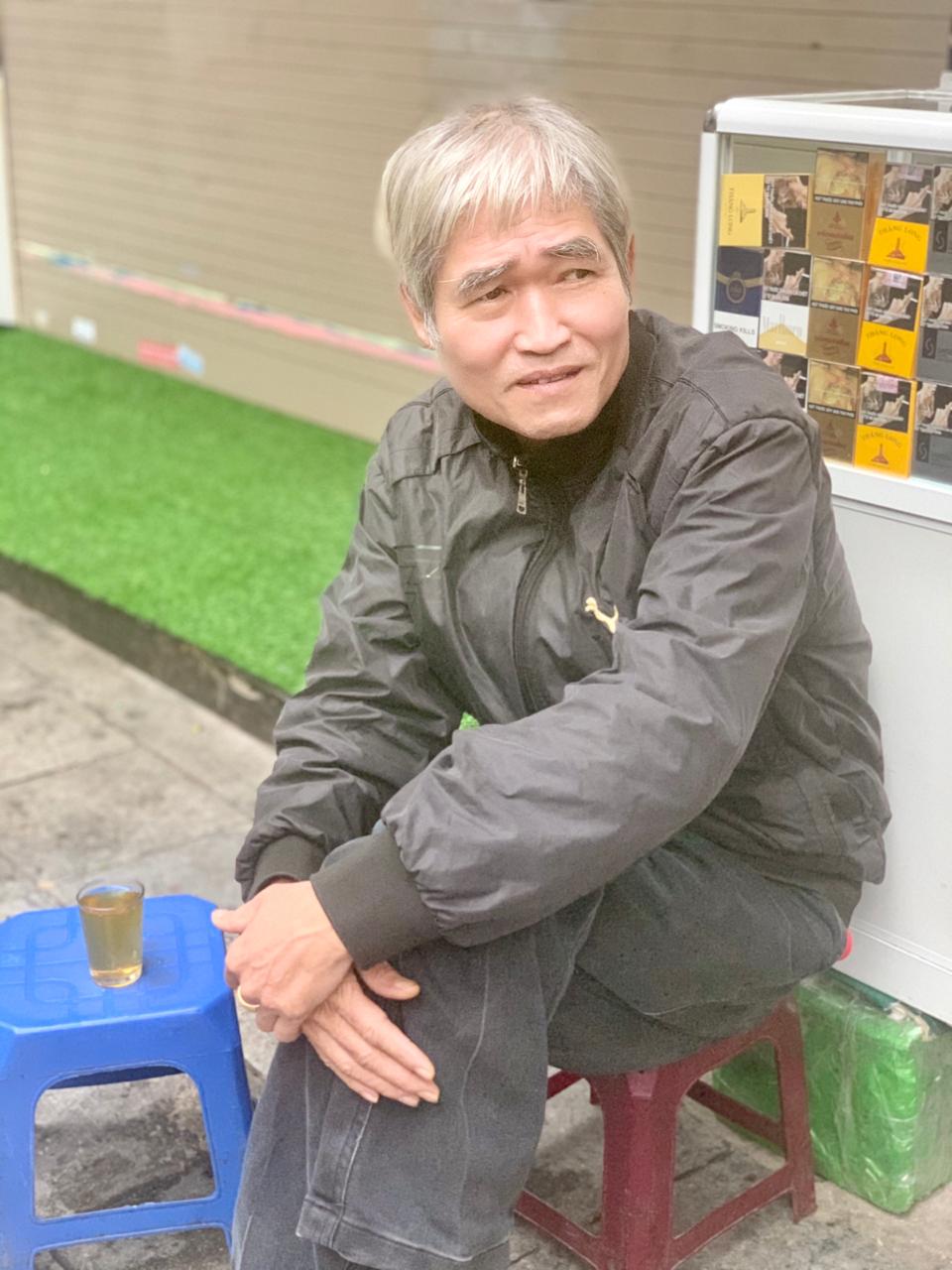
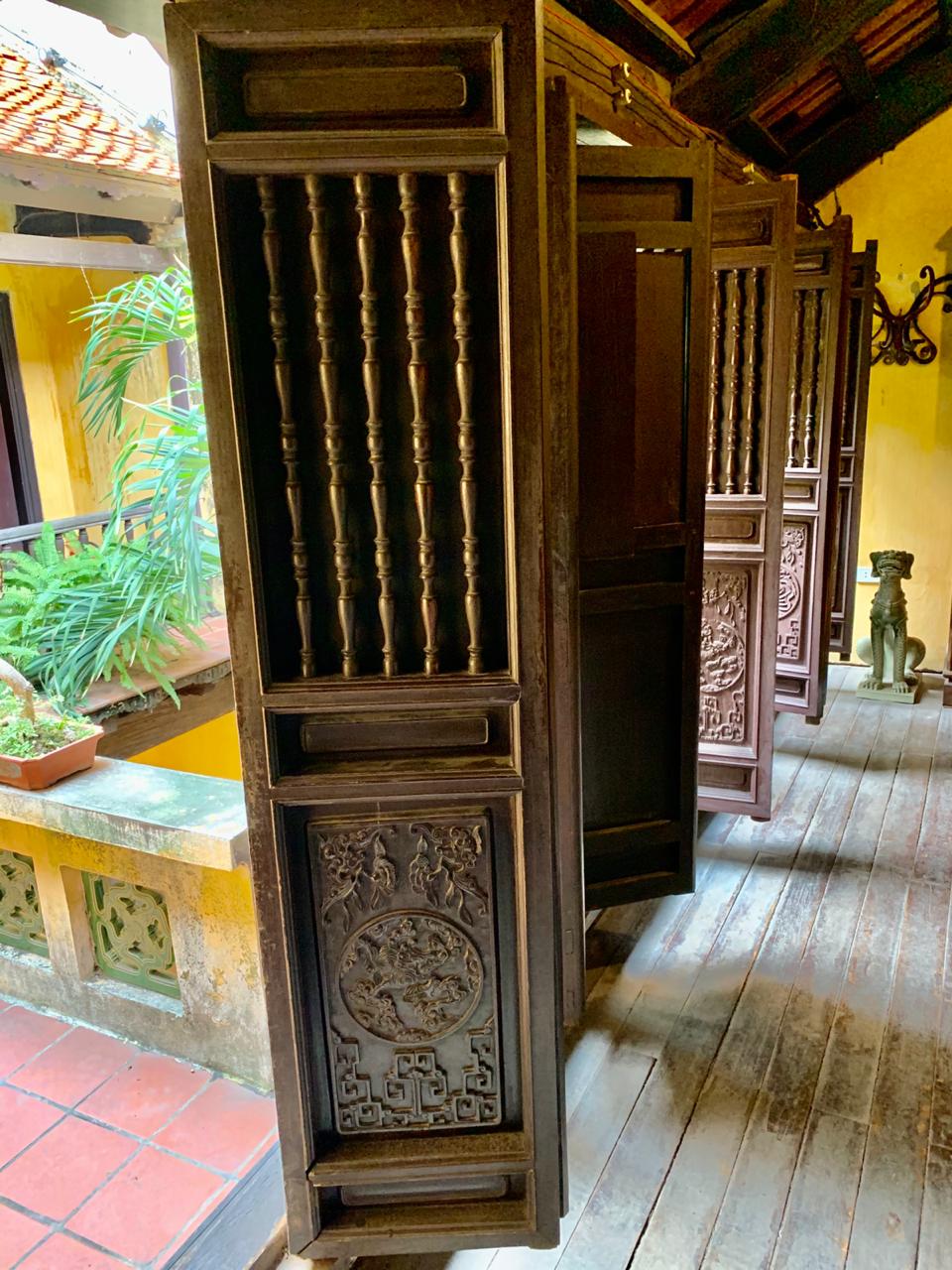
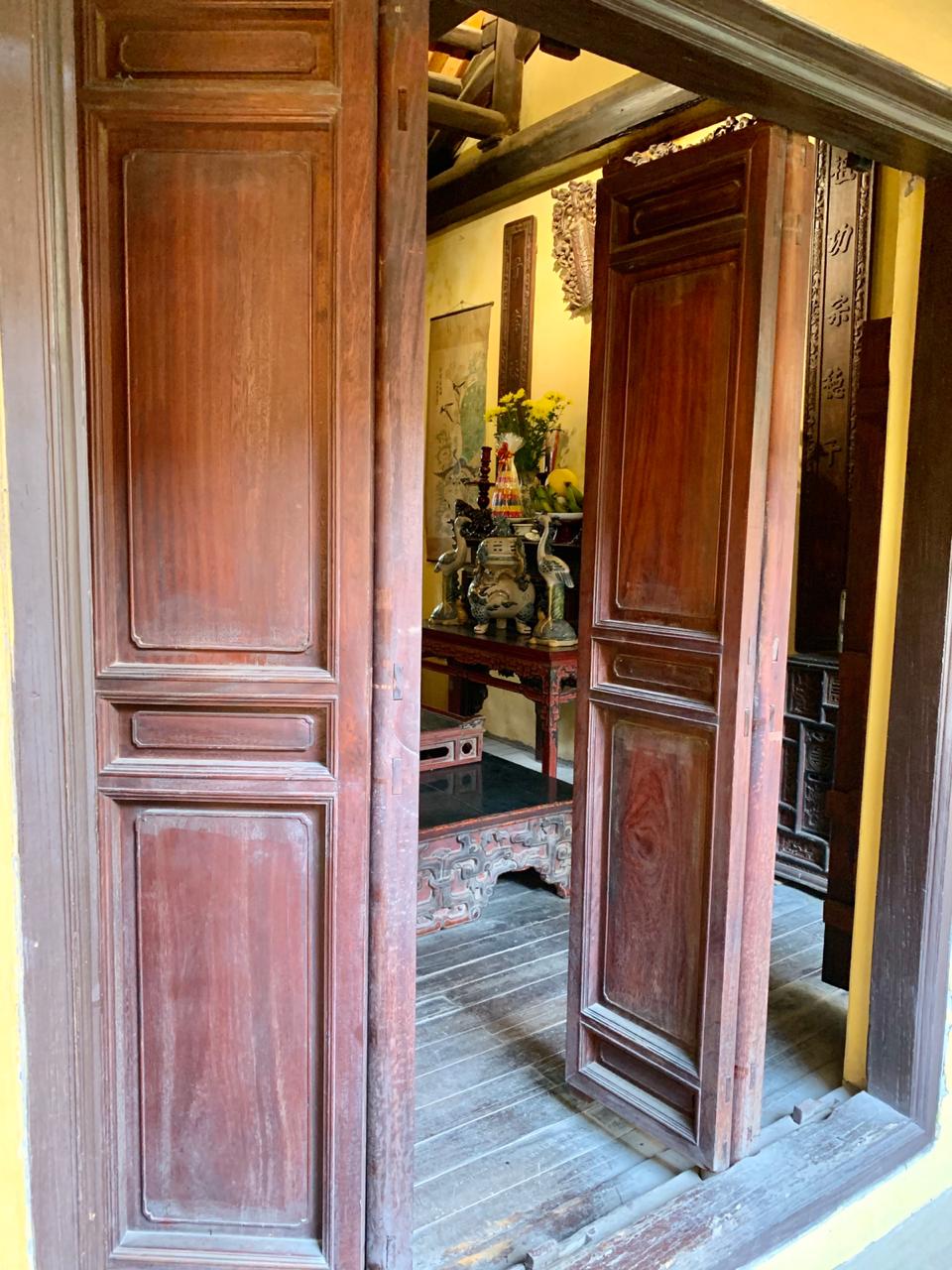






We reached Bangkok, at night but not too late to have a good night’s rest.
I should mention the great care taken by our tour manager Mr Sam Duong. He constantly kept checking on us, helped Easha out during the cancelled flight crisis, made sure that some items left behind on the cruise vessel were safely delivered to us in Ho Chi Minh.
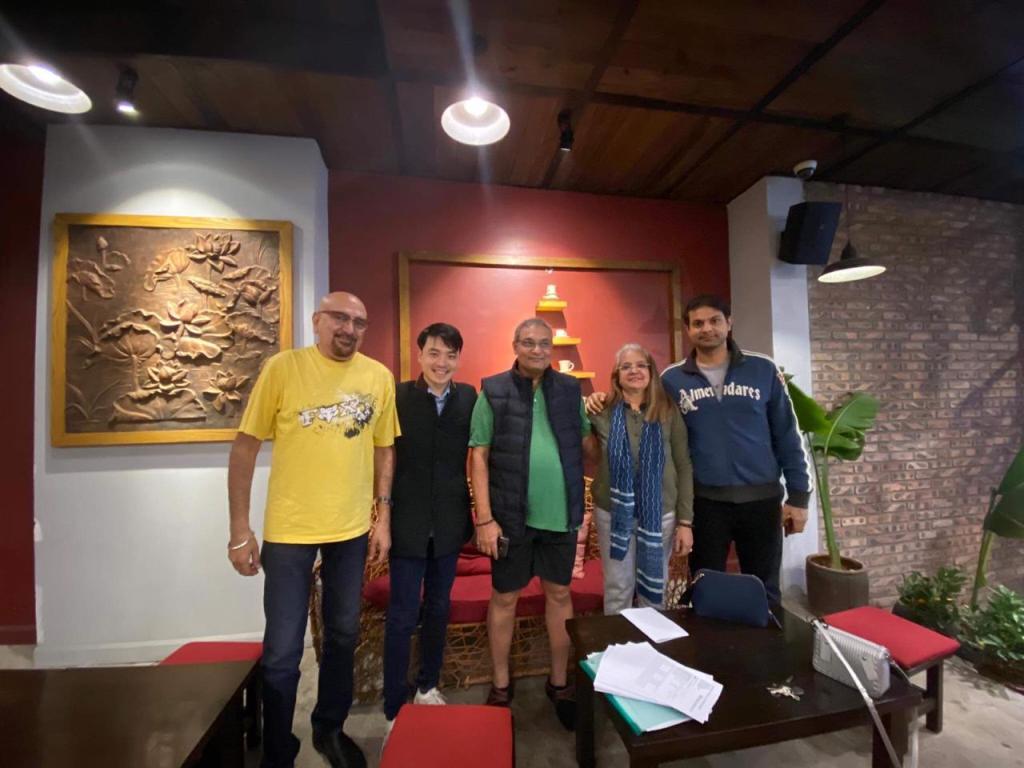
If you ever travel to Vietnam and are looking for a tour operator I would definitely recommend Sam and his agency.
Thank you Sam, and your team – for making our trip wonderful and memorable.
VIETNAM – We will be back!
 Walkabout with Anil

A vivid account of Vietnam. It reminds me of military history paper for promotion examination in Army. Having read, one gets convinced, to visit. …but for Corona
LikeLike
Thanks – high praise coming from you
LikeLike
Well presented.. Good reading !!!
LikeLike
🙏
LikeLike
🙏
LikeLike